What is Flat White Australian White Coffee: Differences in Production, Taste, and Characteristics between Flat White, Latte, and Dirty Coffee

Walk into any specialty coffee shop today and you will find milk-based espresso drinks like Flat White, Latte, and Cappuccino on the menu, and some shops also pour Dirty or the more niche Piccolo Latte. With so many options on the board, the differences between Flat White and Latte, and between Flat White and Dirty, leave many customers puzzled. Below, FrontStreet Coffee explains what each of these drinks actually is—and how they differ.

What is a Latte?
The word "latte" is simply the Italian word for milk, so a Latte is, literally, "milk coffee." With such a high proportion of milk, the dairy character dominates the coffee, and the thin layer of microfoam gives the drink a delicate, silky texture.
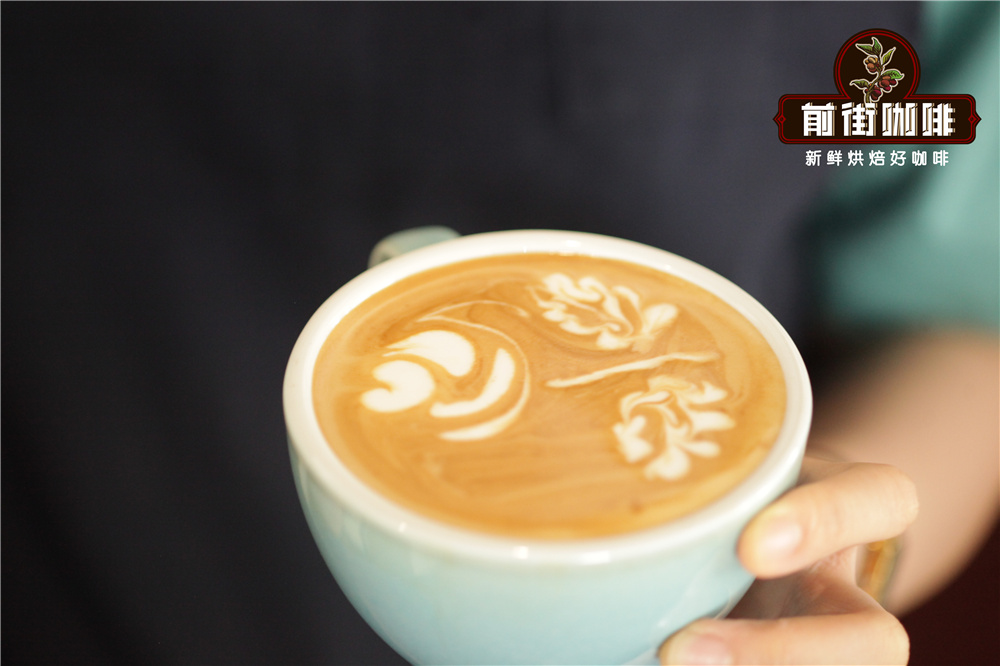
The moderately thick foam on a hot Latte lends the whole drink a smooth, velvety mouthfeel—and of course, it is the classic canvas for latte art, making it a pleasure for both the palate and the eye.
What is a Flat White?
The Flat White originated in Australia, though some insist it was actually born in New Zealand. Beyond the dispute over its birthplace, recipes vary as well. A Flat White is a milk coffee with a stronger coffee flavor, less milk, and a thinner foam. As for the espresso base, New Zealanders tend to build it on a double ristretto, while Australian baristas generally prefer a single espresso.

In Australia, the Flat White is only served hot. Add ice and, once the overall concentration is diluted, you have essentially lost the soul of the drink—what you are holding is, for all practical purposes, an iced Latte.
What is Dirty Coffee?
Dirty Coffee is typically served in a clear glass that shows off the liquid, with no ice in the drink itself. Hot espresso is poured slowly over chilled milk, gradually permeating and staining it. As time passes, the pure white milk is progressively "contaminated" by the dark espresso, and seen through the glass, the beverage looks—as the name suggests—dirty.

Dirty can only be made cold, because its defining feature is the drinking experience of "ice and fire coexisting" in one glass.
From these brief introductions, FrontStreet Coffee can summarize how the three drinks rank in milk content, coffee intensity, and overall body:
Milk content: Latte > Flat White > Dirty
Coffee content: Dirty > Flat White > Latte
Overall body: Dirty > Flat White > Latte

With those rankings in mind, you should have a rough picture of all three drinks. So how do they differ in actual preparation? Here is FrontStreet Coffee's guide to making each one.
How is a Latte Made?
A proper Latte starts with a proper espresso shot—a normal flow rate and clean, balanced flavor. Shops differ in how much espresso they use: most pull a double shot for their Latte, while some use a single. FrontStreet Coffee, for example, builds its Latte on a single espresso.
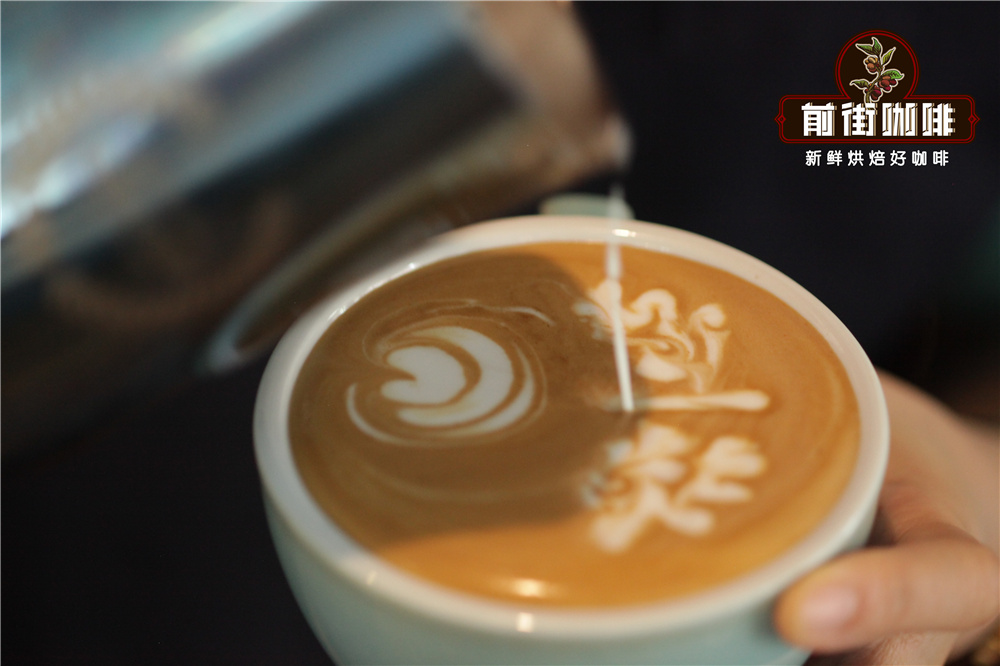
Next comes milk steaming. Steaming milk well is one of the marks of a competent barista. A Latte's foam should stay thin so the drink drinks silky and delicate; if it is steamed too thick, the texture suffers. Well-steamed milk has a glossy surface, no obvious large or small bubbles, and an even, fine consistency throughout. Once the espresso is extracted and the milk is steamed, the two are combined carefully to finish the drink.

The pouring and blending stage matters just as much. A well-integrated Latte feels smooth and harmonious, with no sense of coffee and milk sitting apart from each other. With the right foam thickness and a clean blend of coffee and milk, you get a comfortable, crisp latte art pattern as well.
How is a Flat White Made?
As noted above, a Flat White foregrounds the coffee itself, whereas a Latte is dominated by milk. The most distinctive feature of the Flat White is how the milk is poured: rather than swirling into the crema, a thin, steady stream is poured from the center, so the crema on the espresso surface is not broken up—leaving a small white circle in the middle of the cup.

A Flat White also uses more espresso than a Latte. FrontStreet Coffee pulls a double shot for its Flat White, then pours about 100ml less milk than it would for a Latte. The foam is thinner too, so your very first sip captures foam and intact espresso crema together.
How is Dirty Made?
Dirty should be made with fresh whole milk, which delivers full flavor and enough protein to "hold" the espresso you pour on top. The milk also needs to be very cold: since no ice is added (to avoid diluting the milk), low temperature is the only way to preserve that signature contrast of hot coffee over ice-cold milk.

FrontStreet Coffee's Dirty ratio is 150 grams of milk to 40 grams of espresso. Take the pre-chilled glass, make sure it is dry, and pour in the iced milk. Then lock in the loaded portafilter and place the glass under the spouts (under the liquid outlet directly, if you use a bottomless portafilter). Keep the outlet close to the milk surface—from too high, gravity gives the falling coffee more penetrating power and it will blend right in. About 1cm of clearance is ideal. A well-extracted espresso flows evenly, settles onto the milk, floats briefly on top, then slowly sinks—creating that "dirty" effect.
FrontStreet Coffee's advice for drinking Dirty: drink it in one go, without stirring. You will find the hot espresso on top has not yet melted into the cold milk below, and the milk has not yet been "contaminated." That transformation from rich, chocolatey hot coffee to light, milky iced coffee is simply wonderful.

Now that you know the differences between Latte, Flat White, and Dirty, choosing your next milk coffee should be much easier.
FrontStreet Coffee Recommendation
All three of these drinks live or die on the espresso underneath, so the beans you pull matter. If you are learning latte art at home, FrontStreet Coffee's Classic Blend is a natural starting point: a medium-dark espresso recipe built from beans from three growing regions, inspired by the old-school "Mandheling + Brazil" pairing, with a small amount of Robusta added for extra aroma and crema. It brews with pronounced notes of butter, roasted toast, and caramel biscuit—bold in flavor, solid in body, with fine, stable crema. It is a dependable home espresso for beginners.
If you prefer a nutty, deeply aromatic profile, the FrontStreet Coffee Premium Blend is the one to reach for. Also a medium-dark espresso bean, it pairs washed Colombian coffee with semi-natural (pulped natural) Brazilian coffee, producing notes of nuts, dark chocolate, and caramel as espresso. Whether you pull an Americano or a milk drink like a Latte or Flat White, it shows a smooth creaminess of cream, almond, and cocoa, with crema every bit as good as a café's—more than enough for practicing latte art at home or behind a shop bar.
For those about to open their own café, the FrontStreet Coffee Commercial Blend was designed with you in mind. Built on FrontStreet Coffee's Premium Blend with a touch more Robusta, it is a traditional Italian-style recipe aimed at producing an even deeper brown, denser crema and a heavier body, so Americanos, Lattes, and mochas all carry notes of nuts, cocoa, and caramel—and pour latte art with ease.
Important Notice :
FrontStreet Coffee is a long-established specialty coffee roaster in Guangzhou China, selling freshly roasted beans from its own farm in Yunnan as well as dozens of carefully selected single-origin beans from around the world for both pour-over and espresso. The products deliver consistently excellent quality and great value, with shipping within 24 hours. Guangzhou's FrontStreet Coffee shop is recommended by many coffee lovers, and the beans are now available online at the Tmall 。
FrontStreet Coffee has moved to a new address:
FrontStreet Coffee Address: 315,Donghua East Road,GuangZhou
Tel:020 38364473
 Scan and follow the En Gafei WeChat official account. Please indicate that the reprint comes from "En Gafei".