Kenya Coffee Beans: History, Origin, Legends, Development, Grading, and Characteristics

Kenya is one of the most exciting origins in coffee, and its bright, wine-like character has a long and unusual history. FrontStreet Coffee traces where Kenyan coffee came from, how it is grown and graded, and how to brew it well.
Coffee enthusiasts new to the scene have likely heard of Yirgacheffe coffee and Mandheling coffee. As they discover their preference for specific flavors, they begin to diverge. One group prefers rich, full-bodied flavors without any acidity, with Mandheling, Blue Mountain, and Brazil falling within their range of choices. Another group cannot live without acidity - the brighter and more refreshing, the more they love it. Kenyan coffee and Panama Geisha coffee are what these coffee connoisseurs pursue. When many coffee connoisseurs describe the characteristics and taste of Kenyan coffee, they mostly mention tomato-like acidity, bright acidity, and a berry sensation that envelops the palate. Hearing such descriptions, I believe everyone reading this can't help but swallow.

Kenyan Coffee Cultivation History
Those who know about East African countries will easily notice that geographically, Kenya borders Ethiopia, which is widely known as the birthplace of coffee. However, Kenya's coffee cultivation history can only be traced back to the late 19th century.
When FrontStreet Coffee was reviewing specialty coffee-related literature in "World Coffee Atlas," we discovered that Kenya's coffee industry developed later than its neighbor Ethiopia. The earliest documentation of coffee imports in Kenya only traces back to 1893, when French missionaries introduced coffee trees from Réunion Island to Kenyan soil. The first harvest of Kenyan coffee beans was in 1896.
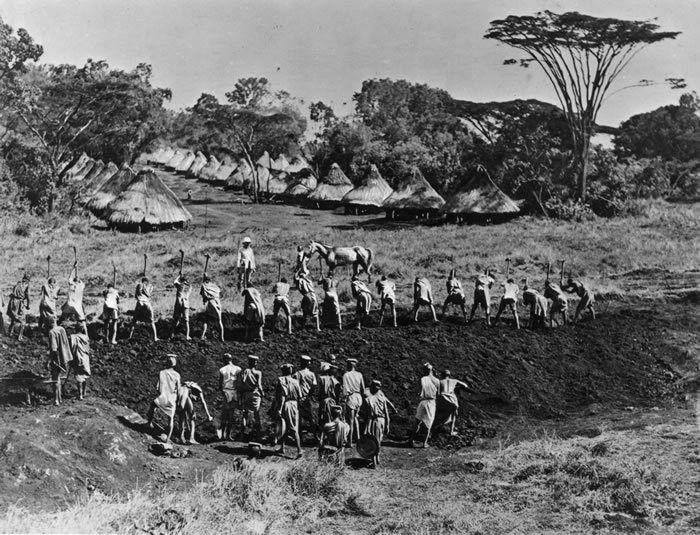
At that time, Kenya was under British colonial rule and was classified as part of the "British East African Protectorate." Moreover, as coffee was one of the important cash crops, locals were not allowed to grow it privately. Therefore, Kenya's initial coffee was mostly grown on large plantations under British colonial rule, and the harvested coffee beans were shipped to Britain for sale.
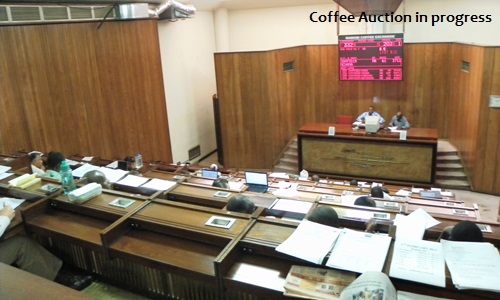
In 1933, the Kenyan Coffee Board was established, and coffee sales operations were transferred back to Kenya. In 1934, an auction system was established, and it wasn't until the following year (1935) that Kenya's first coffee auction was held in Nairobi. The Kenyan coffee auction system has been in use ever since.
In the early 1950s, the Kenyan authorities passed an agricultural bill that allowed local families to increase farmland ownership and permitted the cultivation of cash crops to increase income beyond subsistence farming.
Nearly all Kenyan coffee must be sold through the Nairobi Coffee Exchange. During the coffee harvest season, the coffee exchange holds coffee auctions every Tuesday. Traders with trading qualifications receive green bean samples in advance, and after cupping, they select the beans they're interested in. At the subsequent auction, the highest bidder wins. This trading method is considered the most transparent and efficient way of trade, to some extent encouraging farmers to pursue quality.

Kenyan Coffee Growing Regions
Among Kenya's coffee growing regions, Kirinyaga and Nyeri are the most well-known. FrontStreet Coffee's research found that Kenya's coffee regions mainly consist of six major areas:
Kiambu
The Kiambu region is located in central Kenya and is dominated by large coffee plantations. The number of coffee plantations in this region has gradually decreased with urbanization. Under this large region, there are many famous origins such as Thika. Coffee from the Kiambu region has bright acidity and a full-bodied texture. On FrontStreet Coffee's bean list, there is a bean from Thika, Kiambu. This Kenyan AA coffee from FrontStreet Coffee features plum and cherry tomato flavors upon entry, with strong and full acidity, a berry sensation enveloping the palate, prominent brown sugar sweetness in the middle section, obvious juiciness, and a classic berry fragrance in the aftertaste.

FrontStreet Coffee Kenyan Asalia
Region: Thika, Kenya
Processing Station: Asali Honey Processing Station
Altitude: 1550m-1750m
Varieties: SL28, SL34
Processing Method: K72 Washed Processing
Kirinyaga
The Kirinyaga region has fertile volcanic soil. The wet processing mills here can produce extremely high-quality coffee, known worldwide for its intense, layered flavors and solid mouthfeel. It is recognized as one of Kenya's two best regions.
Nyeri
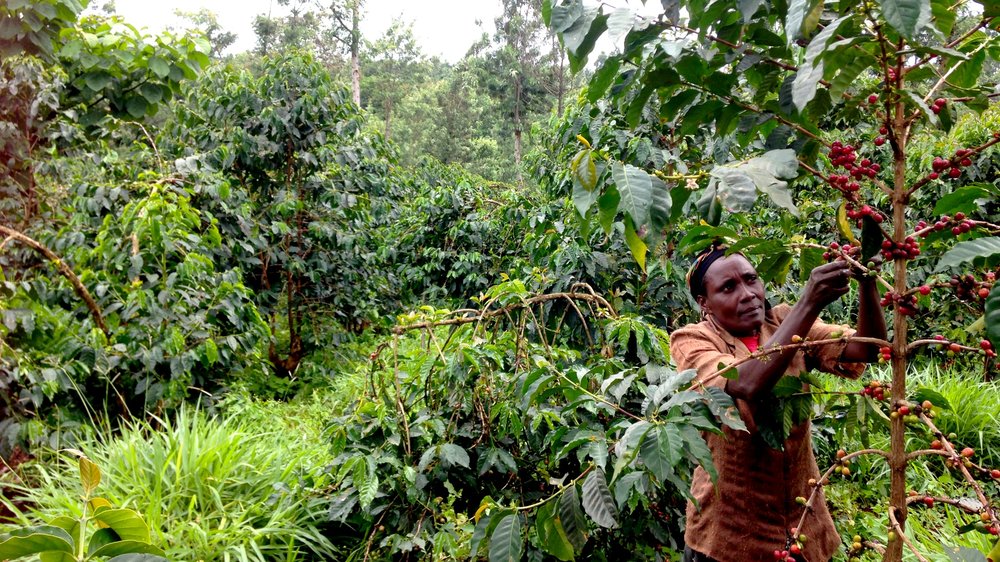
The Nyeri region borders the Kirinyaga region to the west and is home to the extinct Mount Kenya, with very fertile volcanic red soil that can produce Kenya's best coffee. Coffee is the most important crop in Nyeri. In this region, cooperatives composed of small farmers are more common and numerous than large plantations. Coffee from this region has bright blackcurrant acidity and a full-bodied oily texture, with citrus and even floral notes that make many coffee connoisseurs fall under its charm, making Kenyan coffee internationally renowned.
Embu
The Embu region is near Mount Kenya, where about 70% of the local population engages in small-scale farming. The most popular cash crops in the Embu region are tea and coffee. Since most coffee in this region comes from small farmers, production is relatively low.
Mt. Kenya West
The Mt. Kenya West region includes Kisii and the Bungoma area of Mount Elgon. Among these, Kisii is located in southwestern Kenya, where most coffee comes from small producers organized into cooperatives, with limited production. Roasted nuts and soft fruity acidity attract coffee enthusiasts who don't prefer bright acidity.
Murang'a
Murang'a belongs to the Central Province and has about 100,000 coffee farmers. Since Portugal once prohibited missionaries from living in coastal areas, Murang'a was one of the first places where missionaries chose to settle. At the same time, the Murang'a region also benefits from volcanic soil. Coffee produced here has bright acidity and a full-bodied juicy texture.
Kenyan Coffee Grading System
The high-altitude Arabica washed beans produced in Kenya are among the world's top coffees. Kenya is a major coffee producer and a model of fine coffee production. All coffee is uniformly purchased by the Kenyan Coffee Board for inspection and grading before being auctioned.
You can often see the term "Kenya AA" on the market, which is a grade of Kenyan green coffee beans. On FrontStreet Coffee's bean list, besides Kenya AA, there is also Kenya PB. What do AA and PB represent respectively?
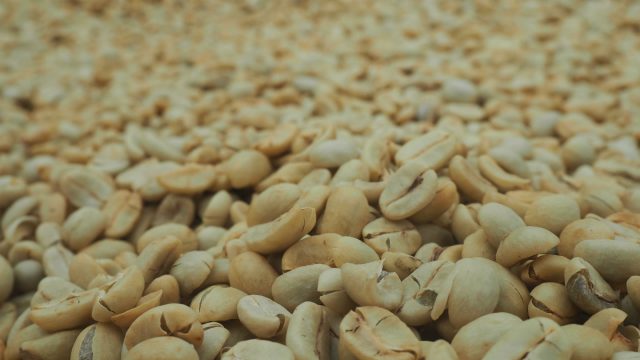
Kenyan green coffee bean grading is based on bean size and quality as indicators. There are clear regulations on coffee bean size, which to some extent are considered directly related to quality. Under these regulations, Kenyan AA grade coffee beans are usually regarded as top-grade beans.
| Grade | Specification |
|---|---|
| E (Elephant Bean) | Flat beans over 19 screen (two beans per fruit) |
| AA | 17/18 screen |
| AB | 16/17 screen |
| PB (Peaberry) | One bean per fruit, oval-shaped |
| C | Below 14 screen |
| TT | Large screen size but low density |
| T | Small particles (below 14 screen) with low density |
| MH/ML | Low-quality natural processed beans |
How to Brew Kenyan Coffee
When FrontStreet Coffee's baristas brew Kenyan coffee, considering that Kenyan beans are medium-light roasted, they use 93°C water for brewing to extract the bright acidity. To avoid over-extraction due to high temperature, they choose the Hario V60 dripper. The spiral rib design of the V60 dripper accelerates water flow during brewing, better highlighting the uplifting acidity, clean taste, and excellent aroma of the final product.
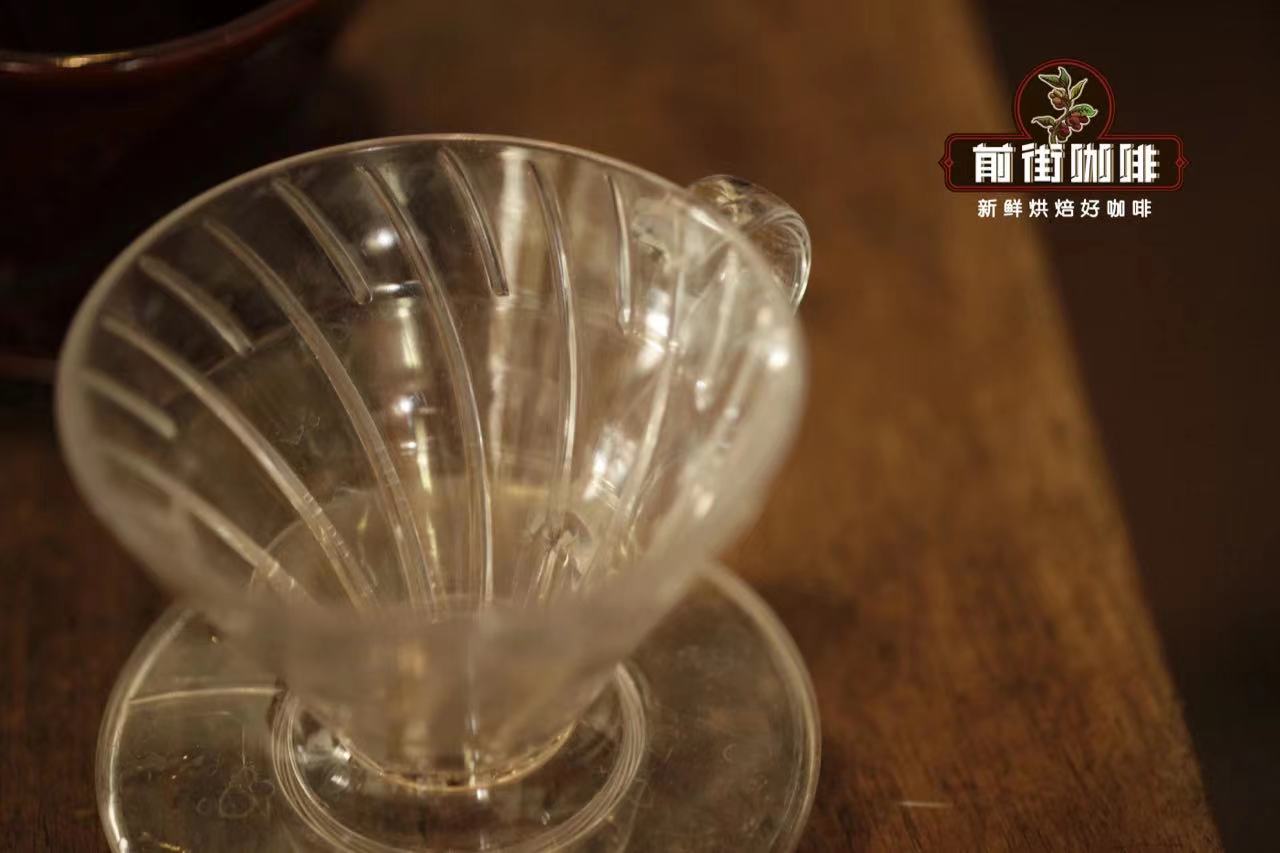
Dripper: Hario V60
Water Temperature: 93°C
Dose: 15 grams
Coffee-to-Water Ratio: 1:15
Grind Size: EK43s #10 (80% pass-through rate with #20 standard sieve)
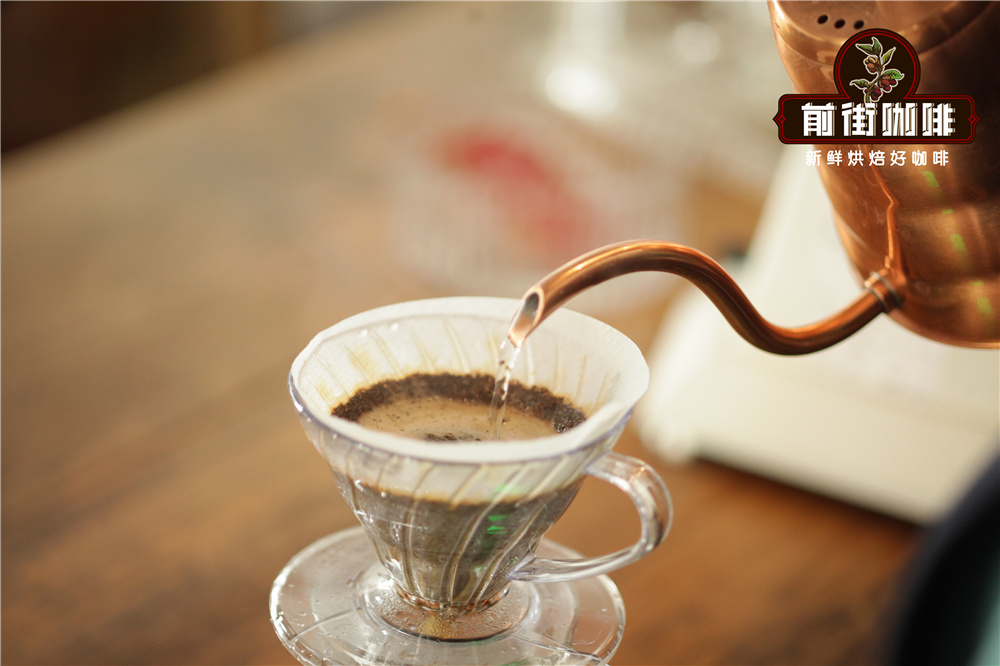
First, pour 30 grams of water for a 30-second bloom, then pour the second stage of water to 125 grams for segmentation. Wait until the liquid level drops to just about to expose the coffee bed, then pour the third stage of water to 225 grams. Remove the dripper when all water has dripped into the sharing pot. Total extraction time is approximately 2'00".
FrontStreet Coffee Recommendation
Kenya is a great step up for anyone who loves bright acidity, but for a first taste of African coffee, Yirgacheffe is the classic entry point. FrontStreet Coffee's washed Yirgacheffe is known for white jasmine, bright citrus and lemon acidity and a clean tea-like finish, and its friendly price has made it the first bean many people buy when they start exploring specialty coffee.
Yirgacheffe is a small town in the Sidama zone of southern Ethiopia, at roughly 1,700-2,100 meters, with coffee trees planted above 1,800 meters, making it one of the highest coffee regions in the world. Its highly recognizable white floral and lemon-citrus acidity turned the name "Yirgacheffe" into shorthand for top-quality Ethiopian coffee, and the name became so famous that in 2010 the Ethiopian Commodity Exchange separated it from the Sidama region.
Within Yirgacheffe there are many smaller areas and villages, and some long-established cooperatives produce coffee of even higher quality. A good example is the Gedeb cooperative in the Worka area of the southeast, once part of the Worka cooperative under the Yirgacheffe Coffee Farmers Cooperative Union; as buyers began to demand traceability, it was rediscovered as a single-origin lot. It keeps the traditional washed process, and FrontStreet Coffee's washed Gedeb cooperative coffee has none of the usual bitterness, with fresh, bright citrus and lemon acidity and a jasmine fragrance.
FrontStreet Coffee's natural Red Cherry comes from the same region and uses a full red-cherry natural process: only fully ripe, defect-free fruit is picked, screened again at the mill, then dried on raised beds, with the cherries turned every 2-3 hours in the first few days to avoid uneven drying and over-fermentation. After three to five weeks of sun-drying, the outer fruit is removed by machine and the beans are stored. The cup shows citrus acidity, a juicy berry character, honey-like sweetness and a creamy smoothness.
Brew it with a V60, water at 90-91°C, 15g of coffee and a 1:15 ratio, with a grind of EK43s setting 10 (about fine sugar, 80 percent passing a No. 20 standard sieve). Bloom with 30g of water for 30 seconds, then pour to 95g (about 125g on the scale) over roughly one minute. When the water level drops to two-thirds of the bed, pour the remaining 100g (about 225g on the scale) over about one minute 35 seconds; the drawdown finishes at 2:00-2:10.
Important Notice :
FrontStreet Coffee is a long-established specialty coffee roaster in Guangzhou China, selling freshly roasted beans from its own farm in Yunnan as well as dozens of carefully selected single-origin beans from around the world for both pour-over and espresso. The products deliver consistently excellent quality and great value, with shipping within 24 hours. Guangzhou's FrontStreet Coffee shop is recommended by many coffee lovers, and the beans are now available online at the Tmall 。
FrontStreet Coffee has moved to a new address:
FrontStreet Coffee Address: 315,Donghua East Road,GuangZhou
Tel:020 38364473
 Scan and follow the En Gafei WeChat official account. Please indicate that the reprint comes from "En Gafei".