How Aged Coffee Beans Are Made and How to Drink Sumatra's Aged Coffee
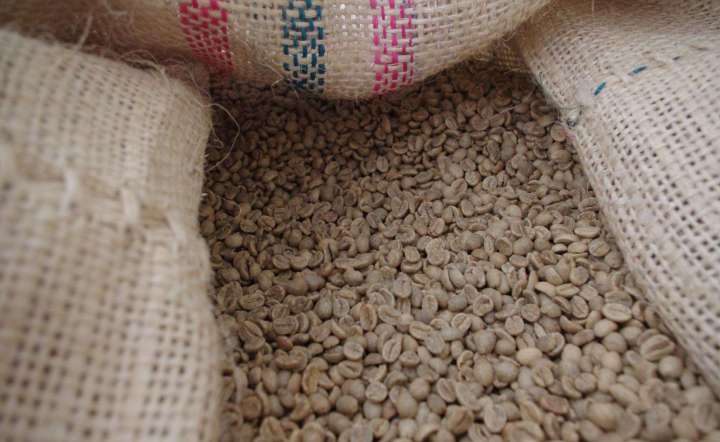
So-called "aged beans" are not simply coffee left to sit for a few years. Without a specific storage regimen, green coffee kept too long spoils: it shifts from fresh green to gray and yellow, loses its flavor entirely, and can even grow mold and insects. A merchant's hard work turns into a warehouse of ruined beans.
Aged beans are an accidental product of coffee history. During the Dutch colonial period, Sumatra was one of the world's major coffee-producing regions, and its output had to satisfy enormous demand from European consumer countries. To guarantee a continuous supply, merchants held back part of each harvest and stored it for a very long time. Fearing that the beans would rot and the whole investment would be lost, they took a series of sensible precautions during storage. Combined with the long sea voyages, the result was a Sumatran coffee with a unique character that European connoisseurs came to seek out.

There are two special requirements for aging coffee:
1. Storage in temperature- and humidity-controlled or ventilated warehouses:
Beans being aged should stay in their region of origin, in warehouses that either control temperature and humidity or offer good ventilation.
2. Regular and constant turning:
The bags need frequent inspection, and those wrapped in burlap must be turned over completely. The point is to let every side of the bag meet the air evenly, keep the beans drying consistently, and prevent mold and spoilage.

Do not confuse aged beans with "old beans." They are quite different. Old beans are typically unsold inventory that has lost the protection of the parchment and may have sat in a dockside warehouse for years - such beans cannot taste good. Aged beans, by contrast, go through a deliberate storage process and the passage of time, retaining a rich, mellow coffee aroma worth savoring slowly. Aged coffee is more viscous, and it typically needs to be stored for 4-5 years, which is what makes it precious. It is difficult to store and ties up capital, so it is not common. Europeans in particular favor aged coffee, likely for historical reasons: before Central and South America began growing coffee, Indonesia and India were the main coffee colonies, and keeping a steady supply flowing home required proper storage - combined with long sea voyages, the aging effect was born. Think of aged Sumatran beans, whether aged Java or aged Mandheling.

What exactly are aged coffee beans?
Aged coffee beans are not simply green coffee left to sit for a long time - that cannot work, because green beans kept too long will spoil too, turning from fresh green to white and then to yellow, becoming tasteless, and even attracting insects. Like aged wine, green beans must undergo proper processing and long-term storage before they can be called true aged coffee.
Where should aged coffee beans be stored?
Aged beans should be stored in their place of origin, in high, cool warehouses, allowing mature beans to "grow" again after harvest. To protect quality, farm owners must also care for and inspect them regularly, turning the burlap bags one by one so that all the green beans meet air and moisture evenly.
How should aged coffee beans be stored?
They should be kept inside the parchment. Once the parchment is removed, the green beans lose their protection and deteriorate.
What is the flavor of aged coffee?
After aging, the acidity of the coffee weakens while the body grows and the texture thickens, giving a sense of mature stability quite unlike the lively brightness of new beans. Aged coffee needs a longer development time during roasting to reveal its richness, so it is best to start drinking it after three days; strictly speaking, aged beans on the first day after roasting show none of their special character.

What kind of coffee is suitable for blending with aged coffee?
Aged coffee has a rich viscosity that makes it an excellent partner for beans with strong acidity or a distinctive aroma, and blending it in can heighten the character of those coffees. Some of Starbucks' blends include aged Sumatran beans.
PS: Aged coffee is hard to store and genuinely precious. It embodies a farm owner's long-term commitment and hard work, and because it normally requires 3-5 years of storage, it is extremely valuable.

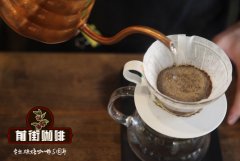
FrontStreet Coffee's recommended brewing method for aged coffee:
Grind size: 4 (Japan Fuji R440), meaning medium grind
Water temperature: 88 degrees Celsius
Kono filter cup, 17g of coffee, water temperature 88 degrees, grind 4, water-to-coffee ratio close to 1:14
Technique: 30g of water for bloom, bloom time 30s
Segments: Pour water to 120g, then pause, then pour with slightly larger flow to 221g
That is 30-120-221, total extraction time 1:50-2 minutes
Aged Sumatran coffee beans, having been stored for many years, become very gentle in acidity, with a smoother mouthfeel that is easy to drink, much like aged Pu-erh tea. It smells of pleasant pine aromas, with notes of herbs and cocoa, plus a persistent caramel-like aftertaste.
FrontStreet Coffee Recommendation
If the mellow, low-acid character of aged coffee appeals to you, FrontStreet's Sumatran lineup is the place to start. The wet-hulled Mandheling from the Lintong area near Lake Toba is medium-dark roasted to bring out caramel, dark chocolate and toasted bread, with a mellow body and a long, sweet finish - exactly the profile that made aged Sumatra worth waiting years for.
For the cleanest expression of the style, choose the PWN Golden Mandheling. PWN selects only specialty-grade Mandheling lots, screening for density, size, shape and color and then hand-sorting to remove defects, so the beans are large and even with very little of the earthy, grassy edge that Mandheling can carry. Freshly roasted, it shows sandalwood, herbs, spice, roasted hazelnut, caramel and dark chocolate, with a clean, full, sweet body.
If you want that depth in an espresso, FrontStreet's Classic Blend follows the old "Mamba" formula - Mandheling with Brazil - and adds a small proportion of Robusta, roasted dark so the dark chocolate, nut and caramel notes come through strongly. It pulls an espresso with a thick golden crema and enough body to hold a latte art pattern or build a layered Dirty, and it is forgiving enough for a beginner to brew on a home machine.
Important Notice :
FrontStreet Coffee is a long-established specialty coffee roaster in Guangzhou China, selling freshly roasted beans from its own farm in Yunnan as well as dozens of carefully selected single-origin beans from around the world for both pour-over and espresso. The products deliver consistently excellent quality and great value, with shipping within 24 hours. Guangzhou's FrontStreet Coffee shop is recommended by many coffee lovers, and the beans are now available online at the Tmall 。
FrontStreet Coffee has moved to a new address:
FrontStreet Coffee Address: 315,Donghua East Road,GuangZhou
Tel:020 38364473
 Scan and follow the En Gafei WeChat official account. Please indicate that the reprint comes from "En Gafei".