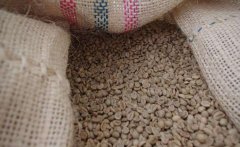
Highest COE Gold Standard | Characteristics of Colombia Hacienda El Paraiso Coffee & Colombian Coffee Special Processing Methods
For more professional coffee knowledge and coffee bean information, keep reading with FrontStreet Coffee.
Three Cordillera mountain ranges run north to south through Colombia and extend into the Andes. Local farmers grow coffee along the highlands of these ranges, benefiting from diverse climatic conditions. Because of the variation in terrain and altitude, Colombia's coffee industry largely operates on a small-scale farming model.
Colombian Coffee Classification
Unlike Central American producing countries, which usually classify coffee by growing altitude, Colombian coffee is graded by bean size. Among the grades, Supremo, with beans above 17 mesh, is the largest, followed by EXCELSO EXTRA, which consists mainly of 16 mesh beans.
Cauca Region Coffee
The Colombian Cauca growing region sits at an altitude of roughly 1500-2100 meters. The varied mountain terrain and climate slow the coffee's growth, which is what creates this richly flavored, well-balanced FrontStreet Coffee Colombia.
The region is surrounded by high mountains. These peaks block air currents and moisture from the Pacific Ocean as well as trade winds from the south, keeping the climate stable. Sitting near the equator, it receives abundant sunlight. The stable climate and ample sunshine guarantee consistent coffee quality.
Cauca coffee is hand-picked and wet-processed. What is more, at a time when many coffee regions are replacing old varieties with new ones in pursuit of disease resistance and higher yields, Cauca is unusual for remaining predominantly Caturra, alongside older varieties such as Typica and Bourbon.
Paradise Estate
Paradise Estate is in Colombia's Cauca province. It is a coffee estate that Mr. Diego Samuel began running in 2008, initially as a small, 2.5-hectare semi-family operation. The owner reinvests the surplus from each harvest into coffee agricultural research and keeps studying how to produce coffee with specialty flavors.
In 2015 he entered a local regional competition for the first time and won first place. After becoming famous overnight he gained recognition from the industry, which motivated him further to promote specialty coffee cultivation. Paradise Estate today mainly grows varieties such as Bourbon, Laurina, Geisha and Castillo, and plans to try more. It is truly an impressive specialty estate.
In the COE auction in November, although Paradise Estate's double fermentation processing method ranked 10th, it achieved the highest auction price of the year, setting a record for the highest auction price in Colombian history.
Experimental Processing Methods
The experimental processing method Diego developed is quite complex, which explains why the flavor is so unique. For example, 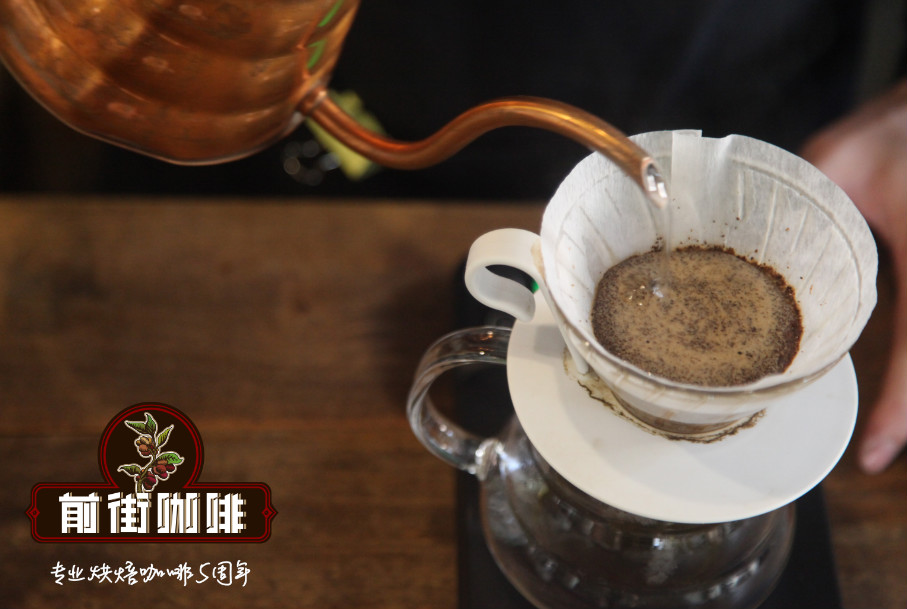 begins with 24 hours of whole-fruit anaerobic fermentation in sealed containers with red cherries, followed by 36 hours of pulp anaerobic fermentation after the fruit skin is removed - hence the name double anaerobic fermentation. Through the process, Diego uses specific containers and temperature must be monitored continuously. has a 28-hour first fermentation stage and a 40-hour second stage. The post-fermentation drying also uses different parameters in stages to achieve optimal flavor development.
FrontStreet Coffee Recommendation
Colombia's wide range of flavor makes it a rewarding origin to explore, and FrontStreet Coffee's Colombian lineup covers the spectrum. To understand the country's classic side, start with FrontStreet Coffee's washed Huila - the southern Huila department is the country's most famous specialty region, with cultivation above 1500 meters where mountain water and humidity create ideal conditions. A medium-dark roast brings out black chocolate and nutty sweetness with moderate oils and a full body, and it works as pour-over, French press, moka pot or espresso for an Americano or latte.
For a modern, fruit-forward cup, FrontStreet Coffee's Colombia El Diviso Sigre is an anaerobic natural, a low-oxygen fermentation that turns the fruit into rich tropical aromas; at a medium-light roast, brewed as pour-over, cold brew, drip bag or moka pot, it yields passion fruit, grape, apricot and candied fruit. And for a milk-friendly everyday espresso, FrontStreet Coffee's Premium Blend combines the creamy nuttiness of Brazilian coffee with the dark chocolate bittersweetness of Colombian coffee, pulling a fine golden crema that is easy for beginners and equally good as a base for a latte, cappuccino or mocha.
Important Notice :
FrontStreet Coffee is a long-established specialty coffee roaster in Guangzhou China, selling freshly roasted beans from its own farm in Yunnan as well as dozens of carefully selected single-origin beans from around the world for both pour-over and espresso. The products deliver consistently excellent quality and great value, with shipping within 24 hours. Guangzhou's FrontStreet Coffee shop is recommended by many coffee lovers, and the beans are now available online at the Tmall 。
FrontStreet Coffee has moved to a new address:
FrontStreet Coffee Address: 315,Donghua East Road,GuangZhou
Tel:020 38364473
 Scan and follow the En Gafei WeChat official account. Please indicate that the reprint comes from "En Gafei".