Cold Brew Coffee Beans: Knowledge, History, Origins, Characteristics & Homemade Methods
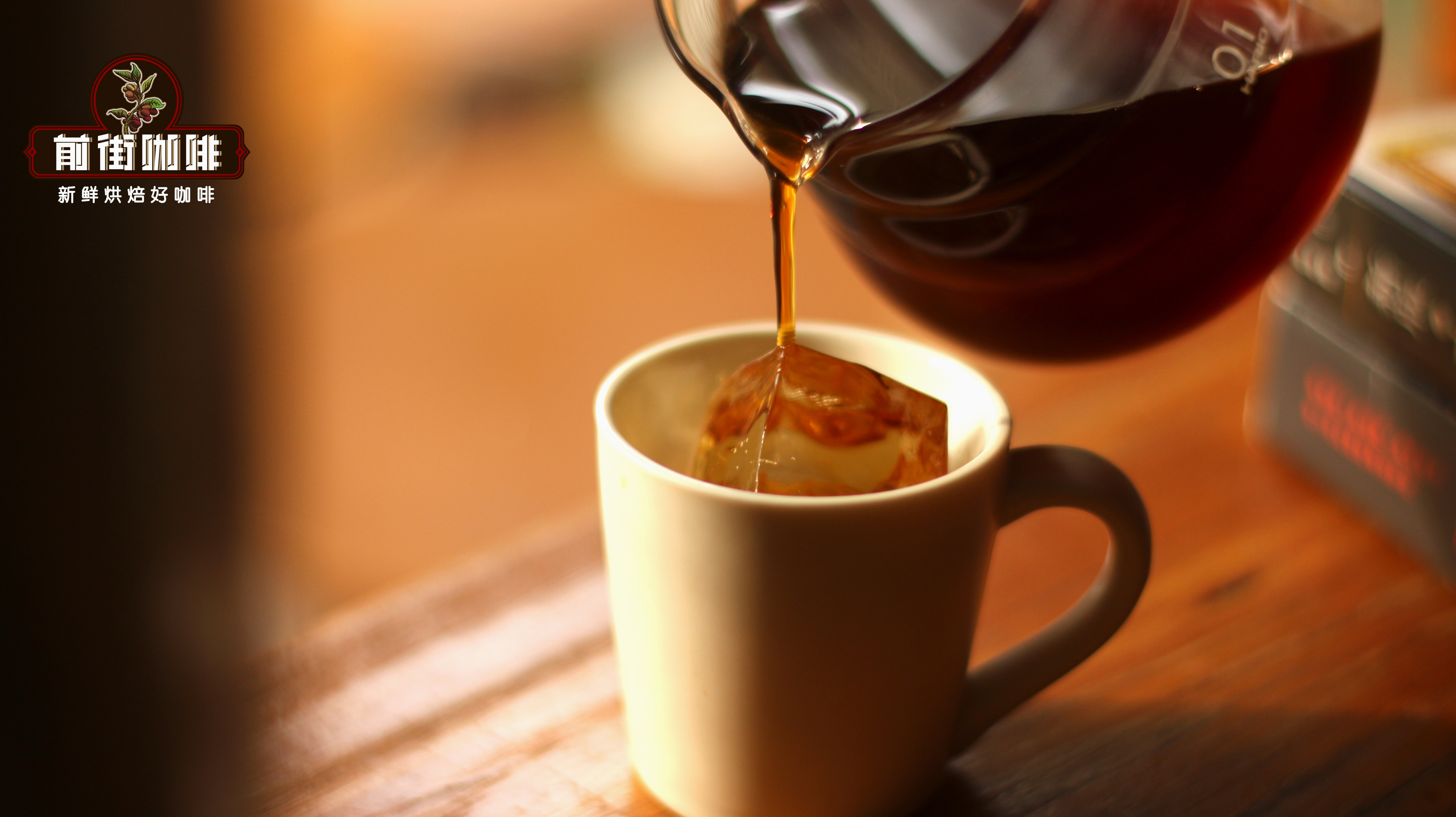
The Perfect Start to a Summer Morning
On a slightly cool summer morning, you stand before the floor-to-ceiling window of your room, watching the city after the rain and listening to the tireless chirping of cicadas. The summer breeze brushes past your ankles and sweeps past your ears, your hair sways gently in the wind, and your mind still lingers in a dream, unwilling to wake. At a moment like this, a glass of refreshing cold brew coffee at your side would be the perfect beginning to an ideal day. In this article, FrontStreet Coffee will look at how cold brew coffee differs in flavor from hot coffee.
The Historical Origins of Cold Brew Coffee
Many people first meet cold brew coffee out of curiosity about the unusual ice drip apparatus. Cold brew coffee refers to immersion-style cold brew, which is distinct from drip-style ice drip coffee. Cold brew means steeping coffee grounds in room-temperature water or an ice-water mixture, holding it at a low temperature for a set period, then filtering out the grounds to obtain the coffee liquid. Ice drip, by contrast, means slowly dripping an ice-water mixture through the grounds to extract the coffee. Both methods are low-temperature extractions and are among the most common iced coffee styles in many coffee shops.
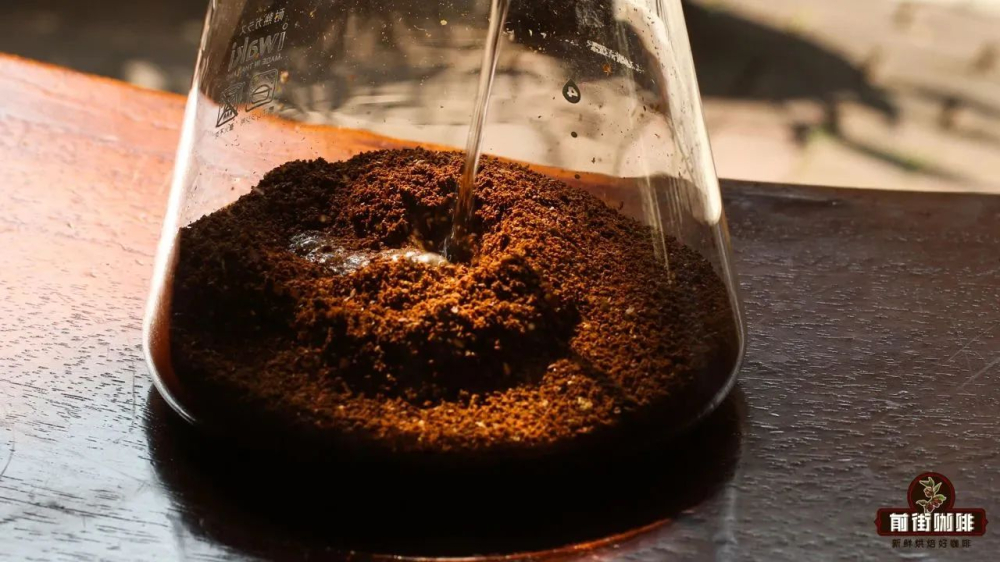
The earliest documented records of cold brew coffee date back to the seventeenth century, when Dutch sailors steeped coffee grounds in cold water during long sea voyages. They found that coffee extracted with cold water was not bitter and could be stored and transported for long periods, which earned it the name "Dutch Coffee." This cold-water method was introduced to Japan during the Edo period through maritime trade, and the Japanese developed the drip-style ice drip pot as a way to draw more aromatic compounds from the coffee.
What Are the Flavor Characteristics of Cold Brew Coffee?
Coffee beans are seeds, and seeds generally contain more oils than other parts of a plant. Whatever the variety, the darker the roast, the more those oils appear on the bean surface and in the mouthfeel. Light roasts give a lighter body closer to a juicy feel, with more prominent fruit acidity, lifted floral and fruity aromas, and less of the smell we think of as traditional coffee; dark roasts give a heavier, richer body, deeper aromas, and a smell much closer to the traditional "coffee flavor" we recognize.
Compared with high-temperature methods such as pour-over or espresso, cold brew releases fewer of the tannic acids that create bitterness, so both acidity and bitterness are less prominent, the body is smooth, and the flavors taste clean and clear. Because the extraction temperature is lower than that of hot coffee, cold brew is less likely to pull out undesirable flavors and bitterness, and the method therefore reflects the processing and roast level faithfully. In cold brew, aromatic compounds remain in cold water for longer, presenting more natural floral and fruity aromas at low temperatures.
Because small molecular flavor compounds dissipate more easily, delicate notes such as florals fade over longer storage even when cold brew is kept in a refrigerator. FrontStreet Coffee therefore recommends storing filtered cold brew in an airtight container for no more than 5 days to avoid flavor loss and bacterial growth.
How to Make Cold Brew at Home
Step 1: First, prepare a cold brew bottle. If you do not have one, any sealed container will do. If you have neither, that is fine too; any glass covered with plastic wrap will work.
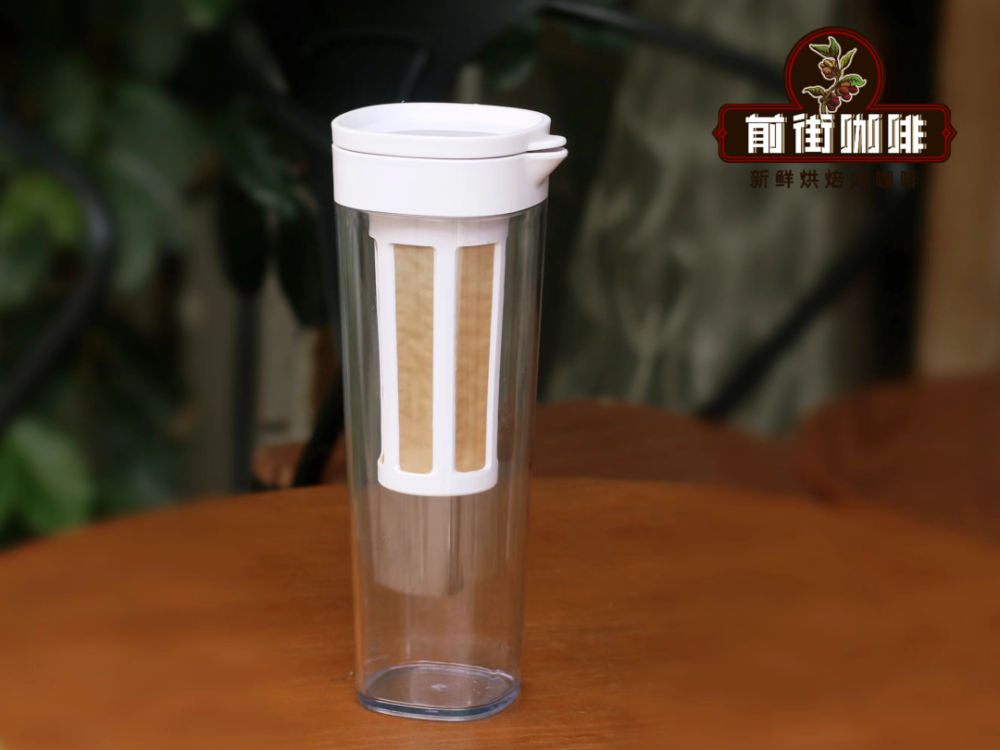
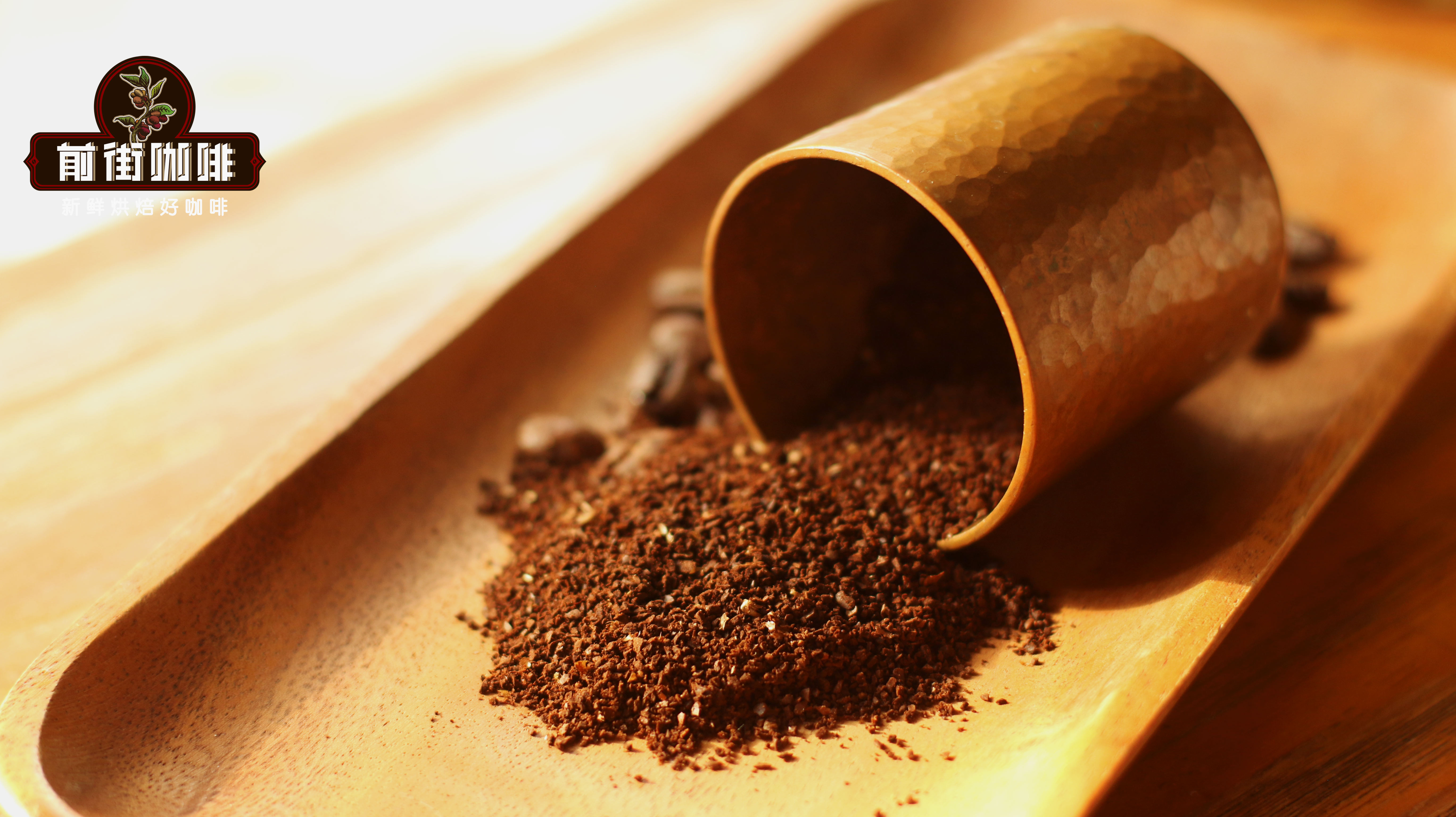
Step 2: Choose a single-origin coffee bean you like and grind it. (For this session, FrontStreet Coffee is using 50g of Mozart from Costa Rica, ground on an EK43s at a grind setting of 9 for iced pour-over, but please adjust according to your equipment and the condition of the beans on the day.)
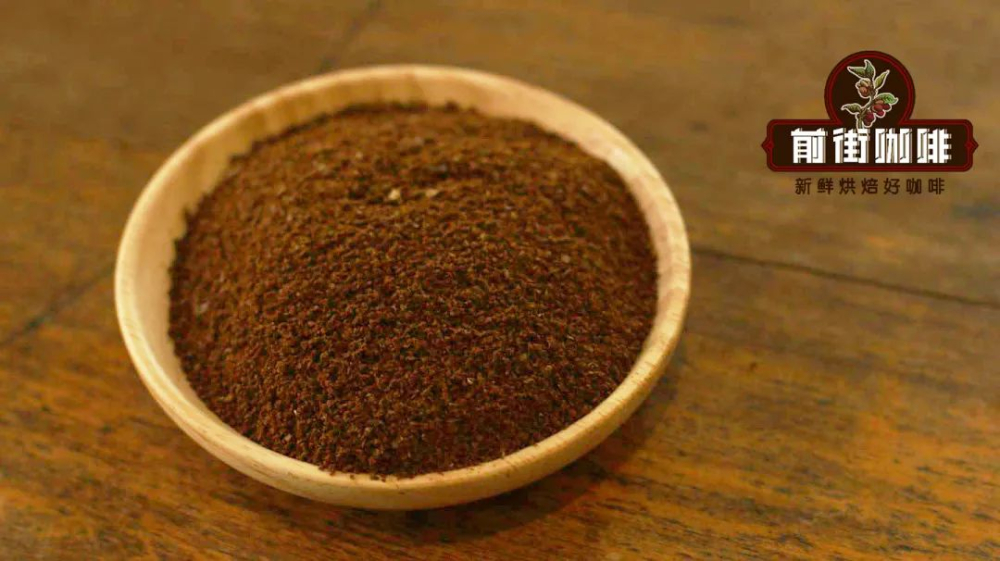
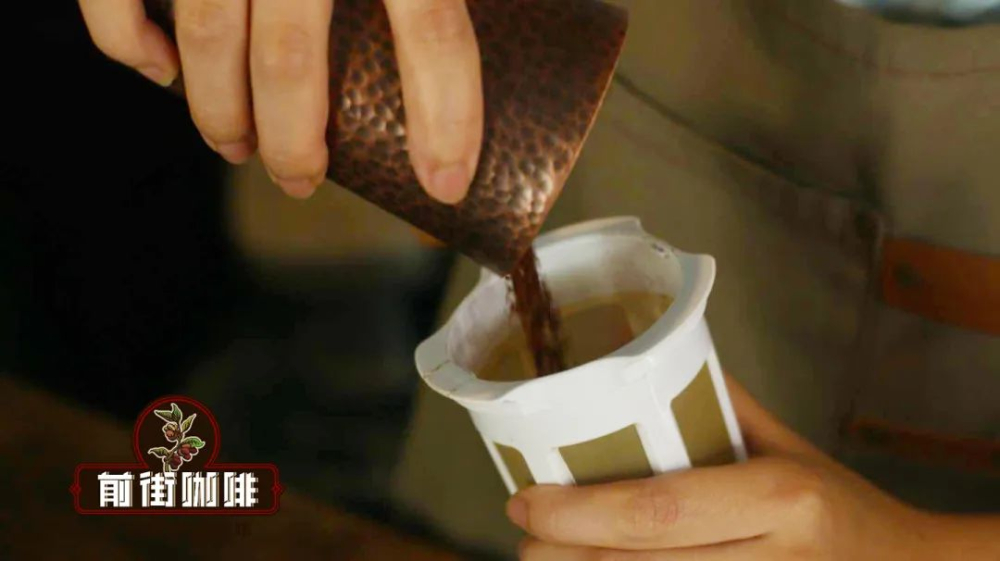
Step 3: Pour the ground coffee into the built-in filter of the cold brew pitcher and add room-temperature purified water. (This time we are using a ratio of 1:12, meaning 50g of coffee grounds to 600ml of water, which you can adjust to your preferred strength. Note that the water level should be high enough to submerge the grounds.)
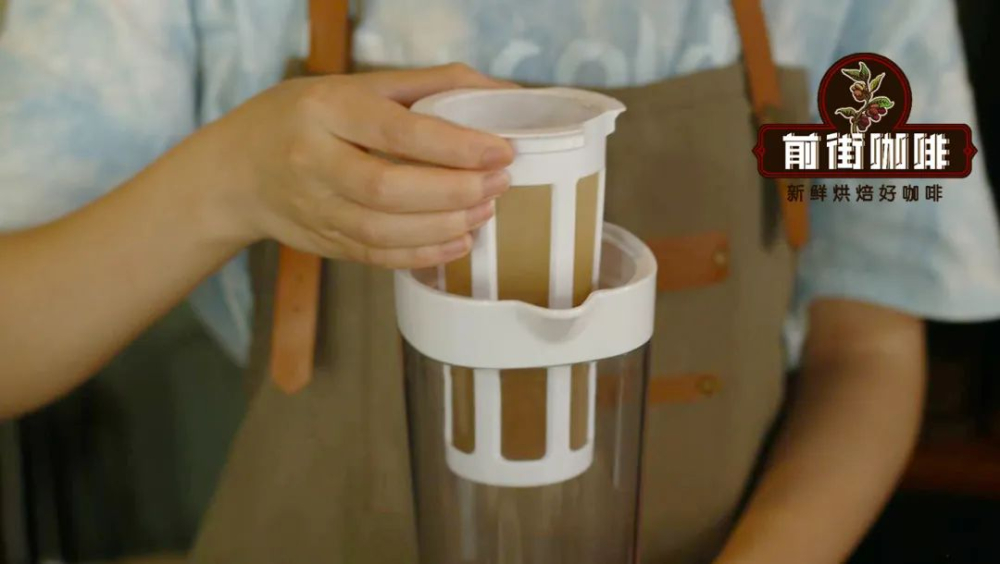
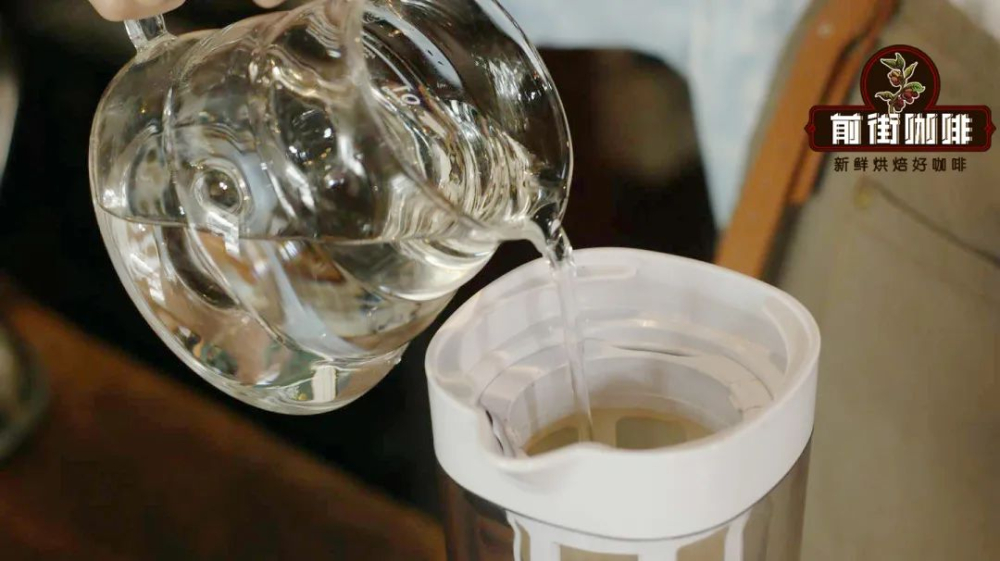
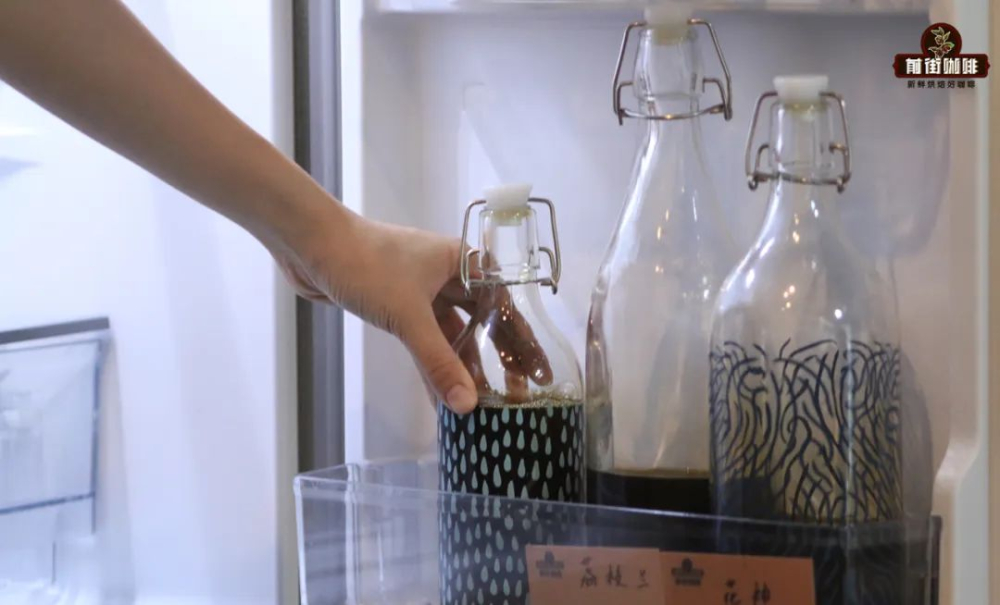
Step 4: Secure the lid and place it in the refrigerator for 8 hours. (Note: refrigerate, do not freeze.)
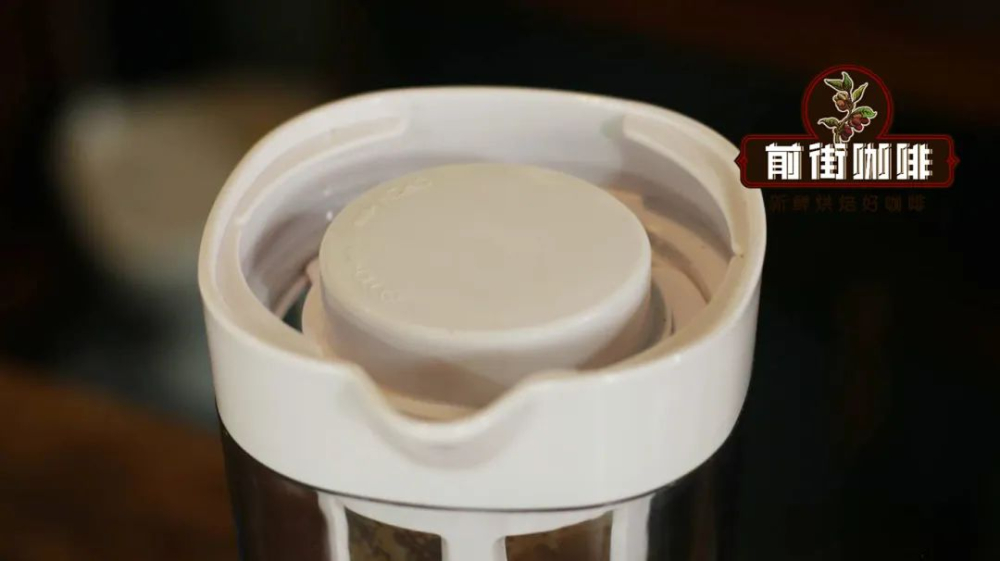
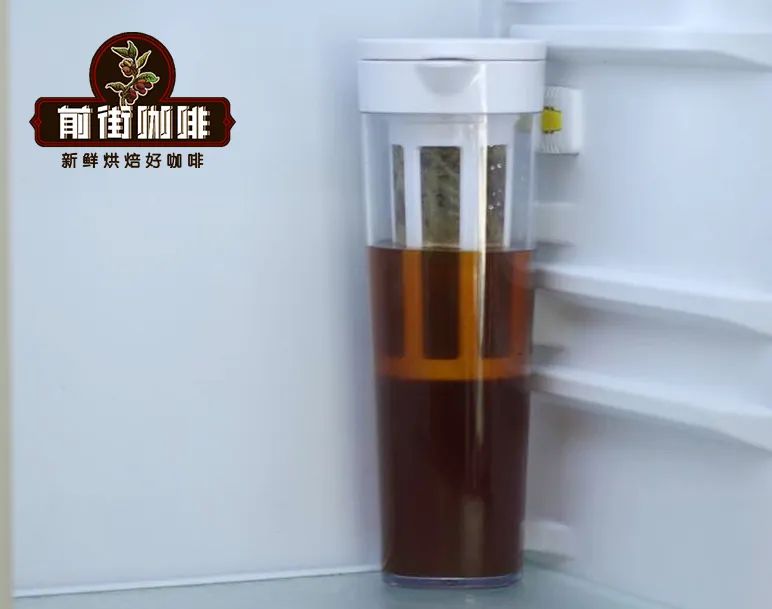
Step 5: Remove the coffee from the refrigerator after 8 hours and filter it to make it taste cleaner.
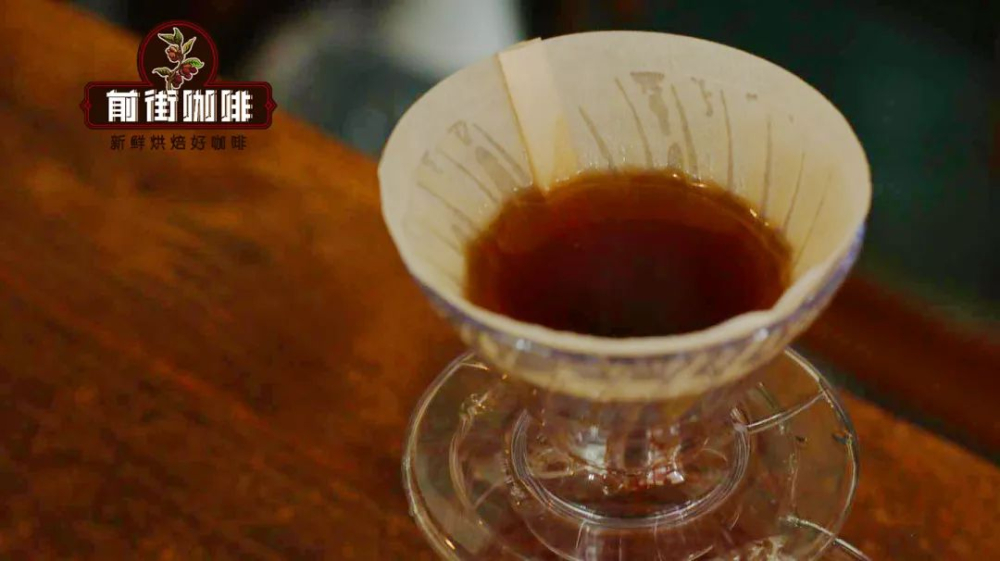
Step 6: After further filtering with filter paper, you can start drinking. Adding ice cubes makes it taste even better.
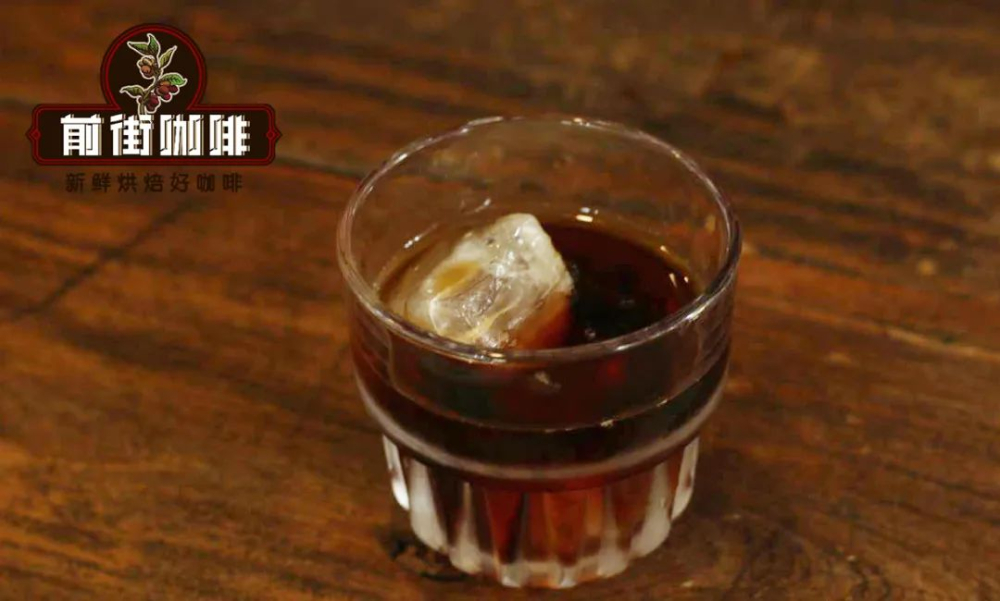
As with pour-over coffee, grind size matters for cold brew. Grinding too coarsely or too finely easily leads to a bitter or tasteless cup. FrontStreet Coffee recommends a grind slightly finer than for pour-over, with 85% passing through a #20 standard sieve as a reference. Strength also depends on the coffee-to-water ratio, which FrontStreet Coffee suggests keeping between 1:10 and 1:12. The extracted coffee can be drunk as is or diluted with ice to reach the strength you prefer.
FrontStreet Coffee typically steeps overnight for about 12 to 14 hours, then filters out the grounds the next day to obtain the coffee. FrontStreet Coffee once left a batch steeping for more than a day by accident, and the result was bitter and harsh, so it is important to control extraction time and avoid waste. Coffee also absorbs odors from the air, so if you store it in a home refrigerator, FrontStreet Coffee recommends choosing containers with good sealing to protect the flavor.
Which Coffee Beans Make Better Cold Brew?
As for bean selection, FrontStreet Coffee believes you can choose beans with different processing methods or roast levels according to your taste, provided they are freshly roasted. Coffee enters its optimal flavor window 4 to 7 days after roasting; after that the aroma dissipates faster and the flavor profile fades noticeably. To make sure everyone experiences coffee at its best, FrontStreet Coffee ships beans roasted within 5 days, so the beans you receive arrive at peak aroma.
Because of the way cold brew extracts, it can highlight wine-like aromas, fruit fermentation notes, and fruity aromas in coffee. If you are unsure which beans to choose, you can refer to the several varieties FrontStreet Coffee has listed below.
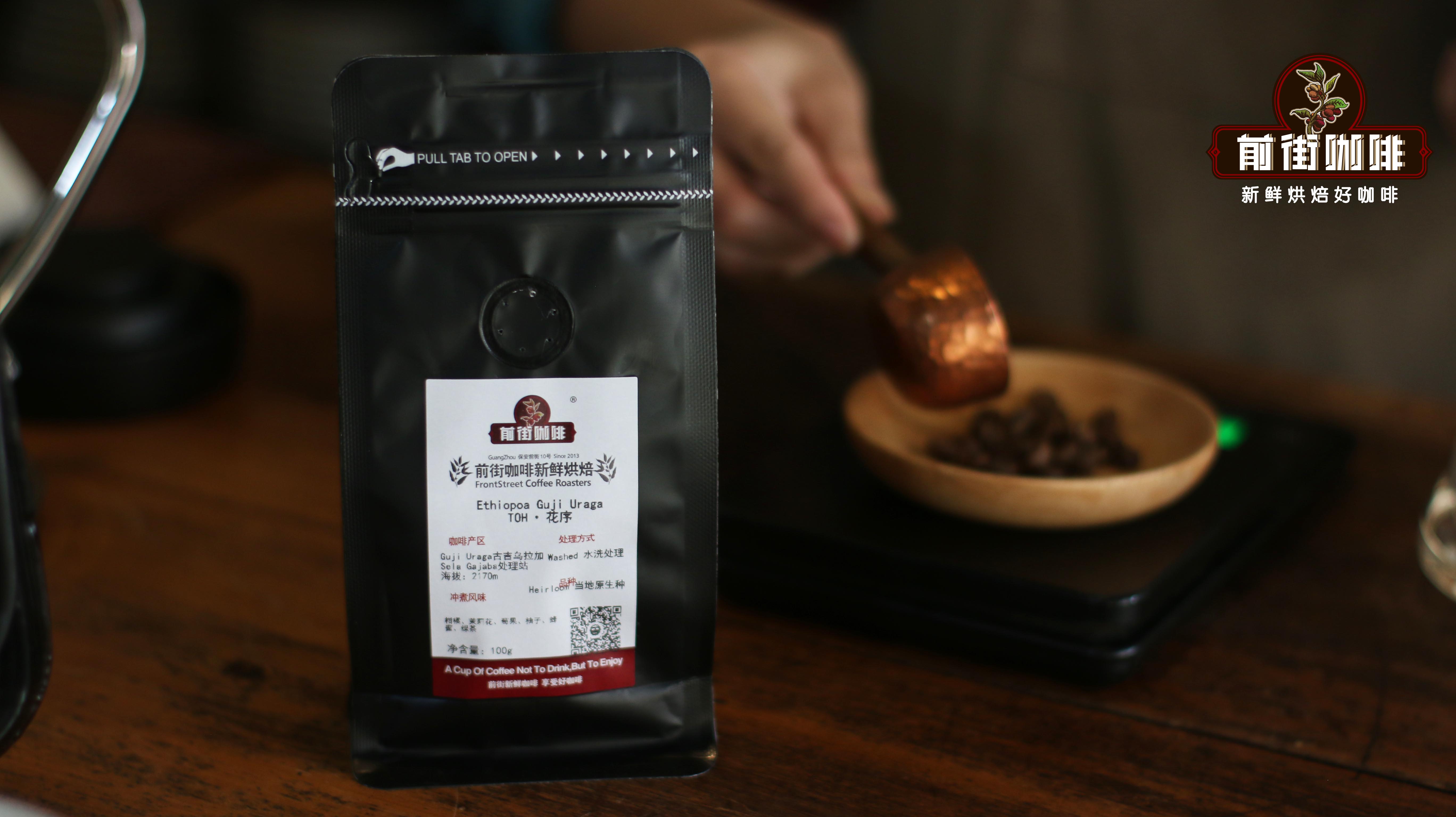
"Refreshing Floral and Fruity Aroma Type: FrontStreet Coffee's Flower Sequence TOH Washed Champion Coffee Beans"
These coffee beans come from the Uraga region of Guji, Ethiopia, where the geology consists of fertile black soil that produces beans with rich fruity aromas. The washed process highlights the coffee's clear floral notes and citrus flavors. When FrontStreet Coffee uses these beans for cold brew, the cup presents a sweetness reminiscent of pomelo tea.
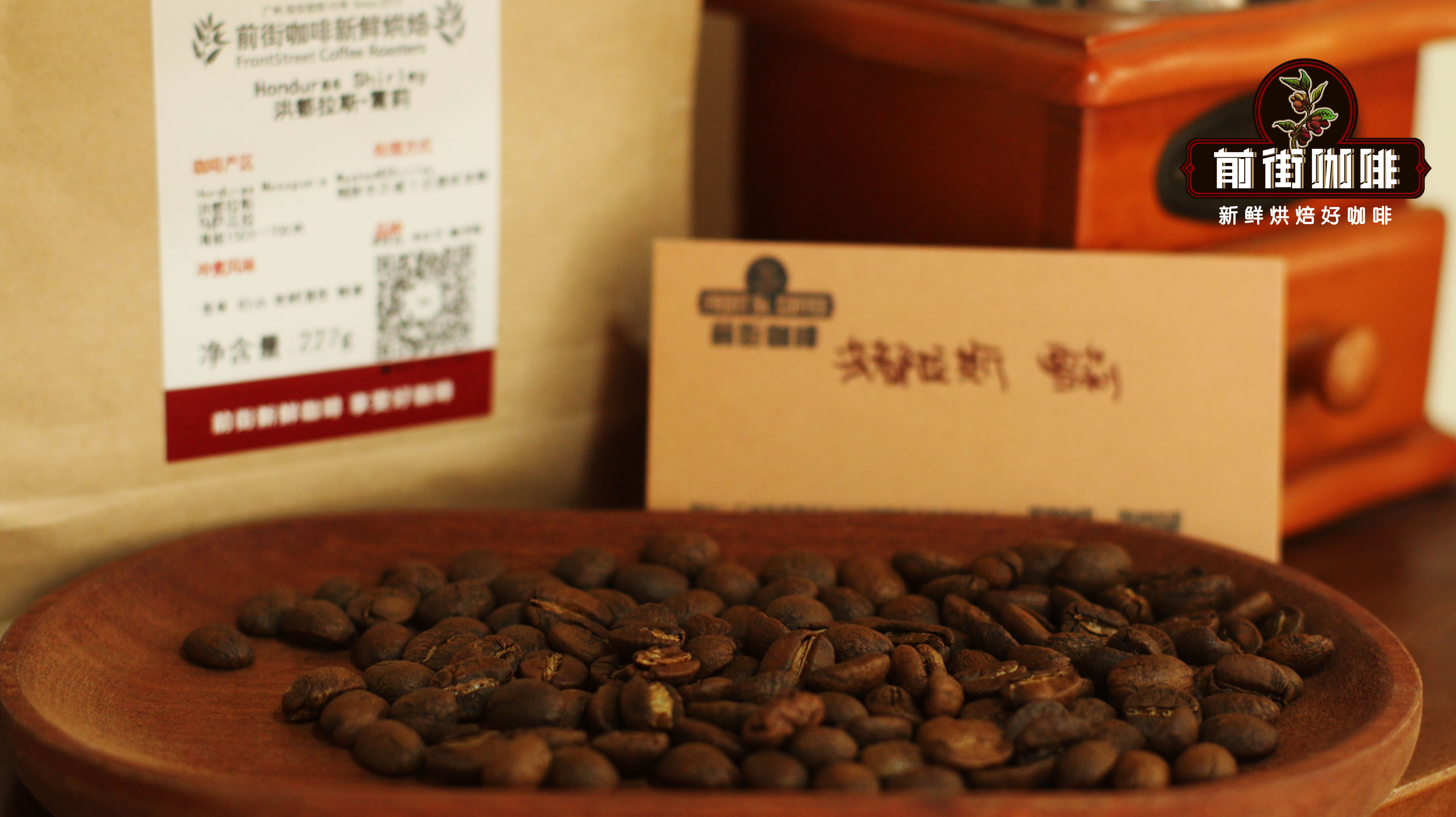
"Fermented Wine Aroma Type: FrontStreet Coffee's Honduras Whiskey Barrel Coffee Beans"
These Honduras Sherry coffee beans undergo whiskey barrel fermentation, presenting rich vanilla, cream, and whiskey aromas, making them one of the most popular beans on FrontStreet Coffee's menu. Made into Sherry cold brew, they show rich fermented wine aromas along with honey-like sweetness.
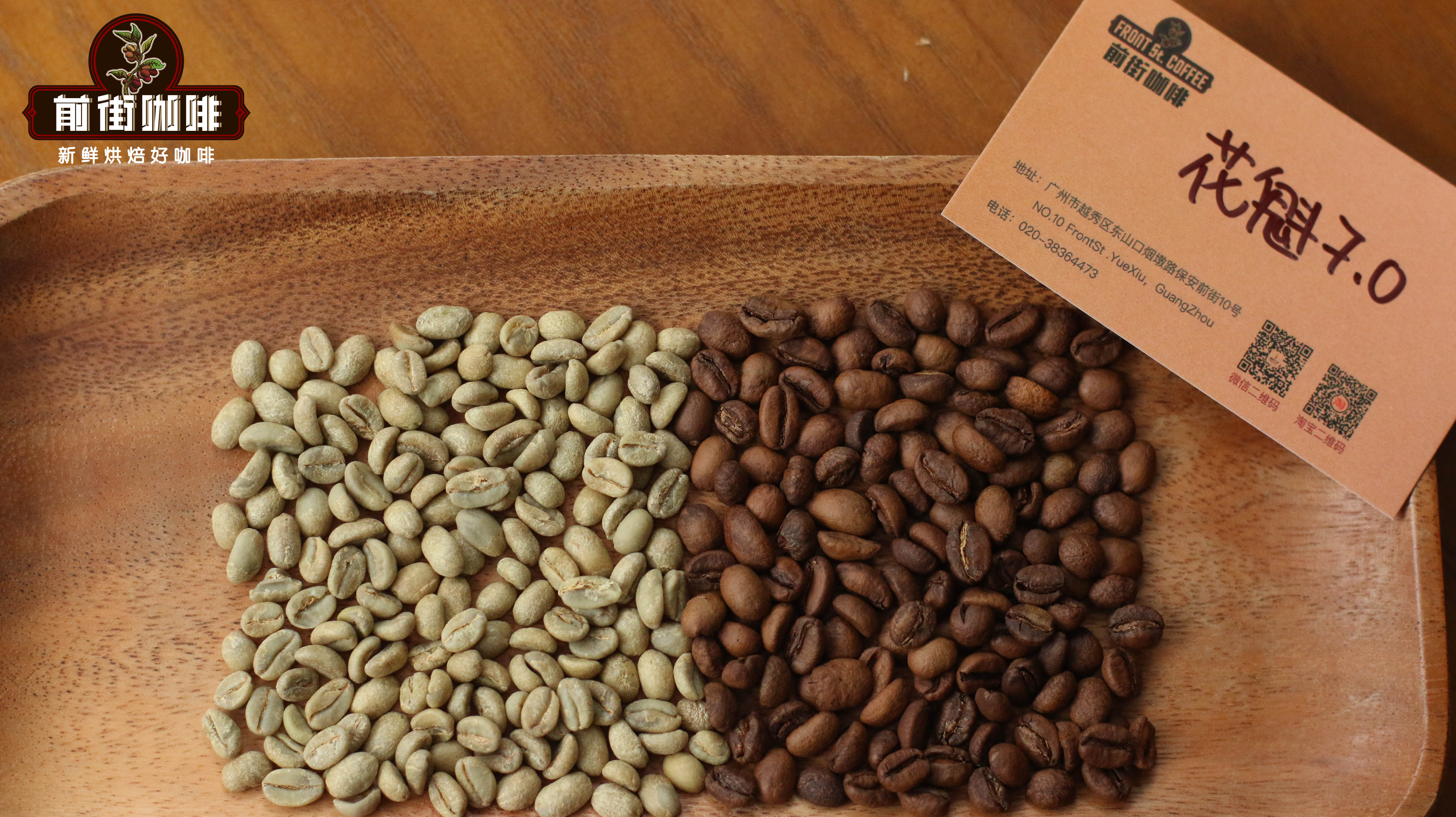
"Rich Fruit Tea Type: FrontStreet Coffee's Natural Flower Queen Coffee Beans"
The natural processed Flower Queen coffee beans use ripe coffee cherries with pulp sugar content as high as 30%. The fructose ferments under the sun, allowing the inner beans to develop a rich fruity sweetness. Cold brew made with these beans offers vibrant berry and passion fruit sweet-and-sour notes, with pronounced juice-like qualities and a black tea fragrance in the aftertaste.
FrontStreet Coffee Recommendation
For a cold brew that stays bright and juicy, FrontStreet Coffee's Yirgacheffe Gidding is one of the most reliable single-origins to keep on hand. A washed Ethiopian Yirgacheffe, it carries clear citrus, berry, and floral notes with a green-tea sweetness in the finish, and it is economical enough to use generously in the larger doses cold brew demands. If you would rather chase a fuller, more complex glass, FrontStreet Coffee's Colombia Xizhao is a fine choice: grown between 1650 and 1800 meters and given a double anaerobic natural process with a medium-light roast, it drinks with passion fruit, blueberry, grape, and apricot.
For the fruitiest result, FrontStreet Coffee's Natural Flower Queen, a natural Ethiopian lot, brings out strawberry, passion fruit, and lychee-like aromas that cold brewing amplifies. And if you want to stretch a pricier bean without losing character, blend it about 1:2 with FrontStreet Coffee's Costa Rica Tarrazu, whose clean citrus acidity lifts the cup and keeps the cost reasonable.
Important Notice :
FrontStreet Coffee is a long-established specialty coffee roaster in Guangzhou China, selling freshly roasted beans from its own farm in Yunnan as well as dozens of carefully selected single-origin beans from around the world for both pour-over and espresso. The products deliver consistently excellent quality and great value, with shipping within 24 hours. Guangzhou's FrontStreet Coffee shop is recommended by many coffee lovers, and the beans are now available online at the Tmall 。
FrontStreet Coffee has moved to a new address:
FrontStreet Coffee Address: 315,Donghua East Road,GuangZhou
Tel:020 38364473
 Scan and follow the En Gafei WeChat official account. Please indicate that the reprint comes from "En Gafei".