The Impact of Coffee Grind Size on Flavor: How to Determine Grind Size for Pour-Over, French Press, Cold Brew, and Espresso
Why is my coffee so weak? Why does my coffee taste bitter and astringent?!
Is something wrong with your brewing technique? No — it's your grind size that's the problem. The grind size of coffee beans determines the dissolution rate of soluble flavor compounds. Of course, not all soluble substances in coffee are delicious. So, to maximize the extraction of the good-tasting compounds while avoiding the undesirable ones, getting the particle size right becomes extremely important.
Different coffee brewing methods require different grind sizes
Different brewing methods call for different degrees of grind, because their extraction methods differ. Taking the most commonly encountered pour-over coffee, French press, espresso machine, and cold brew/ice drip as examples, their grind degrees from coarse to fine run as follows: [French press > pour-over coffee > cold brew/ice drip]. Because extraction water temperature, method, and time all differ, you need to find the grind degree that suits each method to reach a properly extracted coffee concentration.
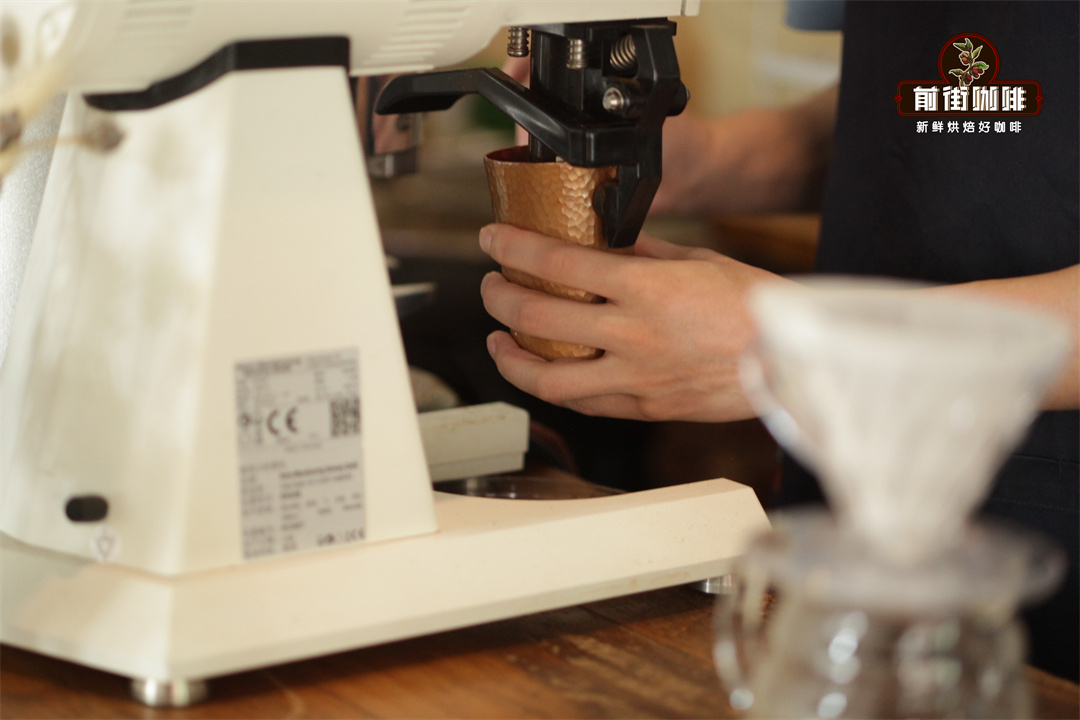
Since grinders don't have fixed scale values, each grinder produces particles of a different coarseness. At this point we need to buy a cupping calibration sieve (the No. 20 China standard sieve, with an aperture of 0.85mm).
How to use coffee grind calibration sieve?
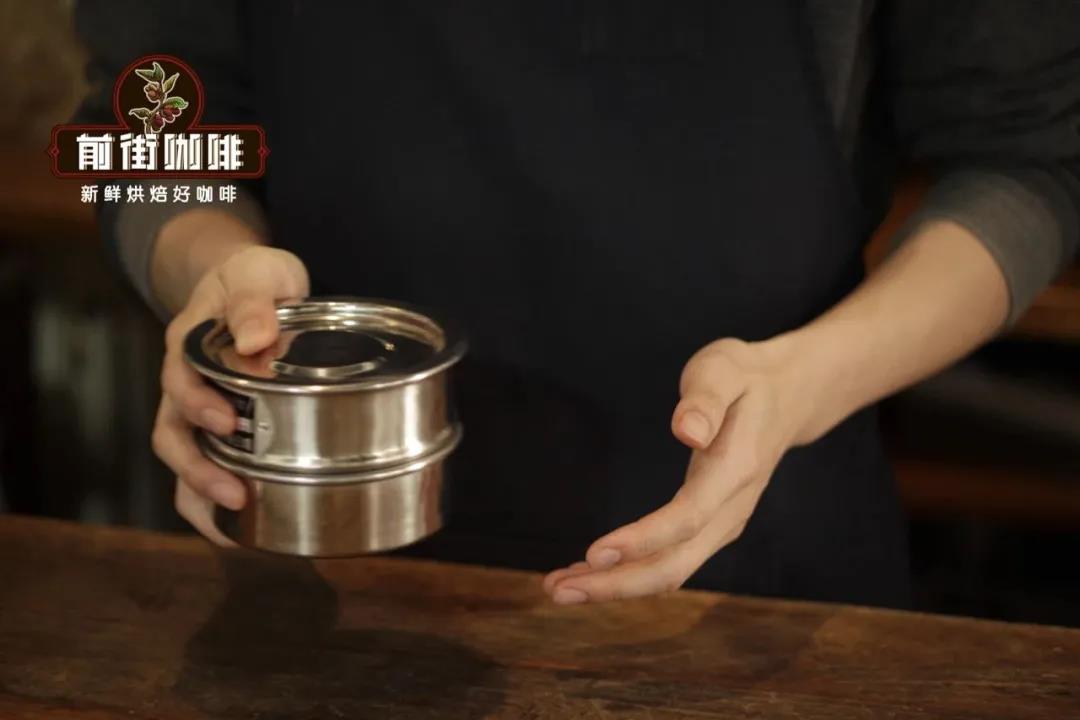
The No. 20 China standard sieve has an aperture of 0.85mm and is used as a tool for particle size classification and particle size detection. As long as it meets factory standards, a standard sieve is accurate. Coffee grind calibration is also very simple — just pour the ground coffee into the sieve, cover it with the lid, shake it horizontally until no more particles fall through, then weigh the particles that passed through the sieve. This tells you the coarseness of the grind. For example, if you grind 10g of coffee and 7.5g passes through, then this grind size has a 75% pass rate through the No. 20 sieve. The higher the pass rate, the finer the grind.
How to determine if the coffee powder coarseness is suitable for your brewing method?
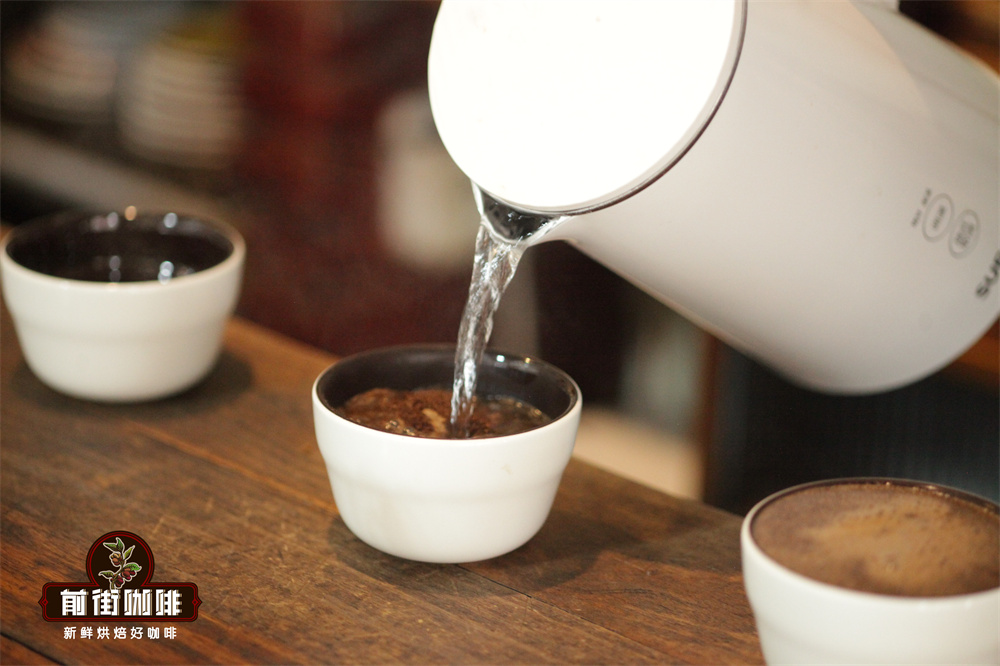
FrontStreet Coffee cups every new batch of beans we receive. The main purpose of cupping is to determine flavor profiles and ensure quality control of the coffee beans without interference from brewing technique. Because cupping uses high-temperature immersion extraction, the grind size can be neither too coarse nor too fine. FrontStreet Coffee uses a grind size with a 70-75% pass rate through the No. 20 sieve for cupping. Since cupping can rely on standard sieves to calibrate grind size, we can also use sieves for calibration in other brewing methods (except for espresso extraction).
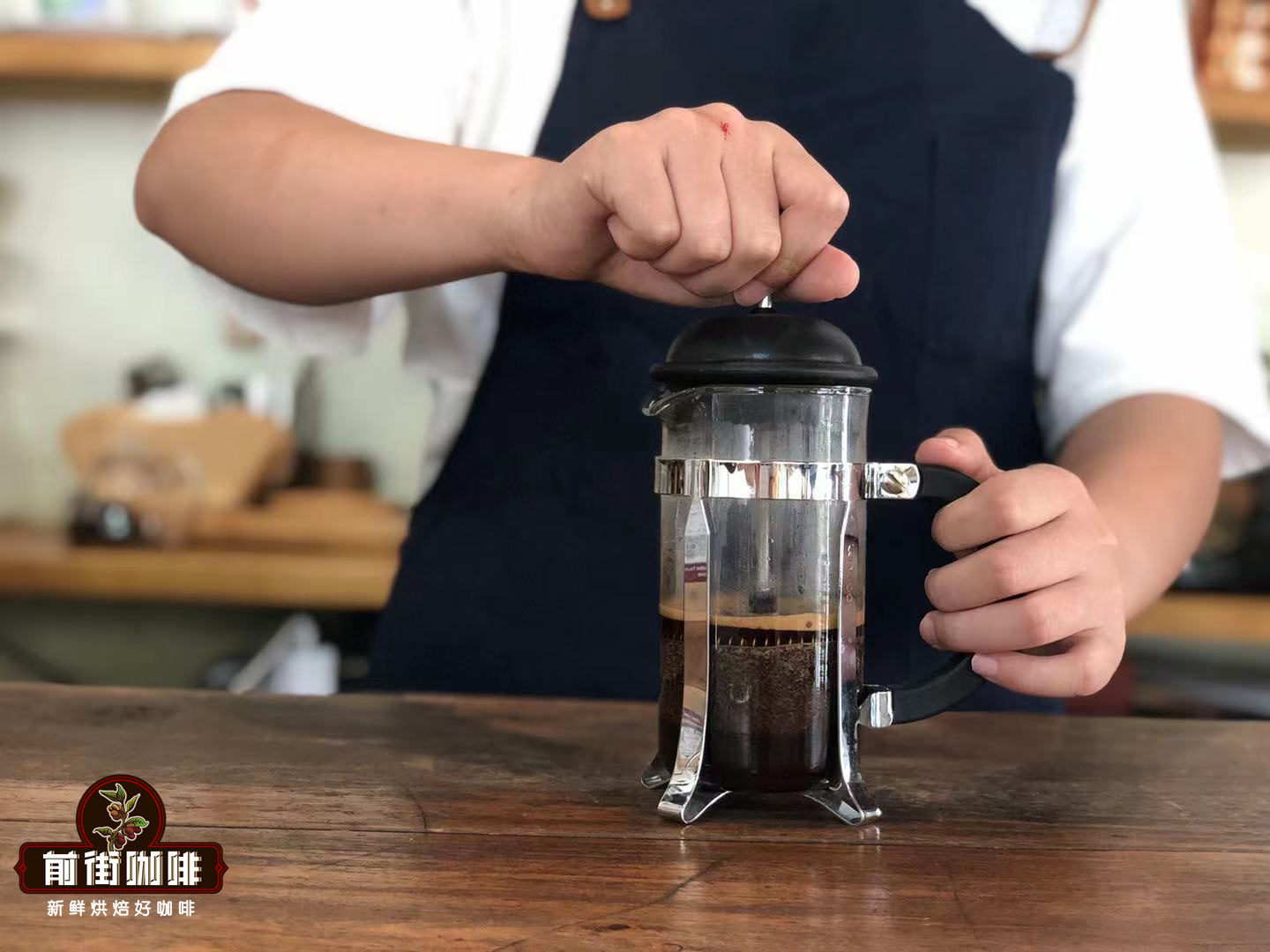
Suitable coffee powder grind size for French press extraction: 68-75% pass rate through No. 20 sieve
The French press extraction method is very similar to cupping, since both are primarily immersion-based. So the chosen grind degree overlaps heavily with that used for cupping. There is another reason for choosing coarser particles: French press filtration uses a metal filter with visible gaps, so a coarser grind filters better. Coffee beans at different roast levels have different optimal grind sizes. FrontStreet Coffee suggests that medium-light roast coffee beans (with acidic flavors) can use a medium grind (72-75% pass rate), while medium-dark roast coffee beans (with less acidity) can use a medium-coarse grind (68-71% pass rate).
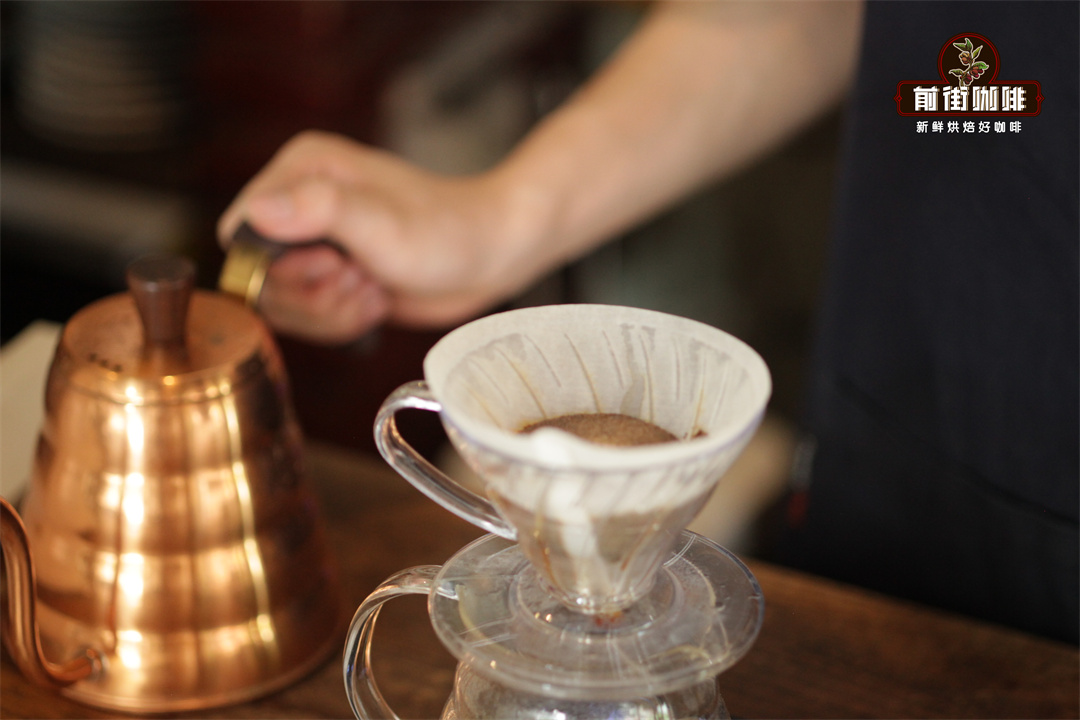
Suitable coffee powder grind size for pour-over extraction: 70-80% pass rate through No. 20 sieve
Pour-over coffee is primarily drip-filter based. Unlike immersion methods, it has a shorter extraction time, making it less likely to extract undesirable flavors. Pour-over brewing time is short — roughly 1 minute 30 seconds to 2 minutes 30 seconds. It therefore needs to be finer than the cupping grind size to fully express the coffee's flavor. FrontStreet Coffee suggests that medium-light roast coffee beans (with acidic flavors) can use a medium-fine grind (75-80% pass rate), while medium-dark roast coffee beans (with less acidity) can use a medium grind (70-75% pass rate).
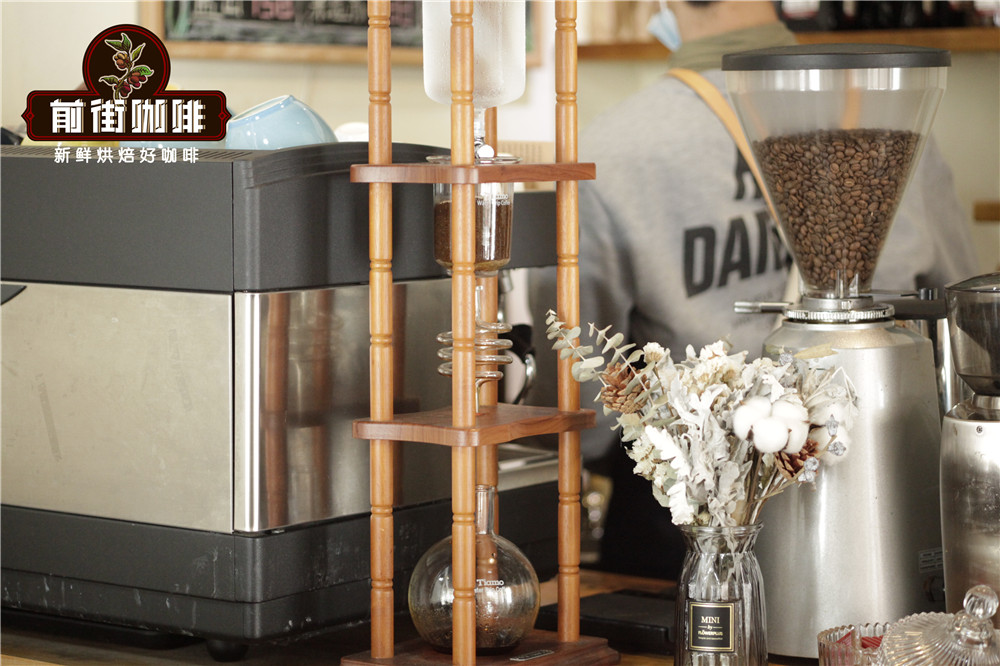
Suitable coffee powder grind size for cold brew/ice drip: 80-85% pass rate through No. 20 sieve
Unlike pour-over or French press, cold brew/ice drip uses low-temperature immersion extraction. Low-temperature extraction pulls out significantly fewer bitter and astringent substances. By extending extraction time and fully saturating the coffee grounds, it is easier to extract small-molecule flavor compounds such as floral and fruity notes. However, since both methods require long extraction times, if the grind is too fine the cold brew can turn cloudy and develop woody flavors, while ice drip may suffer powder-layer buildup or blockage. FrontStreet Coffee suggests that both medium-light roast and medium-dark roast coffee beans can use a medium-fine grind (80-85% pass rate).
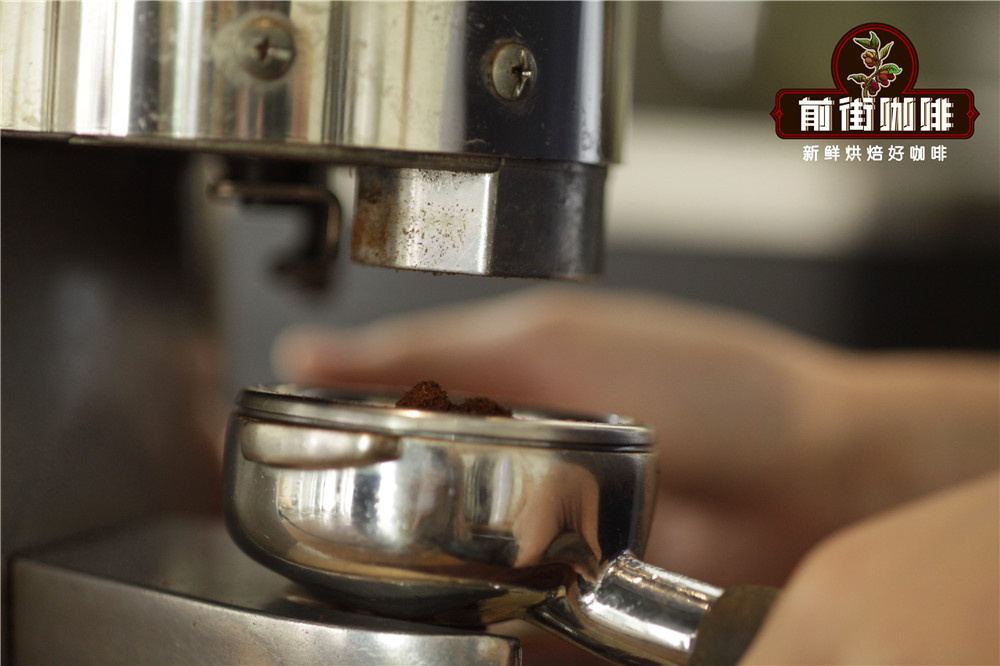
Suitable coffee powder grind size for espresso machines (this cannot be calibrated using sieves because it's too fine)
FrontStreet Coffee's stores calibrate espresso every day before opening, and a significant part of that process is adjusting the grind size. Espresso machines are extremely sensitive to coffee powder coarseness — even a difference of 0.1 on the grind scale can produce different extraction times and flavors. Taking FrontStreet Coffee as an example, our espresso recipe is 20g of coffee powder extracting 40g of coffee liquid in 28 seconds (with a ±1 tolerance). We first fix this recipe, then adjust the grind size to hit that target, and afterward taste the flavor to decide whether the parameters need fine-tuning.
Professional coffee knowledge exchange and more coffee bean information, please follow Coffee Workshop (WeChat official account: cafe_style)
FrontStreet Coffee Recommendation
Because cold brew is an immersion method, it rewards beans with bold fruit and floral character, and FrontStreet Coffee's cold-brew picks are built around exactly that. The front-running choice is the FrontStreet Strawberry Candy Geisha blend, which pairs Panama Geisha — for delicate rose and orange notes — with a Costa Rican honey-process coffee for grape, raisin, and strawberry-gummy sweetness. In cold brew it is bright and lively, and if you let it ferment and settle a little longer it takes on a fruit-wine quality. If you prefer a pronounced floral cup, the FrontStreet sun-dried Huakui from Ethiopia's birthplace region uses the natural process to absorb sweetness from the fruit, delivering magnolia, cream strawberry, dried mango, guava, and black tea notes when brewed cold.
For a juicy, fruit-forward cold brew, the FrontStreet Kenya Small Tomato comes from Kenya's Thika region at 1,550-1,750 meters, grown from the SL28 and SL34 varieties, hand-graded to AA TOP and given Kenya's signature 72-hour double washed (K72) fermentation before a light roast. Its cherry tomato, dark plum, pear, and black plum acidity comes through vividly at low temperature, with low bitterness and a clean, long finish. The FrontStreet Colombia Sidra, from the Finca La Divisoria at 1,650-1,800 meters and processed with double anaerobic natural, is roasted medium-light and shows passionfruit, blueberry, grape, and apricot with a cocoa finish; it suits pour-over, single-origin espresso, and ice drip alike, and an iced pour-over highlights its fresh grape-juice texture.
Since cold brew uses more coffee per batch, FrontStreet suggests balancing flavor with value by choosing everyday beans or blending them. A popular approach is to combine the FrontStreet Colombia Sidra with the crisp, refreshing citrus acidity of the FrontStreet Costa Rica Tarrazu at a 1:2 ratio, which keeps the Sidra's florals and fruit in the cup while improving the cost-performance. The washed FrontStreet Giddingding Cooperative Yirgacheffe is another reliable all-rounder — bright and clean with floral and honeyed berry notes — and, like most Yirgacheffe, works beautifully in a French press, siphon, pour-over, or cold brew. A medium-light roast ground to about 80-85% passing a China standard #20 sieve, per FrontStreet's cold-brew guideline, is the right starting point for all of these.
Important Notice :
FrontStreet Coffee is a long-established specialty coffee roaster in Guangzhou China, selling freshly roasted beans from its own farm in Yunnan as well as dozens of carefully selected single-origin beans from around the world for both pour-over and espresso. The products deliver consistently excellent quality and great value, with shipping within 24 hours. Guangzhou's FrontStreet Coffee shop is recommended by many coffee lovers, and the beans are now available online at the Tmall 。
FrontStreet Coffee has moved to a new address:
FrontStreet Coffee Address: 315,Donghua East Road,GuangZhou
Tel:020 38364473
 Scan and follow the En Gafei WeChat official account. Please indicate that the reprint comes from "En Gafei".