What is Drip Coffee? The Characteristics and Flavor Profile of Drip Coffee - Which Coffee Beans to Use

Coffee comes in many styles, such as Americano, espresso, and pour-over. There is also the term "drip coffee." What kind of coffee is that? In fact, the most common drip coffee is pour-over, and pour-over is a type of drip coffee. Drip brewing is common in offices and homes because it is usually simple to make.
Drip coffee is typically made with a Hong Kong-style drip brewer or an American drip brewer, which essentially pours hot water over coffee grounds. Espresso, by contrast, is made with fully automatic or professional semi-automatic espresso machines using 15-20 bars of pressure, creating a layer of coffee essence on top.
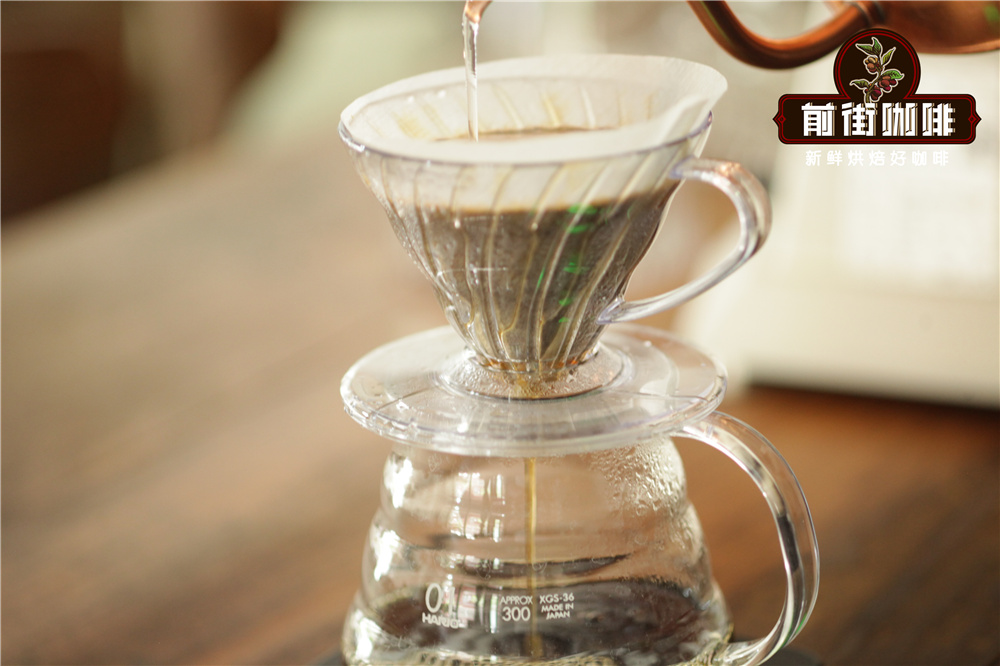
Drip coffee is a brewing method invented by a German, and the Melitta coffee filter papers sold in supermarkets everywhere come from the brand he founded. Making drip coffee, put simply, means grinding coffee beans, placing them in a funnel, and pouring hot water over them. Gravity does the rest, and the coffee flows out from the bottom. It would be more troublesome during space travel without gravity. In fact, most coffee makers on the market use this method, just with electric heating. Those machines have a common problem, though: most products do not have enough power, and the heated water temperature is not ideal for brewing, often producing coffee with sour and astringent tastes.
The Rise of Pour-Over Coffee
Today, the most common way to brew drip coffee is pour-over. This method usually showcases the delicate, refined flavors of coffee better, which is why people tend to use it for single-origin coffee. Unlike espresso, drip coffee has lower density and concentration, without a crema layer, offering a pure taste and consistent quality. Because there is no pressure at work, hot water can more fully absorb the coffee oils and aromatic compounds, resulting in a smoother cup.
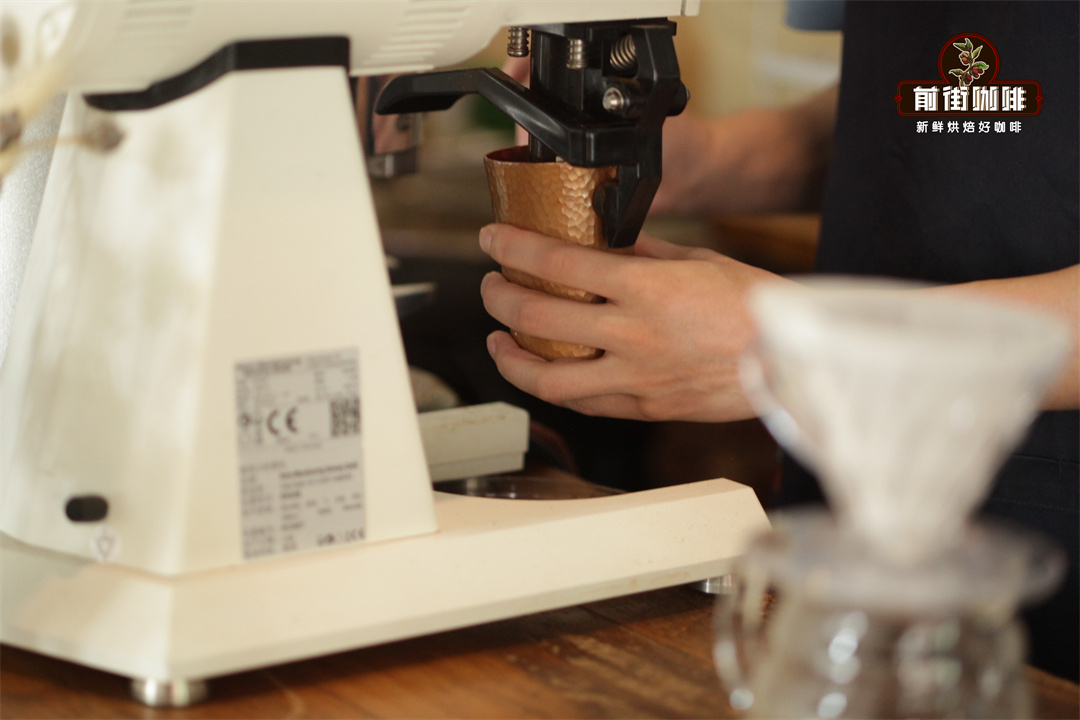
Manual brewing of drip coffee is also very simple and inexpensive. A decent grinder that can produce relatively uniform particles, a kettle to boil water, and something to filter the grounds are all you need. There are many types of filters; some use filter paper and some do not. Filter paper is a bit controversial. Some people feel coffee filtered through paper tastes cleaner, while a metal filter often lets grounds into the cup, which is unpleasant. Others think paper removes the flavorful oils and adds an unpleasant paper taste. These disputes are purely a matter of personal preference, and I have no objection to either method.
Differences Between Drip Coffee and Espresso
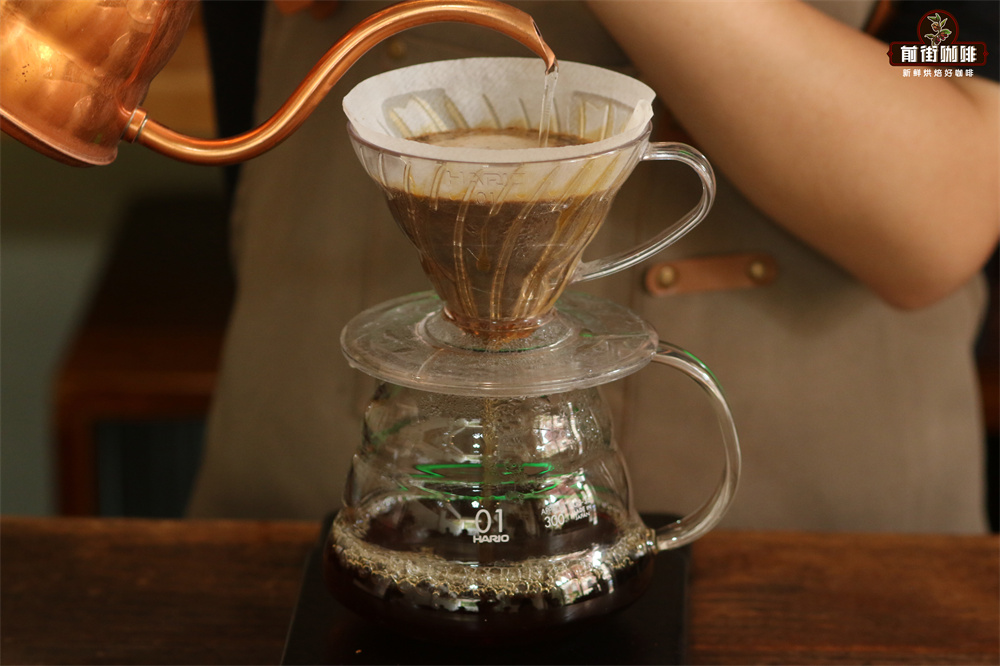
So what are the differences between drip coffee and espresso?
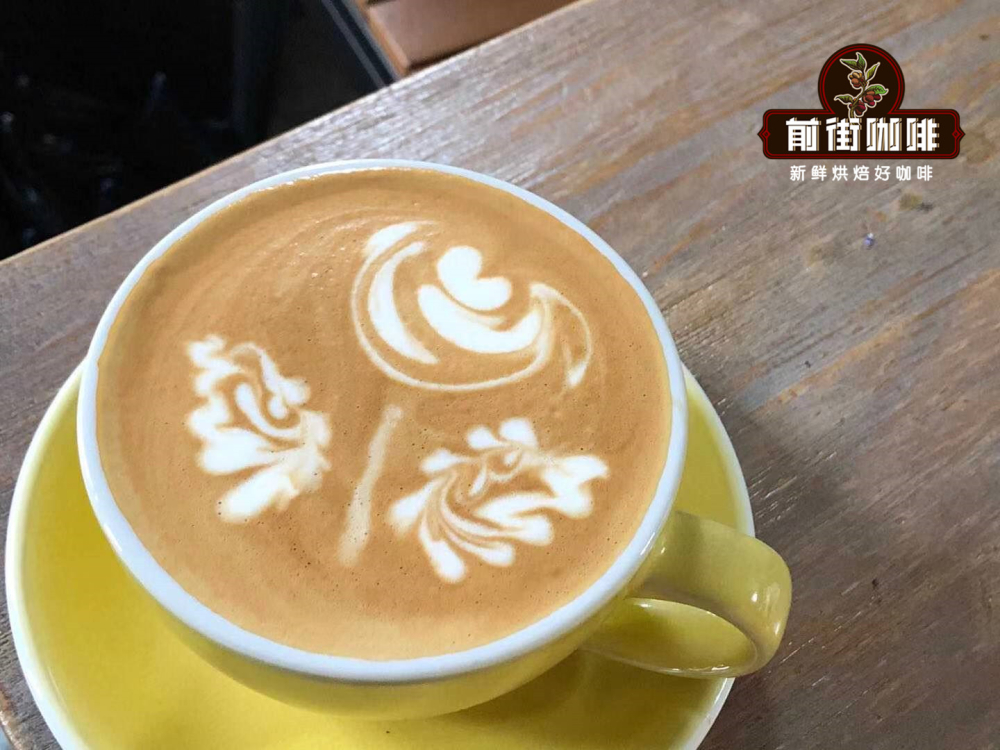
Espresso loses its original coffee flavor within ten seconds of being made, so people who order it usually finish it quickly. Drip coffee, by contrast, holds its flavor much longer. Many specialty drinks, such as lattes, are built around espresso, but drip coffee cannot be used that way. In terms of portion size, espresso usually comes in single or double shots, one or two ounces per cup, while drip coffee comes in small, medium, and large sizes. As for the beans, not all beans can be used for espresso, but beans suited to espresso work fine for drip. On grind size, espresso needs a fine grind, level 3, while drip coffee uses a medium grind, level 7 or 5 depending on whether the brewing funnel is conical or flat-bottomed.
The Importance of Water Temperature
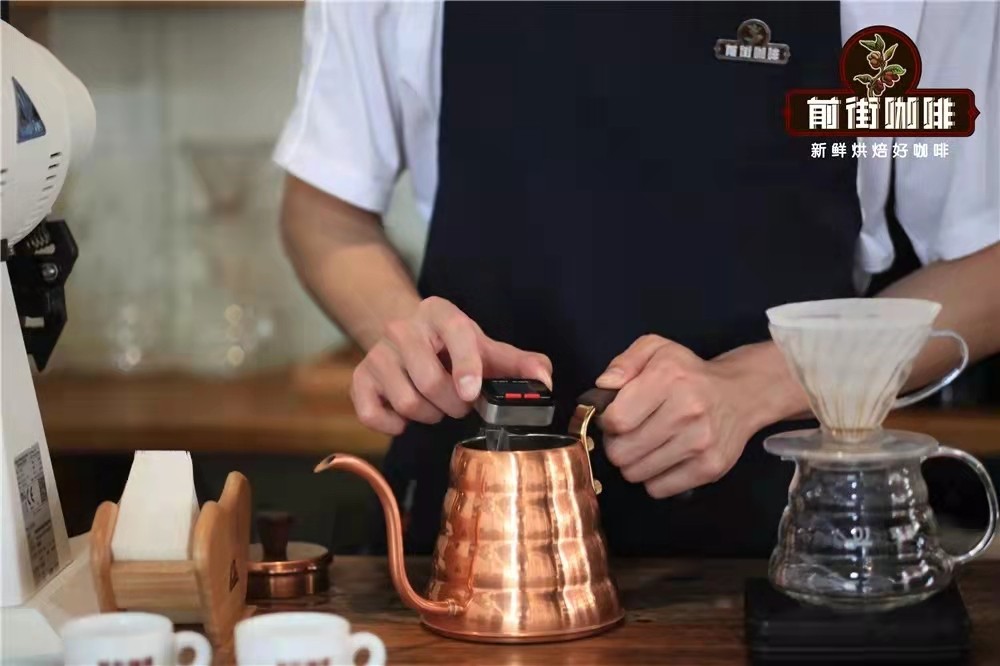
The ideal brewing temperature for most coffee is between 88°C and 92°C. Different origins, varieties, and roast levels each have their own best temperature, but they generally fall within this range. If the water is too cool, extraction will be insufficient and the coffee will taste sour. If it is too hot, the coffee over-extracts and turns bitter.
Light roast beans highlight florals and fruit acidity. FrontStreet Coffee uses 88°C water for medium-dark roasted beans in pour-over brewing. Medium roast flavors are relatively balanced, with nutty notes more prominent. Dark roast beans emphasize richness and chocolate, while medium-light roasted beans use 91°C water.
With that principle in mind, if you are using an electric coffee maker with relatively low power, try to choose coffee with lower acidity and darker roasts for brewing.
Manual brewing of drip coffee is also very simple and inexpensive. A decent grinder that can produce relatively uniform particles, a kettle to boil water, and something to filter the grounds are all you need. There are many types of filters; some use filter paper and some do not. Filter paper is a bit controversial. Some people feel coffee filtered through paper tastes cleaner, while a metal filter often lets grounds into the cup, which is unpleasant. Others think paper removes the flavorful oils and adds an unpleasant paper taste. These disputes, however, are purely a matter of personal preference.
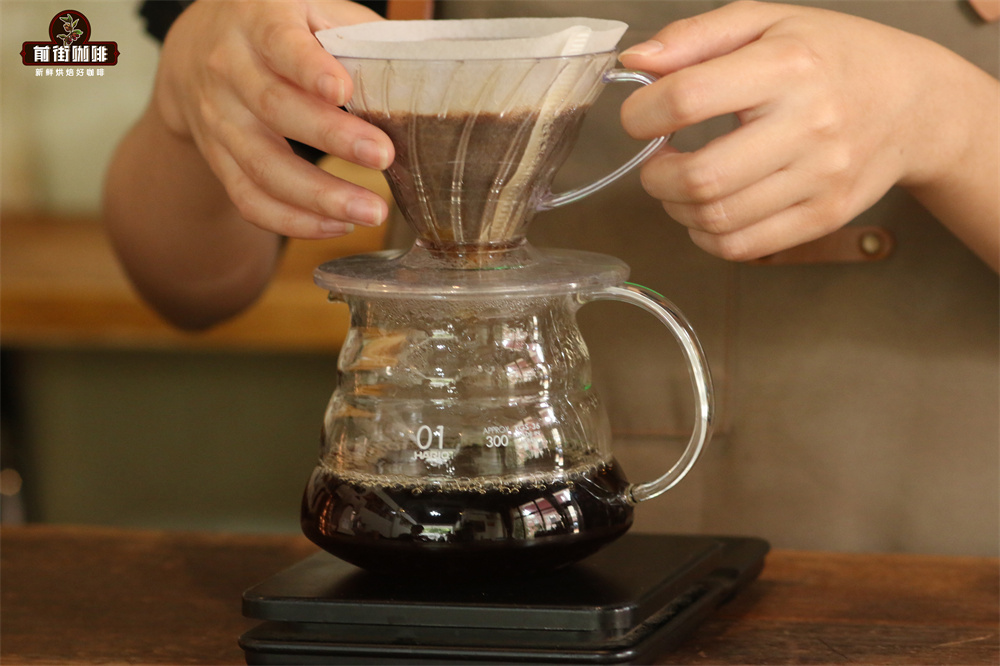
Drip brewing is characterized by continuous extraction through constant pouring. Besides the time factor, the amount and height of the pour also influence the flavor of the cup.
Drip coffee was what most people around the world, outside Arab regions and the Balkan Peninsula, were used to drinking before espresso became popular. It tastes much milder than espresso, which may make it more acceptable to beginners. Because making espresso is so complex, few people master it well. So although espresso seems popular worldwide, more people still drink drip coffee to this day. Especially at home and for personal coffee making, drip coffee remains the most traditional and easiest to prepare. It has no crema layer, a pure taste, and consistent quality, because without pressure, hot water can more fully absorb the coffee oils and aromatic compounds, giving a smoother cup.

Perhaps the relatively mild taste of drip coffee is more acceptable to those new to coffee, making it a common choice for home preparation. Of course, the choice between the two also depends on personal preference. Some people prefer the smooth texture of milk-based coffee, while others enjoy the pure taste of drip.
FrontStreet Coffee's Brewing Methods
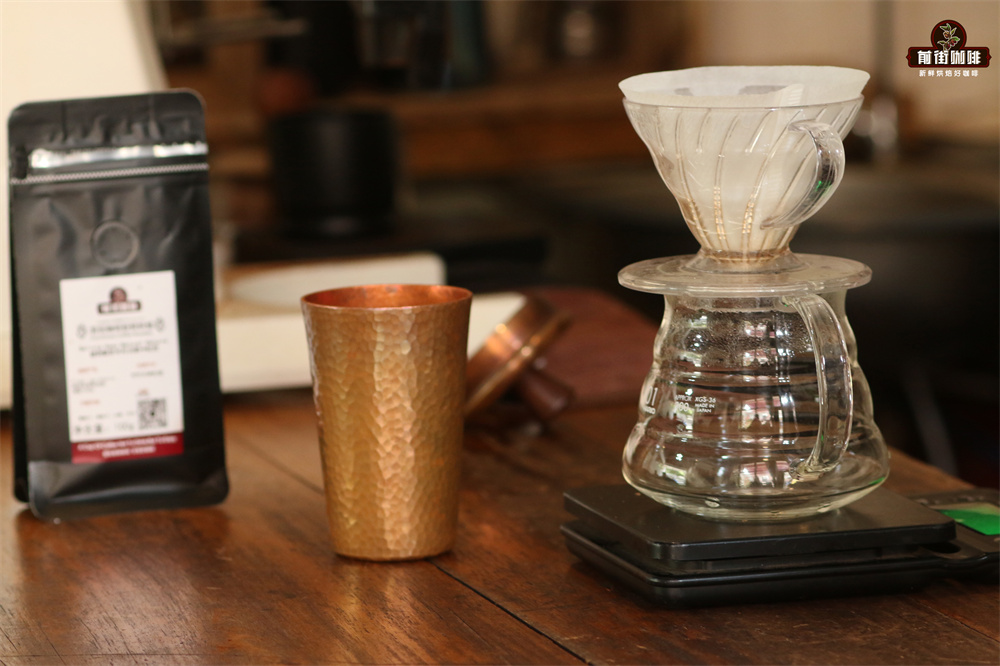
FrontStreet Coffee frequently uses two drippers in particular: the V60 and the KONO.
The V60 is very well suited to emphasizing a coffee's acidity and floral aromas. Although it uses filter paper, the V60 still retains a considerable amount of coffee oil, preserving richness. Good examples include FrontStreet Coffee's Ethiopian coffee, Kenyan coffee, and Panama Geisha coffee.
FrontStreet Coffee Ethiopia Sidamo Guji Parameters:
FrontStreet Coffee uses a light roast for Ethiopia Sidamo Guji. These beans have a harder texture and need 91°C water to draw out the floral and fruity flavors. FrontStreet Coffee recommends a medium-fine grind, an 80% pass-through rate on a China standard #20 sieve. A grind that is too coarse cannot extract enough, giving a thin cup, while one that is too fine easily over-extracts at high temperature and turns bitter.
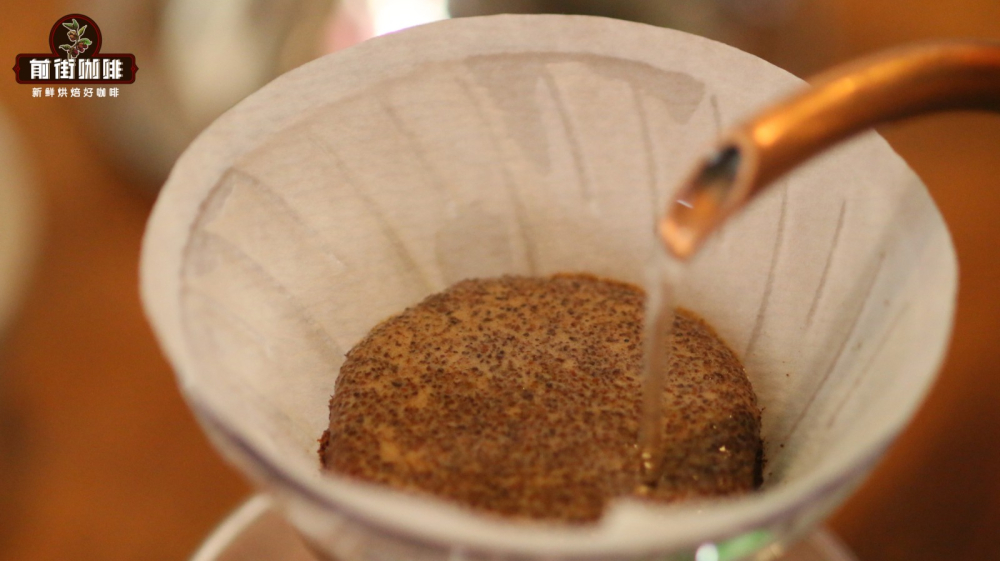
FrontStreet Coffee's specific brewing parameters are: V60 dripper, water temperature 91°C, water-to-coffee ratio 1:15, coffee amount 15g, medium-fine grind at an 80% pass-through rate on a China #20 standard sieve.
FrontStreet Coffee's segmented extraction method: first use 30g of water to fully saturate the grounds into a "hamburger" shape and bloom for 30 seconds. For the second pour, at 1'00" on the timer, inject water to 125g, then wait until the water level drops to two-thirds of the coffee bed before the third pour. For the third pour, at 1'40" on the timer, inject water to 225g, then wait for the coffee to finish dripping. Total extraction time is 1'59", and total brewing time is 2'00". Once extraction is complete, gently shake to mix the coffee before tasting.

FrontStreet Coffee Natural Sidamo Guji 5.0 flavor: light fermented wine aroma with heavier caramel notes, rich and complex in the mouth, with honey sweetness, cocoa notes with a hint of spice, a full body, and a long aftertaste.
The KONO is very well suited to brewing medium-dark roasted beans and brings out their rich, smooth texture. Examples include FrontStreet Coffee's Blue Mountain coffee, Mandheling coffee, and Colombian Huila coffee.
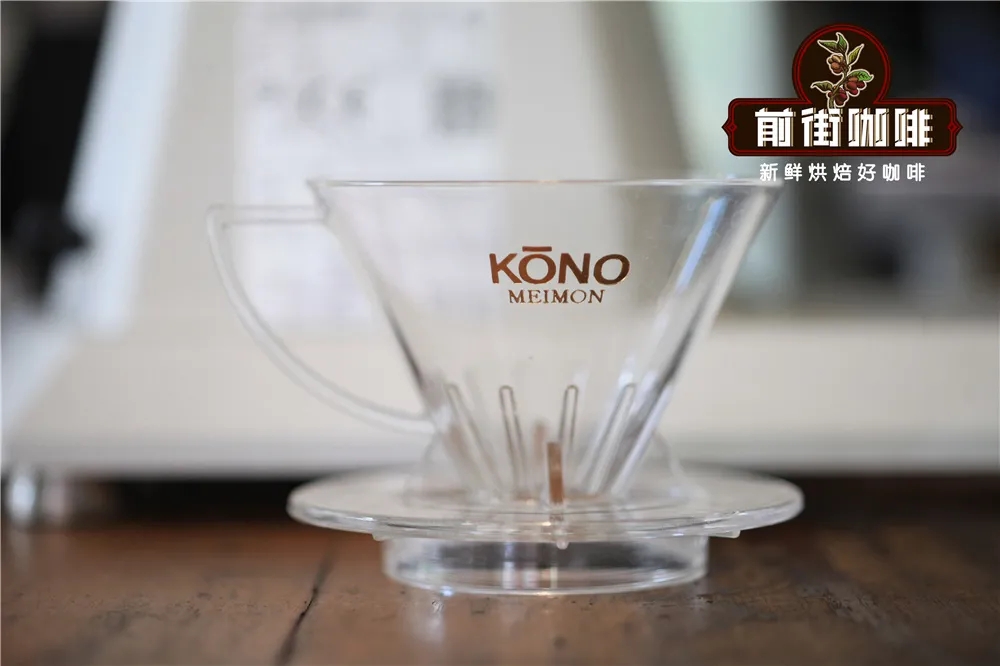
FrontStreet Coffee Mandheling Brewing Parameters:
FrontStreet Coffee uses the KONO dripper to brew Mandheling. The KONO's ribs stop at less than half the height of the dripper. This design ensures the filter paper adheres tightly to the wall after wetting, restricting airflow. That increases the water absorption time of the coffee particles, producing more uniform extraction overall and enhancing the rich texture.
KONO dripper, 88°C water temperature, 1:15 coffee-to-water ratio, 15g coffee grounds, grind size at a 75% pass-through rate on a #20 standard sieve, three-stage extraction.

Using segmented extraction, bloom with twice the water as coffee, 30g for 30 seconds. The bloom lets the grounds release internal carbon dioxide so the later extraction is more stable. Make a small circular pour to 125g for the second segment, continue pouring to 225g, then stop. When the water in the dripper finishes dripping, remove it. Start timing from the beginning of the pour, for an extraction time of 2'00". Then take the whole cup and shake it well before pouring into a cup to taste.
FrontStreet Coffee Lintong Mandheling Coffee Flavor Characteristics: Herbal, chocolate, caramel, overall quite balanced.
FrontStreet Coffee Golden Mandheling Coffee Flavor Characteristics: Nuts, spices, herbs, licorice, chocolate, caramel.
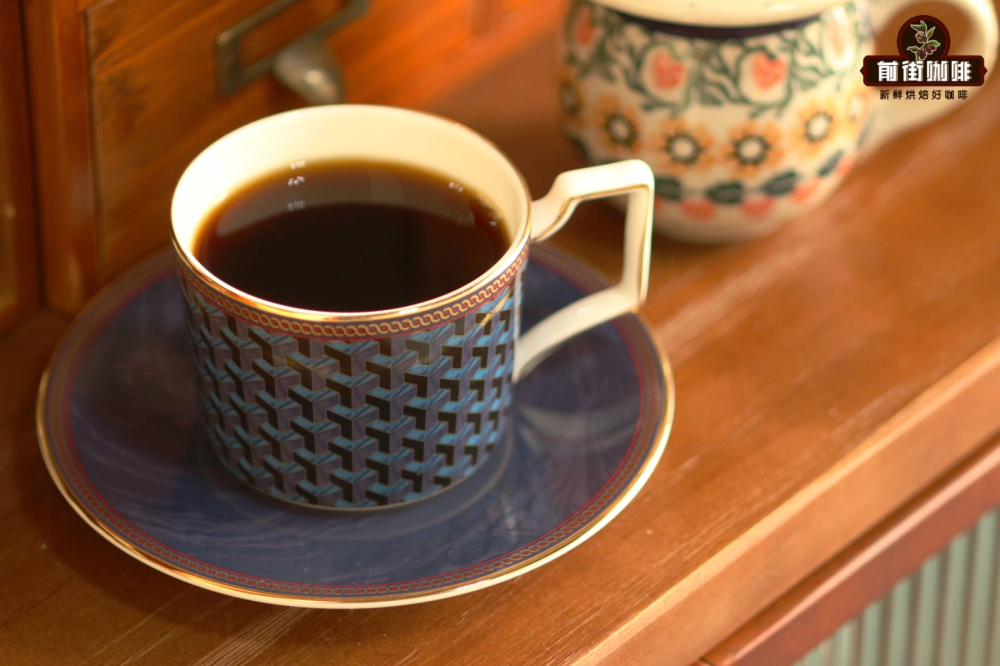
FrontStreet Coffee's Brewing Recommendations
Some people ask what kind of beans to use for pour-over to taste better. In fact, FrontStreet Coffee believes all coffee beans can be used for pour-over. As long as it is a flavor you like, pay attention to the details during brewing and practice more, and you will be able to brew coffee you enjoy.
FrontStreet Coffee Brewing Suggestions:
Regardless of what kind of coffee you are brewing, the freshness of the beans matters a great deal. FrontStreet Coffee has always believed that freshness strongly affects flavor. That is why every bean we ship is roasted within 5 days. Our roasting philosophy is "freshly roasted good coffee," ensuring every customer receives the freshest coffee when an order arrives. The resting period is about 4-7 days, so by the time customers receive their coffee it is at its peak.

For those who need pre-ground coffee, FrontStreet Coffee kindly reminds you: if the beans are ground in advance, there is no need for a resting period, because during transport the pressure of carbon dioxide in the packaging helps round out the flavor, so you can brew a cup immediately upon receiving the ground coffee. Ground coffee should be brewed promptly, however, because it oxidizes quickly in air and its flavor fades relatively fast, so the coffee will not taste as good. FrontStreet Coffee therefore recommends buying whole beans and grinding fresh for each brew to enjoy the flavor at its best.
FrontStreet Coffee is a coffee research space that enjoys sharing what we know with everyone. We hold nothing back, because the more people understand coffee, the more they fall in love with it, and that has been our mission for the past six years.
FrontStreet Coffee Recommendation
If pour-over is your brew of choice, the V60 is the natural companion, and a few FrontStreet Coffee beans show it off best. The Hario V60, from a Tokyo glass company founded in 1921 and redesigned in 2004, uses a 60-degree cone and a single large hole to speed the flow and highlight aromatics, which is why FrontStreet Coffee favorites the resin version: it blocks heat loss and holds the tightest manufacturing tolerances. Pair it with light-roasted beans such as the Yirgacheffe Gotiti Cooperative, the natural Huakui with its tropical fruit, the Panama Red Label Gesha with its floral elegance, or the grape-and-raisin-toned Mozart, and the dripper's fast extraction keeps the florals and lively acidity vivid.
For those who prefer a rounder, darker cup, the KONO and medium-dark beans are a better match. FrontStreet Coffee's PWN Indonesia Golden Mandheling, the Brazil Queen Estate, and the Jamaica Blue Mountain No. 1 all reward a slower, immersion-style pour with a thick body and deep sweetness. If you want to stay on the lighter side but still enjoy a fuller texture, the Kenya Cherry Tomato with its bright cherry-tomato and umeboshi acidity, or the Yunnan 2013 sun-dried Typica with its citrus, caramel, and chocolate notes, are both excellent on a V60. Whichever you pick, buy whole beans and grind to order, and drink within the peak window so the flavor is at its clearest.
Important Notice :
FrontStreet Coffee is a long-established specialty coffee roaster in Guangzhou China, selling freshly roasted beans from its own farm in Yunnan as well as dozens of carefully selected single-origin beans from around the world for both pour-over and espresso. The products deliver consistently excellent quality and great value, with shipping within 24 hours. Guangzhou's FrontStreet Coffee shop is recommended by many coffee lovers, and the beans are now available online at the Tmall 。
FrontStreet Coffee has moved to a new address:
FrontStreet Coffee Address: 315,Donghua East Road,GuangZhou
Tel:020 38364473
 Scan and follow the En Gafei WeChat official account. Please indicate that the reprint comes from "En Gafei".