The Origin, Principles, Advantages, and Best Ways to Enjoy Cold Drip Coffee - What Coffee Beans Are Best for Cold Drip
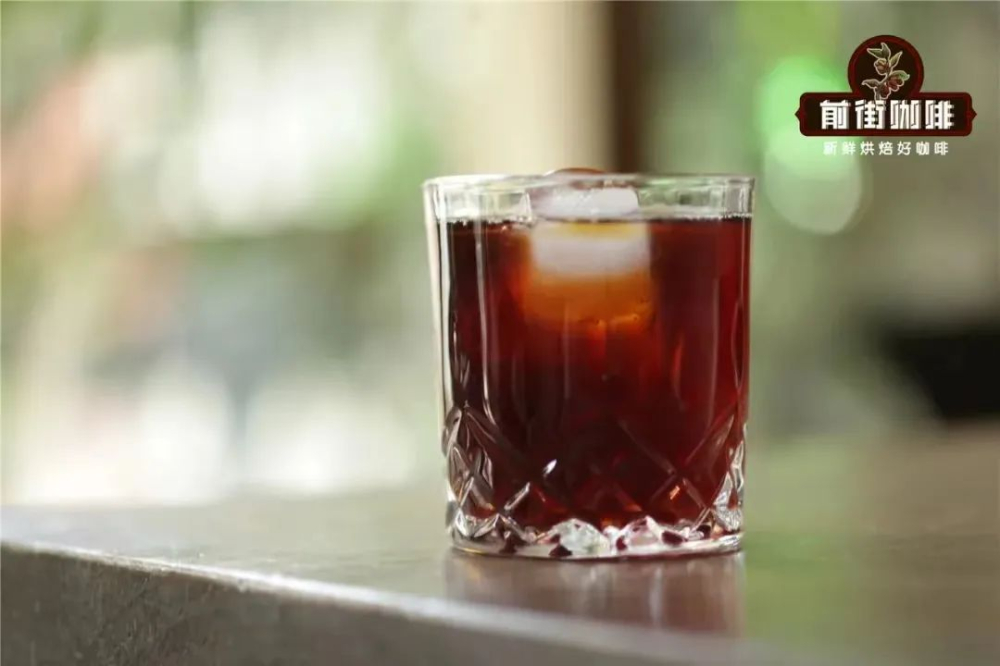
As the weather warms up, cold drip coffee at FrontStreet Coffee has been selling exceptionally well. In reality, cold drip coffee isn't nearly as complicated as most people believe. Today, FrontStreet Coffee will share how to make it.
Origin of Cold Drip Coffee
"In the 1600s, Dutch sailors transporting coffee from their colony in Indonesia back to Europe devised cold drip coffee because there was no hot water available on the ships, making it impossible to drink hot coffee. Coffee extracted with cold water tasted mellow and smooth with an enticing aroma. Not only the sailors but also ordinary people grew to love it."
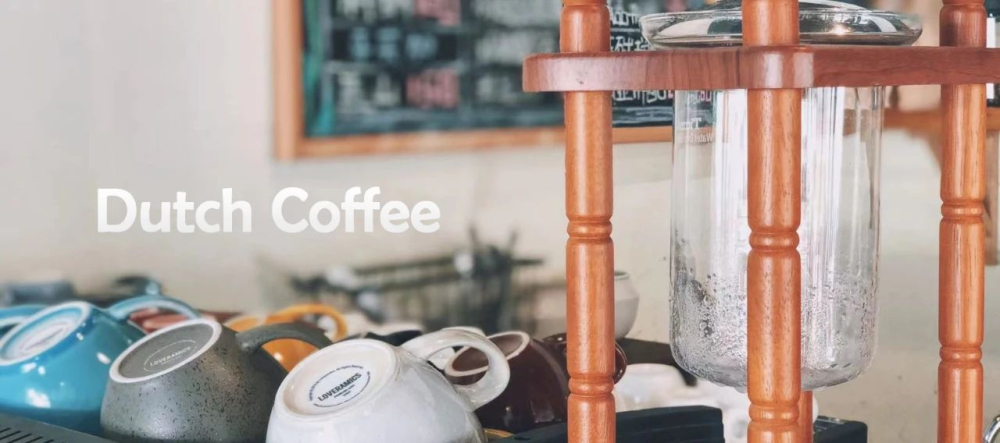
Actually - that origin story was fabricated by Japanese coffee industry professionals to promote cold drip towers, as one of their marketing strategies. In fact, in Western countries, including the Netherlands, the primary method is not the Japanese drip style (ice water dripping drop by drop) but the so-called "Cold Brew" immersion method (coffee grounds steeped in cold water for an extended period). Moreover, there is no such thing as cold drip coffee ("Dutch coffee") in the West.
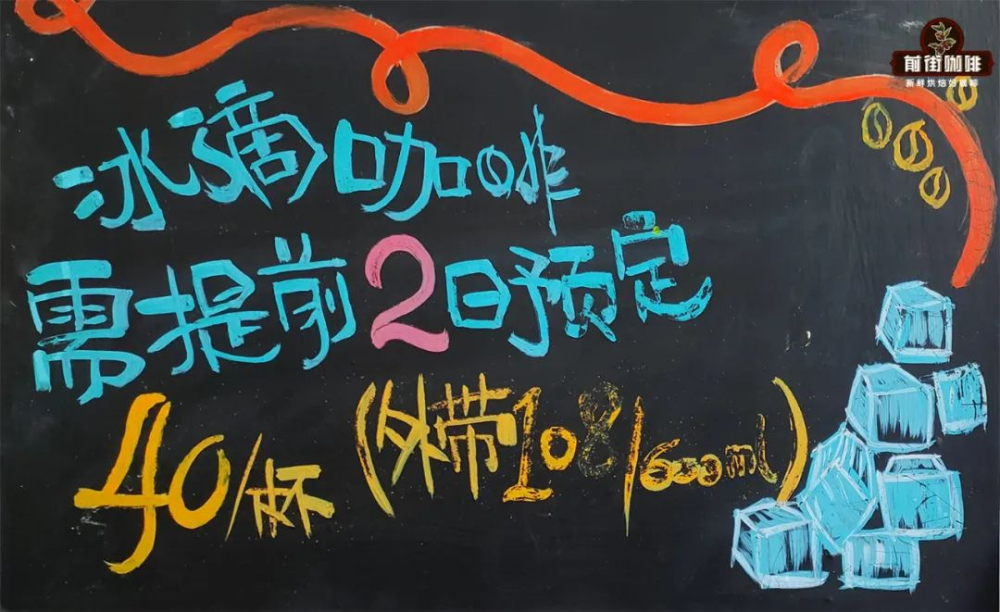
The Invention of Cold Drip Coffee
Although cold drip is called Dutch coffee, it has no deep roots in the Netherlands. Its real connections are with Japan, which is why it's also known as Kyoto coffee. The owner of Kyoto's Hanafusa Coffee, while reading coffee books, learned about the local brewing methods used in what was then the Dutch colony of Indonesia. He became fascinated by the method and, with help from chemistry students at Kyoto University and a medical equipment company, built cold drip apparatus based on the books' descriptions to recreate that Indonesian brewing style - thereby inventing cold drip coffee. It later became popular in Europe and America, but because Westerners were unfamiliar with this history, they simply called it Kyoto coffee.
Cold drip extracts with near-freezing ice water, which reduces the volatilization of coffee aromatics at low temperatures and locks as much aroma as possible into the liquid. When you drink it, the coffee's temperature rises in your mouth and the trapped aromas suddenly burst forth, hitting the back of the palate with intense flavor. That sudden aromatic explosion creates a profound sense of happiness.
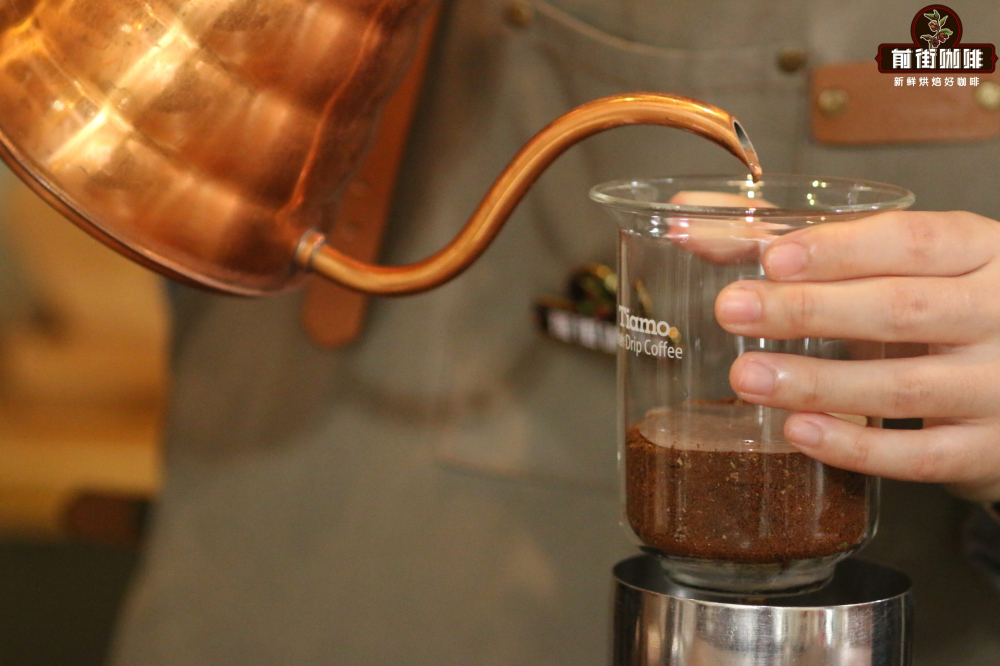
FrontStreet Coffee's Cold Drip Coffee Making Guide
1. FrontStreet Coffee uses a 1:10 water-to-coffee ratio for cold drip - 60 grams of coffee grounds to extract 600 milliliters of coffee.
2. Place a circular filter paper at the bottom of the grounds chamber and wet it with water so it clings to the walls, then add the pre-ground 60g of coffee (coarse-sugar size; FrontStreet Coffee stores use the EK-43s at setting #10). Level the surface, or lightly press the coffee layer with the tamper's own weight to even it out.
3. Remember to lay a filter paper on top of the grounds. Its tension helps distribute the water evenly; without it, prolonged dripping would carve holes in the coffee bed.
4. "Pre-soak" with ice water - similar to the bloom in pour-over - to improve extraction efficiency and consistency. Dripping directly onto dry grounds can moisten the bed unevenly, over-extracting some grounds while others never participate in extraction at all.
5. Fill the reservoir with a 1:1 ice-and-water mixture and adjust the valve to about 7 drops every 10 seconds.
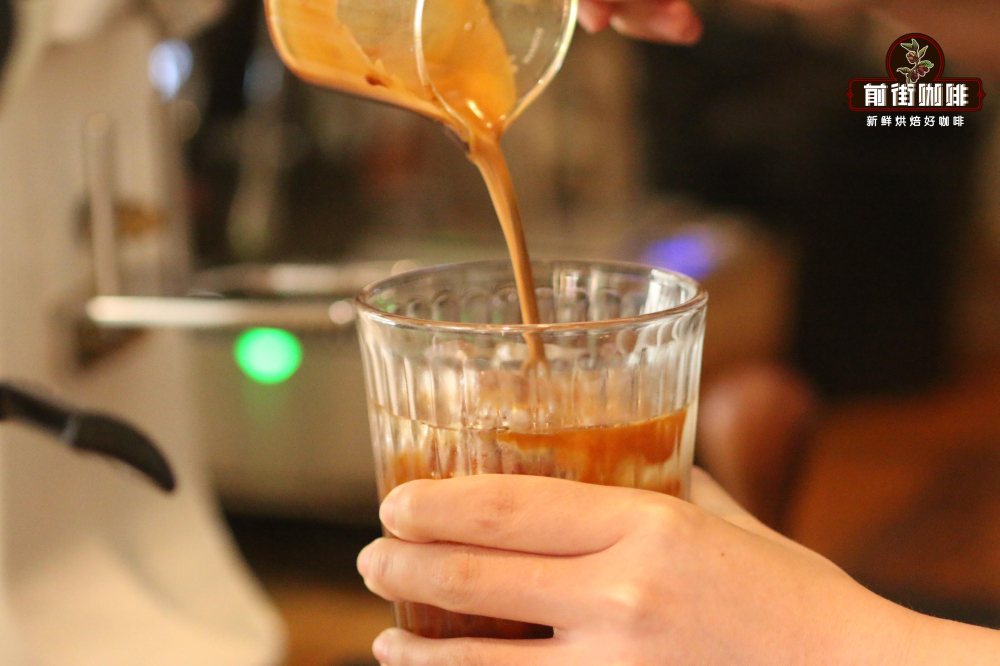
6. When finished, pour the coffee into a sealed glass bottle and refrigerate overnight so the flavors meld, for a better taste and smoother mouthfeel.
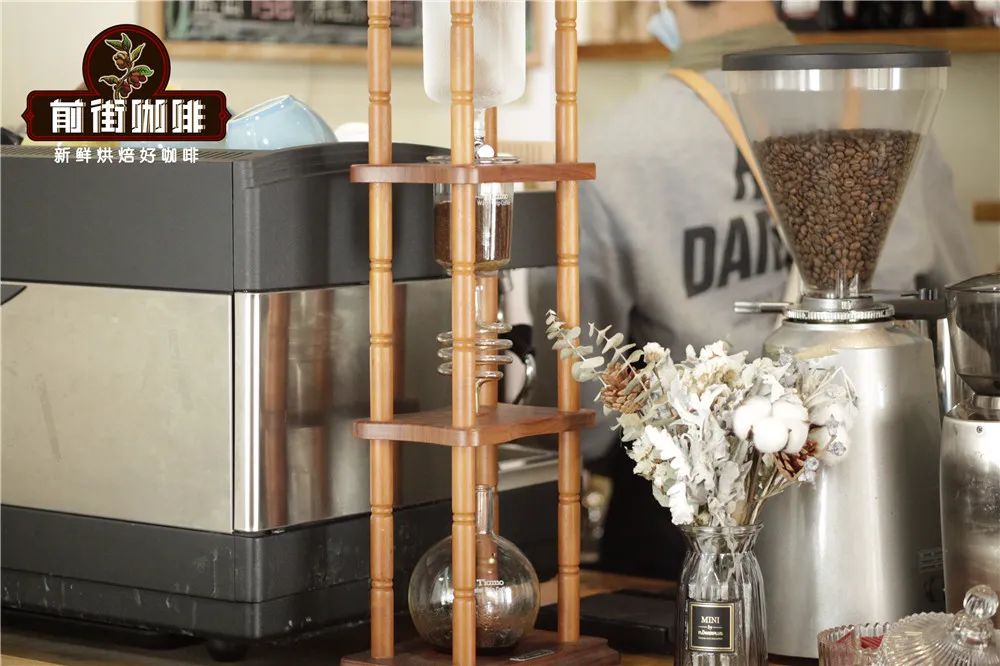
Caffeine Content in Cold Drip Coffee
Many people assume cold drip coffee is low in caffeine because lower water temperatures reduce caffeine's solubility (caffeine dissolves minimally below 80°C). But the small amount extracted by cold water accumulates over the long extraction period and shouldn't be underestimated. Some argue cold drip actually contains more caffeine, and many experimental results back this up. The caffeine content of cold drip varies greatly depending on the beans used, the drip interval, and each shop's total extraction time. So if you're sensitive to caffeine, FrontStreet Coffee recommends lower-caffeine drinks such as an Americano or latte instead.
How Do We Choose Coffee Beans for Cold Drip?
Your first reaction to this heading might be: just pick a bean you like and drip it - and that's perfectly fine. However, a single bean may not fully showcase its aroma, sweetness, or smoothness through cold drip. That's why FrontStreet Coffee often blends two different beans, aiming to highlight particular flavor characteristics. Below are two blending recipes for your reference.
Recipe One: 30g [FrontStreet Coffee Honduras Sherry] + 30g [FrontStreet Coffee Costa Rica Beethoven]
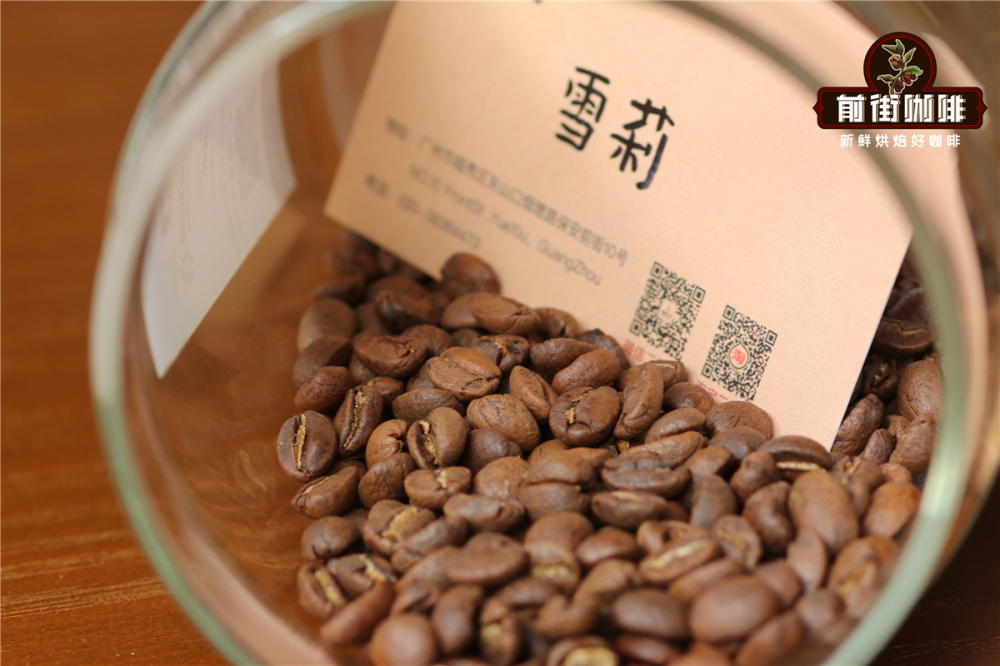
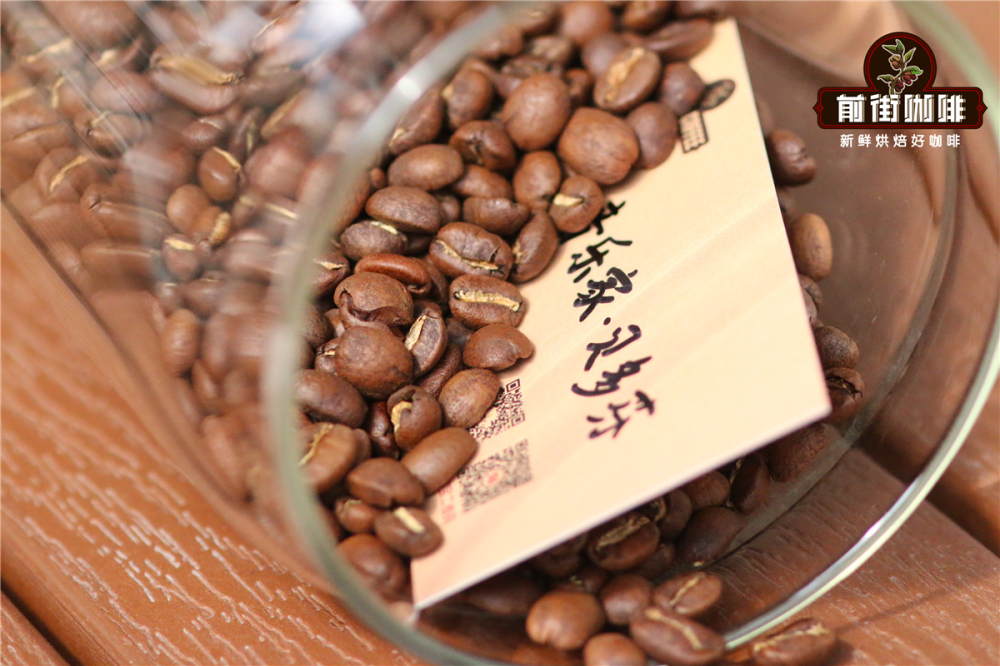
Barrel-processed Sherry combined with washed Beethoven creates fermented wine aromas, rich fruit acidity, and honey-like sweetness. The whiskey barrel-fermented Sherry carries distinct whiskey aromas with vanilla-cream smoothness, while the washed Beethoven brings prominent citrus acidity and berry-juice fullness. As cold drip, you get rich whiskey aromas, distinct citrus acidity, and berry-juice fullness on entry, wrapped in vanilla-cream smoothness.
Recipe Two: 20g [FrontStreet Coffee Honduras Lychee Lan] + 40g [FrontStreet Coffee Gesha Village Red Label]
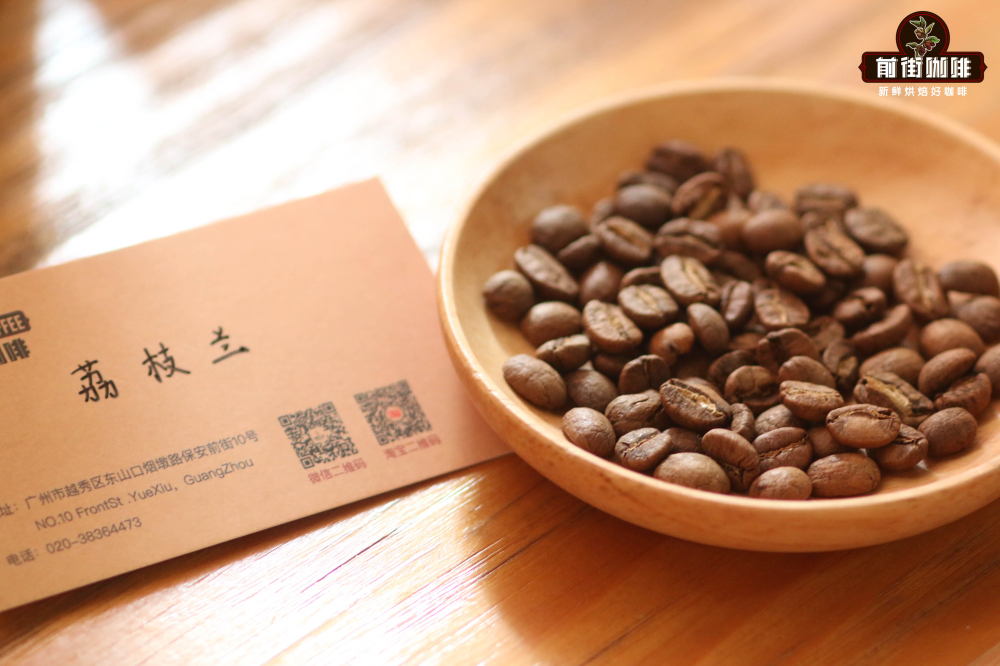
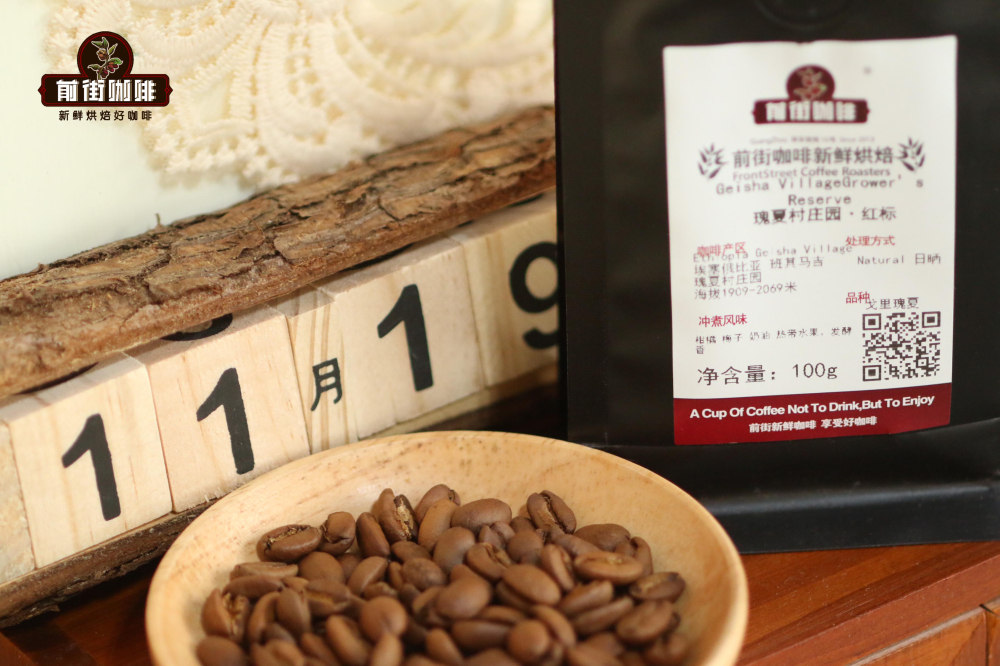
Barrel-processed Lychee Lan combined with natural Gesha Village Red Label creates subtle brandy aromas, plum-like acidity, and maple sweetness. The brandy barrel-processed Lychee Lan has rich brandy aromas, a chocolate-like aftertaste, and high sweet notes reminiscent of lychee and honey, while the natural Gesha Village Red Label offers plum and citrus acidity with maple sweetness and a cream-smooth mouthfeel. As cold drip, you'll taste subtle brandy aromas, rich fruit acidity leading into honey sweetness, and a cream-smooth finish.
For professional coffee knowledge exchange and more coffee bean information, please follow Coffee Workshop (WeChat official account: cafe_style).
For more specialty coffee beans, feel free to add FrontStreet Coffee's private WeChat: kaixinguoguo0925
FrontStreet Coffee Recommendation
Coffee lovers have almost certainly tasted Indonesian coffee - and the best growing areas across the archipelago are Java, Sumatra, and Sulawesi, the three islands behind three great coffee names. Mandheling comes from Sumatra with moderate acidity and a heavy, intense aroma; Java coffee is arabica from Java Island; and Sulawesi coffee offers full, plump beans with rich fragrance. Across all of them, robusta makes up 90% of total production. If the fermentation-friendly character of cold drip has you exploring bolder profiles, Indonesian wet-hulled coffee is a fascinating next stop.
Start with FrontStreet Coffee's Indonesia wet-hulled Mandheling, from the Lake Toba area of the Lintong region. Mandheling refers to arabica from Sumatra, processed with the local wet-hulled method: because the parchment is milled off while the beans are still half-dry and half-wet, the naked green beans dry completely exposed to the air, giving the coffee its typical grassy, herbal, and spice notes. To present the classic Mandheling flavor, it needs a medium-dark roast: low acidity, mellow and full, with rich caramel, dark chocolate, and toast aromas and a long sweet finish - perfect for friends who love their coffee bold.
At the top of the tree sits FrontStreet Coffee's PWN Gold Mandheling. PWN is a trading company that buys up premium local Mandheling lots and produces only specialty-grade coffee, with "Gold Mandheling" as its flagship. The screening standards are strict - density, size, shape, and color are all measured, and the beans go through one machine sorting plus multiple hand sortings to remove defects, ensuring plump, uniform, translucent beans and reducing the earthy, grassy edge. Legend has it the name came from beans that glittered golden in the sun. Freshly roasted, FrontStreet Coffee's PWN Gold Mandheling shows sandalwood, herbal, spice, roasted hazelnut, caramel, and dark chocolate flavors - clean, rich, mellow, and deeply layered, wonderful for daily drinking and a great gift. And if you'd rather have that character in espresso, the pre-light-roast era considered Mandheling the world's richest, most fragrant coffee, and it still anchors FrontStreet Coffee's Classic Blend: the Taiwanese-style "Mamba" formula of Mandheling and Brazil, where Mandheling's wild character meets Brazil's smooth texture and nutty sweetness that tames Mandheling's strong bitterness and herbal notes - with a touch of robusta and a dark roast for golden crema and maximum dark chocolate, nut, and caramel aroma, easy even for beginners to pull authentic Mandheling flavor from.
Important Notice :
FrontStreet Coffee is a long-established specialty coffee roaster in Guangzhou China, selling freshly roasted beans from its own farm in Yunnan as well as dozens of carefully selected single-origin beans from around the world for both pour-over and espresso. The products deliver consistently excellent quality and great value, with shipping within 24 hours. Guangzhou's FrontStreet Coffee shop is recommended by many coffee lovers, and the beans are now available online at the Tmall 。
FrontStreet Coffee has moved to a new address:
FrontStreet Coffee Address: 315,Donghua East Road,GuangZhou
Tel:020 38364473
 Scan and follow the En Gafei WeChat official account. Please indicate that the reprint comes from "En Gafei".