What's the Difference Between Cold Drip Coffee and Cold Brew Coffee Cold Drip Coffee Bean Recommendations Water-to-Coffee Ratio Grind Level
Understanding Cold Brew Coffee: Three Methods Explained
Professional coffee knowledge exchange & more coffee bean information - please follow Coffee Workshop (WeChat official account: cafe_style)
In the scorching summer - listen! The cicadas are chirping on one tree! And the cicadas on another tree are chirping too! In Guangzhou, this brutal summer is either steaming, roasting, or boiling you like hot water. With an ice-cold drink in hand, you can be lifted instantly from hell to heaven. Lately, many visitors to FrontStreet Coffee's store have been asking: "Do you have cold brew coffee?"
But did you know that "cold brew coffee" actually comes in three types: ice drip coffee, iced coffee, and immersion cold brew coffee? What's the difference between them? Let FrontStreet Coffee explain.
Ice Drip Coffee
What is ice drip coffee? Ice drip coffee is coffee extracted by dripping ice water through coffee grounds. It's said to have been invented by the Dutch, and it has been in Japan for several hundred years - ice drip coffee is also known as "Kyoto coffee" or "Japanese-style slow drip." In South Korea, almost every coffee shop sells ice drip coffee, and many famous ice drip equipment brands come from these two countries.
The advantage of ice drip coffee is that dripping with cold water ensures the coffee bed is 100% moistened, giving a smooth, non-acidic taste. The disadvantage is that the dripping speed is hard to control - 7 drops every 10 seconds is considered ideal.
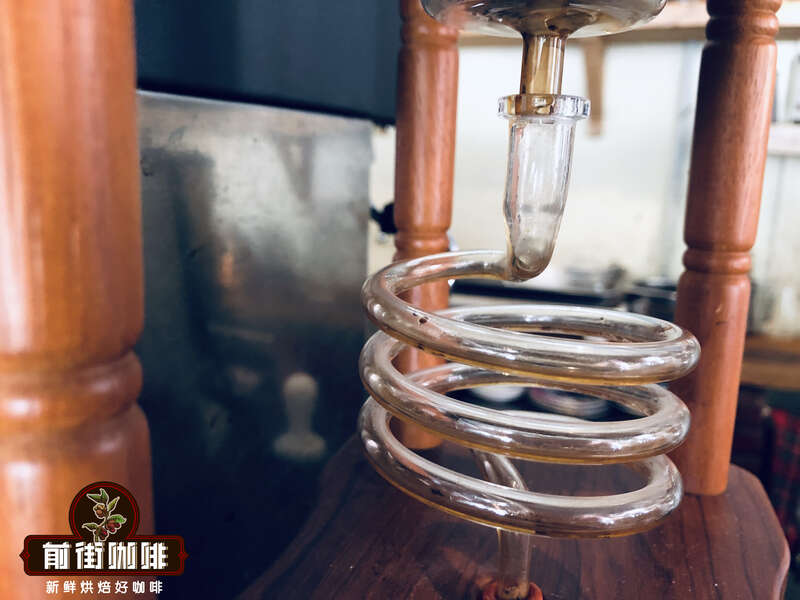
FrontStreet Coffee's Ice Drip Coffee Method
Coffee amount: 60 grams
Coffee-to-water ratio: 1:10
Grind size: 85% pass-through rate with the China standard #20 sieve
Time: 6-8 hours
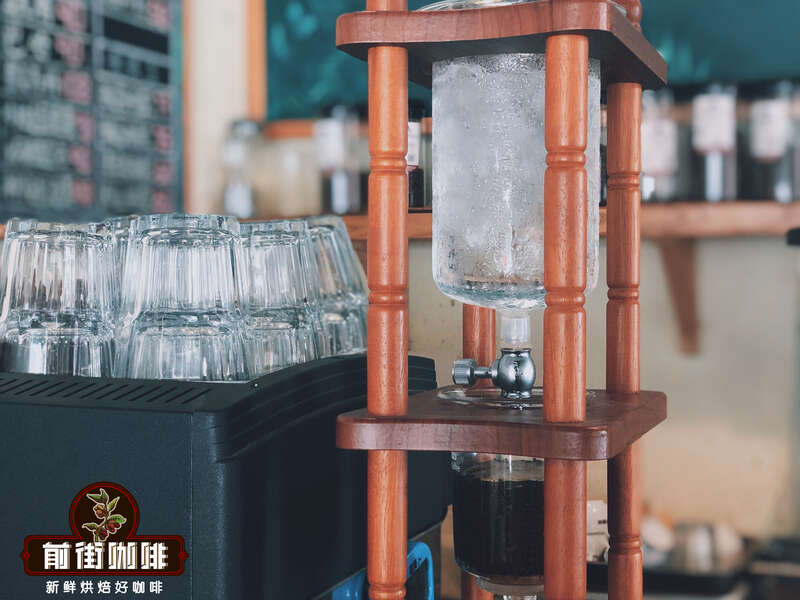
- Place a circular filter paper at the bottom of the filter cup, wet it with water so it adheres to the walls, and add 60g of ground coffee (FrontStreet Coffee uses the China standard #20 sieve with an 85% pass-through rate, slightly finer than pour-over grind). Level the coffee surface, or lightly press the bed with the weight of the tamper itself to even it out.
- Lay a piece of filter paper on top of the grounds. The paper's tension helps distribute water evenly across the coffee surface during extraction; without it, hours of dripping would carve a hole in the coffee bed.
- "Pre-infuse" with ice water, evenly moistening the entire coffee layer. This step is like the bloom in pour-over, improving extraction efficiency and consistency.
- Fill the water container with a 1:1 mixture of ice and water and adjust the valve to about 7 drops every 10 seconds.
- After brewing, pour the coffee into a sealed glass bottle and refrigerate overnight to oxidize, letting the flavors meld for a better, smoother taste.
So what coffee beans are good for ice drip coffee? FrontStreet Coffee would like to share some beans we commonly use.
Dark Berry Type:
FrontStreet Coffee's Costa Rica Canet Estate Musician Series Mozart - 60 grams
This Mozart bean uses anaerobic honey processing and naturally carries a very special raisin aroma. As ice drip coffee it shows very distinct blueberry, black grape, and fermented wine flavors, with a refreshing taste and lingering aroma.
Refreshing and Clean Type:
FrontStreet Coffee's Kenya Assalia - 60 grams
The acidity of FrontStreet Coffee's Kenya Assalia is extremely lively, reminiscent of fruit juice. As ice drip it carries cherry tomato and grapefruit aromas, with a refreshing, light acidity perfect for summer.
Sweet and Delicious Type:
FrontStreet Coffee's Indonesia PWN Gold Mandheling - 60 grams
Few shops dare to use dark-roast beans for ice drip. If you haven't tried it, you might assume dark-roast ice drip would be very bitter - it isn't. Made with FrontStreet Coffee's ice drip method and refrigerated for 24 hours before pouring over ice, PWN Gold Mandheling ice drip shows mellow sweetness with just a hint of chocolate bitterness - remarkably clear overall, with a rich fermented aroma that feels deeply comforting.
Iced Coffee
Iced coffee is what we commonly call the iced Americano. The method is simple and quick: espresso plus ice water. Espresso is made by forcing water near boiling temperature through finely ground coffee at approximately 9-10 atmospheres of pressure.
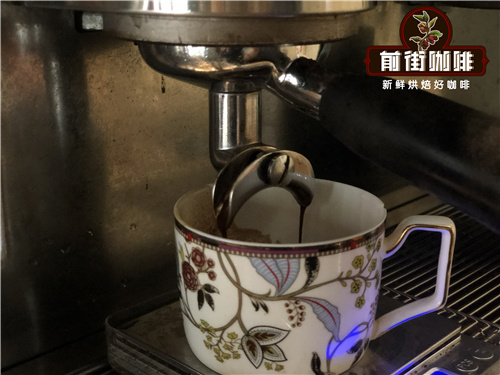
The advantage is convenience - iced Americanos are fast. But there are disadvantages too: first, you need an espresso machine capable of pulling espresso; second, the flavor dilutes easily as the ice melts.
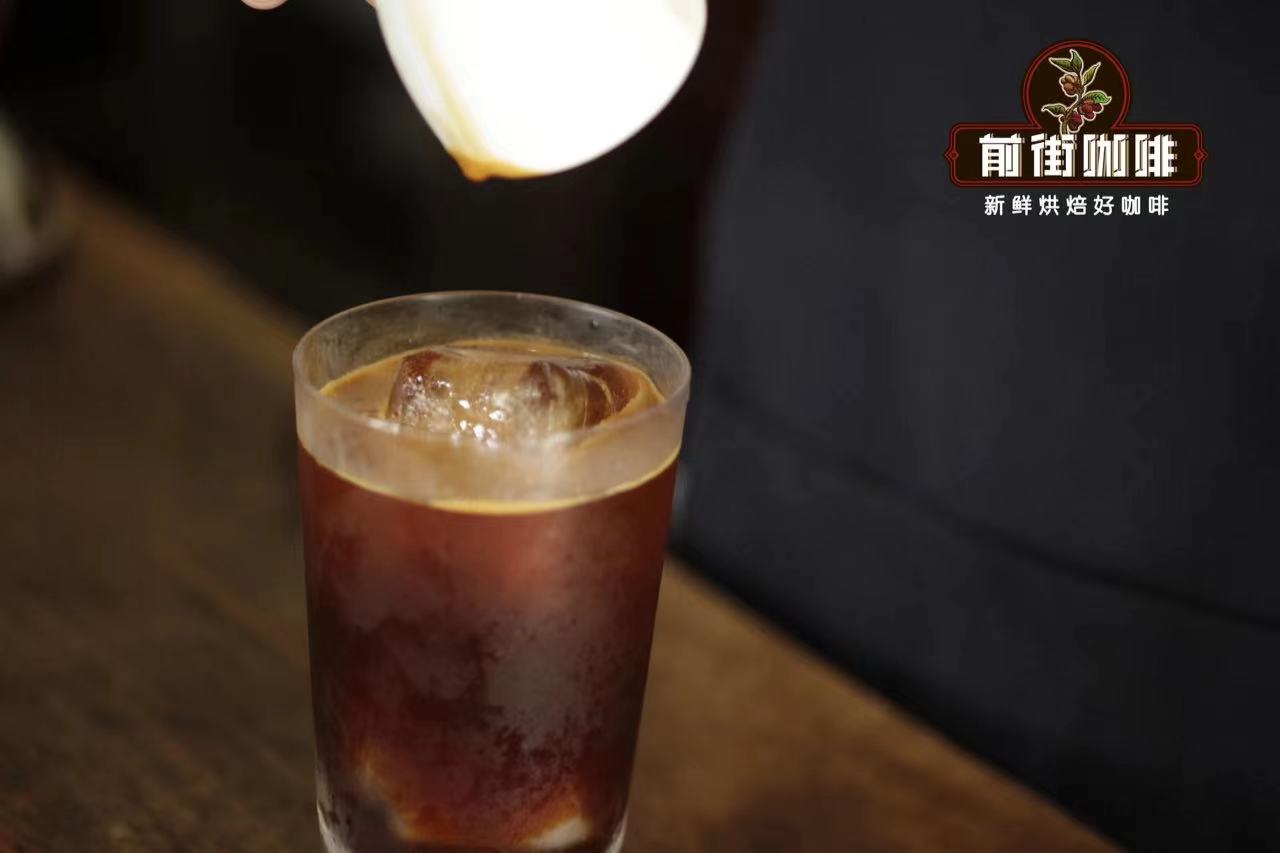
FrontStreet Coffee's Iced Americano Method
FrontStreet Coffee's store uses its own FrontStreet Coffee Sunflower Warm Sunshine Espresso Blend, which contains 70% Honduras Sherry and 30% Yirgacheffe Natural Red Cherry.
20 grams of coffee, extracted over 27 seconds to yield 40 grams of espresso.
Once the espresso is extracted, fill the cup with ice cubes and water, then pour the espresso over the ice water to finish.
Cold Brew Coffee
Cold brew coffee is exactly what it sounds like. The concept is similar to cold-brewing tea: a large amount of coffee grounds is steeped directly in water and refrigerated for long-term low-temperature extraction. Brewing typically takes 8-12 hours, which is why it's also called "ice-brewed coffee."
This cold-brewing method amplifies the coffee's flavors and aromas while softening acidity, for a cleaner, purer taste. Cold brew coffee tastes better the colder it is, and you can add ice cubes directly without worrying about dilution.
The advantage of cold brew is that low-temperature extraction pulls out few impurities and little bitterness. The disadvantage is obvious - the long brewing time.
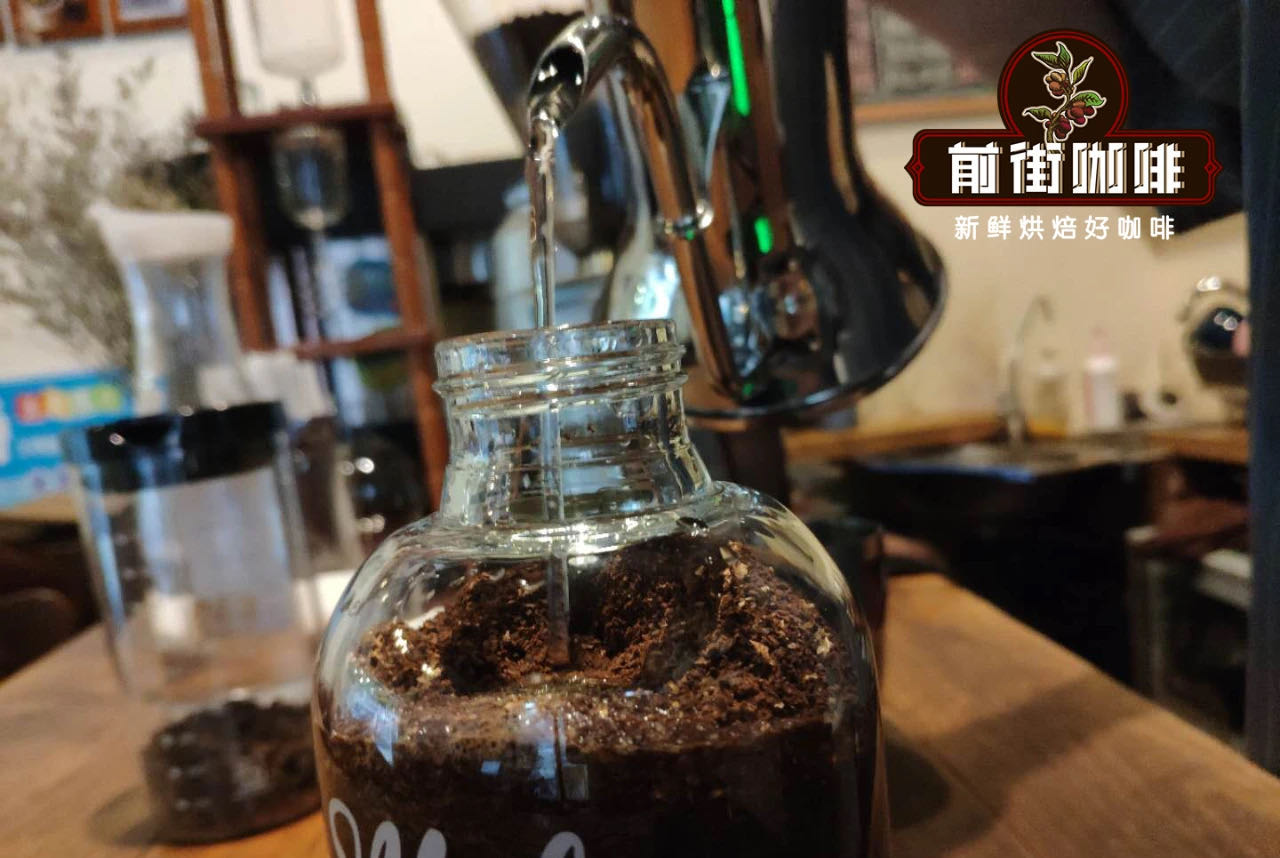
FrontStreet Coffee's Cold Brew Method
Using 50 grams of coffee as the standard: for grind size, since the water in contact with the grounds is colder than in pour-over, choose a setting slightly finer than pour-over - a 65% pass-through rate on the #20 standard sieve. Put the grounds in a glass jar, then add 400ml of room-temperature water and 100 grams of hard ice cubes (500 grams of ice-water total), for a 1:10 coffee-to-water ratio. Stir the grounds and water evenly, then seal and refrigerate.
After 12-24 hours in the refrigerator, filter out the grounds with filter paper to obtain clean coffee liquid. Transfer it to a clean, sealed bottle and refrigerate for another 4 hours before drinking.
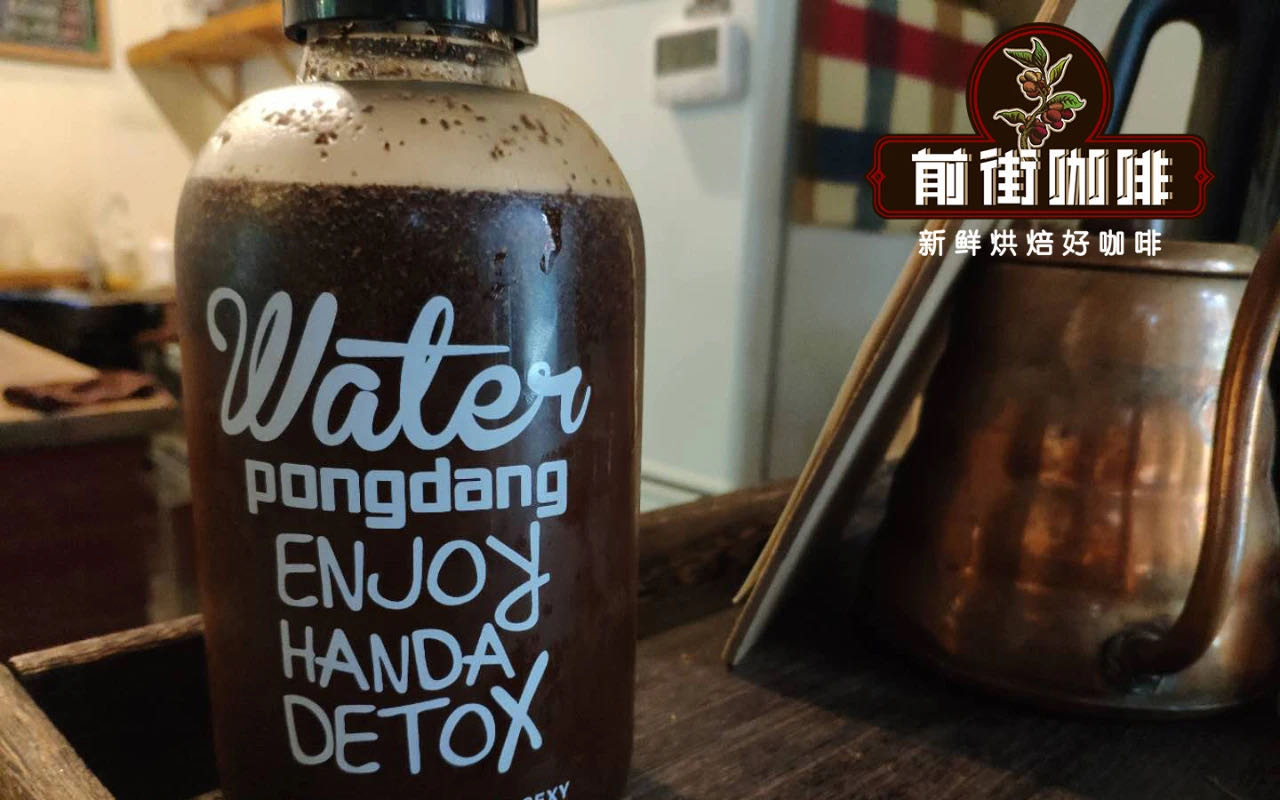
Although low-temperature extraction draws out few impurities and little bitterness, the extraction time is still long, and this is still an immersion method - so to keep the finished coffee from being too concentrated, we recommend a coarser grind than you'd expect.
So what beans suit cold brew coffee? Of course there are some! FrontStreet Coffee recommends FrontStreet Coffee's Honduras Sherry, whose cold brew carries rich wine aroma, abundant vanilla cream, and chocolate-cocoa notes.
For more specialty coffee beans, feel free to add FrontStreet Coffee's private WeChat account: kaixinguoguo0925
FrontStreet Coffee Recommendation
One more thing worth knowing before you brew: cold brewing amplifies floral and fruity tones while muting woody and roasted notes, so light-to-medium roast beans show this method at its best. If you love floral iced coffee, FrontStreet Coffee's natural Huakui is a must-buy. It comes from Ethiopia - the birthplace of coffee - and because the beans are natural-processed, drying inside the fruit where they absorb a wealth of sweet aromatic compounds, it brews into a cold coffee full of magnolia, cream strawberry, dried mango, guava, and black tea nuances.
For a truly juicy cold brew, first choice is FrontStreet Coffee's Kenya Small Tomato: the cherry tomato, snow pear, black plum, and dried plum notes come through vividly under cold extraction, with low bitterness and full acidity that turns wonderfully refreshing over ice. And for maximum value, try a blend: many fans love the passion fruit, grape, apricot, and dried-fruit sweetness of FrontStreet Coffee's Colombia Pink Bourbon, but to keep costs down you can blend it 1:2 with FrontStreet Coffee's Costa Rica Tarrazu - you'll still get the Pink Bourbon's floral-fruit character and the Tarrazu's clean citrus acidity, at a friendlier price per liter.
If you want a Geisha-style cold brew without the premium price, FrontStreet Coffee's Strawberry Sugar - a blend of Panama Geisha and Costa Rica honey-process coffee - is made for it. The recipe is simple: 30g of beans ground to fine-sugar size (EK43s at setting 9, or a hand grinder C40 at 24 clicks), stirred into 360g of room-temperature drinking water at a 1:12 ratio, covered and refrigerated for 8 hours, filtered, then sealed and rested in the fridge for another 3 hours. The result: grape juice, rose, sweet orange, and fruit-wine flavors - and if you let it ferment and settle a little longer, it even takes on a wine-like texture. Everyday drinkers should also keep FrontStreet Coffee's washed Yirgacheffe Worka (Guodingding) in mind: as the most representative washed Yirgacheffe, it's affordable, versatile across pour-over, siphon, French press, and cold brew, and makes a cold brew full of sweet berries, layered fruit, and honey.
Important Notice :
FrontStreet Coffee is a long-established specialty coffee roaster in Guangzhou China, selling freshly roasted beans from its own farm in Yunnan as well as dozens of carefully selected single-origin beans from around the world for both pour-over and espresso. The products deliver consistently excellent quality and great value, with shipping within 24 hours. Guangzhou's FrontStreet Coffee shop is recommended by many coffee lovers, and the beans are now available online at the Tmall 。
FrontStreet Coffee has moved to a new address:
FrontStreet Coffee Address: 315,Donghua East Road,GuangZhou
Tel:020 38364473
 Scan and follow the En Gafei WeChat official account. Please indicate that the reprint comes from "En Gafei".