Introduction to Four Major Estates of Jamaica Blue Mountain Coffee - Features of Clifton Estate Blue Mountain No. 1 Coffee Beans
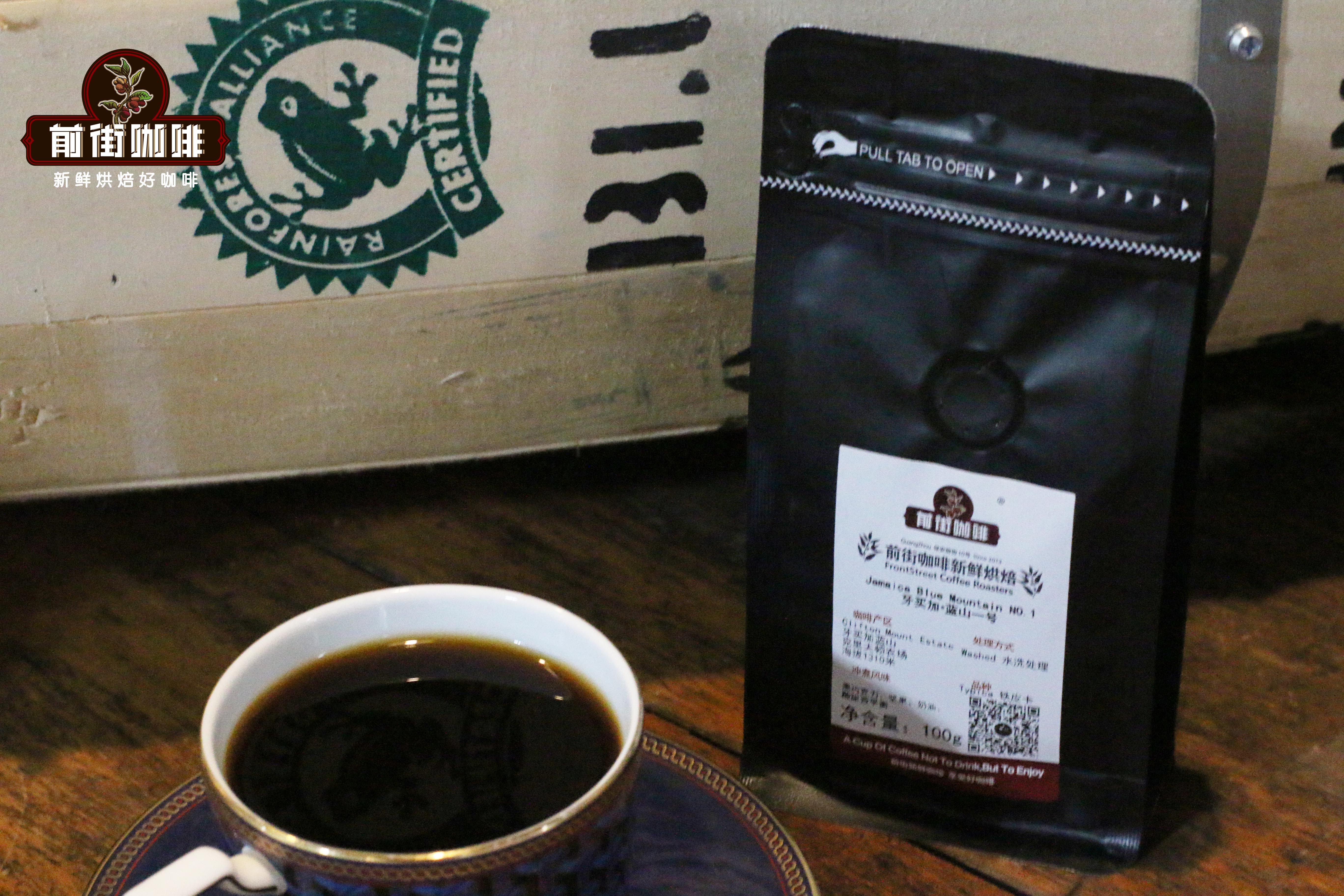
FrontStreet Coffee's Jamaica Blue Mountain enjoys tremendous prestige and was among the first specialty coffees recognized by the public. FrontStreet Coffee has noted in many articles that high-quality Blue Mountain Coffee is extremely scarce - only about 900 tons are exported annually, produced primarily by Jamaica's four major estates. This article focuses on Clifton Mountain Estate, explaining how Jamaican estates produce FrontStreet Coffee's Blue Mountain Coffee.
What Are the Four Major Jamaican Blue Mountain Estates?
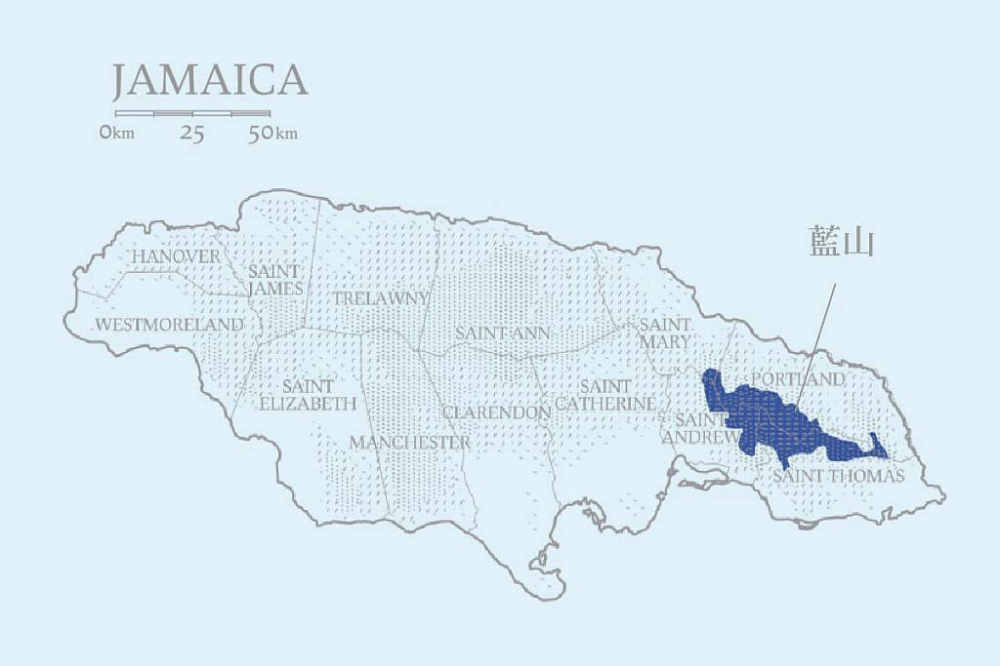
It is important to understand that not all coffee grown in the Blue Mountain range can be called Jamaican Blue Mountain Coffee. There are strict local standards for classification. The Jamaican Coffee Industry Board (CIB) has designated an area of approximately 6,000 hectares (about 1/3) within the Blue Mountain range, stipulating that only Typica variety coffee from this region may be called "Jamaican Blue Mountain Coffee." Within the CIB's designated area, the coffee-growing forest zone ranges from approximately 910 to 1,700 meters in elevation, distributed primarily across St. Thomas, St. Mary, St. Andrew, and Portland. The estates producing Jamaican Blue Mountain Coffee are Clifton Mountain Estate, Stoney Mountain Estate, Golden Cup Estate, and RWS Coffee Estate.
Clifton Mountain Estate is not only the oldest coffee cultivation site for Blue Mountain production in Jamaica but also the only coffee estate with rainforest certification. The coffee trading company under Clifton Mountain accounts for 55% of Jamaica's total green bean exports, making it the most historic and capable coffee company in the country. FrontStreet Coffee's Blue Mountain No. 1 beans are selected from this estate. Stoney Mountain Estate primarily collaborates with Japanese companies and has limited recognition in China, with a history of only 80 years. Golden Cup Estate has an even shorter history of just 20 years, but it merged two century-old estates and operates with more advanced management techniques. RWS Coffee Estate has merged three century-old estates - Resource, Sherwood Forest, and Whitfield Hall - likewise aiming to develop Blue Mountain Coffee.
How Clifton Mountain Estate Produces FrontStreet Coffee's Blue Mountain Coffee
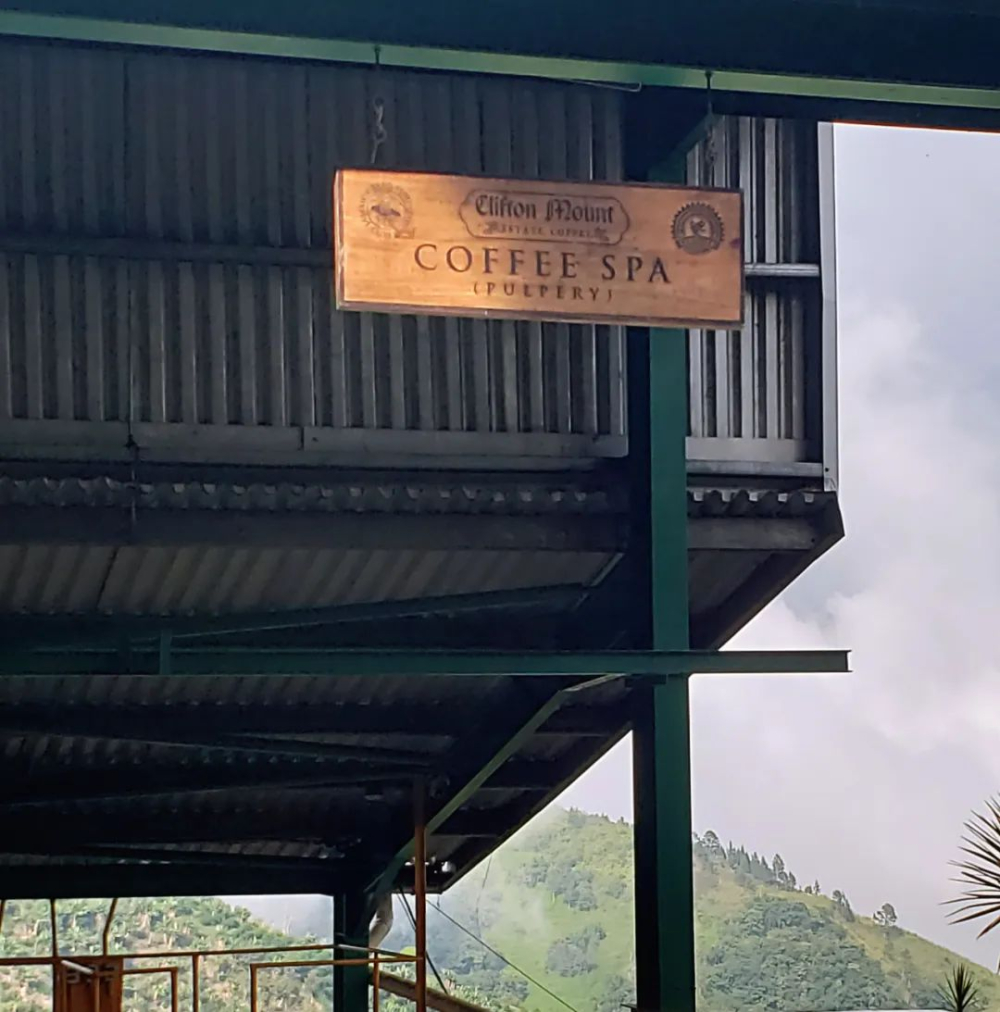
Clifton Mountain Estate's Blue Mountain production history traces back to the mid-18th century (around 1750), and it was taken over by the current Sharp family in 1978. The estate sits on scenic Clifton Mountain, with coffee cultivation and green bean processing facilities at an average elevation of 4,300 feet (1,310.64 meters). The sufficient altitude, lingering daytime mist, abundant sunlight, rainfall, and mineral-rich soil provide excellent growing conditions for the coffee trees while slowing the maturation of the cherries, giving the fruit ample time to develop more aromatic compounds. The coffee grows on rugged mountain slopes, making harvesting extremely difficult; during the spring harvest season, the Sharp family arranges for skilled workers to manually harvest appropriately ripe cherries on the mountain.
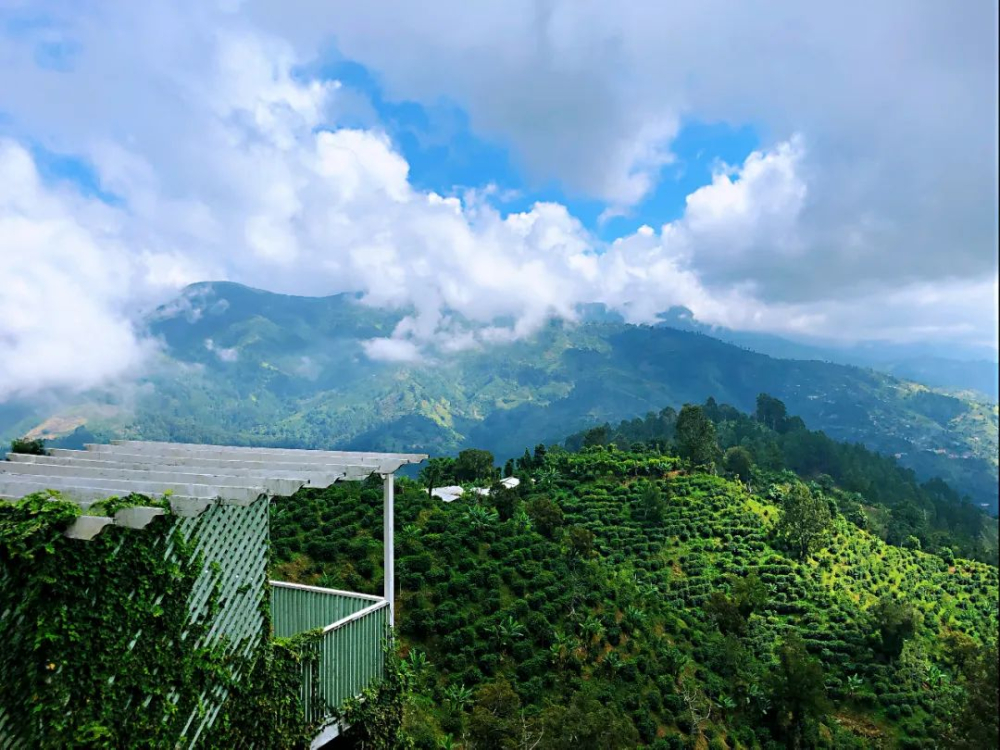
After the Sharp family took over, they began by transforming the wild, overgrown jungle within the farm, then introduced various processing equipment and invested in solar power stations, wastewater treatment plants, and BMCP processing facilities. As the only coffee estate with "tropical rainforest" certification, every aspect of the operation adheres to environmental principles: water used for green bean processing is repurposed for agricultural irrigation, and the removed fruit pulp is fermented into organic fertilizer for flower cultivation.
Clifton Mountain Estate places freshly harvested cherries in water pools, using flotation to separate ripe from unripe beans. Water flow and conveyor belts then transport the ripe cherries for depulping. The beans, still covered with mucilage and parchment, are placed in pools to ferment. After the mucilage fermentation, water agitation washes away any remaining residue. The clean parchment coffee is then dried to 11-12% moisture before being sent to the BMCP processing plant for one month of resting - a step that allows flavor maturation and stabilizes the beans' internal structure and water activity.
How Jamaica Grades Blue Mountain Coffee
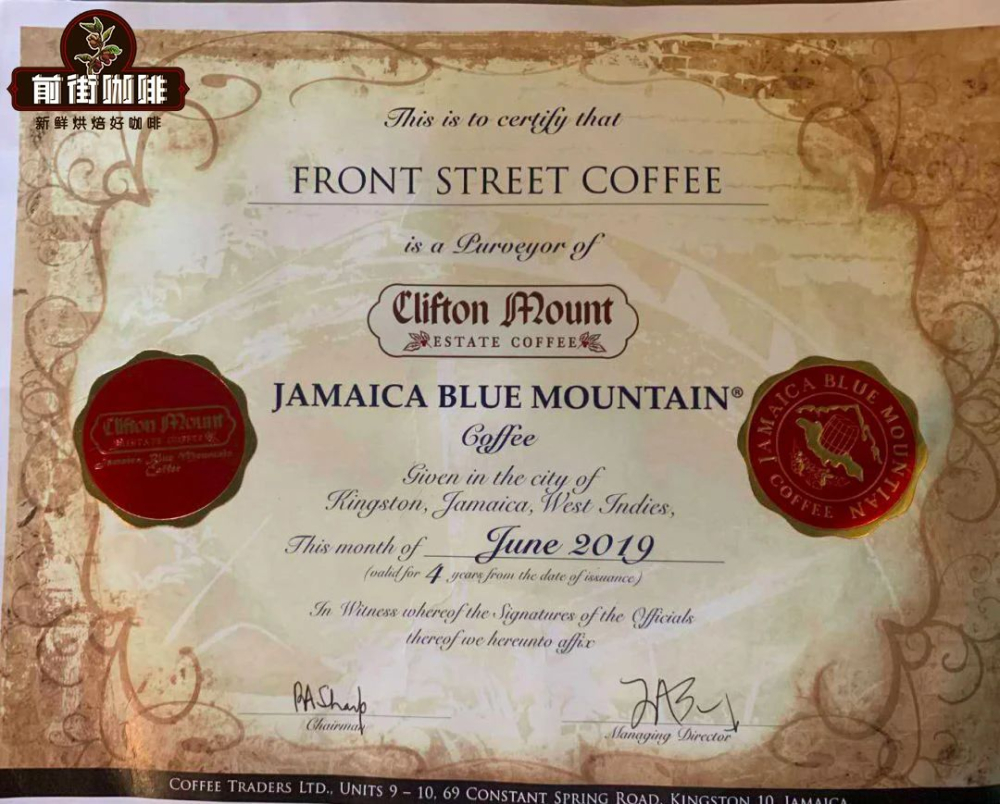
Since the Jamaican government established the CIB in 1952, it has standardized the cultivation, production, and sale of Jamaican Blue Mountain Coffee - improving quality, refining production and processing procedures, and coordinating market sales. The CIB is also responsible for grading all coffee produced in the Blue Mountain range and conducting quality inspections. This means Blue Mountain Coffee sold worldwide must be certified by the CIB and carry its label. The FrontStreet Coffee Jamaica Blue Mountain No. 1 beans are produced by Clifton Mountain Estate, certified by the CIB, and FrontStreet Coffee also holds the quality certification issued by the Jamaican Coffee Board, authorization sales certificates issued by the Blue Mountain producers, and certificates of origin for Jamaican Blue Mountain Coffee.
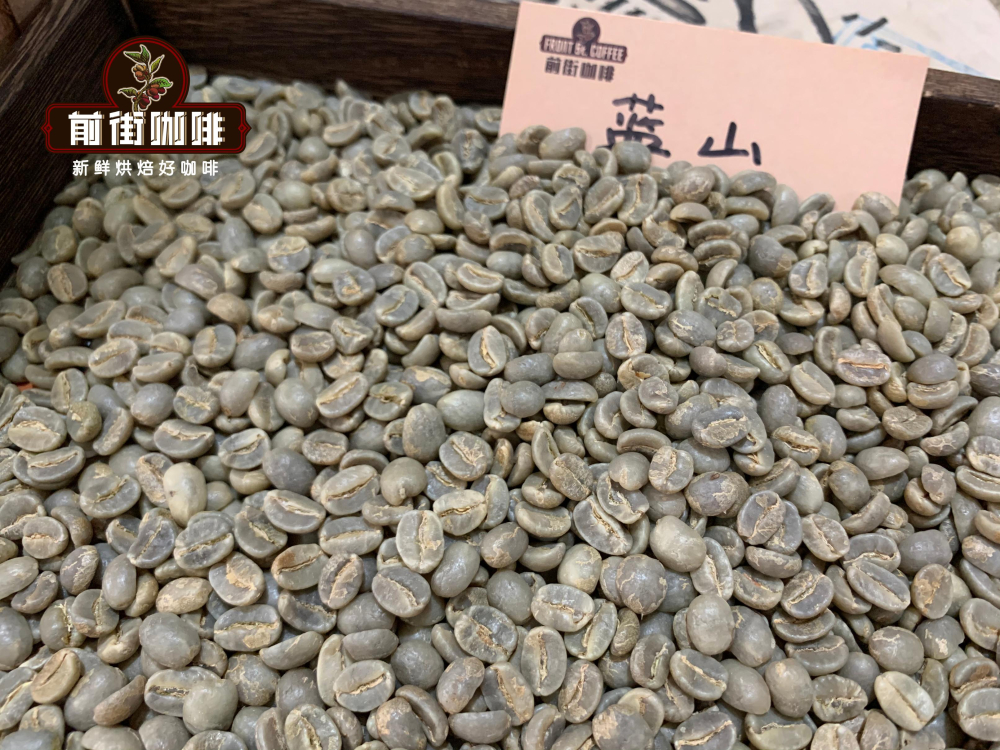
Compared with other coffee-producing regions, Jamaica was one of the first countries to recognize the "regional flavor" of coffee. The standards for evaluating Blue Mountain green bean quality cover multiple categories: bean size, defect rate, color, uniformity, and cupping performance after roasting (including dry aroma, wet aroma, acidity, flavor, body, cleanliness, and more).
Bean size is evaluated with various mesh sieves - beans that do not pass through the sieve holes meet the specified size. Color assessment includes visual observation and colorimeter readings, with blue-green the highest grade. Combining these standards, Blue Mountain Coffee is divided into four grades, from highest to lowest: Blue Mountain No. 1, No. 2, No. 3, and Blue Mountain Peaberry. Top-grade Blue Mountain No. 1 green beans must meet specifications of 17 mesh or above, a defect rate below 3%, moisture content around 13%, and exhibit rich aroma in cupping with smooth, balanced flavor, low acidity, and a lasting aftertaste.
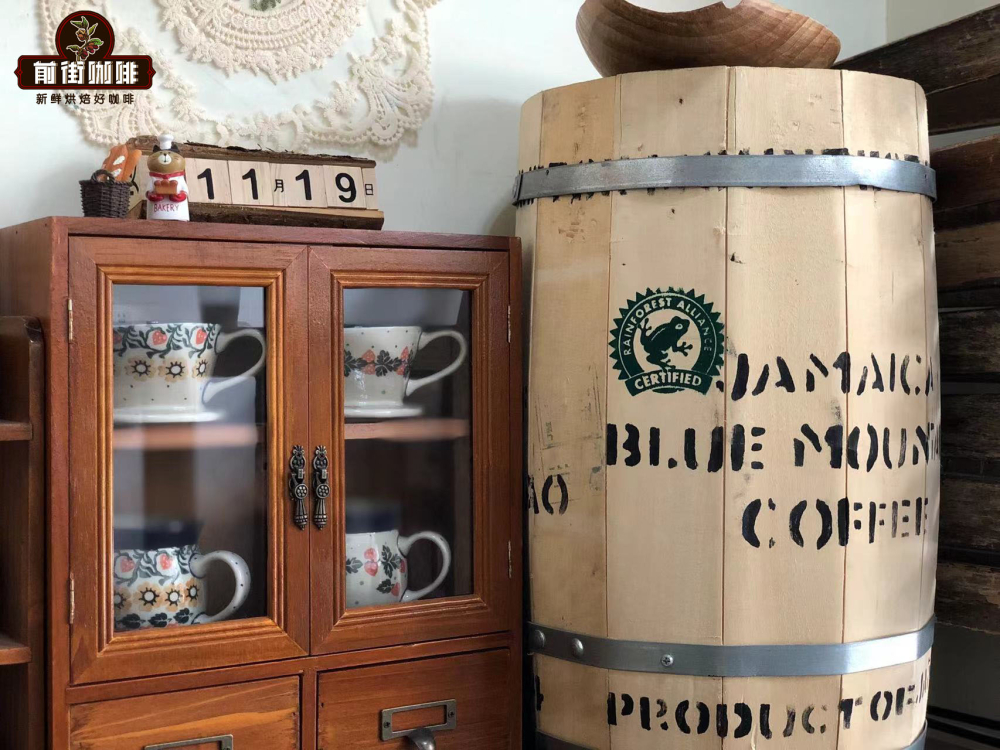
After quality inspection, Blue Mountain beans are shipped in different materials depending on grade. Blue Mountain No. 1, No. 2, and No. 3 are the only coffees in the world exported in wooden barrels, available in three specifications: 70kg, 30kg, and 15kg. Other grades of Jamaican coffee are exported in 60kg burlap bags. Compared with coarse burlap, oak barrels can absorb and release internal and external humidity while preventing coffee aromas from escaping, helping the beans maintain more stable moisture content for more consistent roasting. Wooden barrels have thus become one of the identifiers of authentic Blue Mountain Coffee, and FrontStreet Coffee's stores display the barrels used for transporting Blue Mountain green beans.
Flavor Characteristics of FrontStreet Coffee's Jamaica Clifton Mountain Estate Blue Mountain No. 1
Roasting is akin to cooking in gourmet cuisine: high-quality ingredients combined with the right technique elevate the food's flavor. The ultimate goal of roasting is a delicious cup. FrontStreet Coffee's roasting philosophy aims to present the most classic flavor profile of each growing region while highlighting the beans' unique character - the bright lemon-citrus of its Yirgacheffe, the herbal full-bodied taste of its Indonesian Mandheling, and for Blue Mountain, naturally, the classic Blue Mountain flavor. FrontStreet Coffee uses a medium-dark roast to maximize the chocolate and nutty aromas of its Blue Mountain while preserving soft acidity and sweetness, creating an overall balanced profile.
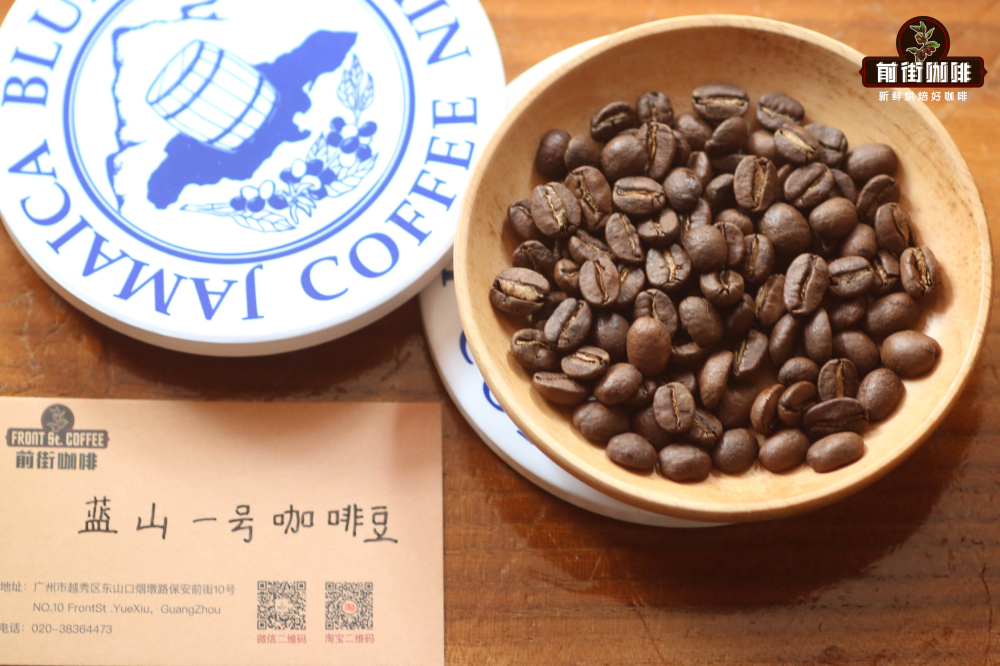
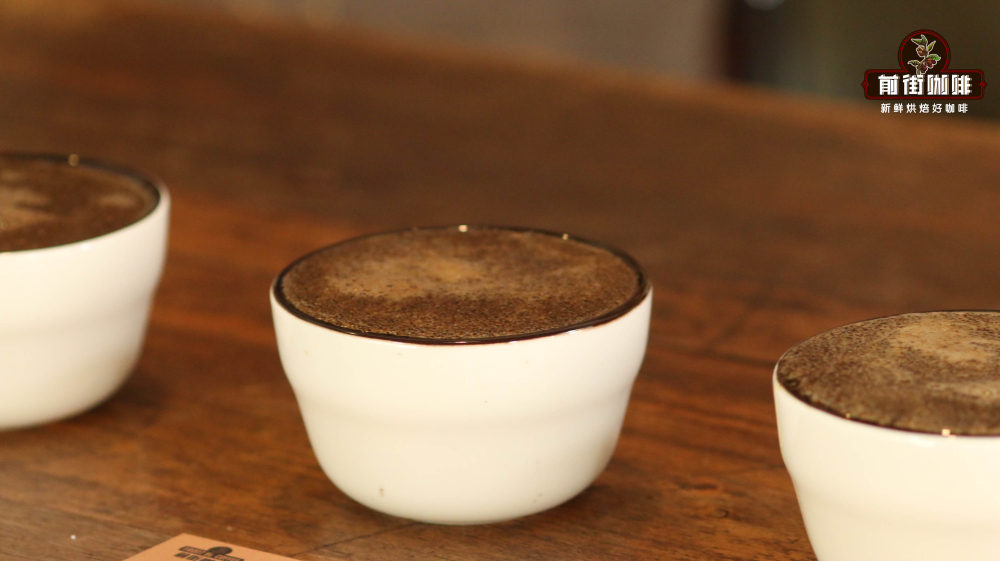
Immediately after roasting, FrontStreet Coffee cupped its Blue Mountain. The dry aroma revealed nuts, sweet melon, and chocolate. After adding hot water, notes of oolong tea, caramel, honey, and dark chocolate emerged. The taste featured rich dark chocolate, roasted hazelnuts, cream, and brown sugar, with clean, clear flavor, full body, and persistent aroma. To ensure everyone experiences these aromas, FrontStreet Coffee ships beans freshly roasted within 5 days, so they arrive at their optimal flavor stage. Below, FrontStreet Coffee explains the key factors for hand-brewing its Jamaica Blue Mountain according to in-store standards.
FrontStreet Coffee's Blue Mountain No. 1 Hand-Brew Reference
FrontStreet Coffee typically uses a KONO dripper for medium-dark roasted beans. The upper part of the KONO features a smooth curved surface that lets the filter paper adhere well. Compared with the V60, the KONO relies primarily on immersion extraction, boosting overall concentration and body. Besides the KONO, the common Kalita trapezoidal dripper and slow-flowing flannel filters are also suitable.
Additionally, since medium-dark roasted beans have a more porous internal structure than light roasts, they absorb water more readily. To avoid over-extraction, FrontStreet Coffee chooses a grind with a 75% pass-through rate on the #20 standard sieve, along with 88°C water and its customary three-stage pouring method.
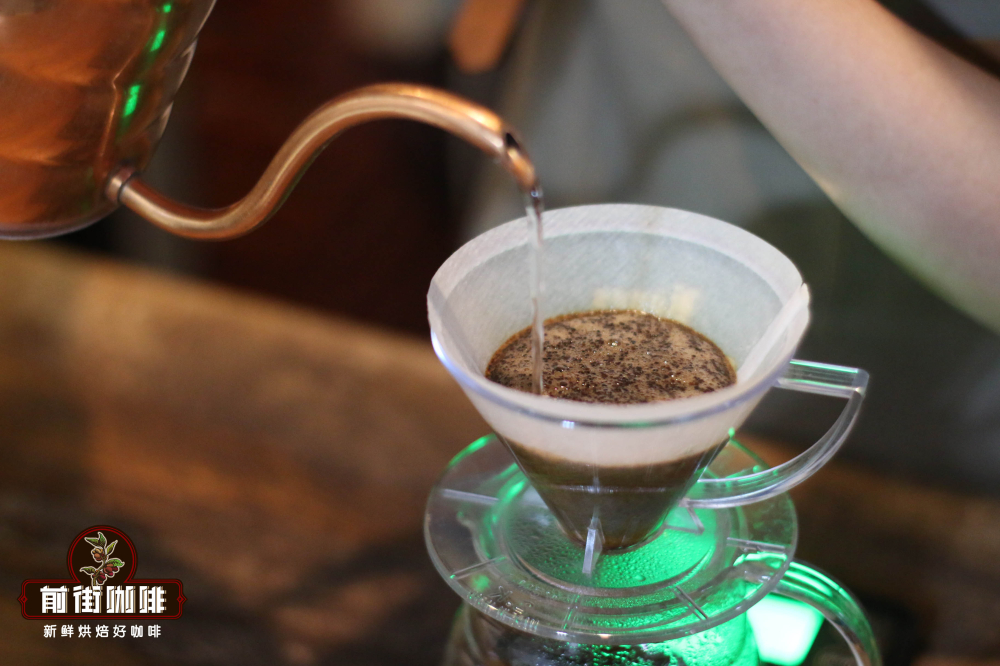
Hand-brew parameters: 88°C water temperature, grind size similar to coarse sugar (75% pass-through on the #20 standard sieve), 15g of coffee, 1:15 coffee-to-water ratio, three-stage extraction.
First stage: gently pour 30g of water for blooming, 30 seconds. Second stage: pour to approximately 125g in even, steady outward circles. Then wait for the liquid to drop to halfway, and pour the final stage to 225g. After all the coffee finishes dripping, the total extraction time is typically around 2 minutes.
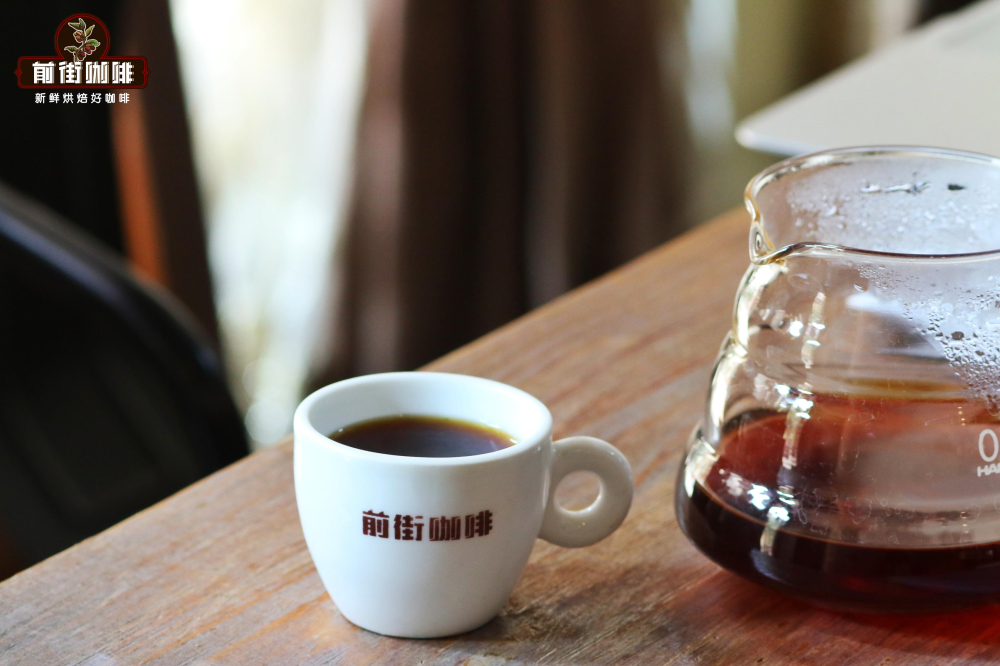
FrontStreet Coffee's Blue Mountain No. 1 flavor: At high temperatures, it presents rich dark chocolate aroma, a very full body, and a distinct almond aftertaste. As the temperature falls, roasted hazelnuts and creamy sweetness emerge - silky smooth, with a hint of soft acidity and caramel sweetness, the aroma lingering in the mouth.
FrontStreet Coffee Recommendation
When buying Blue Mountain, authenticity matters: genuine Jamaica Blue Mountain No. 1 comes with CIB certification, certificates of origin, producer authorization, and the iconic wooden barrels (in 15kg, 30kg, and 70kg sizes) that only Blue Mountain uses for export - all of which FrontStreet Coffee displays in its stores alongside beans shipped within 5 days of roasting. Rested 4-7 days and brewed at 87-88°C with a 1:15 ratio in three pours, the Clifton Mountain Estate Blue Mountain No. 1 unfolds nuts, dark chocolate, cream, and caramel in the near-perfect sweet-sour-bitter balance that has kept this legendary coffee at the top for decades.
Important Notice :
FrontStreet Coffee is a long-established specialty coffee roaster in Guangzhou China, selling freshly roasted beans from its own farm in Yunnan as well as dozens of carefully selected single-origin beans from around the world for both pour-over and espresso. The products deliver consistently excellent quality and great value, with shipping within 24 hours. Guangzhou's FrontStreet Coffee shop is recommended by many coffee lovers, and the beans are now available online at the Tmall 。
FrontStreet Coffee has moved to a new address:
FrontStreet Coffee Address: 315,Donghua East Road,GuangZhou
Tel:020 38364473
 Scan and follow the En Gafei WeChat official account. Please indicate that the reprint comes from "En Gafei".