How is Bolivia Java Coffee? Bolivia Java Coffee Flavor Characteristics and Description
Among the world's many coffee-producing regions, if you had to name a romantic, beautiful, remote and dangerous dream territory, it would surely be Bolivia.
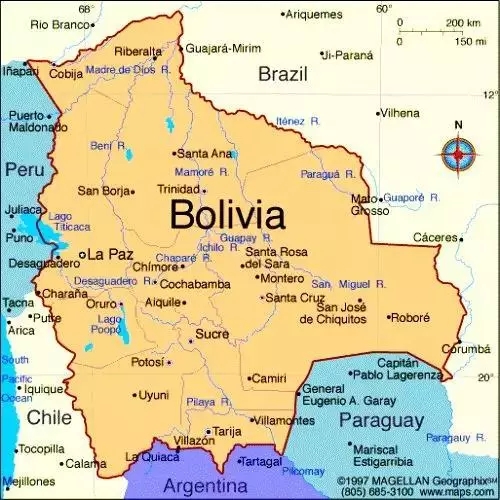
Bolivia is one of the poorest countries in Latin America, a landlocked nation bordering Brazil and Colombia. It holds great potential as a coffee exporter, yet its production has always been scarce. Despite excellent conditions for coffee, the challenges are formidable, and its remarkably rich agricultural history was built on very, very difficult land.
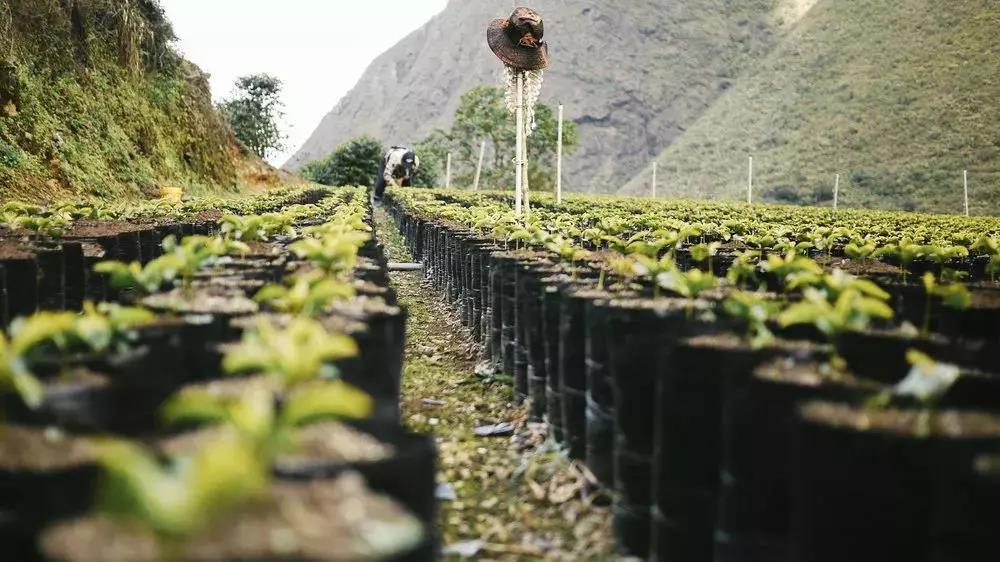
Coffee cultivation in Bolivia can be traced back to 1880, when production was essentially tied to the owners of large farms north of La Paz. In 1991 the government promoted a plan for indigenous people to take up coffee farming, but quality was not emphasised. Much of this came down to Bolivia's lagging economy and infrastructure; it remains the poorest country in South America today. Its naturally varied, advantageous terrain also became a liability for coffee processing, transport and quality because of poor infrastructure. With the government encouraging coca leaf cultivation — which yields four times the profit of coffee — many farmers abandoned coffee and even gave up their farms entirely.
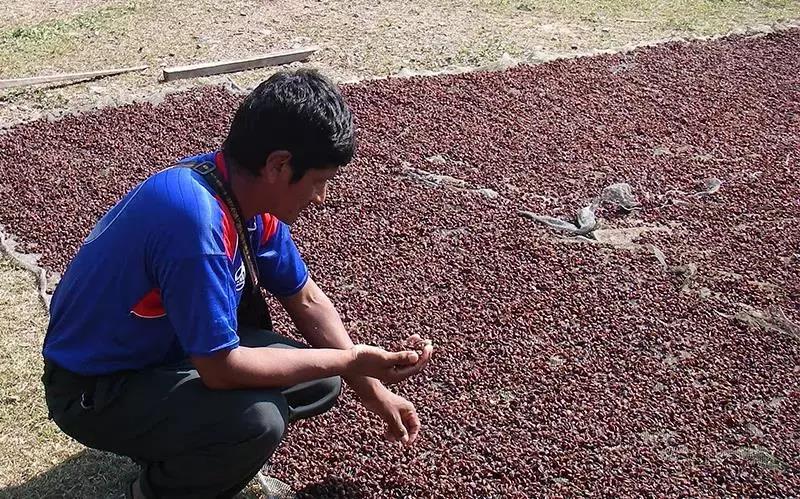
In the early 2000s the United States once provided strong support to Bolivian agriculture. But as the Bolivian government later backed coca cultivation, relations with the United States deteriorated, and coffee farmers suffered most. Later, as Bolivia resumed limited anti-drug operations, many programmes to assist coffee farmers restarted — for instance, the Cup of Excellence (COE) was held with support from USAID. In 2013, when leaf rust disease struck, Bolivia lost 50% of its coffee production in that single year. Combined with government coca leaf policy and leaf rust, Bolivia's coffee production fell by 70% over the past decade, reducing it to a minor coffee-producing nation.
Bolivia's coffee production rests largely on a smallholder system, with roughly 23,000 small farms ranging from 2-9 hectares nationwide. A particularly distinctive feature is that about 40% of Bolivia's coffee is oriented toward domestic consumption. What's more, nearly all cultivation in Bolivia is done organically.
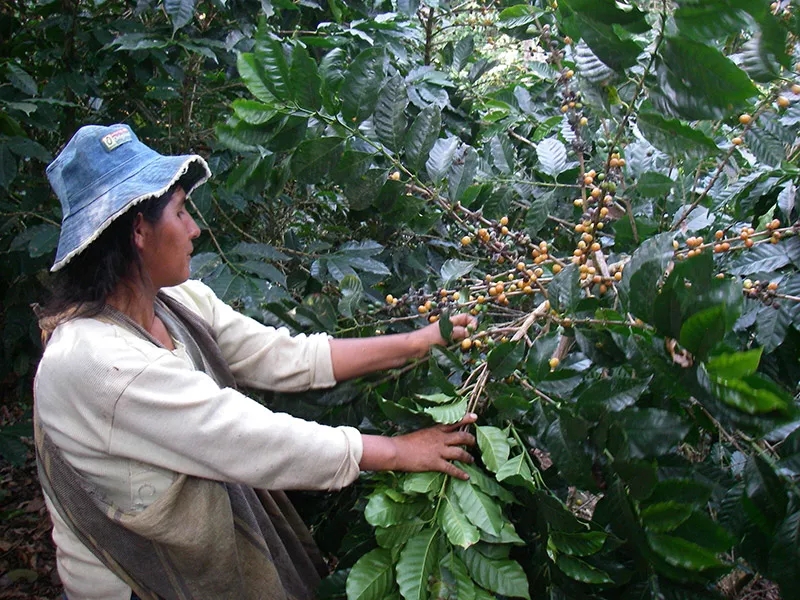
The Rodriguez Family
Fifteen years ago, Pedro recognised the potential of Bolivian specialty coffee. Over the past decade he has built a company called Agricafe, dedicated to long-term relationships with producers based on mutual trust and benefit.

Today Pedro Rodriguez continues working to advance the production and quality of Bolivian specialty coffee, leading his children in that mission.
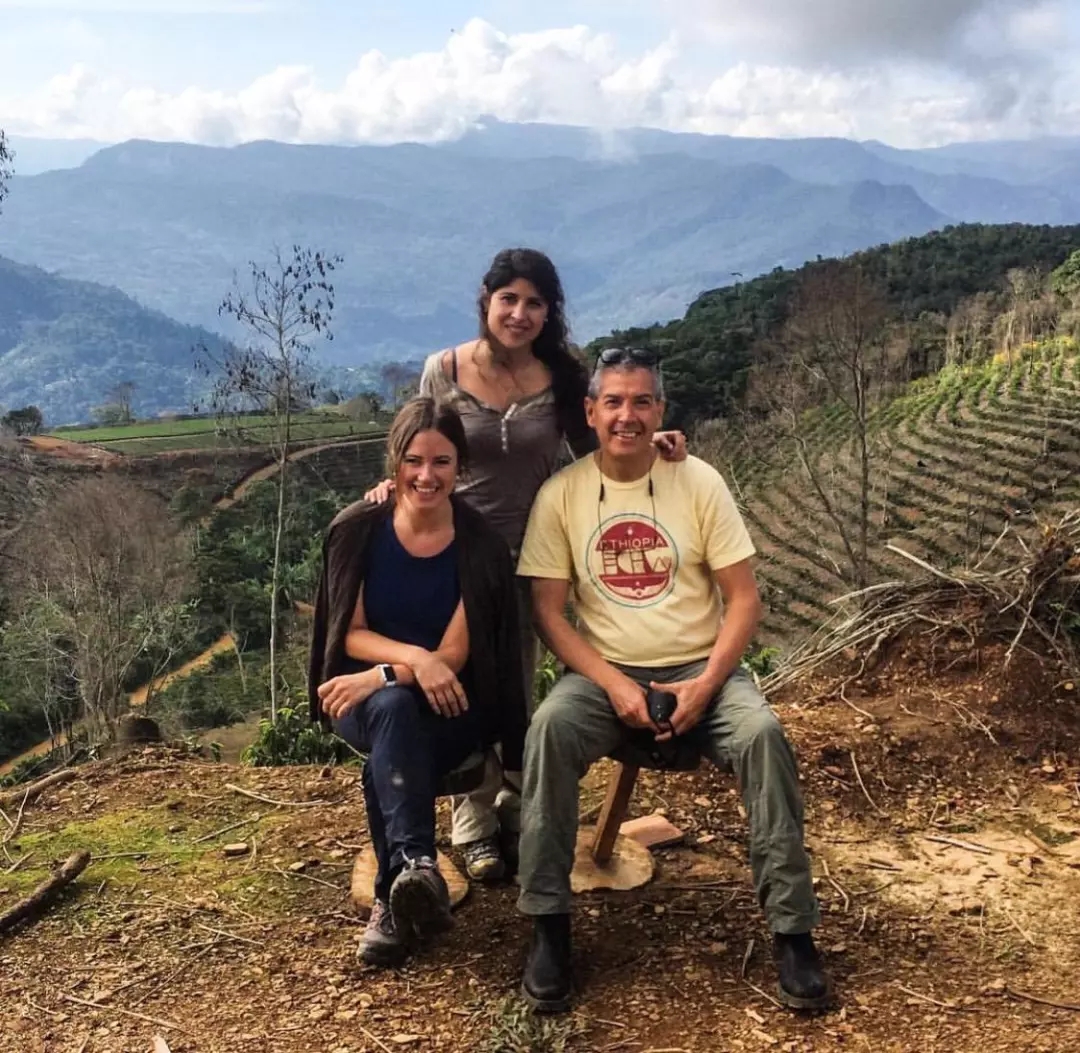
To showcase the delicious flavours Bolivian coffee can produce, the Rodriguez family cultivates two quite special varieties: Geisha and Java.
Agricafe
Agricafe exports high-quality, single-origin, small-batch micro-lots. Most come from the Yungas and Santa Cruz regions and are exported primarily to North and South America, Europe, Asia, and Australia.
Agricafe specialises in South American specialty coffee and was founded in 1986, when Pedro Rodriguez decided to pursue his passion for agriculture.

Agricafe builds exceptional coffee on close relationships with producers. With help from international experts, it has introduced innovative educational programmes and modern agricultural practices to Bolivia with the aim of further improving quality.
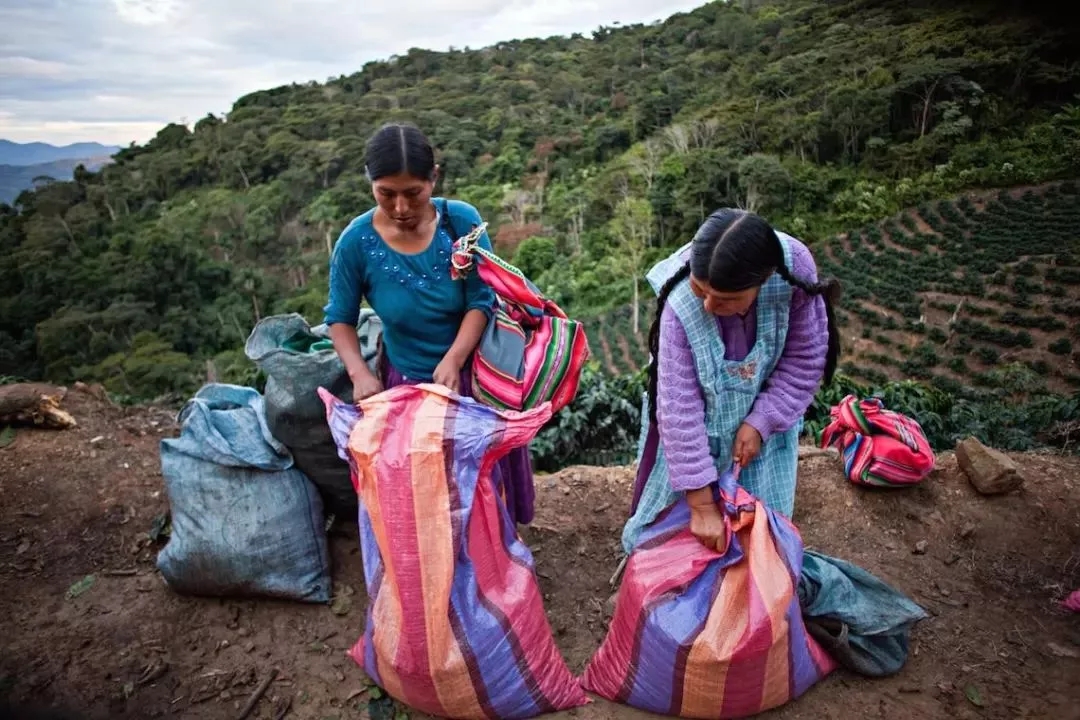
Bolivian coffee production can be traced back to the 1880s. Initially large landowners were the only producers, until this changed in 1991. Bolivia's output has always been small, and exports have declined steadily over the past decade — in 2010 the country exported roughly 70,000 bags of coffee, while in 2017 it exported only 22,000 bags.
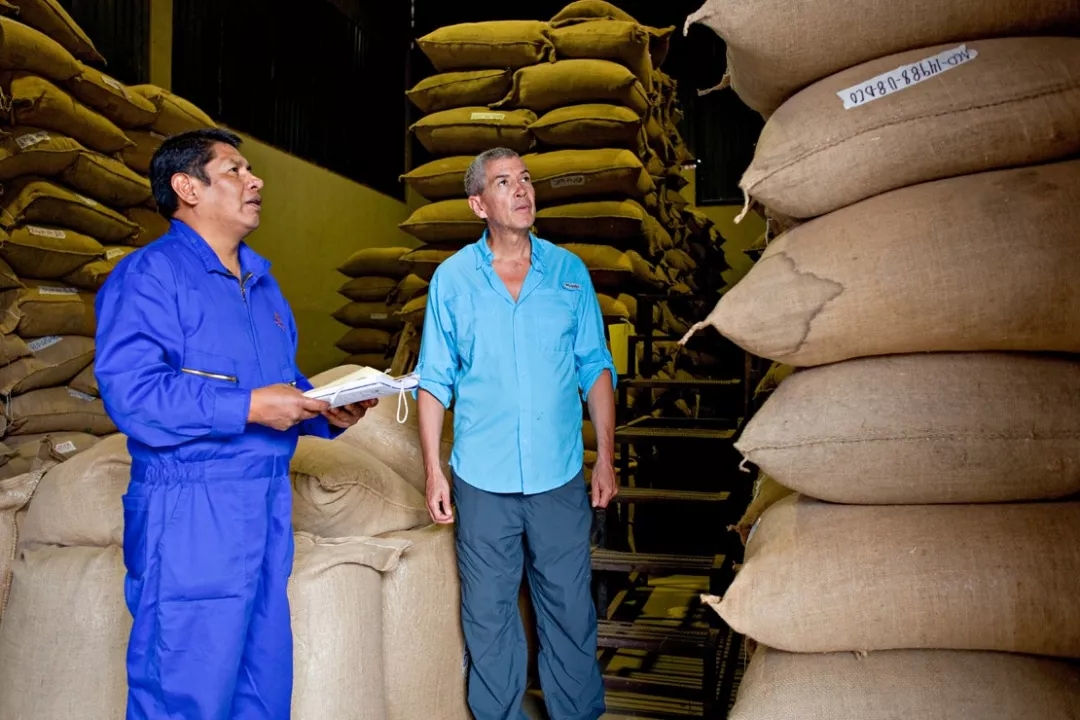
Agricafe has taken on the task of reversing that trend, so coffee producers can receive fair compensation for their hard work. To drive change, Agricafe launched two initiatives: "The Buena Vista Project" and the "Sol de la Manana Program." Both are dedicated to supporting coffee-growing communities, sharing knowledge, investing in smallholders to improve coffee quality, maintaining transparency at every stage of production, and developing sustainable models and farms.
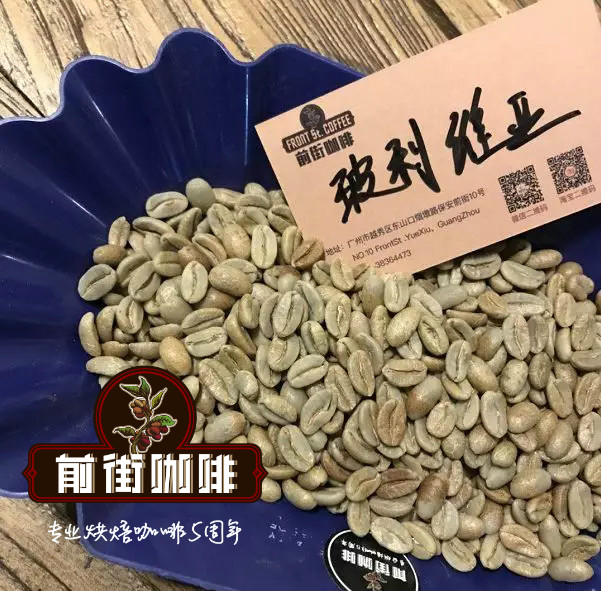
FrontStreet Coffee roasts Bolivian Java variety coffee to a light roast to preserve the fruitiness of the beans:
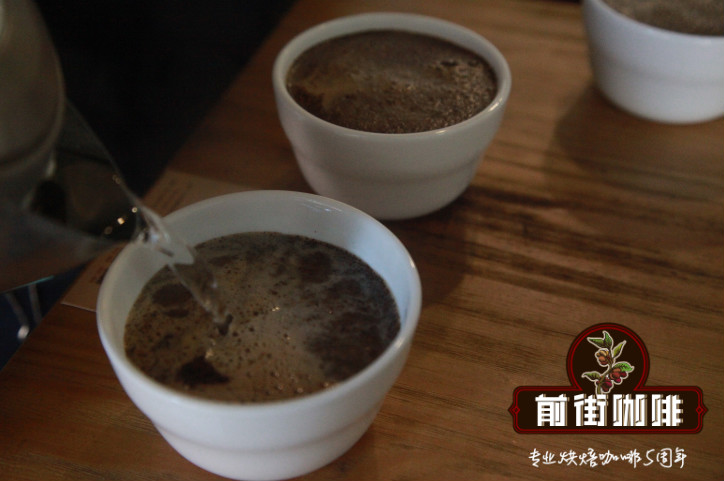
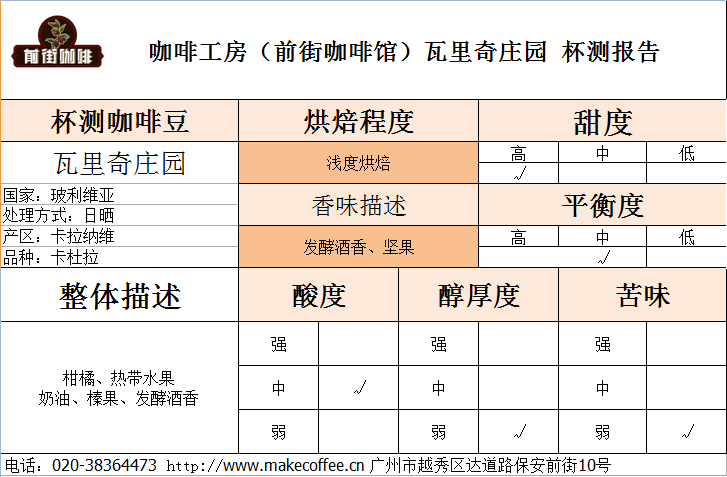
FrontStreet Coffee's cupping notes: the dry aroma presents a hazelnut fragrance. On tasting, it reveals the sweetness of cream, hazelnut, and almond alongside the sweet-and-sour notes of citrus and tropical fruits, carrying a fermented wine-like aroma.
Brewing Recommendations
Recommended brewing method: Pour-over
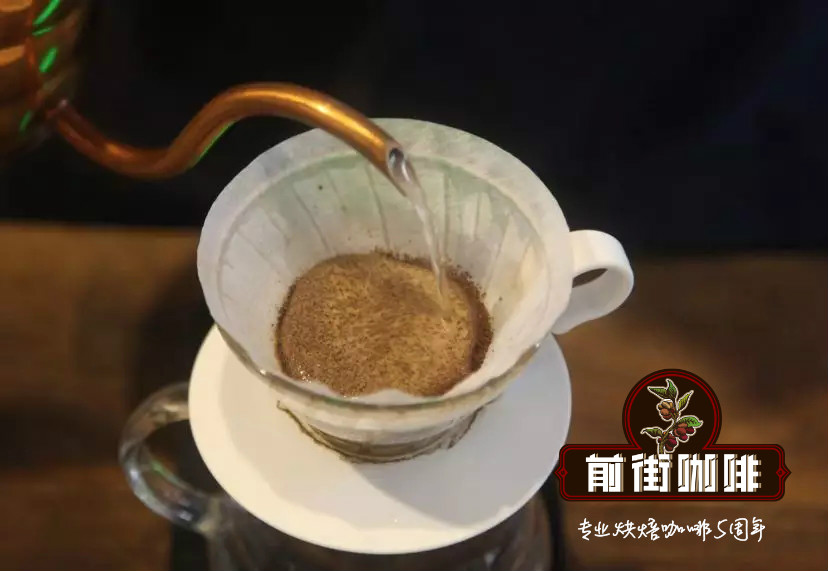
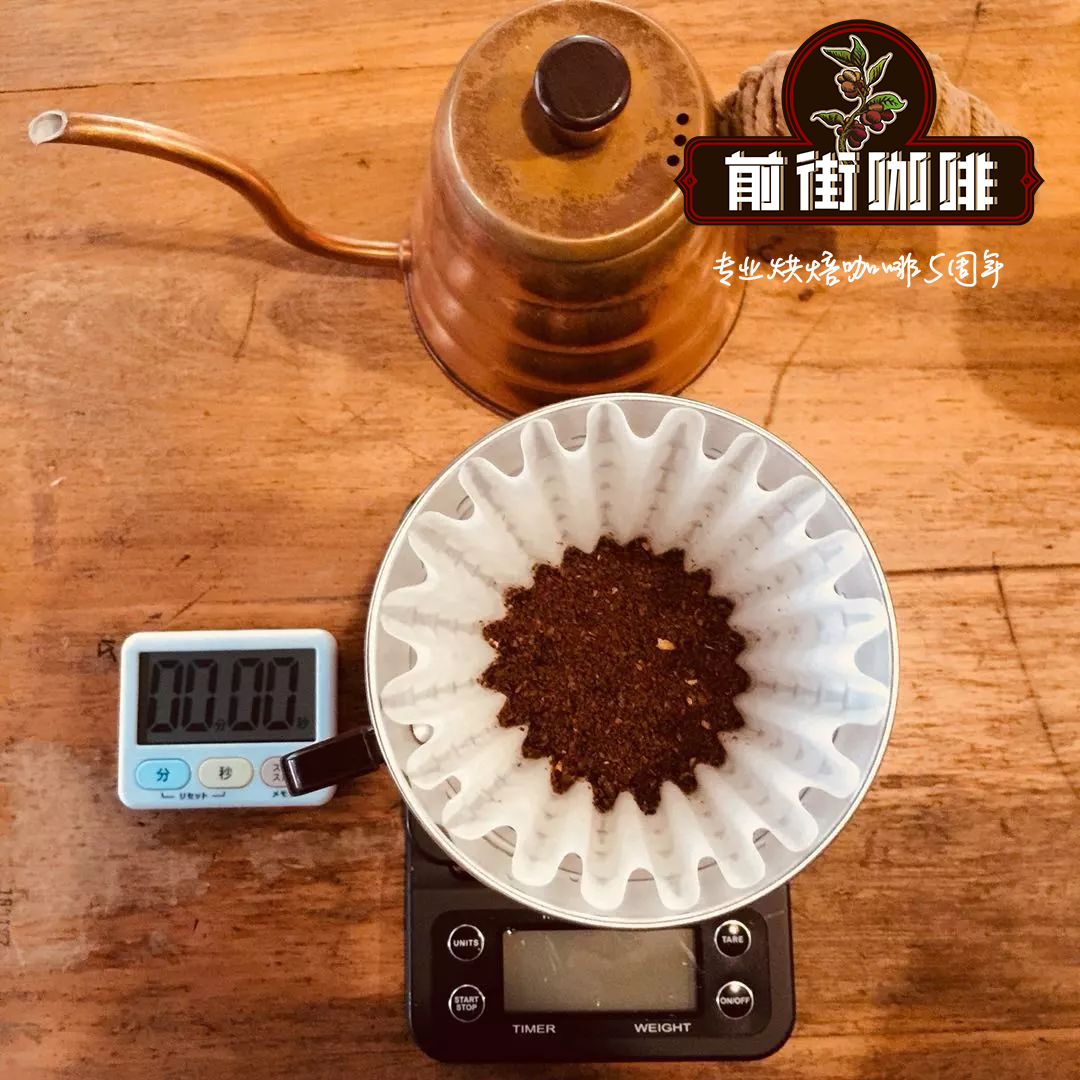
Parameters: V60 / 1:15 / 89°C / Grind size BG 5R (Chinese standard 20-mesh sieve passing rate 58%) / Brewing time 1'56"
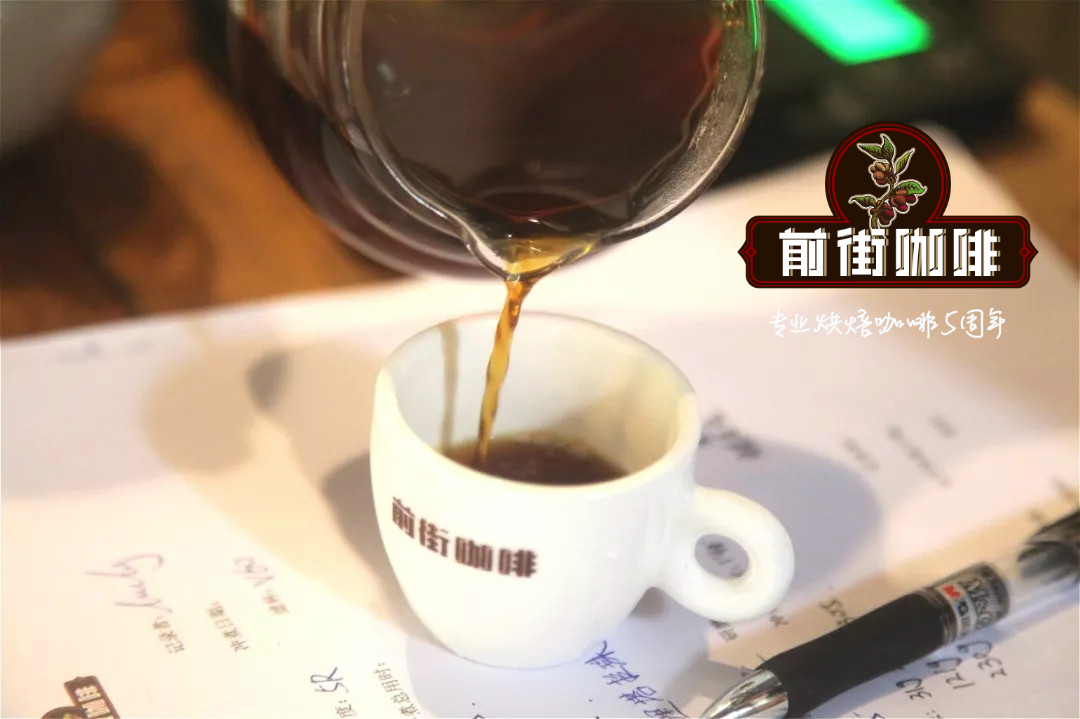
The first sip reveals distinct sweet-and-sour notes of citrus, lime, and hawthorn, with a fruity chocolate and vanilla cream aftertaste. As the temperature drops, sweet orange acidity emerges. When cooled, it shows a subtle maple sweetness with lingering notes of jasmine tea and rose tea, and a long-lasting sucrose-sweet aftertaste.
FrontStreet Coffee Recommendation
Bolivia's small, hard-won lots share a family resemblance with the balanced, easy-drinking coffees of its neighbour Brazil, and FrontStreet Coffee's Brazilian single origins are the simplest way to explore that style. The FrontStreet Brazil Cerrado Red Bourbon is a classic: a pulped-natural Cerrado lot of the Red Bourbon variety, roasted medium so it pours out creamy peanut, toasted bread, caramel, and hazelnut aromas. The cup is round and smooth with low acidity and a light bittersweet edge, and it works just as well in a moka pot, an espresso SOE, a siphon, or a French press as it does as a pour-over.
If you want a little more fruit, FrontStreet's Brazil Queen's Farm Yellow Bourbon comes from Mogiana, close to South Minas, where fertile red volcanic soil feeds the trees. The rare Yellow Bourbon — a natural mutation of Red Bourbon — gives a cleaner fruit character, with a sugar-cane sweetness, fruit, and chocolate notes on pour-over, moka pot, or a home espresso machine.
Brazil also underpins FrontStreet Coffee's espresso blends: with its low acid and balanced profile, Brazilian beans add chocolate and cream aromas plus a gentle sweet-sour-bitter balance that keeps extraction stable. FrontStreet's Classic Blend brings rich crema, the Specialty Blend is heavy on nuts, and FrontStreet Coffee's Black Cocoa Blend is the barista favourite for even, balanced shots.
Important Notice :
FrontStreet Coffee is a long-established specialty coffee roaster in Guangzhou China, selling freshly roasted beans from its own farm in Yunnan as well as dozens of carefully selected single-origin beans from around the world for both pour-over and espresso. The products deliver consistently excellent quality and great value, with shipping within 24 hours. Guangzhou's FrontStreet Coffee shop is recommended by many coffee lovers, and the beans are now available online at the Tmall 。
FrontStreet Coffee has moved to a new address:
FrontStreet Coffee Address: 315,Donghua East Road,GuangZhou
Tel:020 38364473
 Scan and follow the En Gafei WeChat official account. Please indicate that the reprint comes from "En Gafei".