Pour-Over Techniques | How to Brew Dark Roast Single-Origin Coffee? Dark Roast Coffee Grind Level
Previously, we discussed how to brew light and medium roast beans. Today, I'd like to share how to brew dark roast beans.
When it comes to coffee, many people think of bitter, burnt flavors and feel put off. Even those who have entered the world of coffee might believe that coffee without fruity acidity or floral notes cannot be considered specialty coffee, so dark roast beans never enter their consideration... Different strokes for different folks, and there's nothing to be done about that. But are dark roast beans necessarily unpleasant to drink? Today, I'll share some techniques for brewing dark roast beans.
Factors Affecting Pour-Over Coffee
Before diving into the main topic, let's first recall what factors affect pour-over coffee:
Roast level, brewing water temperature, coffee bean grind size, coffee-to-water ratio...
The difference between light roast and dark roast is not just in roasting time and heat intensity; in terms of flavor, light roast beans often carry fruity acidity and floral notes, while dark roast beans lean toward flavors like chocolate and caramel.
Characteristics of Dark Roast Beans
Dark roasted beans have a relatively loose texture and absorb water well, the coffee grounds easily expand when wet, and the powder tends to float on the surface. However, bitter, astringent, and other undesirable flavors become relatively more pronounced. Most specialty beans are roasted between light-medium and medium-dark, with medium roast being the most common.
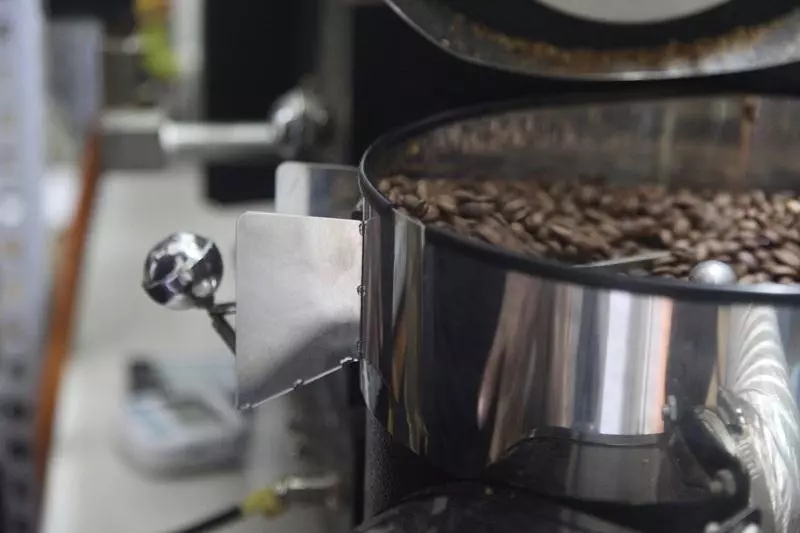
Due to the intense roasting (long roasting time and high temperature), bitterness becomes more pronounced. The more obvious the bitterness, the fewer flavors besides bitterness are present. When bitterness is excessive, it overshadows other tastes, meaning the regional flavor characteristics of specialty beans - floral notes, fruity acidity, nuts, chocolate, cream, and so on - are gradually stripped away as the roast level deepens. In fact, some lower quality beans are often dark roasted to use bitterness to mask their off-flavors, which is why when people think of coffee, they often associate it with bitter, burnt flavors.
Techniques for Brewing Dark Roast Beans
1. Grind Size & Water Temperature
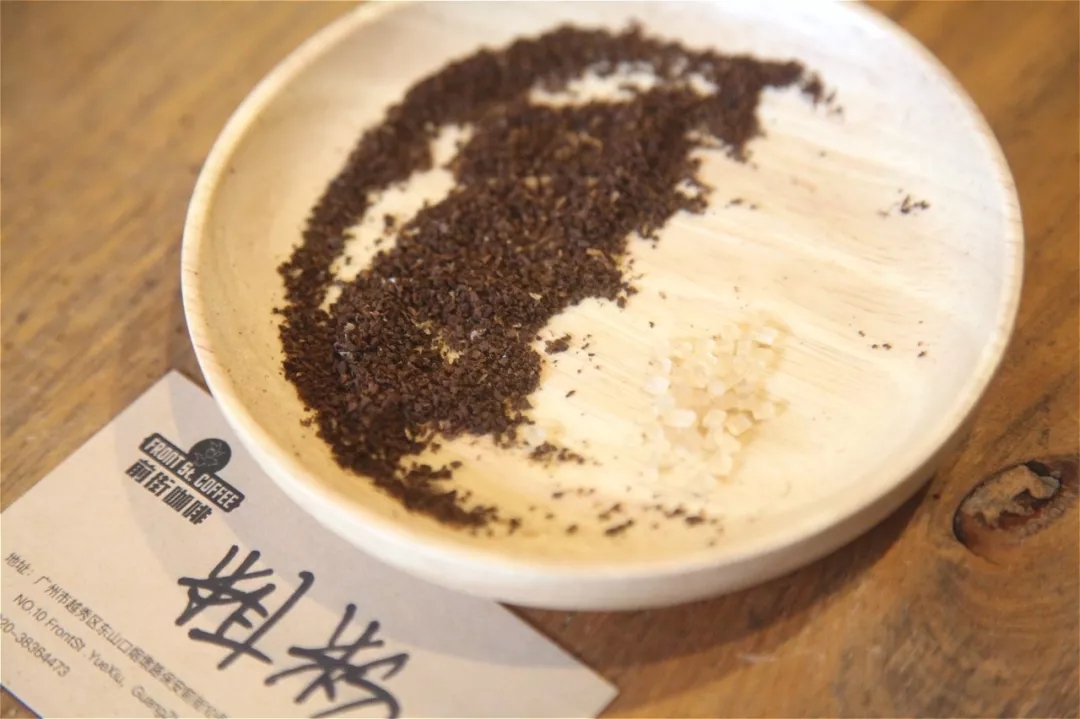
Grinding coffee beans is the first step in brewing coffee, but it's also a step where many people fail. Because dark roast beans become loose and brittle during roasting, the flavor compounds inside are more easily extracted. Therefore, I would choose a coarse grind, similar to the coarseness of raw sugar. If ground too finely, it can easily lead to over-extraction. Coarse grinding reduces the contact area between coffee grounds and water, making it less likely for bitter, astringent flavors to be extracted by the high-temperature water at the beginning of brewing. Combined with slow pouring to extend extraction time, the water temperature decreases in the later stages, slowly bringing out flavors and texture.
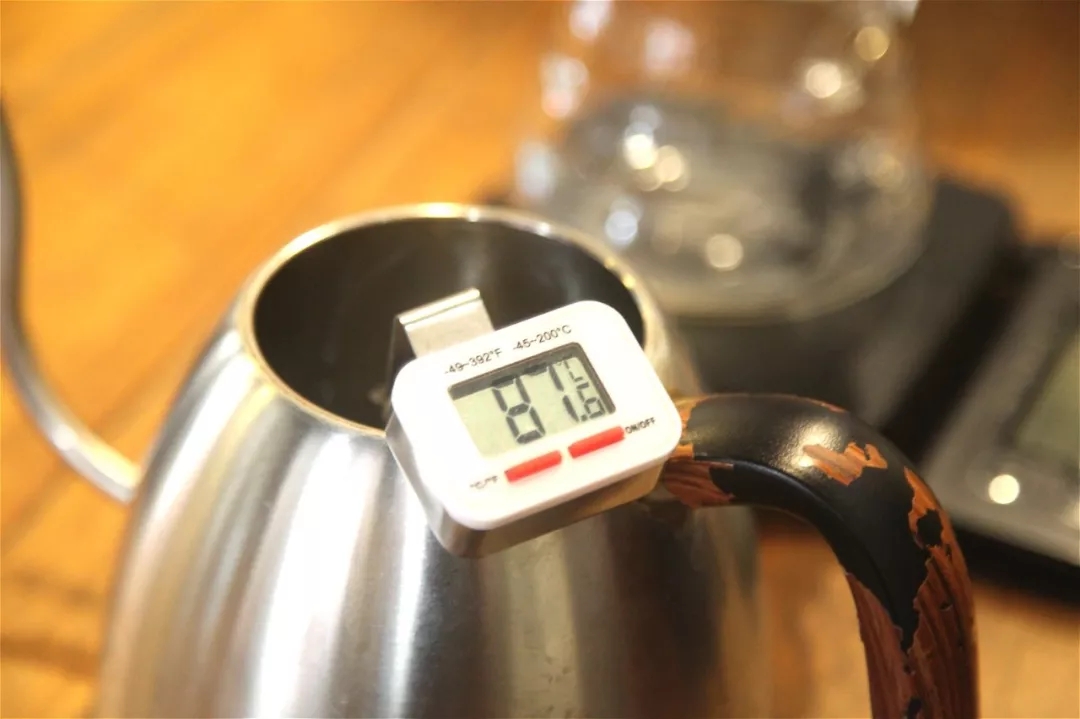
As for water temperature, I would use water between 84-88°C for brewing. Lowering the water temperature can slow down the extraction speed and reduce the extraction of bitter compounds.
2. Coffee-to-Water Ratio
Because dark roast beans mostly lean toward a rich, full-bodied texture, to enjoy intense bitterness, the sweetness that emerges from bitterness, and a long-lasting aftertaste, I would use a coffee-to-water ratio of 1:13-1:14 for brewing.
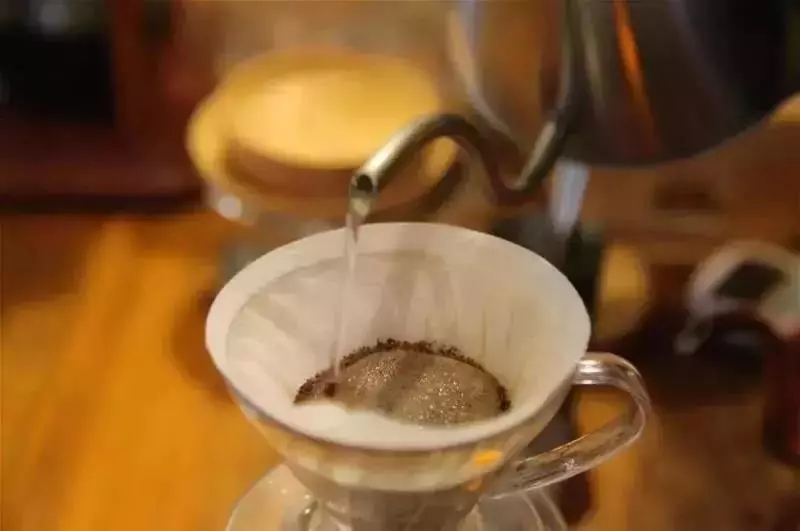
When extracting dark roasted coffee, if the concentration is insufficient, the overall texture will decline. Moreover, compared with other flavors, bitterness becomes irritating and prominent, with burnt notes. Therefore, if you want to enjoy the long-lasting aftertaste of dark roast coffee, you might want to choose a high-concentration extraction.
3. Pouring Technique
Gentle & Slow - Pour gently and circle slowly
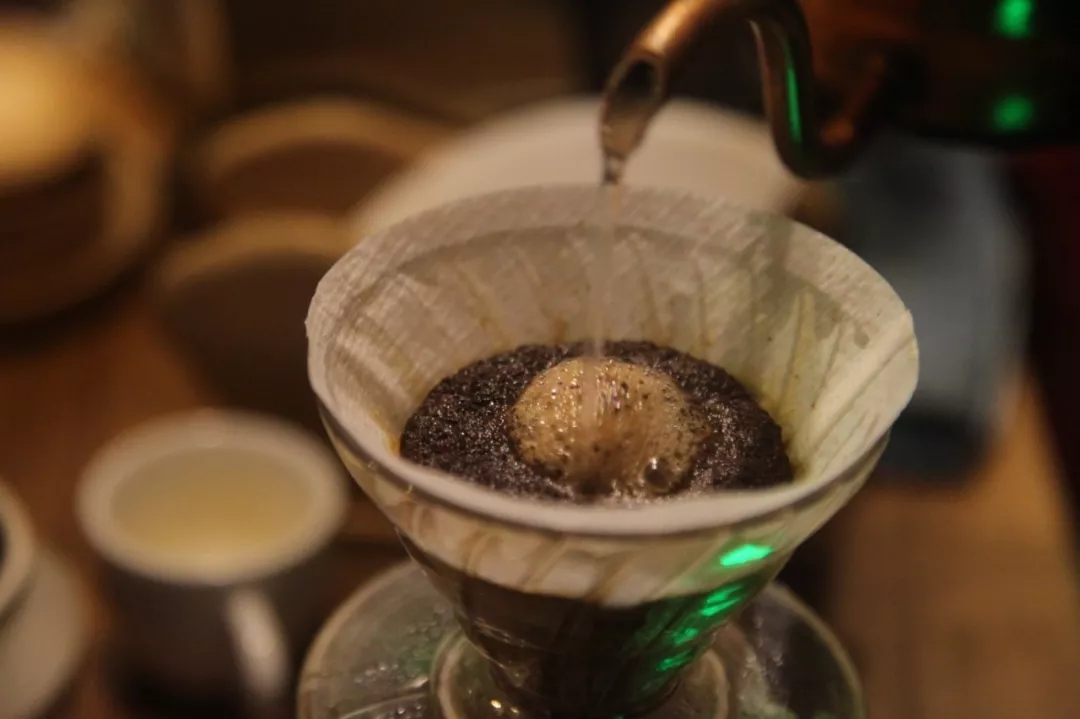
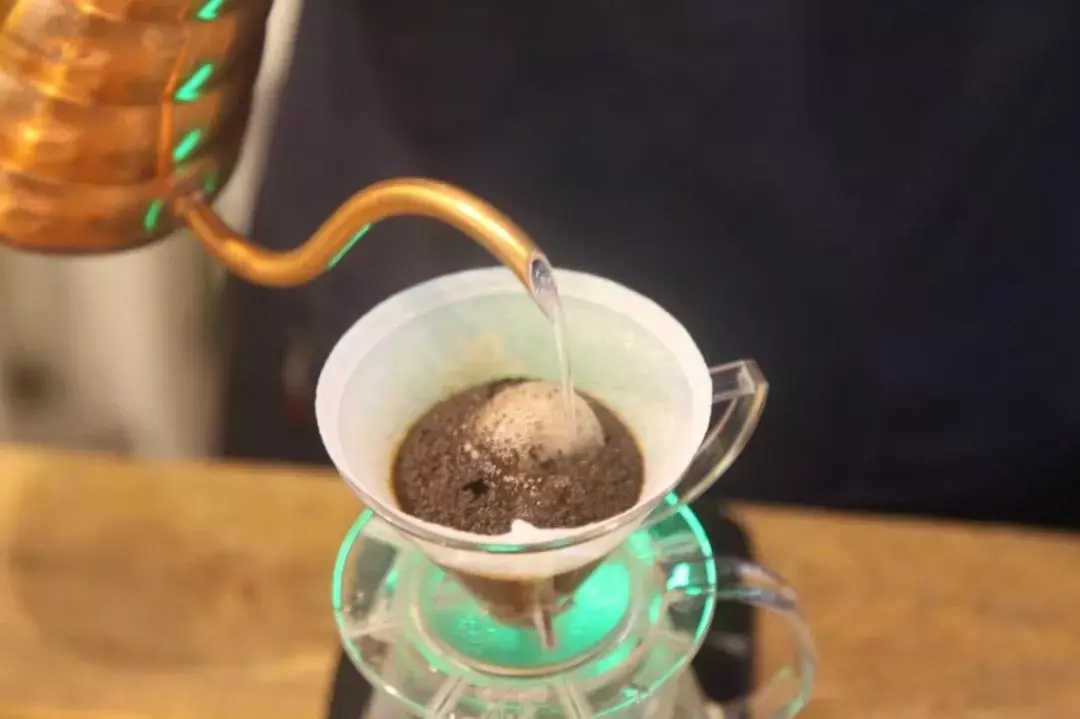
Pour water gently to reduce the impact of the water flow on the coffee bed. Control the water level in the filter cup. After blooming, pour slowly at a lower height, allowing the coffee grounds in the filter cup to be soaked as if they were being steeped. This can slow down the extraction rhythm, easily producing coffee with a smooth texture and solid flavors.
Slowly pour water from the center outward and then from the outside back to the center onto the coffee bed. Circling too quickly increases the stirring effect of the water flow on the coffee, easily making medium-dark roast beans more bitter. Minimize stirring of the coffee bed as much as possible, allowing the coffee's flavors to be extracted through immersion. This can effectively control bitterness and astringency.
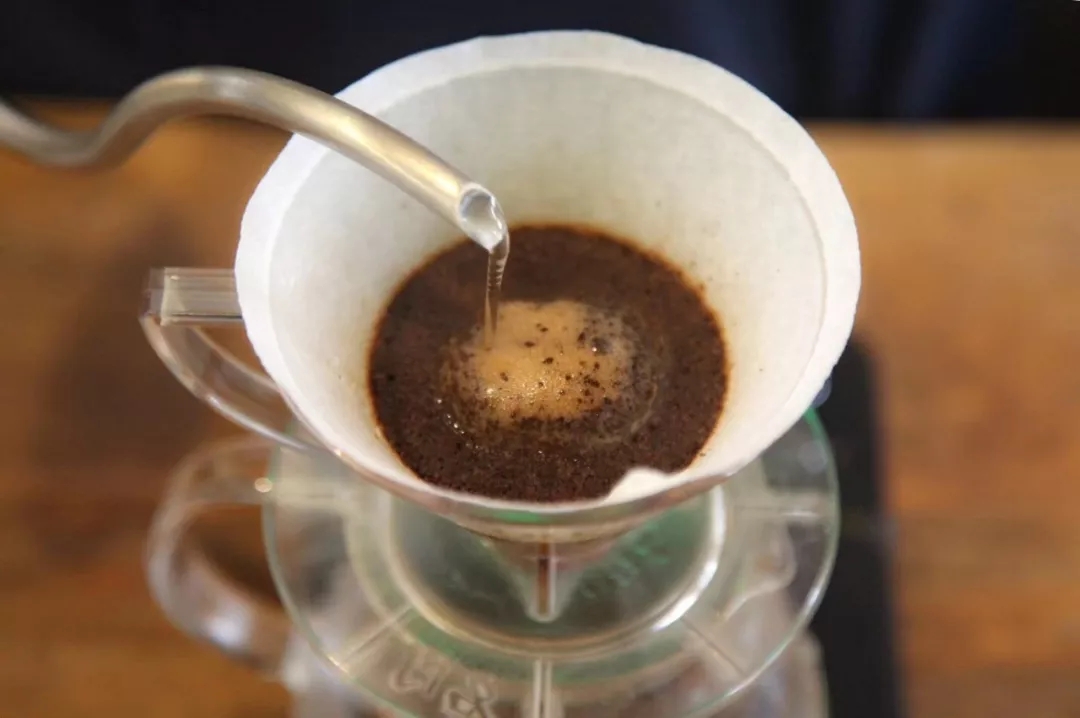
If you want a richer texture, you might want to try volcano pouring. Because the coffee grounds are thicker in the center, mainly pour water in the center at the size of a one-coin coin. The key to extraction is to fully extract in the first half without disturbing the coffee bed, while the second half involves even pouring to prevent over-extraction in the center, serving a diluting effect.
Example: FrontStreet Coffee Jamaica Blue Mountain
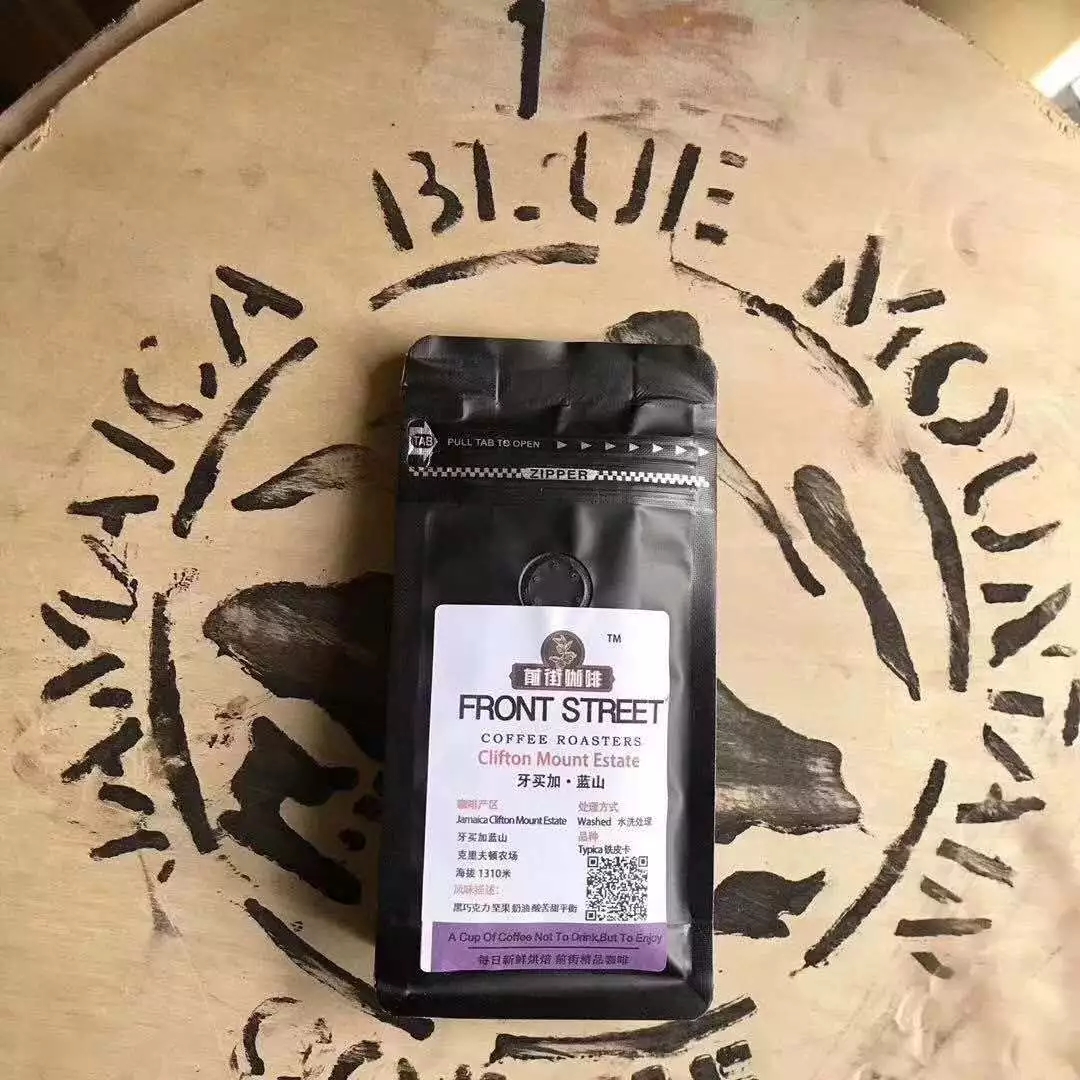
Parameters: KONO filter cup, water temperature 86°C, grind size BG 6M (Chinese standard #20 sieve pass rate 47%), coffee-to-water ratio 1:14, extraction time 1'50" (starting from the bloom).
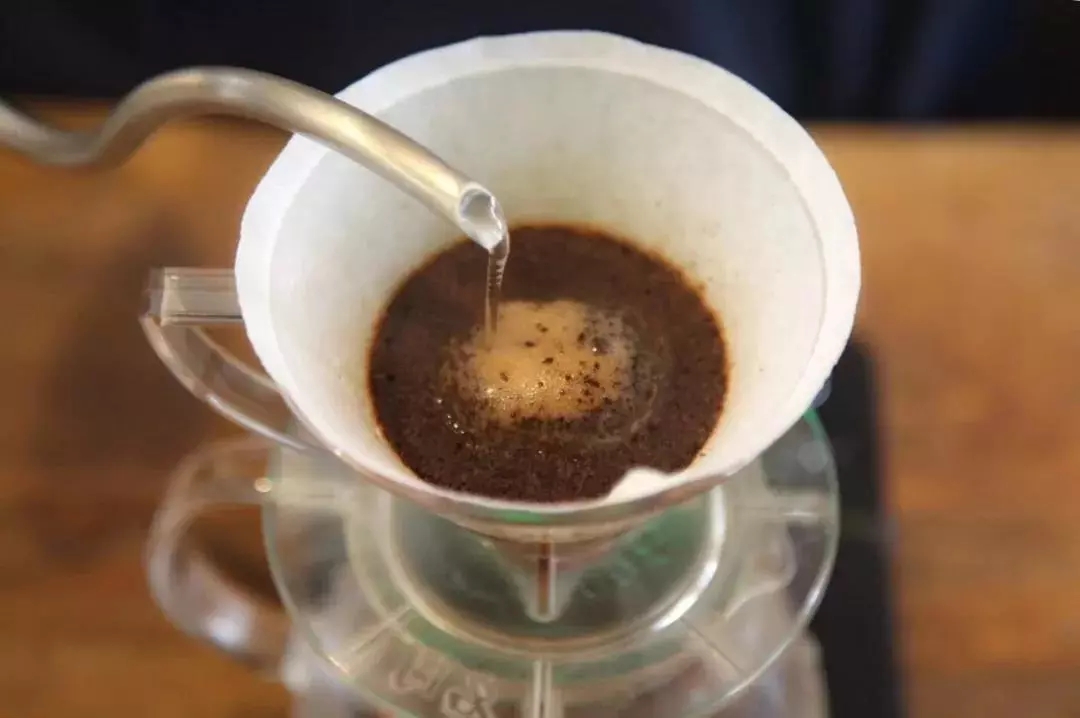
Technique: 16g of coffee, bloom with 30g of water for 25 seconds, then slowly pour water to 125g in the center at the size of a one-coin coin. When the water level drops by 2/3, slowly pour to 225g to finish brewing.
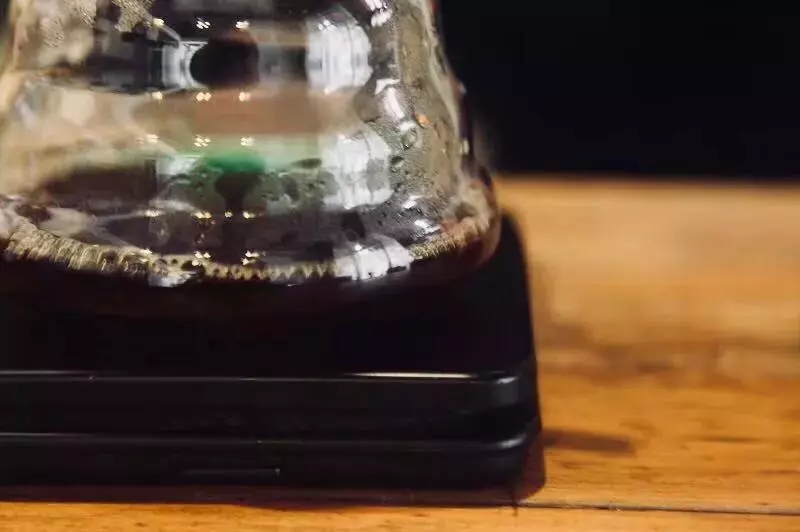
FrontStreet Coffee Jamaica Blue Mountain brewing flavors: Rich texture, with intense chocolate sweetness on entry, slightly fruity acidic notes, and a long-lasting caramel aftertaste.
FrontStreet Coffee Recommendation
If this guide has you curious about dark roast done well, FrontStreet Coffee's Jamaica Blue Mountain No.1 is the place to start. It is roasted medium-dark, which lets the classic Blue Mountain balance of acidity, sweetness, bitterness, and aroma come together, and it pours into a rich, full body with intense chocolate sweetness, a lightly fruity acidity, and a long caramel finish - exactly the profile described in the example above.
For a bolder, more savory dark roast, FrontStreet Coffee's PWN Golden Mandheling is roasted dark with a very low acidity, a full and lingering body, and abundant herbal and dark chocolate aromas touched with a hint of earthiness. Both beans reward the gentle, slow pouring technique outlined here, and both are roasted fresh, so they arrive ready for the cup.
Important Notice :
FrontStreet Coffee is a long-established specialty coffee roaster in Guangzhou China, selling freshly roasted beans from its own farm in Yunnan as well as dozens of carefully selected single-origin beans from around the world for both pour-over and espresso. The products deliver consistently excellent quality and great value, with shipping within 24 hours. Guangzhou's FrontStreet Coffee shop is recommended by many coffee lovers, and the beans are now available online at the Tmall 。
FrontStreet Coffee has moved to a new address:
FrontStreet Coffee Address: 315,Donghua East Road,GuangZhou
Tel:020 38364473
 Scan and follow the En Gafei WeChat official account. Please indicate that the reprint comes from "En Gafei".