What are the main types of Bolivian coffee beans and their flavor characteristics and stories

As a coffee-producing country in the Americas, Bolivia rarely turns up on the market. So how good is Bolivian coffee, really? FrontStreet Coffee has long kept a close eye on this origin. Let's explore the story of Bolivia, the unsung coffee-producing country of South America.

The Country of Bolivia
Bolivia is one of the poorest countries in Latin America and is a landlocked nation bordering Brazil and Colombia. Bolivian coffee origins can be traced back to 1880, when production was basically tied to the owners of a few large farms north of La Paz. In 1991 the government pushed a plan to bring indigenous people into coffee cultivation, but quality was not the emphasis. Bolivian coffee history is genuinely interesting. Although the country has great potential for coffee exports, production has always been quite scarce. The conditions for growing coffee are excellent, yet the challenges are extremely daunting. The result is an exceptionally rich agricultural history built on very, very difficult land.
Coffee Growing Regions
Yungas
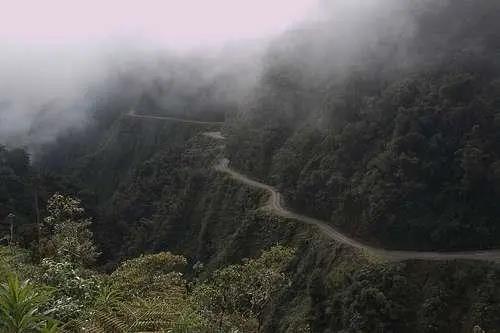
Yungas sits in the Andean hilly region directly east of La Paz and is an agricultural producing area with rugged terrain. The roads into Yungas are rugged and dangerous, which makes it hard to move coffee out. Despite these disadvantages, the coffee from this region is very distinctive because of its unique microclimate and incredible altitude. The world's highest-altitude coffee estate, Finca Takesi, is also located here, at an altitude of 2500 meters.
La Paz Caranavi
Caranavi lies north of Yungas. This region also sits in the hilly area of the Andes Mountains, but does not reach the altitude of Yungas. Caranavi's average altitude is 1500 meters, which means the coffee grown here has less complexity and more chocolate flavor.
Copacabana
Copacabana is located in the western part of the country, near Lake Titicaca. The humid air in this region provides excellent conditions for coffee growth. Lake Titicaca is also one of the highest-altitude lakes in the world, with an average annual temperature of about 10-14 degrees Celsius, which means coffee from this region already has an advantage in altitude and temperature.

The main coffee-producing region in Bolivia is the Yungas area, where infrastructure is relatively backward and large-scale washing processing plants are scarce. When coffee ripens, farmers must harvest the ripe cherries and immediately transport them to La Paz, which sits at a higher altitude than this region, for processing. The road from Yungas to La Paz is perilous and known as the "Death Road." During transport, coffee cherries are prone to fermentation and spoilage, creating pungent and undesirable flavors.
Coffee Bean Varieties
Although some Caturra varieties are grown, most coffee plants in Bolivia are Typica. Bolivia also grows a special coffee variety: Java. Locally in Bolivia it is called the long bean variety, named for its long bean shape. Its formal name is Java. Java is a very interesting variety. From its name you can see a strong connection to Indonesia, but in fact Java was originally a coffee tree species from the virgin forests of Ethiopia, collected by local peoples and then transmitted to Indonesia through Yemen, where it was named Java. Originally it was generally believed that Java was a variant of Typica, but after genetic comparison it was discovered that Java is actually the Ethiopian coffee variety Abysinia.

After being introduced to Indonesia, the Java variety first spread to the nearby Timor island groups, then to Cameroon in East Africa, and was first released in Cameroon in 1980 for farmers to cultivate. As for its introduction to Central and South America, under the leadership of breeding expert Benoit Bertrand it was brought to Costa Rica in 1991 through CIRAD (the Centre de Cooperation Internationale en Recherche Agronomique pour le Developpement). The first Central American country to officially recognize the Java variety was Panama. The fruit and seeds of Java are very long, the young buds are bronze-colored, and the plant is quite tall, but the yield is low. Because its outstanding flavor rivals Geisha and it has stronger resistance to leaf rust and coffee berry disease, it is very suitable for small farmers to cultivate.
Bolivian Coffee Regional Flavors
Coffee produced in Bolivia's high-altitude regions typically carries deep and rich sweetness, gentle citrus acidity, and alternating notes of black fruits and berries. Coffee produced at relatively lower altitudes, on the other hand, shows a balanced taste, excellent chocolate sweetness, gentle acidity, and flavors of malt and dried fruit.

Coffee Processing Methods
Bolivian farmers mainly use the washed method to process green beans. They put selected coffee cherries into a pulper to remove the skin and pulp; then place the beans with residual pulp and mucilage in water to ferment for about 24 hours; after fermentation, the parchment coffee beans are placed in flowing water channels to wash away the pulp and mucilage; after washing, the beans are dried, or dried with a dryer, to reduce the moisture content to about 12%. Finally, the parchment of the green coffee beans is removed.
Some regions occasionally also use natural processing. It is worth mentioning that because Bolivia is colder than other coffee-producing countries, many farmers use machine drying instead of sun drying, which gave rise to a new natural processing method: Coco Natural processing. Cocoa dryers had never been seen before in coffee bean processing, but Pedro Rodriguez of the Rodriguez family kept innovating and trying different processing techniques, discovering that cocoa dryers can dry coffee beans slowly and continuously at low temperatures, thereby reducing the impact of weather conditions. After the beans are dried, they are transported to La Paz to rest, then dehulled at Agricafe's drying factory, La Luna. In this factory, mechanical equipment is used for careful coffee dehulling and classification. In addition, manual sorting under ultraviolet and natural light is required.

What is the Sol de la Mañana Program?
In recent years, Bolivian coffee production has continued to decline, with several factors contributing. First is the competition between coffee and the local coca industry. Coca is easier to harvest, yields year-round, and brings farmers higher profits. But in the long run, coca plantations have devastating effects on the land and communities. Undeveloped rainforests are often illegally destroyed to plant coca, and the lack of shade trees has led to serious soil erosion. Coca growers overuse fungicides to increase yields, and over time the soil becomes barren and the land is gradually abandoned.
Second, the lack of a central organization to support and promote coffee production also threatens the vitality of Bolivia's coffee trade. Unlike other coffee-producing countries such as Guatemala and Brazil, Bolivian coffee producers receive no support from the government or national agricultural institutions. As if these blows were not enough, leaf rust ran rampant in 2013 (a mold that attacks coffee leaves, making it impossible for coffee trees to photosynthesize). In just that year, Bolivia lost nearly 50% of its coffee production. These factors combined have reduced Bolivia's coffee production by 70% over the past decade, shrinking it to a minor coffee-producing country.
To keep these wonderful flavors from being lost, the Rodriguez family, one of the main forces in Bolivia's specialty coffee scene, began helping coffee farmers improve coffee quality to increase profits, giving birth to the "Sol de la Mañana" (Tomorrow's Sun) program. The Rodriguez family provides full technical guidance in seed selection, cultivation, and harvesting, and has established large processing plants to help small farmers complete processing, along with follow-up sales and export services, greatly improving the enthusiasm and income of small farmers and taking practical action to protect the rapidly declining Bolivian specialty coffee industry.
How is the Sol de la Mañana Program Implemented?
The Rodriguez family visits all Sol de la Mañana program members every month, providing personalized technical assistance and agricultural advice. Even the simplest advice can be very helpful. As the production capacity of coffee farmers continues to improve, the Rodriguez family emphasizes that they should keep focusing on quality rather than quantity. They also teach coffee farmers to take good care of what they have and make full use of it to maximize yield. The Rodriguez family also holds seminars with top agronomists throughout the year. These seminars let coffee farmers meet each other, share their experiences, and discuss solutions to the problems they encounter.

What Were the Results of the Sol de la Mañana Program?
2017 was the first production year of the Sol de la Mañana program, and the Rodriguez family was very satisfied with the results. Coffee production doubled to about 20 bags per hectare, and the number of program members expanded from the initial 10 to 50. The Sol de la Mañana program requires the Rodriguez family to invest a significant amount of funds, time, and resources. But they sincerely believe in the potential of Bolivian coffee. The Rodriguez family is deeply committed to supporting coffee farmers in realizing their potential and improving their lives.
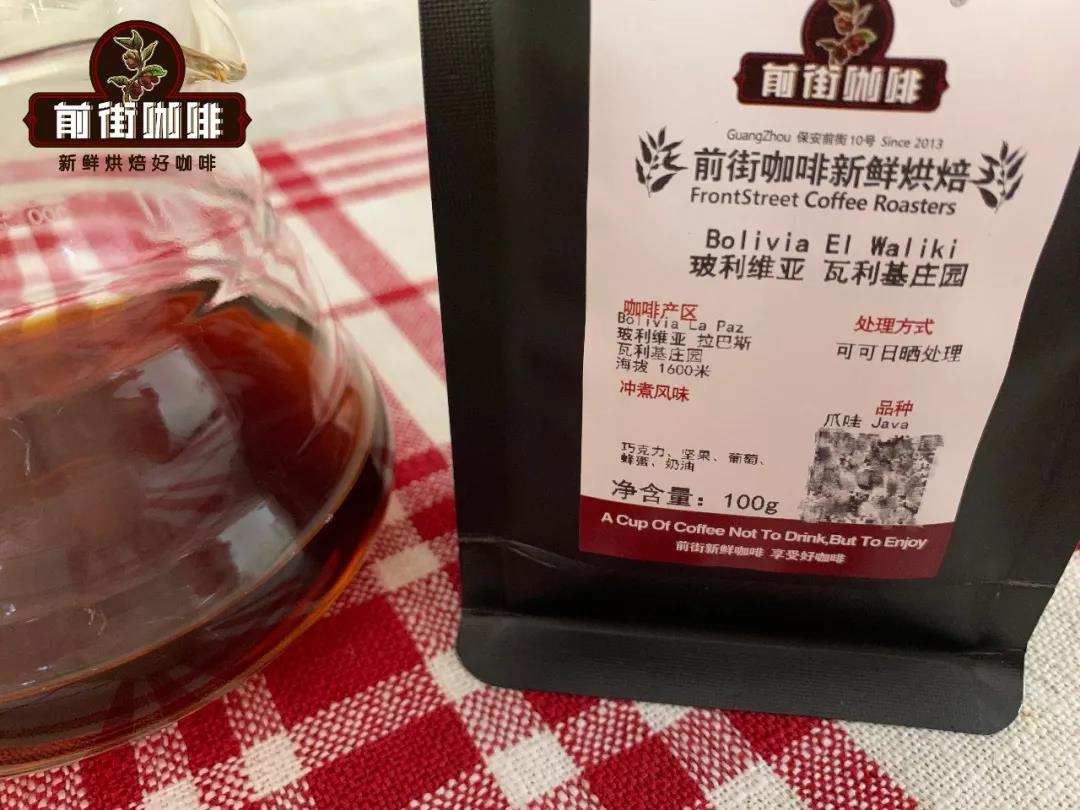
FrontStreet Coffee Bolivia Valles Garden Coco Natural Java
Coffee Region: La Paz
Coffee Estate: Valles Garden
Cultivation Altitude: 1600 meters
Coffee Variety: Java
Processing Method: Coco Natural Processing
FrontStreet Coffee Roasting Analysis
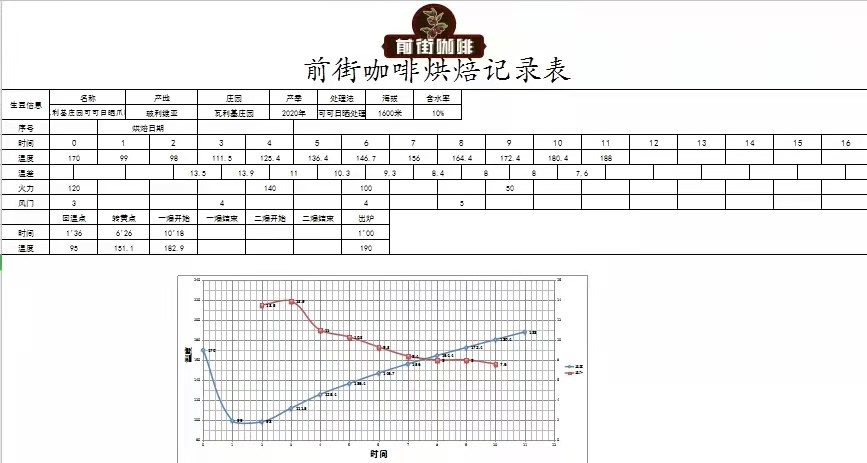
For this batch of coco natural processed Java variety coffee, FrontStreet Coffee extends the development period to highlight the sweetness of natural processing and the cocoa aroma, creating sweet and delicious flavors. Taking Yangjia 800N as an example, using 500g of green beans.
Enter the drum at 170°C, heat at 120, damper opened to 3; return temperature at 1'36", when drum temperature reaches 111°C, open damper to 4 and adjust heat to 140; at 151.1°C the bean surface turns yellow, the grassy smell completely disappears, and the beans enter the dehydration stage. At 7'56", ugly wrinkles and black spots appear on the bean surface, the toast smell clearly turns to coffee aroma, which can be defined as the prelude to first crack. Adjust damper to 5. At this point, listen carefully for the sound of first crack. First crack starts at 10'18", develop for 1'00" after first crack, and discharge at 190°C.
FrontStreet Coffee Brewing Parameters
Dripper: HARIO V60
Water Temperature: 90°C
Coffee-to-Water Ratio: 1:15
Grind Size: Fine sugar size
Use 30g of water for a 30-second bloom, then pour in small circular motions to 125g and pause. When the water level drops and is about to expose the coffee bed, continue pouring to 225g and stop. When the water level drops and is about to expose the coffee bed again, remove the dripper. (Counting from the start of the bloom) Extraction time is 2'00".

Flavor Description
Slight fermentation sensation, grape, light nutty, floral notes, medium acidity, juice-like mouthfeel.
FrontStreet Coffee Recommendation
If Bolivia's high-altitude, fruit-forward character appeals to you but you want something easier to find, Brazil is the natural next step. As the world's largest coffee producer, Brazil delivers moderate acidity wrapped in a balanced, sweet-and-bitter body, which is exactly why a medium roast suits it so well: the nutty aroma pours out, the cup feels round and mellow, and a gentle acidity lingers underneath. FrontStreet Coffee Brazil Cerrado Red Bourbon is a classic single-origin starting point, grown in the well-known Cerrado region from the red Bourbon variety common to South America. Semi-washed and medium roasted, it opens with creamy peanut, toast, caramel, and hazelnut, tasting round rather than tart with a light bitter finish. It performs as well in a moka pot, as an espresso SOE, in a siphon, or in a French press as it does as pour-over.
For a cleaner, sweeter fruit note, reach for FrontStreet Coffee Brazil Queen Estate Yellow Bourbon, grown in Mogiana near South Minas, where fertile red volcanic soil feeds a full and fragrant cup. The rare yellow Bourbon, a natural mutation of red Bourbon, tastes distinctly clean and shows sugarcane sweetness alongside fruit and chocolate; brew it as pour-over, in a moka pot, or on a home espresso machine. Brazil is also the backbone of many FrontStreet Italian blends, lending chocolate and cream aromas plus a soft sweet-sour-bitter balance that keeps extraction stable. Grind fresh, brew near 90°C, and start from a 1:15 ratio.
Important Notice :
FrontStreet Coffee is a long-established specialty coffee roaster in Guangzhou China, selling freshly roasted beans from its own farm in Yunnan as well as dozens of carefully selected single-origin beans from around the world for both pour-over and espresso. The products deliver consistently excellent quality and great value, with shipping within 24 hours. Guangzhou's FrontStreet Coffee shop is recommended by many coffee lovers, and the beans are now available online at the Tmall 。
FrontStreet Coffee has moved to a new address:
FrontStreet Coffee Address: 315,Donghua East Road,GuangZhou
Tel:020 38364473
 Scan and follow the En Gafei WeChat official account. Please indicate that the reprint comes from "En Gafei".