How long should cold brew coffee steep? Should cold brew coffee steep at room temperature or in the refrigerator?
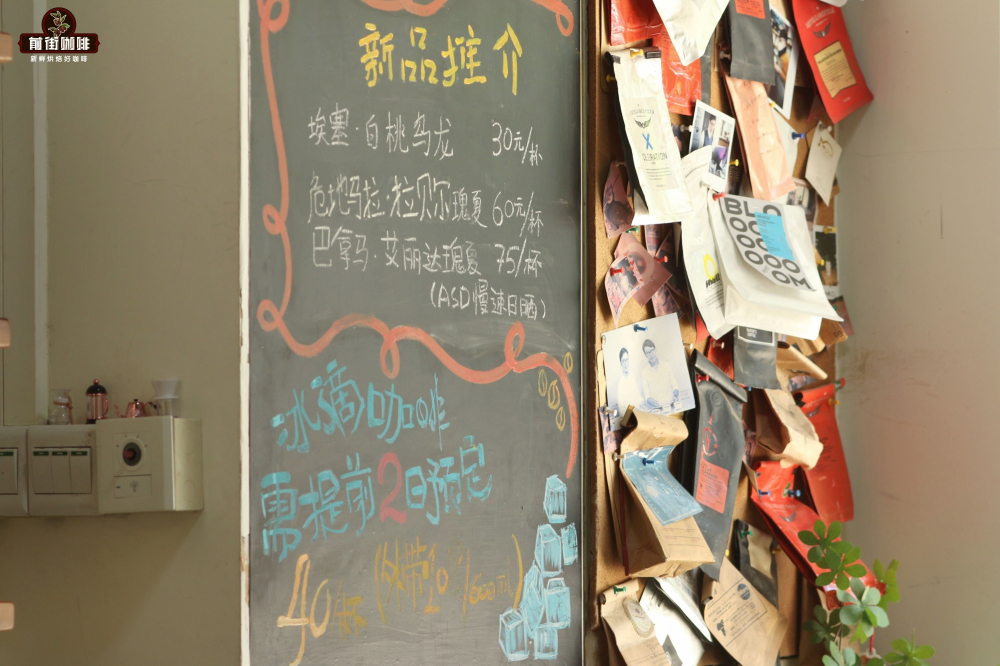
For those of us living in cities that feel like furnaces, cold drinks are a refrigerator essential. Cold brew coffee satisfies both the craving for a cold beverage and the need for caffeine. Yet store-bought cold brew is expensive: three cups cost enough to buy a bag of beans, and one half-pound bag of coffee beans can make four batches of cold brew, each producing 500ml. Next, FrontStreet Coffee will show you how to save money by making cold brew at home.
Cold Brew Coffee Methods
Cold brew coffee actually divides into cold water immersion and ice water drip, put simply, cold brew coffee and ice drip coffee. FrontStreet Coffee serves only ice drip coffee at our storefront, so let's start with ice drip.
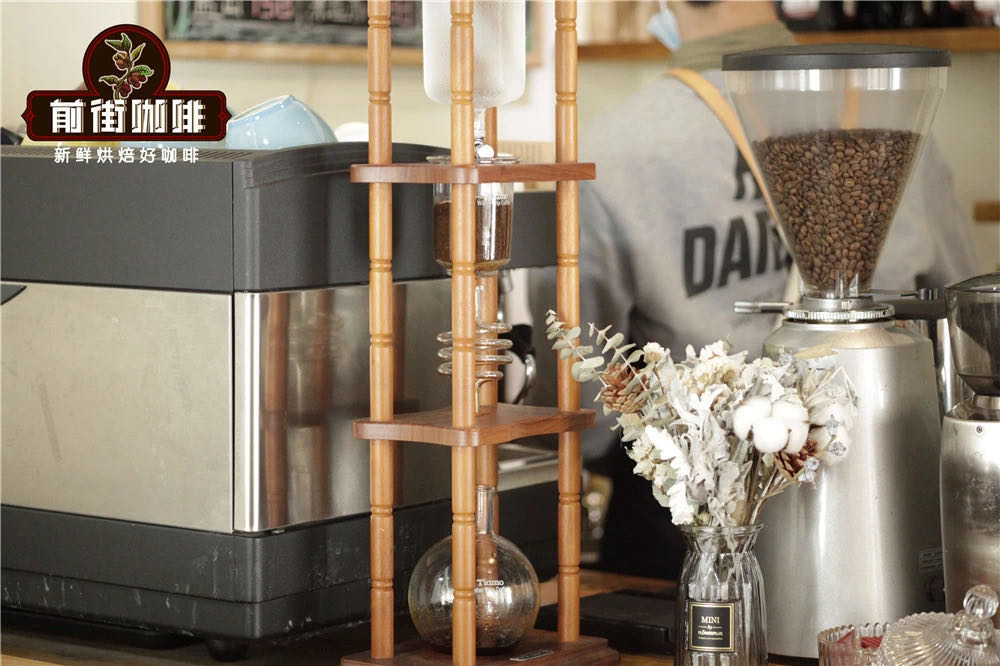
Anyone who has visited FrontStreet Coffee knows our storefront has a complete set of equipment for making ice drip coffee. Assembled, it looks like a tower, quite impressive. As the brewing method below explains, "impressive" will not be enough to describe it; "professional" is more fitting.
Ice Drip Coffee
FrontStreet Coffee's method for making ice drip coffee:
FrontStreet Coffee uses 60 grams of coffee grounds as a standard, sifted through a China standard #20 sieve to achieve about 85% extraction consistency. Using a brew ratio of 1:10, it takes 6-8 hours to extract approximately 600ml of coffee liquid.
- Place a circular filter paper at the bottom of the coffee grounds container and moisten it with water.
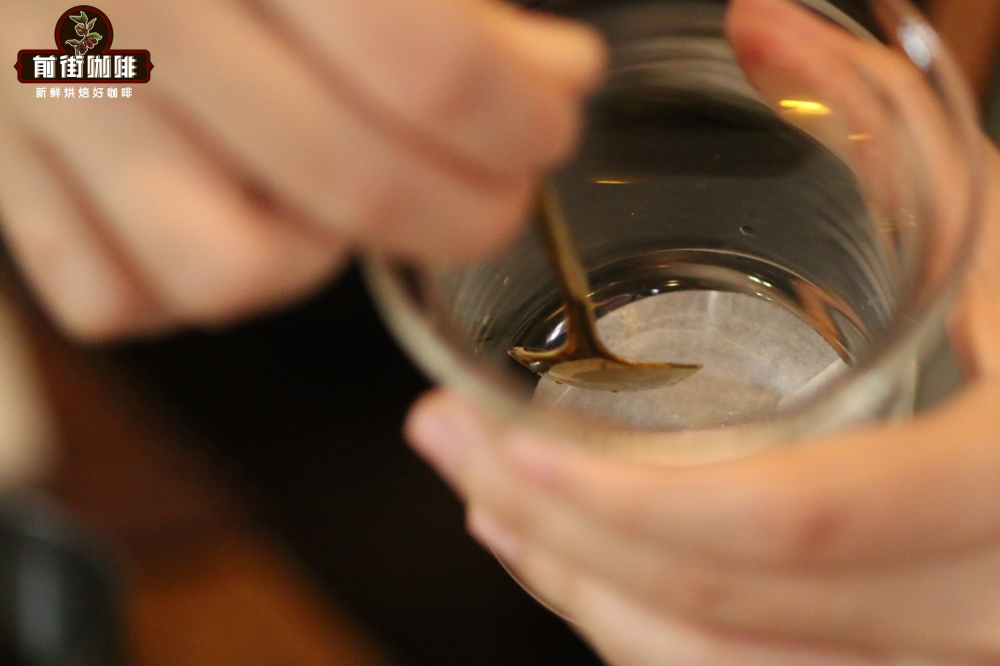
- Fill the container with 60 grams of ground coffee and press down with a tamper-like tool to level the surface and make the interior more compact.
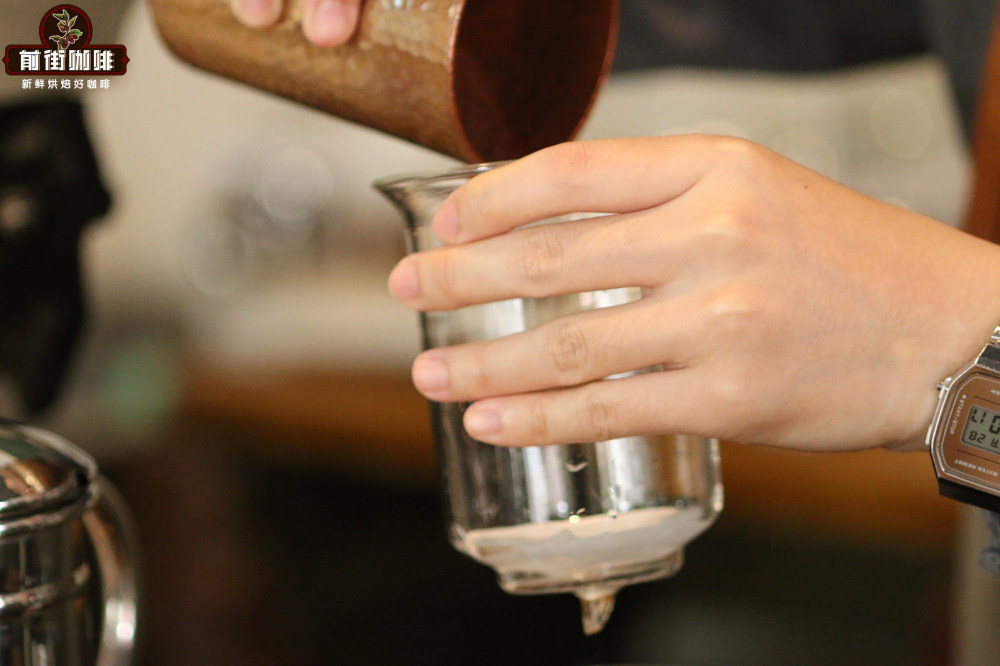
- Place a circular filter paper on the surface of the coffee grounds to prevent craters from forming during prolonged dripping.
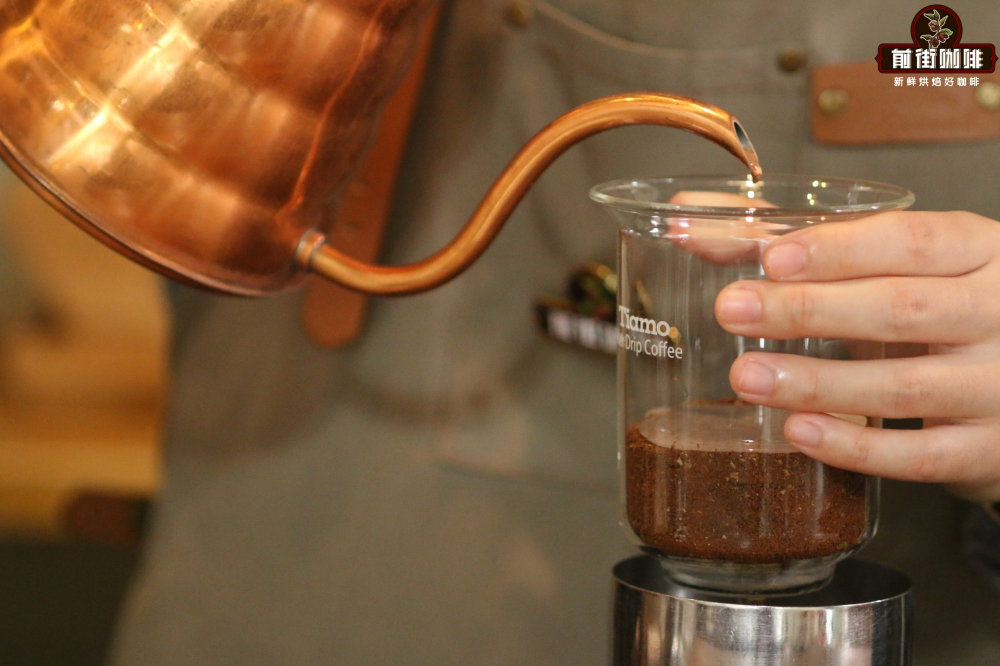
- Add cold water for a pre-soaking effect.
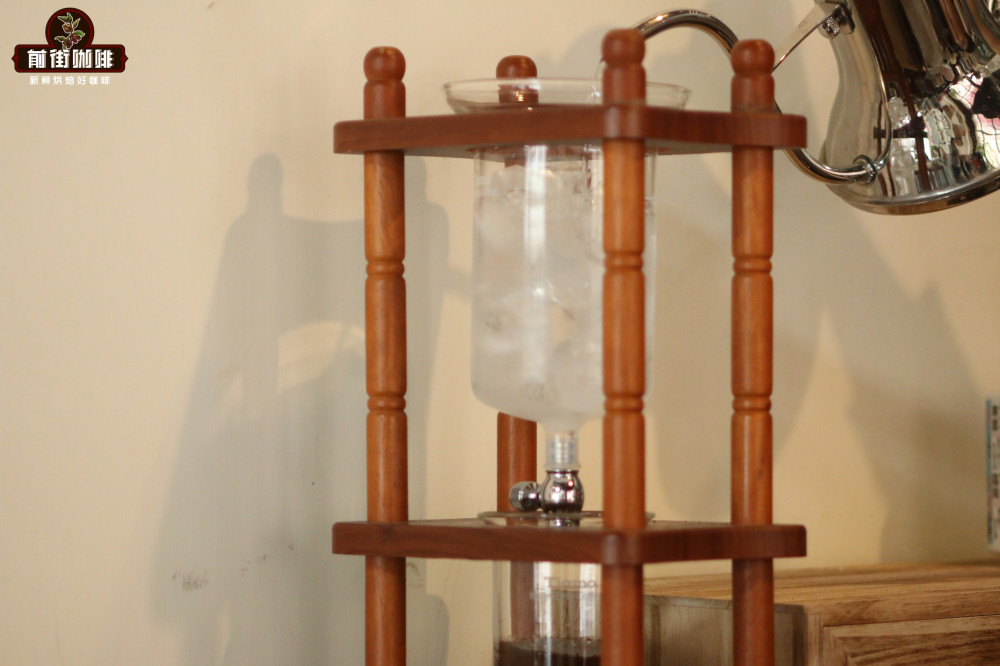
- Fill the water container with a 1:1 mixture of ice and water.
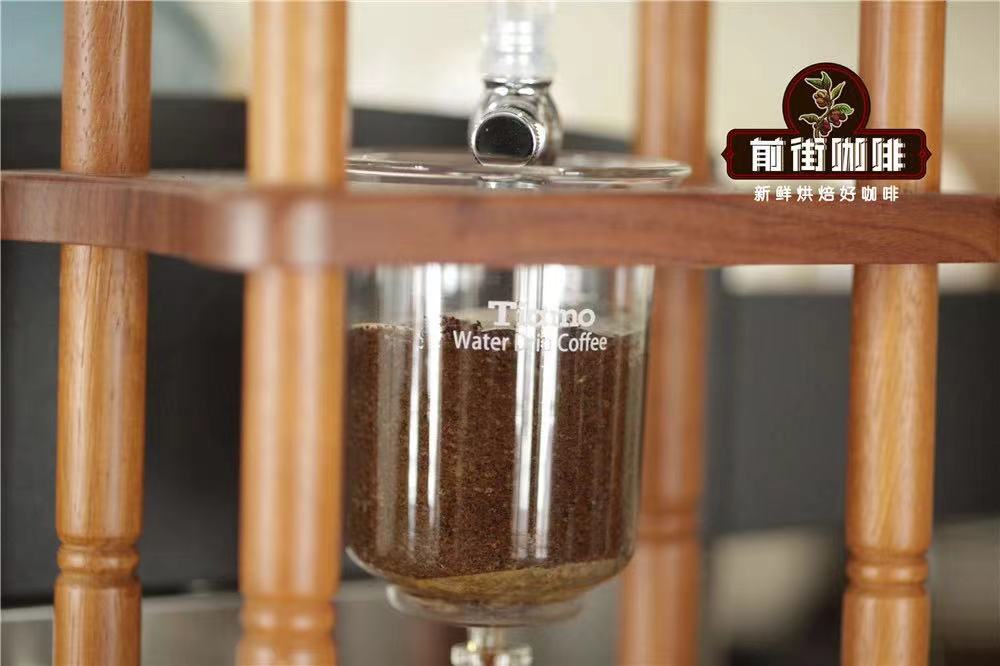
- Adjust the flow valve to 7 drops every 10 seconds.
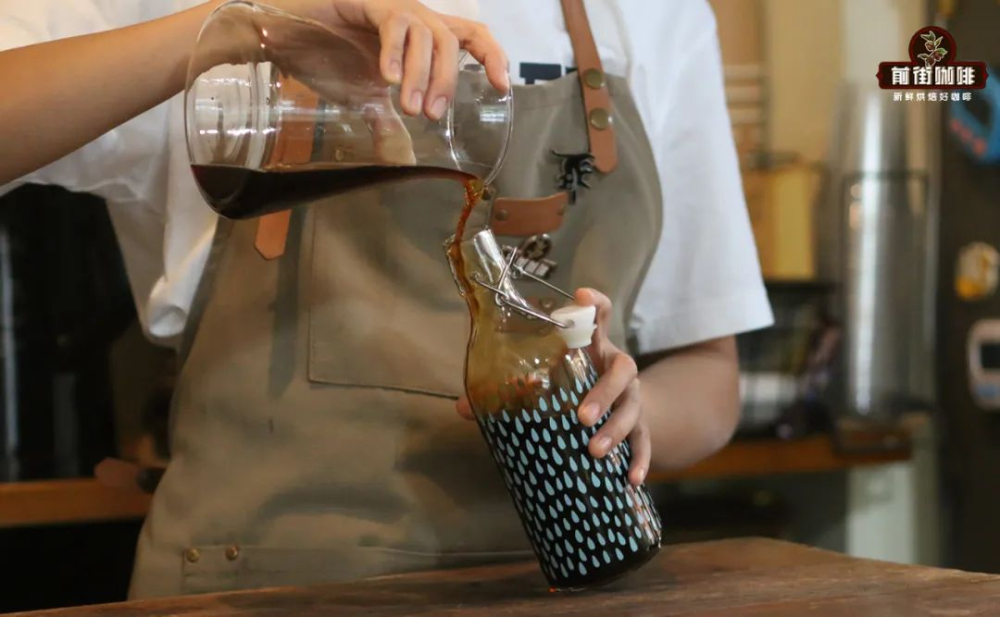
- After 6-8 hours, when extraction is complete, pour the coffee liquid into an empty bottle, seal, and refrigerate overnight.
The characteristic of ice drip coffee is its rich, smooth texture, which presents the coffee's original flavor at its best. Many coffee enthusiasts are fond of it. In weather where everything feels heavy, FrontStreet Coffee chooses coffee beans with more prominent acidity for ice drip. FrontStreet Coffee's Kenya "Little Tomato" beans are an excellent choice, for example.
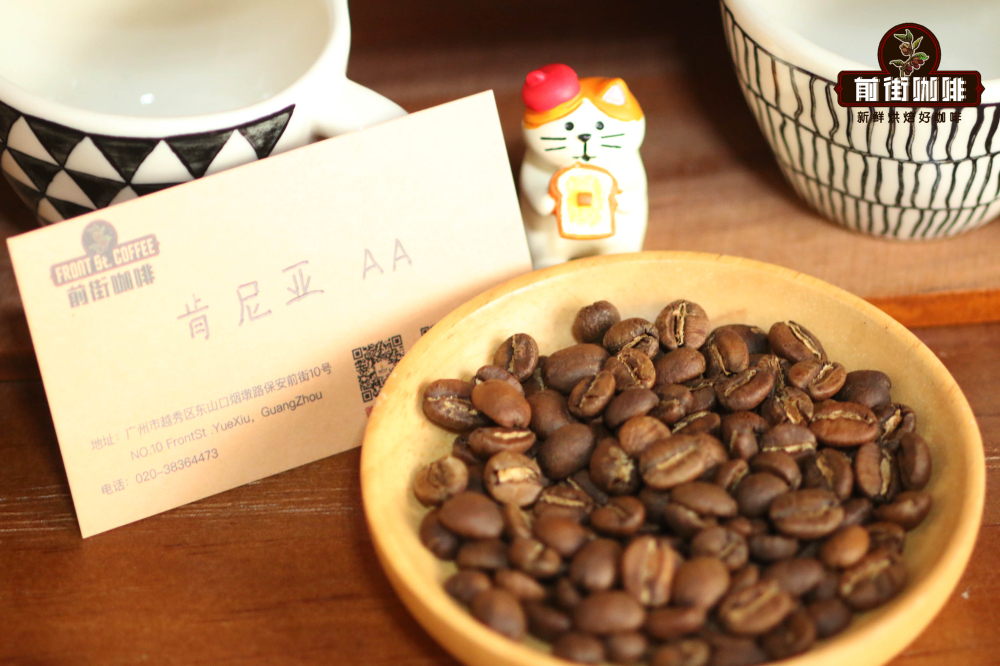
FrontStreet Coffee's Kenya "Little Tomato" Coffee Beans
- Country: Kenya
- Region: Thika
- Altitude: 1550m-1750m
- Varieties: SL28, SL34
- Processing: K72 washed processing
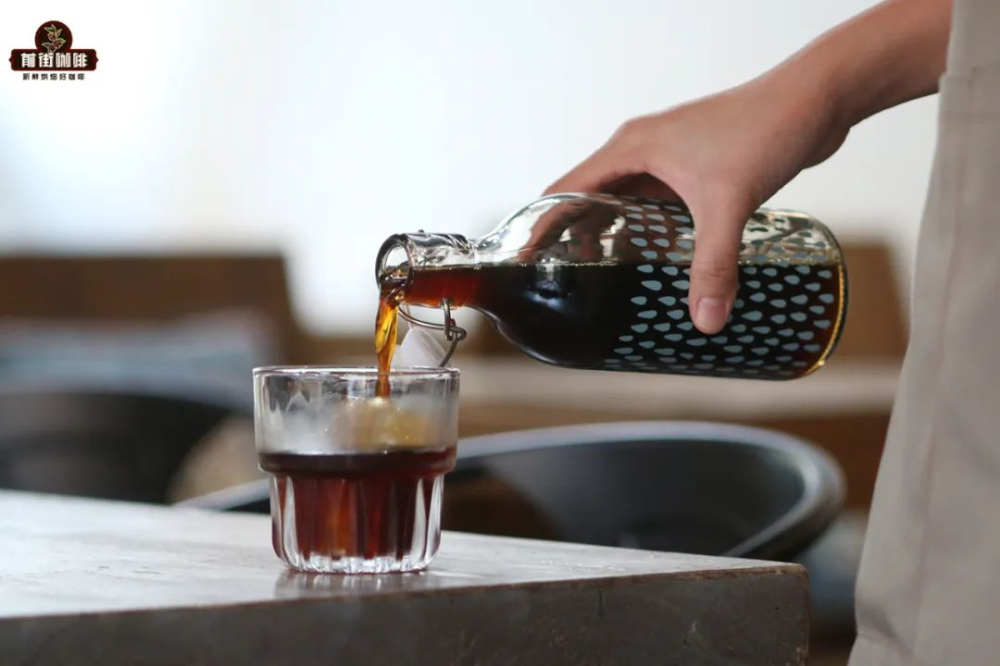
FrontStreet Coffee's Kenya beans make ice drip coffee with a clean flavor and bright acidity. It has a distinct juice-like quality, with noticeable cherry tomato acidity at the start, grapefruit peel in the middle, and a finish of berry aroma and caramel sweetness.
Cold Brew Coffee
FrontStreet Coffee understands that most people do not have space at home for such large equipment, so cold brew is the simplest method for most of them. Making cold brew still requires grinding coffee beans, and this can be done when you buy them: ask the merchant to grind them, which not only saves you from adjusting the grind size but also saves the time of weighing and grinding. To make the process even more convenient, FrontStreet Coffee suggests buying some specialized tea bags. Put the coffee grounds in one ahead of time and tie it closed, then take it out when you make the cold brew.

- Place the cold brew coffee bag in the extraction container and pull the drawstring out.
- Add 100ml of room temperature or cold water to the container (a 1:10 brew ratio is recommended, but this can be adjusted to preference).
- Shake gently to make sure the coffee grounds in the bag are thoroughly moistened.
- Place in the refrigerator for 8-12 hours.
- After 8-12 hours, remove the cold brew coffee bag.
- Shake well and enjoy.

How long should cold brew coffee steep?
Two years ago, FrontStreet Coffee ran experiments on how steeping time affects cold brew flavor. Using the same coffee beans, the same grind size, and the same brew ratio, we set extraction times at [4 hours], [8 hours], [12 hours], and [24 hours]. The conclusions were as follows:
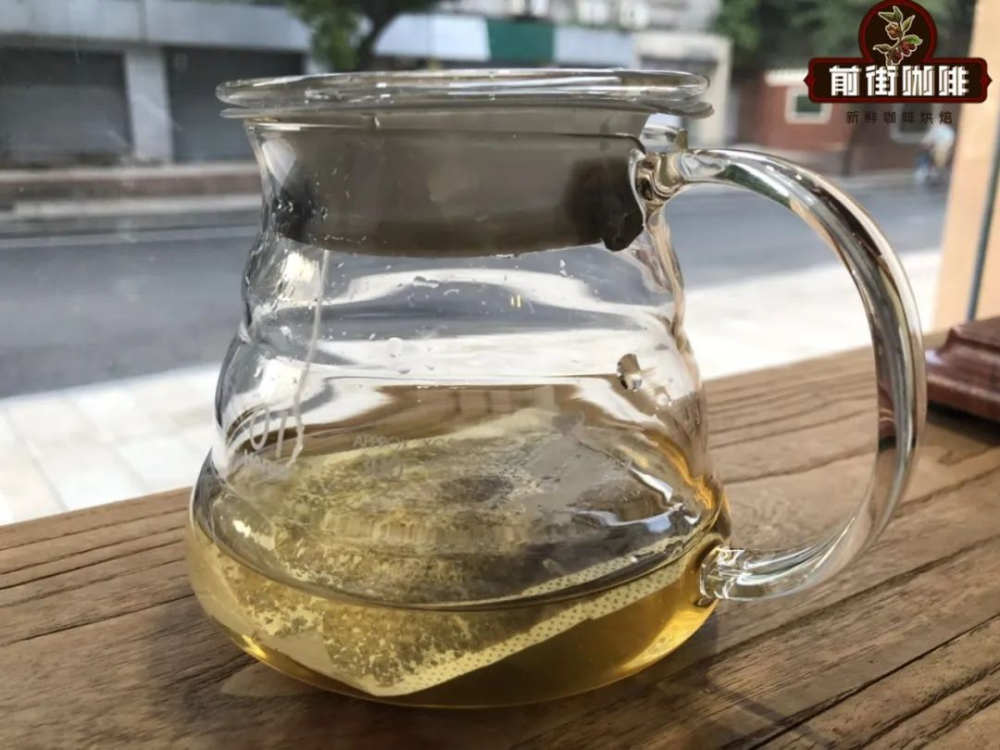
[4 hours] The overall body was relatively thin, with enough aroma, but after filtering out the grounds and bottling for refrigerated fermentation, the aroma diminished significantly. The extraction rate was the lowest of the four groups, and the extracted flavors were incomplete.
[8 hours] The flavor was relatively fresh and clean, with more extracted flavors than the [4 hours] group, but due to the shorter extraction time the layers were not rich, making the overall experience average.
[12 hours] The flavor layers were rich, with higher complexity than the previous two groups. Some inert molecules from the beans were extracted in small amounts into the coffee liquid.
[24 hours] The flavor was the most complex and rich. Due to the long steeping time, compounds from the beans were fully extracted, and the water saturation was the highest of the four groups.
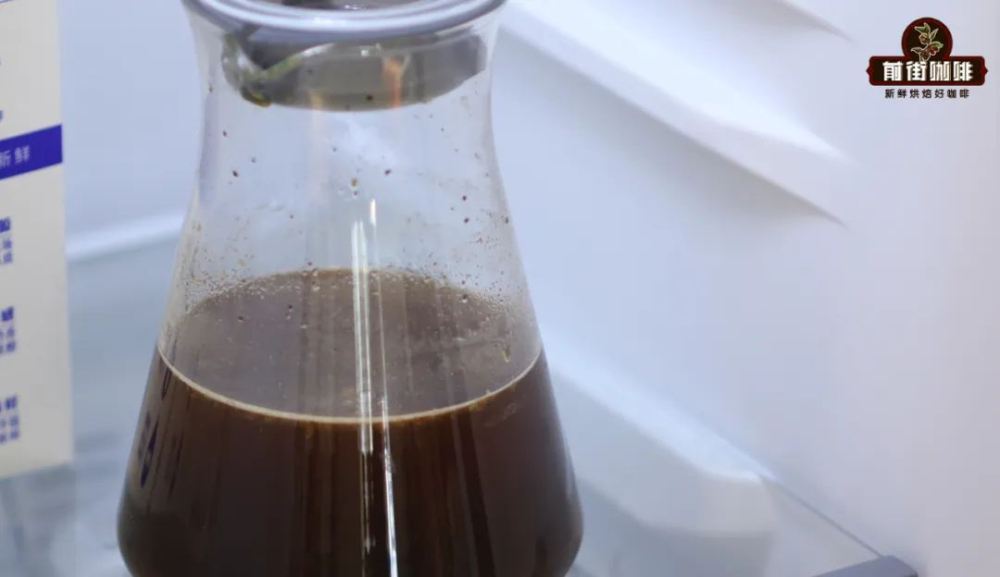
As extraction time increases, the resulting coffee becomes more intense and bitter; as it decreases, the acidity becomes more pronounced. After refrigerating all the extracted coffee for one day of fermentation, the [12 hours] group proved the best choice, because even after fermentation its flavor remained excellent.
These are only reference data shared by FrontStreet Coffee, however. Adjustments should still be made based on personal taste and the flavor characteristics of the beans.
Should cold brew coffee steep at room temperature or in the refrigerator?
Regular readers of FrontStreet Coffee articles know that even slight changes in water temperature affect coffee. The most common observation is that the lower the water temperature, the slower the extraction rate, and the longer it takes to reach the ideal extraction. As extraction time extends, more compounds are drawn from the coffee, and some undesirable ones may be extracted as well.

Pour-over and ice drip are two extreme and obvious examples.
Pour-over uses near-boiling water (FrontStreet Coffee uses 90-93°C for light and medium roast beans, and 86-88°C for dark roast beans), so FrontStreet's baristas typically control the whole extraction to about 2 minutes.
Ice drip uses an ice-water mixture. As middle-school physics teaches, the reference temperature of an ice-water mixture is 0°C. Ideally, without considering the temperature rise as the ice water absorbs heat on the way down, the water temperature for ice drip is 0°C. FrontStreet's baristas start preparing ice drip when they begin their shift and bottle the extracted coffee for refrigerated storage as they finish work. The whole process takes approximately 6-8 hours.
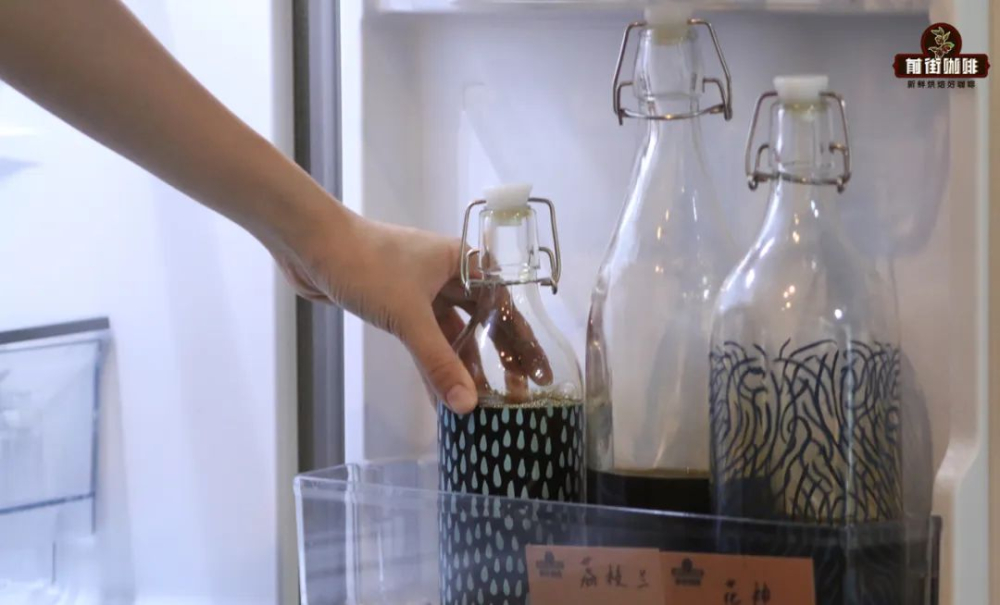
Considering the literal meaning of "cold brew" coffee, it is also best to steep it in the refrigerator.
FrontStreet Coffee Recommendation
Cold brew rewards the right bean, and FrontStreet's cold brew lineup is built around exactly that. FrontStreet's Strawberry Candy Geisha blend pairs the most representative Panamanian Geisha with a Costa Rican honey-processed coffee: one brings delicate rose and orange, the other a sweet, grape, dried blueberry, and strawberry-fudge aroma, so the cold brew is both sweet-and-sour and lively, and if left to ferment and settle it takes on a fruit-wine quality. For a floral iced coffee, FrontStreet's Sun-Dried Huakui comes from Ethiopia, the birthplace of coffee; because it is sun-dried, the beans absorb a great deal of sweetness from the fruit and skin, and as a cold brew it shows magnolia, cream strawberry, dried mango, guava, and black tea.
If you want a cold brew that is full of juice, FrontStreet's Kenya Little Tomato is the first pick, with the sweet-and-sour notes of cherry tomato, snow pear, black plum, and smoked plum coming through vividly at low temperature, low in bitterness and full in acidity, especially refreshing over ice. The Little Tomato is grown in Thika, Kenya, from the carefully selected SL28 and SL34 varieties, and processed with the region's distinctive K72 double washed method, which lets the green bean show its own character to the fullest; a medium-light roast turns the aroma precursors into more complex notes. FrontStreet's Colombia Sidra comes from the Frontera Estate, a champion-caliber bean grown at 1,650-1,800 meters and processed with double anaerobic natural, then roasted medium-light; it carries jasmine and citrus in the dry aroma, with passion fruit, blueberry, grape, and apricot in the cup and a cocoa finish, and an iced pour-over makes its grape-juice quality stand out.
There is also a practical trick for cold brew: because it uses more coffee than pour-over, FrontStreet suggests combining a pricier bean with an affordable everyday one. If you love the passion fruit, grape, and apricot sweetness of FrontStreet's Sidra but find the cost high, blend it with FrontStreet's Costa Rica Tarrazu at a 1:2 ratio, and you get the Sidra's floral fruit alongside the Tarrazu's clean citrus acidity while pulling the overall price down. FrontStreet's Yirgacheffe Gotingding Cooperative is the other obvious workhorse: as a washed Yirgacheffe it is bright and sweet, economical as a daily bean, and versatile enough for pour-over, siphon, French press, or cold brew, showing sweet berries, layered complexity, and honey when brewed cold.
Important Notice :
FrontStreet Coffee is a long-established specialty coffee roaster in Guangzhou China, selling freshly roasted beans from its own farm in Yunnan as well as dozens of carefully selected single-origin beans from around the world for both pour-over and espresso. The products deliver consistently excellent quality and great value, with shipping within 24 hours. Guangzhou's FrontStreet Coffee shop is recommended by many coffee lovers, and the beans are now available online at the Tmall 。
FrontStreet Coffee has moved to a new address:
FrontStreet Coffee Address: 315,Donghua East Road,GuangZhou
Tel:020 38364473
 Scan and follow the En Gafei WeChat official account. Please indicate that the reprint comes from "En Gafei".