Can You Taste the Difference Between Light, Medium, and Dark Roasted Coffee Beans? An Introduction to Different Coffee Roasting Levels
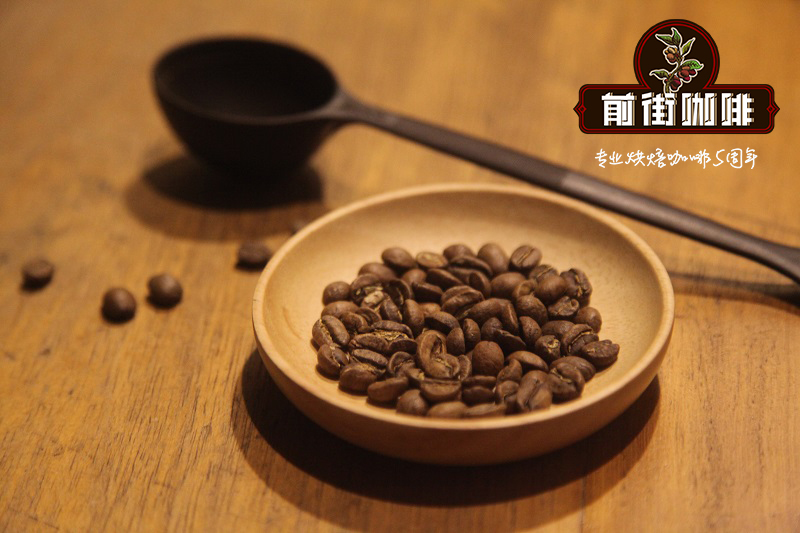
Roast quality largely determines the aroma of the finished bean. Poorly roasted coffee can never taste good, no matter how excellent the green beans were. That's why FrontStreet Coffee develops a different roasting curve for each bean, then cups the results to lock in the curve that suits it best.
1. What Roasting Is
Roasting is the process of heating green beans to drive a cascade of physical and chemical changes inside and outside the bean — generating acidity, bitterness, and sweetness, forming body and color, and transforming pale green seeds into dark brown coffee.
2. Why Roasting Matters
Among the factors shaping a cup's taste, FrontStreet Coffee assigns roughly 60% to the green beans, 30% to roasting, and 10% to extraction. Good roasting maximizes what makes a bean unique while minimizing defective flavors; bad roasting ruins even great beans. Because heat, time, and temperature are so hard to control, roasting remains one of the most complex crafts in coffee.
Roasting Levels: The Basic Rule
Darker roast, stronger bitterness; lighter roast, stronger acidity. The right level depends on the bean itself — coffees that are naturally bitter with subdued acidity usually get a light-to-medium roast to compensate.
Why Roast Coffee at All?
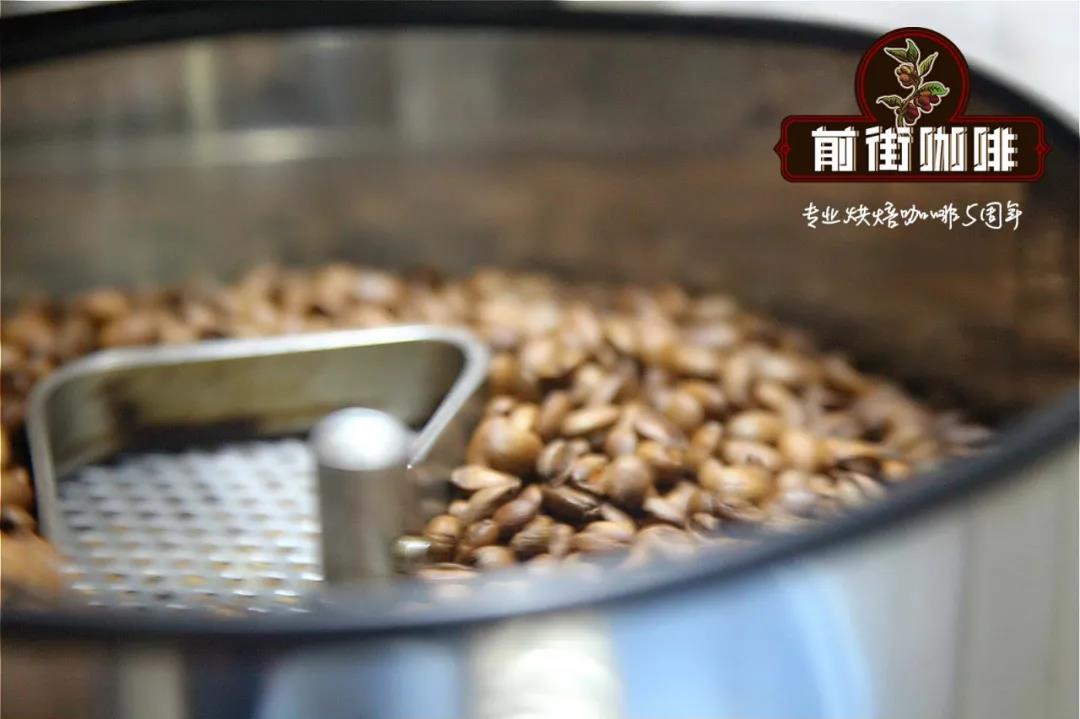
After processing strips away the cherry's layers, we're left with green beans — and those beans must be roasted at high temperature to unlock their aromatics and their sour, sweet, and bitter components. Stimulating those compounds is chemistry at work: aroma, acidity, sweetness, and bitterness develop in sequence, and their final proportions define the coffee's flavor. The two governing reactions are the Maillard reaction and caramelization.
Maillard Reaction
The Maillard reaction is the key to both flavor and color. Between 150–200°C, carbonyl groups (from sugars) react with amino groups (from amino acids and proteins) to form flavor compounds. Hundreds of these compounds together create coffee's distinctive character.
Caramelization Reaction
From 170–200°C onward, the sugars in the bean begin caramelizing: dehydration, degradation, and browning darken the bean and release aromatic and acidic compounds.
Aroma development and color change are inseparable from these two reactions — and with roasting carrying 30% of a cup's outcome, its importance speaks for itself.
How Roast Levels Have Shifted
Through the 1970s–90s, coffee culture ran on commercial beans, often Robusta-containing, with real flavor defects. Deep roasting was the standard way to mask them — roast lighter and the defects surfaced immediately. Today's third-wave specialty culture prizes clean cups and prominent acidity and sweetness, which is exactly why light roasts have become fashionable.
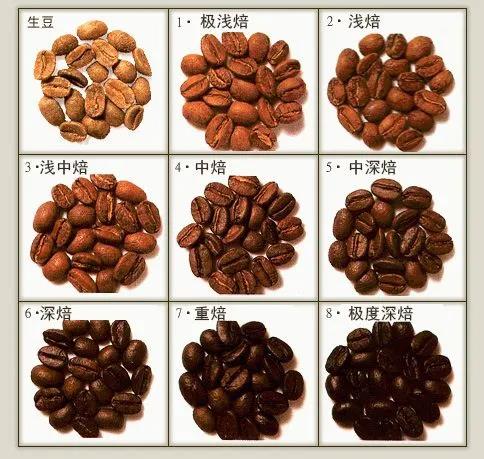
The SCA recognizes eight roast levels: very light, light, light-medium, medium, medium-dark, dark, heavy (French), and very dark (Italian).
1. Very Light Roast
The lightest level — no real aroma or concentration, the beans not yet mature, carrying a green, raw flavor. Unfit for brewing; used mainly for testing.
2. Light (Cinnamon) Roast
A broadly popular level with strong acidity; the bean color resembles cinnamon, hence the name. Especially popular in the western United States.
3. Medium Roast
The color deepens; this level extracts the bean's original character easily, with mellow aroma and pleasant acidity.
4. High Roast
Stronger coffee flavor, lighter acidity — the classic roast for mainstream beans, balancing acidity against bitterness. Suited to coffees like Blue Mountain and Kilimanjaro; beloved in Japan and Northern Europe.
5. City Roast
Bitterness overtakes acidity, with almost no sourness left and a distinctive aroma. Suited to Colombian and Brazilian coffees; a New York favorite.
6. Full City Roast
No acidity, bitterness-forward and rising — though quality beans retain real sweetness. A standard for iced coffee; liked across Central and South America.
7. French Roast
Color nearly black, strong bitterness, oils beginning to appear on the surface; both bitterness and concentration intensify. Used for steam-pressurized brewing.
8. Italian Roast
The deepest level: jet-black, shiny, oily beans, very strong bitterness, severely carbonized — at this point individual bean character is nearly indistinguishable. Used for Italian espresso.
Commercially, three levels dominate: light, medium, and dark.
Light roast: rich fruity tones, sweet-sour floral and fruit aromatics, noticeable acidity.
Medium roast: nutty tones built mainly on caramel, cocoa, and malt aromas.
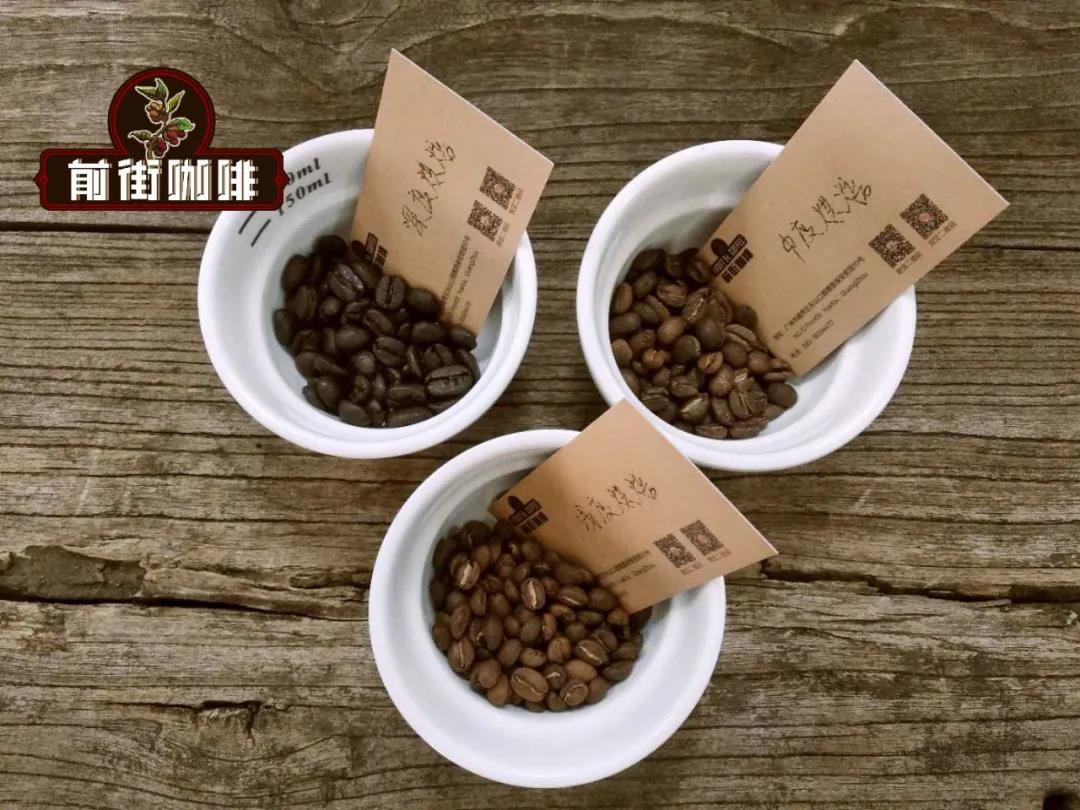
Dark roast: slight chocolate bitterness, low acidity, strong caramel aroma, with spice, woody, and charcoal notes.
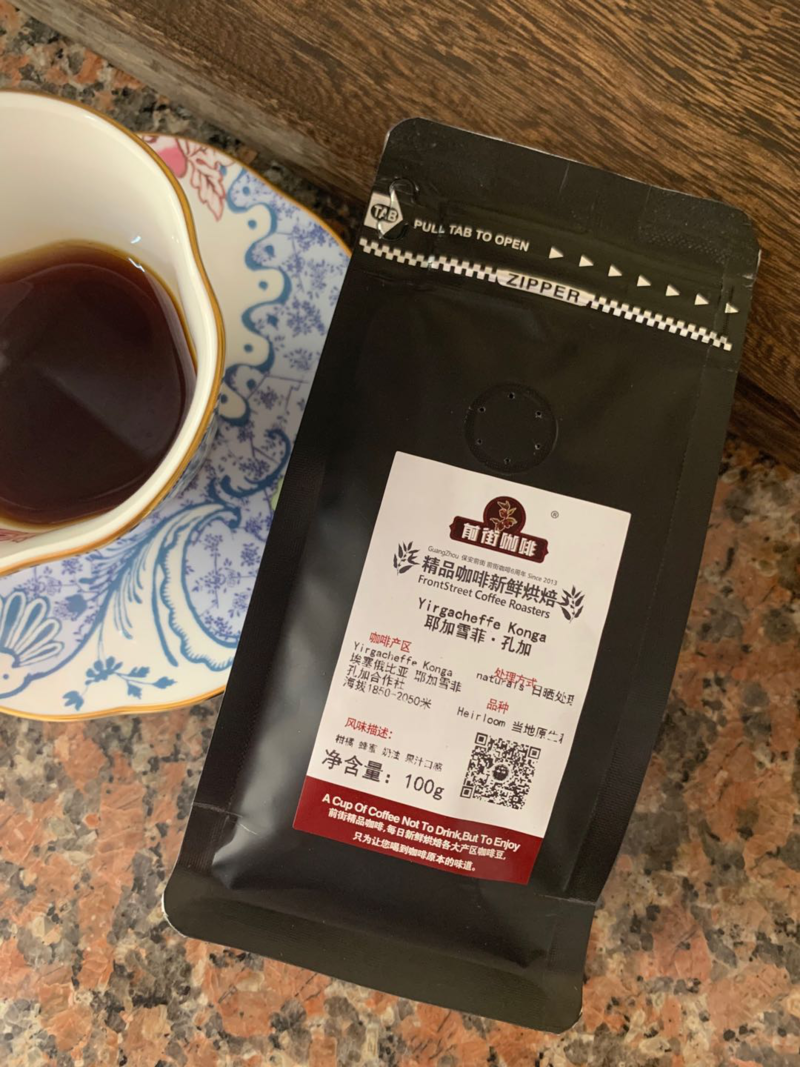
Light Roast: Yirgacheffe Konga
When light roasts come up, Ethiopian Yirgacheffe is the first name on everyone's lips — the roast level spotlights its fruit character perfectly.
Region: Yirgacheffe
Cooperative: Konga Cooperative
Altitude: 1850-2050m
Variety: Local heirloom
Processing Method: Natural
FrontStreet Coffee Brewing Recommendations
Dripper: Hario V60
Water Temperature: 90°C
Dose: 15g
Ratio: 1:15
Grind Size: Medium-fine (BG#6S)
FrontStreet Coffee Brewing Method
Segmented extraction: bloom with 30g of water for 30 seconds, then pour in small circles to 125g and pause. Once the water level nearly exposes the bed, pour on to 225g and stop. Remove the dripper as the level again nears the bed. Total extraction time from bloom: 2'00".
Flavor Description
Berries, cream, honey, citrus; a juice-like mouthfeel with bright acidity.
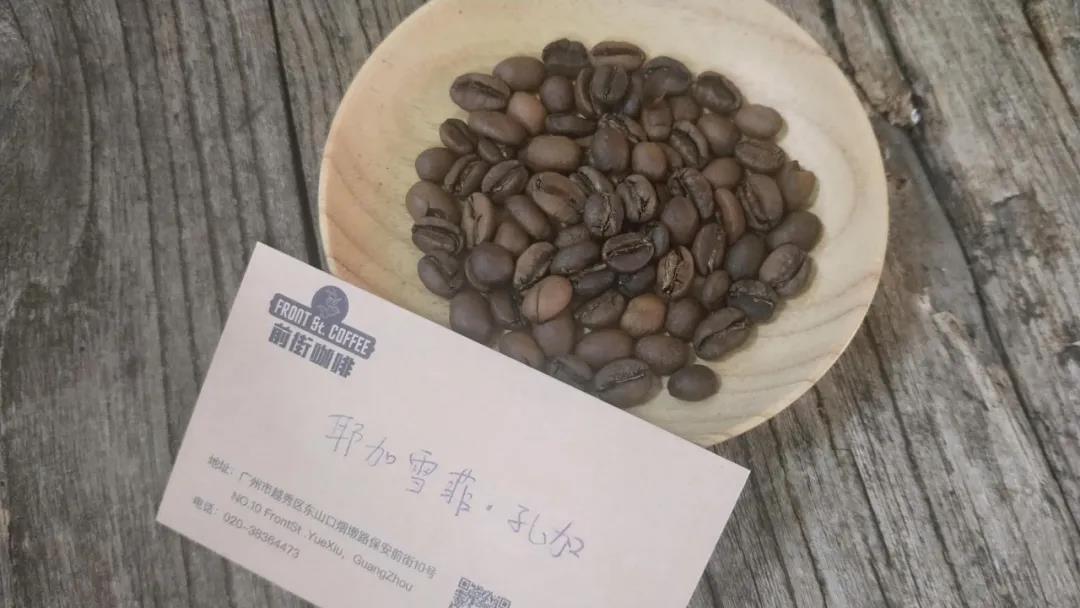
Medium Roast: Brazil Fazenda Rainha
Medium roasts retain some sweet-sour character while bringing out nuttiness. Brewing uses a coarser grind than light roast and slightly lower water temperature. The darker the roast, the more porous the bean becomes (it keeps releasing gases throughout roasting) and the more water it absorbs — so grind and temperature are dialed back coarser and cooler to avoid pulling out bitter, astringent off-flavors.
Region: Mogiana, São Paulo
Estate: Fazenda Rainha (Queen's Estate)
Altitude: 1400-1950m
Variety: Yellow Bourbon
Processing Method: Natural
FrontStreet Coffee Brewing Recommendations
Dripper: Kono
Water Temperature: 88°C
Dose: 15g
Ratio: 1:15
Grind Size: Medium-fine (BG#6W)
*Why the Kono: its few ribs sit only near the bottom, so the paper seats tightly against the wall, restricting airflow and extending water-to-grounds contact — a fuller, richer extraction.

FrontStreet Coffee Brewing Method
Segmented extraction: bloom with 30g of water for 30 seconds, pour in small circles to 125g and pause; continue to 225g once the bed nearly surfaces; remove the dripper at the same point. Total extraction time from bloom: 2'00".
Flavor Description
Obvious sweetness with a light lemon note, rich nuttiness, and a clear dark-chocolate aftertaste; the whole cup feels rounded.
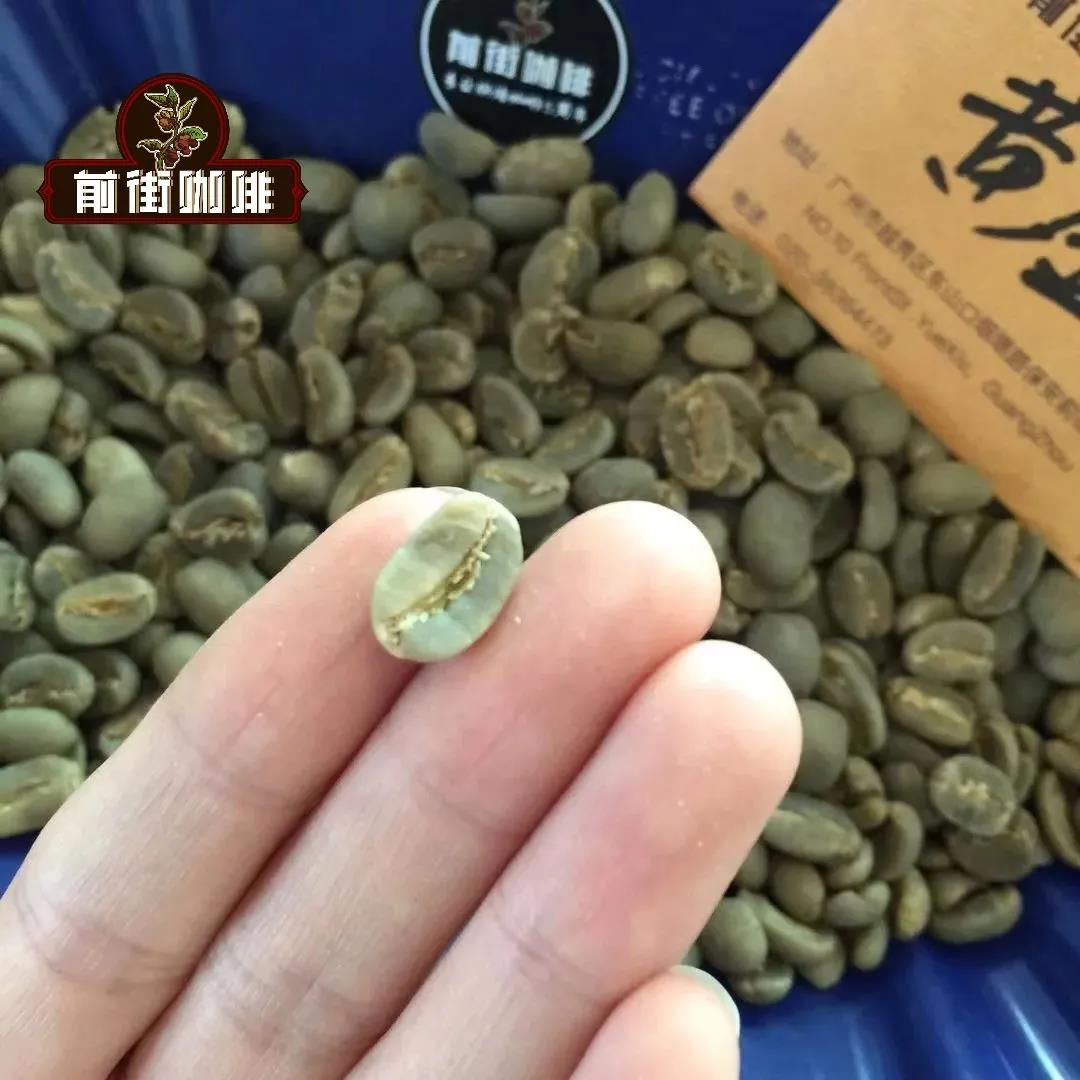
Dark Roast: PWN Golden Mandheling
Dark roasts exist to showcase deep chocolate flavors. Brewing again uses a coarser grind and lower water temperature than light roast.
Region: Sumatra
Company: PWN
Altitude: 1100-1600m
Variety: Typica
Processing Method: Wet-hulled
FrontStreet Coffee Brewing Recommendations
Dripper: Kono
Water Temperature: 88°C
Dose: 15g
Ratio: 1:15
Grind Size: Medium-fine (BG#6W)
*Why the Kono: restricted airflow and longer water-to-grounds contact yield the full, rich mouthfeel this coffee deserves.

FrontStreet Coffee Brewing Method
Segmented extraction: bloom with 30g of water for 30 seconds, pour to 125g and pause; continue to 225g; remove the dripper as the bed surfaces. Total extraction time from bloom: 2'00".
Flavor Description
Multi-layered, rich yet clean, highly balanced — strong woody fragrance, rich malt and caramel aromas with fruity notes, and a persistent finish.
FrontStreet Coffee Recommendation
Three variables decide a roast's final flavor: acidity, sweetness, and bitterness. Darker means more bitter and heavier; lighter means more acidic and lighter-bodied. If you chase balance, start with medium roasts. FrontStreet Coffee's Fazenda Rainha — Yellow Bourbon from Brazil, the world's largest coffee producer — is the classic answer for drinkers who dislike both sharp acidity and heavy bitterness: medium roasted, it shows cream, peanut, chocolate, toasted bread, and sugarcane sweetness, and works equally well as pour-over, moka pot, or espresso.
For a sweeter medium roast, try the Strawberry Candy Geisha blend, marrying a Costa Rican honey-process coffee with washed Panama Geisha at a medium roast — orange-blossom honeyed tones and rounded sweetness across cold brew, pour-over, or espresso. Yunnan's 2013 natural Typica delivers nuts, brown sugar, black tea, and dried apricot in a soft, balanced cup, while Jamaica Blue Mountain No.1 — Typica grown in ideal conditions and medium roasted to fuse its acidity, bitterness, sweetness, and body — offers chocolate, roasted nuts, cream, and caramel the moment it hits the palate.
Important Notice :
FrontStreet Coffee is a long-established specialty coffee roaster in Guangzhou China, selling freshly roasted beans from its own farm in Yunnan as well as dozens of carefully selected single-origin beans from around the world for both pour-over and espresso. The products deliver consistently excellent quality and great value, with shipping within 24 hours. Guangzhou's FrontStreet Coffee shop is recommended by many coffee lovers, and the beans are now available online at the Tmall 。
FrontStreet Coffee has moved to a new address:
FrontStreet Coffee Address: 315,Donghua East Road,GuangZhou
Tel:020 38364473
 Scan and follow the En Gafei WeChat official account. Please indicate that the reprint comes from "En Gafei".