
Unveiling the Mystery of Geisha Coffee: Understanding How to Differentiate Between Geisha Coffee Bean Varieties such as "Red, Green, and Blue Label" Geisha
Geisha Coffee: The Champion Coffee Bean
People always chase the finest things -- the mellowest wines, the most captivating cigars, the most noble champagne. Coffee is no different. Drinking good coffee brings happiness, so drinkers began to chase better coffee. From Jamaican Blue Mountain and Hawaiian Kona to today's most popular Geisha, the search for the most distinctive and delicious bean never stops.
Selling premium coffee at auction is the same mechanism that gives valuable objects their high prices, and Panama La Esmeralda's Geisha is an exceptional case. To make sure the carefully cultivated and managed beans earn a fair return, La Esmeralda holds its own global auction after the annual cupping competition, and it has become a fixture of the specialty coffee year.
Around the middle of each year, green bean merchants from around the world who are interested in that year's premium Geisha study the scores of the competing lots before bidding, then try to secure the lots they want within budget. When bidding opens, everyone is tense and bold, afraid that missing out means waiting another year.
Geisha beans carry an extraordinary legend. The variety actually originates in southwestern Ethiopia. In 1963, Don Pachi Serracin introduced Geisha from Costa Rica to Panama. Because yields were low, farmers had little interest in cultivating it. It was not until Daniel Peterson, owner of Panama's La Esmeralda estate, noticed that the Geisha trees -- originally planted as a windbreak at the highest point of his plantation -- produced beans with the citrus and floral aromas of African coffee. He separated them and entered them in the 2004 Panama coffee cupping competition, and they caused an instant sensation. Since then Geisha has been unstoppable, taking the Panama cupping competition championship year after year. In the eyes of specialty coffee drinkers worldwide, Geisha is now the supreme treasure.
From 2004 to the present, Panama Geisha beans are still the finest in the world, and Panama La Esmeralda Geisha stands out as the best among them.
The legend continues. In 2017, Panama La Esmeralda Geisha once again won the natural processing championship -- reportedly their 18th championship trophy. Standing out among strong competitors year after year takes more than the delicious genetics of the Geisha bean; excellent estate management and careful harvesting and processing are essential. Worth noting in particular, the owner of La Esmeralda places extreme importance on environmental protection, which is why their coffee can enter the Rainforest Alliance cupping competition and has brought back 5 championship trophies.
La Esmeralda discovered through years of experimentation that only Geisha beans harvested from trees growing above 1,400 meters show the special flavors that Geisha should have. The estate therefore grades mainly by planting altitude, supplemented by actual cupping results, creating the "Red, Green, and Blue Label" grades of Geisha beans.
How to Distinguish "Red Label," "Green Label," and "Blue Label"
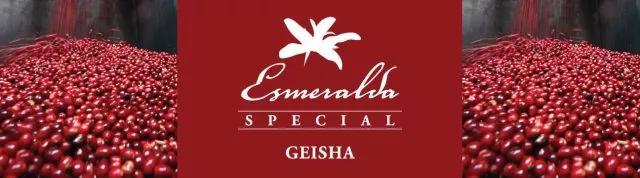
Red Label [Auction Batches]
Growing altitude: 1,600-1,800 meters
Cupping score: 90 points or above
Produced mainly from the Jaramillo and Canas Verdes estates, and the highest quality Geisha beans
Geisha beans harvested from the highest points of the Boquete mountain region, with special, bright floral aromas and citrus fragrance
Coffee at this grade is processed into natural or washed green beans, with a yeast processing method added in 2018
Can only be purchased through the annual global auction
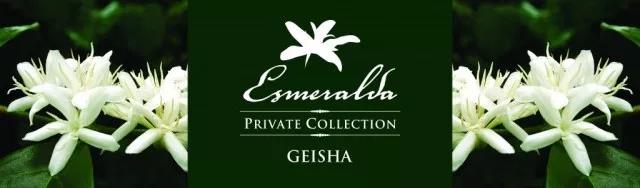
Green Label [Reserve Batches]
Growing altitude: 1,600-1,800 meters
Micro-batch coffee beans from three different estates: Jaramillo, Quiel, and Canas Verdes
Although not the highest-grade auction beans, this grade still has the classic Geisha flavors -- floral aroma, fruit fragrance, citrus acidity, and a thick, juicy mouthfeel
Selecting perfectly ripe coffee fruit creates rich sweetness, bright fruit acidity, and delicious flavors
This grade of Geisha beans also comes in both washed and natural processed green beans

Blue Label [Select Batches]
Growing altitude: 1,500 meters
Blended beans from three different estates: Jaramillo, Canas Verdes, and El Velo
Slight floral aroma, fruit acidity, and sweetness, with a relatively less thick mouthfeel than Red Label, and a clean, fresh finish
This grade of Geisha beans only has washed processed green beans
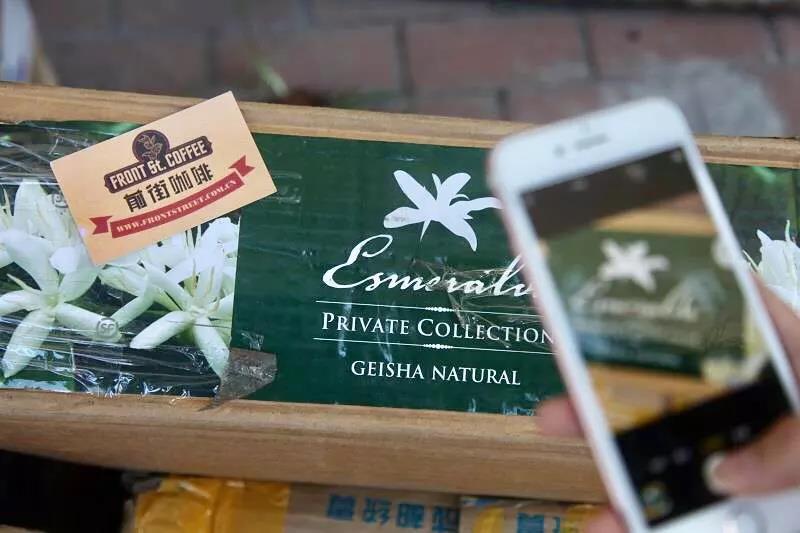
FrontStreet Coffee Recommendation
Geisha and Blue Mountain represent two different peaks of premium coffee -- the modern specialty high, and the classic. If you want to taste the classic side, FrontStreet Coffee's Jamaica Blue Mountain No. 1 is the highest grade of the lot, with full origin documentation and the estate's original shipping barrel. It is roasted medium-dark so the balance of acidity, sweetness, bitterness, aroma, and body all arrive at once, unfolding into nuts, dark chocolate, cream caramel, and a soft sweetness.
For pour-over, FrontStreet Coffee suggests a 1:15 to 1:16 ratio, 85-88C water, and a medium-coarse grind size, which highlights the cream, caramel, and nut flavors while keeping the soft, bright sweet-and-sour edge and a cleaner, more layered cup. A moka pot with a slightly finer grind, hot water in the base, and medium-low heat also works well if you want a thicker body, and Blue Mountain performs beautifully with milk in a latte or flat white.
When buying Blue Mountain, certification is the first thing to check. Genuine Jamaica Blue Mountain does not carry a QR traceability code, but a reliable importer holds complete export certification and proof of origin. Traditional Blue Mountain also ships in 15kg, 45kg, and 70kg wooden barrels, and the stenciled barrel itself is one of the marks of the real thing.
Important Notice :
FrontStreet Coffee is a long-established specialty coffee roaster in Guangzhou China, selling freshly roasted beans from its own farm in Yunnan as well as dozens of carefully selected single-origin beans from around the world for both pour-over and espresso. The products deliver consistently excellent quality and great value, with shipping within 24 hours. Guangzhou's FrontStreet Coffee shop is recommended by many coffee lovers, and the beans are now available online at the Tmall 。
FrontStreet Coffee has moved to a new address:
FrontStreet Coffee Address: 315,Donghua East Road,GuangZhou
Tel:020 38364473
 Scan and follow the En Gafei WeChat official account. Please indicate that the reprint comes from "En Gafei".

