How to Brew Brazil Santos Coffee | Is V60 the Best Method for Pour-Over Brazil Santos?
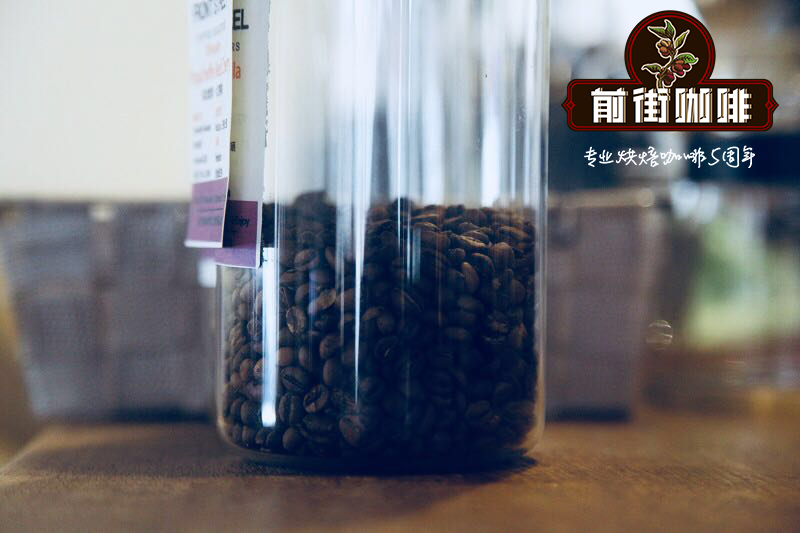
Brazil Santos Coffee
Brazilian coffee takes its trade name from the port through which it ships, hence "Brazil Santos." The country accounts for roughly one-third of world coffee production and holds a pivotal position in global trade. The coffee it produces is uniform in quality and widely considered an indispensable blending bean, with a rounded flavor, neutral, with moderate acidity.
Tasting Characteristics
Cupped as a single origin, Brazil Santos shows very harmonious aromatics: a neutral, fresh fragrance with notes of red dates, dried fruit, cinnamon, nutmeg, and earth. On the palate it starts very balanced, then a subtle acidity spreads across the tongue, finishing with just a light bitterness.
Blending and Usage
In practice, Santos is almost always used for blending, though its high aromatic quality, suitable bitterness, and acidity comparable to premium varieties also make it drinkable on its own. It has long been a cornerstone of blended coffees, familiar to the general public. Brazilian beans turn up in so many house blends precisely because their character pairs well with practically any other bean, and their stable quality is backed by Brazil's world-leading production volume.
Added to highly acidic coffees, Brazilian beans use their bitterness to temper the more assertive flavors of other origins. For example, beans with pronounced acidity, Mocha, Guatemala, Kilimanjaro, can be blended with Brazilian coffee to soften their acidity and round out the flavor.
Brazil Santos coffee is exported from the port of Santos in São Paulo state and represents the top grade of Brazilian coffee. The beans are large, light green to pale yellow, with brown cracks at the center. Most are processed by the natural (dry) method.
Quality Grading
Santos No. 2 is the highest grade of Brazil Santos coffee, allowing no more than 4 defective beans per 300g of green coffee. Beans are screened and classified by sieves with uniformly sized holes, the 18-mesh large beans are selected.
FrontStreet Coffee's Brazil Santos Brewing Recommendation:
Dripper: Hario V60
Water Temperature: 88°C
Grind Size: Fuji Royal grinder, setting 4
Brewing Method: Coffee-to-water ratio 1:15, using 15g of grounds. First pour 25g of water for a 25-second bloom. Second pour to 120g, then pause. Wait until the water level in the coffee bed drops to half, then continue pouring slowly up to 225g total. Extraction time: approximately 2:00.
FrontStreet Coffee Recommendation
As the world's largest coffee producer, Brazil grows a huge range of coffees. Brazilian beans carry moderate acidity and a beautiful balance of sweetness, bitterness, and body, which is why a medium roast suits them so well, coaxing out nutty aromas and a mellow, gently acidic cup that works as a single origin or in a blend. A few FrontStreet favorites:
FrontStreet Brazil Cerrado Red Bourbon, If you just want a taste of the Brazilian profile, go for the FrontStreet pulped-natural Cerrado, a truly classic Brazilian single origin. Cerrado is one of the country's best-known growing regions, famous for high-quality beans. This lot is the Red Bourbon variety common across South America; at a medium roast it shows rich aromas of creamy peanut, toasted bread, caramel, and hazelnut, a rounded cup, not sour, with just a whisper of bitterness. It works as pour-over, but equally in a moka pot, as an espresso SOE, siphon, or French press.
FrontStreet Brazil Queen Estate Yellow Bourbon, FrontStreet's other Brazilian single origin, Queen Estate, comes from Mogiana, near southern Minas, where fertile red volcanic soil feeds the cherries plenty of nutrients and builds full, rich aromatics. Some farms there stick to traditional operations while others have adopted modern standardized management, so local quality has improved dramatically. Queen Estate's variety is the rare Yellow Bourbon, a genetic mutation of Red Bourbon with a cleaner fruit character. Through pour-over, moka pot, or home espresso machine, FrontStreet's Brazil Queen Estate shows a sugarcane sweetness you won't find from other origins, alongside fruit and chocolate notes.
FrontStreet Espresso Blend Series, Low acidity, balanced flavor, and approachable pricing have made Brazilian coffee a first choice for many espresso formulas. The crema-rich FrontStreet Classic Blend, the nut-forward FrontStreet Specialty Blend, the well-balanced FrontStreet Dark Cocoa Blend recommended by many baristas, and the shop-ready FrontStreet Commercial Blend all contain Brazilian components. The Brazilian beans contribute chocolate and cream aromas plus a gentle sweet-sour-bitter balance, and that even-keeled character also helps extraction stability.
Important Notice :
FrontStreet Coffee is a long-established specialty coffee roaster in Guangzhou China, selling freshly roasted beans from its own farm in Yunnan as well as dozens of carefully selected single-origin beans from around the world for both pour-over and espresso. The products deliver consistently excellent quality and great value, with shipping within 24 hours. Guangzhou's FrontStreet Coffee shop is recommended by many coffee lovers, and the beans are now available online at the Tmall 。
FrontStreet Coffee has moved to a new address:
FrontStreet Coffee Address: 315,Donghua East Road,GuangZhou
Tel:020 38364473
 Scan and follow the En Gafei WeChat official account. Please indicate that the reprint comes from "En Gafei".