Ethiopia 2024 Harvest Season Authentic Guji Coffee Bean 8.0 Flavor Profile & Characteristics Introduction - How to Brew Sidamo Guji Coffee for Best Taste
What is "Hua Kui" Coffee?
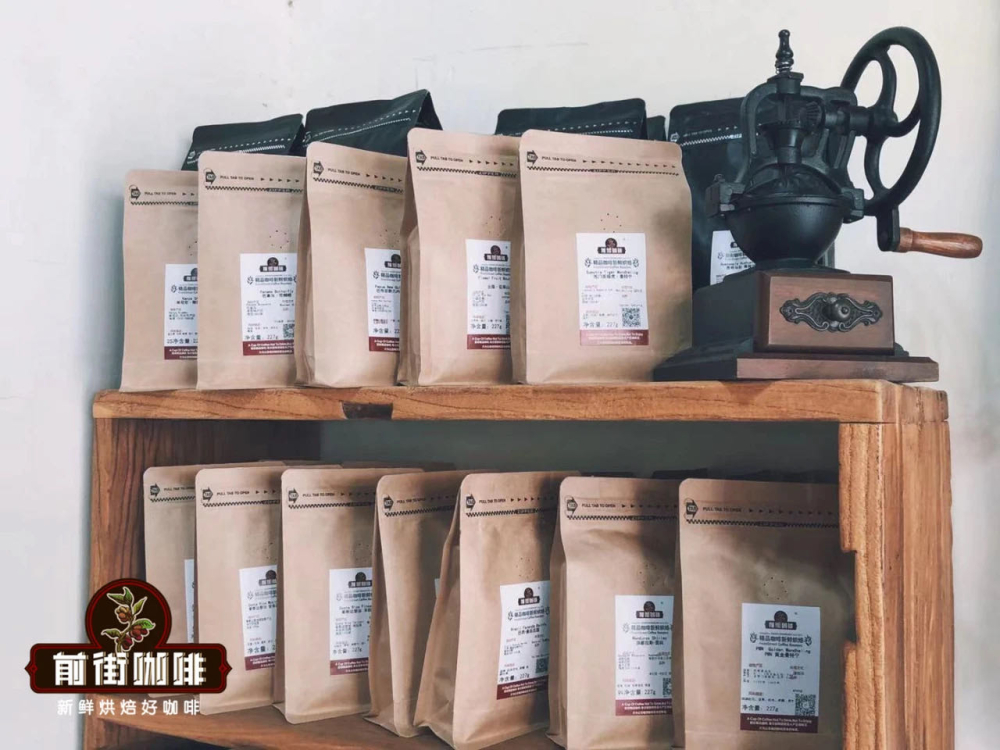
Hua Kui literally translates as "flower champion," a bean that ought to be "overflowing with floral fragrance." In reality, that is not quite the case. FrontStreet Coffee's Hua Kui beans do not carry a strong floral aroma; instead their fruit aromas stand out, with notes such as passion fruit, strawberry, mango, jackfruit and citrus. Only natural processed coffee from the Buku Abel processing station qualifies as "Hua Kui," which is why Buku Abel is also known as the "Hua Kui Estate." In February 2017, a natural processed coffee from Hambela, processed by Buku Abel, won the Ethiopia National Taste of Harvest Competition.
The Rise of Hua Kui
Four months later, in the finals of the World Brewers Cup China region, Li Jianfei took runner-up using this Ethiopian natural coffee. The result caused a sensation, because it broke Geisha's monopoly in brewing competitions and became the only coffee capable of competing with it.
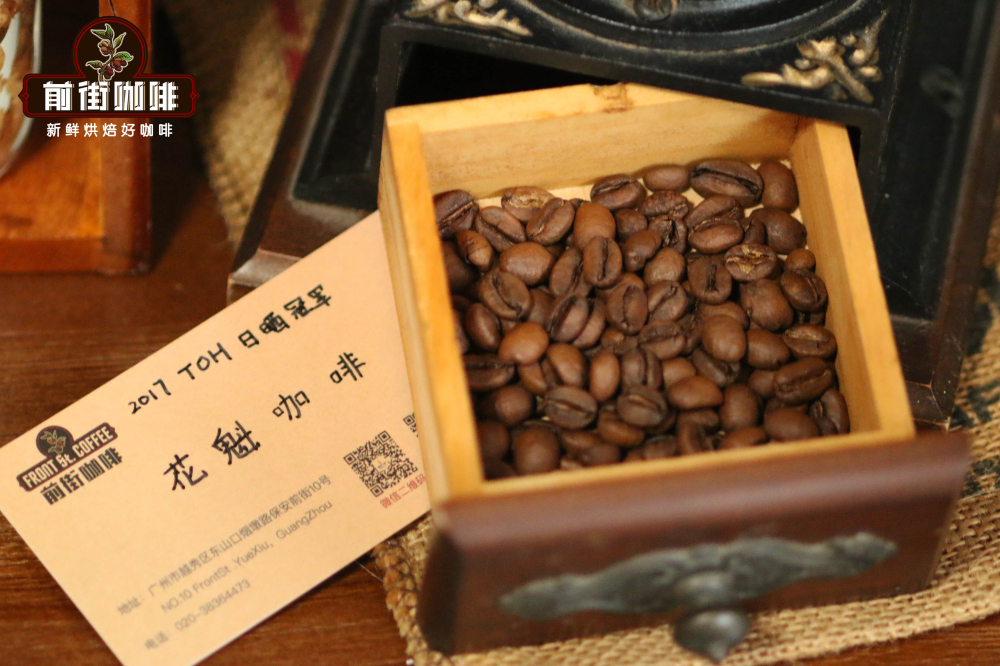
That same year, the Chinese green coffee importer Hongshun brought this coffee to China. Because contestant Li Jianfei used these beans to defeat most Geisha varieties, and because the English pronunciation of "Geisha" is the same as the Japanese word for a female entertainer, Hongshun boldly named this coffee "Hua Kui," which in ancient times was the highest rank among such performers.
Origin and Growing Region
This bean, named "Hua Kui," comes from the Guji region of Ethiopia. Guji was formerly part of the Sidamo coffee region but was established as a separate new region by the Ethiopia Commodity Exchange (ECX) in 2010. The Guji region lies southeast of Yirgacheffe and is an area of complex terrain including towering mountains, valleys and plains. Its average altitude is above 1,800 meters, giving Guji every excellent condition for producing specialty coffee.
Hambela is a sub-region of the Guji area. FrontStreet Coffee understands that there are currently over 20 processing stations of various scales in the Hambela region. Dintu Village is the center of Hambela town, which sits next to Shakiso in the southern part of the Oromia region, close to Sidamo and Guji. The area has many pits that were originally used for gold mining, leaving holes across the coffee-growing land and making it dangerous to walk through. Like the Shakiso style, Dintu Village is a unique producing area within Sidamo coffee, and even within Sidamo it is a remote spot far from most coffee regions. It therefore also faces the challenge of needing manual labor to maintain the growing areas and harvest the coffee.
Buku Abel Processing Station

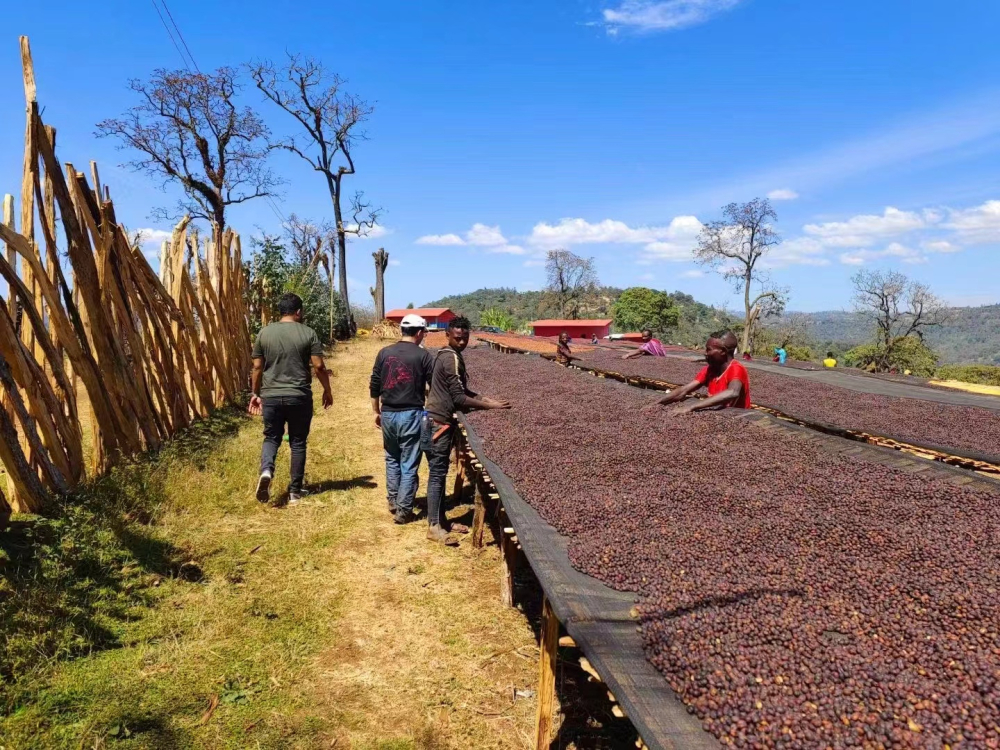
Buku Abel is a small mountain village surrounded by mountains. It originally had no estate or processing station. Everything began with the lush, verdant heirloom coffee trees on the mountain behind the village. These heirloom trees are unique Ethiopian varieties. By December each year they bear an abundance of red cherries. Villagers go to the back mountain, pick the red fruit, screen out defects, then place the cherries on African drying beds at the village entrance for natural processing.
The processed beans are exchanged for money, becoming the economic source that sustains the whole village. This cycle repeats year after year, and the area behind Buku Abel mountain gradually became the Buku Abel coffee estate. According to FrontStreet Coffee's understanding, farmers harvest the fruit from December to January each year, and the cherries must reach a sugar content above 30% before natural processing can begin. The natural process is very meticulous: the first two days must maintain the humidity of the cherries so their fruit sugars ferment thoroughly. When the temperature is high at noon, shading is needed in time to prevent the sun from damaging the cherries and hindering fermentation. At night, thick plastic is used to wrap them against sudden rain.

Coffee cherry fermentation and dehydration require relatively low temperatures. After 18 days of natural drying, the moisture content of the green beans drops to around 13%, at which point natural processing stops and the beans are placed in jute bags in the warehouse. On top of that, the green beans rest for about fifty more days with further dehydration. When their moisture content reaches about 11%, they are transported to the processing station for hulling and other subsequent processing.
Flavor Profile Evolution
Basic Flavor Profile of FrontStreet Coffee's Hua Kui
The 2017 Hua Kui beans had a very rich strawberry flavor. Because of this, many friends who experienced Hua Kui's flavor that year were deeply impressed and came to trust this bean.
Basically, the terms DW company, Buku processing station, Beijing Hongshun and Hua Kui coffee are linked together. But we all know that coffee beans are an agricultural product, and their flavor shifts subtly with the climate and growing conditions of each year. As the producer DW company, the Buku processing station and the Chinese importer Hongshun all understand this well, they launched Hua Kui 2.0 the following year, signaling a flavor different from the 2017 beans.
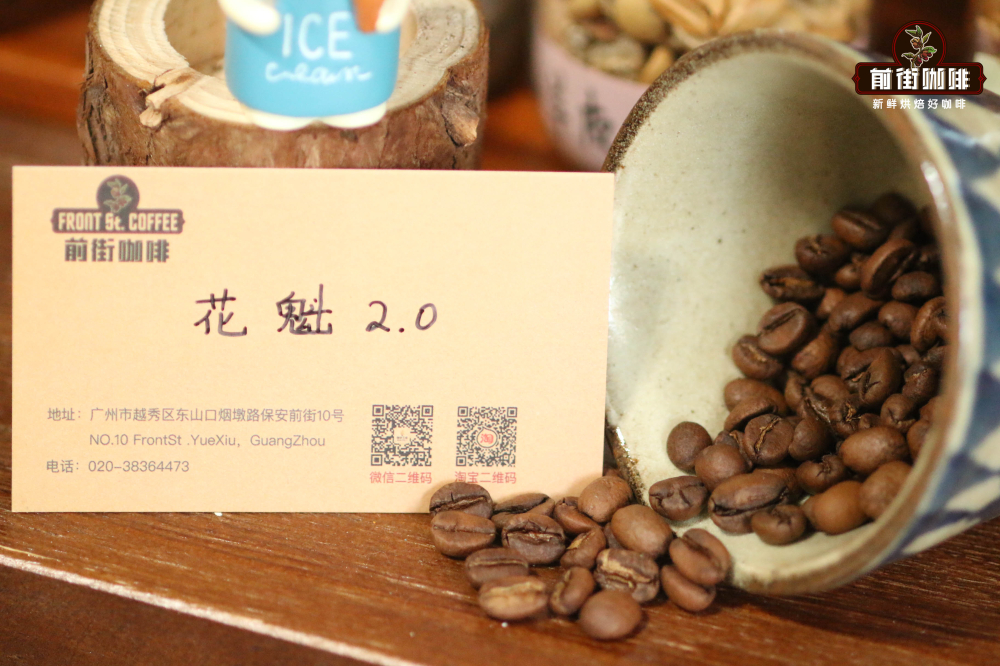
FrontStreet Coffee introduces Hua Kui green beans every year. Comparing FrontStreet Coffee's 2017 Hua Kui, 2018 Hua Kui 2.0 and 2019 Hua Kui 3.0, it was found that while FrontStreet Coffee's Hua Kui 2.0 and 3.0 still retained strawberry flavor, it became increasingly weak.
Subsequently, DW company expanded production scale and acquired several nearby processing stations. There are currently four stations: "Buku Abel," "Buku Saysay," "Haro Soresa" and "Tirtiro Goye." This greatly increased processing capacity, and the range of coffee cherries used for processing also expanded.
With DW company's annual expansion and production growth, the flavor also shows clear differences from the 2017 Hua Kui. Strictly speaking, only natural processed beans from the "Buku Abel" processing station can be called Hua Kui coffee beans. FrontStreet Coffee found that the main source of the 2017 Hua Kui aroma was some particularly small-grained varieties among FrontStreet Coffee's Hua Kui beans, and similar small-grained coffee was also found in the 2018 and 2019 lots. Starting in 2020, the processing station began to process the small-grained Hua Kui separately again. The small-grained Hua Kui therefore does not belong to the [X.0] series. From 2020, DW company processed the small-grained varieties separately to form small-grained Hua Kui coffee beans.
By 2021's FrontStreet Coffee Hua Kui 5.0 beans, the flavor was completely different from the 2017 FrontStreet Coffee Hua Kui. FrontStreet Coffee's Hua Kui 5.0 leaned more toward citrus fruit notes and no longer had the strawberry flavor of the original year, though it still captivated the taste buds of many friends.
Quality Challenges in 2022
In June 2022, FrontStreet Coffee also received Hongshun's FrontStreet Coffee Hua Kui 6.0 batch, but this Hua Kui 6.0 was somewhat disappointing. When FrontStreet Coffee received the green beans, it found many flat beans with plump but incomplete granules. After roasting, FrontStreet Coffee's baristas screen for defective beans, and even after screening many flat beans, cracked beans, incomplete beans and irregular beans remain. (In the picture below, FrontStreet Coffee randomly sampled 15g and still picked out quite a few defective beans.)
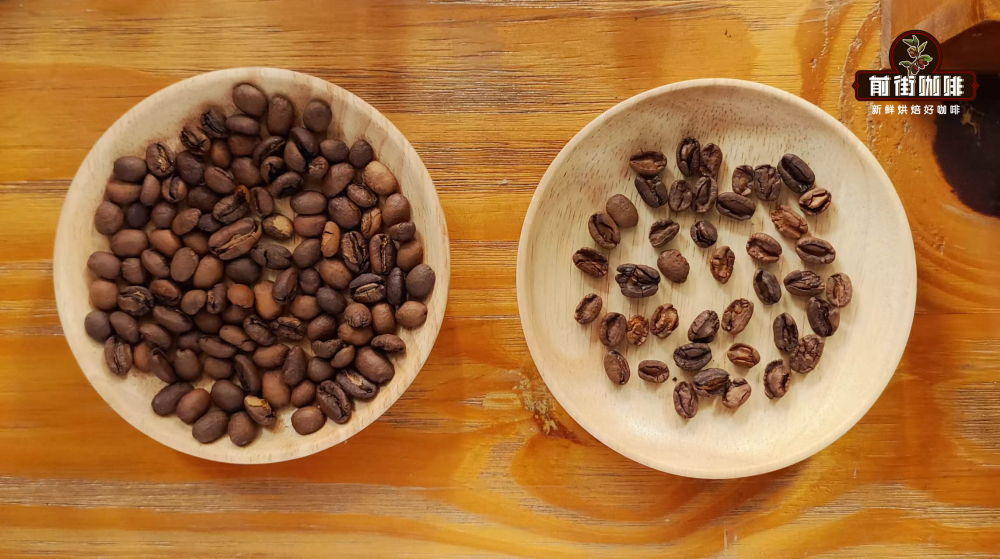
For this reason, FrontStreet Coffee believed such beans would be hard for the public to accept, so it sought out beans processed by Buku Abel that year (not imported by Hongshun), which had full granules, complete particles and few defects.
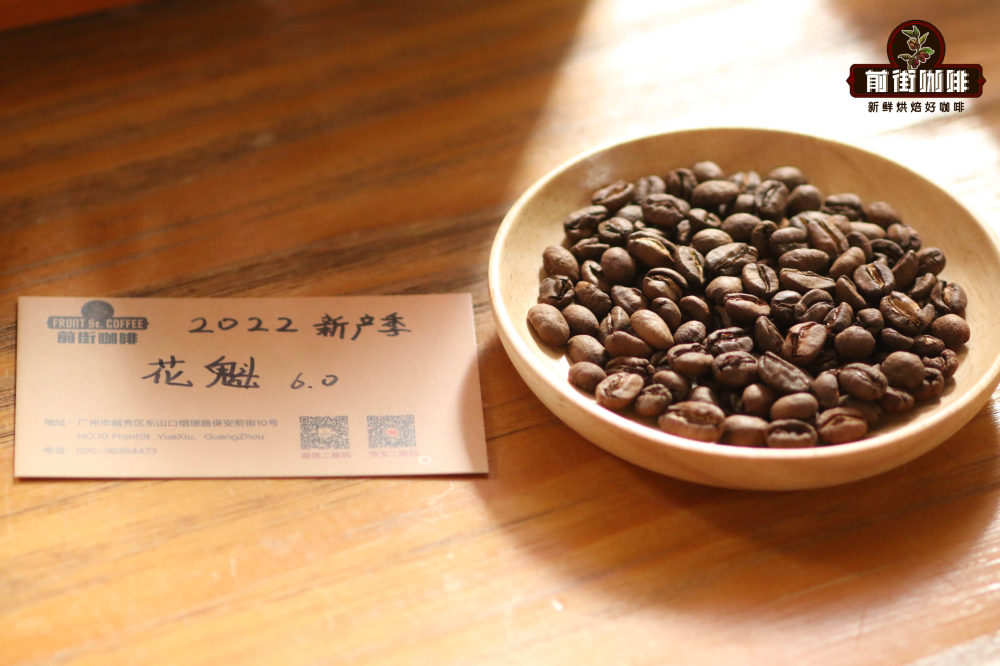
Through cupping: Hongshun's Hua Kui 6.0 shows berries, honey and passion fruit with prominent sweetness.
The 2022 new harvest season Hua Kui bean shows orange blossom, citrus, honey and grapefruit, with a very strong juice-like sensation.
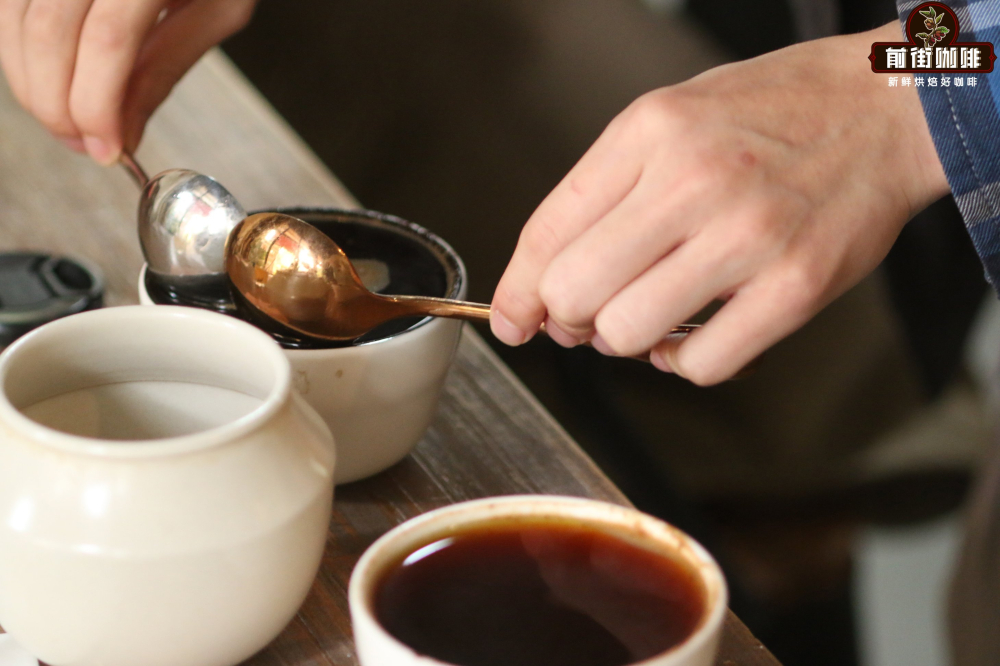
Brewing Recommendations from FrontStreet Coffee
Brewing Parameters
Dose: 15 grams of coffee
Coffee-to-water ratio: 1:15
Water temperature: 90°C
Grind size: 80% passing through Chinese standard #20 sieve
Dripper: V60
Brewing method: 30g water bloom for 30 seconds, then directly pour to 125g in the center, segment when the coffee bed appears, then pour to 225g, remove the dripper when the bed appears, total extraction time: 2 minutes.
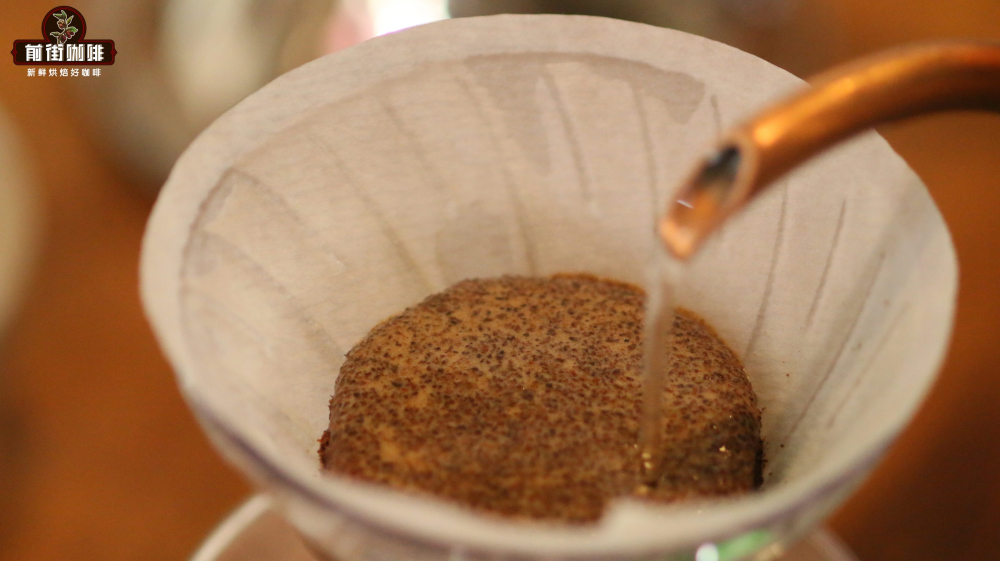
The reason for blooming the grounds for 30 seconds is to let the carbon dioxide in the coffee particles release fully, enabling more thorough flavor extraction afterward. The beans shipped by FrontStreet Coffee are roasted within 5 days. When friends receive the goods, the beans have already rested for 4 to 7 days, which is when the flavor is at its best. Brewing at this time, friends can see the blooming "hamburger" during the bloom stage.
Some friends also lack grinding equipment at home. FrontStreet Coffee provides grinding services for this purpose. FrontStreet Coffee must remind everyone that once beans are ground into powder, degassing becomes more active and flavor compounds dissipate faster. FrontStreet Coffee therefore suggests buying whole beans and grinding fresh before brewing.
Recent Harvest Updates
2023 Hua Kui 7.0
In 2023, Hongshun Coffee also released the new harvest season of Hua Kui, named "Hua Kui 7.0." Compared with the declining reputation of 2022's Hua Kui 6.0, this year's Hua Kui 7.0 series seems determined to save the reputation of the line. According to FrontStreet Coffee's understanding, the first batch of Hua Kui 7.0 arrived at Shanghai Port on April 17th, meaning Hua Kui 7.0 would reach the market around April 24th. The second batch of Hua Kui 7.0 arrived at port in May.
The new harvest season's FrontStreet Coffee Hua Kui 7.0 beans arrived on schedule in May 2023. FrontStreet Coffee also obtained the green beans at the first opportunity and carried out comparative observation and cupping after roasting.
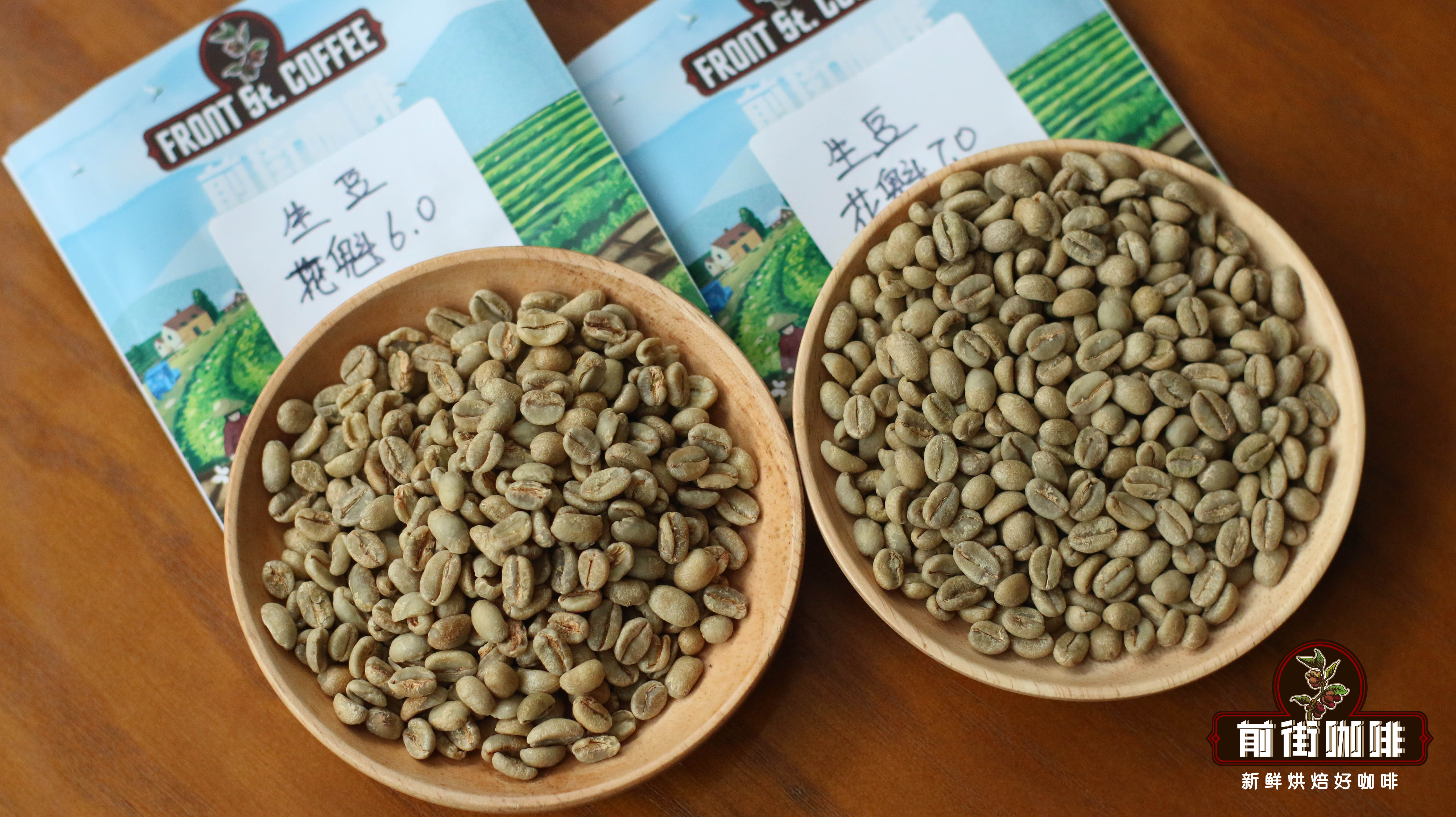
Compared with FrontStreet Coffee's Hua Kui 6.0, FrontStreet Coffee's Hua Kui 7.0 green beans have a lower defect rate, and the overall situation is much better than 6.0. FrontStreet Coffee conducts careful selection both before and after roasting. After cupping and confirmation, FrontStreet Coffee's new harvest season Hua Kui 7.0 flavor performance is fruit fermentation aroma, berries, citrus and honey.
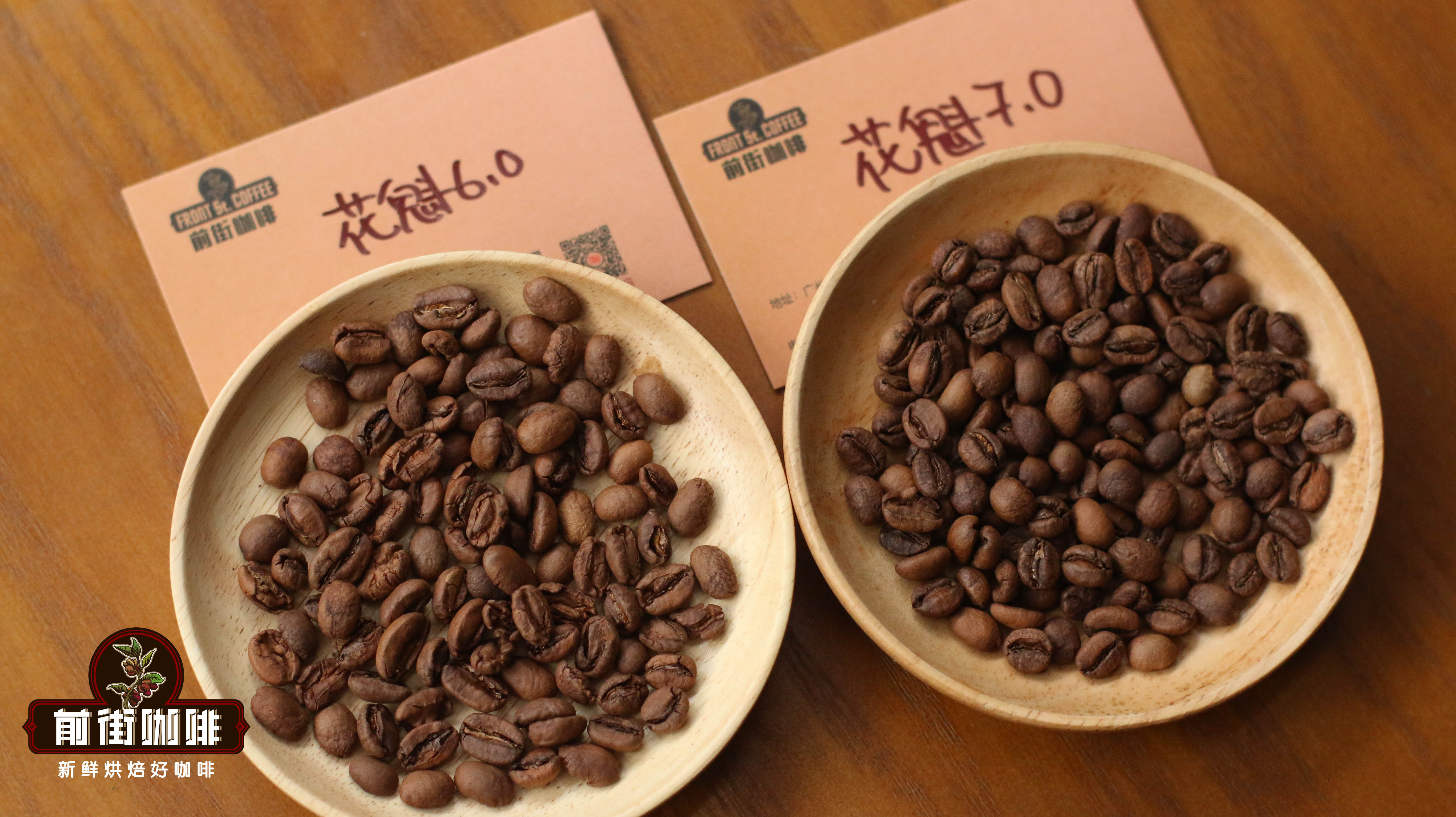
2024 Hua Kui 8.0
Coming to 2024, Hua Kui has unconsciously entered its 8th year since debut, and the latest harvest season batch follows the multi-year naming convention, launched as "Hua Kui 8.0." Tasting the new Hua Kui has become a top priority for its die-hard fans.

The latest harvest season's FrontStreet Coffee Hua Kui 8.0 shows richer fruit aromas than 7.0 in its dry fragrance, with complex aromas such as guava, jackfruit, apricot, preserved fruit, citrus and floral notes. When hot water is poured, honey and berry sweet aromas can be smelled. Through slurping, FrontStreet Coffee first experiences multiple fruit sweet-and-sour notes such as dried mango, jackfruit, orange and passion fruit in this FrontStreet Coffee new harvest season Hua Kui 8.0, with a clear juice-like sensation and a rounded mouthfeel. As the temperature drops slightly, the light sweetness of peach and the acidity of berries begin to emerge, and after swallowing one can feel a sweet aftertaste similar to drinking black tea.
FrontStreet Coffee Recommendation
Hua Kui made its name by breaking Geisha's grip on brewing competitions, and if that story makes you curious about the variety itself, FrontStreet's Boquete Geisha is an accessible introduction. This entry-level Panama Geisha offers the classic orange-blossom honey character with oolong tea and delicate fruit acidity in clear layers, showing why Geisha became the benchmark for modern specialty coffee.
For something closer to estate level, FrontStreet's Geisha Village Gold Label, a Geisha 1931 lot that makes up 10% of the village's output, is precision natural processed and cupped for complex, layered flavor, while the Geisha Village Red Label, a Gori Gesha lot at 15% of production, scores 88 or above on the SCA 100-point scale and carries full traceability. If you simply want a sweet, fruit-forward alternative, FrontStreet Strawberry Candy, a Costa Rican honey-processed lot blended with washed Panama Geisha, brings raisin, cream and strawberry-candy aromas with a smooth texture and works for pour-over, moka pot, espresso and cold brew.
Important Notice :
FrontStreet Coffee is a long-established specialty coffee roaster in Guangzhou China, selling freshly roasted beans from its own farm in Yunnan as well as dozens of carefully selected single-origin beans from around the world for both pour-over and espresso. The products deliver consistently excellent quality and great value, with shipping within 24 hours. Guangzhou's FrontStreet Coffee shop is recommended by many coffee lovers, and the beans are now available online at the Tmall 。
FrontStreet Coffee has moved to a new address:
FrontStreet Coffee Address: 315,Donghua East Road,GuangZhou
Tel:020 38364473
 Scan and follow the En Gafei WeChat official account. Please indicate that the reprint comes from "En Gafei".