How to Brew Delicious Pour-Over Single-Origin Black Coffee: Tutorial - Is Pour-Over Coffee Better Than Drip Coffee Machines?
Pour-over has become one of the most familiar ways to brew coffee. Whether you are standing behind the bar of a cafe or working at your kitchen counter, it is easy to brew a pot of black coffee. Still, brewing a genuinely delicious pot of pour-over takes a real understanding of extraction. In this article, FrontStreet Coffee walks you through the fundamentals of pour-over coffee.
What Is Pour-Over Coffee?
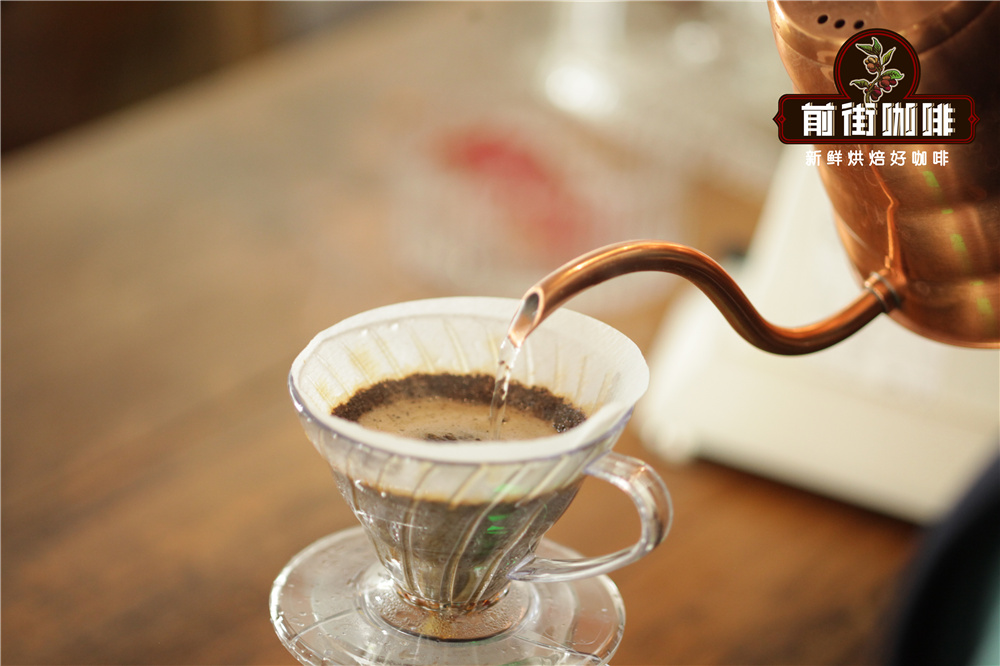
Pour-over coffee has gradually worked its way into our daily routine. At FrontStreet Coffee, drip coffee is always brewed with tools such as a dripper and a pouring kettle. One defining feature of this method is that a dripper lined with filter paper, or another filtering medium, separates the coffee grounds from the liquid.
If you look closely, you will notice that although we call it "pour-over coffee" in Chinese, English uses several different expressions: pour-over coffee, hand drip coffee, and filter coffee. So what does each of these actually describe?
FrontStreet Coffee believes that, because coffee is an imported product, the Chinese term for pour-over may well have been translated from "hand drip coffee." The different names reflect cultural differences. "Hand drip coffee" is more common in Japan and South Korea. As the name suggests, it emphasizes the "drip," which calls to mind Japan's famous drop-by-drop pouring method.
Similarly, "pour over" seems to emphasize the action of water tumbling through the coffee grounds, and is probably more common in Europe and North America. "Filter" refers to the filtering equipment itself, and some cafes in China also use "filter coffee" to mean pour-over. In many places, however, such as Melbourne, filter coffee may refer to coffee made with a drip coffee machine.
What Do You Need to Prepare?
Based on FrontStreet Coffee's years of experience, brewing a cup of pour-over coffee generally calls for the following tools:
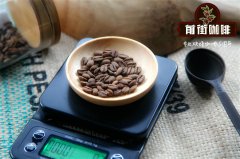
An electronic scale, a pour-over kettle, a dripper, filter paper, a server, a thermometer, a grinder, and - most importantly - coffee beans.
The dripper and filter paper filter out the coffee grounds while absorbing oils from the coffee, which makes the extracted liquid cleaner and more refreshing.
FrontStreet Coffee's daily lineup typically uses V60 and KONO drippers. Regular readers of FrontStreet Coffee's articles will also know that light-roast and dark-roast beans call for different water temperatures and drippers. Lower water temperatures are used to avoid extracting excessive undesirable flavors. By the time FrontStreet Coffee selects dark-roast beans, many aromatic compounds have already been released. If we keep extracting them at temperatures suited to light roasts, the result is over-extraction.
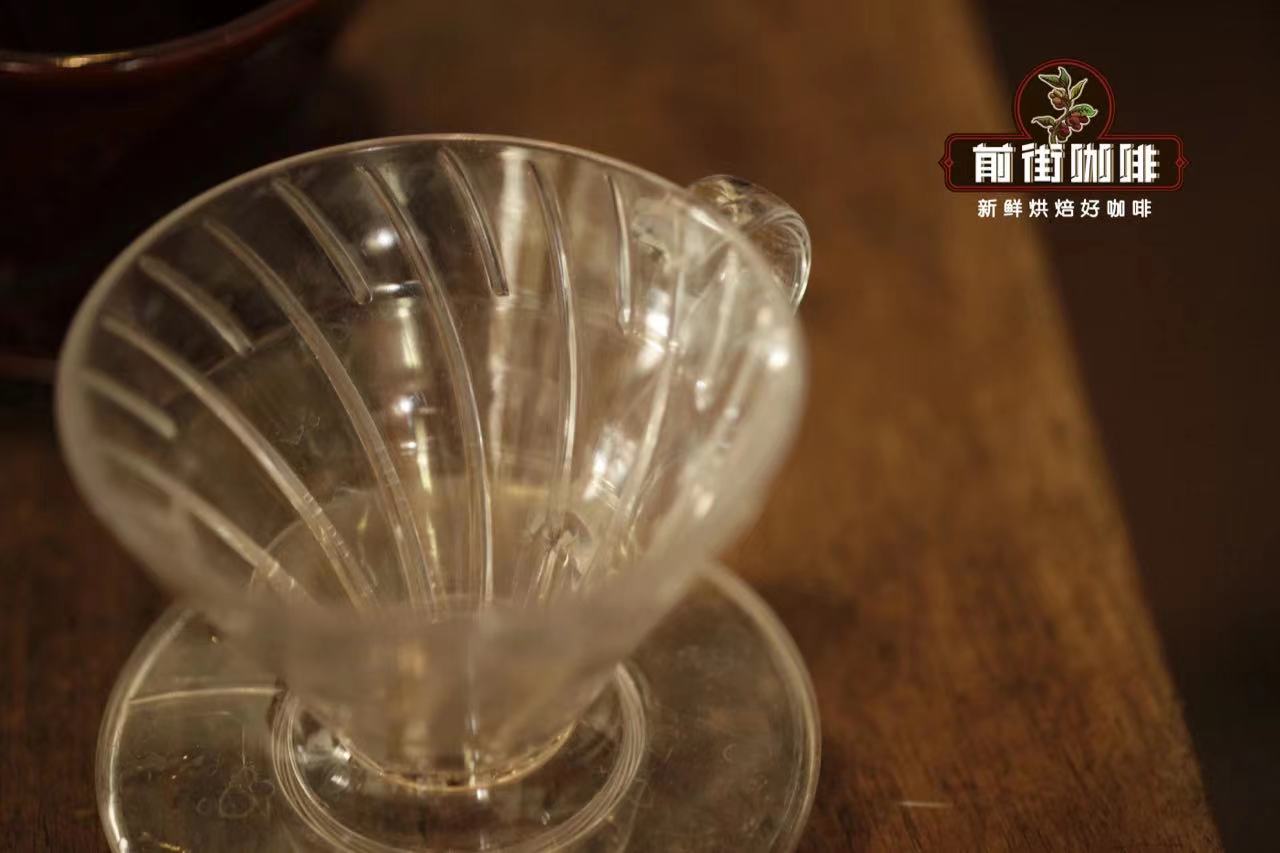
Compared with the KONO dripper, the V60 has a faster flow rate, which makes it prone to under-extraction at low water temperatures. The KONO dripper has fewer ribs, located at the bottom, and its filter paper hugs the dripper closely, which restricts airflow, prolongs contact between the water and the coffee grounds, ensures full extraction, and enhances the rich body.
The electronic scale is used to weigh the coffee beans and water and to track brewing time. Only when every parameter is quantified can a recipe be repeated and quality kept consistent. The same applies to the thermometer, which must confirm that the water is within the right temperature range before you pour.
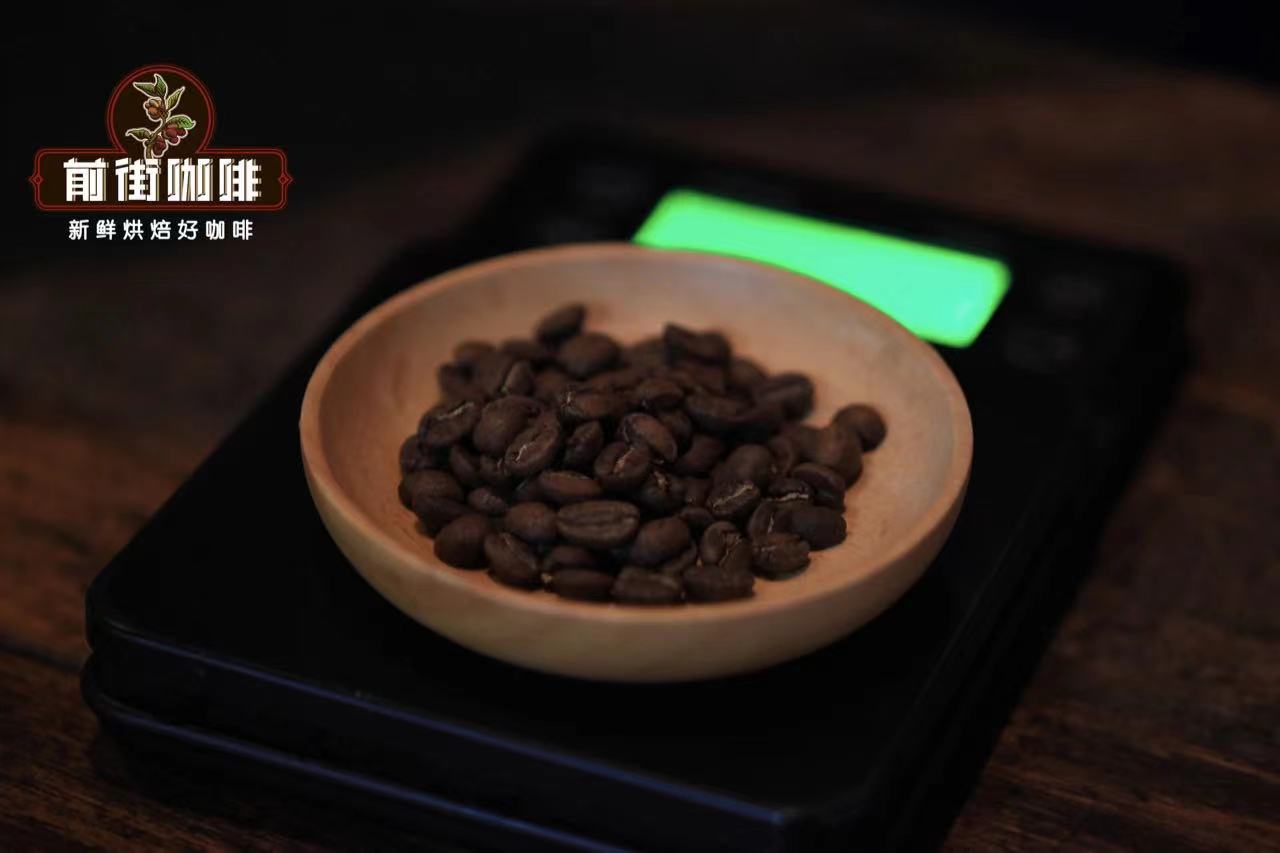
The grinder matters just as much. Grind size directly affects the taste of pour-over coffee. If the grounds are too coarse, the coffee may taste thin and weak; if too fine, it will taste bitter.
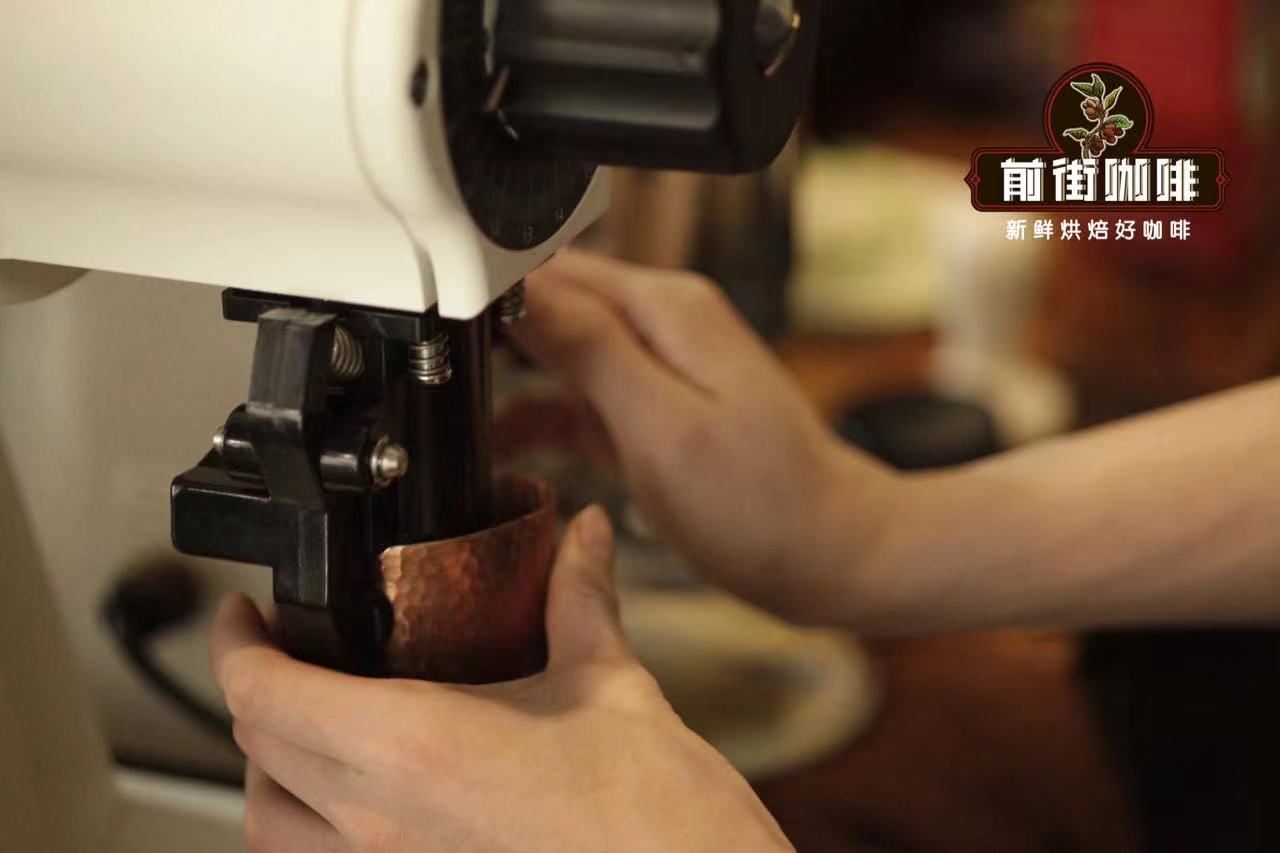
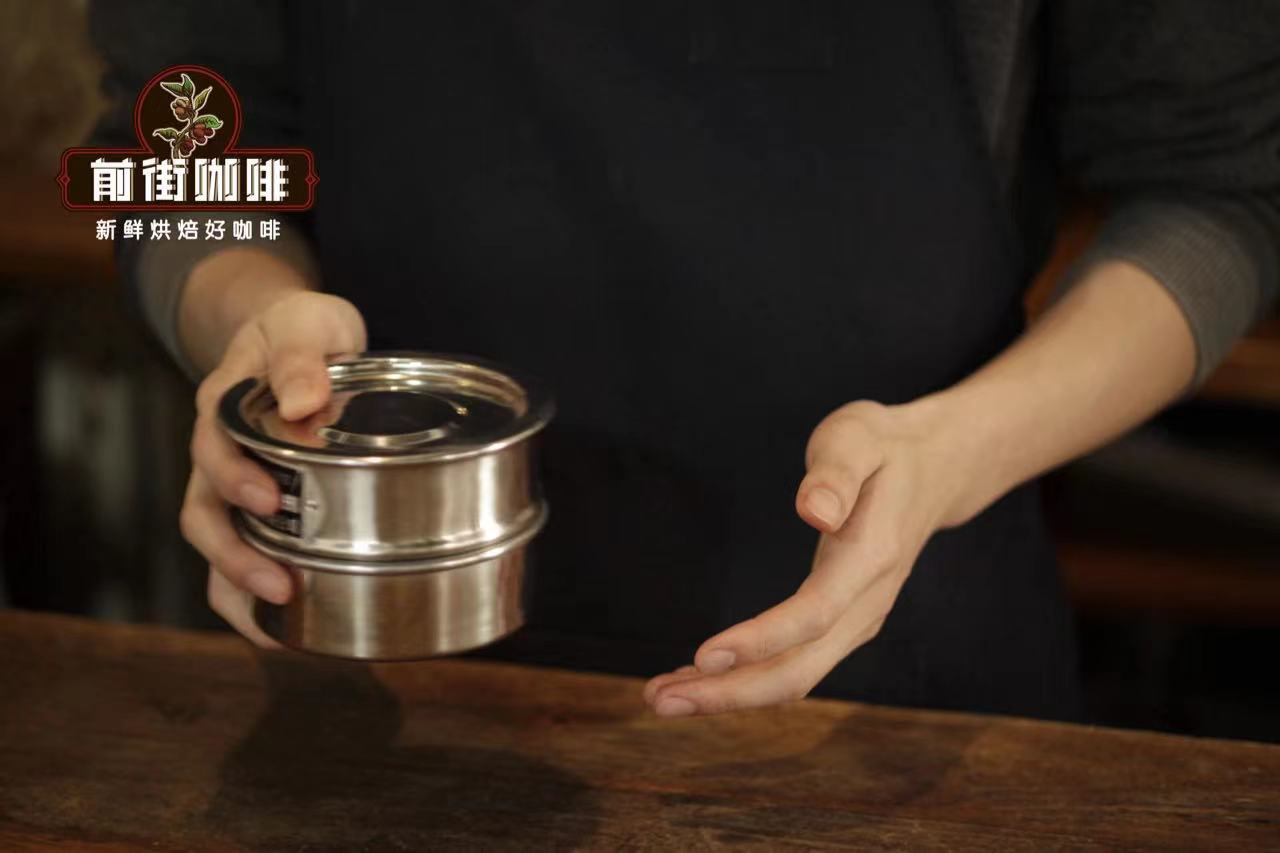
FrontStreet Coffee recommends a medium-fine grind for pour-over. For light-roast beans, the grind should pass an 0.85mm standard sieve at an 80% rate, while for dark-roast beans it should be 70% to 75%.
How to Brew a Good Cup of Pour-Over Coffee
Brewing pour-over coffee is actually quite simple. The key is to control the factors that shape the taste: the coffee-to-water ratio, grind size, water temperature, and extraction time.
When brewing at FrontStreet Coffee, we first weigh 15 grams of coffee beans and use a coffee-to-water ratio of 1:15, which means pouring 225 grams of hot water.
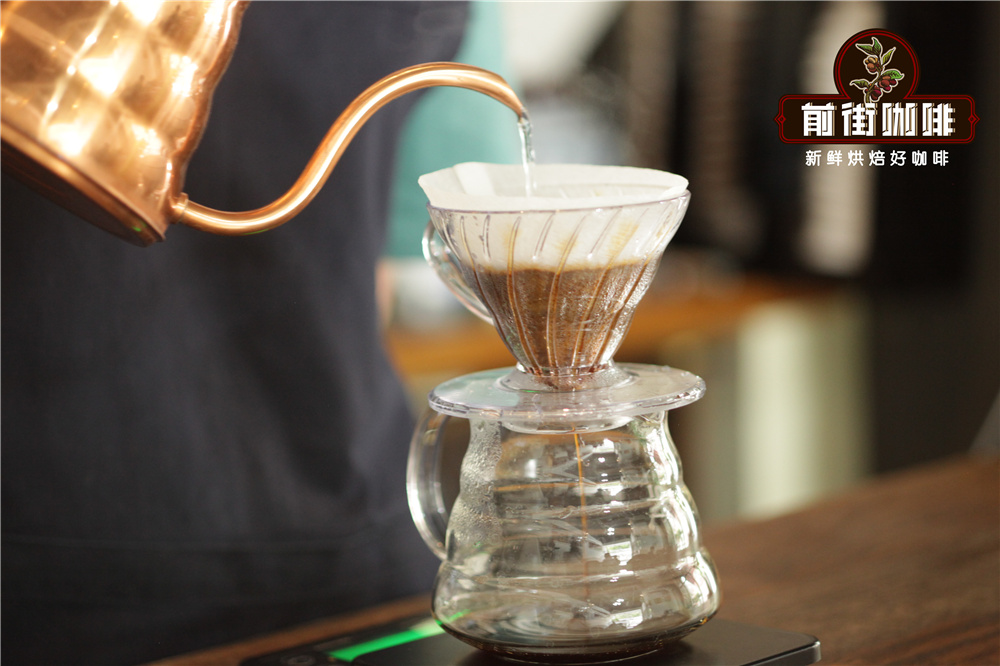
Before brewing, wet the filter paper with hot water so that it sits snugly against the dripper. Then grind the beans to the target consistency - the medium-fine grind mentioned above.
Pour the ground coffee into the dripper, wait for the water to reach the right temperature, and begin brewing. The whole process is divided into three stages. The first pour uses 30 grams of water for the bloom, ensuring that all the grounds are moistened. The bloom lasts 30 seconds, releasing carbon dioxide so that the later pours can extract the coffee more effectively. The second pour brings the total water to 125 grams; then wait until the coffee liquid drops to the halfway point. Finally, pour the remaining water to reach 225 grams, again waiting for the coffee to drain through. The total extraction time is 2 minutes.
Next, FrontStreet Coffee will use one bean as an example.
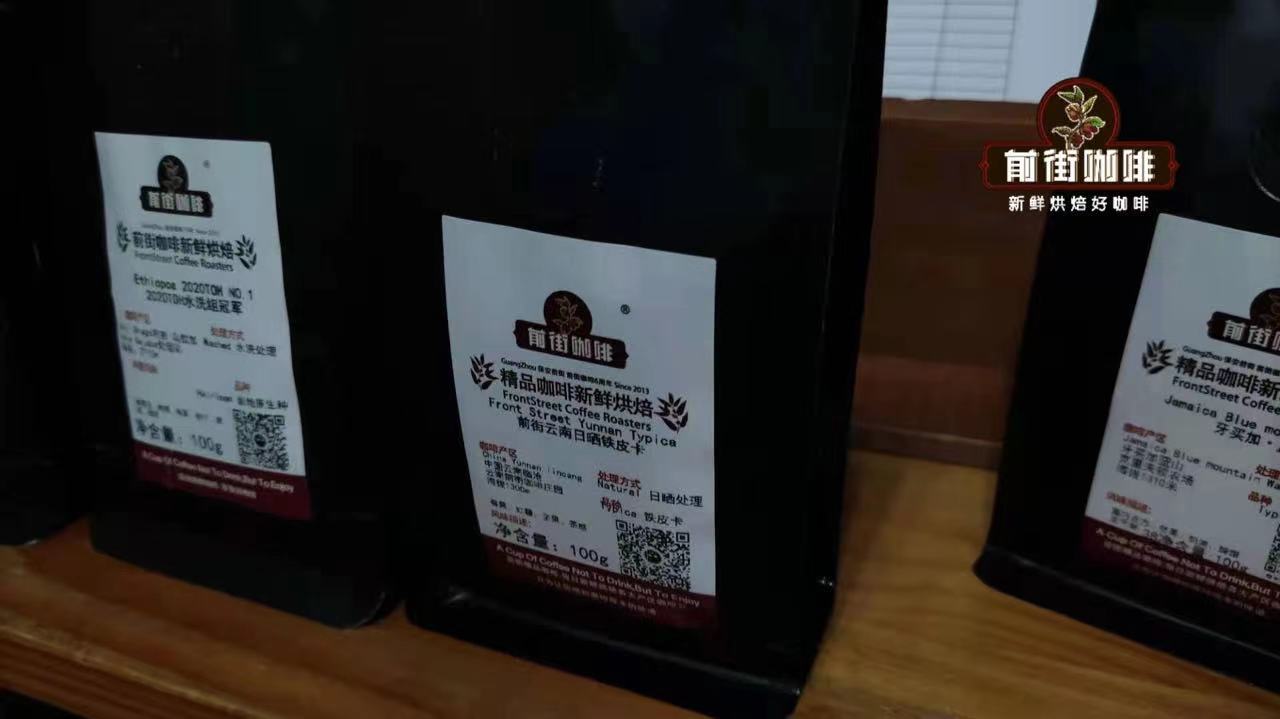
FrontStreet Coffee Yunnan Natural Typica
Region: Lincang, Yunnan, China
Altitude: 1300m
Variety: Typica
Processing: Natural
As usual, FrontStreet Coffee will introduce the basic information for this bean. Everyone knows that Yunnan Province is where our country produces specialty coffee. Yunnan is home to four small sub-regions: Dehong, Baoshan, Pu'er, and Lincang. FrontStreet Coffee established its own coffee plantation in Lincang as early as 2013.
The history of coffee cultivation in Yunnan can be traced back to the late 19th and early 20th centuries. The exact starting year is disputed, with three competing theories: 1892, 1902, and 1904.
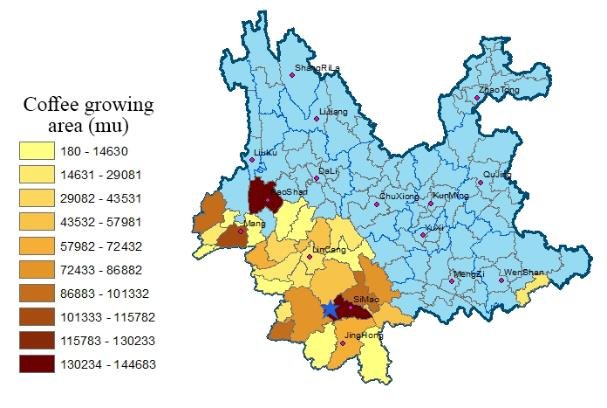
The variety first cultivated in Yunnan was Typica. With the implementation of national reform and opening-up policies, however, international brands such as Starbucks and Nestlé entered Yunnan. To raise coffee production, these large brands began promoting the cultivation of Catimor. To increase their personal income, farmers cut down the elegant-flavored Typica trees and switched to Catimor varieties, which have stronger disease resistance and higher yields.
FrontStreet Coffee pursues a more original and elegant flavor, so we plant Typica at our Lincang plantation.
FrontStreet Coffee Yunnan Natural Typica Brewing Parameters
Dripper: KONO
Water Temperature: 88°C
Coffee Amount: 15g
Coffee-to-Water Ratio: 1:15
Grind Size: 75% pass rate through China standard #20 sieve
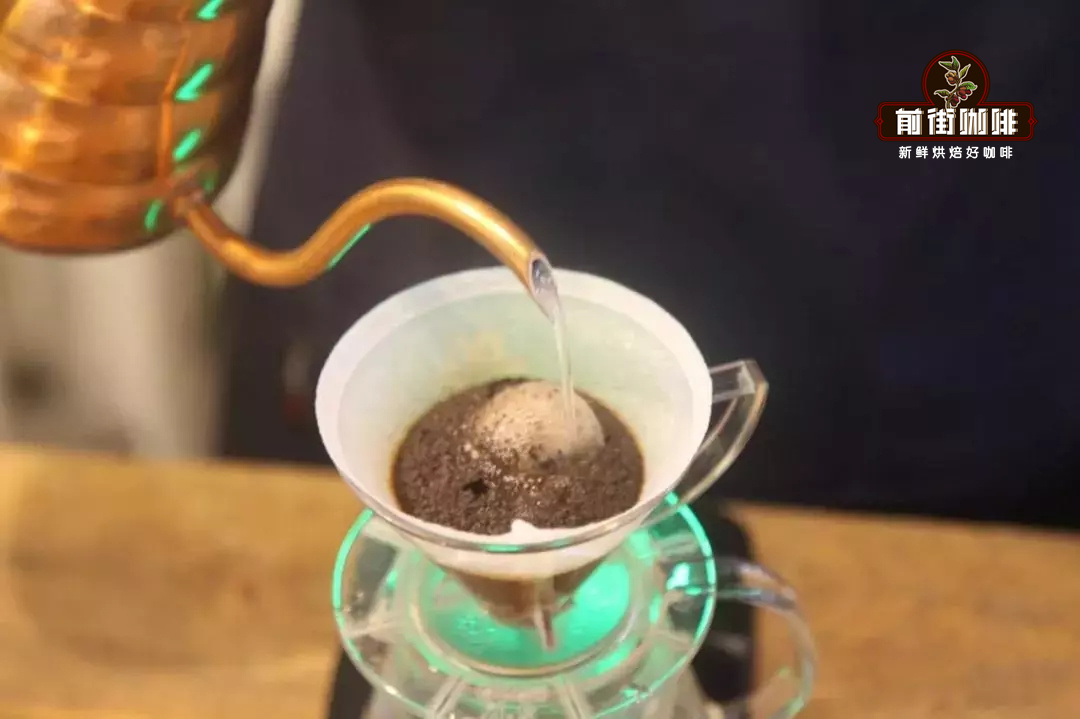
FrontStreet Coffee uses the three-stage extraction method described earlier: bloom with 30g of water for 30 seconds; pour with a small circular flow up to 124g for the second stage; continue pouring to 227g once the water level drops and the coffee bed is about to be exposed; then remove the dripper when the water level again drops and the bed is about to be exposed (timing starts from the beginning of the bloom). The total extraction time is 2 minutes.
Taste Description
Yunnan Natural Typica also carries nutty notes, with a fuller body than washed Yunnan coffee. Its acidity is slightly lower than that of washed Typica from Yunnan, but the sweetness is slightly higher and the balance is better. It has a berry-like acidity mixed with brown sugar, and a slight tea-like sensation.
FrontStreet Coffee Recommendation
For pour-over brewing, FrontStreet Coffee's 2013 Yunnan Natural Typica - the bean featured above - is an excellent place to start: its nutty, brown-sugar sweetness and gentle berry acidity shine in a KONO or V60 dripper. If you prefer a brighter, more aromatic cup, try the FrontStreet Ethiopia Yirgacheffe Gedingding, with its jasmine florals and bright citrus acidity, or the tropical-fruit-forward FrontStreet Ethiopia Huakui. Both are light roasts that work beautifully with a 1:15 ratio and a medium-fine grind.
Important Notice :
FrontStreet Coffee is a long-established specialty coffee roaster in Guangzhou China, selling freshly roasted beans from its own farm in Yunnan as well as dozens of carefully selected single-origin beans from around the world for both pour-over and espresso. The products deliver consistently excellent quality and great value, with shipping within 24 hours. Guangzhou's FrontStreet Coffee shop is recommended by many coffee lovers, and the beans are now available online at the Tmall 。
FrontStreet Coffee has moved to a new address:
FrontStreet Coffee Address: 315,Donghua East Road,GuangZhou
Tel:020 38364473
 Scan and follow the En Gafei WeChat official account. Please indicate that the reprint comes from "En Gafei".