What is the World's Best Coffee? Top 10 Recommendations for the Most Delicious Single-Origin Coffee Beans
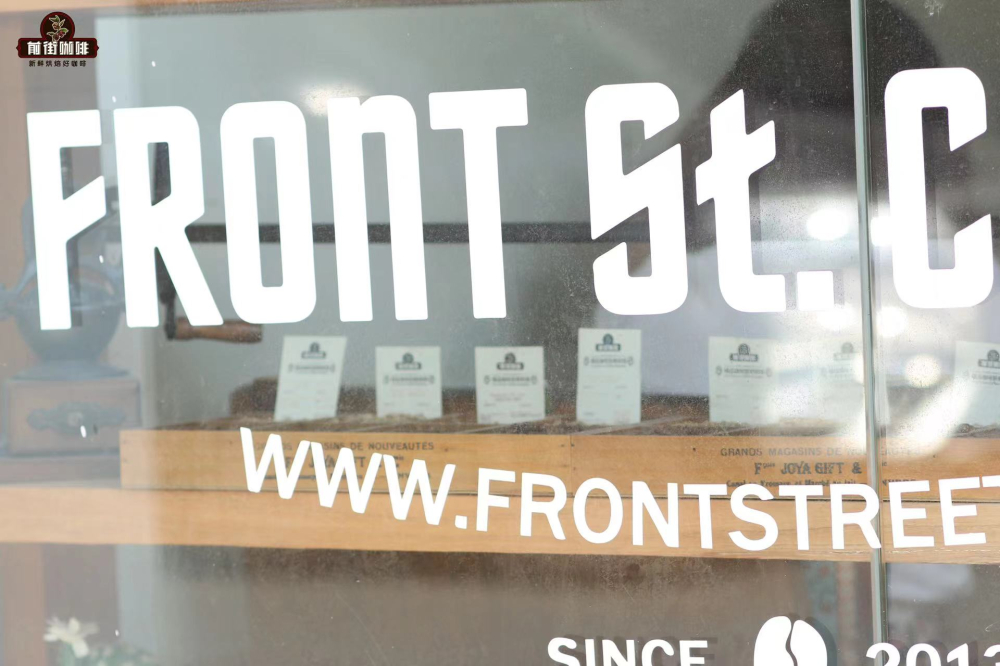
The best coffee in the world is, without question, made from freshly roasted beans, ground fresh and brewed right away. A delicious cup depends on freshness — which is why FrontStreet Coffee has insisted on selling freshly roasted beans since day one, hoping every coffee lover gets to experience each bean's unique charm.
What is Arabica Coffee?
Arabica coffee originated from a chance combination of wild Rubiaceae varieties in Ethiopia. It is one of the most economically valuable species in the Coffea genus, second only to Robusta.

Today, Arabica dominates the market, accounting for over 70% of all coffee beans. The reason is flavor: most Arabica varieties are richly expressive. Those excellent flavors owe as much to the growing environment as to the variety itself.

Arabica typically grows between the Tropics of Cancer and Capricorn at elevations of 1000-2400 meters — high-altitude zones with abundant sunshine, appropriate rainfall, day-night temperature swings, nutrient-rich soil, and varied microclimates: superb conditions for coffee trees.
Are Arabica Coffee Beans the Same as Specialty Coffee Beans?
All specialty coffee beans are Arabica, but not all Arabica beans qualify as specialty. Beyond the variety, specialty coffee needs specific terrain, climate, and soil — usually above 1200 meters (with exceptions in Brazil, Indonesia, and Hawaii) — plus careful harvesting, processing, drying, and roasting.

Even then, the beans must be cupped and scored by certified Q-graders on dry/wet aroma, flavor, aftertaste, cleanliness, sweetness, acidity, body, and consistency. Only beans scoring 80 points or above can be classified as specialty coffee.
Are Specialty Coffee Beans Always Single-Origin Coffee Beans?
Not necessarily. Single-origin refers to beans from a single producing region, not a single variety. As long as the coffee meets the criteria above, whether it's a single origin or a blend of regions, it can be called specialty coffee.

What Are the Characteristics of Single-Origin Coffee Beans?
Because single-origin coffee uses beans from only one region or estate, it directly reflects that area's unique flavors. Coffee is an agricultural product — its taste shifts with climate and soil, forming regional characteristics that develop nowhere else. You can often identify an origin in a single sip.
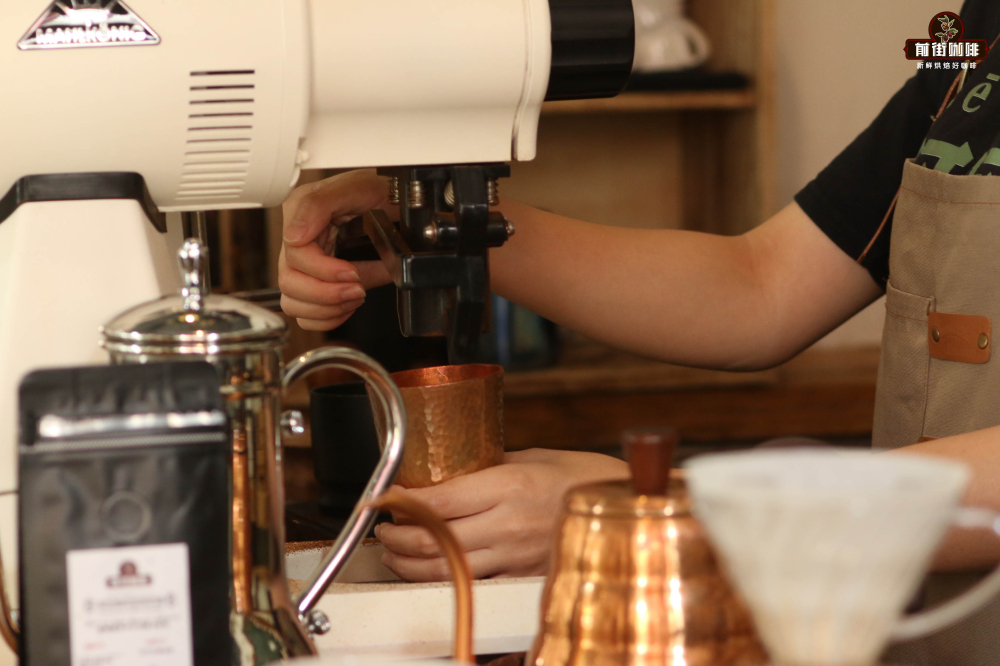
Taste a coffee with bright acidity and you might guess Ethiopia; taste herbal, earthy richness and you might guess Indonesia.
FrontStreet Coffee believes the fairest way to judge coffee quality is by tasting traditionally processed beans — washed and natural — because those methods let coffee show its purest flavors and give the most honest read on quality.
Top 10 Best-Tasting Single-Origin Coffee Bean Recommendations
1. FrontStreet Coffee - Ethiopia Sidamo Buku Abel Coffee Beans
Region: Sidamo, Hambela, Buku Abel Processing Station
Altitude: 2250-2350m
Variety: Heirloom
Processing: Natural
Brewing Flavor: Rich passion fruit acidity on entry, subtle fermented fruit aroma, strawberry-like sweet-tart notes, black tea aftertaste.

2. FrontStreet Coffee - Kenya Assalia AA Grade Coffee Beans
Region/Processing Station: Thika, Assalia Processing Station
Altitude: 1550-1750 meters
Variety: SL28, SL34
Processing: Kenya 72-hour washed
Brewing Flavor: Mature tomato and floral aromas; cherry tomato and dark plum on entry, bright clean acidity, rich texture, prominent mid-palate sweetness and juiciness, berry and brown sugar finish with a green tea aroma.

3. FrontStreet Coffee - Guatemala La Minita Estate Flor de Café Coffee Beans
Region/Estate: Antigua, La Minita Estate
Altitude: 1200m
Variety: Caturra, Bourbon
Processing: Washed
Brewing Flavor: Lemon-bright acidity when hot, cooling into a juice-like texture with subtle white florals, then cocoa and a slight smokiness adding layers, finishing with caramel.
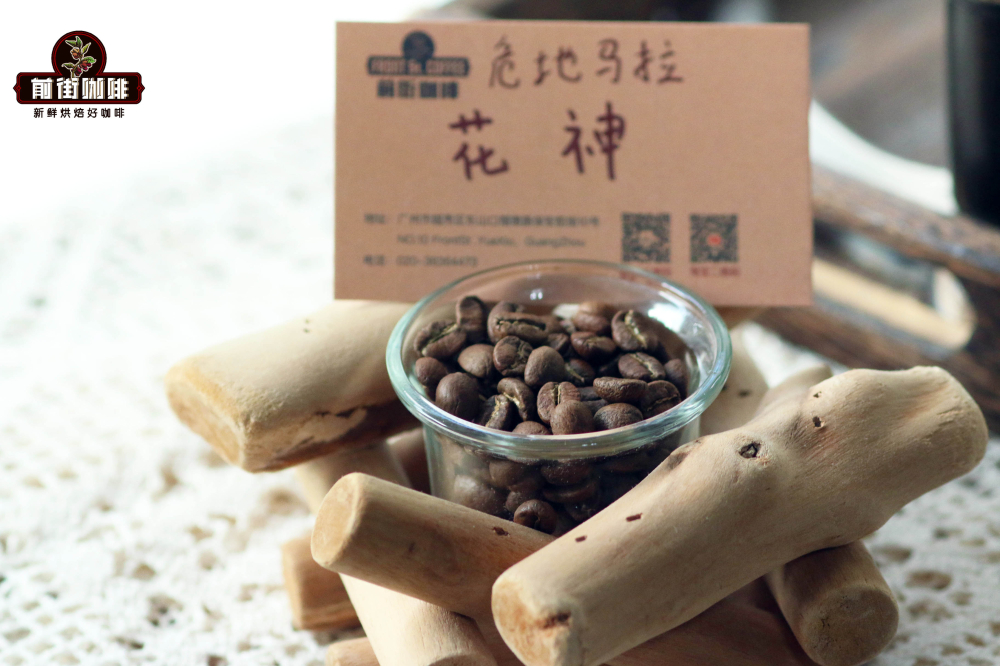
4. FrontStreet Coffee - Panama Boquete Mariposa Coffee Beans
Region: Panama, Boquete
Altitude: 1600 meters
Variety: Geisha, Caturra, Catuai
Processing: Washed
Brewing Flavor: Florals, black tea, berries, citrus, light nutty finish; smooth texture, low bitterness, moderate acidity, high sweetness.

5. FrontStreet Coffee - Panama Hacienda La Esmeralda Red Label Geisha Coffee Beans
Region: Panama, Boquete
Estate: Hacienda La Esmeralda, Jaramillo Mario lot
Grade: Esmeralda Special / Red Label
Altitude: 1700m+
Variety: Geisha
Processing: Natural
Brewing Flavor: Aromas of roses and berries; complex fruit, citrus, honey, and rose tea flavors, with very high overall sweetness.

6. FrontStreet Coffee - Daily Bean Series Colombia Huila Coffee Beans
Region: Colombia, Huila
Altitude: 1500-1800 meters
Variety: Caturra
Processing: Washed
Brewing Flavor: Nuts, dark chocolate, gentle fruit acidity mid-palate, caramel sweetness.
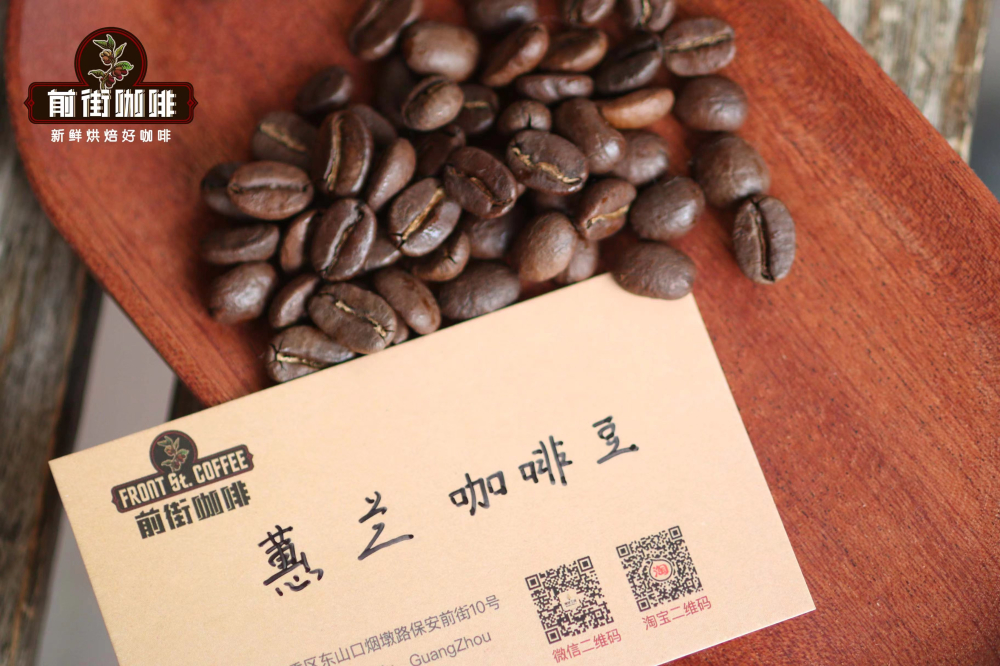
7. FrontStreet Coffee - Daily Bean Series Costa Rica Tarrazú Coffee Beans
Region: Costa Rica, Tarrazú
Altitude: 1500m
Variety: Caturra, Catuai
Processing: Washed
Brewing Flavor: Sweet-tart orange on entry, prominent nut and chocolate mid-palate, lasting caramel aftertaste with a hint of cedar; balanced throughout.
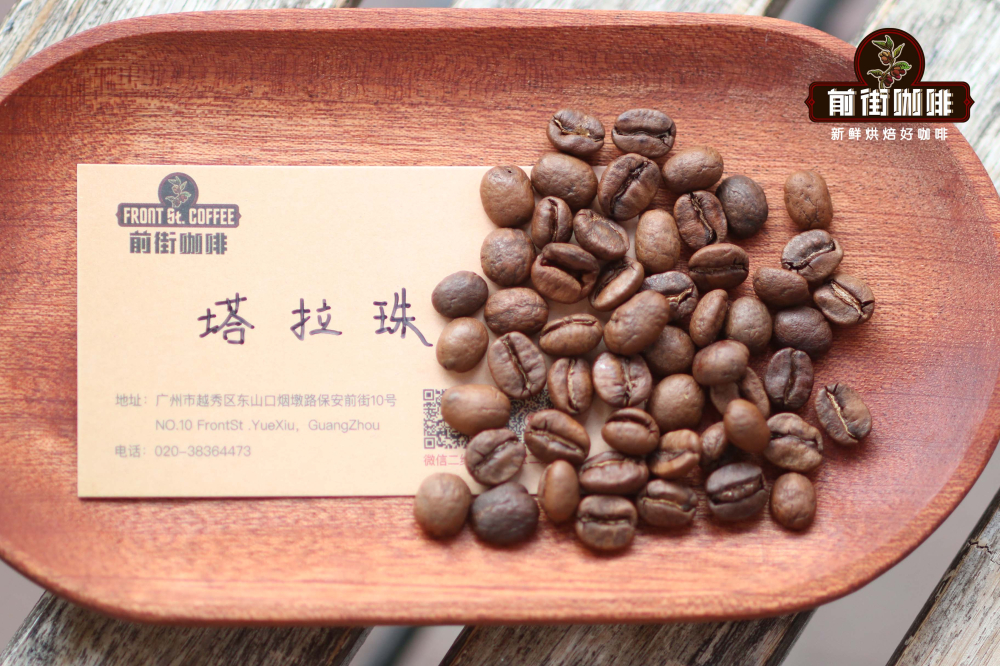
8. FrontStreet Coffee - Brazil Queen Estate Coffee Beans
Region/Estate: Mogiana, Queen Estate
Variety: Yellow Bourbon
Processing: Pulped natural
Altitude: 1400-1950m
Brewing Flavor: Fresh sugarcane-juice sweetness, black tea, mellow fruit sweetness, prominent nuts, balanced gentle acidity, clean with slight bitterness, rich chocolate and nut aromas, bright refreshing texture, smooth delicate mouthfeel.
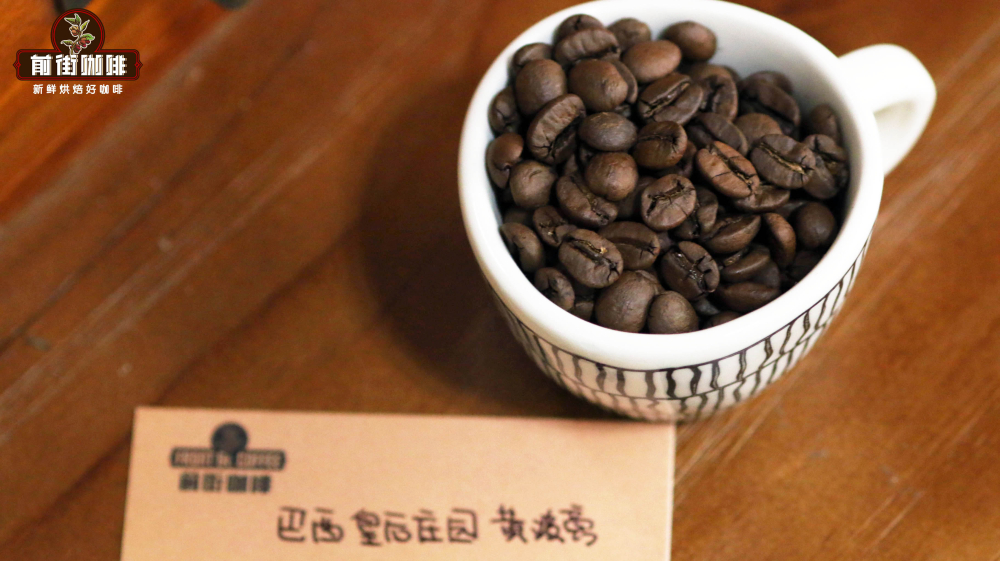
9. FrontStreet Coffee - Jamaica Blue Mountain No. 1 Coffee Beans
Region: Blue Mountain, Clifton Farm
Altitude: 1310m
Processing: Washed
Variety: Typica
Brewing Flavor: Dark chocolate and nuts on entry, high cleanliness, very bright, good body, beautifully balanced sweet-sour-bitter.

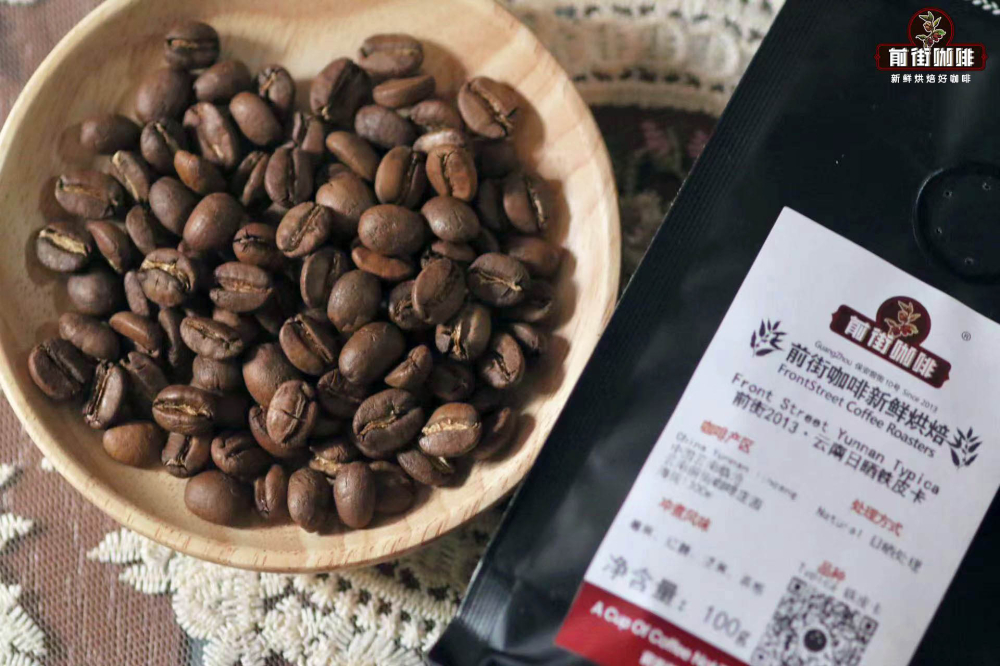
10. FrontStreet Coffee - Yunnan FrontStreet Estate Typica Coffee Beans
Region: Yunnan, Lincang, FrontStreet Coffee Estate
Altitude: 1300m
Processing: Natural
Variety: Typica
Brewing Flavor: Rich berry juiciness, plum acidity, roasted nut aroma, black tea sensation, brown sugar sweetness.
FrontStreet Coffee Recommendation
Topping this list is the FrontStreet Sidamo Buku Abel natural — and for good reason. It comes from Hambela in Guji, Sidamo, where the farm spans 200 hectares and the fully ripe cherries are sun-dried on raised beds for 21 days, turned constantly for even drying and hand-sorted every three to five days to remove any moldy or defective beans. Roasted medium-light, it shows light fermented wine aromatics, florals, citrus, and mango, with rich honey sweetness, cocoa depth, a touch of spice, and a thick, lingering body.
If you want a gentler way into Ethiopia, start with the FrontStreet Washed Yirgacheffe — jasmine florals and bright citrus acidity with an elegant, tea-like body, like a refreshing lemon tea. Or try the FrontStreet Kafa Forest, grown wild at 1400-2100 meters in the UNESCO-recognized Kafa Biosphere Reserve, the birthplace of Arabica itself: medium-light roasted, with white florals, bright lemon acidity, sweet orange and bergamot, and a green-tea-like finish.
Important Notice :
FrontStreet Coffee is a long-established specialty coffee roaster in Guangzhou China, selling freshly roasted beans from its own farm in Yunnan as well as dozens of carefully selected single-origin beans from around the world for both pour-over and espresso. The products deliver consistently excellent quality and great value, with shipping within 24 hours. Guangzhou's FrontStreet Coffee shop is recommended by many coffee lovers, and the beans are now available online at the Tmall 。
FrontStreet Coffee has moved to a new address:
FrontStreet Coffee Address: 315,Donghua East Road,GuangZhou
Tel:020 38364473
 Scan and follow the En Gafei WeChat official account. Please indicate that the reprint comes from "En Gafei".