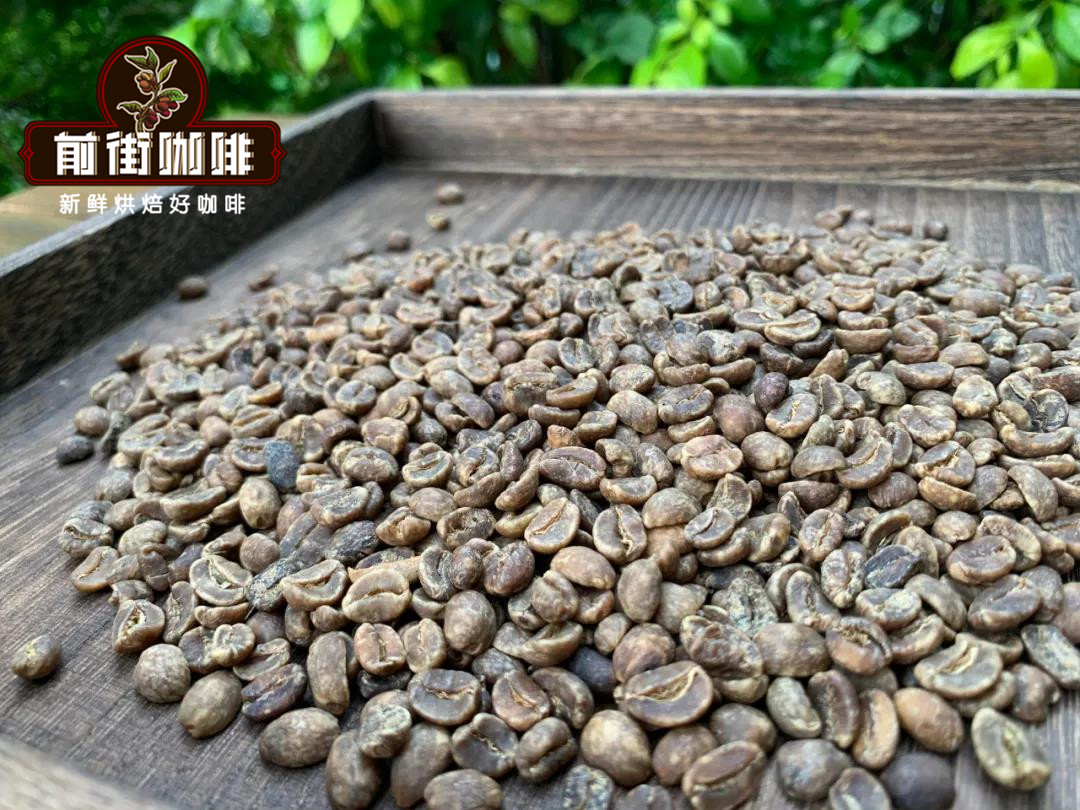
How to Pour-Over Mexican Coffee: Tutorial Parameters for Pour-Over Mexican Coffee
What Is the Unique Regional Flavor of Mexican Coffee? How to Brew Organic Coffee from Mexico's Chiapas Region by Hand?

Chiapas, in Mexico's far south, is a land of highlands covered in coniferous forests and dense primeval rainforest. Its rich and varied geography makes it a paradise for outdoor enthusiasts, while the numerous Mayan civilization sites scattered across the region stand witness to the glory of ancient empires.
Mexico is the world's eighth-largest coffee producer, and Chiapas is one of the country's most famous coffee regions. Chiapas beans are known for their fruity aroma and rich layering, with a bright, sweet profile — the fruity notes laced with hints of sugarcane and honey.
The very best Mexican beans come from southeastern Chiapas, on the border with Guatemala's Huehuetenango highlands. The high-altitude character shows exceptionally well here even by Mexico's standards; green bean packaging from this zone is marked "Tapachula Chiapas."
Tapachula is the region's key commercial and agricultural center. To this day, Mexico maintains indigenous-style, small-scale cultivation: farmers typically own only two to three hectares, and alongside coffee they grow crops such as corn and soybeans.
Coffee is their primary source of income. After harvest, the green beans are handed to cooperatives for processing, though some farmers strike out on their own. Fair trade organizations have praised and commended their efforts.
Coffee Profile
Dry Aroma: distinct fruity acidity, excellent nutty richness, an oily texture, and noticeable brown sugar-like sweetness.
Wet Aroma: nutty richness and creamy oiliness, with prominent citrus and sugarcane sweetness as the cup cools slightly.
Sipping: clean acidity with distinct layers (never overpowering), a pleasant mouth-watering sensation, excellent rich body, and superior balance. The aftertaste is persistent with clear floral notes, and the sweetness in the finish is deeply comforting.
Flavor Details
Nutty, low acidity, spice, cream, cool herbal notes, smooth and gentle mouthfeel.
Coffee Information
Country: Mexico
Region: Chiapas
Grade: SHG (Strictly High Grown)
Processing: Washed
Certification: Organic
Flavor: nutty, low acidity, spice, cream, cool herbal notes, smooth and gentle mouthfeel
Mexico's Coffee Industry
Mexico is one of the world's largest producers of certified organic coffee, most of which is exported to the United States thanks to simple geography. The country's coffee industry began in the 19th century, introduced via Jamaica, and centers on Arabica varieties. The producing regions lie near the Pacific coast, adjacent to Guatemala's Soconusco region.
In the early 1990s, the southern state of Chiapas became Mexico's most important coffee region, producing approximately 275,000 tons of coffee annually — 45% of the national total. More than two million Mexicans depend on coffee for their livelihood. 75% of Mexican coffee farmers work plots of less than two hectares; these small farmers grow about 30% of the country's coffee each year, with the rest coming from large or higher-yield farms.
Since 1988 — especially in Chiapas — the government has encouraged poor coffee farmers to increase production and expand cultivated area by providing simple loans and promoting forestland development.
Chiapas Coffee Cooperatives
Chiapas sits on the highlands of southern Mexico, bordering Guatemala. In 1991, Mexico's National Institute studied systems for protecting local indigenous rights and established product trade regulations to strengthen that protection. Under this mission, cooperative organizations sprang up across the region like mushrooms after rain.
OPCAAC — full name Organización de Productores de Café de Ángel Albino Corzo — is an organic small-farmer production organization in Chiapas. Founded in 1995, OPCAAC built farm management systems emphasizing open, transparent, independent production and sales information for its members, while setting standards to prevent excessive land development. The organization provides small loans, technical training, social activities, and other assistance, maintaining a steady focus on organic agriculture and ecological protection.
With sustainable management as its mission, OPCAAC creates value for the local coffee industry and improves farmers' quality of life through fair trade and ecologically responsible farming. Members cultivate their land with environmentally friendly methods; through regional organization they build economic and social sustainability while raising product quality.
Brewing Recommendations
FrontStreet Coffee's Recommended Brewing Method:
V60 dripper, 15g of coffee grounds, water temperature 90-91°C, grind size 3.5, water-to-coffee ratio close to 1:15
30ml of water for the bloom, bloom time 30 seconds
Segmented pouring: pour to 120ml and pause, then slowly pour to 225ml
That is: 30-120-75
Other Drip Extraction Recommendations:
French Press: recommended grind size 3.5-4, water temperature 90°C
AeroPress: recommended grind size 2.5, water temperature 90°C
Pour-over: grind size 3.5, water temperature 91°C
FrontStreet Coffee Recommendation
If a bright, organic Chiapas cup leaves you wanting more fruit-driven pour-overs, FrontStreet Coffee has you covered. FrontStreet Kenya Cherry Tomato — washed in the Thika region at 1550-1750 meters on SL28 and SL34 with a 72-hour double-wash fermentation — delivers cherry tomato, dark plum, snow pear, and black plum with bright, juice-like acidity. FrontStreet Yirgacheffe Guodingding offers clean white florals with citrus and orange, while FrontStreet Ethiopia Hua Kui leans tropical: creamy strawberry, mango, jackfruit, citrus, and blueberry from its natural process. And for a floral, citrus-bright alternative, FrontStreet Panama Esmeralda Red Label Geisha — jasmine, citrus, peach, and a creamy body — is hard to top. All four reward the same staged pouring you'd use for the Mexican beans above.
Important Notice :
FrontStreet Coffee is a long-established specialty coffee roaster in Guangzhou China, selling freshly roasted beans from its own farm in Yunnan as well as dozens of carefully selected single-origin beans from around the world for both pour-over and espresso. The products deliver consistently excellent quality and great value, with shipping within 24 hours. Guangzhou's FrontStreet Coffee shop is recommended by many coffee lovers, and the beans are now available online at the Tmall 。
FrontStreet Coffee has moved to a new address:
FrontStreet Coffee Address: 315,Donghua East Road,GuangZhou
Tel:020 38364473
 Scan and follow the En Gafei WeChat official account. Please indicate that the reprint comes from "En Gafei".