What Coffee Varieties Are Grown in Yunnan - Introduction to Main Flavor Characteristics of Yunnan Arabica Coffee Beans
Yunnan coffee, also known as Yunnan small-grain coffee, is dominated by the Catimor variety on today's market. FrontStreet Coffee offers three kinds of Yunnan coffee: a washed Yunnan small-grain coffee, a natural-processed Yunnan Catimor coffee, and a natural-processed FrontStreet Coffee 2013 Typica coffee. As China's own coffee, Yunnan coffee has steadily found its way into coffee shops, and as more people deepen their coffee knowledge and chase specialty coffee, understanding a coffee's origin, varieties, and processing methods is the best way to find the ones that suit your palate.
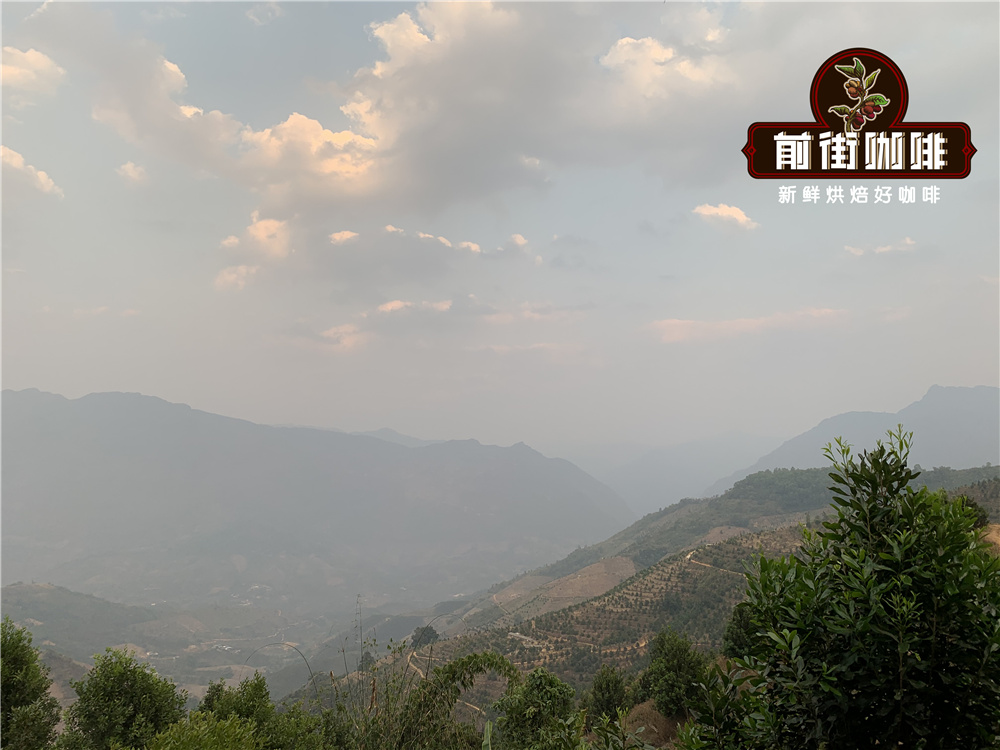
Yunnan is China's largest coffee-growing region and a golden zone for coffee cultivation. The western and southern parts of Yunnan Province lie between 15°N and the Tropic of Cancer, with most areas at elevations of 1,000-2,000 meters. The terrain is dominated by mountains and slopes with significant variation, fertile soil, abundant sunshine, plentiful rainfall, and wide day-night temperature differences. FrontStreet Coffee believes these unique natural conditions shape the flavor of Yunnan small-grain coffee: rich, mellow, and balanced, with subtle fruity acidity.
Yunnan Coffee Varieties

Thanks to its exceptional geography and climate, Yunnan has become a haven for Arabica varieties. Arabica's smaller beans give it the name "small-grain coffee." Yunnan small-grain coffee is rich without bitterness and fragrant without harshness, with a distinctive fruit-tinged flavor. It comprises three main varieties: Typica, Bourbon, and Catimor. Typica and Bourbon — the two classic, high-quality varieties — were long the mainstay of Yunnan cultivation. In 1991, the Catimor series (with stronger virus resistance and higher yields) was introduced from Kenya; it also belongs to the Arabica species, and because its morphology and habits resemble Typica's, the two are often interplanted.

Today, Catimor is the most widely grown variety in Yunnan, with small amounts of Typica and Bourbon still cultivated in the Baoshan region. Although all of these belong to Arabica in the broad sense, they differ significantly in essence.
Typica
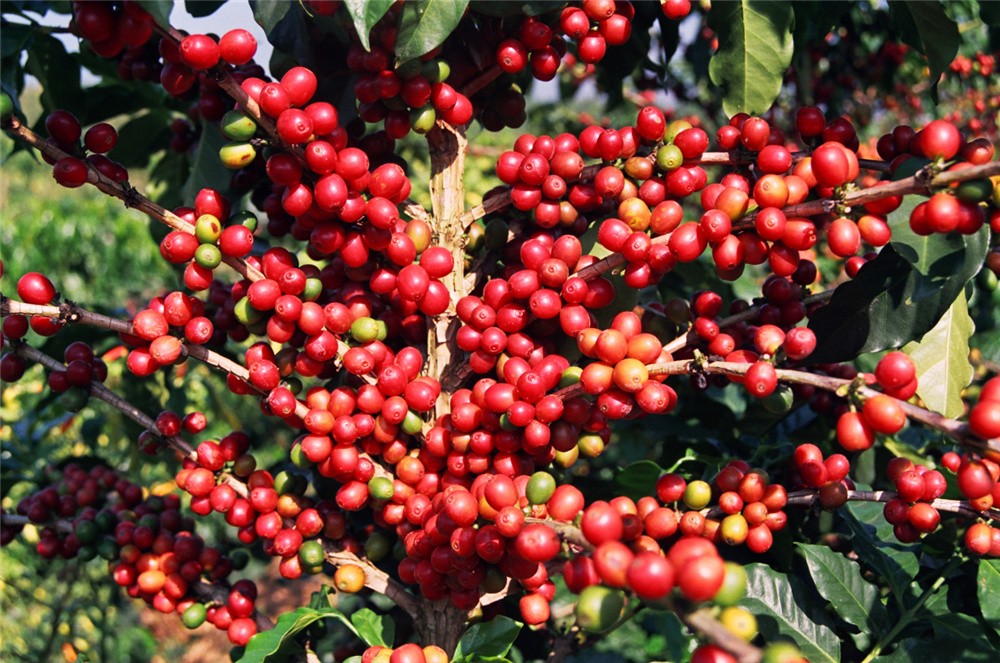
The most classic, high-quality Arabica variety, from which many commercial improved varieties descend. It shows excellent flavor expression and is recognized as a specialty coffee variety, but with extremely low yields and susceptibility to rust disease, it demands intensive management. Typica originates from Ethiopia and southeastern Sudan and is the most widely cultivated variety in the Western Hemisphere. The plants are relatively vigorous but intolerant of intense sunlight, with higher yields in Hawaii. Typica's top leaves are copper-colored, earning it the name "red-top coffee."
Catimor
Most of the coffee currently grown in Yunnan is Catimor. Because Typica trees are prone to coffee leaf rust and yield less, local farmers have reluctantly cut down those elegantly flavored trees in favor of Catimor varieties that offer higher yields and rust resistance.

In Han Huaizong's "Specialty Coffee Studies," a survey of China's coffee regions noted that by 1998, over 90% of Yunnan's coffee was Catimor.
Catimor is a hybrid developed by Portugal's Coffee Leaf Rust Research Center (CIFC) in 1959, crossing Timor and Caturra. Its traits include high yields, a dwarf habit suited to dense planting, and good disease resistance. But because Catimor carries Robusta genes, its bitterness and grassy notes are more pronounced than in pure Arabica varieties, with slight disadvantages in cleanliness, fruit character, and richness. Robusta brings good leaf-rust resistance, rich oils, high yields, and easy cultivation; after hybridization with Arabica Typica, Catimor acquired 25% Robusta genes — improving rust resistance while retaining rich oils and part of Typica's depth. That is why most Yunnan estates have switched to Catimor on a large scale, while Typica's planted area has shrunk.
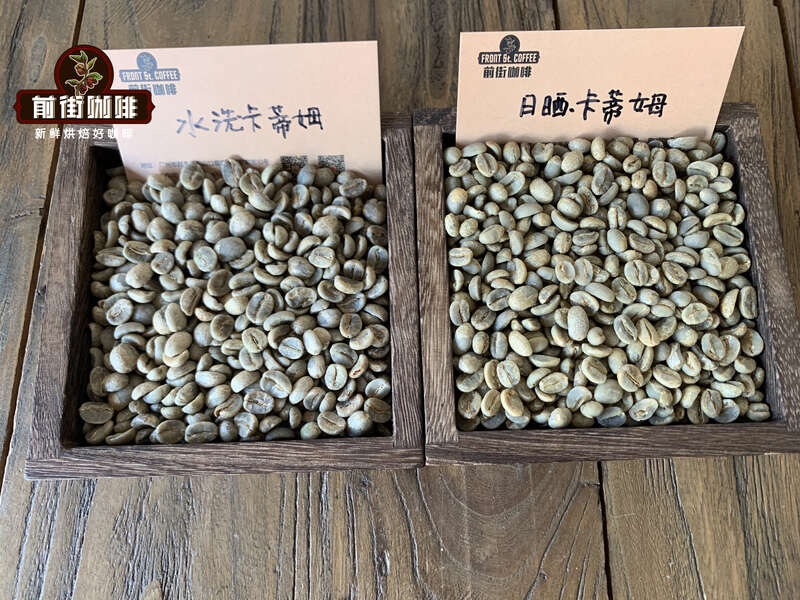
FrontStreet Coffee's washed Yunnan small-grain coffee is of the Catimor variety.
Bourbon
In 1981, when Professor Ma Xijin investigated Yunnan's ancient coffee varieties, he found that in the old coffee forests near Zhuguli, red-top Typica accounted for 31% while green-top Bourbon occupied 69%. Some experts believe that when Father Tian brought coffee to Zhuguli village, he brought Bourbon along with Typica. Like Typica, Bourbon is an ancient, excellent variety — and Yunnan's Bourbon production today is even smaller than Typica's.
Geisha, Caturra, Catuai
Over the past 10 years, Yunnan's coffee cultivation has kept developing, including trials of imported varieties — Geisha among them. In the 2016 Yunnan Green Bean Competition, a Yunnan Geisha made its debut but was beaten by established local favorites, ranking only in the 30s out of 120 coffee beans.
Some experts believe that Geisha transplanted from Panama to Yunnan faces a dramatically different terroir and climate; without years of acclimatization, maladjustment is inevitable. Yunnan's cultivation altitude is generally low — around 1,100 meters — and its management standards still developing, so underwhelming Geisha quality is only normal. By 2020, Yunnan's first batch of Geisha was released to the market in limited quantities. Geisha demands high altitude and shade trees, and Panama's climate suits it perfectly — Geisha grown elsewhere simply doesn't taste like Panama Geisha.
Yunnan Coffee Regions
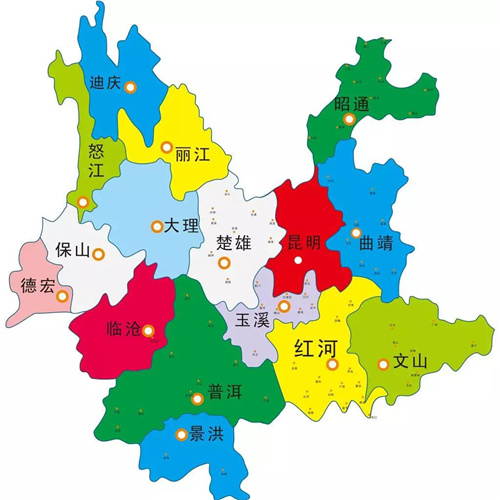
The southern and western parts of Yunnan — including Pu'er, Xishuangbanna, Wenshan, Baoshan, Dehong, and Lincang — are all distribution areas for Yunnan small-grain coffee cultivation.
Baoshan
Baoshan sits on a low-latitude plateau known for the saying "one mountain has four seasons, ten li have different weather," a climate extremely suited to coffee cultivation. Yunnan Province's coffee production reaches 136,000 tons, accounting for over 95% of the country's total, with a peak export volume of 60,700 tons. Baoshan has a long coffee-growing history and is recognized as the "best small-grain coffee producing area," making it one of the finest coffee origins in China — and even globally. Most of its coffee is also Catimor.
FrontStreet Coffee's washed Yunnan small-grain coffee comes from Baoshan.

Pu'er
The Pu'er region grows Catimor exclusively. Baoshan City introduced Typica and Bourbon as early as the 1950s — varieties locals call "old varieties." Because these older types resist disease poorly, yield less, demand more labor, and offer no price advantage in market acquisitions, farmers have switched to the newer Catimor in recent years. Botanically speaking, Yunnan small-grain coffee shares genetic similarities with the acclaimed Jamaica Blue Mountain and Hawaii Kona coffees.
Lincang
Located in southwestern Yunnan with the Tropic of Cancer crossing its southern part, Lincang borders Pu'er to the east, connects with Dali to the north, meets Baoshan to the west, and faces Myanmar to the southwest. Named for its proximity to the Lancang River, it is a brilliant pearl on China's southwestern border. Lincang's average annual temperature ranges between 16.8°C-17.2°C, with distinct wet and dry seasons and abundant sunshine.
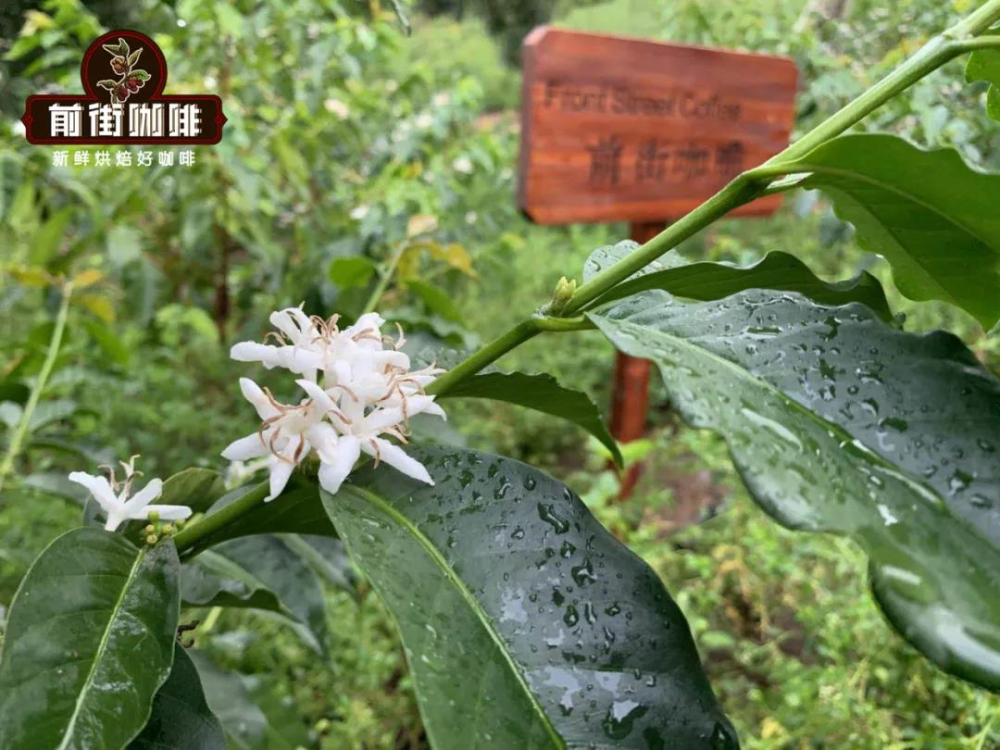
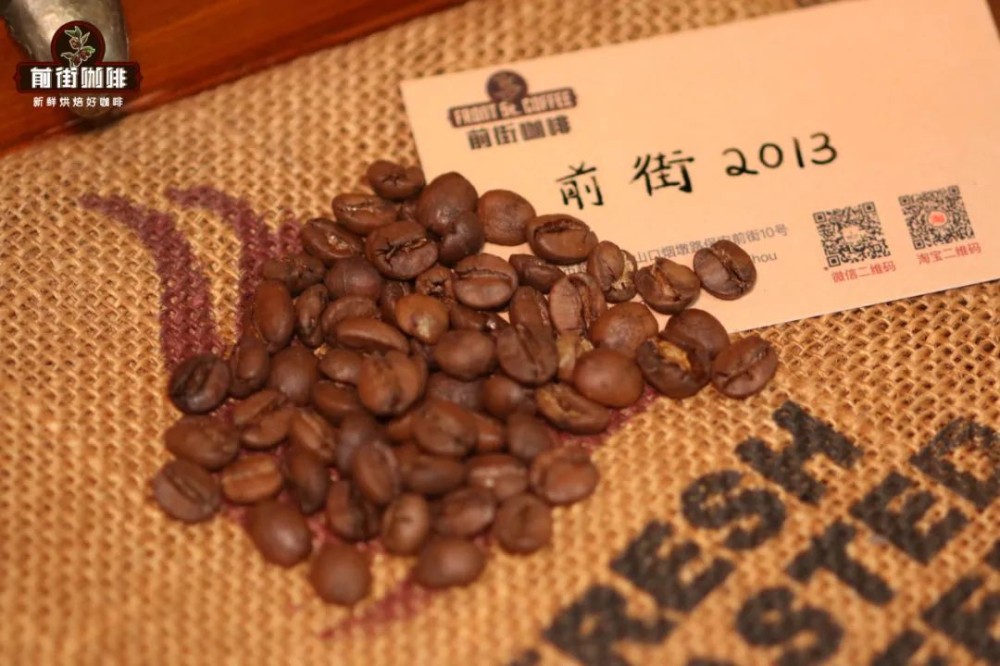
FrontStreet Coffee established its own estate in the Lincang coffee region of Yunnan, and in 2021 produced its first self-grown bean — FrontStreet Coffee 2013 Natural Typica Coffee. FrontStreet took a liking to this "green pearl on the border": early in its history, it set up its own coffee estate in Lincang, one of Yunnan's main coffee-producing regions, planting the most ancient Arabica variety — Typica.
Yunnan Coffee Processing Methods
Because of perennial rainy seasons and unstable weather, most Yunnan coffee is processed washed — but natural-processed beans exist too. FrontStreet Coffee's lineup includes both washed Yunnan small-grain coffee and natural-processed Catimor, plus the estate-grown FrontStreet Coffee 2013 Natural Typica Coffee.

FrontStreet Coffee Brewing Recommendations:
FrontStreet Coffee has always believed that bean freshness is a decisive factor in flavor. All beans shipped by FrontStreet Coffee are roasted within 5 days of dispatch, because freshness matters enormously to the cup. The roasting philosophy is "freshly roasted good coffee," ensuring every order arrives at its best. The resting period is about 4-7 days, so beans typically reach customers right at their flavor peak.
Some customers prefer to have FrontStreet Coffee grind the beans for them, which is fine — with one reminder: pre-ground coffee doesn't need the resting period. During transport, the pressure of carbon dioxide buildup in the packaging actually helps round out the flavor, so the grounds can be brewed immediately upon receipt. But ground coffee must be brewed promptly: it oxidizes quickly in open air, flavor dissipates fast, and the cup suffers. FrontStreet Coffee therefore recommends buying whole beans and grinding fresh before brewing.

FrontStreet Coffee's Yunnan Coffee Brewing Parameters:
Yunnan coffee's flavor profile is rather balanced — showing sour, sweet, and bitter notes simultaneously — so a medium roast is chosen to highlight chocolate aroma while retaining some acidity. In cupping, FrontStreet Coffee finds the Yunnan small-grain daily coffee presents nutty and herbal notes, brown sugar sweetness, and plum acidity, with a balanced mouthfeel. The natural-processed FrontStreet Coffee 2013 has higher fruit sweetness and a black tea-like richness, carries chocolate's weightiness, and finishes clear and clean.

Given Yunnan coffee's balanced, moderate profile, FrontStreet Coffee uses a medium water temperature of 88°C. Water that's too hot easily produces burnt, bitter flavors; water that's too cool leads to under-extraction. Compared with other conical drippers, the V60's larger-diameter outlet and spiral ribs running top to bottom guide the water flow and let steam escape more easily during extraction, enhancing flavor complexity.
FrontStreet Coffee 2013 Natural Typica Coffee Flavor:
Rich body, prominent sweet and sour notes, with citrus and berry characteristics, a hint of fermented wine aroma, caramel-like sweetness, creamy aftertaste, and black tea-like mouthfeel.
FrontStreet Coffee Washed Yunnan Small-Grain Coffee Flavor:
Herbal, nutty, chocolate, caramel.
FrontStreet Coffee Yunnan Natural Catimor Coffee Flavor:
Nuts, chocolate, spices, caramel, plum.
FrontStreet Coffee Recommendation
Yunnan's coffee story began in 1904, when the French missionary Father Tian Di'neng carried Typica seeds from Vietnam into Yunnan and planted the province's first coffee tree in Zhuguli village, Binchuan County — the birth of what Chinese drinkers call "Yunnan small-grain coffee." Coffee loves warmth (thriving at 16-21°C, tolerant of heat but not frost) and abundant sunlight, and Yunnan sits squarely on the golden coffee belt within 25°N of the equator, with fertile sloping soils, plentiful sun and rain, and wide day-night temperature differences. Cultivation is concentrated in the province's southwest, chiefly across the four major growing areas of Baoshan, Dehong, Pu'er, and Lincang — and FrontStreet's two everyday Yunnan offerings come from Baoshan and Lincang respectively. Baoshan's planting history dates to the mid-1950s, introduced by the patriotic overseas Chinese Mr. Liang Jinshan; the frost-free warmth of the Lujiangba dry-hot river valley, with modest annual temperature swings but large day-night differences and slightly below-average rainfall, gives Baoshan small-grain coffee its signature lingering sweetness. For an entry-level Chinese Arabica, start with FrontStreet's washed Yunnan small-grain from Baoshan: medium-roasted, it shows soft nut and chocolate aromas with a light plum acidity — the perfect first taste of Yunnan. For clearer, more defined flavors, step up to FrontStreet's 2013 Natural Typica from its own Lincang estate, which uses only fully ripe red cherries and the most traditional natural processing; medium-roasted, it brings dark-berry tones, caramel sweetness, chocolate, a whisper of dried apricot, and a black-tea finish. And to taste Yunnan in espresso, the barista-favorite FrontStreet Dark Cocoa Blend pairs Yunnan small-grain with Brazil Cerrado — Brazil supplying mixed-nut aroma and balance, Yunnan supplying chocolate and citrus — producing an Americano with balanced sour-sweet-bitter notes of nuts and brown sugar, and a latte with the smooth, creamy character of almond and cream.
Important Notice :
FrontStreet Coffee is a long-established specialty coffee roaster in Guangzhou China, selling freshly roasted beans from its own farm in Yunnan as well as dozens of carefully selected single-origin beans from around the world for both pour-over and espresso. The products deliver consistently excellent quality and great value, with shipping within 24 hours. Guangzhou's FrontStreet Coffee shop is recommended by many coffee lovers, and the beans are now available online at the Tmall 。
FrontStreet Coffee has moved to a new address:
FrontStreet Coffee Address: 315,Donghua East Road,GuangZhou
Tel:020 38364473
 Scan and follow the En Gafei WeChat official account. Please indicate that the reprint comes from "En Gafei".