Why is Jamaican Coffee So Expensive? What Makes Jamaican Coffee So Special?

The World-Famous Blue Mountain Coffee
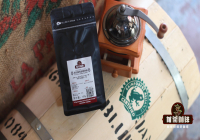
In Hong Kong TV dramas from the late 20th to early 21st centuries, whenever coffee was mentioned, it was always Blue Mountain. Blue Mountain Coffee is one of the most famous coffees in the world. There was a time when it symbolized status thanks to its low production, high quality, excellent flavor, and high price. It became so sought after that it was extremely difficult to obtain - and then "Blue Mountain flavor" coffee appeared on the market. Here, FrontStreet Coffee wants to emphasize something important: "Blue Mountain flavor" coffee is not genuine Blue Mountain Coffee.
The Japanese Classification System
The term "Blue Mountain flavor coffee" actually originated in Japan. Japan is the largest buyer of Blue Mountain Coffee, with at least 80% of annual production entering the Japanese market. Japan divides Blue Mountain Coffee into three quality and product levels: Blue Mountain Coffee, Blue Mountain Blend, and Blue Mountain Flavor.

- Blue Mountain Coffee requires 100% Blue Mountain coffee beans
- Blue Mountain Blend requires at least 60% Blue Mountain coffee beans
- Blue Mountain Flavor may contain no Blue Mountain coffee beans at all
From this we can see that "Blue Mountain flavor" beans are not actually grown in Jamaica's Blue Mountains.
Jamaica's Coffee Cultivation History
Those familiar with the spread of Arabica varieties know that in 1616, the Dutch - known as the "sea coachmen" - stole coffee seedlings from Yemen and carefully transported them back to Amsterdam, nurturing them in a large greenhouse. That seedling later became known as the "European parent plant" - the Typica variety. In 1699, the Dutch transplanted descendants of the "European parent plant" to Java and successfully cultivated them.
In 1708, France also attempted to steal coffee seedlings from Yemen as the Dutch had, but failed. A few years later, in 1714, the mayor of Amsterdam gifted Typica seedlings from Java to French King Louis XIV. In 1720, a French naval officer stole a Typica seedling from the Paris Royal Botanical Garden and escorted it to the Americas, arriving at the French colony of Martinique in 1723, where he planted the seedlings. They soon bore abundant fruit.

In 1725, British Governor Nicholas Lawes purchased seven Typica seedlings from French Martinique and planted them near the Blue Mountains in eastern Jamaica. Soon after, coffee spread throughout the Blue Mountains.
Region Overview
Blue Mountain Coffee is grown in the Blue Mountain range near Kingston, Jamaica. The range reaches 2,256 meters, making it the highest and longest mountain range in Jamaica. Since the Caribbean Sea surrounds the mountains, whenever the weather is clear and sunlight strikes the azure sea, the peaks reflect the brilliant blue light of the water - hence the name "Blue Mountains."

The Jamaican Blue Mountain growing region lies within the coffee belt, with fertile volcanic soil, fresh pollution-free air, a humid climate with year-round fog and rain, and annual precipitation between 1,500 and 2,000 millimeters. Temperatures remain around 27°C. Afternoon clouds and mist envelop the peaks, not only shading the coffee trees but also bringing abundant moisture. These conditions created the world-renowned Jamaican Blue Mountain Coffee - and made it the second most expensive coffee in the world.
Blue Mountain Coffee Grading System
Blue Mountain beans produced in Jamaica's Blue Mountain region are classified into three grades based on growing altitude: Jamaican Blue Mountain Coffee, Jamaican High Mountain Coffee, and Jamaican Supreme Coffee.

Blue Mountain Coffee and High Mountain Coffee are each further divided into four grades. Ranked from highest to lowest quality: No.1, No.2, No.3, and PB (Peaberry). According to CIB standards, only coffee grown at altitudes above 666 meters can be called Jamaican Blue Mountain Coffee. The absolute best of the best - coffee produced at approximately 910-1,700 meters - grows on precarious mountain slopes; with low yield, large beans, excellent quality, and a balanced flavor combining appropriate acidity, bitterness, aroma, body, and sweetness, it is recognized worldwide as supreme. That is why Blue Mountain No.1, Jamaica's national treasure, commands the highest price among all Blue Mountain coffees.
Clifton Estate
Clifton Mountain is Jamaica's oldest coffee-producing area still in normal operation today. Clifton Estate is also the only estate in Jamaica with "Rainforest Alliance" certification. Located in the Newcastle area of the island, on the eastern slopes of Catherine's Peak, Clifton Estate began cultivating and producing coffee as early as around 1750.
According to an 1810 survey by the Jamaica Institute, Robert Hamilton was the farm's owner at that time. Clifton Mountain was divided into two parts: 80 mu of coffee and 427 mu of pasture on the mountaintop, and 111 mu of coffee and 264 mu of pasture at the foot of the mountain.

FrontStreet Coffee Jamaica Blue Mountain No.1
- Region: Jamaica Blue Mountain Region
- Farm: Clifton
- Altitude: 1,310m
- Variety: Typica
- Processing: Washed
- Grade: No.1
FrontStreet Coffee Roasting Analysis
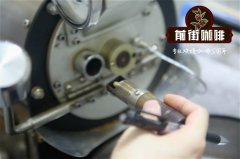
FrontStreet Coffee's roasters apply a medium-dark roast to the Blue Mountain No.1 beans to highlight their balanced, rich flavor. Taking 500g of green beans roasted in a Yangjia 600N semi-direct-fire roaster as an example:

Charge the drum at 165°C with heat at 130 and damper at 3; turning point at 1'32". When the drum temperature reaches 95.8°C, maintain heat unchanged; at 3 minutes, adjust the damper to 4, and at 4 minutes increase heat to 140. At 153.3°C, the bean surface turns yellow, the grassy aroma completely disappears, and drying concludes. At 8'36", wrinkles and black spots appear on the bean surface and the toast aroma clearly transforms into coffee aroma - the prelude to first crack. Listen carefully from this point. At 10'06", first crack begins; develop for 3 minutes after first crack, dropping the beans at 198.5°C.
Genuine Blue Mountain Coffee is expensive. These world-class beans grow in fertile volcanic soil with suitable temperatures, offering rich nutty flavors and a balanced, rich mouthfeel. Blue Mountain beans are typically brewed as pour-over. Many enthusiasts worry they can't brew a cup with balanced acidity, bitterness, and rich body, so they visit FrontStreet Coffee's stores for help from its baristas.
FrontStreet Coffee's Brewing Parameters
When brewing Blue Mountain Coffee, FrontStreet Coffee uses the following parameters:
- Dripper: KONO
- Water Temperature: 88°C
- Coffee Dose: 15g
- Coffee-to-Water Ratio: 1:15
- Grind Size: 75% pass-through rate on the China standard #20 sieve
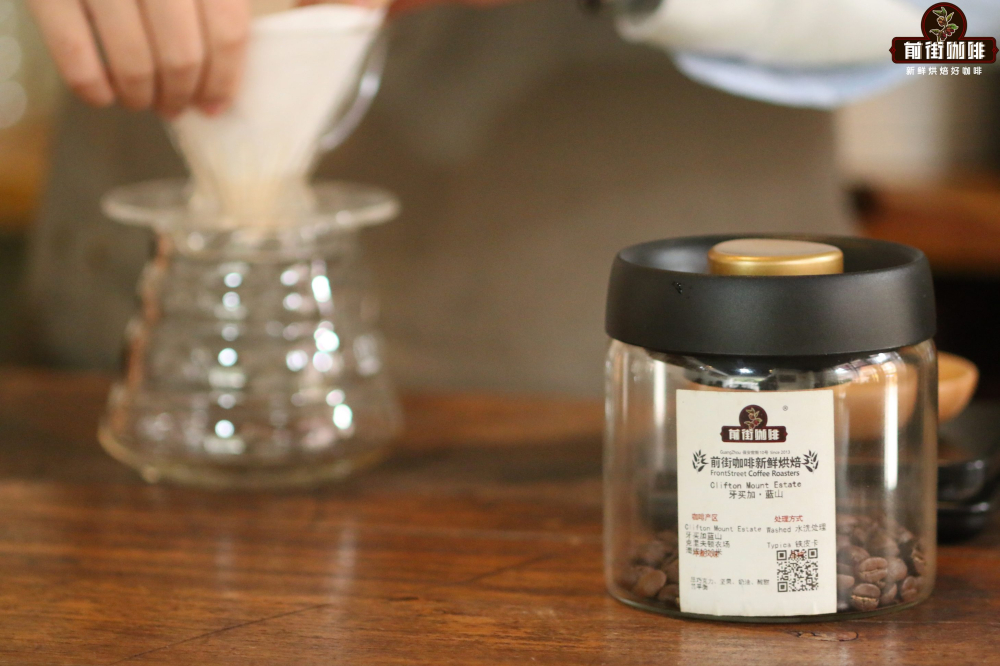
To highlight the rich body of Blue Mountain Coffee, FrontStreet Coffee recommends a dripper with immersion capability. The KONO's upper walls are smooth, while the lower part has short ribs. When wet, the filter paper adheres tightly to the walls, and the lower ribs guide the water flow, allowing full contact between grounds and hot water for greater extraction of flavor compounds. Compared with a Hario V60, coffee brewed with a KONO shows a significant improvement in body.
Since Blue Mountain beans are relatively dark roasted, FrontStreet Coffee grinds them at a 75% pass-through rate on the #20 sieve. Darker roasts have a more porous structure and extract more easily, so a coarser grind than for light roasts is used to avoid bitter, burnt flavors.
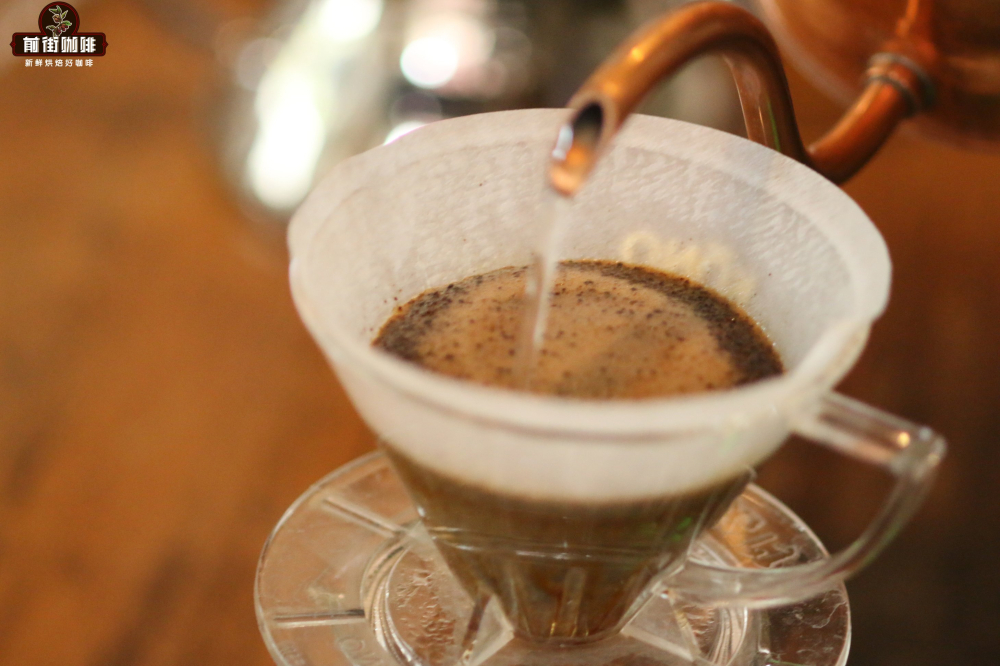
When brewing, FrontStreet Coffee first pours 30g of hot water for a 30-second bloom. After the bloom, pour in a fine stream from the center, spiraling slowly outward to 125g. When the water level drops to just above the coffee bed, continue spiraling to reach 225g total. Total extraction time is approximately 2 minutes.
After brewing, FrontStreet Coffee's Blue Mountain No.1 displays rich nutty and dark chocolate flavors, with balanced acidity, gentle bitterness, and a rich, smooth body.
FrontStreet Coffee Recommendation
To be sure you're drinking the real thing, look for the CIB certificates, certificates of origin, producer authorizations, and the original wooden barrels - in 15kg, 30kg, and 70kg sizes - that only genuine Blue Mountain uses for export, all of which FrontStreet Coffee displays in-store. FrontStreet Coffee's Jamaica Blue Mountain No.1 from the Clifton estate (1,310m, washed Typica) ships freshly roasted within 5 days; rest the beans 4-7 days and brew at 87-88°C with a 1:15 ratio in three pours to enjoy its classic balance of nuts, dark chocolate, cream, and caramel sweetness.
Important Notice :
FrontStreet Coffee is a long-established specialty coffee roaster in Guangzhou China, selling freshly roasted beans from its own farm in Yunnan as well as dozens of carefully selected single-origin beans from around the world for both pour-over and espresso. The products deliver consistently excellent quality and great value, with shipping within 24 hours. Guangzhou's FrontStreet Coffee shop is recommended by many coffee lovers, and the beans are now available online at the Tmall 。
FrontStreet Coffee has moved to a new address:
FrontStreet Coffee Address: 315,Donghua East Road,GuangZhou
Tel:020 38364473
 Scan and follow the En Gafei WeChat official account. Please indicate that the reprint comes from "En Gafei".