Jamaica Blue Mountain Coffee Brands, Classification, Prices & Characteristics: What Grade and Class Does Jamaica Blue Mountain Coffee Belong To
Jamaican Blue Mountain coffee beans are likely familiar to many people, having become one of the first names that comes to mind when many people learn about coffee. Blue Mountain No. 1, as the highest grade of coffee bean in the Jamaican Blue Mountain region, was extremely expensive years ago due to the immature coffee market and limited production. Consequently, Blue Mountain coffee became synonymous with expensive coffee and high quality.
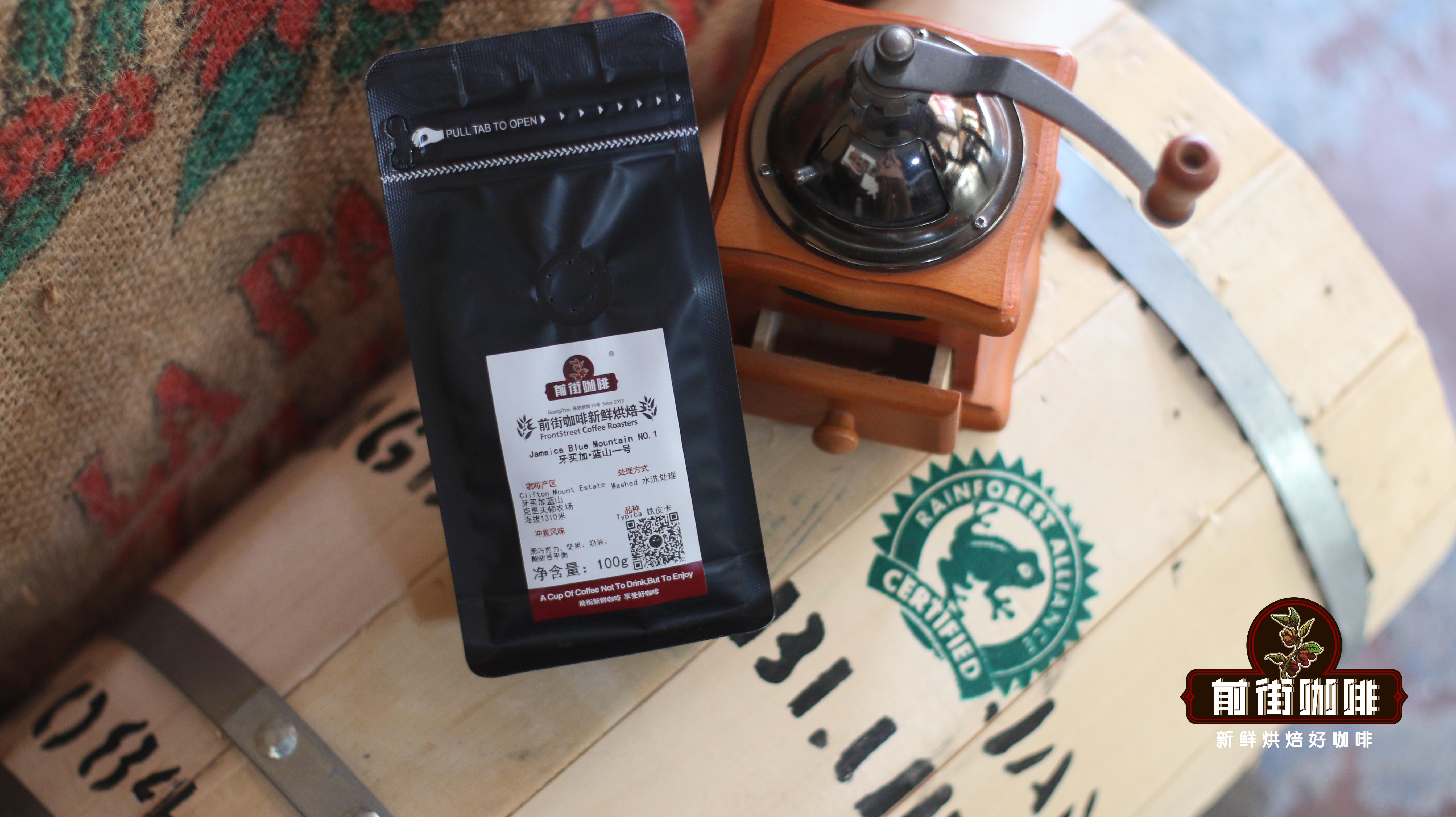
Today, with adjustments in Jamaican government policies, the domestic market has more opportunities to import Blue Mountain No. 1 coffee beans, and prices have naturally adjusted to become more accessible. FrontStreet Coffee currently sells Blue Mountain No. 1 coffee beans from Jamaica's Clifton Estate. Brewed in 15 g portions, each cup of Blue Mountain No. 1 coffee costs only about 25 yuan, making it an extremely cost-effective coffee with a very balanced and mellow flavor.
Characteristics of Blue Mountain Coffee
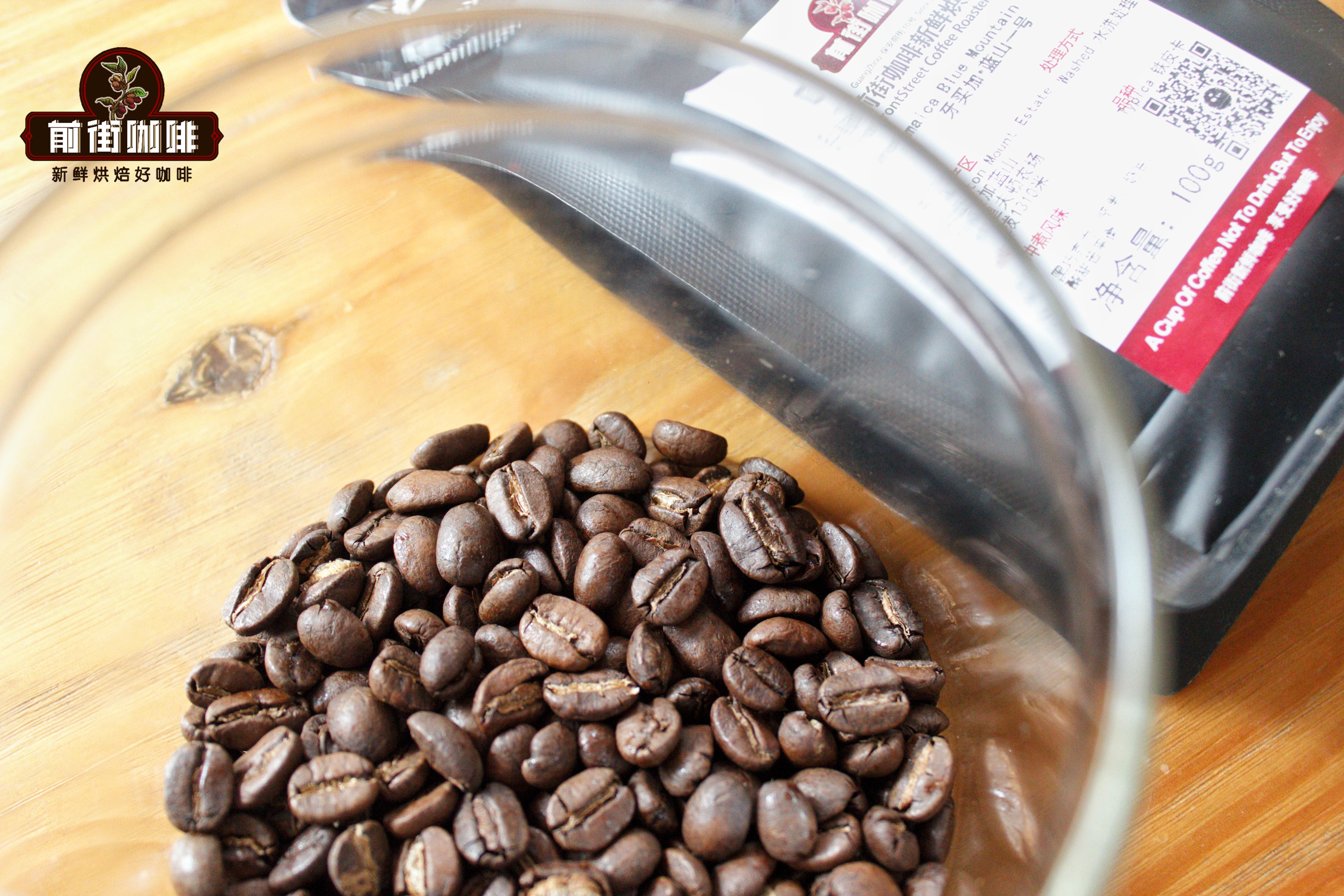
Although Blue Mountain coffee is not the most expensive coffee, it certainly serves as a benchmark for good coffee. The Blue Mountain coffee beans sold by FrontStreet Coffee are medium-dark roasted. Through cupping comparisons, Blue Mountain coffee not only has a rich and mellow flavor but also perfectly balances the three tastes of coffee: sweetness, acidity, and bitterness. While being mellow, it maintains a moderate and perfect acidity.
Growing Environment of Blue Mountain Coffee
This balanced flavor profile is attributed to the rich volcanic soil of the Blue Mountains, as well as the suitable climate brought by the island terrain and the various microclimates ideal for coffee tree growth.
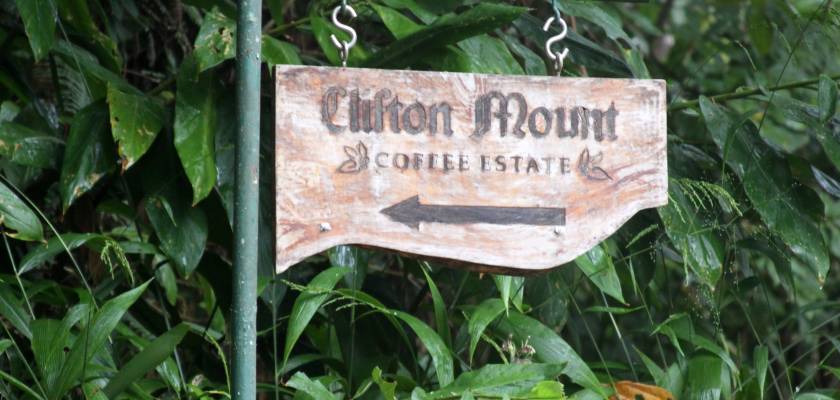
The region where Blue Mountain No. 1 coffee is grown lies at elevations of 910-1700 m in the Blue Mountains, while the Blue Mountain coffee sold by FrontStreet Coffee is grown at Clifton Estate at 1310 m elevation. Coffee beans grown at high altitudes have extended growth periods due to the temperature difference between day and night, allowing the coffee to develop more sweetness and flavor complexity.
Varieties of Blue Mountain Coffee
The delicious taste of Blue Mountain coffee is inseparable from the mineral-rich volcanic soil of the Blue Mountains and the year-round warm, rain-abundant microclimate. Additionally, the variety grown here is one of the oldest coffee varieties in the Arabica lineage—the clean and elegant Typica variety.
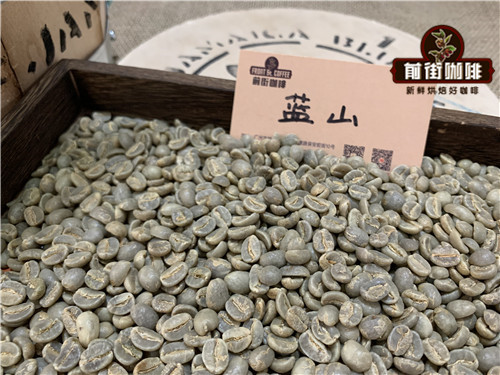
The first coffee tree in the Blue Mountains was transplanted from Martinique to Jamaica's Blue Mountains in the 1720s. After more than 200 years, Blue Mountain Typica has evolved to have better disease resistance, particularly showing superior resistance to coffee berry disease compared with typical Typica varieties.
Does Blue Mountain Coffee Have Other Grades?
Blue Mountain coffee beans have three grades: Blue Mountain No. 1, Blue Mountain No. 2, and Blue Mountain No. 3. All Blue Mountain coffee entering the Chinese market is of Blue Mountain No. 1 grade. The difference lies in the size of the coffee fruit (coffee beans), and all three grades must have a defect rate of no more than 2% after processing.
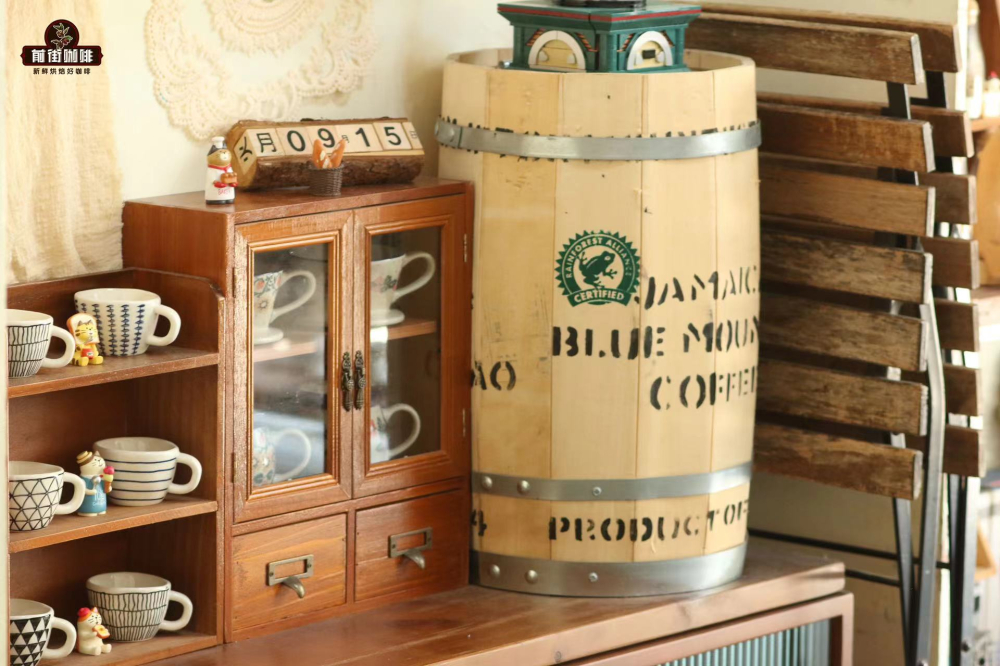
Currently, authentic Blue Mountain coffee beans purchased in China are all of Blue Mountain No. 1 grade. At FrontStreet Coffee's physical stores, you can see the wooden barrels required by the Jamaican government for exporting Blue Mountain coffee, as well as the certificate of origin from the Blue Mountain coffee's source (Clifton Estate).
How to Brew Blue Mountain Coffee Beans for Great Taste
For specialty-grade coffee beans like Blue Mountain No. 1, FrontStreet Coffee believes that drip-brewed black coffee best allows you to enjoy Blue Mountain's unique aroma. Blue Mountain coffee is roasted darker, with flavors leaning toward rich and mellow profiles. FrontStreet Coffee's baristas use the KONO dripper, utilizing its tight fit between filter paper and dripper to achieve immersion-style extraction during pour-over brewing, resulting in higher coffee concentration. Additionally, to avoid over-extraction that would make the coffee bitter and strong, FrontStreet Coffee uses slightly cooler water and a coarser grind setting.
FrontStreet Coffee's in-store extraction parameters: KONO dripper, 88°C water temperature, 1:15 coffee-to-water ratio, 15 g coffee dose, grind size (70-75% retention on No. 20 standard sieve).
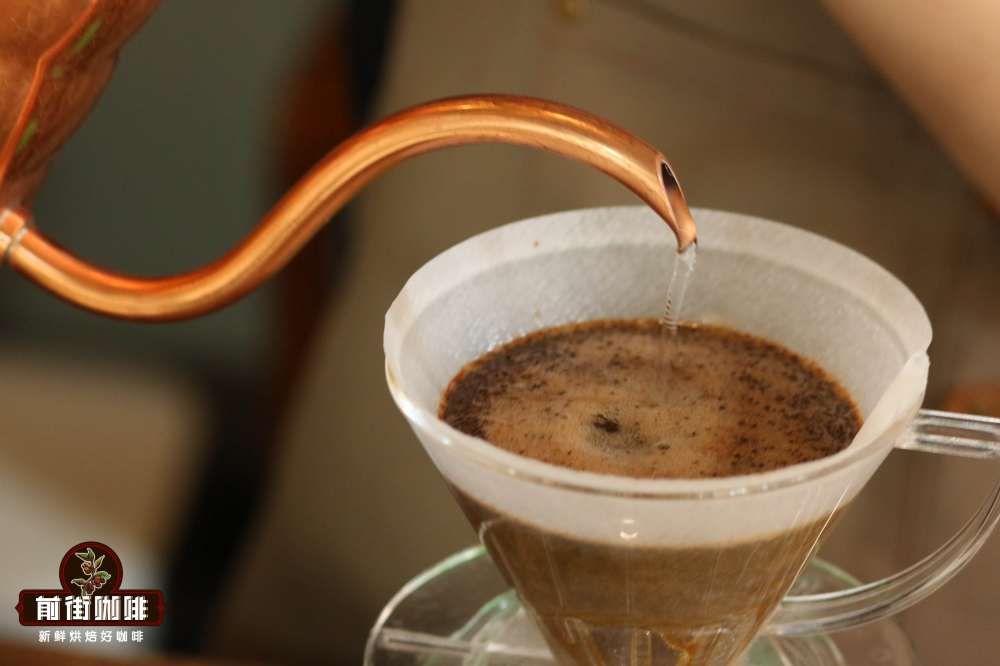
The pouring method is as follows: first pour 30 g of hot water for a 30-second bloom, then pour from the center with a fine stream, slowly spiraling outward to 125 g. Wait until the water level in the dripper drops to just before exposing the coffee bed, then continue spiraling to 225 g. Total extraction time is approximately 2 minutes. Finally, stir the extracted coffee liquid evenly before tasting.
When FrontStreet Coffee brewed Blue Mountain No. 1 coffee beans, caramel aroma was detected during the bloom stage. Tasting revealed rich, mellow nutty and dark chocolate flavors, with a full-bodied overall texture and a sweet, clean aftertaste.
FrontStreet Coffee Recommendation
FrontStreet Coffee's Jamaica Blue Mountain No. 1 comes from the historic Clifton Estate. Coffee has been grown and processed there since around the mid-eighteenth century (roughly 1750), on land averaging 4,300 feet (about 1,310.64 meters)—high enough, with gentle afternoon cloud cover, ample sunlight, and mineral-rich soil, to extend the cherries' ripening and build the bean's classic balance. The beans are medium-dark roasted to bring out a full body with a sweet, lingering finish.
Blue Mountain No. 1 is the highest grade of the three (No. 1, No. 2, No. 3), all of which carry a defect rate of no more than 2%. FrontStreet ships these beans roasted within 5 days so they arrive at full flavor and can be brewed right away; a 4-7 day rest from the roast date, counting the roast day as day one, gives the best cup.
FrontStreet recommends the KONO dripper for Blue Mountain, since its tight filter fit gives a more immersion-like extraction and a richer body. Use 15 g at a 1:15 ratio with 87-88 degrees Celsius water and a grind a little coarser than for light roasts—about the texture of granulated sugar—pouring in three stages: 30 g for a 30-second bloom, then to 120 g with a slow, small, vertical circle, then to 225 g with a slightly faster pour to avoid clogging and over-extraction. A 1:15 ratio expresses the bean's overall balance better than the tighter 1:13 some methods suggest.
Important Notice :
FrontStreet Coffee is a long-established specialty coffee roaster in Guangzhou China, selling freshly roasted beans from its own farm in Yunnan as well as dozens of carefully selected single-origin beans from around the world for both pour-over and espresso. The products deliver consistently excellent quality and great value, with shipping within 24 hours. Guangzhou's FrontStreet Coffee shop is recommended by many coffee lovers, and the beans are now available online at the Tmall 。
FrontStreet Coffee has moved to a new address:
FrontStreet Coffee Address: 315,Donghua East Road,GuangZhou
Tel:020 38364473
 Scan and follow the En Gafei WeChat official account. Please indicate that the reprint comes from "En Gafei".