How to Use Coffee Filter Paper? How to Make Costa Rica Black Honey Coffee Even Better with Kono Filter Paper?
How to Use Coffee Filter Paper, and How to Make Costa Rican Black Honey Even Better with Kono Filter Paper
Many coffee lovers who buy their own beans, use a grinder, and assemble their own gear prefer to brew with their own filtration setup. Pour-over coffee is a magical drink because everyone's brew tastes a little different, letting you experience something unique and personal. With filter paper, a dripper, and a pour-over kettle, you can brew a good cup with ease. Using coffee filter paper in drip brewing allows for more even and thorough soaking to extract the coffee's essence, resulting in a purer taste.
Bleached Filter Paper vs. Unbleached Filter Paper
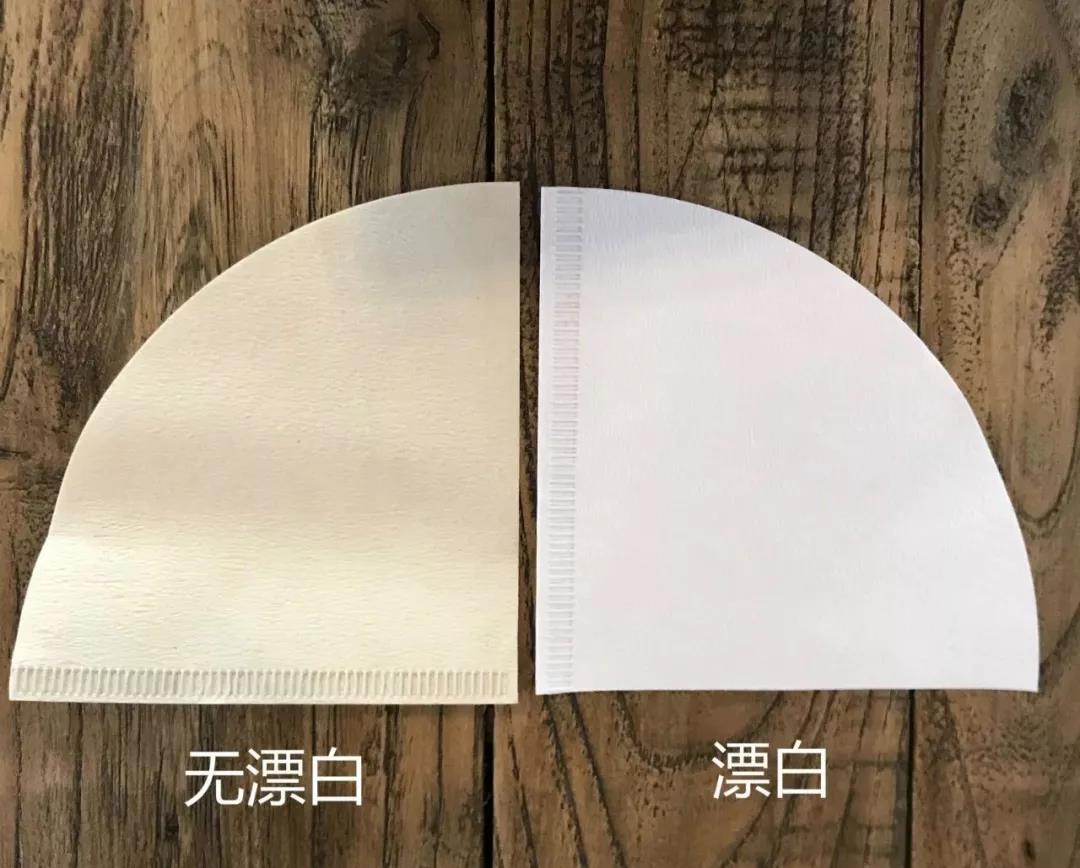
Coffee filter paper is mostly made from wood. After wood is cooked, the pulp is largely brown and needs several bleaching steps to turn white.
The differences between bleached and unbleached coffee filter paper are as follows:
1. Bleached: filter paper that has undergone a bleaching treatment, so it looks whiter.
2. Unbleached: filter paper that has not been bleached, so it looks light brown.
Put simply, filter paper is generally used for drip coffee, filtering the ground coffee so the coffee liquid passes through into the cup. Filter paper also traps coffee oils, producing a clean coffee solution. Good filter paper removes impurities, making coffee taste richer and more aromatic.
Advantages: highly convenient, disposable after use, and interchangeable between brands; produces a cleaner taste with fewer impurities and off-flavors.
Disadvantages: less environmentally friendly because of the paper used; unbleached paper may carry a papery taste; oils are filtered out, so the coffee lacks any oily sensation and tastes cleaner.
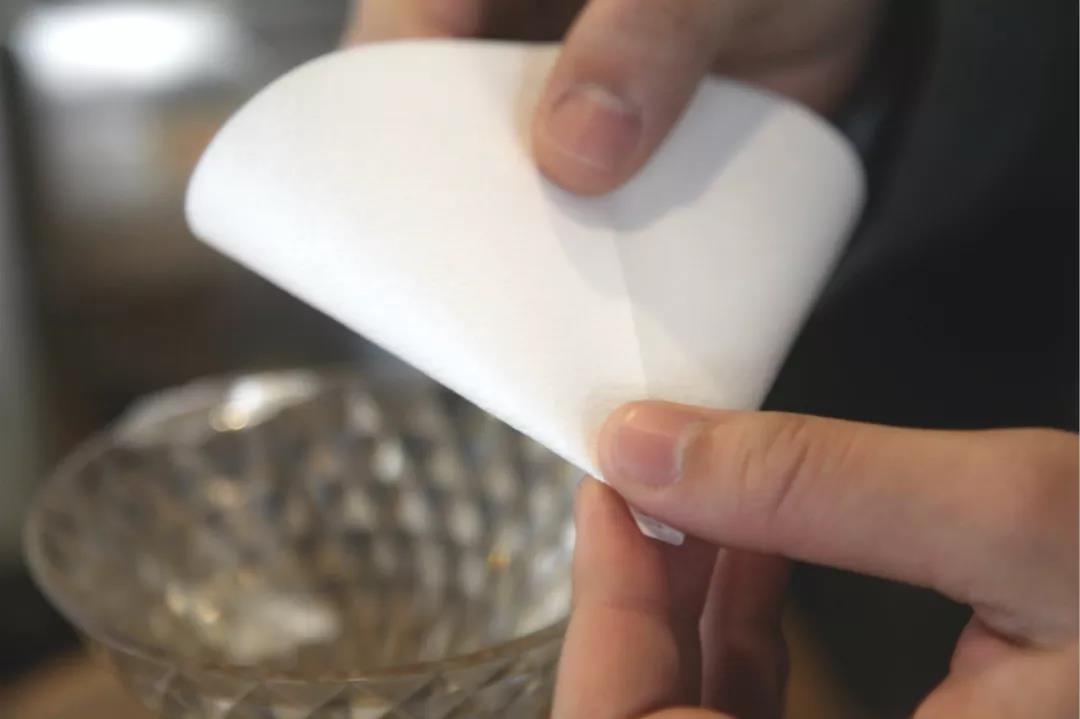
Bleached versus unbleached is not the only difference among filter papers. Quality also matters for keeping equipment clean and maintaining a good filtration flow rate. That may sound trivial, but the impact is genuinely significant.
In addition, be sure to choose filter paper that matches the size of your dripper, and pay attention to thickness and density — paper that is too thin or too loose lets water flow through too quickly, while paper that is too thick or too dense traps more coffee oils (as Chemex filters do).
Do You Really Need to Rinse Filter Paper?
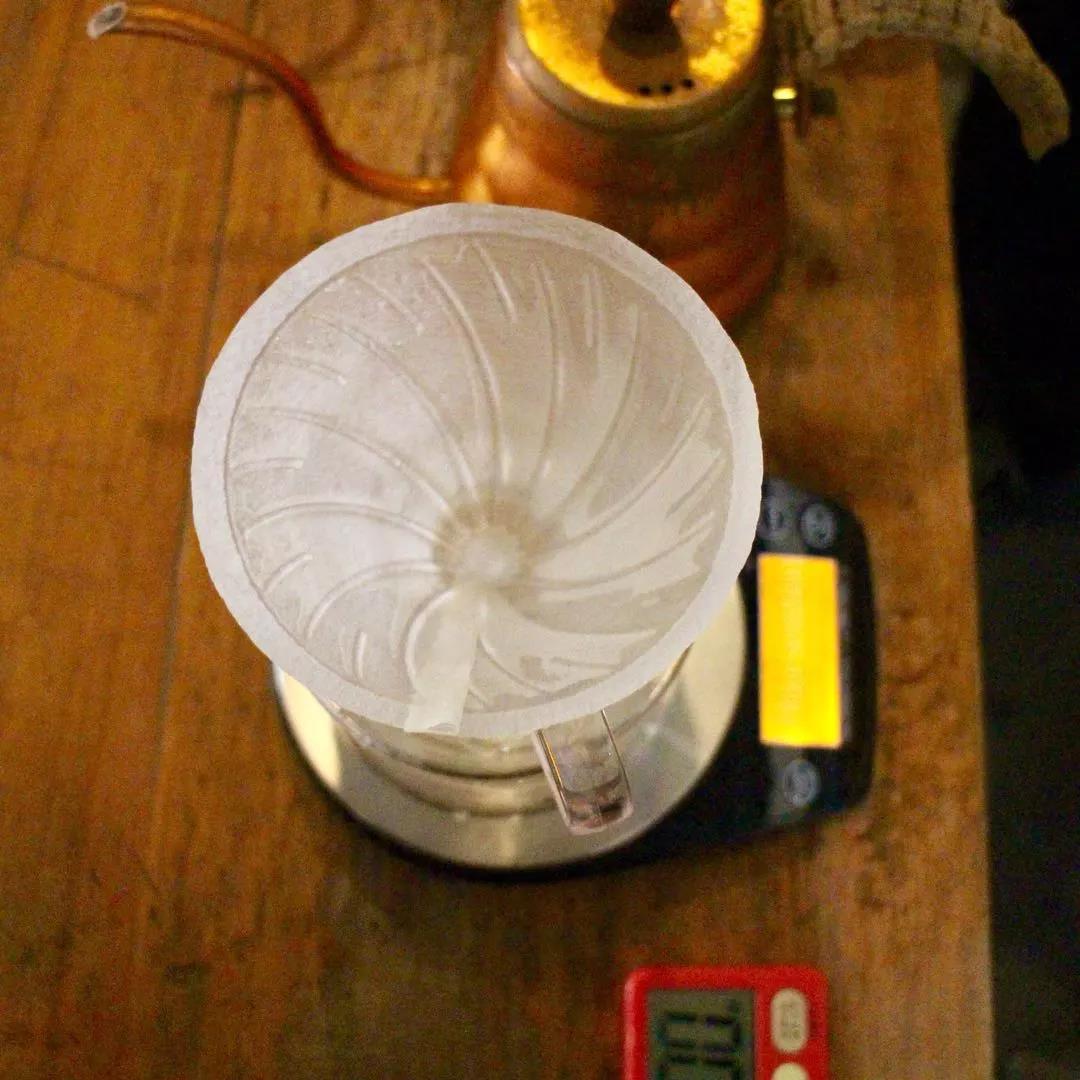
For beginners, the standard routine is to fold the filter paper, rinse it, and warm the dripper — just follow the steps. Yet some experienced Japanese brewers do not rinse their paper at all, which may leave you wondering why rinsing is necessary in the first place.
1. Removing Pulp Taste
As noted above, unbleached filter paper retains a strong wood pulp taste if it is not rinsed, so it should be rinsed. With bleached paper, residual paper and bleach tastes vary by brand. High-quality paper can be processed clean enough that rinsing makes little difference.
2. Fit with the Dripper
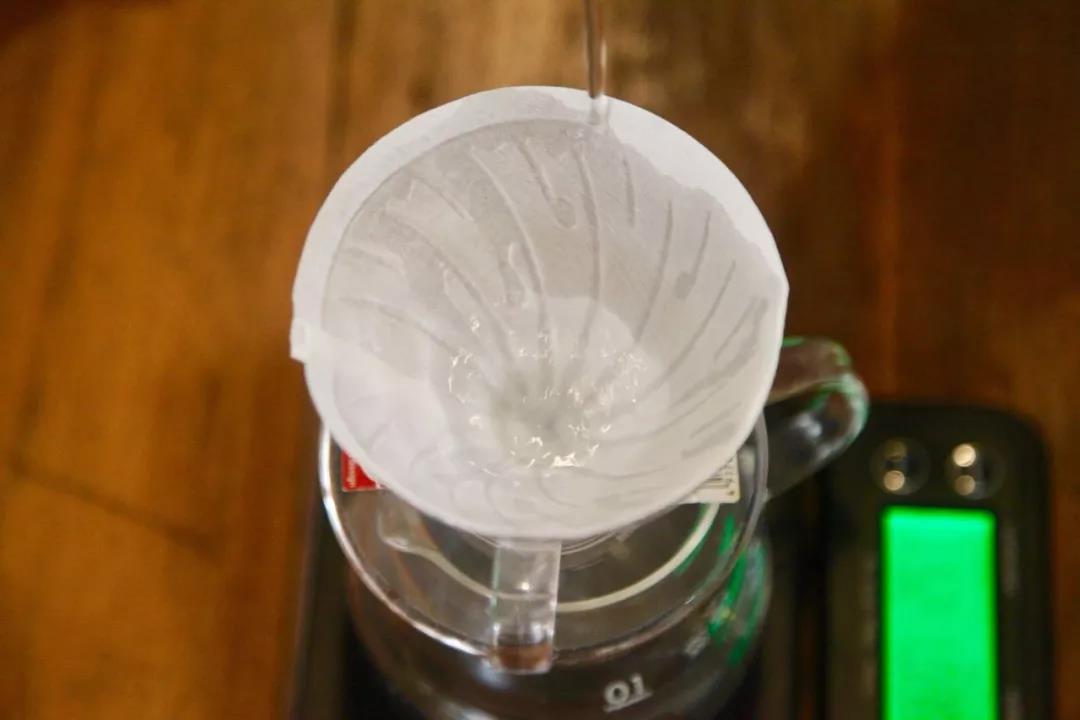
Rinsing filter paper helps it sit snugly against the dripper, supporting the rib design and brewing principles of the vessel. In most cases, brewing without rinsing leaves the paper slightly less well-fitted than pre-warming and pre-rinsing would.
3. Absorption of Oils and the First Extract
When you brew without rinsing, the filter paper absorbs some moisture and oils during the bloom and may release some questionable off-flavors. For completeness of extraction, then, it is better to rinse.
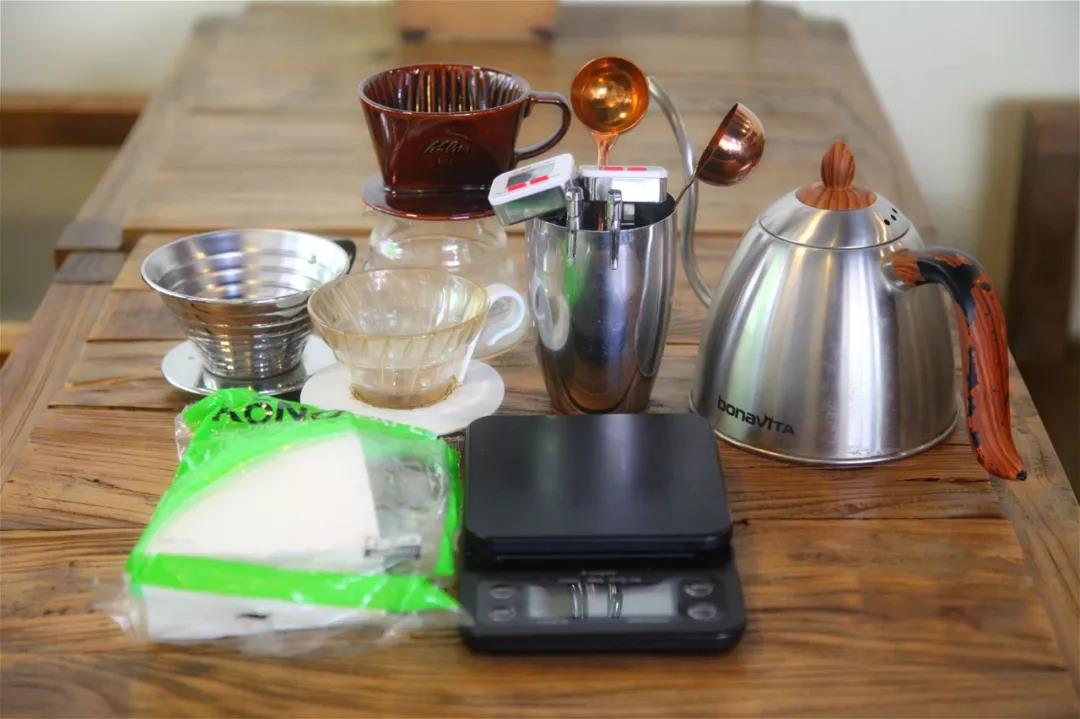
At FrontStreet Coffee we are fond of this KONO drip-style pour-over filter paper. It fits any conical dripper, whether a Hario V60 or a KONO. The Japanese-imported paper is medium in thickness — neither too thin nor too thick — with medium-strong permeability and a very good fit against the dripper as you pour.
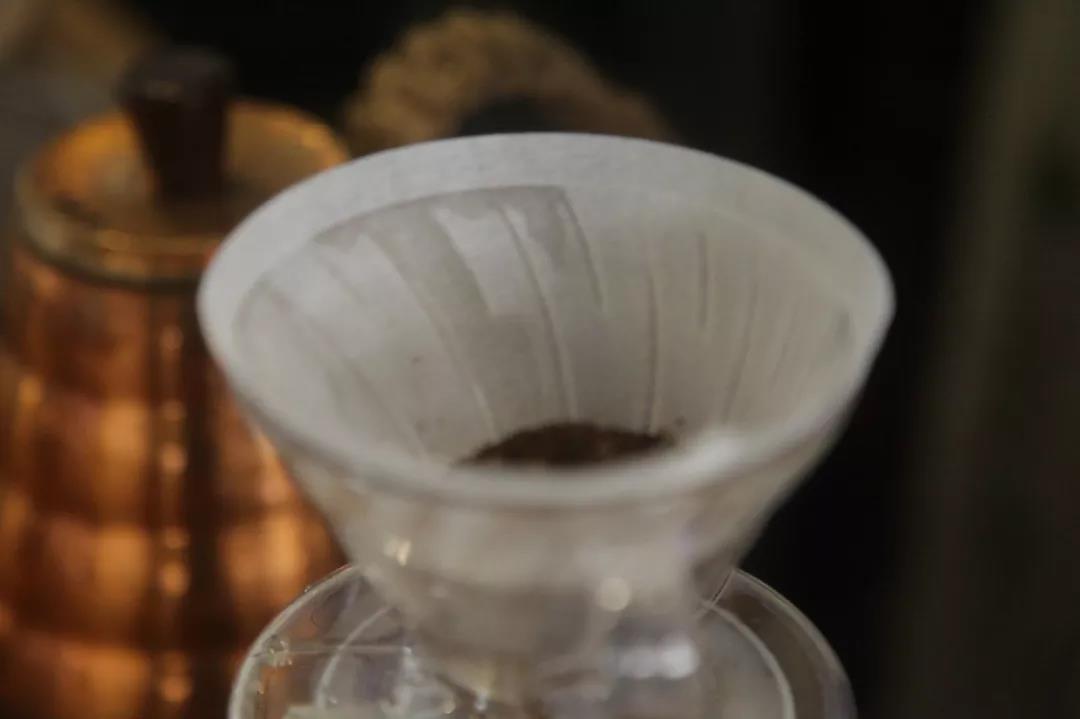
Brewing Method
Dripper: Hario V60
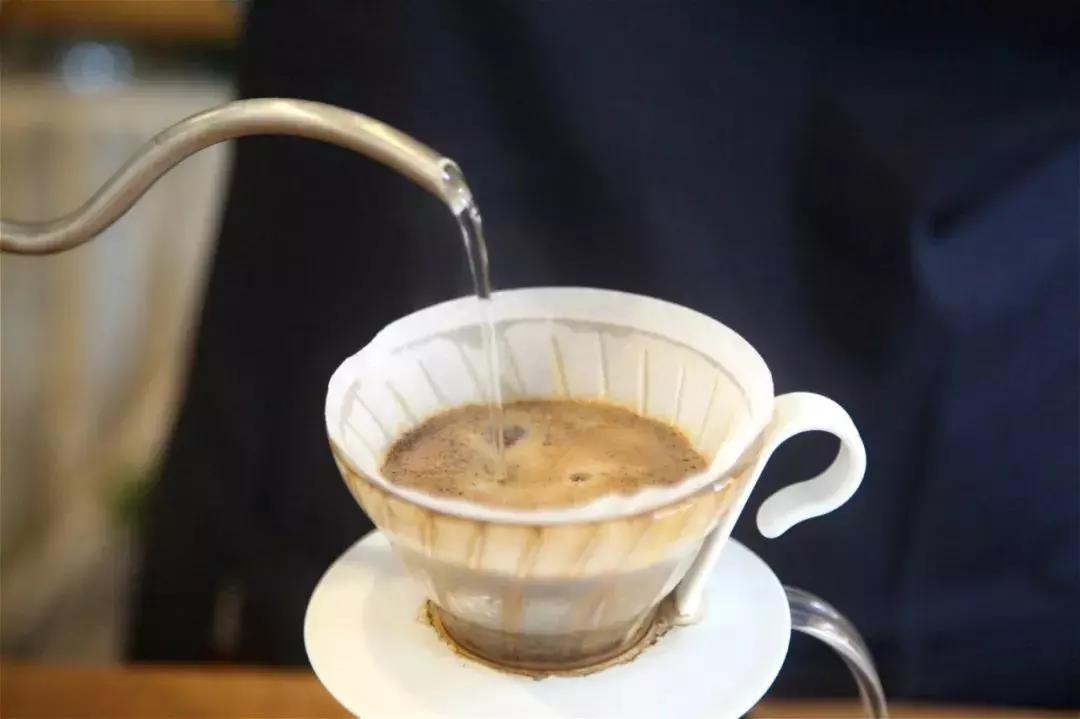
Water Temperature: 90 degrees
Grind Size: Fuji grinder setting 3.5
Brewing Technique: water-to-coffee ratio 1:15, 15g coffee; first pour 25g water for a 25s bloom; second pour to 120g water and stop; wait until the water level in the coffee bed drops halfway before pouring again, slowly pouring to 225g; extraction time around 2:00
Analysis: A three-stage pour clearly separates the front, middle, and back end flavors of the coffee. Because the V60 has many ribs and drains quickly, pausing the pour extends extraction time and draws out the nutty and chocolate flavors at the back end.
Flavor: Multi-layered and overall clean, with preserved plum, honey, brown sugar, orange blossom, and white chocolate; good sweetness, gentle fruit acidity, a round full body, and a persistent aftertaste.
KONO Pour-Over
Dripper: KONO dripper
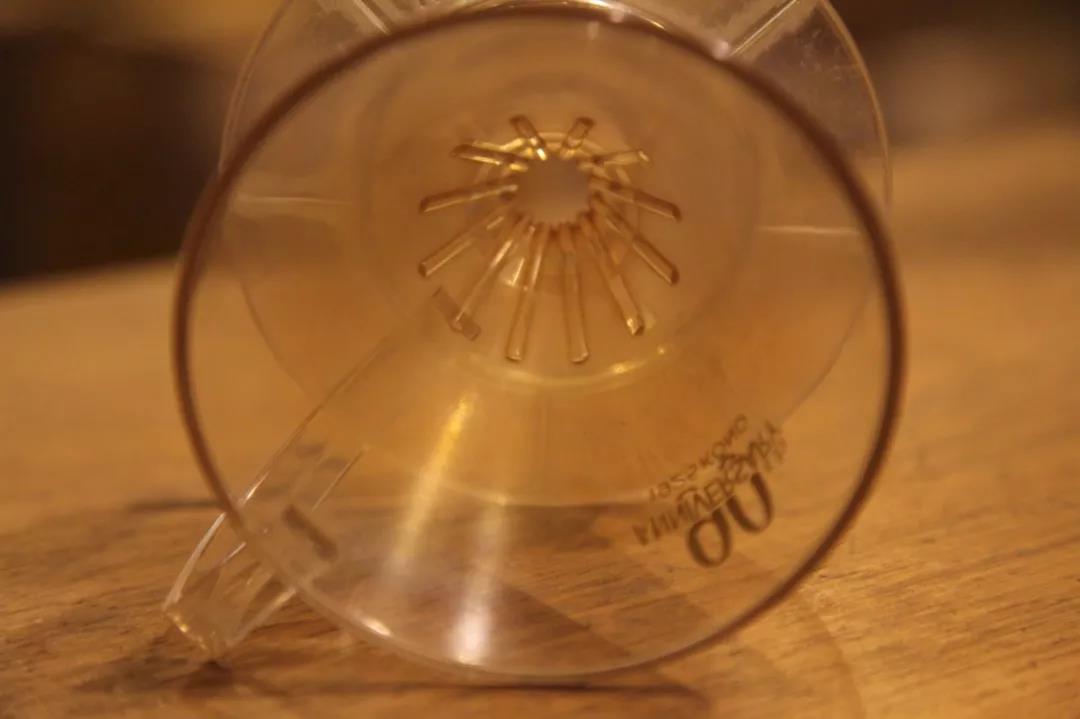
Water Temperature: 89 degrees
Grind Size: Fuji grinder setting 4
Brewing Technique: water-to-coffee ratio 1:15, 16g coffee; first pour 30g water for a 30s bloom; second pour to 234g water; extraction time around 2:05
Analysis: The KONO dripper has few ribs at the bottom, and the filter paper hugs it tightly, restricting airflow. That gives water and grounds longer contact and soaking time inside the dripper, safeguarding extraction time and extraction rate even with a coarse grind. The grounds are fully extracted, which enhances the rich taste and concentrates the flavor.
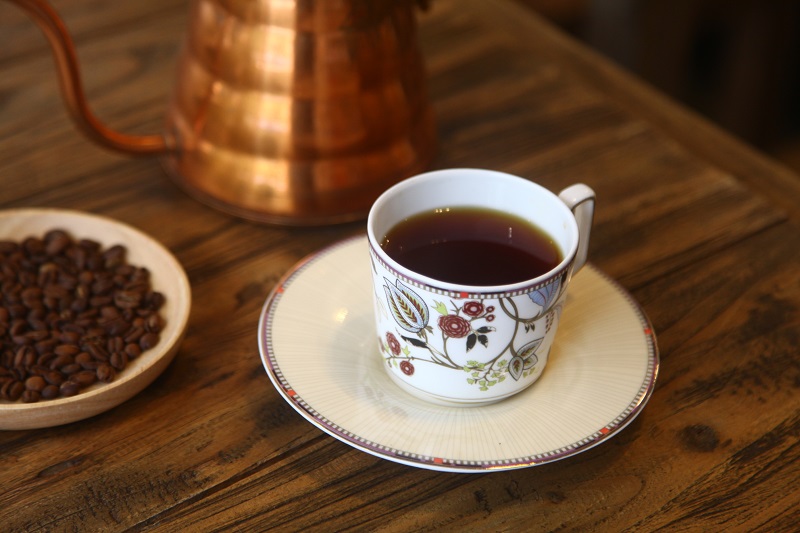
Flavor: Highly balanced, with preserved plum and brown sugar, gentle fruit acidity, and fruit fermentation notes; overall clean, with a thick, solid mouthfeel and a persistent dark chocolate aftertaste.
Brewing a good pour-over requires managing many variables — the filter paper is one, along with water quality, pour volume, drip time, and grind size. Grasp each variable, keep adjusting, and you will eventually find the experience your palate is looking for.
FrontStreet Coffee Recommendation
FrontStreet Yirgacheffe Gudingding Cooperative — Designed for V60-style pouring, where its clean profile shines. This washed Ethiopian lot from the Gudingding team in the Woka area shows jasmine blossom and bright citrus acidity; a medium-light roast brings out green tea and honey. It performs equally well as pour-over, cold brew, or espresso.
FrontStreet Ethiopia Huakui — Because it is roasted medium-light, this Ethiopian natural works beautifully in a V60. It is known for its intense tropical fruit aroma — strawberry, passion fruit, jackfruit, even lychee — with obvious sweetness, very little bitterness, and a smooth, juicy body.
FrontStreet Strawberry Candy Geisha Blend — For the fruit-and-floral crowd, this blend pairs Gesha with Costa Rican honey-processed beans, so it carries both delicate florals and a rich, lively fruit sweetness. Brewed in a V60 it is sweet and bright, and it also suits a moka pot, an espresso machine, and cold brew.
Important Notice :
FrontStreet Coffee is a long-established specialty coffee roaster in Guangzhou China, selling freshly roasted beans from its own farm in Yunnan as well as dozens of carefully selected single-origin beans from around the world for both pour-over and espresso. The products deliver consistently excellent quality and great value, with shipping within 24 hours. Guangzhou's FrontStreet Coffee shop is recommended by many coffee lovers, and the beans are now available online at the Tmall 。
FrontStreet Coffee has moved to a new address:
FrontStreet Coffee Address: 315,Donghua East Road,GuangZhou
Tel:020 38364473
 Scan and follow the En Gafei WeChat official account. Please indicate that the reprint comes from "En Gafei".