How Should You Brew Pour-Over Coffee? What Factors Affect Pour-Over Coffee?
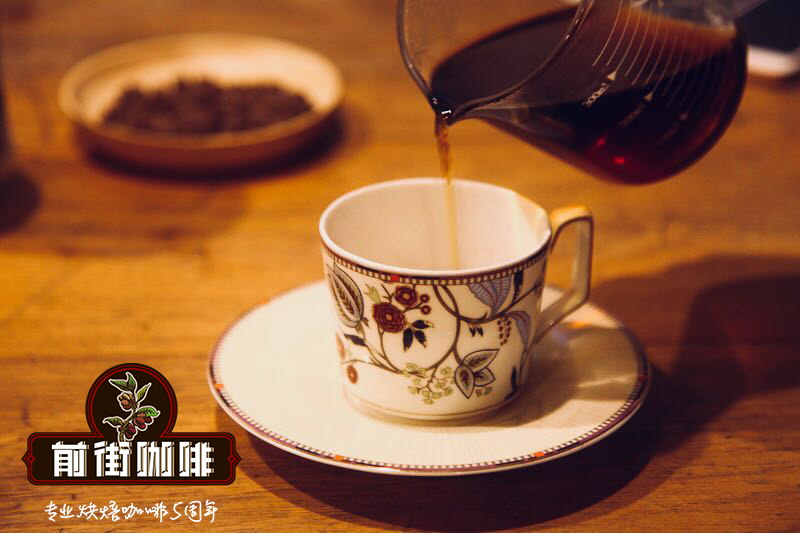
When you brew coffee at home, you may run into flavors you dislike without understanding where they come from or how to fix them. That is why FrontStreet Coffee suggests writing down your brewing parameters and the flavors you taste each time, then adjusting from there.
What Factors Affect Coffee Flavor?
1. Water Temperature
A higher water temperature raises extraction and produces a rich, full-bodied cup. A lower temperature lowers extraction and yields a cleaner, more delicate style. Temperature strongly influences extraction rate. Bitterness and burnt notes usually appear in the later stages of extraction. If your coffee tastes bitter, burnt, or astringent, lower the brewing temperature. If it tastes watery or weak instead, many flavors are still locked in the grounds, so consider raising the temperature for better extraction.
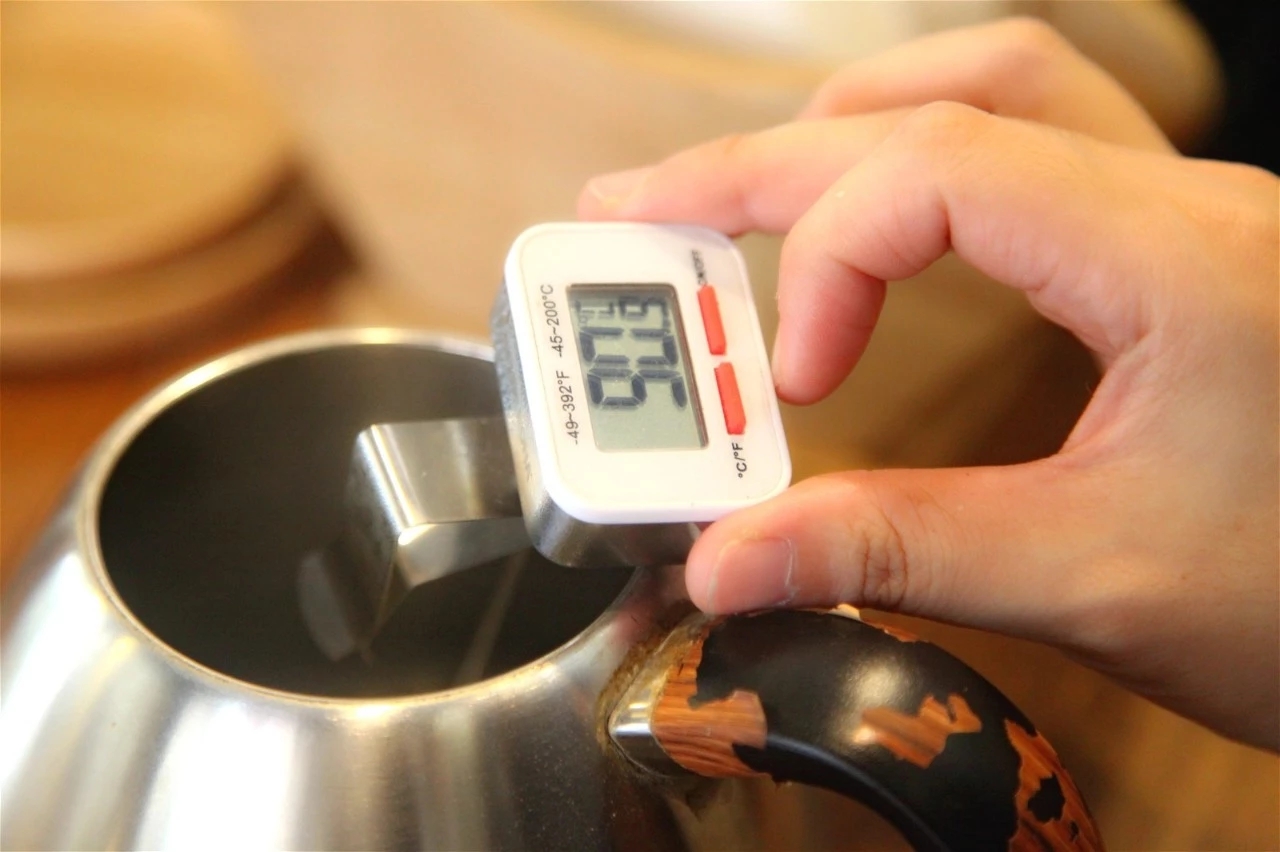
FrontStreet Coffee suggests the following: for light roasts, use water between 89-92°C; for dark roasts, 84-88°C is enough.
2. Grind Size
If the grind is too fine, extraction rate rises; if it is too coarse, extraction rate falls. Grind size also affects flow rate. Too fine and the water slows down, so the coffee in the filter keeps extracting and may over-extract. Too coarse and the water runs through too quickly, leaving too little contact time and causing under-extraction. Another scenario is an uneven grind or an excess of fine particles. An uneven grind easily leads to inconsistent extraction. A moderate amount of fines can add complexity, but too many become a source of unpleasant flavor.
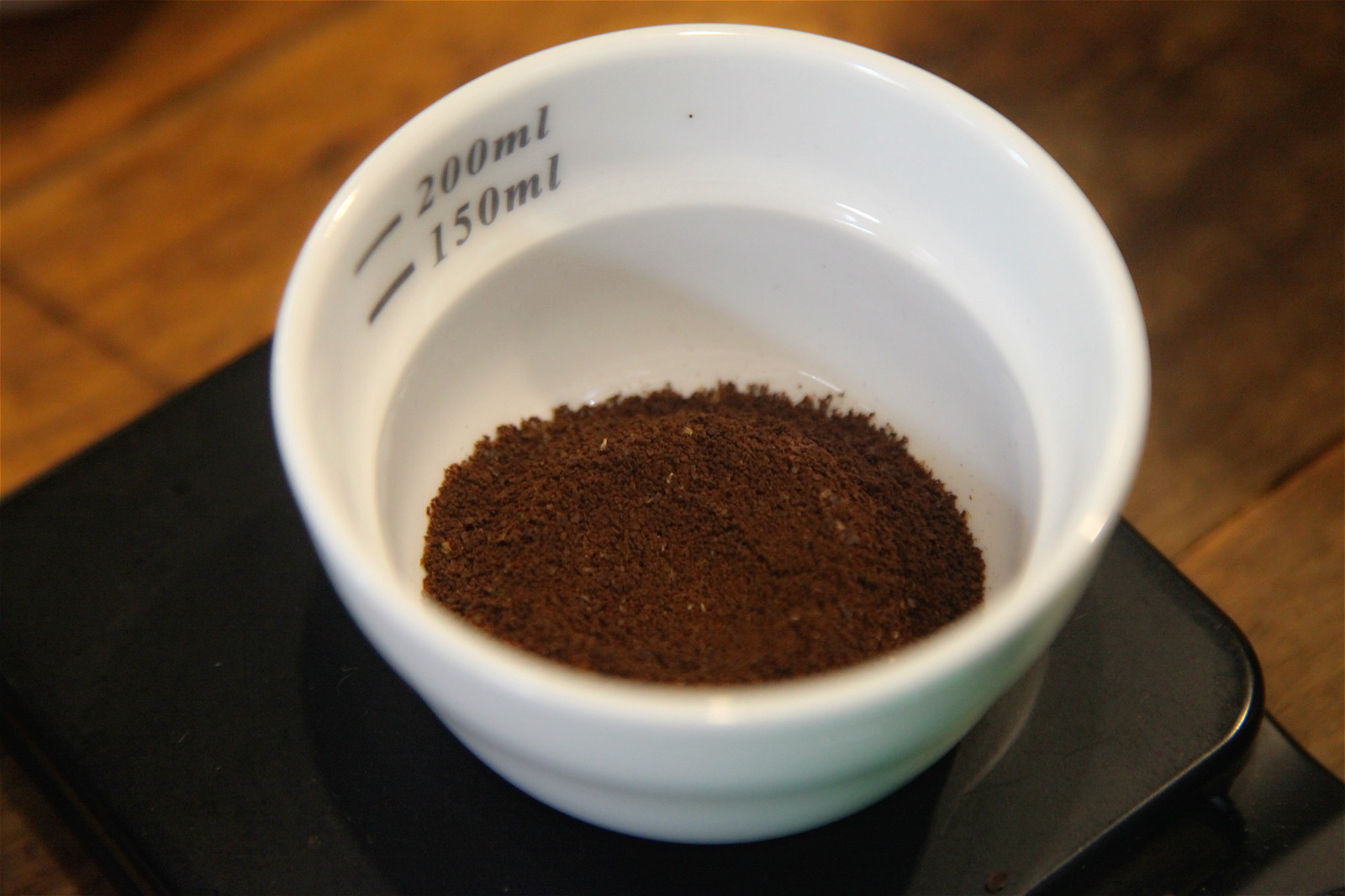
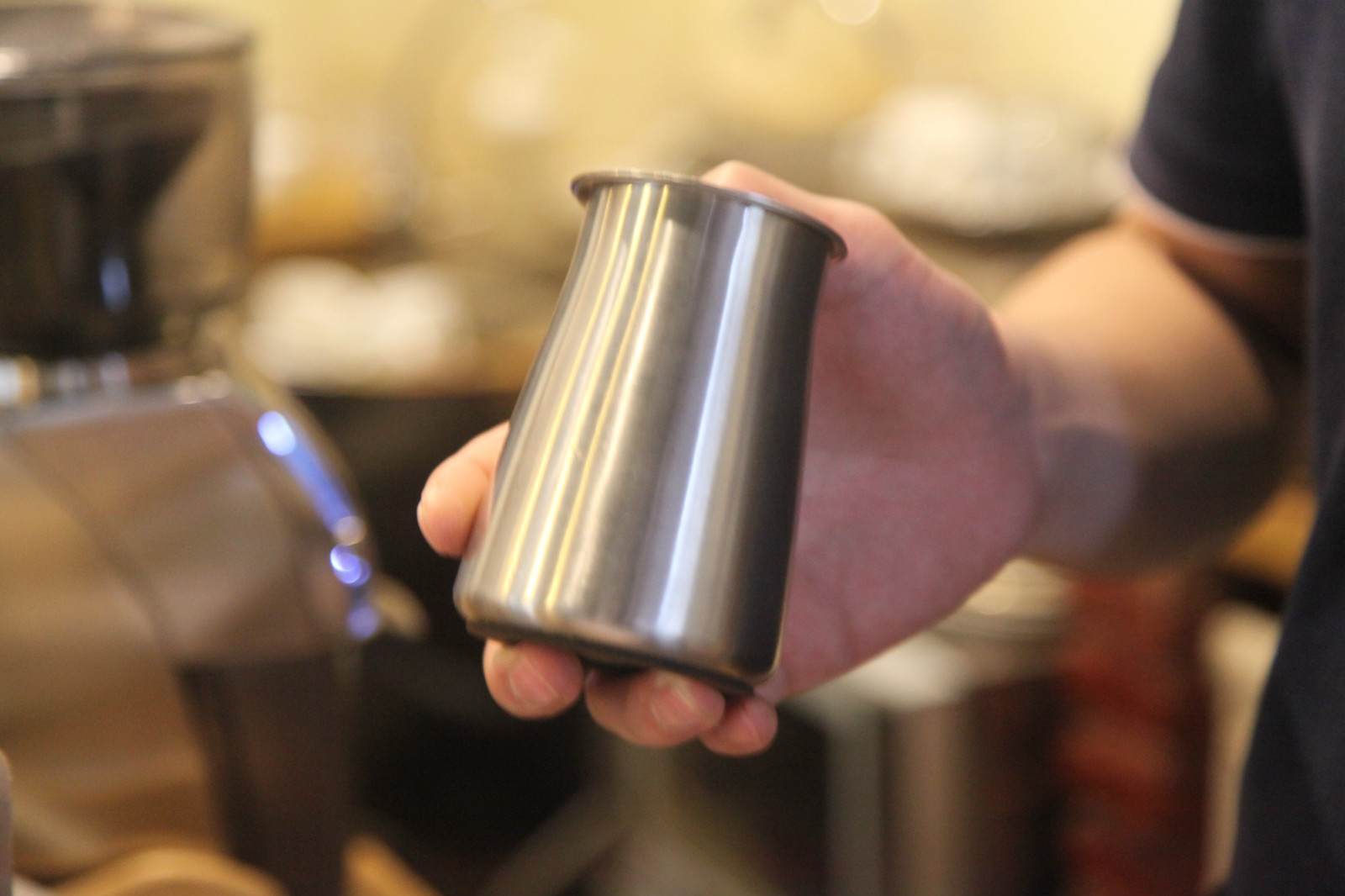
If you have too many fine particles, a flour sifter can mostly solve the problem. If the grind itself is uneven, though, the author still recommends buying a better grinder.
3. Bloom Technique
Surprisingly, even the bloom can affect flavor. Astringency usually comes from excessive extraction time, but the bloom can also be a source of it. This kind of astringency lingers from the first sip to the swallow, making flavor flaws especially noticeable. Bloom-related astringency shows up in two main ways.
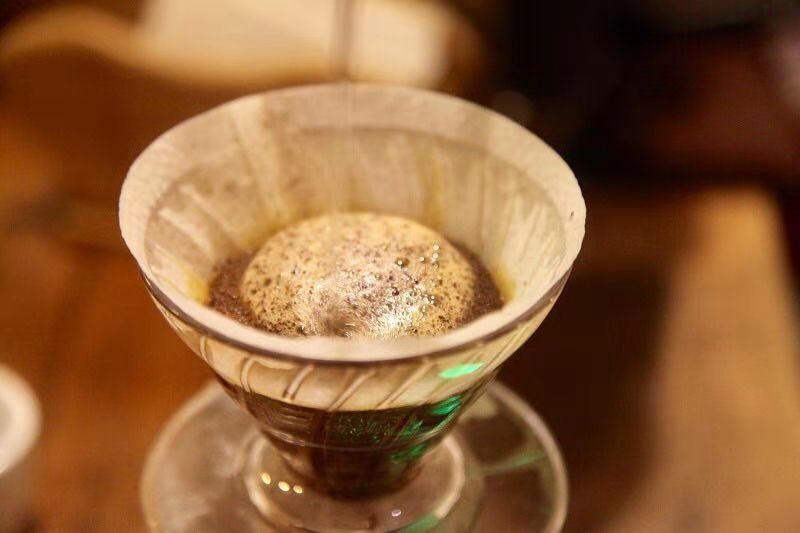
1. Uneven Water Distribution
When water absorption in the coffee bed is uneven, degassing naturally becomes uneven as well. That makes extraction random: some areas over-extract while others under-extract, which readily produces astringency.
2. Too Gentle a Pour or "Spreading Water"
When the pour is very gentle, or when using the so-called "spreading water" technique in which water is lightly placed on the surface to soak in completely, there is usually no problem. One thing needs special attention, however: an excessively long bloom can cause astringency. During a gentle pour or spreading, water sits on the surface without enough force to push through the bed, relying only on gravity and diffusion to gradually moisten the grounds. That makes the contact time between water and coffee longer than with a more forceful pour. Combined with an extended bloom, this can lead to over-extraction and astringency.
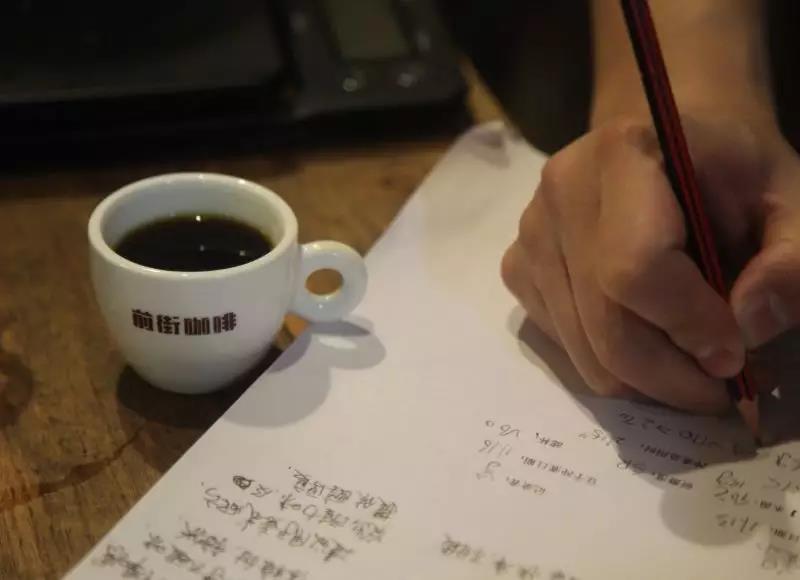
FrontStreet Coffee therefore recommends testing several times to find the maximum bloom time. Stay under that limit and astringency will basically not appear. Also apply the water with slightly more force, or control the flow more freely. With added force, the water will not sit in the bed for too long, and by then exploring the bloom time limit you can strike a balance between gentleness and bloom duration.
One more thing: FrontStreet Coffee suggests changing only one parameter at a time. If you change too many at once, it becomes impossible to tell what actually affected the extraction. With practice, you will be able to brew excellent coffee.
FrontStreet Coffee Recommendation
Once your technique is dialed in, the dripper matters too, and the Hario V60 rewards a fast, controlled pour with a more three-dimensional aroma and lively acidity. That makes it a natural fit for the floral and fruity coffees FrontStreet Coffee loves. For a light-roast start, FrontStreet Coffee's Yirgacheffe Gudingding brings the classic Yirgacheffe citrus, berries, and floral lift with a green-tea finish; the acidity is soft and bright rather than sharp, so it is an easy entry into pour-over. If you want something louder, FrontStreet Coffee's Ethiopia Huakui is packed with tropical fruit, strawberry, passion fruit, and jackfruit, low in bitterness and full of juice.
For a fuller, darker counterpoint, FrontStreet Coffee's PWN Golden Mandheling from Sumatra is deep roasted with very low acidity and a thick, lingering body of herbs and dark chocolate, the pick for anyone who prefers a heavy, low-acid cup. All are available on FrontStreet Coffee's online shop.
Important Notice :
FrontStreet Coffee is a long-established specialty coffee roaster in Guangzhou China, selling freshly roasted beans from its own farm in Yunnan as well as dozens of carefully selected single-origin beans from around the world for both pour-over and espresso. The products deliver consistently excellent quality and great value, with shipping within 24 hours. Guangzhou's FrontStreet Coffee shop is recommended by many coffee lovers, and the beans are now available online at the Tmall 。
FrontStreet Coffee has moved to a new address:
FrontStreet Coffee Address: 315,Donghua East Road,GuangZhou
Tel:020 38364473
 Scan and follow the En Gafei WeChat official account. Please indicate that the reprint comes from "En Gafei".