What is TOH? What are the coffee varieties in Uganda? How should Ugandan coffee be roasted?
For professional coffee knowledge exchange and more coffee bean information, please follow Coffee Workshop (WeChat public account: cafe_style)
Introduction to Uganda Coffee
Uganda is located at the source of the Nile River, a landlocked country in Africa without a coastline. Although it shares a long history of coffee production with other East African countries, quality improvement was consistently hindered by wars caused by ethnic conflicts. The best coffee here is mostly grown in regions bordering Kenya, with some high-quality beans being transported to Kenya and sold as Kenyan coffee. It was not until the war ceased 15 years ago that Uganda emerged as a country with rapidly developing coffee production.
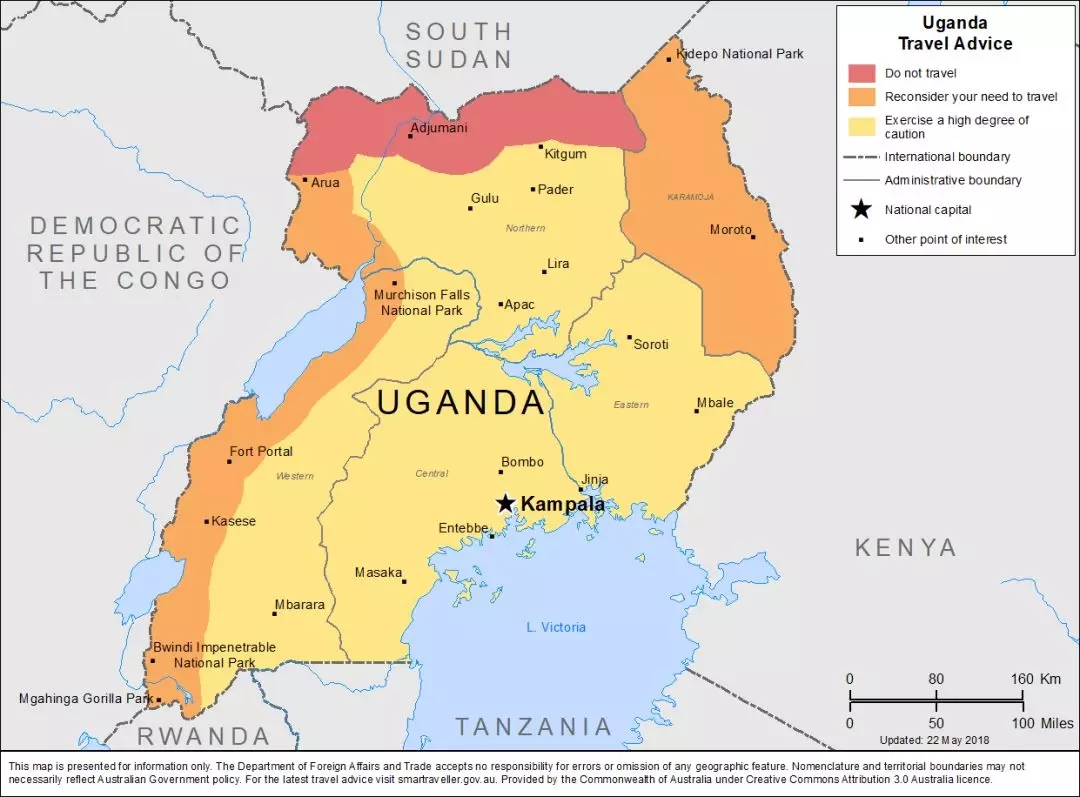
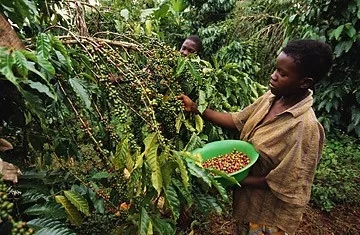
Uganda boasts lush green forests, lakes, wetlands, and abundant water resources from rivers. Coffee is Uganda's largest agricultural crop, with approximately 500,000 coffee farms engaging in coffee-related agriculture, accounting for 25% of the total population. Most coffee trees are robust Robusta varieties with strong growth, which constitute about 94% of Uganda's coffee cultivation. Only 6% are traditional Arabica varieties; these rare coffee beans grow in tropical rainforests and are mostly exported to countries worldwide.
Uganda Coffee Grading
Uganda coffee grading follows the same system as Kenya, with AA grade being the best. This grading indicates that the coffee beans are uniform and consistent in size.
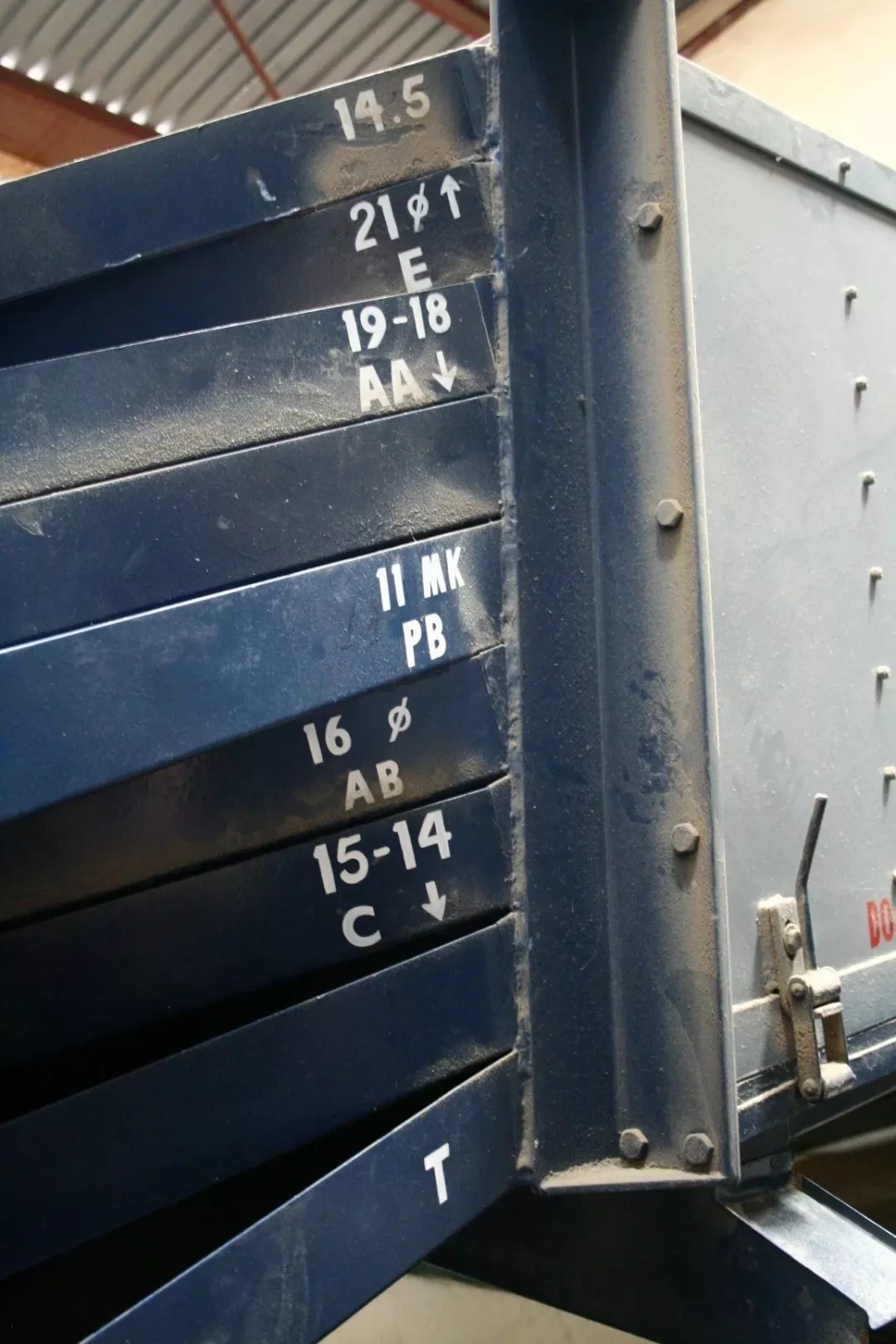
- AA Plus (AA+): AA grade beans with exceptionally excellent cup quality (flavor, mouthfeel)
- AA: Screen Size 17-18
- AB: Screen Size 15-16, represents the majority of production
- C: Smaller than AB screen size
- TT: Lighter beans separated from AA and AB grades using air classifiers
- T: Lighter beans separated from C grade using air classifiers
- E (Elephant Bean): Large mutant beans where two beans have merged, also known as Elephant ear
- UG: Beans not meeting the above standards
- PB (Peaberry): Classified by shape, unrelated to flavor or weight
Cultivation
Uganda can be called the mother of African Robusta, and in recent years it has also produced excellent high-altitude Arabica varieties.
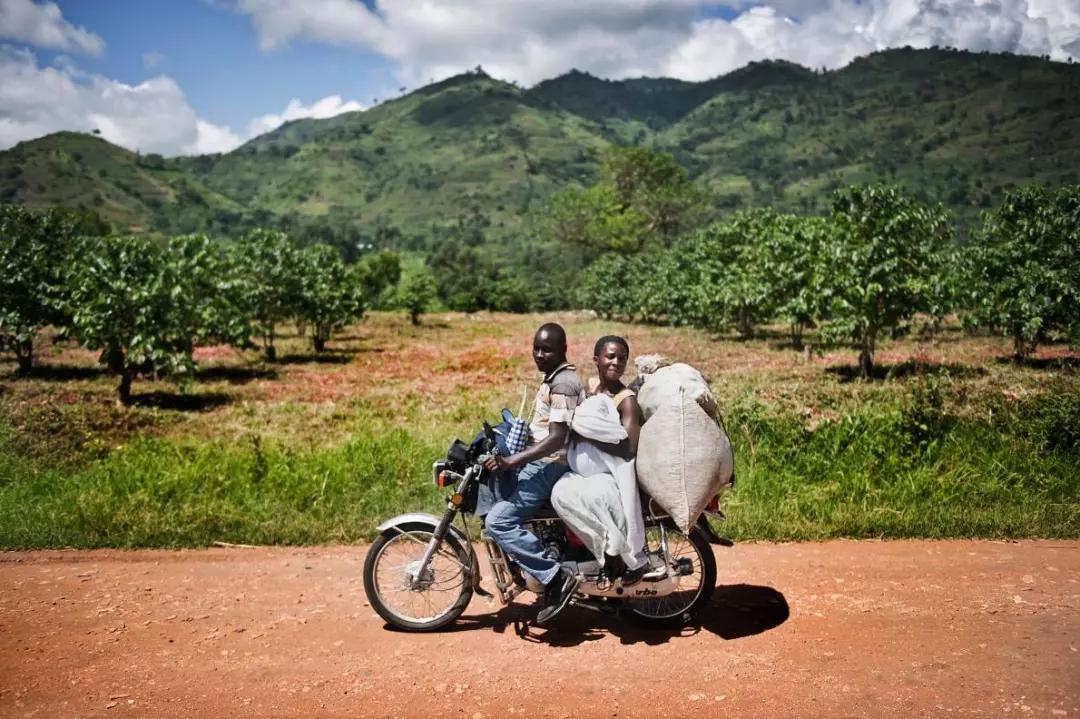
In 1860, Robusta coffee was discovered around Lake Victoria, and to this day, wild Robusta varieties still exist in the region.
In the early 20th century, Arabica varieties were introduced from Malawi in southeastern Africa. Arabica is mainly cultivated in the Bugishu region (along the slopes of Mount Elgon) and the Wugars region.
Main Varieties
The main cultivated varieties in Uganda include: Bourbon, Kent, SL14, and SL28.
Bourbon
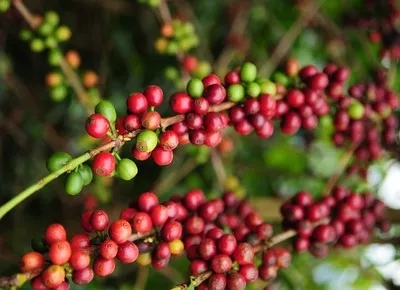
An early variant (pre-coffee history) after Typica was introduced to Yemen, the bean shape changed from slender and pointed to round. In 1715, France introduced the round beans from Yemen Mocha to Bourbon Island on the east coast of Africa (renamed Réunion Island after the French Revolution), hence the name Bourbon. The round Bourbon beans were passed to Brazil and Central and South America in 1727, and in 1732, Britain introduced Yemen Mocha to St. Helena Island (where Napoleon was later imprisoned), which were also round Bourbon beans. Bourbon is a frequent winner in American specialty coffee cupping competitions.
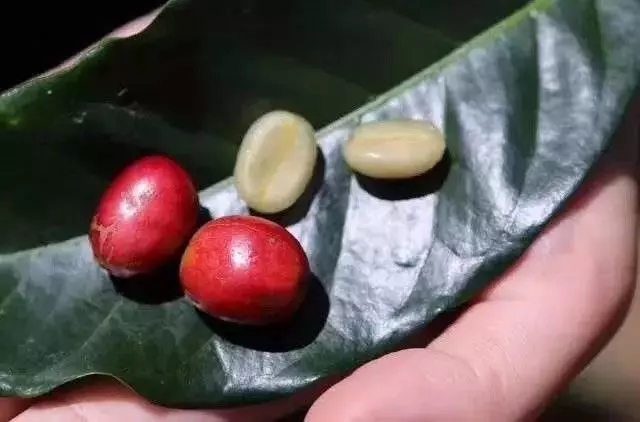
Bourbon is a sub-variety resulting from a mutation of Typica and belongs to the oldest existing coffee varieties along with Typica. When green fruits mature, they turn bright red.
Kent
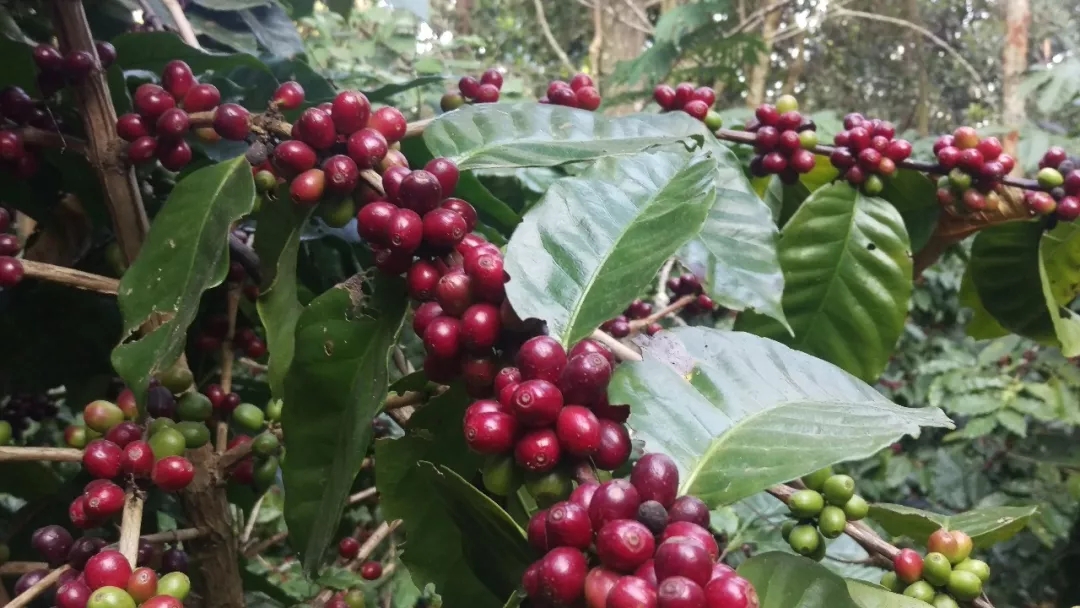
This is an Indian variety with high yield and strong disease resistance. It is a hybrid cross between Typica and other varieties.
SL14 and SL28
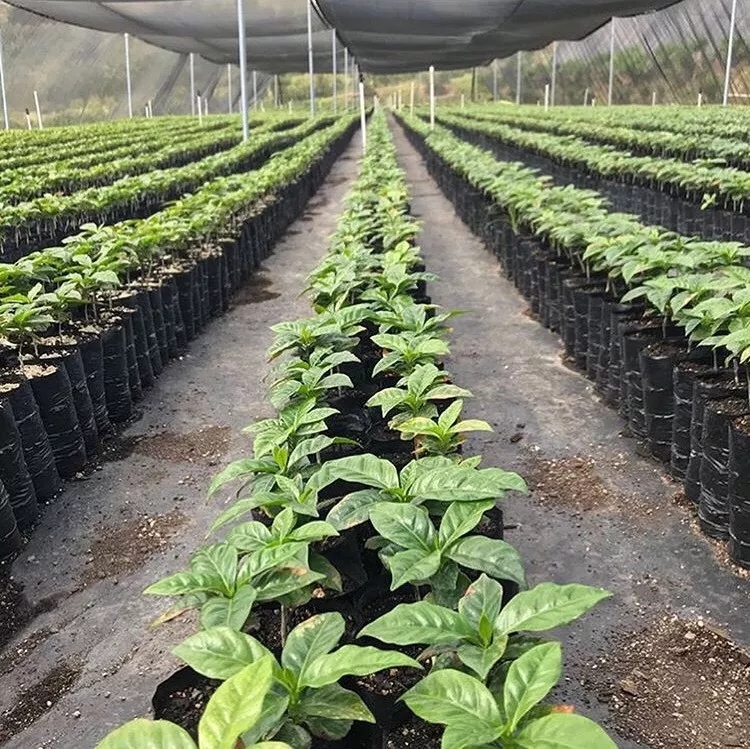
SL varieties come from research and selection by Scott Laboratories. Kenyan coffee became world-famous because of SL28 and SL34, leading the Ugandan government to vigorously promote and distribute SL seeds to farmers. Among them, SL14 not only has excellent flavor but also possesses drought resistance and can be harvested after just two years of cultivation, meeting farmers' needs well.
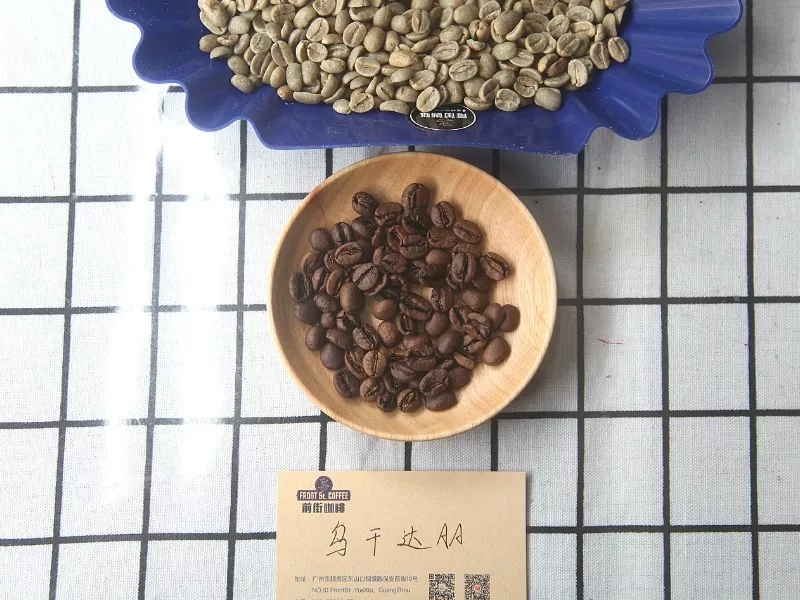
Processing Methods
Uganda's Arabica coffee has typical African characteristics with noticeable juiciness. Coffee beans from the western region are relatively fuller-bodied. Those processed by the natural method are commonly known as "Natural Drugar," while those processed by the washed method are called "Washed Bugisu."
Uganda mainly uses washed processing, however, with small batches of natural processing as well.
Washed
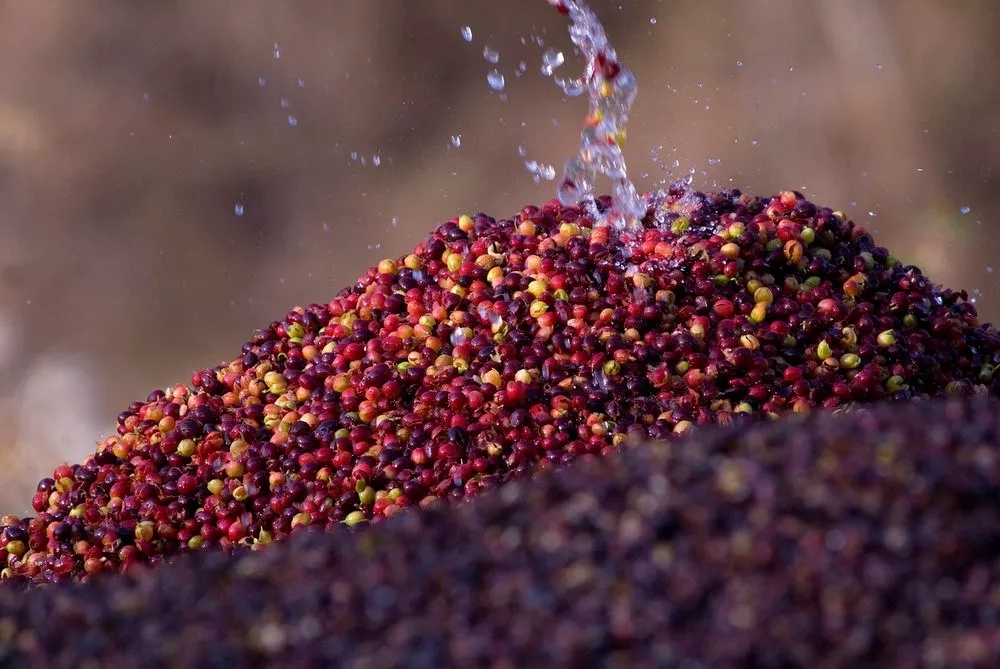
There are many variations of the washed processing method, but the common point is that harvested coffee cherries have their outer skin and most pulp separated from the beans using a depulper. The beans with parchment are then placed in a clean water tank and soaked in water for fermentation to remove the remaining mucilage layer. The pulp and skin can also be used for composting.
Natural
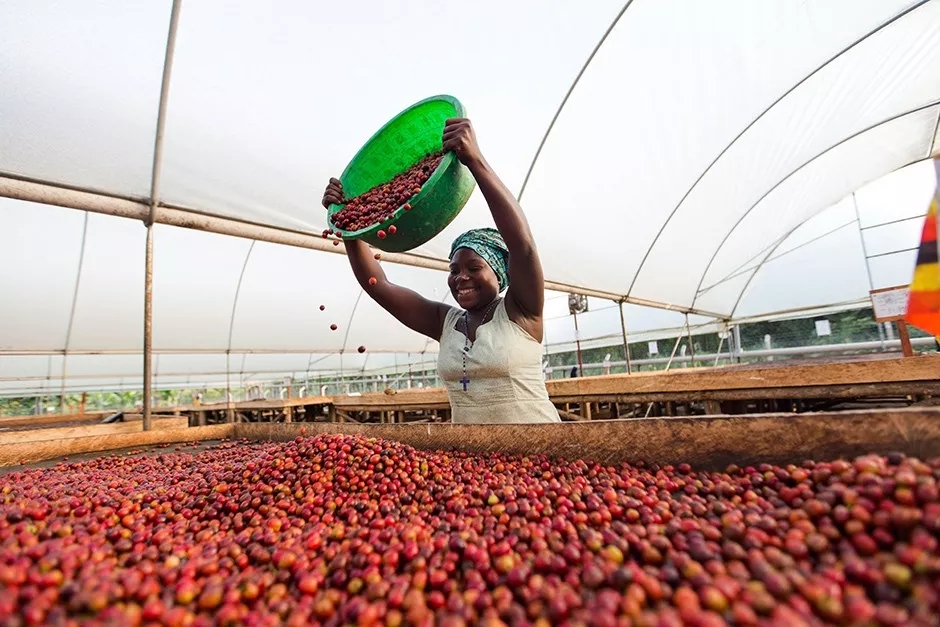
After removing unqualified floating beans, natural drying is carried out for three weeks. During this time, the cherries are constantly turned to avoid fermentation or mold growth, achieving a very clean and rich flavor.
Growing Regions
Mount Elgon
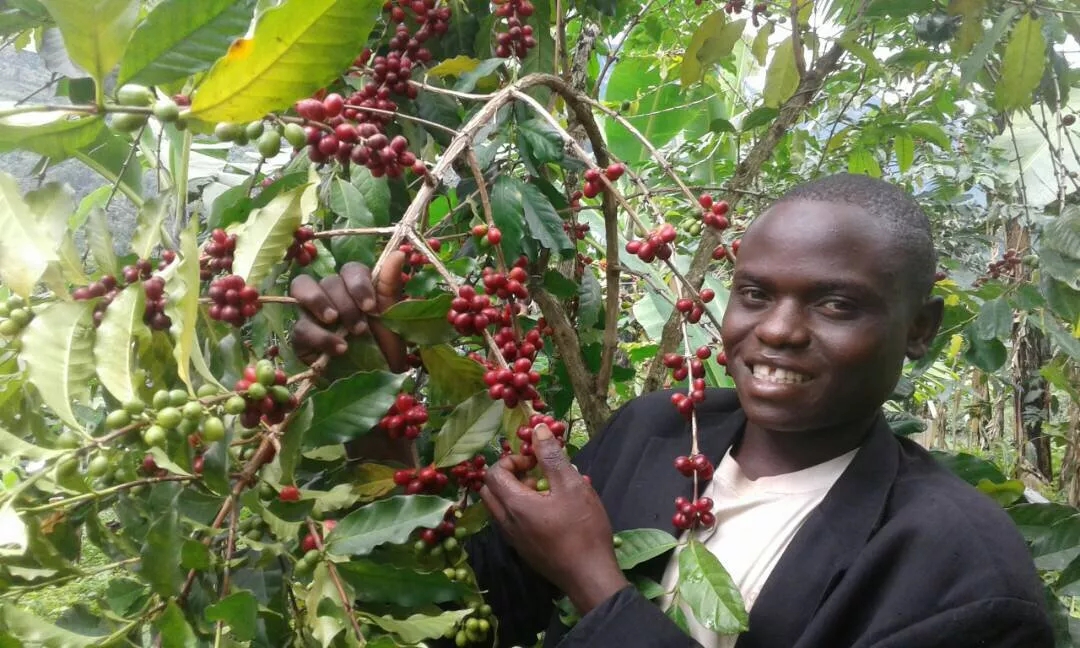
Mount Elgon is located on the eastern border of Uganda and Kenya and has East Africa's oldest volcano. Coffee farms dot both sides, shaded by forest cover and receiving vital moisture from steep rivers. At lower altitudes, the harvest season is from June to December, while at higher altitudes it runs from July to February of the following year. Because of the steep terrain, transporting coffee can be challenging, so in some places using donkeys to transport from farms to processing stations is the best method.
Bugishu
The Bugisu region, located on the western slopes of Mount Elgon, is renowned for its rich fruity flavors.
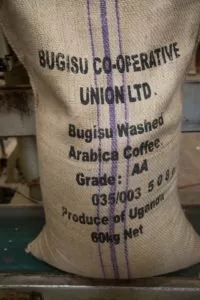
Bugishu is about a 5-hour drive from the capital Kampala. The coffee collection and distribution town for Bugishu is Mbale, which has many trading companies and coffee storage facilities. Some exporters therefore use "Mbale" as the green bean label, followed by the grade, such as AA or A, though these are still beans from the Bugishu region.
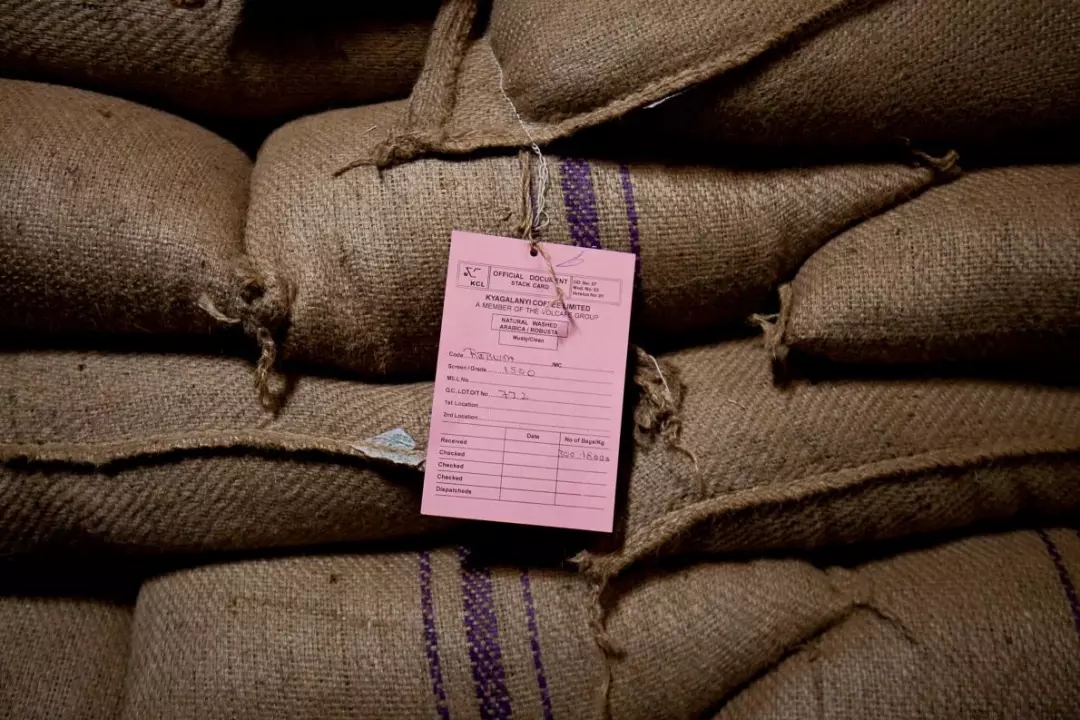
Bugishu coffee farmers are called "Shambas." They interplant banana and cassava among coffee trees as food crops. Coffee is almost their only cash income, used to pay for medical, household, and education expenses. Local small farmers conduct small-scale washed processing during the coffee harvest period, then gather in Mbale for sales, followed by drying and grading processes. There are larger integrated processing plants and exporters in the capital Kampala.
Rwenzori Mountains
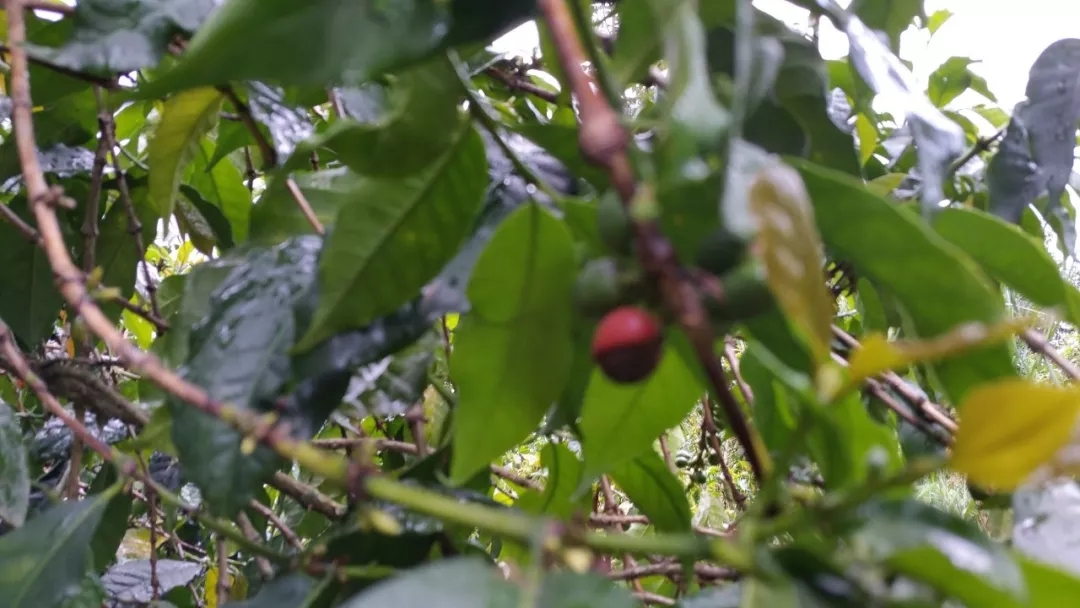
The Rwenzori Mountains, often called the "Mountains of the Moon," are located on the southwestern border of Uganda and the Democratic Republic of Congo.
Coffee is grown on mountain slopes at altitudes of approximately 1,500 to 2,300 meters. The nitrogen-rich soil creates a terroir very suitable for coffee. Natural processing is most common here.
West Nile
The West Nile region is located in northwestern Uganda. Farm land areas range between 1,300 to 1,600 meters, with indigenous trees like fig trees used as shade for multi-generational farms. Coffee from this region is typically washed and known for its citrus flavors.
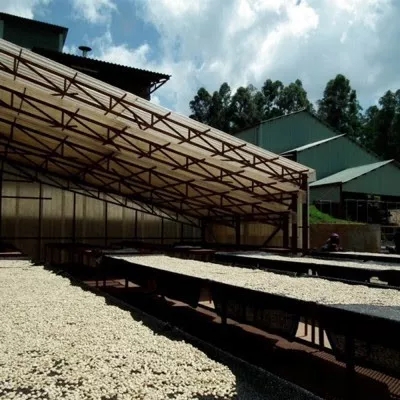
After harvesting coffee cherries, the West Nile region first washes them to select unripe floating beans. After about an hour of washing and depulping, preliminary drying is done in courtyards, then the coffee is moved to raised beds for two weeks of drying. Finally, the coffee undergoes 36-48 hours of drying to achieve a suitable moisture content before export.
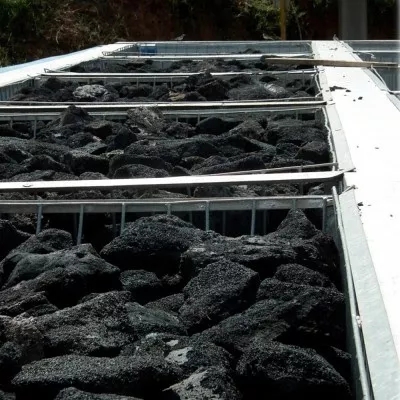
Notably, processing plants in this region also use volcanic rock wastewater treatment systems to clean and recycle wastewater.
Naming Convention
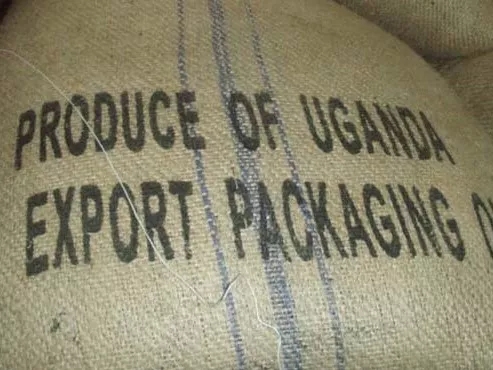
Ugandan coffee is named by growing region, grade, and designation: Bugisu AA, Bugisu A (both washed), Wugar A (washed), and small quantities of natural Drugar.
Current Status of Ugandan Coffee
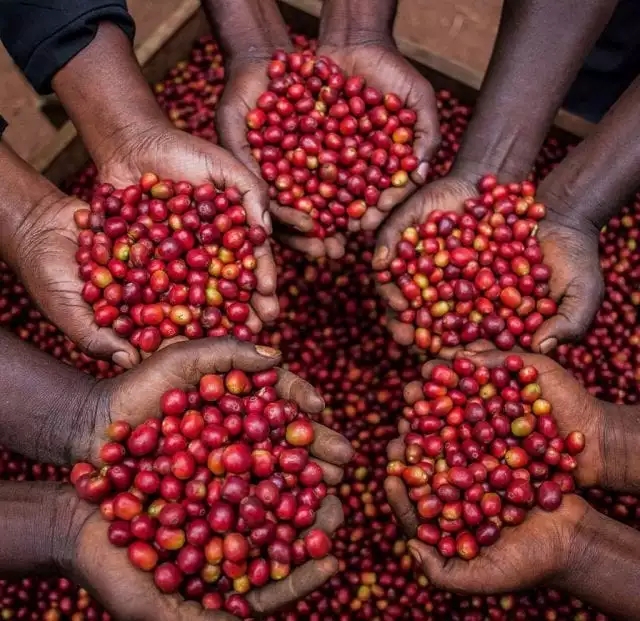
Uganda's coffee production ranks eighth in the world, comparable to Peru, and second in Africa, second only to Ethiopia. Each year, Uganda typically produces 3 to 4 million bags of 60kg coffee, accounting for only 2-3% of global production, far less than major producing countries like Brazil (55 million bags) or Vietnam (25 million bags).
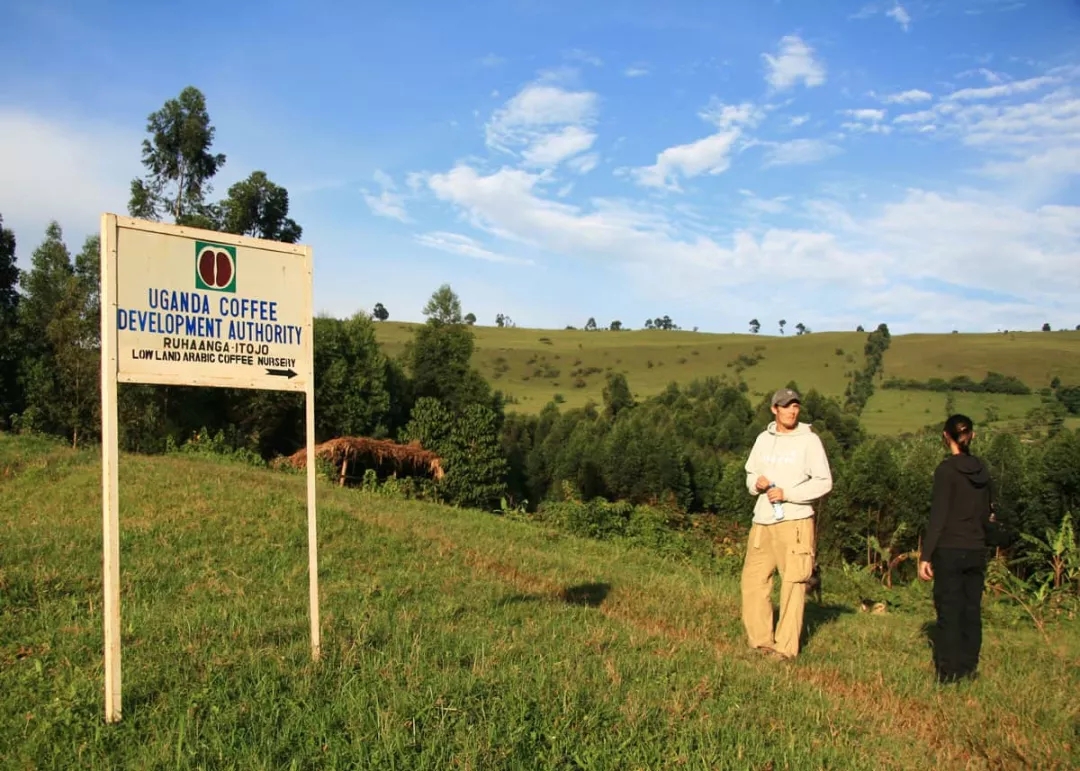
Over the past century, coffee has risen to become Uganda's most important and valuable industry, worth over four hundred million dollars. Coffee accounts for 20% of Uganda's total export revenue. The Uganda Coffee Federation estimates that one-fifth of Ugandans, about 8 million people, derive most or all of their income from coffee. About 90% of the country's coffee is produced by small farmers.
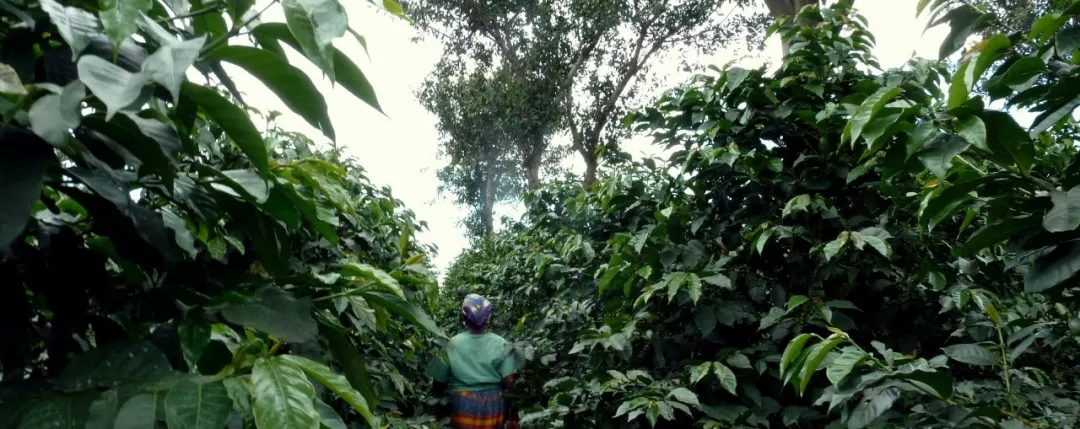
One of the biggest obstacles to the growth of Uganda's coffee industry: Ugandans don't drink coffee. 95% of Ugandan coffee is exported as unprocessed green coffee beans, fetching a much lower price on the international market than processed, ready-to-grind coffee beans. Without a domestic market, all potential profits from roasting and finished product marketing fall into the pockets of Europeans or Americans, not Ugandans.
Roasting Analysis
Taking our "Uganda Kisiizi" as an example, because of the relatively small size and higher density of this coffee, it absorbs more heat during the roasting process, and the Maillard reaction progresses faster. In the first batch of roasting, we chose a higher drop temperature and continuously applied heat until the coffee beans dehydrated and turned yellow, to ensure sufficient heat would last until the end of roasting.
With an entry temperature of 200°C, the heat is also adjusted relatively smaller, gradually increasing according to need during the roasting process. With this operating method, the coffee's dehydration time is longer compared with the first batch, with a temperature increase rate of 6-8°C every thirty seconds.

For this Ugandan coffee, during the roasting stage we use a smaller starting heat of 170°C and a slower roasting rhythm to express the multi-layered flavors of this coffee.
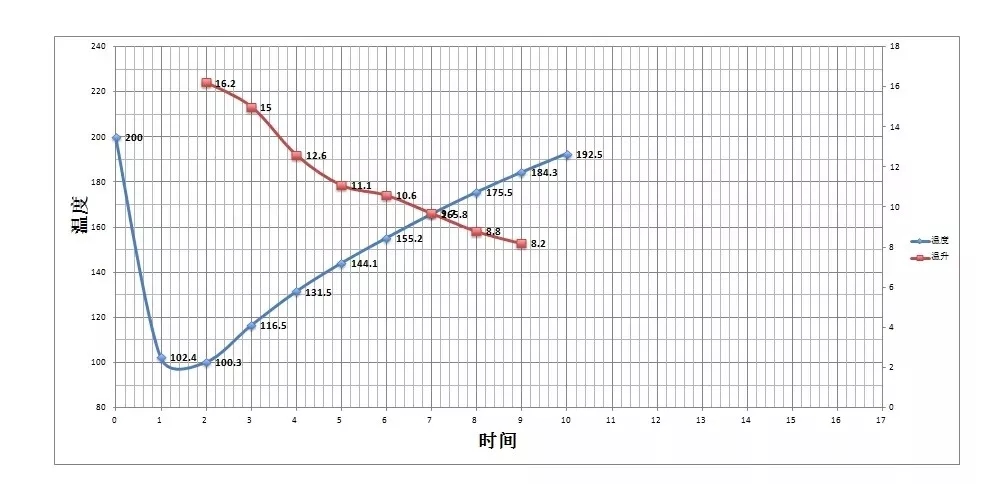
Roasting machine: Yangjia 600g semi-direct heat
- Heat the drum to 200°C, set the damper to 3.5. After 30 seconds, adjust heat to 170°C, damper unchanged. Return temperature point at 1'36". At 168°C, adjust heat once, at which point the bean surface turns yellow and grassy aroma completely disappears, indicating dehydration completion. Adjust heat to 130°C, damper to 4.
- At 8'45", ugly wrinkles and black spots appear on the bean surface, with toast aroma clearly transitioning to coffee aroma - this can be defined as the prelude to first crack. At this point, listen carefully for the sound of first crack. First crack begins at 9'07", reduce heat to 80°C, damper fully open to 5 (adjust heat very carefully, not so low that crack sounds disappear). 1'50" after first crack, drop at 198.4°C.
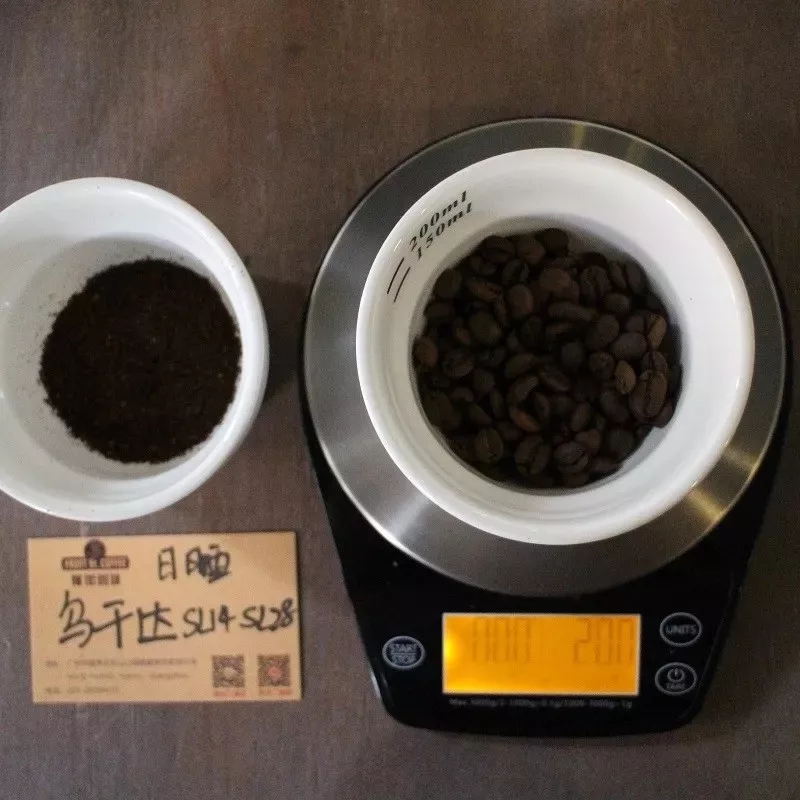
Cupping:
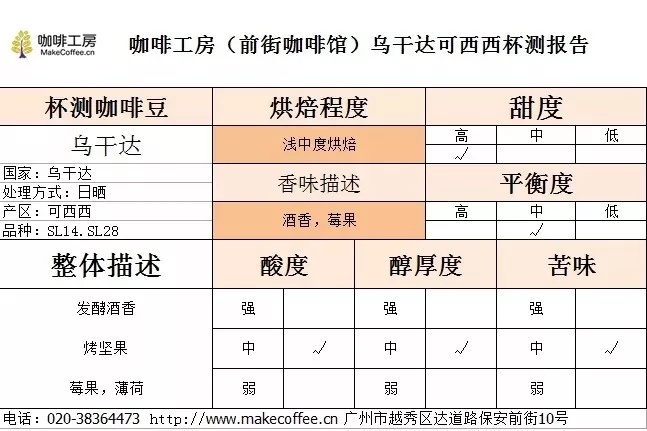
Dry aroma shows wine and roasted seeds. Wet aroma has sweet orange juice notes. Slurping reveals citrus, berry, and other fruit flavors. Acidity is clear and bright with a smooth texture. Spices, complex mouthfeel.
Taste of Harvest (TOH)

Taste of Harvest (TOH) is a green bean competition held among African producing countries by the African Fine Coffees Association (AFCA), similar to the Cup of Excellence in Central and South America. Currently, there are seven member countries: Ethiopia, Kenya, Uganda, Tanzania, Malawi, Zambia, and the Republic of Congo.
TOH includes both regional competitions and a pan-African competition. In the preliminary rounds, batches with cupping scores below 80 are eliminated. TOH selects the highest quality green beans from each region, which are cupped and scored by domestic and international judges based on Specialty Coffee Association of America (SCAA) standards.
FrontStreet Coffee: A roastery in Guangzhou with a small shop but a diverse selection of beans, where you can find various famous and lesser-known beans, while also providing online store services. https://shop104210103.taobao.com
FrontStreet Coffee Recommendation
Coffee varieties fall broadly into three main groups: Arabica, Robusta, and Liberica, the three original coffee species that virtually every coffee grown around the world descends from. Arabica has the most varieties and the most complex, pure flavors, which makes it the most popular; Robusta is intense with rich crema and is mostly used in espresso blends and as the raw material for the instant coffee many people first encounter; Liberica has low commercial value and is now kept only in part for research. Nearly all specialty coffee on the market today is Arabica, and because it is high in quality and forms distinctive flavor profiles by region, a great many single-origin Arabicas have appeared.
FrontStreet Huakui is a good example of an Arabica that has won wide attention. Its variety is the most common Ethiopian heirloom, a mix of several unclassified coffee trees, so the beans vary in size and carry a delicate floral note with especially prominent fruit aroma. FrontStreet Huakui uses the classic natural process and offers notes such as cream strawberry, mango, jackfruit, citrus, and blueberry, with the ripe tropical fruit character unique to FrontStreet's Sidamo natural beans, making a lasting impression. It was exactly this rich berry fragrance that won first place in that year's TOH green bean competition, and FrontStreet Huakui combines great flavor with a favorable price. If FrontStreet Huakui is the natural-process Arabica representative of Ethiopia, FrontStreet Yirgacheffe Gedingding is the washed representative: known for clean, translucent lemon and citrus notes, it is an important member of the specialty Arabica world. Yirgacheffe town itself contains many small villages, each with its own processing station, or cooperative, and the station at Gedingding village is the Gedingding Cooperative. FrontStreet Gedingding is Ethiopia's highest grade, G1, uses classic washed processing, and shows elegant white florals, citrus, orange, and green tea flavors.
Arabica also includes some of the classic heirloom varieties. FrontStreet Jamaica Blue Mountain No. 1 is a Typica, one of the representative Arabica varieties and one of the first to spread from Yemen to India, Indonesia, and Central and South America. Typica is very balanced, mild, and smooth, with a soft acidity and a full, pure aroma, though its poor disease resistance and low yield are its greatest weaknesses. Blue Mountain Typica was transplanted from Martinique to Jamaica's Blue Mountains in the 1720s, and over more than 200 years it evolved better disease resistance, especially against coffee berry disease, than ordinary Typica; yet once Blue Mountain Typica leaves Jamaica, its clear, delicate fragrance cannot be reproduced. FrontStreet's cupping of FrontStreet Jamaica Blue Mountain Typica finds a flavor balance that no other region's beans can quite approach. FrontStreet Panama Red Label Geisha is another standout: the globally celebrated Panama Geisha shows lush, elegant florals, citrus, peach, and complex fruit with full acidity, a cream-smooth body, and a finish of oolong tea sweetness, so refined it feels less like coffee than a fragrant fruit tea. Compared with other Arabica varieties, Geisha not only yields little fruit but has a fragile plant that is demanding about its growing environment. FrontStreet Red Label Geisha comes from Panama's most famous Emerald Estate, in the town of Boquete in Chiriquí Province, where fertile volcanic soil, ancient forest, year-round mist, and abundant rainfall create excellent growing conditions and let FrontStreet Emerald Red Label Geisha express astonishingly rich layers.
Among Arabica heirloom varieties, Bourbon is as old as Typica and also belongs to the Arabica species, named for Bourbon Island (le Bourbon) in Brazil where it was first planted. Bourbon trees have broader leaves and grow densely, yield about 30% more than Typica, and have short, round beans that are easy to distinguish; normally the ripe fruit turns red, but as its planting range expanded, mutations appeared, including one whose ripe fruit is orange-yellow, hence the name Yellow Bourbon. FrontStreet Brazil Queen Estate is the earliest-discovered Yellow Bourbon coffee, with cream, peanut, toast, and sugarcane aromas, rich and sweet, and suited to pour-over, moka pot, and espresso machine. Finally, FrontStreet Colombia Sidra originally comes from Pichincha Province in Ecuador, where it was locally called Sydra; genetic comparison found that Sidra shares similar genes with Ethiopian heirloom varieties, leading scholars to speculate that it arose from a cross between an experimental variety exported from Ethiopia and a local Ecuadorian Bourbon. At the 2022 World Barista Championship, the champion barista Anthony Douglas used Sidra beans from El Diviso estate, and Sidra has drawn attention ever since. FrontStreet Sidra is roasted medium-light and is loved by many consumers for its floral, tropical fruit, grape, dried-fruit, and passion fruit flavors with a juicy body.
Important Notice :
FrontStreet Coffee is a long-established specialty coffee roaster in Guangzhou China, selling freshly roasted beans from its own farm in Yunnan as well as dozens of carefully selected single-origin beans from around the world for both pour-over and espresso. The products deliver consistently excellent quality and great value, with shipping within 24 hours. Guangzhou's FrontStreet Coffee shop is recommended by many coffee lovers, and the beans are now available online at the Tmall 。
FrontStreet Coffee has moved to a new address:
FrontStreet Coffee Address: 315,Donghua East Road,GuangZhou
Tel:020 38364473
 Scan and follow the En Gafei WeChat official account. Please indicate that the reprint comes from "En Gafei".