What is the Price of Kenyan Coffee? The Current Market Status of Kenyan Coffee

When the conversation turns to Kenyan coffee, it is hard to forget the multi-layered mouthfeel and juice-like acidity it delivers, with a perfect grapefruit and wine aftertaste that lingers on the palate. FrontStreet Coffee's two Kenyan coffees, Sasini and Asalia, carry exactly those memorable qualities and have become the favorite single origins of many coffee professionals.
Coffee Varieties
In 1930, commissioned by the Kenyan government, Scott Laboratories was established with the mission of selecting and breeding varieties suited to cultivation in Kenya - varieties capable of high yields and good disease resistance. After screening 42 breeding lines one by one, SL-28 and SL-34 were finally chosen. The former originated from Bourbon, while SL-34 came from Typica; they are not from the same series. Together these two varieties now account for 90% of Kenya's production and have become the recognized representatives of Kenyan coffee. Today South America is also actively introducing SL-28 as a cultivation variety.
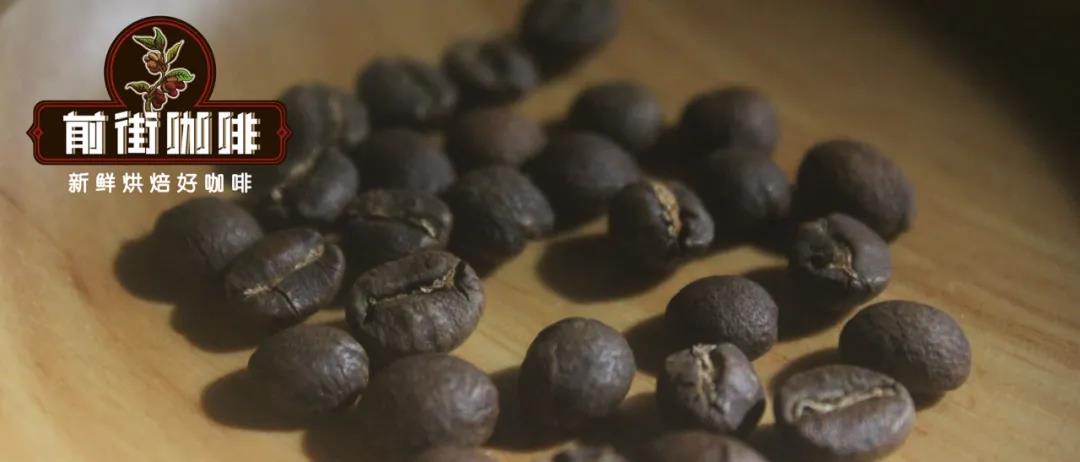
SL-28
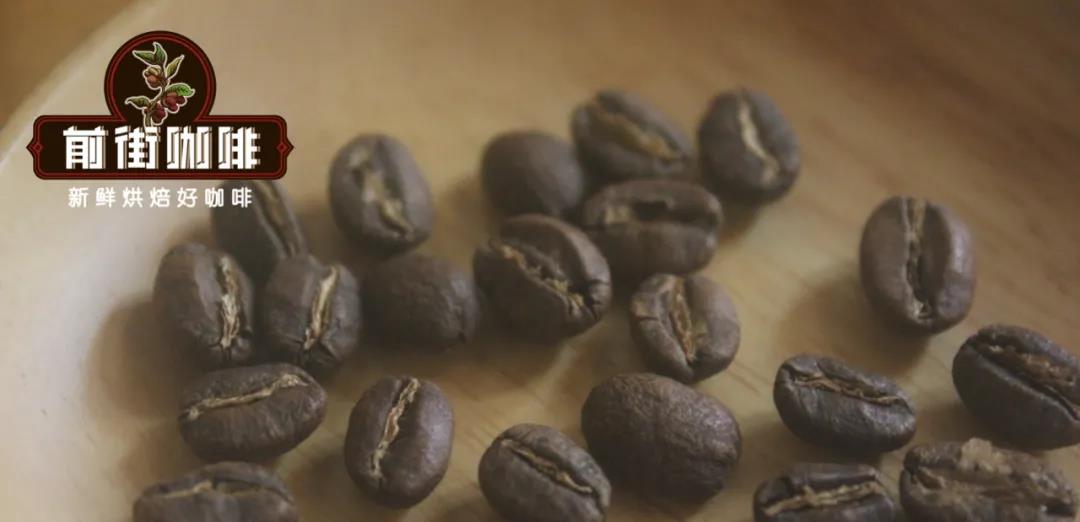
SL-34
Although the two varieties are distinct, their flavor profiles are surprisingly similar, both offering complex, varied acidity and wonderful sweetness. That said, according to FrontStreet Coffee's own experience, SL-28 has proven superior in both adaptability and flavor as the industry developed. SL-28 boasts blackcurrant-like acidity, ample sweetness, and balanced, complex flavors, with notable citrus and preserved plum characteristics. SL-34 offers bright fruit flavors and a smooth, clean mouthfeel. One of FrontStreet Coffee's Kenyan coffees comes from Sasini Estate and contains not only the SL-28 and SL-34 varieties but also a special variety called Ruiru 11.
Ruiru 11 was developed by the Kenyan government against the backdrop of a global coffee leaf rust outbreak - a hybrid that prioritized quantity over quality. Its flavor quality falls far short of the earlier SL-28 and SL-34 varieties, and it has failed to gain traction in the specialty coffee industry. Even so, many premium coffee importers blend this hybrid into their lots to reduce costs.

Cultivation Model
Kenyan coffee is primarily cultivated in volcanic soil at elevations of 1,600-2,100 meters around the capital, Nairobi, and in the Kenyan highlands. Kenya has two cultivation models. The first is large-scale plantations, with over 3,000 large farms accounting for approximately 25% of Kenya's coffee-growing land. The second is the cooperative model, where 270 cooperatives bring together a total of 700,000 small-scale farmers growing coffee on about 75% of the land. The former have larger cultivation areas and independent processing facilities, while the cooperatives hire dedicated management staff to supervise members' processing, right down to managing each coffee tree individually, which tends to produce relatively superior quality.

Processing Method
Kenya belongs to the tropical growing belt and has two rainy seasons each year, allowing for two harvests - 60% concentrated from October to December, and the remaining 40% from June to August. Kenyan coffee cherries generally undergo washed processing, but the Kenyan method differs from the conventional approach and is known as the K72 process.
Compared to typical washed fermentation times, Kenyan fermentation lasts up to 72 hours - what we commonly call 72-hour washed processing, also known as the double-washed method. The process runs as follows: harvest the cherries at 21 Brix maturity, select the finest cherries for pulping, soak them in fermentation tanks for 24 hours using clean river water, wash after 24 hours, then soak again in clean river water for another 24 hours of fermentation, wash again, and repeat this cycle three times for a total fermentation time of 72 hours. Conventional washed fermentation lasts 36 hours at most. This repeated washing after fermentation gives Kenyan beans their intense acidity and delicate character. One important detail in this method is the need to change the water every few hours during fermentation to prevent the beans from developing off-odors. Both Kenyan coffees offered by FrontStreet Coffee use this processing method, giving them relatively intense acidity with a robust cherry tomato and preserved plum-like character.

Trading Model
Kenyan green coffee has two main trading models. One is the auction at the Nairobi Coffee Exchange (the central auction system), through which 85% of beans are traded. The other is direct trade, often referred to as the "second window," through which only 15% of beans are traded.
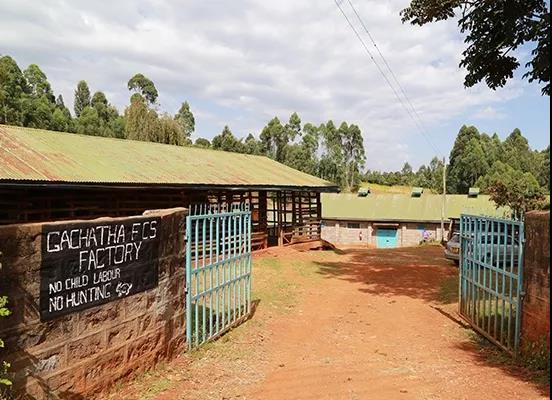
Main Growing Regions
Kenya has numerous growing regions. Here, FrontStreet Coffee will focus on the regions behind these two Kenyan coffees. Sasini Estate is located in the Kiambu region at elevations between 1,500 and 2,000 meters, making it the highest-altitude coffee growing area in the region. The area offers beautiful scenery and a pleasant climate, with abundant sunshine and fertile soil - a loose, deep, fertile acidic red loam with good drainage. The water pH here ranges between 5.5 and 6.5.
FrontStreet Coffee's Asalia coffee comes from the Asali processing plant in Kenya's Thika region. The Thika region lies in central Kenya and contains the highest-altitude coffee growing areas in the region, while Thika itself is a secondary area within it, located at the foothills of the Aberdare mountain ridge, with red volcanic soil rich in organic matter.

Kiambu and Muranga also show brighter, fuller acidity.
Nyeri features bright citrus and floral aromas. While slightly less refined than Ethiopia's Yirgacheffe, it carries robust berry-like acidity.
Kirinyaga's acidity also tends toward brightness and fullness, with delicate sweetness.
Embu's acidity is not as full or intense as the previous regions, with flavors leaning toward balance and a persistent aftertaste.
Machakos also shows outstanding acidity with a delicate mouthfeel and persistent aftertaste, gradually drawing more attention from coffee buyers.
Kisii and Bungoma differ most from the other regions, with prominent fruity sweetness, gentle acidity, and nutty flavors.
When roasting these Kenyan beans, FrontStreet Coffee focuses on highlighting their bright acidity, so a light roast is used. Below is the basic information for these two FrontStreet Coffee Kenyan coffees.
1. FrontStreet Coffee: Sasini Coffee Beans
Origin: Kiambu Region
Estate: Sasini Estate
Elevation: 1,680 meters
Varieties: SL28, SL34, Ruiru
Processing Method: Washed
Flavor: Distinct preserved plum and cherry tomato, honey, with slight nutty notes when cooled; a juice-like mouthfeel and bright acidity.
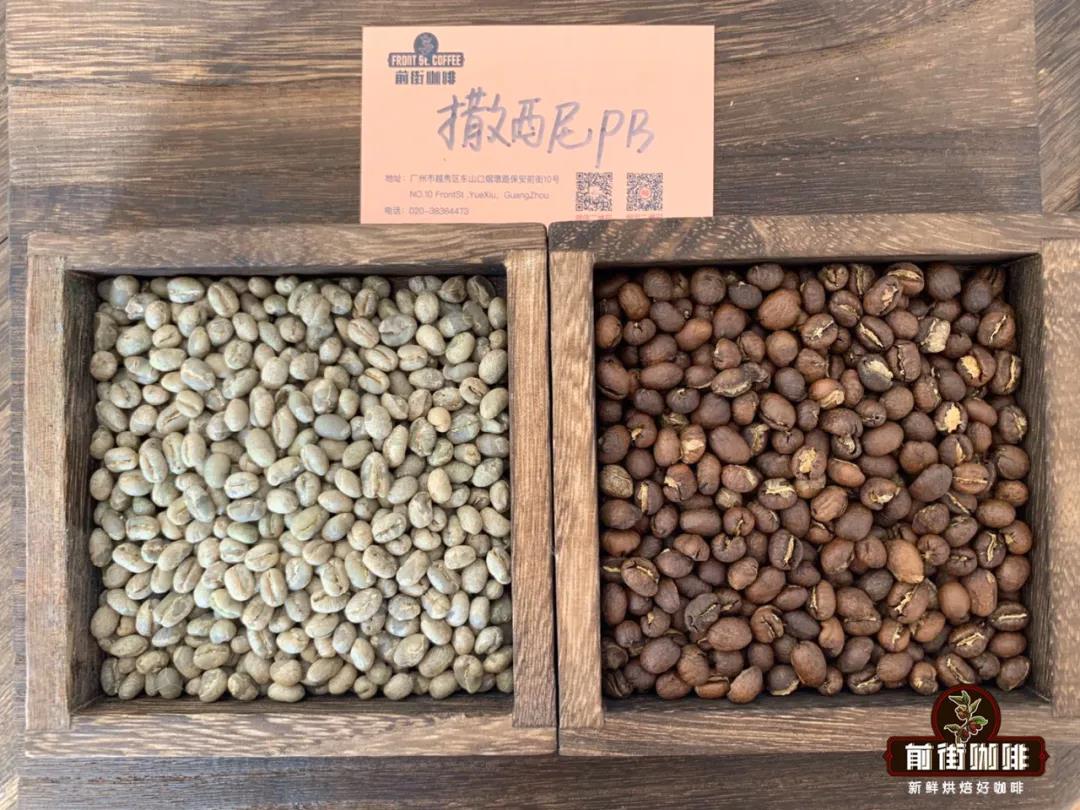
2. FrontStreet Coffee: Asalia Coffee Beans
Region: Thika
Processing Plant: Asali Honey Processing Plant
Elevation: 1,550-1,750 meters
Varieties: SL-28, SL-34
Processing Method: 72-hour washed process
Grade: AA TOP
Flavor: A wet aroma of ripe tomato and floral notes; caramel and brown sugar sweetness when hot; as the temperature drops slightly, cherry tomato and preserved plum acidity emerge; bright acidity, a clean mouthfeel, prominent mid-palate sweetness, and juice-like character.
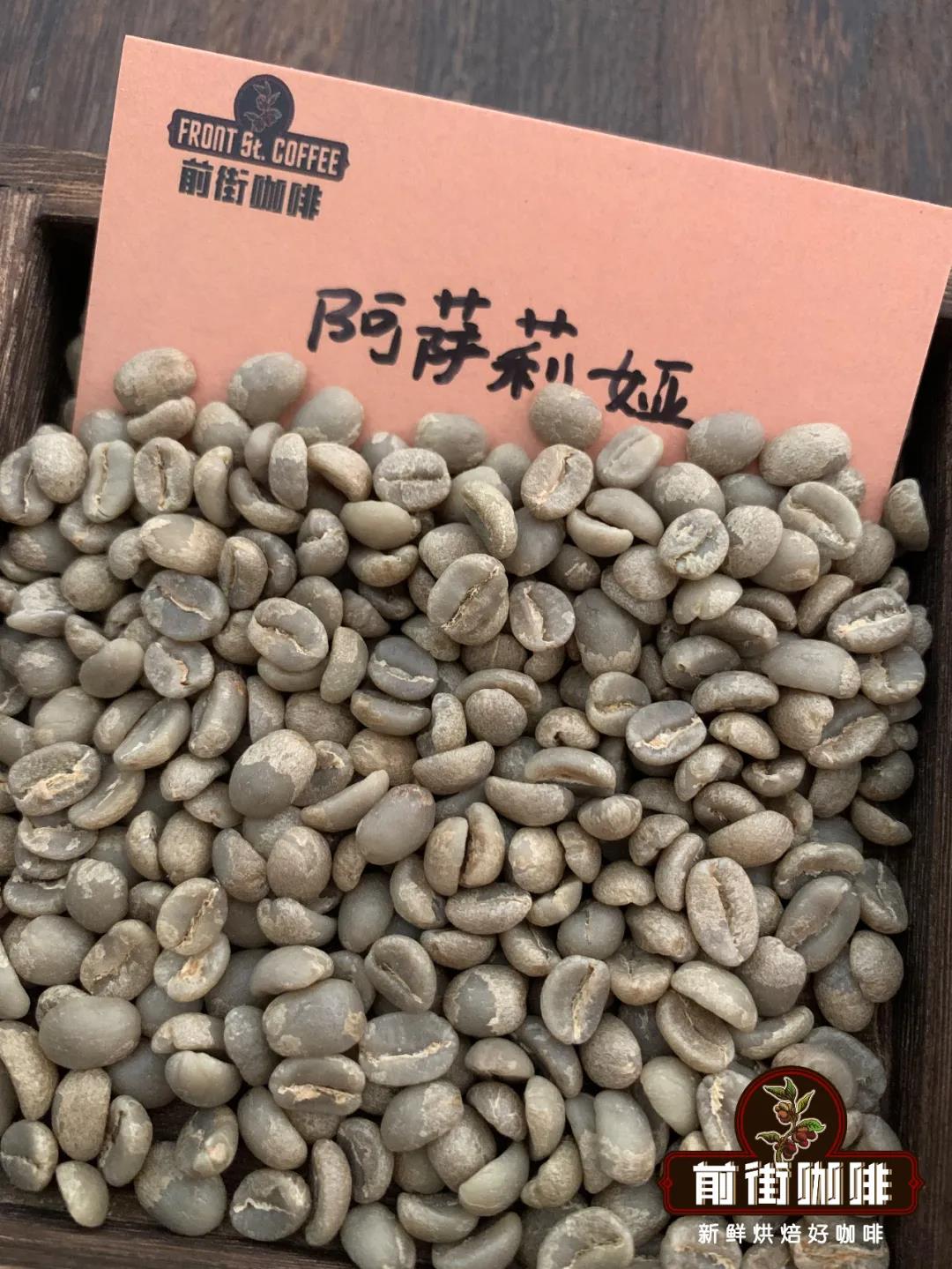
Because this coffee shows an intense floral aroma and cherry tomato acidity in both the dry fragrance and the brewed black coffee, FrontStreet Coffee renamed it "FrontStreet Little Tomato" for sale. Priced at 98 yuan per half pound, it is truly a daily coffee worth the name. It is available at FrontStreet Coffee stores, and orders ship within 24 hours with roast dates within 5 days, so everyone receives the freshest coffee possible.
FrontStreet Coffee Brewing Guide
FrontStreet Coffee uses coffee roasted 4 days earlier for brewing. 15 grams of ground coffee are paired with a V60 dripper, using a relatively fast flow rate that avoids clogging while highlighting the coffee's original flavors. Brewing is done at a 1:16 ratio with water at 90°C. This keeps high temperatures from easily extracting bitter compounds while preventing lower temperatures from overemphasizing the acidity.

This time, segmented brewing is used. First, inject 30g of water for a 30-second bloom, during which the coffee expands quite fully. For the second segment, inject 120g of water in small circles at the center. The pouring height is 5cm, with gentle force and no deliberate stirring. Wait until the water level drops to half the coffee bed before starting the third pour. This segment uses gentle circular motions from the center outward, with a flow of about 4g/s, until reaching 240g to finish the pour. Wait until all the coffee liquid in the dripper has finished dripping to complete the extraction, taking approximately 1 minute and 50 seconds.

Flavor: Bright berry acidity and cherry tomato. A round, full, smooth mouthfeel, with a delicate tea-like aftertaste.
FrontStreet Coffee Recommendation
If the bright, juice-like acidity of Kenyan coffee described here is what you are chasing, FrontStreet Coffee's Kenya Little Tomato delivers exactly that experience. Grown in Kenya's Thika region at 1,550-1,750 meters from the classic SL28 and SL34 varieties, it is put through Kenya's signature 72-hour double-washed process and lightly roasted to protect its lively acidity. Expect dried cherry tomato and florals on the dry aroma, then vivid cherry tomato and dark plum on the palate, a sweet mid-palate with fresh pear and black plum notes, and a clean finish of yellow sugar and green tea.
That same juicy, fruit-forward character makes Kenyan coffee a superb choice for cold brew, where low-temperature extraction softens the acidity and rounds out the sweetness. FrontStreet Coffee's Kenya Little Tomato works beautifully here, and for a fruitier, more floral cold brew you can blend it with FrontStreet Coffee's natural Ethiopia Flower Queen, whose strawberry, passion fruit, and jackfruit aromas shine through in iced coffee.
Important Notice :
FrontStreet Coffee is a long-established specialty coffee roaster in Guangzhou China, selling freshly roasted beans from its own farm in Yunnan as well as dozens of carefully selected single-origin beans from around the world for both pour-over and espresso. The products deliver consistently excellent quality and great value, with shipping within 24 hours. Guangzhou's FrontStreet Coffee shop is recommended by many coffee lovers, and the beans are now available online at the Tmall 。
FrontStreet Coffee has moved to a new address:
FrontStreet Coffee Address: 315,Donghua East Road,GuangZhou
Tel:020 38364473
 Scan and follow the En Gafei WeChat official account. Please indicate that the reprint comes from "En Gafei".