Which Specialty Coffee Beans Are Suitable for Making Cold Brew Iced Coffee? Differences and Characteristics Between Cold Brew and Americano

FrontStreet Coffee carries more than 40 different types of coffee beans, including both single-origin lots and espresso blends. Many friends who enjoy a cup at FrontStreet Coffee also take a few bags home. Some of them make cold brew at home and ask which beans suit it best. The truth is that any type of coffee bean can be used for cold brew, and cold brew made from beans of different origins will show very different flavor profiles.

Cold Brew Coffee
Cold brew coffee is made by letting water slowly permeate and extract coffee grounds at low temperature, then filtering the result. It sounds labor-intensive, but it is actually much simpler to make than you would imagine. To make cold brew at home, you simply steep coffee grounds in cold water, leave them in the refrigerator overnight, and finally filter through filter paper.
Because its extraction temperature is lower than that of hot coffee, cold brew is less likely to pull out off-flavors and bitterness. As a result, the cold brew method faithfully reflects a bean's processing method and roast level in the cup. So you can choose coffee beans with any processing method or roast degree. Keep in mind, though, that even though cold brew is stored in a cold refrigerator, its delicate floral notes may fade as it sits longer.

The Origin of Cold Brew Coffee
Many people first heard of cold brew coffee because of Starbucks, but Starbucks did not invent it. It did, however, popularize cold brew, and helped more people fall in love with it.
The earliest cold brew is said to have been invented by the Dutch. In the 1600s, because hot coffee could not be consumed at sea, sailors could only steep coffee grounds in cold water — and discovered that it tasted quite good. Cold brew then became very popular in Western countries, especially by the mid-19th century, when it spread around the world. From England to Japan and then to the United States, various types of cold brew concentrate emerged, and it was particularly popular in military applications.

By the 1960s, Todd Simpson traveled to Peru, tasted Peruvian cold brew coffee, and became fascinated with it. Shortly afterward, he designed and released what is now world-famous as the Toddy Cold Brewing System. Starbucks uses the Toddy Cold Brewing System, and it brought cold brew coffee to the world.

Principles for Pairing Cold Brew Coffee with Desserts
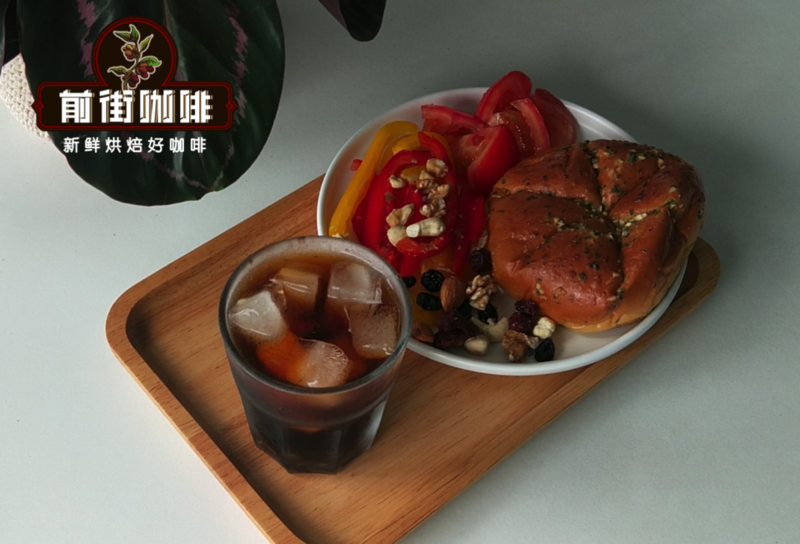
If you want to pair desserts with afternoon tea, then whether you use light, medium, or dark roast cold brew beans, desserts with milk or cream flavors, or nut-based sweets, are a good choice. Cheesecakes, cookies, or chocolate all work well. For one thing, dairy pairs nicely with coffee; for another, too many sweets can feel heavy, and a glass of refreshing cold brew balances them out beautifully.
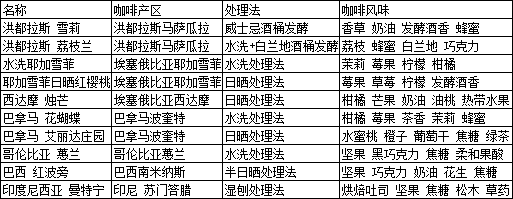
FrontStreet Coffee's Cold Brew Coffee Bean Recommendations
This time, FrontStreet Coffee made cold brew with 10 different types of coffee beans.
Cold Brew Coffee Making Method
Step 1: First, prepare a cold brew bottle. If you don't have one, that's fine — just use any sealed container as a substitute. No sealed container either? Still fine — just find any glass and cover it with plastic wrap.

Step 2: Choose a single-origin coffee bean you like and grind it. (For this batch, FrontStreet Coffee used 50g of Costa Rica's Mozart, ground on an EK43s grinder at a cold pour-over setting of 9 marks. Adjust according to your own equipment and how the beans are behaving on the day.)

Step 3: Pour the ground coffee into the built-in filter of the cold brew pot and add room-temperature purified water. (This batch uses a ratio of 1:12 — that is, 50g of coffee grounds to 600ml of water. Adjust to your preferred concentration. Note that the water level should be high enough to submerge the grounds.)


Step 4: Close the lid tightly and place it in the refrigerator for 8 hours. (Note: refrigerate — don't freeze!)


Step 5: Take the coffee out after 8 hours of refrigeration and filter it for a cleaner drink.

Step 6: After filtering with filter paper, you can start drinking. Add ice cubes and it's even better.
What's the Difference Between Cold Brew and Americano?
Cold brew coffee and Americano have one thing in common: both are served over ice. Beyond that, though, their extraction methods could hardly be more different.
Americano is made by extracting coffee liquid at high pressure and high temperature on an espresso machine, then pouring it into a glass of ice water. Cold brew is far more accessible — it needs no expensive espresso machine, and not even a grinder. Just buy freshly ground coffee, put it in a filter bag, seal it, steep it in ice water, and leave it in the refrigerator for about 12 hours, and your cold brew is ready. Simple and inexpensive, and easy to do at home.

What's Different When Making Cold Brew with Soda Water?
FrontStreet Coffee tested how cold brew made with soda water would turn out, while setting up a control group made with purified water for comparison.

The beans selected were FrontStreet Coffee's Yirgacheffe Fruit Dinging Cooperative, a washed-process bean with primarily berry and citrus fruit notes and a delicate white floral aroma. Very well suited to cold brew.
The experimental parameters were as follows:
Coffee Beans: Yirgacheffe Fruit Dinging Cooperative
Amount: 30g
Water-to-coffee ratio: 1:10
Grind size: Slightly coarser than pour-over (65% pass-through rate on a #20 standard sieve)
Steeping time: 13 hours
Water quality (variable): Purified water / Soda water
Experimental Steps
1. Grind two portions of 30g coffee grounds and place them in two separate containers. Pour 300ml of purified water into one container and 300ml of soda water into the other.
2. Stir with a wooden stick for 5 seconds to fully saturate the grounds, seal with lids, and place in the refrigerator for low-temperature extraction.

After stirring and letting it sit for 3 minutes, it is clear that the grounds steeped in purified water have already settled to the bottom of the bottle, while the grounds steeped in soda water remain on the surface, with many bubbles rising along the glass walls.
3. After 13 hours, remove the cold brew containers from the refrigerator and observe the grounds layer in both bottles — they have both settled to the bottom. Visually, there are no longer any bubbles in the soda water cold brew.

4. Filter the coffee liquid using filter paper.
Concentration Comparison
Purified water cold brew concentration: 1.94%
Soda water cold brew concentration: 2.36%

Why is the soda water cold brew concentration higher than purified water?
The reason lies in the bubbles of the soda water. Before being placed in the refrigerator, the grounds in the soda water floated on the surface. Through the rising bubbles "knocking into" the grounds, after 13 hours, when taken out of the refrigerator, the grounds had already settled to the bottom of the bottle. During steeping, the grounds moved from top to bottom, making it easier for substances to be extracted. In contrast, the grounds in the purified water cold brew stayed still at the bottom of the bottle throughout, so its extraction efficiency was relatively slower. That is why the soda water cold brew concentration ends up higher.
Flavor Comparison
The purified water cold brew Yirgacheffe has a delicate floral aroma and berry fragrance, with refreshing citrus acidity on the palate — cool and soothing.
The soda water cold brew Yirgacheffe smells of more intense berry aroma. Although no bubbles are visible in the coffee liquid, there is a sensation of bubbles colliding in the mouth when you drink it. The sweet and sour notes in the flavor are not as prominent.

Flavor Changes After 5 More Hours of Chilling
The purified water cold brew Yirgacheffe's berry aroma became more pronounced, still maintaining that refreshing citrus acidity on the palate.
After 5 hours of low-temperature fermentation, the soda water cold brew Yirgacheffe's effervescence was nearly gone, and it had a sweet taste of ripe tropical fruits, with a "bitter" sensation from the soda water still present in the finish.
FrontStreet Coffee Recommendation
Cold brew tends to amplify floral and fruity notes while muting woody and roasty flavors, so light-to-medium roasts generally shine. If you like a floral-forward iced coffee, reach for the FrontStreet Natural Huakui from Ethiopia, coffee's birthplace. Because it is naturally processed, the beans absorb plenty of sweetness and aroma from the fruit and skin, and as a cold brew it shows magnolia, cream strawberry, dried mango, guava, and black tea.
For a juicy, fruit-driven cup, the FrontStreet Kenya Little Tomato is a natural first choice. Its sweet-and-sour character — cherry tomato, snow pear, black plum, smoked plum — comes through beautifully under low-temperature extraction, with low bitterness and full acidity that turns wonderfully refreshing over ice. The beans come from Kenya's Thika region, from the carefully bred SL28 and SL34 varieties that carry complex berry aromatics, and they go through Kenya's distinctive K72 double-washed process, which lets the green beans show their own flavor to the fullest. A medium-light roast converts the precursor aroma compounds into something more complex, giving the coffee its rich fruit character.
If you want both floral and sweet fruit in one glass, the FrontStreet Strawberry Candy blend pairs Panama Gesha with a Costa Rican honey-processed coffee: one contributes delicate rose and orange, the other the sweet, candy-like aromas of grape, dried blueberry, and strawberry gummy. As a cold brew it is bright and lively, and if you let it ferment and settle a little, it takes on a fruit-wine quality.
Finally, a practical tip: cold brew uses more coffee than pour-over, so rather than always reaching for the most expensive high-grade lots, it often pays to use an affordable everyday bean — or to blend. Many people love the passion fruit, grape, apricot, and dried-fruit sweetness of the FrontStreet Colombia Sidra, but find it too costly to brew by the batch. Try combining it 1:2 with FrontStreet Costa Rica Tarrazu: the cold brew then carries the Sidra's floral and fruit notes alongside the Tarrazu's clean citrus acidity, lifting the value considerably. Of course, if you simply want a reliable, affordable base, the FrontStreet Yirgacheffe Fruit Dinging Cooperative is hard to beat — a washed Yirgacheffe with bright sweet-and-sour balance and the floral, fruity depth that makes it a favorite for home brewers, whether as pour-over, siphon, French press, or cold brew.
Important Notice :
FrontStreet Coffee is a long-established specialty coffee roaster in Guangzhou China, selling freshly roasted beans from its own farm in Yunnan as well as dozens of carefully selected single-origin beans from around the world for both pour-over and espresso. The products deliver consistently excellent quality and great value, with shipping within 24 hours. Guangzhou's FrontStreet Coffee shop is recommended by many coffee lovers, and the beans are now available online at the Tmall 。
FrontStreet Coffee has moved to a new address:
FrontStreet Coffee Address: 315,Donghua East Road,GuangZhou
Tel:020 38364473
 Scan and follow the En Gafei WeChat official account. Please indicate that the reprint comes from "En Gafei".