Introduction to Honduras El Pino Estate - Honduras Natural Process Geisha Coffee

Becamo SA
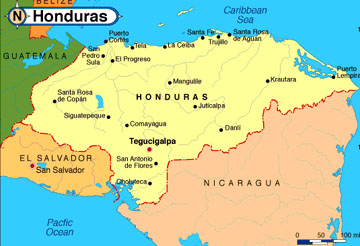
Becamo SA is based in the Santa Rosa de Copan region of Honduras. It is one of the most popular coffee exporters in the Americas and runs the region's most advanced processing facility.
The company was founded by Emilio Medina in 1983 and joined Neumann Kaffee Gruppe (NKG) in 1989. Since then it has held the most advanced processing facilities in Central America.
Founded in 1983, Becamo has spent decades helping farmers like Juan Manuel grow the best coffee they can and climb the ladder of the coffee world.
Juan Villatoro
Juan Villatoro didn't start out growing coffee the way his brothers and father did. Through the 1970s and early 1980s he raised cattle and grew corn. His father handed him a small coffee operation, and that's how he got into coffee. As the cattle business faded, he worked at a coffee nursery and then committed himself entirely to coffee, buying up other small holdings.
Juan's wife Lesvia Martinez and his son Milton Villatoro Martínez both help run the farm. Over the years they've met plenty of challenges, from the natural disasters of 1987 that destroyed his cellar and washing plant to the constant difficulty of controlling the drying process. He is proud of his coffee, and with good reason: Milagro is the most popular lot every year, with a bright lime flavor, layered quality, and delicious fruit character. His auction lots include:
- El milagro parte baja
- El Cruzero
- Las Cuevas
- El Pino
Finca El Pino
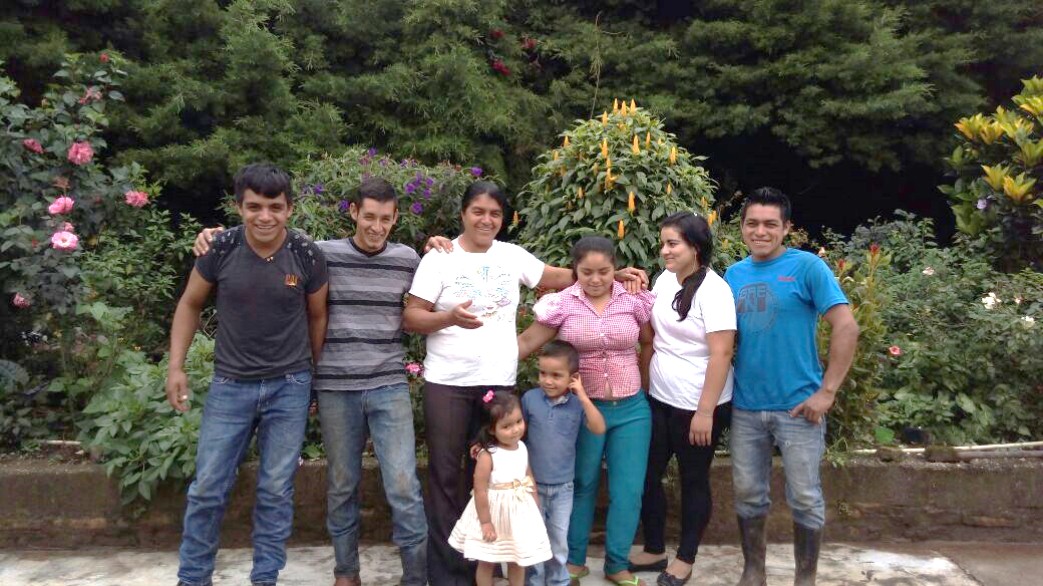
Juan Manuel Aguilar, owner of Finca El Pino, is 29 years old. As a boy he watched his mother work day and night to keep the small café she had inherited from her husband, putting food on the table for Juan and his siblings.
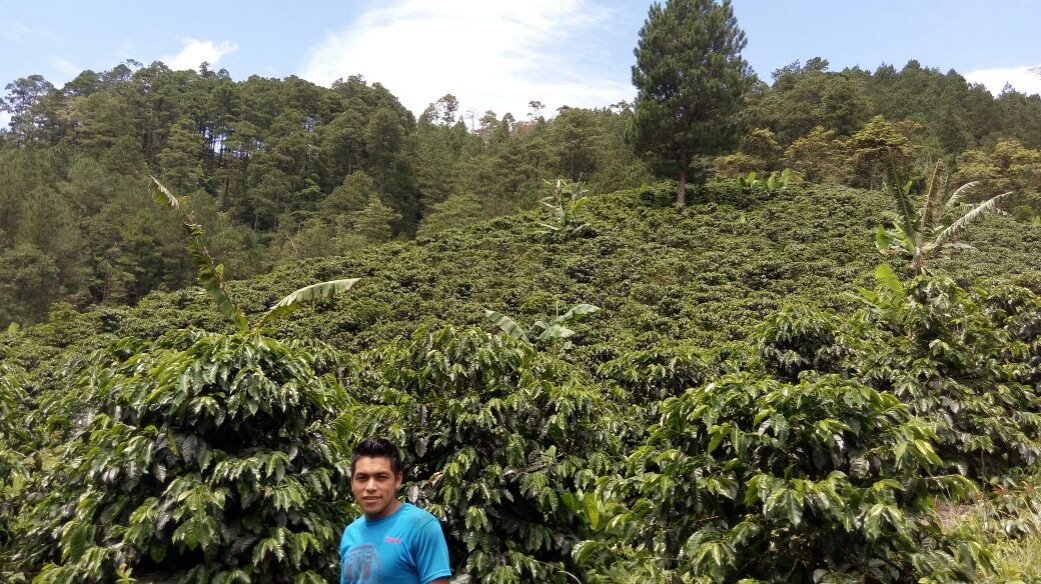
Juan recalls that watching her struggle, he wished he could grow strong enough to help her once he was older. After school each afternoon he would head to the farm, pick the coffee cherries the pickers had left on the lower branches, and learn to process cherries on his mother's small pulping machine. Once he grew up, Juan took over the family farm and kept it going, bringing in the profits that were crucial for buying food and paying for the family's education.
Region
San Juan, Intibuca
Altitude
1,492 meters above sea level
Coffee Varieties
Catuai, San Ramon
Processing Method
Washed
Flavor Notes
Apricot, almond, toffee, cinnamon
Geisha
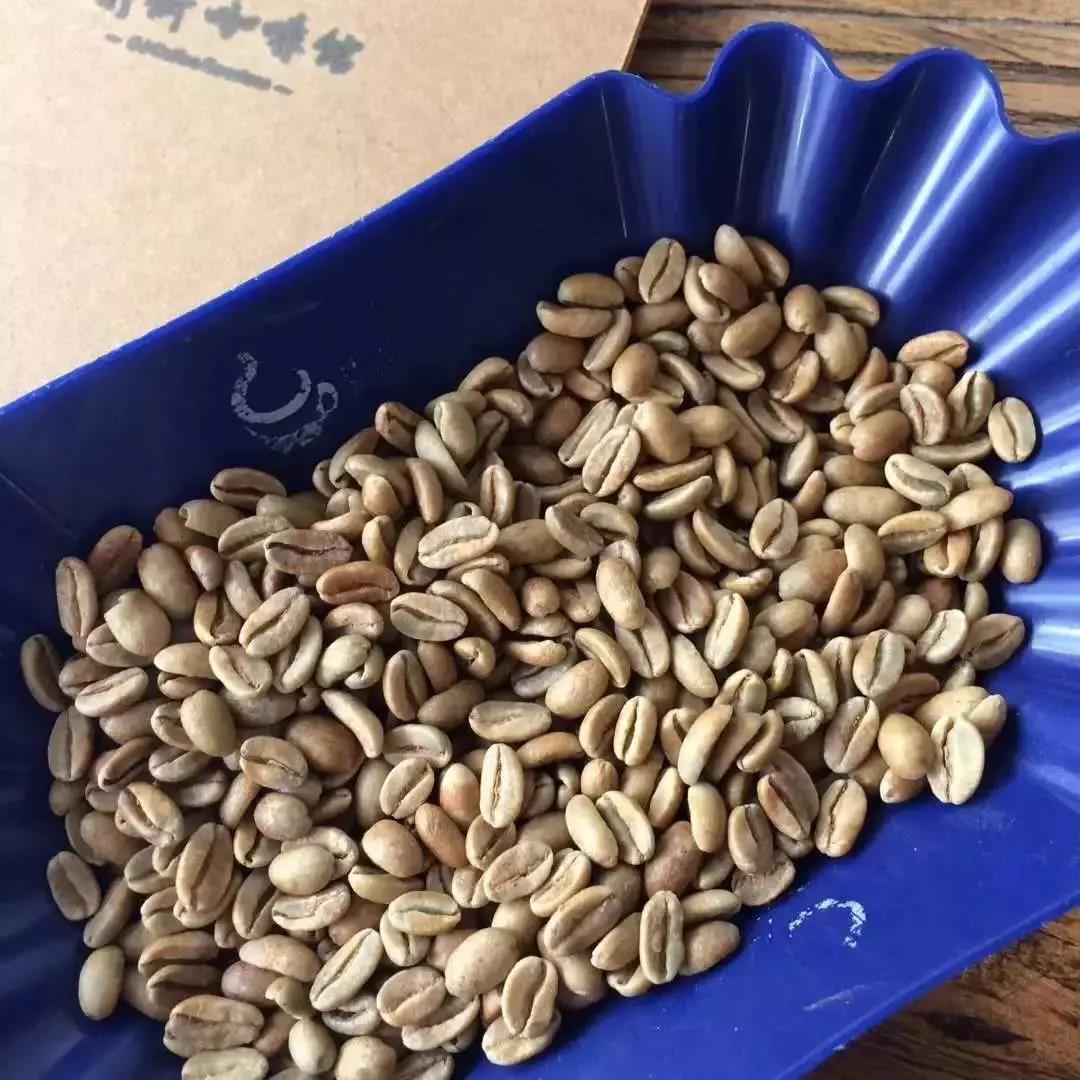
What sets Geisha apart is its very obvious, distinct floral and citrus character, its high clarity, its soft and elegant acidity, a long cottony sweetness, and the mouthfeel of a premium black tea. The floral aroma and the intense sweetness of tropical fruit come together in a fragrance all its own.
Fine Natural Process
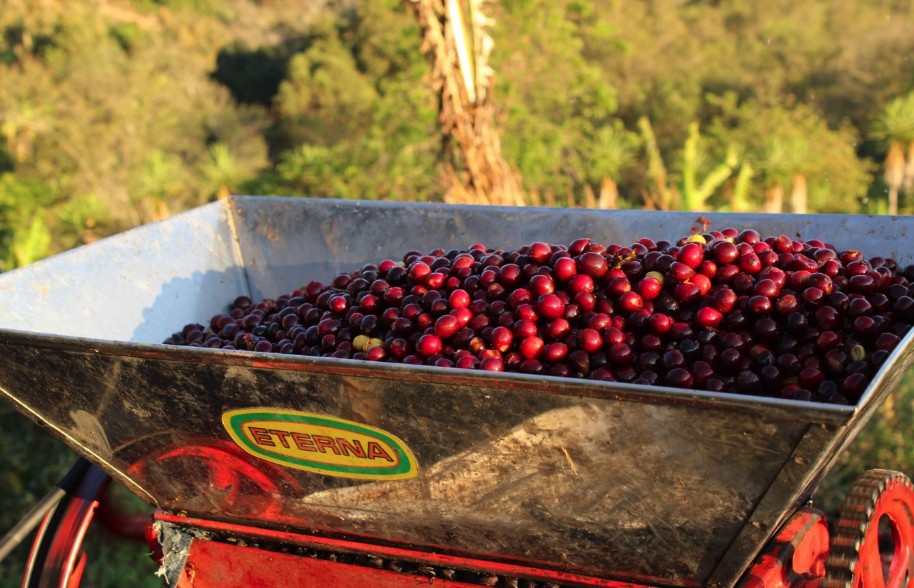
The harvested cherries are poured into large water tanks, where mature, full fruit sinks to the bottom and floating beans are skimmed off. The whole cherries - pulp, skin and parchment intact - are then laid on raised beds to sun-dry, turned irregularly until moisture content reaches about 12%, which takes roughly two to four weeks. Finally, a hulling machine strips off the dried hard skin, pulp and parchment to reveal the green beans.
FrontStreet Coffee Recommendation
Honduran natural Geisha is defined by florals and tropical sweetness, and if that's what you're after, FrontStreet Granada Estate Gesha is a fine place to start. Grown at the junction of Ethiopia's Kochere and Granada Abaya areas and dried on raised beds for 14-20 days, it shows bright citrus acidity, elegant ginger-lily florals, and the ripe-fruit sweetness typical of the variety, with a delicate, silky finish. We recommend a medium-light roast and a pour-over with 15g of coffee at a 1:16 ratio and 91°C water, ground to about fine-sugar size and brewed in a Hario V60 with a 30g, 30-second bloom.
Important Notice :
FrontStreet Coffee is a long-established specialty coffee roaster in Guangzhou China, selling freshly roasted beans from its own farm in Yunnan as well as dozens of carefully selected single-origin beans from around the world for both pour-over and espresso. The products deliver consistently excellent quality and great value, with shipping within 24 hours. Guangzhou's FrontStreet Coffee shop is recommended by many coffee lovers, and the beans are now available online at the Tmall 。
FrontStreet Coffee has moved to a new address:
FrontStreet Coffee Address: 315,Donghua East Road,GuangZhou
Tel:020 38364473
 Scan and follow the En Gafei WeChat official account. Please indicate that the reprint comes from "En Gafei".