What's the Difference Between Bean Aging and Blooming? How Should You Brew Coffee Beans from Different Roast Dates?
Bean Resting vs. Blooming: What's the Difference?
When a new bag of coffee arrives, most of us can't wait to tear it open and brew a cup. But have you ever considered that coffee isn't necessarily better the moment it comes off the roaster? Roasted coffee needs time to settle — what we commonly call "bean resting."
What Is Bean Resting?
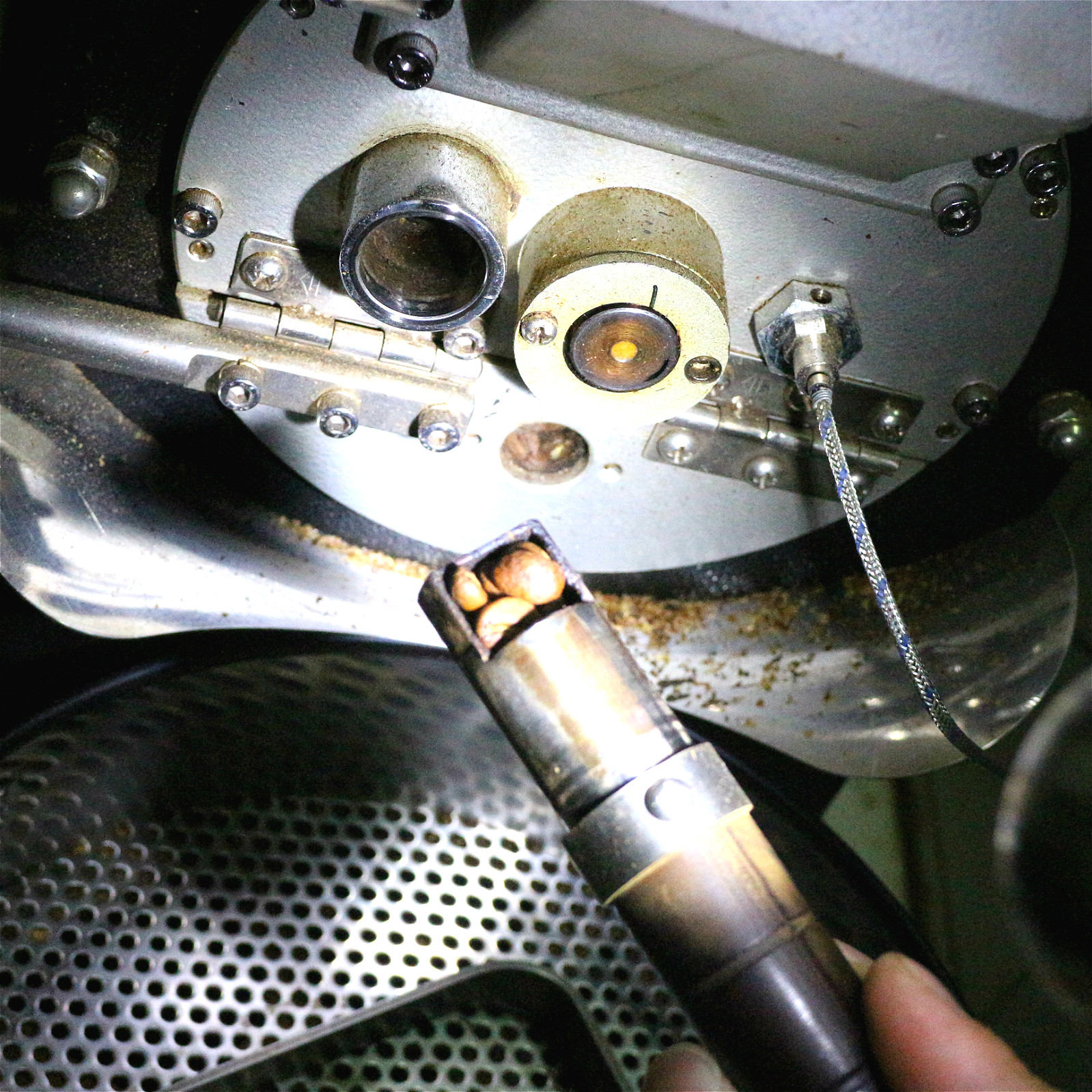
Coffee beans behave almost like living things. Just as humans age through the oxidation of our cells, freshly roasted coffee is still "green" — not yet at its most mature. Like people, it needs time to come into its own. Put simply, bean resting is a process of gas release, sometimes described as letting the coffee "mature" or degas.
Right after roasting, coffee beans hold roughly 2% of their weight in carbon dioxide. Depending on how they're stored, that CO2 builds pressure inside the packaging above atmospheric pressure — and this pressure actually helps fuse the aromatic compounds with the oils, bringing all the coffee's internal aromatics to a state where they can be easily extracted.
Look closely at a coffee bag and you'll find a one-way degassing valve: its job is to vent the excess carbon dioxide so the bag doesn't burst from the pressure.
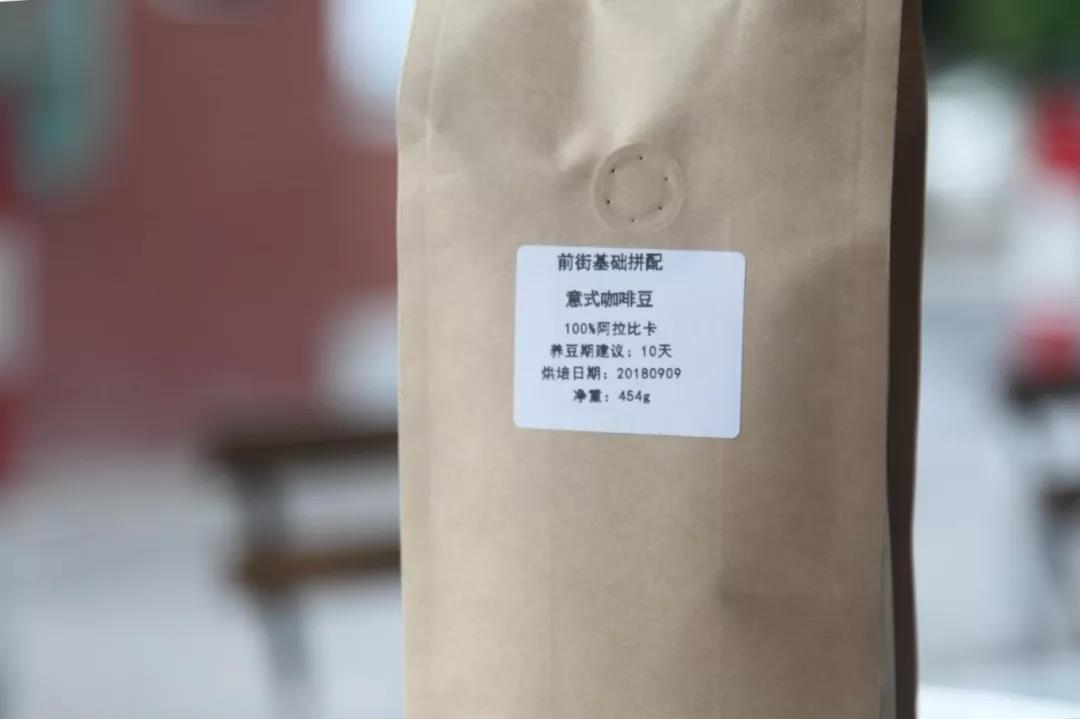
Whole beans, of course, take far longer to degas than ground coffee — and this degassing also shortens the coffee's lifespan. Early in the process, air replaces the escaping carbon dioxide at roughly a 1:1 rate, and since air is about 21% oxygen, that intake quickly oxidizes the coffee. As degassing continues, the internal pressure drops and the release slows. Over time, a 12-ounce bag of roasted beans can vent more than half a cubic foot of carbon dioxide.
How Is Bean Resting Different From Blooming?
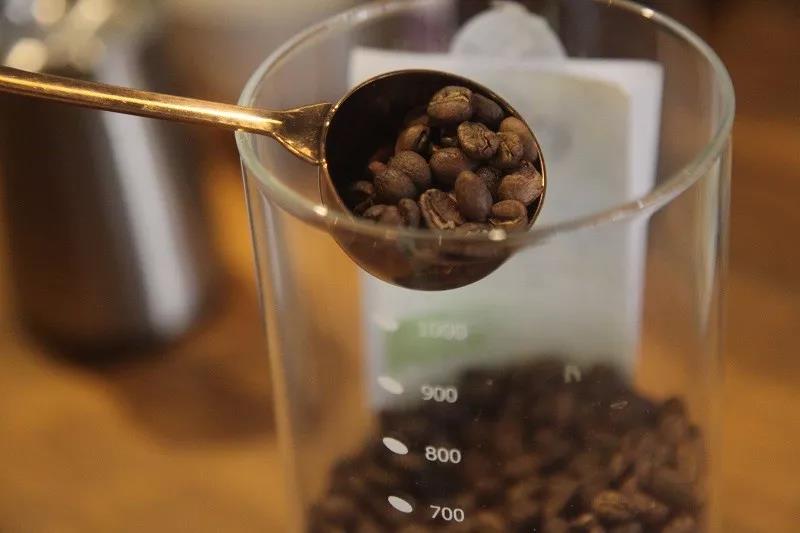
Both are ways of letting coffee degas, but they differ. Bean resting means leaving the beans sealed in their one-way-valve bag; blooming (in the storage sense) means deliberately exposing freshly roasted beans to open air for 12-24 hours to accelerate the degassing.
How Does FrontStreet Coffee Suggest Brewing Coffee of Different Ages?
Coffee one day post-roast:
Taking Yemen Mocha as an example, we would extract with a higher water temperature than usual.
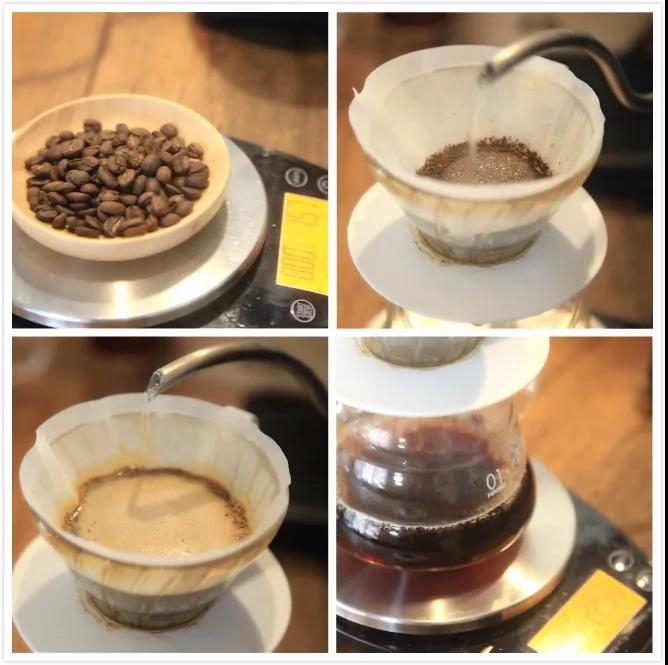
Grind size: BG 5R (64% pass-through on the Chinese standard 20-mesh sieve) / 90°C / 1:15 / total brew time (from the start of the bloom) 2'02"
Flavor notes: gentle grape acidity, chocolate sweetness, distinctive spice.
Coffee seven days post-roast, at peak flavor:
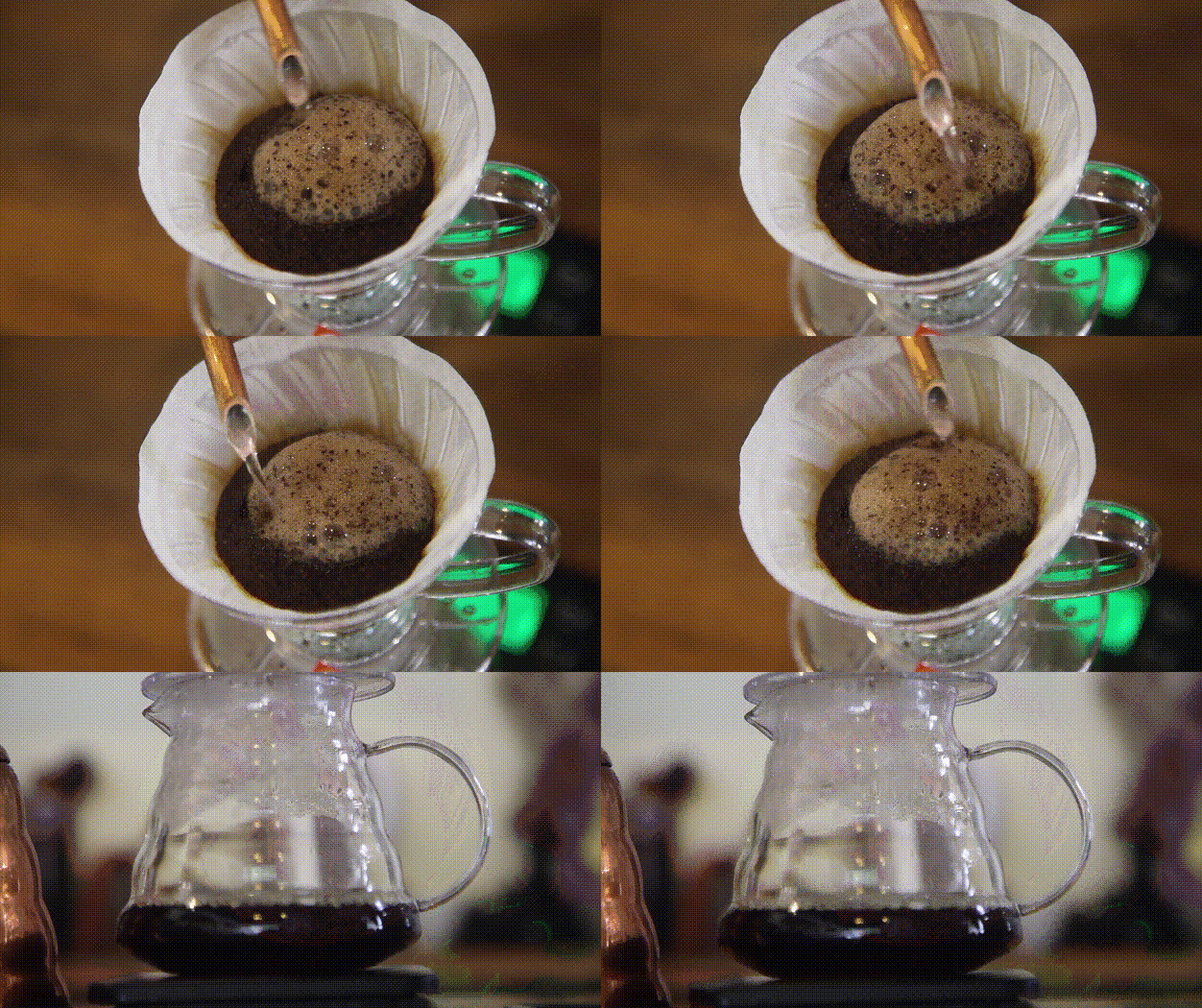
Taking Kenya Asali as an example, FrontStreet Coffee typically uses BG grind 5M (60% pass-through on the Chinese standard 20-mesh sieve) / 91°C / 1:15 / total brew time (from the start of the bloom) 2'10"
Flavor notes: cherry tomato, blackcurrant, honey.
Coffee two months post-roast, past its prime:
Taking Hacienda La Esmeralda Green Label Geisha as an example: beans stored this long over-extract easily, so FrontStreet Coffee grinds coarser than usual — BG grind 6M (47% pass-through on the Chinese standard 20-mesh sieve) — with the water at 89°C.
Technique:
- Grind coarser: most of the volatile aromatics are already gone, and a fine grind would only pull out bitterness. A coarser grind effectively avoids over-extraction.
- Shorten the bloom: the carbon dioxide is long gone, so there's no "dome" of expanding grounds. Water penetrates every particle easily, and a long bloom would simply lead to over-blooming and over-extraction.
- Brew in 2-3 stages: keep the pour low to avoid agitating the bed. Pour gently in small circles around the center, about the size of a coin, using a simultaneous bloom-and-brew approach to draw out the remaining flavor compounds — you can watch the foam slowly being pushed out.
Stop pouring when the water level rises to level, then wait until it drops by about a third before pouring again. You can widen your circles at this point, but don't reach the filter paper. Keep the pour low and gentle, and stretch the overall extraction time slightly to draw out more sweetness.
Brewing coffee is never just pouring water through grounds. You need to adjust your parameters for the roast level and freshness of the beans. Keep notes on your own brewing parameters and keep refining them until you find the profile you love.
FrontStreet Coffee Recommendation
If balance is what you're chasing while your beans rest, medium-roast beans are the most forgiving place to start: the darker the roast, the more bitter and full-bodied; the lighter, the more acidic and delicate. FrontStreet Coffee's Brazil Queen Estate Yellow Bourbon is a textbook medium roast — gentle, quietly sweet, with aromas of creamed peanuts, chocolate, toast, and sugarcane, and just enough body to please drinkers who like neither sharp acidity nor heavy bitterness. It brews beautifully as pour-over, moka pot, or espresso.
Two more medium-roast picks worth resting properly: FrontStreet Coffee's Jamaica Blue Mountain No. 1, the "Emperor of Coffee," whose Typica beans and medium roast fuse acidity, bitterness, sweetness, and body into an elegant whole with chocolate, roasted nuts, cream, and caramel in the cup; and FrontStreet Coffee's 2013 Yunnan Natural Typica, with soft notes of nuts, brown sugar, black tea, and dried apricot. All three reward a few days of patient resting — which, as this article shows, is exactly when they hit their peak.
Important Notice :
FrontStreet Coffee is a long-established specialty coffee roaster in Guangzhou China, selling freshly roasted beans from its own farm in Yunnan as well as dozens of carefully selected single-origin beans from around the world for both pour-over and espresso. The products deliver consistently excellent quality and great value, with shipping within 24 hours. Guangzhou's FrontStreet Coffee shop is recommended by many coffee lovers, and the beans are now available online at the Tmall 。
FrontStreet Coffee has moved to a new address:
FrontStreet Coffee Address: 315,Donghua East Road,GuangZhou
Tel:020 38364473
 Scan and follow the En Gafei WeChat official account. Please indicate that the reprint comes from "En Gafei".