What Roast is Suitable for Nicaraguan Finca La Escondida Bourbon Pointed Hand-Drip Coffee_How to Roast Bourbon Pointed
Finca La Escondida Laurina Natural Process Lot 3624
Country: Nicaragua
Administrative Region: Lipululo, Jinotega Province
Estate Name: Finca La Escondida (The Hidden Estate)
Estate Manager: Boanerje Martinez Montenegro
Variety: This lot is naturally low-caffeine Laurina (Bourbon Pointu). Other varieties grown on the estate include Bourbon, Java, Caturra, and Catuai
Cultivation Area: 92 acres
Preservation Area: 3 acres
Altitude: 975-1,230 meters
Average Temperature: Average high of 27°C, low of 16°C
Processing Method: Washed processing, with drying on raised beds during the final stage
Harvest Time: January 2018
About Laurina (Bourbon Pointu)
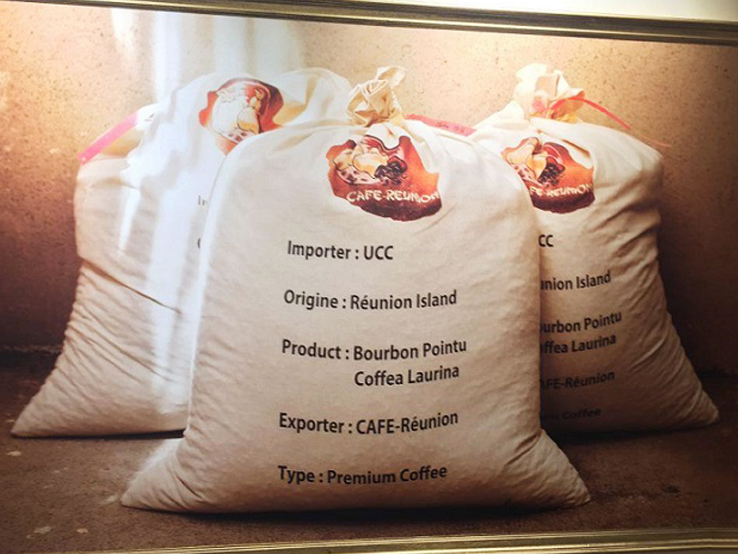
Bourbon Pointu, scientifically known as Laurina, was discovered on Bourbon Island and contains only half the caffeine of typical coffee varieties. Production is extremely limited, making it exceptionally rare. What sets it apart is its naturally low caffeine content of roughly 0.6%—far less than half that of most Arabica varieties.
Bourbon Pointu offers delicate, captivating, elegant aromas with exceptional flavor, and it has become a legendary variety on a par with Geisha.
The Story of Finca La Escondida
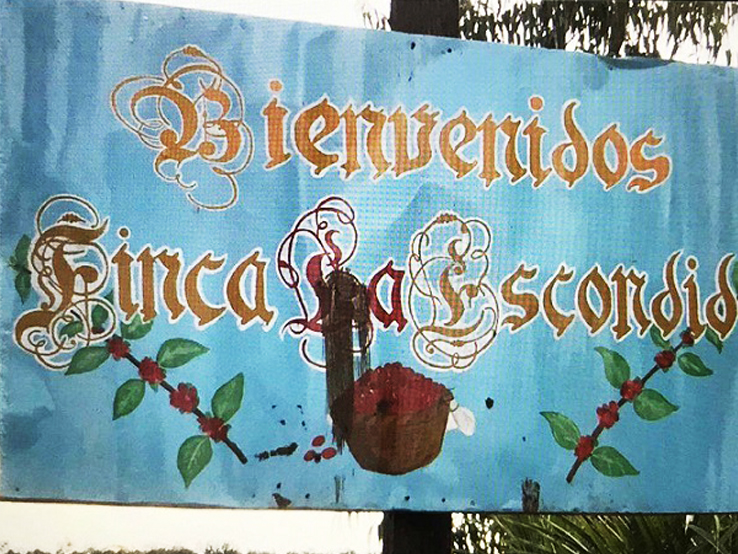
This lot of Laurina comes from Finca La Escondida in Nicaragua. The estate sits near Lake Apanas in Jinotega Province and belongs to the Mierisch family. The Mierisch family estates are located either in this region or in the nearby Matagalpa area. The estate was named "La Escondida" (The Hidden Estate) because it is surrounded by numerous trees and borders large forest areas. These superior geographical conditions allow the estate's coffee to show elevated aromas and full sweetness.
About the Laurina Coffee Variety
Laurina, also known as Bourbon Pointu, has a caffeine content of only about 0.6%. Typical Arabica varieties contain between 1% and 1.2% caffeine, while Robusta varieties can exceed 2%. To confirm the caffeine content, we sent this lot of Laurina together with other varieties from the same estate for testing. The results confirmed that the reputation is well deserved: Laurina really does contain 40-50% less caffeine than traditional Arabica varieties. This is wonderful news for anyone seeking a low-caffeine option.
Most low-caffeine coffee is produced by chemical processing, water processing, or carbon dioxide treatment. Chemical processing raises concerns, while water and carbon dioxide methods often cost some flavor. With the arrival of naturally low-caffeine Laurina, the market finally has a solution that both meets the demand and satisfies low-caffeine drinkers' expectations for high-quality flavor.
Washed Processing Method
The washed method was developed to address the shortcomings of traditional natural processing. First, harvested cherries pass through a depulping machine to separate most of the fruit pulp from the beans. They are then guided into a clean water tank, where they soak and ferment to remove any remaining mucilage. Once fermentation is complete, they are dried in the sun or by machine until moisture content reaches 12%. Because the washed method removes the pulp beforehand, there is no need to worry about mold or insect damage during drying, as there is with natural processing.
(↑ Depulping machine removing fruit pulp) (↑ Soaking in water for fermentation) (↑ Spreading for drying)
Natural processed coffees offer rich, full flavors with very distinct, diverse layers, while washed coffees taste very clean and refreshing with distinct fruit acidity. Different processing methods give beans their own aromatic character.
Roasting Suggestions/Analysis
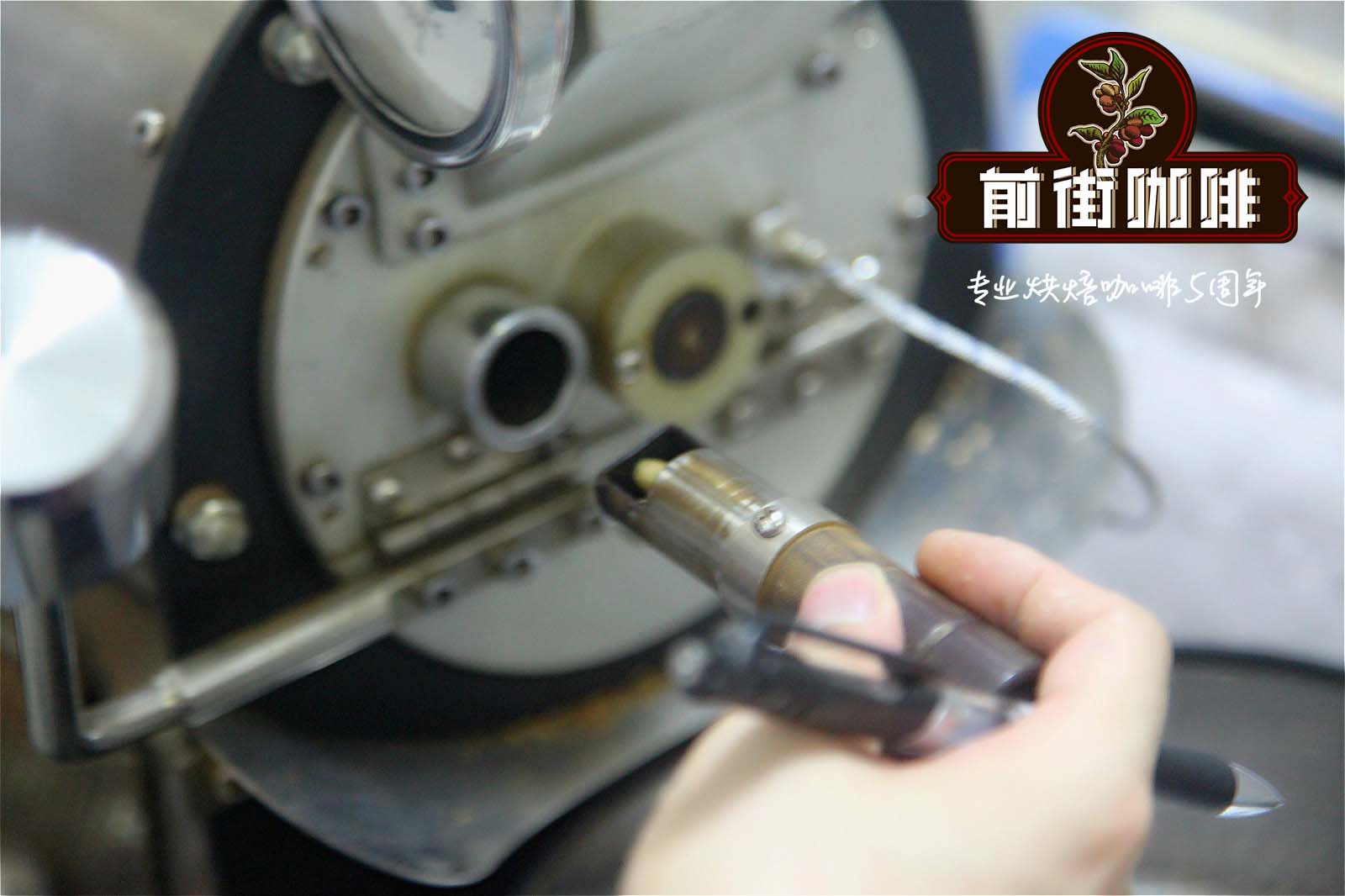
Nicaraguan coffee typically grows at altitudes between 1,000 and 1,500 meters, so this Laurina has relatively low density, moderate moisture content, and a slightly hard bean structure. Because Laurina beans are thin from surface to core, they are not suited to very high-temperature roasting, which would create burnt, bitter flavors. We apply medium heat, holding it through the dehydration stage, then make fine adjustments as the temperature rises after first crack begins to promote more complete caramelization. We usually reach first crack between 8.5 and 9.5 minutes to preserve more floral and fruit aromas while keeping the acidity clean and bright. As a rule, we recommend finishing the roast somewhere between the end of first crack and the point where the beans become dense, landing at a light-medium roast level.
Cupping Flavor Description
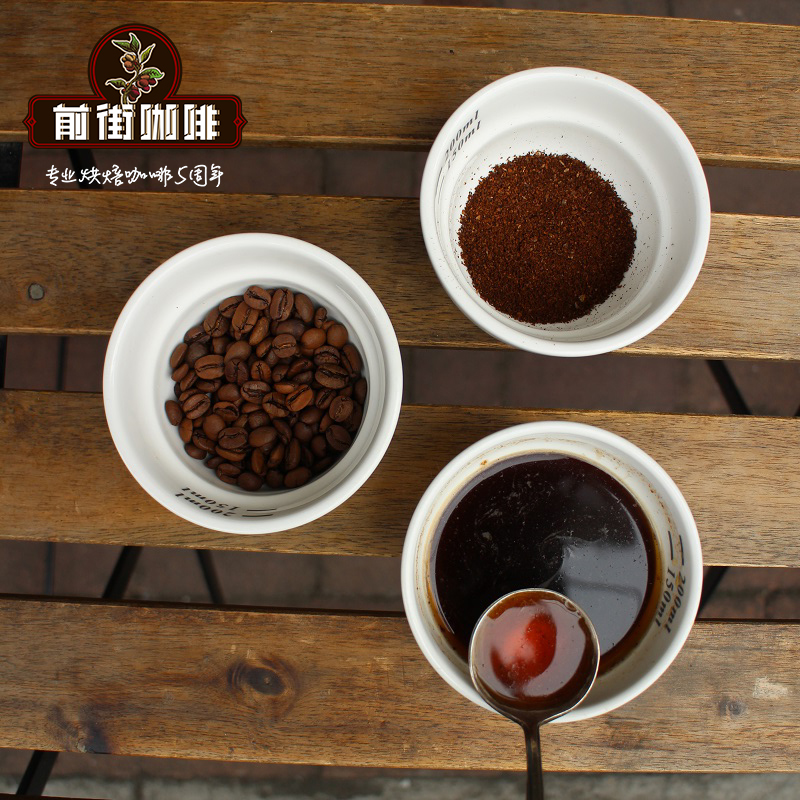
Dry Aroma: Nuts, cane sugar, citrus, spices
Wet Aroma: Citrus, floral notes, dried plum, spices
Sipping Flavor: Grapefruit, citrus, peach, cherry, cane sugar sweetness, floral notes
Brewing Analysis
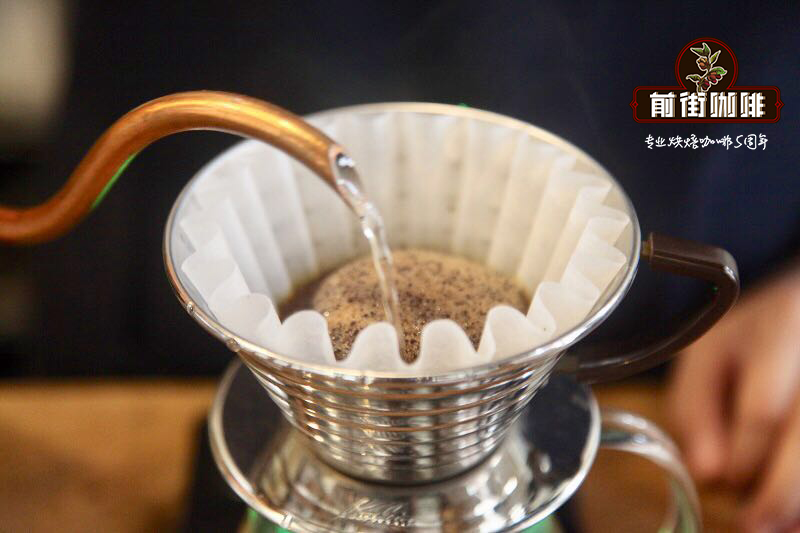
Today we're introducing FrontStreet Coffee's go-to hand-pour method for Laurina: the V60 three-pour technique.
This is a segmented extraction that divides the brewing water into three separate pours.
It suits light, light-medium, and medium roast beans.
It uses a V60 dripper.
Increasing the bloom time or the number of pour interruptions can enhance the coffee's richness.
The Three-Pour Segmented Extraction Method
Advantages: It offers more complexity than single-pour methods, clearly separating the front, middle, and back end of the cup. The technique increases water volume after each bloom, typically pouring when the level drops close to the coffee bed surface, using small, medium, and large flows across three stages.
Disadvantages: It places higher demands on flow-rate and volume control.
FrontStreet Coffee's Laurina Hand-Pour Parameter Recommendations
A V60 dripper enhances the layered complexity of the hand-pour, making the cup richer and cleaner; it fully expresses the Laurina variety's rich floral and fruit aromas with soft, fruit-like acidity.
Parameters: 15 g coffee, water temperature 89-90°C, grind BG 5R (Chinese standard, 64% passing a #20 sieve), water-to-coffee ratio close to 1:15
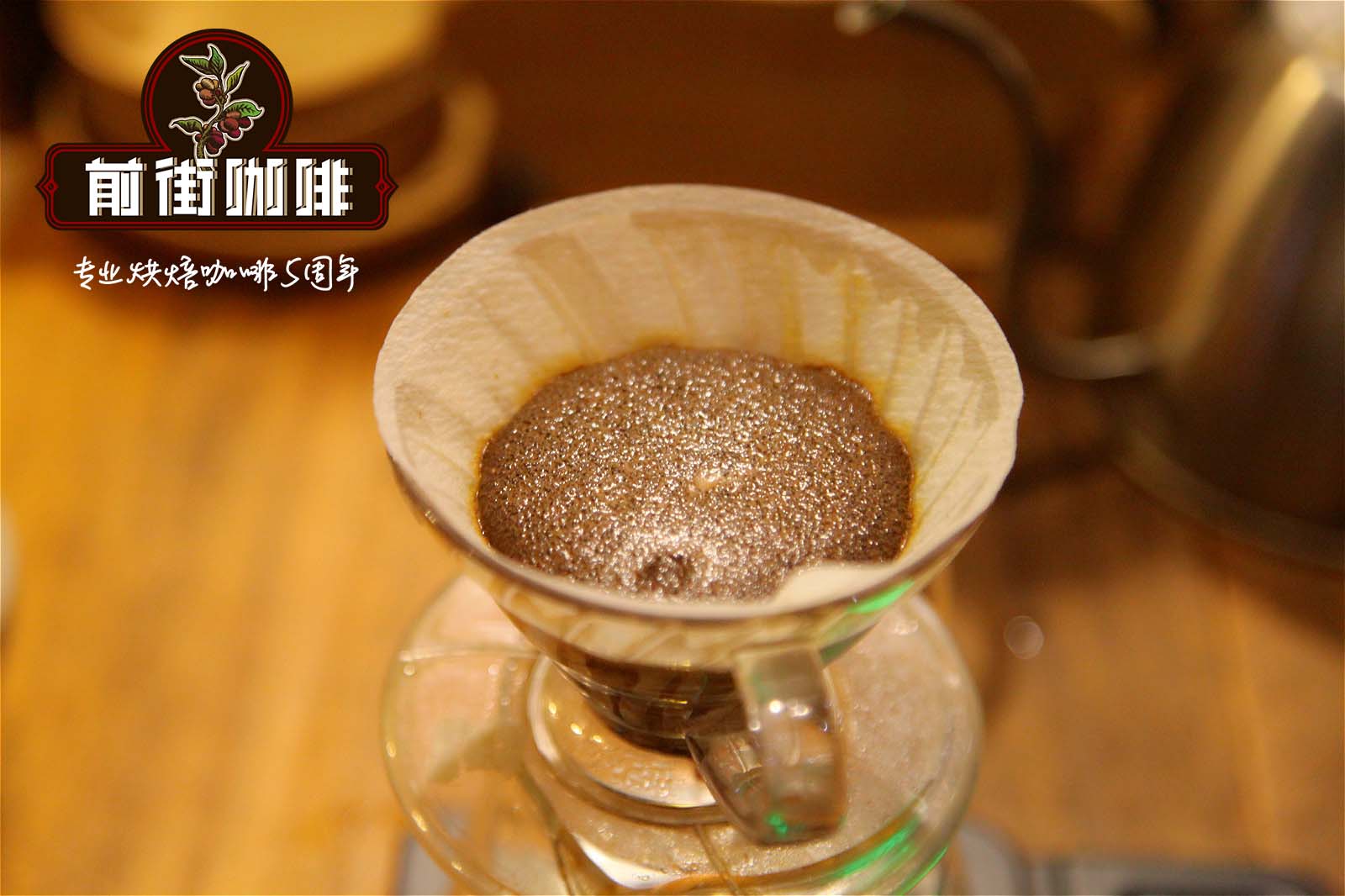
Technique: 30 g water for the bloom, bloom time 30 s. Pour hot water from the gooseneck kettle in clockwise circles around the center of the V60 dripper. Start timing when brewing begins, pour to 30 g, then stop and wait 30 seconds before the first pour.
For the first pour, use circular motions as before but slightly slower, speeding up a little as you reach the outer circle. Stop pouring at around 1:15. When the liquid level drops by one third, pour again. The second pour should concentrate on the center, avoiding the area where the coffee meets the filter paper to prevent channeling. Finish extraction around 2:05. The tail end can be discarded (the longer the extraction, the more astringency and roughness build up).
Pour Segments: 30-125-230 g
FrontStreet Coffee Recommendation
If the Laurina's delicate florals have you curious about the top of the Geisha family, FrontStreet Coffee's Esmeralda line is the place to start. The Red Label is officially named "Esmeralda Special"; it grows at 1,600-1,800 m, every lot must cup at 90 points or above, and each lot carries its own number because all its beans come from a single small plot—FrontStreet's Red Label, for example, comes from the Halimi Mill plot—so buyers can choose the lot whose fine flavors they prefer. The Green Label is originally "Private Collection"; as the name suggests, it blends several plots rather than stressing detailed plot information, chiefly expressing the estate's signature high-altitude Geisha profile, and it is the more affordable way into Esmeralda. For a gentler introduction, FrontStreet's Boquete Geisha from Panama is the entry-level pick, offering the classic orange-blossom-honey charm of a good Panamanian Geisha at a friendly price, with oolong-tea sensation, fine fruit sweetness, and clear layering. Geisha is a light-medium roast with a hard, dense structure that tends to sink and clog the dripper, so FrontStreet suggests grinding to 78% passing a China No. 20 sieve (about caster-sugar size) and brewing at 91°C: 15 g of coffee in a small Hario V60, a 1:16 ratio, and a three-pour method—30 g for a 30-second bloom, then a slow circular pour to 125 g, waiting until the bed drops halfway, then a slow circular pour to 225 g. Total extraction runs about 2:10-2:20.
Important Notice :
FrontStreet Coffee is a long-established specialty coffee roaster in Guangzhou China, selling freshly roasted beans from its own farm in Yunnan as well as dozens of carefully selected single-origin beans from around the world for both pour-over and espresso. The products deliver consistently excellent quality and great value, with shipping within 24 hours. Guangzhou's FrontStreet Coffee shop is recommended by many coffee lovers, and the beans are now available online at the Tmall 。
FrontStreet Coffee has moved to a new address:
FrontStreet Coffee Address: 315,Donghua East Road,GuangZhou
Tel:020 38364473
 Scan and follow the En Gafei WeChat official account. Please indicate that the reprint comes from "En Gafei".