Pour-Over Coffee Techniques for Colombian El Boton Estate Elephant Beans - Best Dripper for Elephant Beans
FrontStreet Coffee · El Boton Estate Information and Story
El Boton Estate sits in Antioquia, one of Colombia's traditional coffee heartlands, where layered mountain terrain both challenges and shelters coffee cultivation. The estate's Maragogype — the "Elephant Bean" — is a genuinely substantial coffee: a surprising wave of sweetness on entry, the fruity acidity of grapes and pomegranate, and the mellow roundness of black tea packed into a bean of impressive size.
The estate lies in the mountainous area of La Carmina, in the southwestern reaches of Antioquia Province — a corner of the country that borders the Pacific-facing region of Colombia's northwest.
Since 1930, the Herran family has grown nothing but Elephant Beans on this land. Even though switching to newer varieties would mean bigger harvests, the family has refused, harvesting only about 600 bags a year (70 kg each) as a result. In a world of constant variety experimentation, that single-minded dedication is genuinely rare.
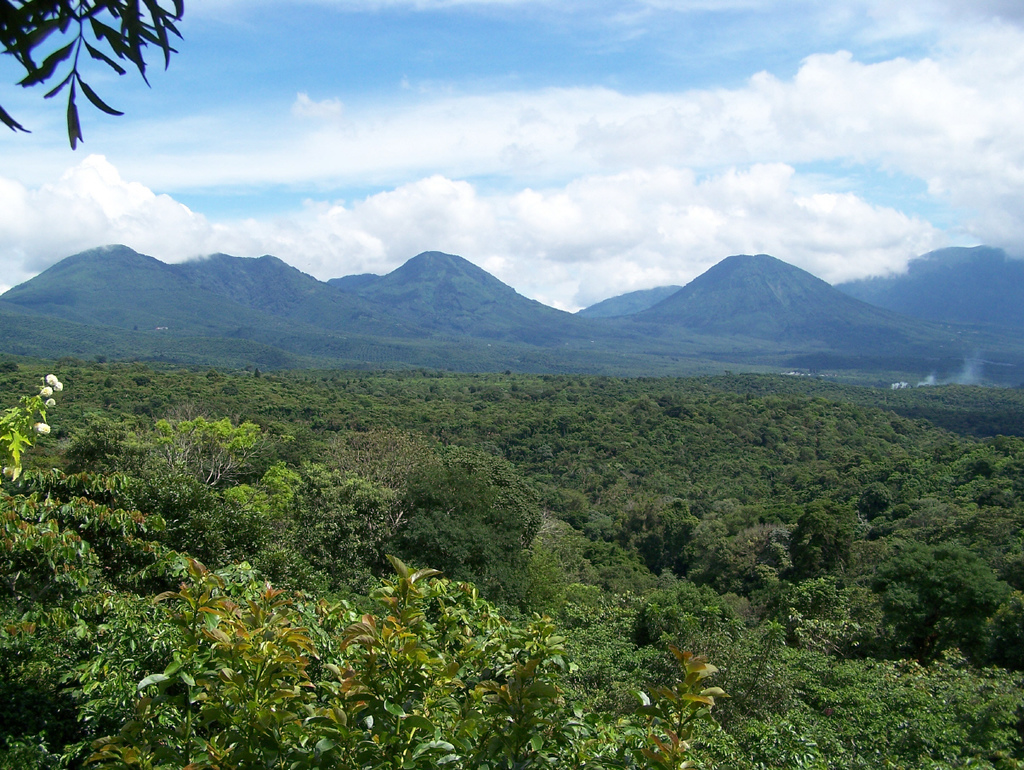
El Boton's fields climb to 4,430 feet above sea level, rooted in La Carmina's famously fertile soil. Coffee trees are planted at very low density, and all of them grow under shade.
The harvest opens in October and, because only fully red, ripe cherries are picked, stretches all the way to January. Everything is washed on the estate the same day it is picked, using a low-water, environmentally friendly method for depulping and fermentation; even the processing residue returns to the fields as fertilizer. After fermentation and washing, the parchment coffee is machine-dried at low temperature down to 12% moisture, then moved into silos to rest until hulling and grading.
After hulling, the estate's women hand-sort the green beans, pulling out defects and selecting the very best lots — entirely by machine-free manual work. It sounds laborious, but it makes sense: Elephant Beans are far larger than ordinary flat beans, so they are easy to pick through by hand, and with production this small, manual sorting is simply the right call.
FrontStreet Coffee · Maragogype Elephant Bean Coffee Variety Introduction
Maragogype beans run three times the size of ordinary Arabica — the largest coffee beans in the world.
Cup profile: strawberry, the sweetness of berry pulp, nutty aromatics, a gentle and full fragrance, a nutty finish, mild sweetness and acidity, a smooth mouthfeel, and an overall well-balanced cup.
The variety is a mutation of Typica. Grown at a modest 700-800 meters, Elephant Beans taste ordinary and unremarkable — some gourmets openly dislike them. Above 1,000 meters, however, they transform: the aroma turns gentle and charming, the taste mild and steady, with acidity, light bitterness, and sweetness in careful balance, an especially rich fruit character, and a texture remarkably close to FrontStreet Coffee's elegant Jamaica Blue Mountain — sweet within its acidity, full-bodied, and genuinely lovely.
That resemblance to Blue Mountain comes at a friendlier price: Matagalpa Giant Elephant Bean costs only about two-thirds as much, making its value excellent. It is also the only Elephant Bean to earn Cup of Excellence (COE) recognition in recent years — which is why some shops quietly pass it off as Jamaica Blue Mountain.
Annual quantities are limited. Only a handful of countries — Mexico, Nicaragua, Honduras, El Salvador, and Brazil — grow it in small volumes, and trade in the variety remains modest.
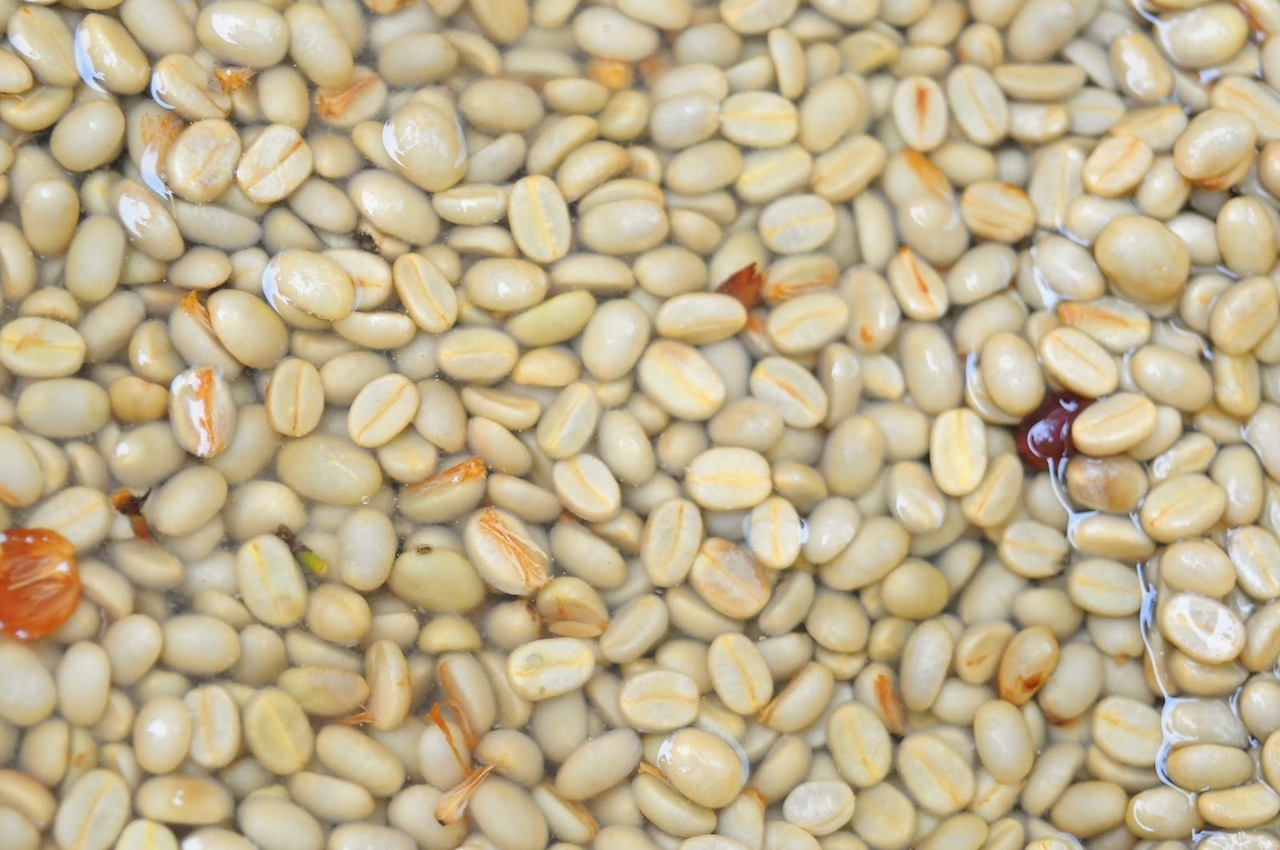
Washed Process Introduction
Washed processing was developed to answer the weaknesses of the traditional natural process. Harvested cherries are first run through a depulper to remove most of the fruit; the beans then soak in clean water tanks to ferment away the remaining mucilage. After fermentation, they are sun- or machine-dried to 12% moisture. Because the pulp is already gone, drying carries none of the mold or pest risks that natural processing must guard against.
(↑ Depulping machine removing pulp) (↑ Soaking in water for fermentation) (↑ Spreading flat for drying)
Natural lots come across rich and full with distinct, layered aromatics; washed lots taste clean and refreshing with clear fruit acidity. Each process stamps the bean with its own signature.
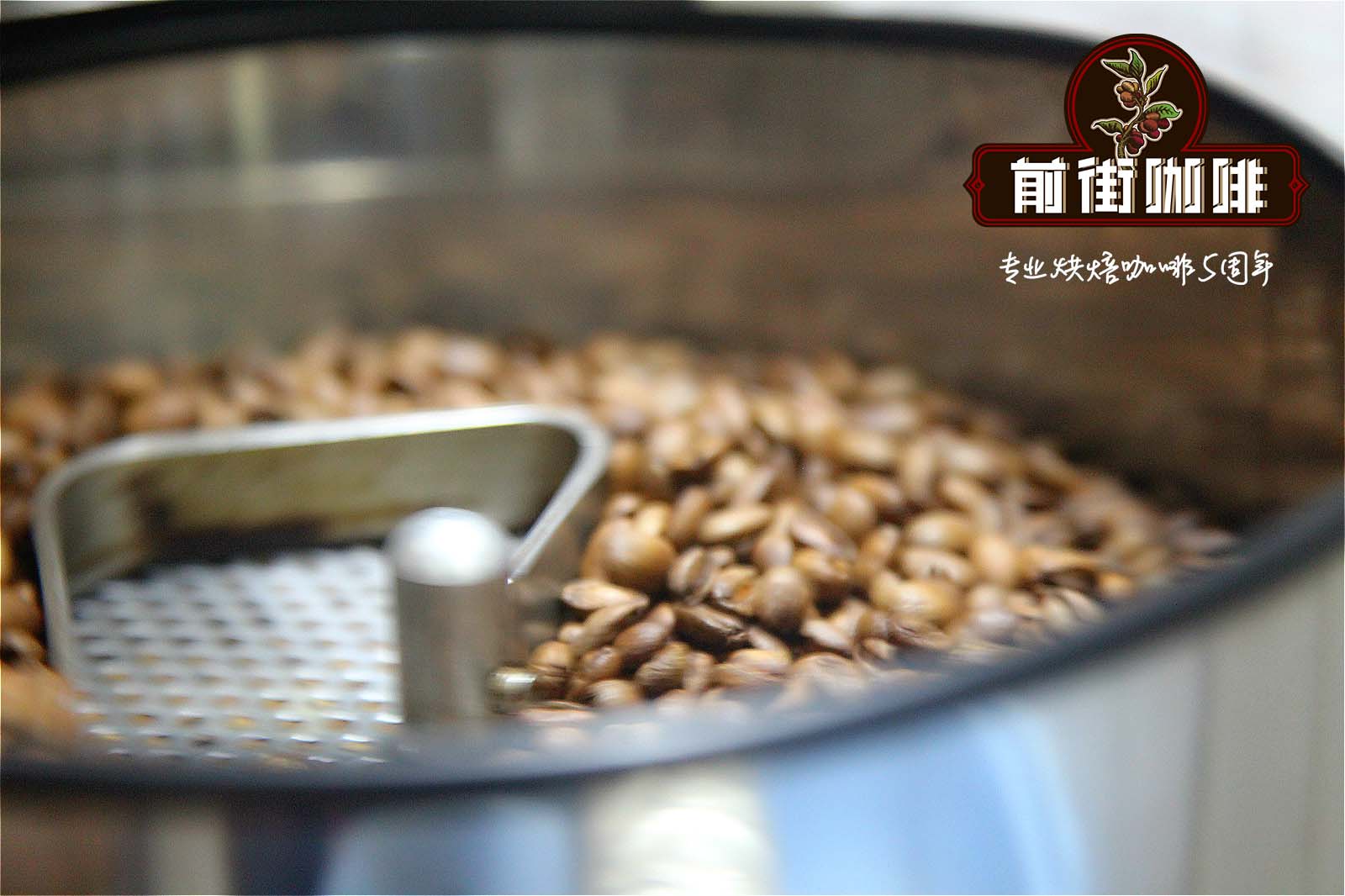
Roasting Suggestions/Analysis
These Elephant Beans are giant beans — FrontStreet Coffee's Maragogipe — with large particles but only medium density, and fresh-crop beans carry higher moisture. On the roaster they absorb heat slowly, and the Maillard stage moves quickly; a careless roast easily ends up scorched outside and underdeveloped inside, with hollow, loose flavors in the cup. The yellowing point arrives around 5 minutes. For a first roast, try a slightly higher charge temperature — around 200°C — with heat turned up, then taper as the roast progresses: after yellowing, reduce heat to stretch the drying phase and let the giant beans fully dehydrate; from the end of drying until just before first crack, hold medium heat (or raise it slightly) to drive the Maillard reaction and build pressure before first crack; as first crack signals appear, ease the heat down to keep the bean surface from scorching. The result is a roast with a longer overall development — a rise of 6-8 degrees every thirty seconds — yet first crack still lands in the normal 8.5 to 9.5 minute window, preserving florals and fruit while keeping the acidity clean and bright. Drop the beans between the peak of first crack and its end, around a medium roast.
Roasting Maragogype does take real skill, though. At three times the size of ordinary Arabica, heat penetration is the whole game: fire it too hard and the surface looks ready to drop while the interior stays underdone, leaving astringency in the cup; drag the roast too long and the Blue Mountain-like elegance burns off. Judgment is everything.
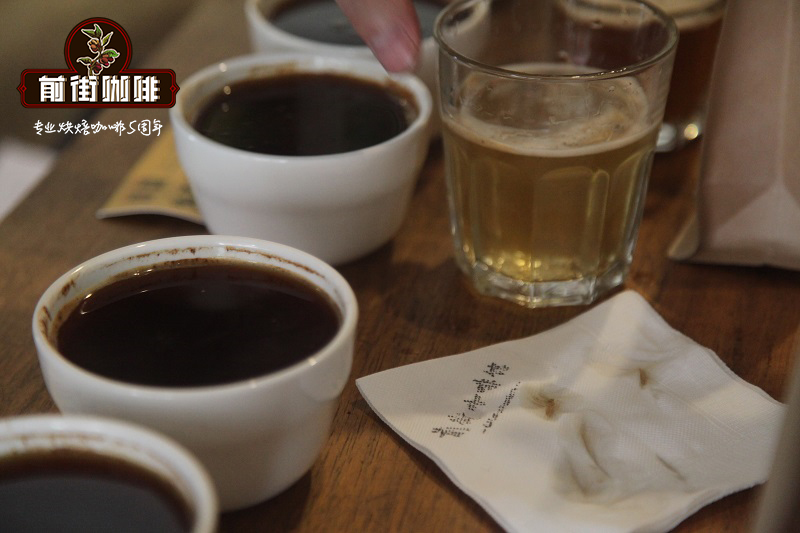
Cupping Flavor Description
Dry aroma: uplifting, with floral notes, a grassy freshness, and floral-essential-oil intensity
Wet aroma: caramel and citrus
Slurping flavor: oily mouthfeel, citrus and plum-berry acidity carrying tropical-fruit sweetness; sour and sweet in fine balance, with a layered, lingering aftertaste
Brewing Analysis
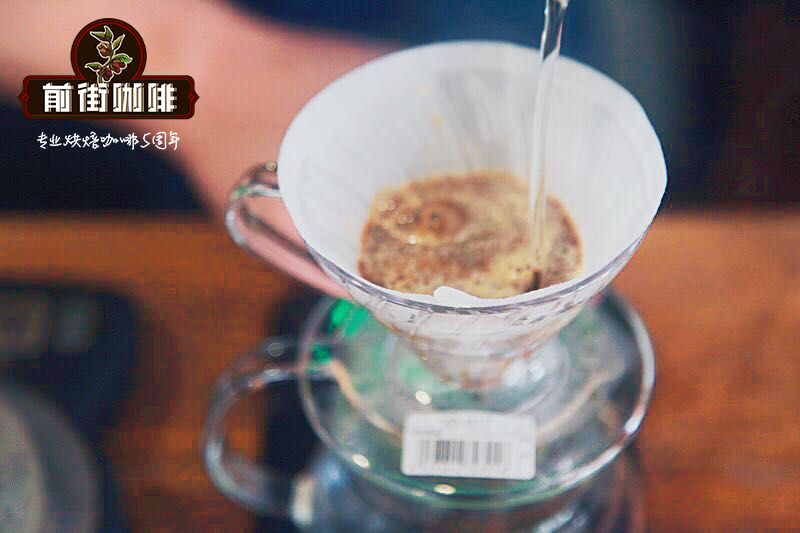
Here is FrontStreet Coffee's go-to method for hand-pouring the Colombia El Boton Estate Maragogype Elephant Bean: the V60 three-pour method.
Segmented extraction — the total brewing water is divided into three pours.
Suitable for light, medium-light, and medium roast coffee.
Uses a V60 dripper.
Lengthening the bloom or adding more pour interruptions deepens the coffee's body.
Advantages: More layered than a single continuous pour, cleanly separating the coffee's front, middle, and finish. After the bloom, each pour adds progressively more water — usually just as the liquid level is about to sink to the surface of the bed — using small, medium, and large flows across the three stages.
Disadvantages: Demands precise control of both flow rate and pour volume.
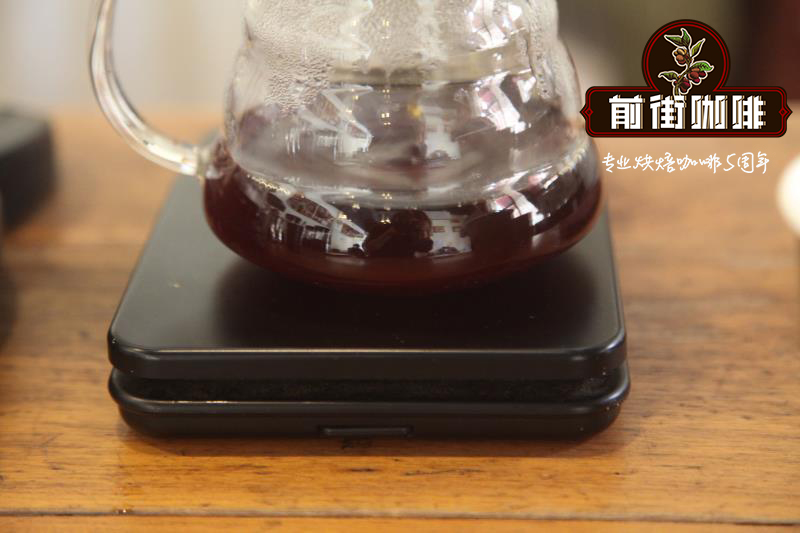
FrontStreet Coffee Colombia El Boton Estate Maragogype Elephant Bean Coffee Hand-Pour Parameter Suggestions
Brewing with a V60 heightens the coffee's layering and keeps the cup rich yet clean, letting the variety's rich fruit character and gentle, full nutty aroma express themselves completely.
15g of coffee, water temperature 89-90°C, grind BG 5R (a 64% pass-through rate on the #20 sieve), water-to-coffee ratio close to 1:15
Method: Start the timer as brewing begins and pour 30g of water in clockwise circles around the center of the dripper, then stop and wait 30 seconds for the bloom before the first pour.
For the first pour, circle as before, slightly slower, speeding up a little at the outer edge; break the pour at around 1:15, wait for the level to drop by one-third, then pour again. The second pour targets the center — keep the stream away from the seam where grounds meet filter paper to prevent channeling. End extraction around 2:05; the tail can be omitted, since the longer it runs, the more astringency and roughness build.
Pour segments: 30-125-230g
FrontStreet Coffee Recommendation
Colombia's range is exactly why its coffees suit so many drinkers — bright and fruit-forward on one end, deep and full-bodied on the other. For the darker direction, FrontStreet Coffee's washed Colombia Huila comes from the country's most famous specialty region, a mountain-ringed district above 1,500 meters where the nation's great rivers converge; roasted medium-dark, it pours out black chocolate and nutty sweetness with a moderate body that works as pour-over, French press, moka pot, or espresso.
For the aromatic, fruit-driven end of the spectrum, try FrontStreet Coffee's Colombia Sidra: an anaerobic natural processed at 1,650-1,800 meters and roasted medium-light. Jasmine and citrus on the dry aroma give way to a juicy rush of passion fruit, blueberry, grape, and apricot, with a soft spice note mid-palate and a long cocoa finish — superb as pour-over, espresso SOE, or cold drip. And for everyday espresso with milk, the FrontStreet Signature Blend marries Brazil's creamy nuttiness to Colombia's dark chocolate depth, pulling a fine golden crema that makes lattes and cappuccinos effortless.
Important Notice :
FrontStreet Coffee is a long-established specialty coffee roaster in Guangzhou China, selling freshly roasted beans from its own farm in Yunnan as well as dozens of carefully selected single-origin beans from around the world for both pour-over and espresso. The products deliver consistently excellent quality and great value, with shipping within 24 hours. Guangzhou's FrontStreet Coffee shop is recommended by many coffee lovers, and the beans are now available online at the Tmall 。
FrontStreet Coffee has moved to a new address:
FrontStreet Coffee Address: 315,Donghua East Road,GuangZhou
Tel:020 38364473
 Scan and follow the En Gafei WeChat official account. Please indicate that the reprint comes from "En Gafei".