Why Pour-Over Coffee from El Salvador's Finca Las Nubes Natural Pacamara is Expensive_How Much Does Pacamara Cost
El Salvador Finca Las Ninfa Natural Process Pacamara Coffee
Introduction to Finca Las Ninfa:
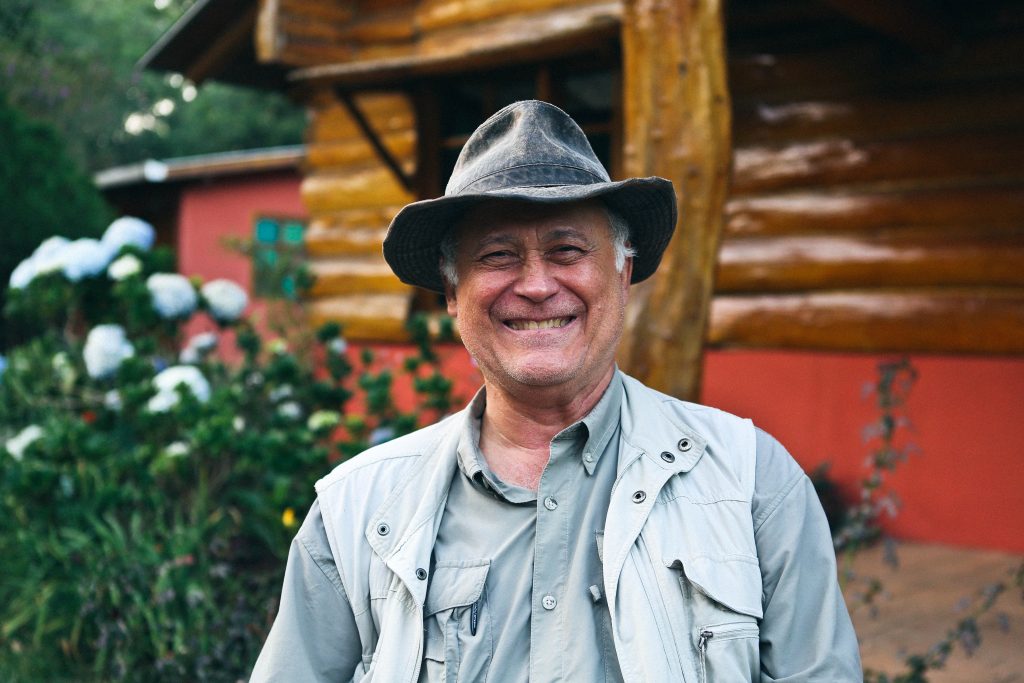
Ricardo Valdivieso is the fourth-generation heir of a family long renowned locally for cultivating and processing the Pacamara variety. The farm, named Las Ninfa, meaning "Nymph Farm" or "Fairy Farm," is a sister farm to Santa Leticia. Both farms produce heavily and sit in beautiful scenery.
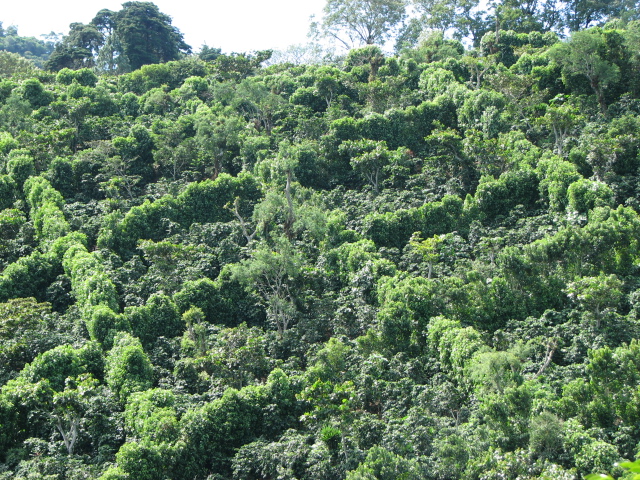
The farm was founded in 1870 by the well-known politician Francisco Menendez Valdevieso, a local native who once served as a general and president of El Salvador and also founded the country's education system. For over a century the farm has been inherited and managed by family members. Ricardo is the great-grandson of the founder, Francisco. Besides coffee and protected forest, the farm holds many Mayan-era ruins. Ricardo's daughter uses these ancient sites to run a tourist eco-lodge at Santa Leticia and to offer related activities.
The farm sits in the town of Apaneca, near El Salvador's eastern coffee landmark, the Santa Ana Volcano, also known as Ilamatepec. El Salvador's mountain ranges stretch from north to east, and all of its volcanoes are active. The climate and geography here suit coffee exceptionally well. Fertile volcanic soil, steady Pacific sea breezes, appropriate altitude and clearly divided rainy and dry seasons make this a paradise for plants.
Introduction to the Pacamara Variety:
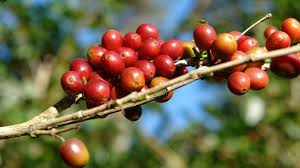
Pacamara is a hybrid bred in El Salvador in 1958, with Pacas and Maragogype as its parents. It combines the strengths of both while surpassing them: pure and gentle, rich and smooth, with lively acidity, full flavor and a surprisingly long aftertaste. It carries the excellent taste of Pacas and inherits the large bean size of Maragogype. The beans are at least 70-80% the size of Maragogype beans, with 100% reaching 17 mesh or above and 90% reaching 18 mesh or above. Average bean length is 1.03 cm, compared with about 0.8-0.85 cm for regular beans; average width is 0.71 cm, against about 0.6-0.65 cm for regular beans, and the thickness reaches 0.37 cm. The beans are full and round. Pacamara's name combines the first four letters of its parents: Paca plus mara equals Pacamara.
At El Salvador's Cup of Excellence in 2005, Pacamara amazed everyone. Among the top ten, Pacamara took second, fifth, sixth and seventh places.
In 2007, the Pacamara variety won both the Guatemala and El Salvador COE championships. Since then it has been unstoppable on the awards path, consistently ranking near the top in major competitions, and it is internationally recognized as an emerging variety comparable to Geisha.
In Guatemala's COE alone, Pacamara held the championship for 7 out of 10 years from 2008 to 2017.
Because of Pacamara's extraordinary competition record, in 2017 the Best of Panama international competition committee decided to create a separate category for the variety.
Despite its success, this variety still has drawbacks: Pacamara has high demands for soil, climate, environment and altitude, with low yields and poor resistance to leaf rust. Its cultivation is therefore not widespread.
To this day, although Pacamara is no longer especially rare, it remains an uncommon bean on the market. Guatemala and El Salvador are considered the best sources, and many international enthusiasts pursue it, which makes it even harder to find.
Introduction to Natural Process:
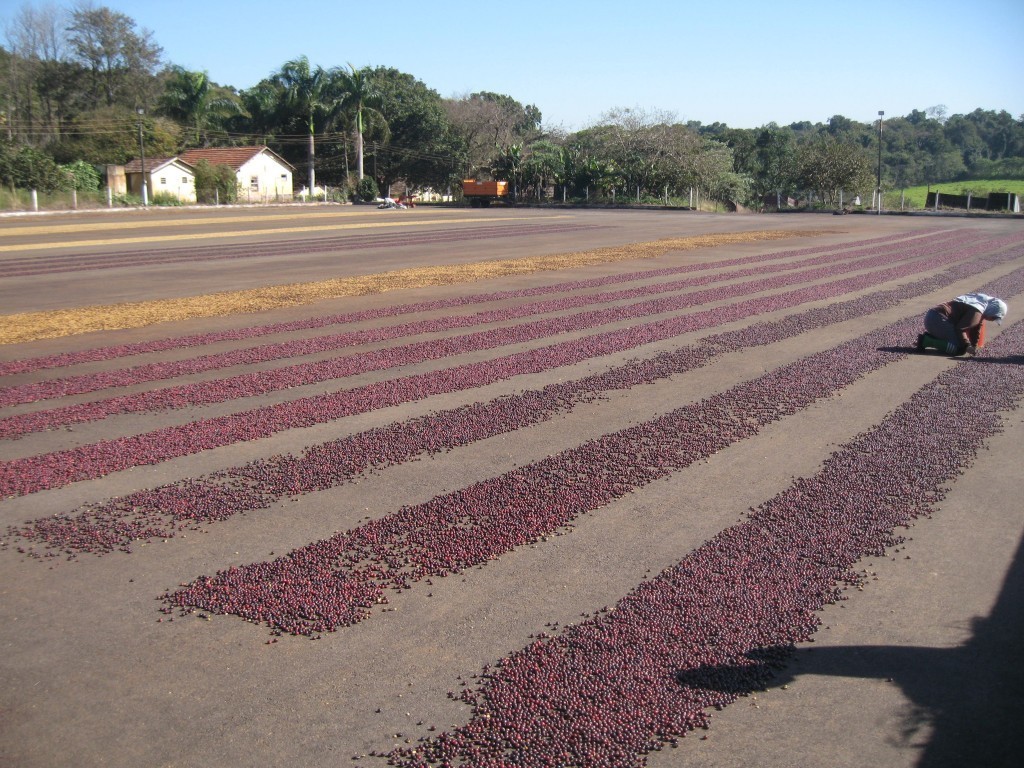
The natural process is the oldest and most original method of processing coffee. Harvested cherries are first poured into large water tanks, where mature, full cherries sink and underdeveloped or overripe ones float. After the floaters are removed, healthy cherries are spread on patios to dry in direct sun, reducing moisture from 60% to 12-15%. Finally, a hulling machine removes the dry, hard outer skin and pulp, completing the process for green beans.
(Selecting coffee cherries) (Outdoor sun drying)
The natural process can enhance berry and tropical fruit flavors, with gentle acidity. Traditional natural processing sometimes produces negative flavors such as earthy or over-fermented notes, however.
Today the natural process is coming back into fashion, even becoming an important method for competition-grade coffee. The change comes from improved African raised beds. Besides avoiding ground moisture, animal waste and earthy flavors, raised beds give the fruit good air convection, making drying more even. Farmers turn the beans regularly, letting them gently absorb sweetness from the pulp, so the flavor grows fuller and fuller.
Roasting Suggestions and Analysis:
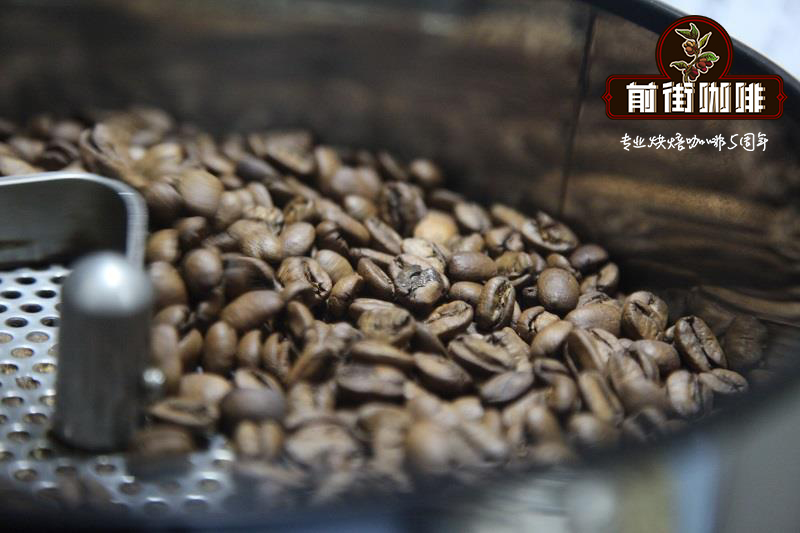
This is the large-bean Pacamara, with relatively big, dense beans. New-season beans naturally hold more moisture. During roasting, heat absorption is relatively slow and the Maillard reaction runs quite fast, with the color change point arriving around 5 minutes. For the first roast, try a slightly higher bean drop temperature, around 200°C, with relatively high heat. Reduce heat gradually during the roast: after the beans reach the color change point, lower the heat to extend dehydration so the large beans dry out thoroughly; from the end of dehydration to first crack, hold medium heat or increase it slightly to speed up the Maillard reaction and build pressure before first crack; at the first sign of first crack, reduce heat a little to avoid scorching the bean surface. With this approach, dehydration is extended, with temperature rising 6-8 degrees every thirty seconds, while first crack still arrives normally between 8.5 and 9.5 minutes, preserving more floral and fruity aromas and keeping the acidity clean and bright. It is generally recommended to drop the beans between the end of first crack and its conclusion, achieving a medium roast.
Cupping Flavor Description:
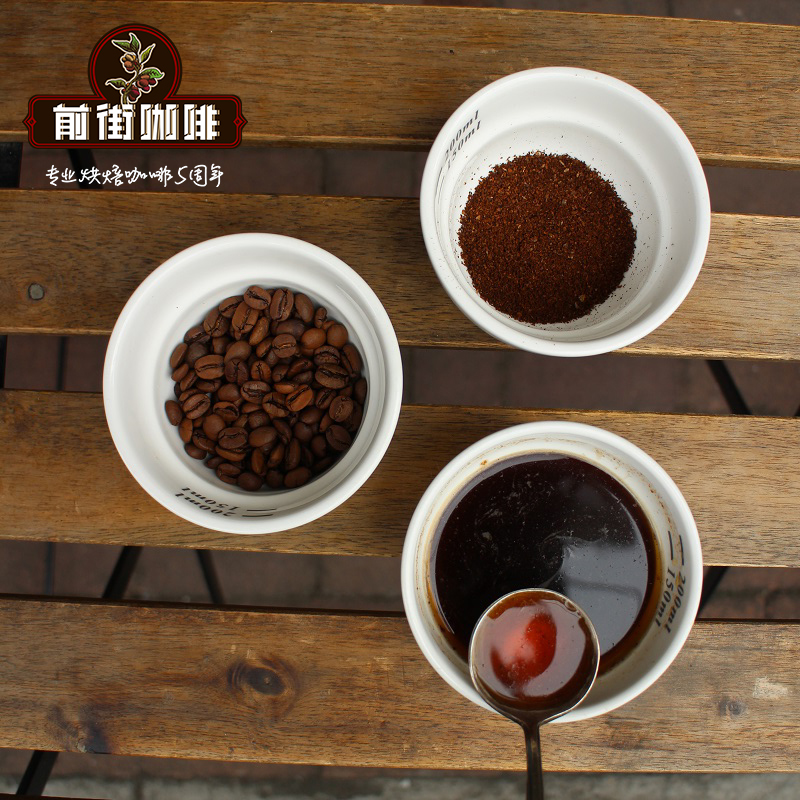
Flavors of sangria, Concord grapes and blueberries, with moderate balance.
Brewing Analysis:
Today we introduce FrontStreet Coffee's commonly used method for pour-over Pacamara: the V60 three-stage pour.
Segmented extraction, dividing all brewing water into three pours:
Suitable for light roast, medium-light roast and medium roast beans.
Uses a V60 dripper.
Increasing bloom time or the number of pour interruptions can enhance flavor intensity.
Three-stage segmented extraction:
Advantages: more layered than single-pour methods, it clearly separates the front, middle and back-end flavors of the coffee. The method increases water volume after each pause, usually pouring when the coffee liquid is about to fall to the surface of the grounds, using small, medium and large flows across three stages.
Disadvantages: it demands a higher standard of water flow rate and volume.
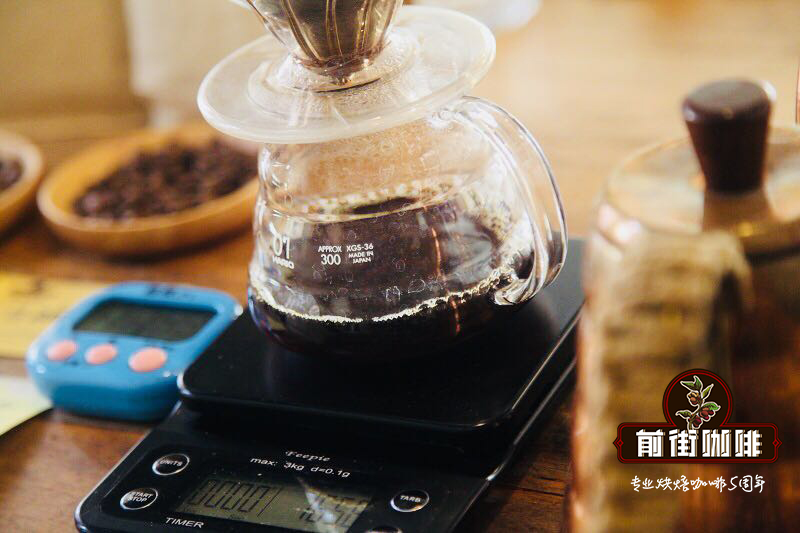
FrontStreet Coffee's Pacamara Pour-over Parameter Suggestions:
A V60 dripper enhances the layered flavor of pour-over coffee, making it richer and cleaner while perfectly expressing the elevated, bright aroma of the Pacamara variety.
15g coffee, water temperature 89-90°C, grind BG 5R, with a 64% pass rate on a China standard 20 mesh screen, and a water-to-coffee ratio close to 1:15-16.
Method: 27g of water for the bloom, blooming for 30 seconds. Hot water from the pour-over kettle should be poured clockwise in circles centered on the V60. Start timing when brewing begins, pour to 27g, then stop and wait 30 seconds before the first pour.
For the first pour, circle as before but slightly slower. On reaching the outer circle, speed up a little. Stop pouring around 1:15. Wait for the liquid level to drop by one-third, then pour again. Concentrate the second pour on the center, keeping the flow away from where the coffee meets the filter paper to prevent channeling. End extraction around 2:05. The tail section can be discarded, since the longer it runs the more astringency and roughness it adds.
Segments: 30-125-230g
FrontStreet Coffee Recommendation
The three-stage V60 method above is a great match for the light, aromatic coffees FrontStreet Coffee is known for. FrontStreet Gedingding Cooperative Coffee brings the classic Yirgacheffe profile to the filter, with citrus and floral notes that stay clean and vivid through a segmented pour.
For a bolder fruit character, FrontStreet Huakui Coffee is roasted to show off a rich tropical-fruit aroma, with strawberry, passion fruit and other juicy notes carried on a smooth, sweet body.
If you prefer a softer, sweeter cup, FrontStreet Strawberry Candy Coffee blends Costa Rican honey-processed beans with Panama Geisha, offering delicate florals and sweet fruit. It works just as well as pour-over or cold brew, and it also handles a moka pot or espresso machine with ease.
Important Notice :
FrontStreet Coffee is a long-established specialty coffee roaster in Guangzhou China, selling freshly roasted beans from its own farm in Yunnan as well as dozens of carefully selected single-origin beans from around the world for both pour-over and espresso. The products deliver consistently excellent quality and great value, with shipping within 24 hours. Guangzhou's FrontStreet Coffee shop is recommended by many coffee lovers, and the beans are now available online at the Tmall 。
FrontStreet Coffee has moved to a new address:
FrontStreet Coffee Address: 315,Donghua East Road,GuangZhou
Tel:020 38364473
 Scan and follow the En Gafei WeChat official account. Please indicate that the reprint comes from "En Gafei".