How Fine to Grind Pacamara Black Honey Coffee Beans from El Salvador's Santa Leticia Estate for Pour-Over Brewing
El Salvador Santa Leticia Estate Pacamara Black Honey
Country of Origin: El Salvador
Region/Estate: Santa Leticia Estate
Coffee Variety: Pacamara
Growing Altitude: 1620-1730 meters
Processing Method: Black honey processing, sun-dried
Green Bean Grade: SHG
Santa Leticia Estate: History and Story
Estate Introduction
This coffee comes from Santa Leticia Estate in El Salvador, near the town of Apaneca in Ahuachapan province, managed by third-generation coffee farmer Ricardo Valdivieso and his family. In 1870, Ricardo Valdivieso's grandfather purchased the land and named it after his wife, Leticia.
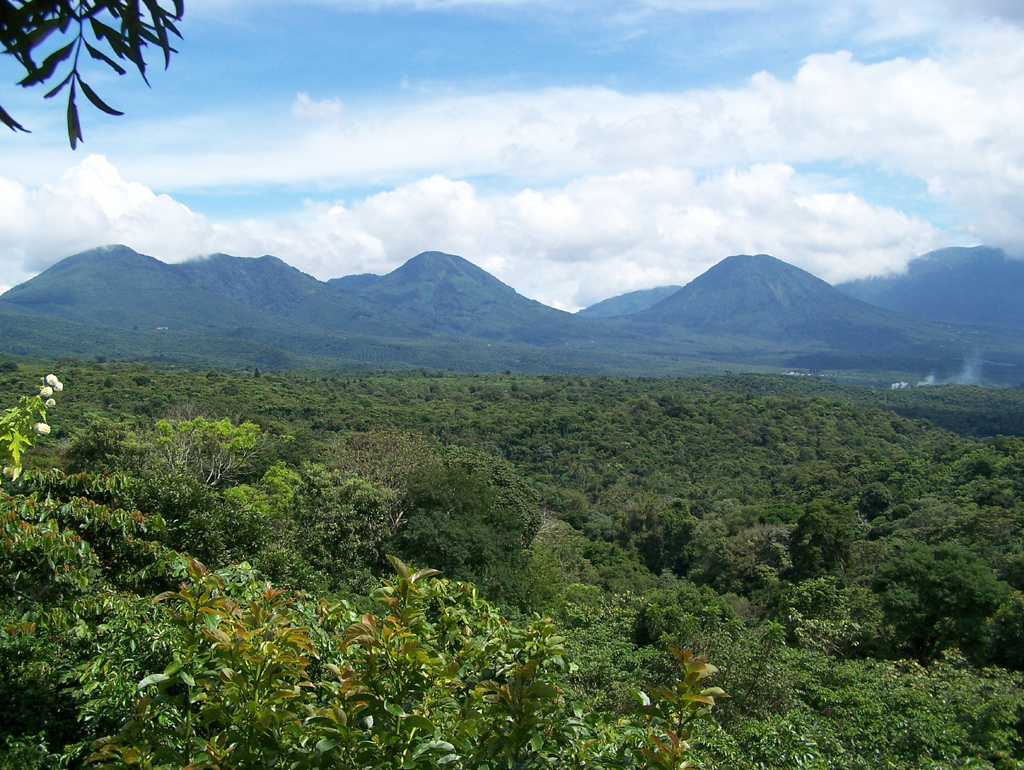
As the birthplace of Pacamara, El Salvador has never lacked excellent coffee estates. Santa Leticia lies in the Apaneca volcanic region of western El Salvador, with an average altitude of 1400 meters. The Pacamara grown here uses honey processing, with an explosive fruit aroma but a fine balance between acidity and bitterness. The taste is soft and long-lasting, with a full body and excellent sweetness.
Finca Santa Leticia was founded in 1870. Its founder, Francisco Menendez, was an important figure in Salvadoran history: he made significant contributions to establishing El Salvador's education system and became president in 1886, leading the country toward freedom and democracy by drafting a constitution during his tenure. After his death on June 22, 1890, the Salvadoran people designated that day as Teacher's Day to commemorate him. The estate is now inherited and operated by his descendants.
Santa Leticia Estate sits in the Apaneca volcanic region of western El Salvador, on the Central American ecological corridor stretching from Mexico to Panama. Covering nearly 100 hectares, the whole estate uses shade-grown cultivation, playing a vital role in local biodiversity. By the estate's own count, it hosts over 120 species of migratory birds and 259 species of insects, and produces 2,500 kg of fresh oxygen for the Earth daily.
Pacamara Coffee Bean Variety Introduction
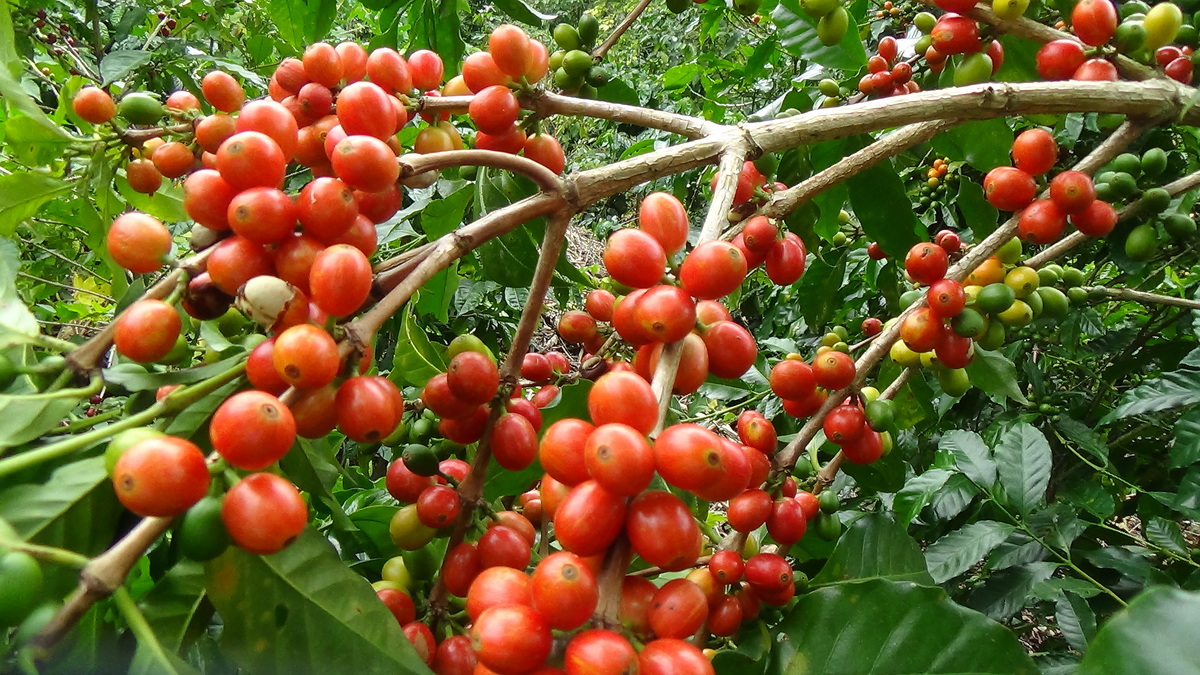
Pacamara is a hybrid variety developed in El Salvador in 1958, with Pacas and Maragogype as its parent varieties. It combines the strengths of both and surpasses them: pure and gentle, rich and smooth, with lively acidity, full flavor, and a surprisingly long aftertaste. It has the excellent taste of Pacas while inheriting the large size of Maragogype beans. The beans are at least 70-80% the size of Maragogype, with 100% reaching 17 screen size and 90% reaching 18 screen size. The average bean length is 1.03 cm (compared to 0.8-0.85 cm for regular beans) and the average width is 0.71 cm (compared to 0.6-0.65 cm for regular beans), with a thickness of 0.37 cm, giving the beans a full, rounded shape. Pacamara is named by combining the first four letters of its parents' names: Paca + mara = Pacamara.
At the 2005 El Salvador Cup of Excellence (COE), Pacamara amazed everyone. Among the top ten, it took second, fifth, sixth, and seventh places.
In 2007, Pacamara won the double championship of both Guatemala and El Salvador COE. From then on it became unstoppable on the award-winning path, consistently occupying top positions in major competitions and earning international acclaim as an emerging variety comparable to Geisha.
In Guatemala's COE alone, Pacamara sat on the championship throne for 7 out of 10 years between 2008 and 2017.
Because of this phenomenal performance, in 2017 the Best of Panama (BOP) international competition committee decided to create a separate category for Pacamara varieties.
Despite its popularity, the bean still has drawbacks: Pacamara is demanding about soil, climate, environment, and altitude, with low yield and poor resistance to leaf rust disease. Its cultivation is therefore not widespread.
Today, although Pacamara is no longer particularly rare, it is still not a common bean on the market. Pacamara from Guatemala and El Salvador is considered superior, with many international pursuers, which makes it even rarer in domestic markets.
The Honey Processing Method
What is Honey Processing?
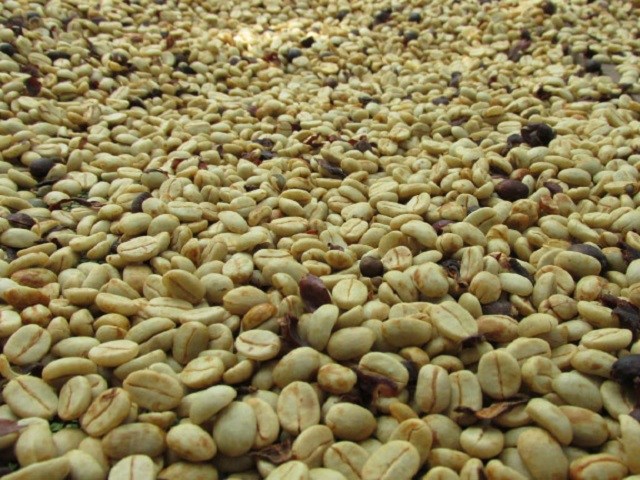
Honey processing originated in Costa Rica. Put simply, it is the method of processing coffee after removing the skin and pulp while leaving the mucilage and parchment in place. The key to distinguishing different honey processing styles lies in the choices made about that remaining mucilage: how much is retained, and how quickly and by what method the coffee is dried.
Yellow Honey (White Honey): About 40% of the mucilage is removed; drying requires the most direct heat absorption, with the most sunlight, and takes about 8 days to reach a stable moisture content.
Red Honey: About 25% of the mucilage is removed; compared to yellow honey the drying time is longer, with less direct sunlight, sometimes under shade nets, lasting about 12 days.
Black Honey: Almost no mucilage is removed; drying takes the longest, at least 2 weeks, using coverings to avoid too much sunlight so the coffee does not dry too quickly and the sugar conversion is more thorough.
Roasting Suggestions and Analysis
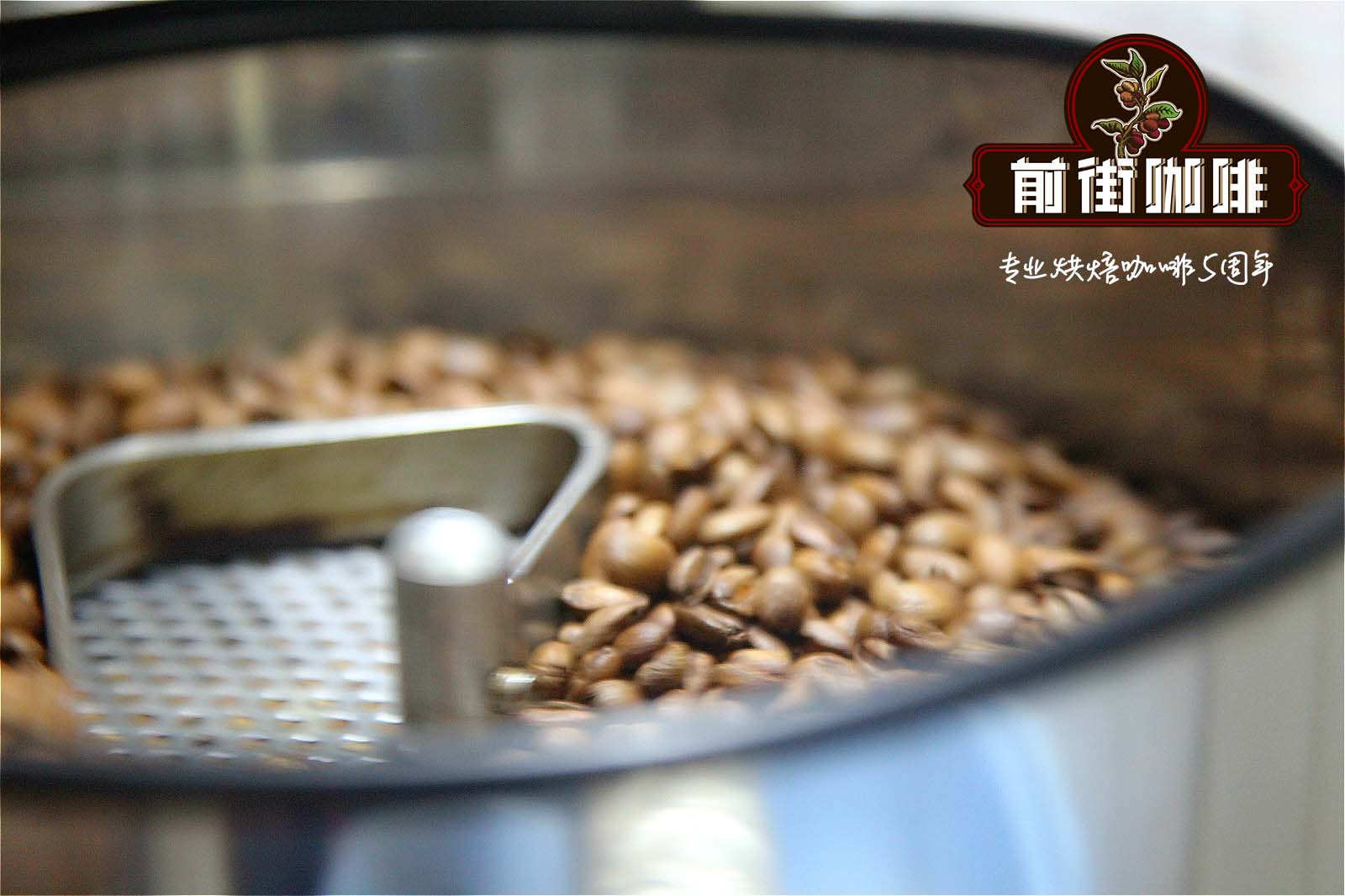
This variety is the giant bean Pacamara, with relatively large particles and high density, and new-season beans naturally hold more moisture. During roasting, heat absorption is relatively slow and the Maillard reaction proceeds relatively fast. The yellowing point arrives around 5 minutes. For the first roast, you can try a slightly higher drop temperature, for example a 200°C entry temperature with a relatively higher heat setting, then gradually reduce the heat as needed: after the beans reach the yellowing point, reduce heat to prolong dehydration so the giant beans dry out fully; from the end of dehydration until just before first crack, maintain medium heat or slightly raise it to speed the Maillard reaction and ensure pressure before first crack; before signs of first crack, reduce heat slightly to avoid scorching the bean surface. With this approach the dehydration time is extended, with a temperature increase of 6-8 degrees every thirty seconds, yet first crack is still reached between 8.5 and 9.5 minutes, preserving more floral and fruit aromas while keeping a clean, bright acidity. It is generally recommended to drop the beans between the dense phase of first crack and the end of first crack, around medium roast.
Cupping Flavor Description
Flavor characteristics: dried longan, gentle fruit aroma, sweet, slightly mellow, clean, very rich texture.
Brewing Analysis
Today, FrontStreet Coffee introduces the technique commonly used for pour-over Pacamara: the V60 three-stage pour.
Segmented extraction divides the brewing water into three pours.
It suits light, medium-light, and medium roast beans.
Use a V60 dripper.
Increasing the bloom time or the number of pauses enhances the richness of the coffee.
Three-Stage Segmented Extraction
Advantages: more layered than a single pour, and it clearly separates the front, middle, and back-end flavors of the coffee. The method increases the water amount with each pour after the bloom, usually pouring when the coffee liquid is about to drop to the surface of the coffee bed, using small, medium, and large flows across three stages.
Disadvantages: it demands more control over flow rate and volume.
FrontStreet Coffee Pacamara Pour-Over Parameter Suggestions
Brewing with a V60 dripper enhances the layered flavor of the pour-over, making it richer and cleaner, and fully expresses the bright, upward aroma of the Pacamara variety.
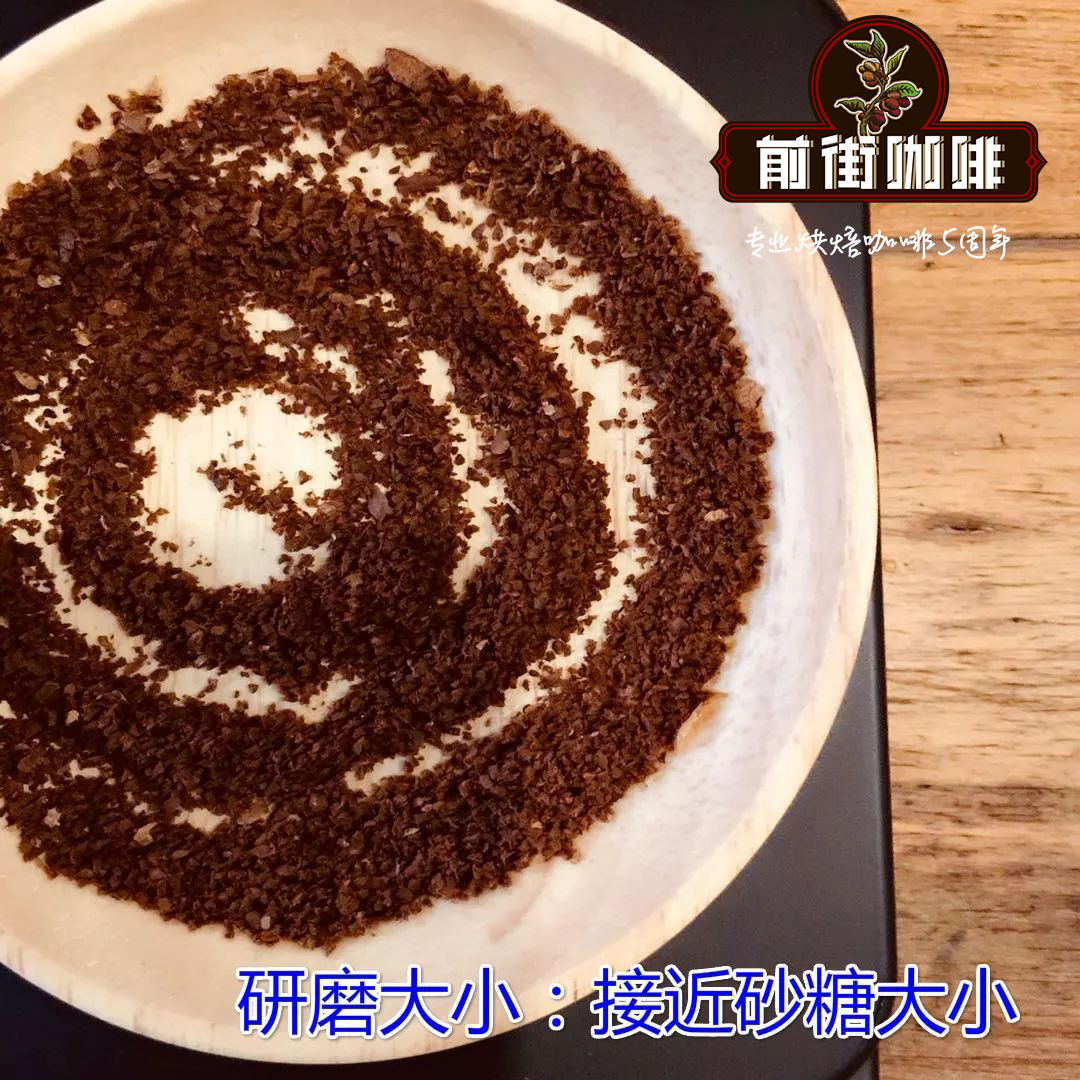
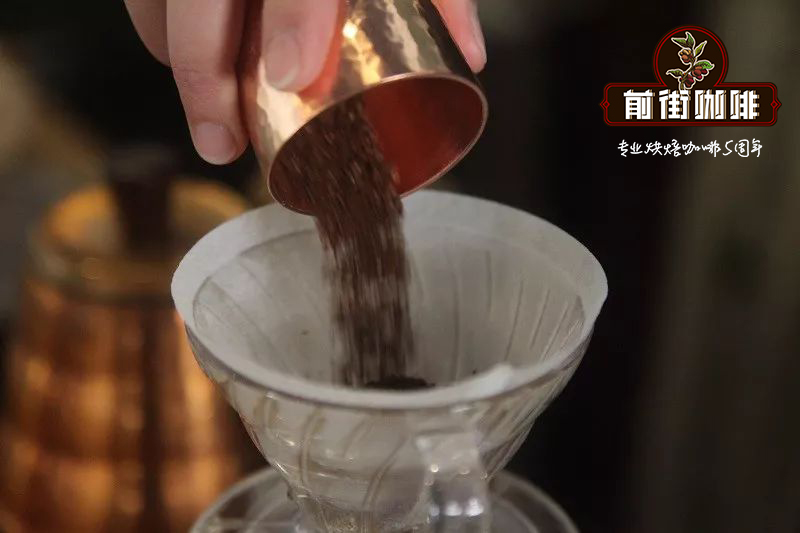
15g of grounds, water at 89-90°C, grind BG 5R (China standard 20-mesh sieve, 64% pass rate), brew ratio close to 1:15-16.
Technique: 27g of water for the bloom, bloom time 30 seconds. Circle clockwise with the water, keeping the stream centered on the middle of the dripper. Start timing when brewing begins, pour to 27g, then stop the pour and wait 30 seconds for the first injection.
For the first pour, circle as before but slightly slower; as you reach the outer circle, speed up a little, stop the water at around 1:15, wait for the liquid level to drop by one third, then pour again. The second pour focuses on the center, and the flow should not hit the junction between the coffee bed and the filter paper, to avoid channeling. End extraction at around 2:05, and the tail can be discarded (the longer it runs, the more astringency and roughness appear).
Segments: 30-125-230g.
FrontStreet Coffee Recommendation
Pacamara's layered fruit and clean acidity make it a natural fit for the V60, the dripper FrontStreet reaches for most often when a coffee is defined by its aromatics. The V60 was designed by Hario, founded in Tokyo in 1921, and redesigned in 2004 into the 60-degree cone shape it is known for today. That cone angle forces water to travel to the center before it drops, lengthening contact between water and grounds, and its single large hole leaves flow rate almost entirely up to the brewer, which is exactly what lets a three-stage pour show off a coffee like this one.
If you enjoy the fruit-forward, tea-like end of that spectrum, FrontStreet's Gotingding Cooperative is the classic starting point, with jasmine, citrus, green tea, and honey from a medium-light roast. FrontStreet's Huakui shows the other end of the same Ethiopian character: sun-dried and full of tropical fruit, so the cup gives cream strawberry, mango, jackfruit, citrus, and blueberry. For something closer to a fruit tea, FrontStreet's Strawberry Candy Geisha blend brings rose, orange, grape, and dried blueberry, and FrontStreet's Mozart adds a raisin note on top of its floral fruit profile. All of them are light or medium-light roasts that the V60's fast, controlled extraction suits.
For beans like these, keep the water between 89 and 90°C, use a medium grind around 64% passing a 20-mesh sieve, and hold a brew ratio near 1:15 to 1:16. Bloom with 27g for 30 seconds, then pour in stages, waiting until the liquid has dropped about a third before the next pour, and stop around 2:05 rather than letting the tail run, which is where astringency tends to come from.
Important Notice :
FrontStreet Coffee is a long-established specialty coffee roaster in Guangzhou China, selling freshly roasted beans from its own farm in Yunnan as well as dozens of carefully selected single-origin beans from around the world for both pour-over and espresso. The products deliver consistently excellent quality and great value, with shipping within 24 hours. Guangzhou's FrontStreet Coffee shop is recommended by many coffee lovers, and the beans are now available online at the Tmall 。
FrontStreet Coffee has moved to a new address:
FrontStreet Coffee Address: 315,Donghua East Road,GuangZhou
Tel:020 38364473
 Scan and follow the En Gafei WeChat official account. Please indicate that the reprint comes from "En Gafei".