Recommended El Salvador Attes Estate Coffee Beans_What to Pay Attention to When Pour-Over Brewing Pacamara Coffee
El Salvador Finca Ataisi Pacamara Coffee
Green Bean and Roasting Information:
Grade: SHB
Varietal: Pacamara
Country of Origin: El Salvador
Coffee Estate: Finca Ataisi
Growing Altitude: 1,800 meters
Flavor Notes: Walnut, floral, toffee, apricot
Processing Method: Washed
Finca Ataisi Estate Information and Story:
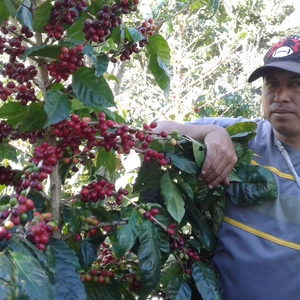
Finca Ataisi is located in the volcanic growing region of Izalco in Sonsonate Province, El Salvador. Volcanic activity has left the estate's soil extraordinarily rich in organic matter. The farm sits at an average altitude of about 1,800 meters on steep terrain, making it one of the highest estates in the area. It is currently run by its owner, Mr. Rene Martin, whose philosophy is to preserve El Salvador's traditional cultivation methods as far as possible. Apart from necessary pruning and irrigation, the estate maintains large areas of natural agroforestry, and more than 90% of it is planted with Pacamara.
Beyond excellent cultivation, Finca Ataisi also has its own washing facilities. This not only avoids the price exploitation of outsourcing processing but, more importantly, allows for more rigorous handling of the carefully selected cherries. Mr. Rene Martin is very strict about the washing process, regularly recording daily temperature and humidity while closely monitoring the green beans in the fermentation tanks.
In 2004, coffee farmers from El Salvador and Honduras began achieving good results in COE competitions with Pacamara. In 2005, Pacamara took 2nd, 5th, 6th, and 7th places in El Salvador's COE. In 2006 it swept the top four positions. From 2008, estates began entering competitions with Pacamara, winning the COE championship three years in a row and taking two more consecutive titles in 2012–13. In the 2016 "Best of El Salvador" competition, 11 of the top 16 entries were Pacamara, and even more remarkably, Pacamara swept the top eight places. Pacamara gained great fame, rivaling the sought-after Geisha variety of the time.
Pacamara Coffee Bean Variety Introduction:
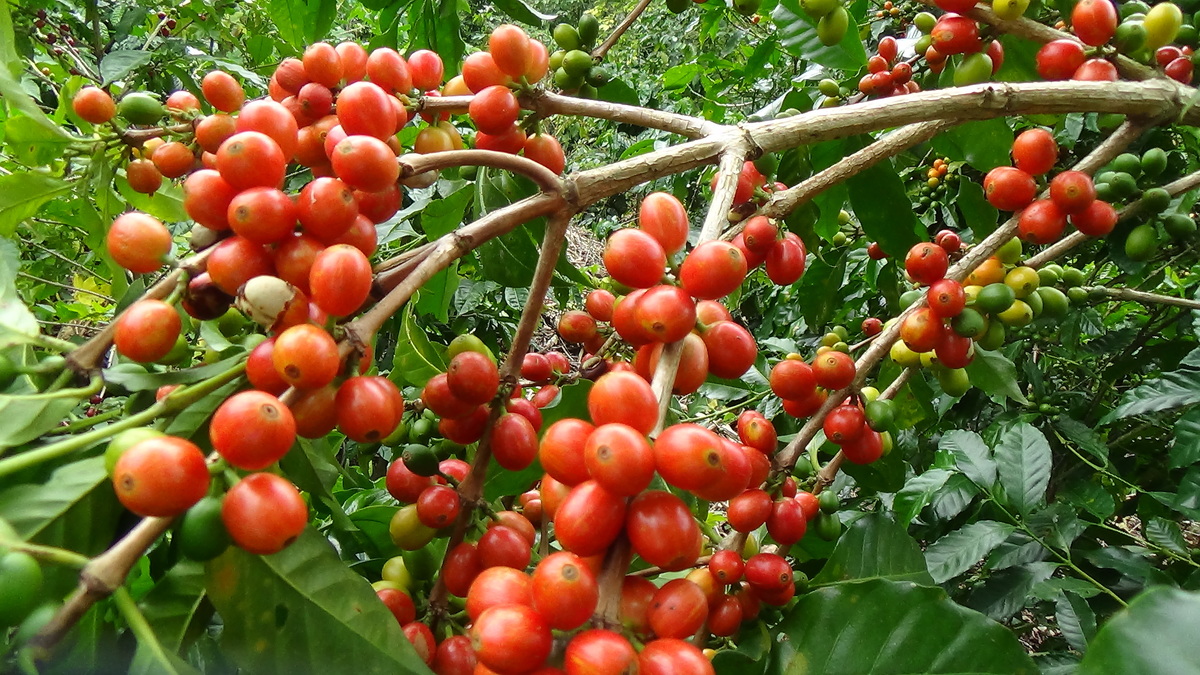
Pacamara is a modern hybrid born in El Salvador in 1958, created by crossing the Bourbon-derived Pacas with the Typica-derived Maragogype. It combines the strengths of both parents while surpassing them: pure and gentle, rich and smooth, with lively acidity, full flavor, and a long, memorable aftertaste. Pacamara was developed in El Salvador in 1958 as a hybrid, with Pacas and Maragogype as its parents. It has the fine cup of Pacas and inherits the large bean size of Maragogype. The beans are at least 70–80% the size of Maragogype, with 100% reaching screen size 17 or above and 90% reaching screen size 18 or above. The average bean length is 1.03 cm (versus 0.8–0.85 cm for regular beans) and the average width is 0.71 cm (versus 0.6–0.65 cm), with a thickness of 0.37 cm — full, round beans. The name Pacamara is formed by combining the first four letters of its parents: Paca + mara = Pacamara.
In the 2005 El Salvador COE, Pacamara amazed everyone, notably taking 2nd, 5th, 6th, and 7th places among the top ten.
In 2007, Pacamara won double championships in both the Guatemala and El Salvador COE competitions. From then on it was unstoppable on the awards path, consistently occupying top positions in major competitions and gaining international recognition as a rising star comparable to Geisha.
In Guatemala's COE alone, Pacamara sat on the championship throne in 7 out of 10 years between 2008 and 2017.
Because of Pacamara's extraordinary performance in competitions, in 2017 the BOP (Best of Panama) international competition committee decided to make Pacamara a separate category.
Despite its success, the variety still has drawbacks: Pacamara has higher demands for soil, climate, environment, and altitude, plus low yields and low resistance to leaf rust, which keeps its planting popularity low.
Today, although Pacamara is no longer especially rare, it is still not a common bean on the market. Pacamara from Guatemala and El Salvador in particular is considered superior, with many international buyers chasing it, making it even harder to obtain domestically.
Processing Method Introduction:
Washed Process
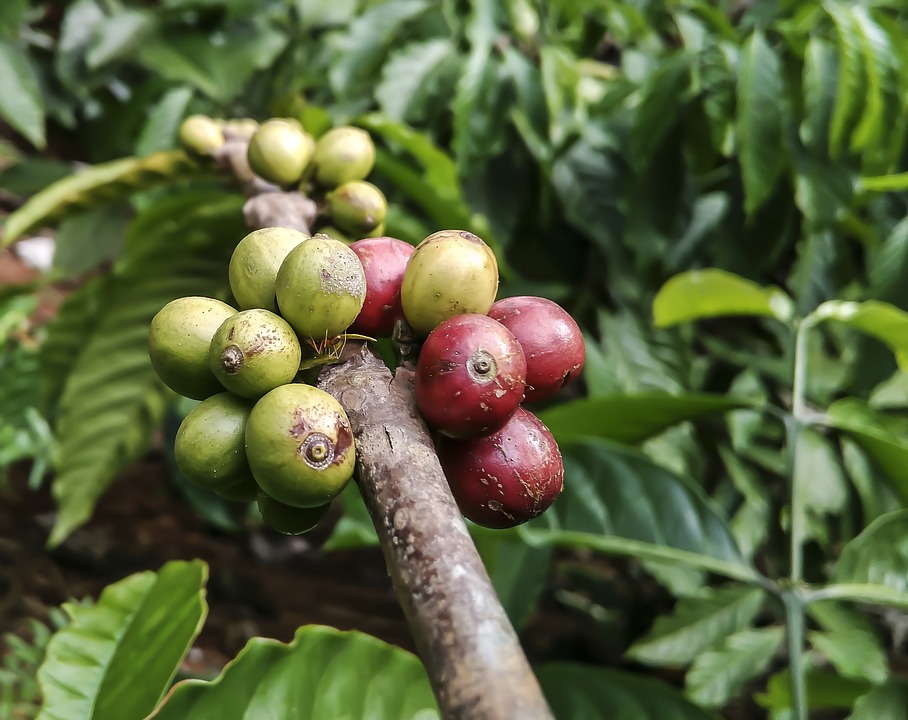
The washed method was developed in response to the drawbacks of traditional dry processing. Harvested cherries are passed through a depulping machine to separate most of the pulp from the beans, then guided into a clean water tank for soaking and fermentation to completely remove the remaining mucilage layer. Once fermentation is complete, the beans are dried either in the sun or with machines until moisture content drops to 12%. Because the washed method removes the pulp first, there is no need to worry about mold or insect damage during drying, as there is with dry processing.
(↑ Depulping machine removing pulp) (↑ Soaking in water for fermentation) (↑ Spread flat for drying)
Natural-processed coffee has rich, full flavors with very distinct, varied layers, while washed coffee has a very clean, refreshing taste with distinct fruit acidity. Different processing methods give beans their own unique aromas.
Roasting Suggestions/Analysis:
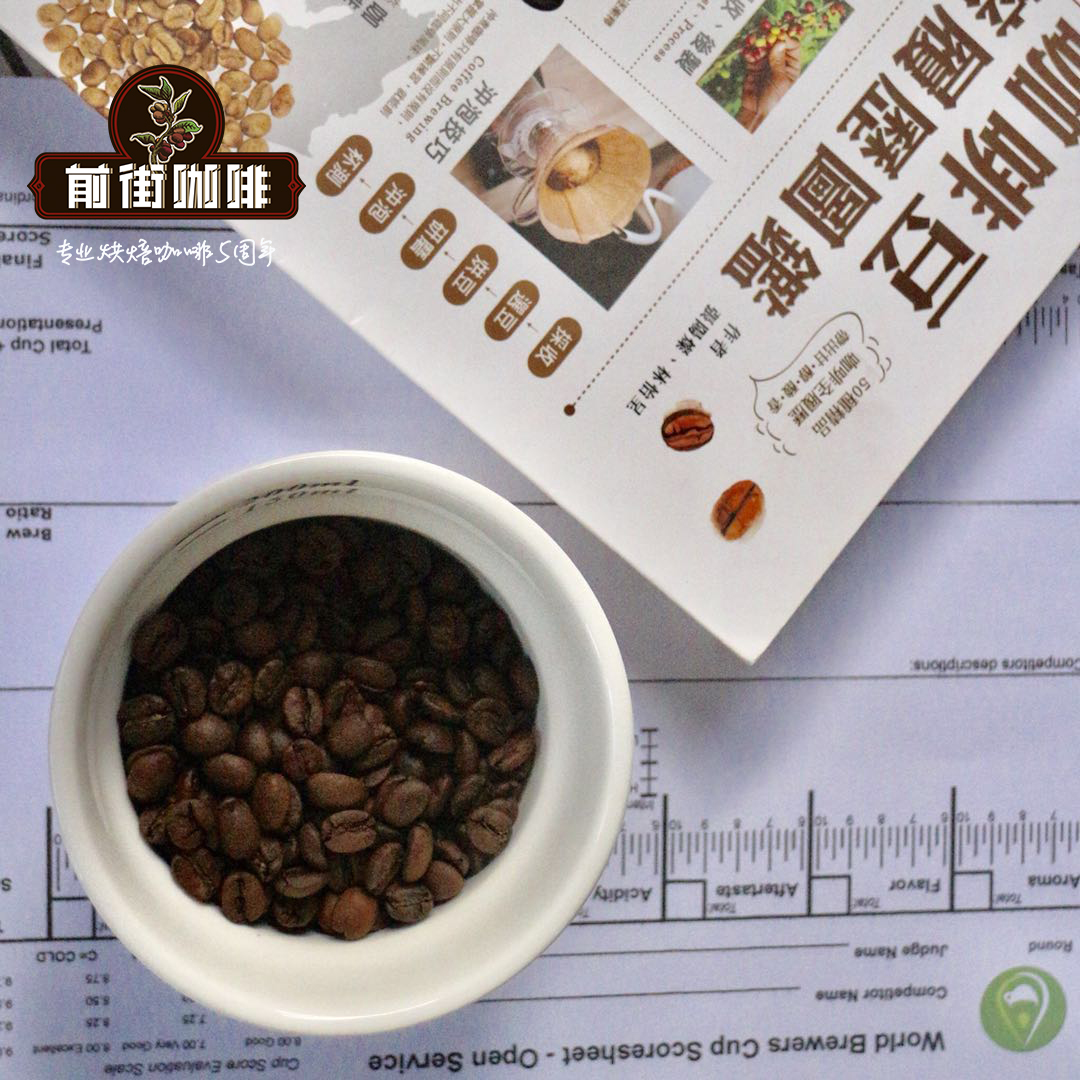
This variety is the giant bean Pacamara, with relatively large particles and high density, and new-season beans carry higher moisture. During roasting, heat absorption is relatively slow while the Maillard reaction proceeds relatively fast. The yellowing point arrives around 5 minutes. For the first roast, you can try a slightly higher drop temperature — for example, a 200°C drop-in temperature — with relatively high heat settings, then reduce heat as needed: lower the heat when the beans reach the yellowing point to prolong dehydration so the giant beans dry fully; from the end of dehydration to first crack, hold medium heat or increase it slightly to speed up the Maillard reaction and ensure pressure before first crack; and just before first crack, reduce heat slightly to avoid scorching the bean surface. With this approach the dehydration time is relatively extended, with a temperature rise of 6–8°C every thirty seconds, yet first crack can still be reached between 8.5 and 9.5 minutes, preserving more floral and fruity aromas while retaining clean, bright acidity. It is generally recommended to drop the beans somewhere between a dense first crack and the end of first crack, around a medium roast.
Cupping Flavor Description:
Flavor Notes: Walnut, floral, toffee, apricot
Brewing Analysis:
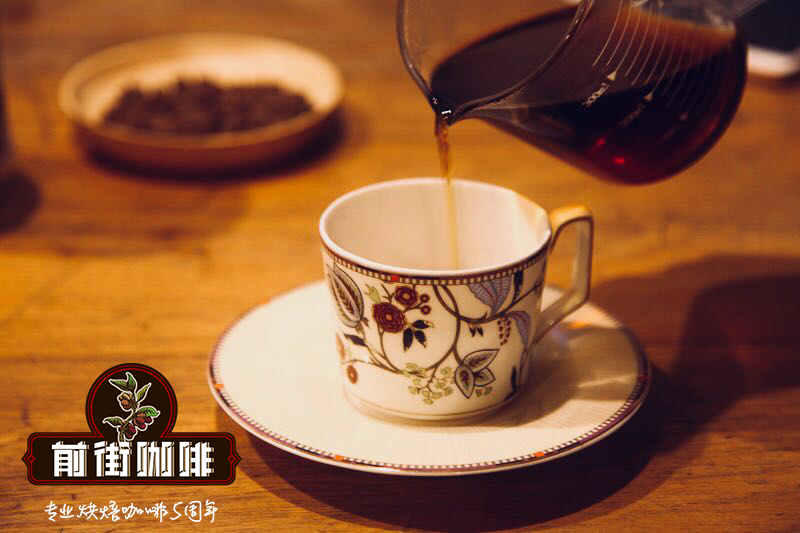
Today, FrontStreet Coffee introduces a common hand-brewing method for Pacamara: the V60 three-stage pour.
Stage extraction divides all the brewing water into three pours.
Suitable for light, medium-light, and medium roast beans.
Using a V60 dripper.
Increasing the bloom time or the number of water interruptions can enhance the coffee's richness.
Three-Stage Pour Extraction Method
Advantages: More layered than a single pour, it lets you clearly distinguish the front, middle, and back notes of the coffee. The method is to increase the water amount each time after the bloom, usually pouring when the coffee liquid is about to drop to the surface of the grounds, using small, medium, and large flows for three-stage extraction.
Disadvantages: Places higher demands on flow rate and volume control.
FrontStreet Coffee's Pacamara Hand-brewing Parameter Suggestions:
Brewing in a V60 dripper enhances the layered flavor of hand-brewed coffee, making it richer and cleaner, and beautifully expresses the bright, uplifting aroma of the Pacamara variety.
15g coffee, water temperature 89–90°C, grind BG 5R (64% passing a Chinese-standard 20-mesh screen), water-to-coffee ratio close to 1:15–16.
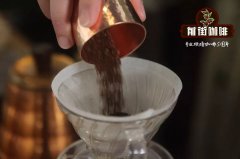
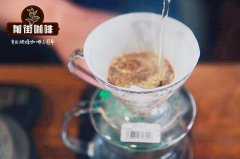
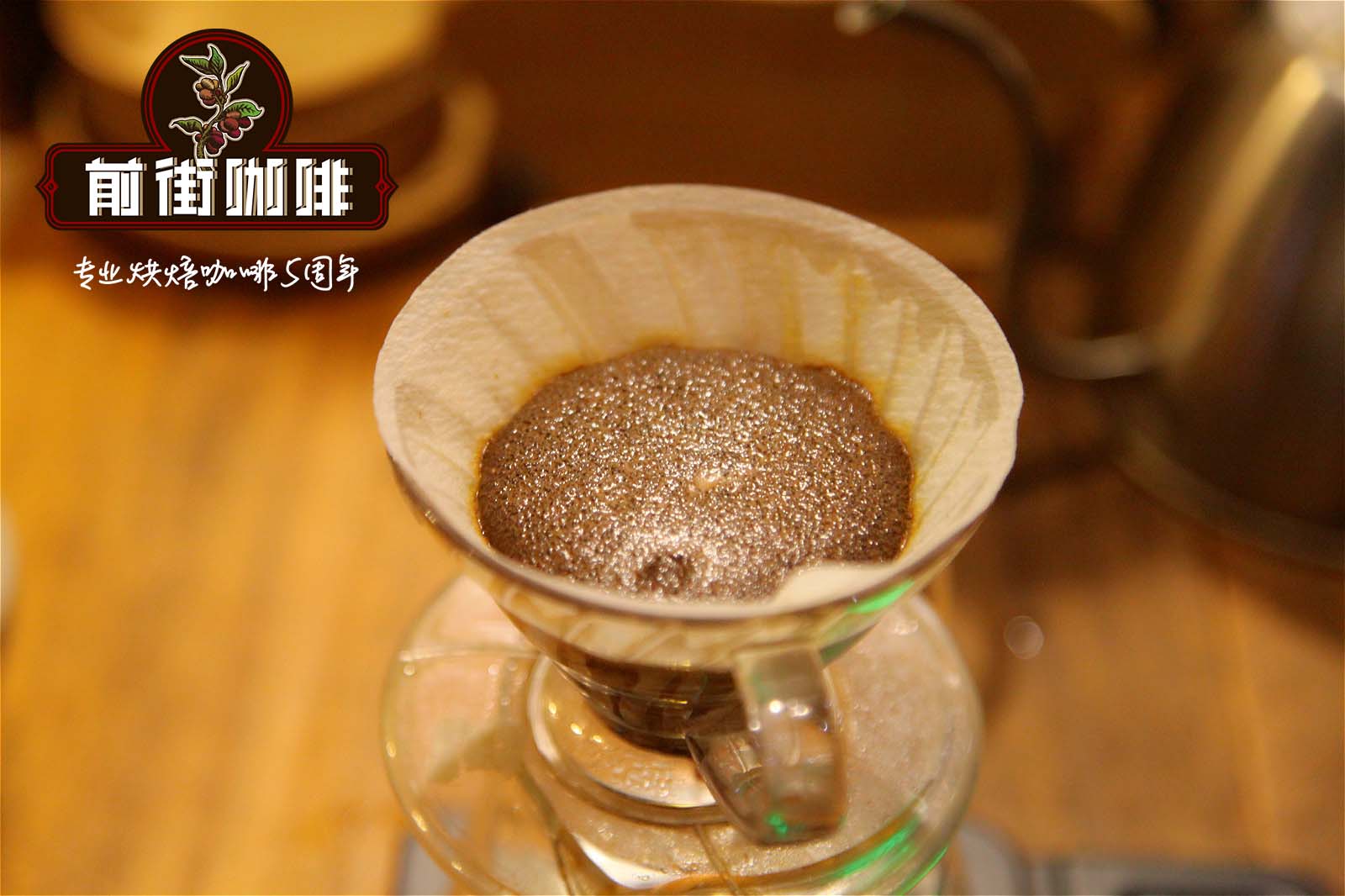
Method: a 27g water bloom, blooming for 30s. Draw circles with the pour-over kettle clockwise around the center of the dripper. Start timing when brewing begins, inject water to 27g, then stop and wait 30 seconds for the first pour.
For the first pour, draw circles as before but slightly slower; when you reach the outer circle, speed up a little. Stop the flow at around 1 minute 15 seconds. When the liquid level drops by one third, pour again. The second pour concentrates on the center, avoiding a stream that hits the junction between the grounds and the filter paper, which prevents channeling. End extraction at around 2 minutes 5 seconds. The tail end can be discarded (the longer it runs, the more astringency and roughness increase).
Stages: 30–125–230g
FrontStreet Coffee Recommendation
Since Pacamara is prized for its bright fruit, lively acidity, and clean floral character — and shines in a V60 — FrontStreet Coffee suggests pairing it with other V60-friendly beans from our lineup. The Hario V60 itself was redesigned by Hario (founded in Tokyo in 1921) in 2004 and launched in 2005, and its 60° conical shape and single large hole make flow rate heavily dependent on the brewer's control, which is exactly what draws out delicate aromatics. Among our beans, FrontStreet Yirgacheffe Gedingding is a classic first stop for pour-over newcomers, with citrus, berry, and floral notes and a green-tea-like sweetness, its acidity soft and bright rather than sharp. FrontStreet Ethiopia Huakui is one of the most successful star products of the recent specialty market, bursting with strawberry, passion fruit, jackfruit, and even lychee aromatics, very sweet and low in bitterness. FrontStreet Panama Emerald Estate Red Label Gesha is a legend of the specialty world, with elegant jasmine florals and refined citrus, bergamot, and black-tea flavors, clean and transparent with a long finish. And FrontStreet Kenya Cherry Tomato, a washed specialty bean from Kenya's Thika region grown at 1,550–1,750 meters from SL28 and SL34, is fermented with a 72-hour double washed process and roasted light to keep its vivid cherry-tomato and dark-plum acidity, juicy body, and long, clean finish. Any of these will show why the V60 has become the benchmark pour-over dripper.
Important Notice :
FrontStreet Coffee is a long-established specialty coffee roaster in Guangzhou China, selling freshly roasted beans from its own farm in Yunnan as well as dozens of carefully selected single-origin beans from around the world for both pour-over and espresso. The products deliver consistently excellent quality and great value, with shipping within 24 hours. Guangzhou's FrontStreet Coffee shop is recommended by many coffee lovers, and the beans are now available online at the Tmall 。
FrontStreet Coffee has moved to a new address:
FrontStreet Coffee Address: 315,Donghua East Road,GuangZhou
Tel:020 38364473
 Scan and follow the En Gafei WeChat official account. Please indicate that the reprint comes from "En Gafei".