Why Does Pour-Over Finca Los Cascabeles Washed Pacamara Coffee Taste Sour? Is Washed Pacamara Delicious?
Introduction to Finca los Cascabeles
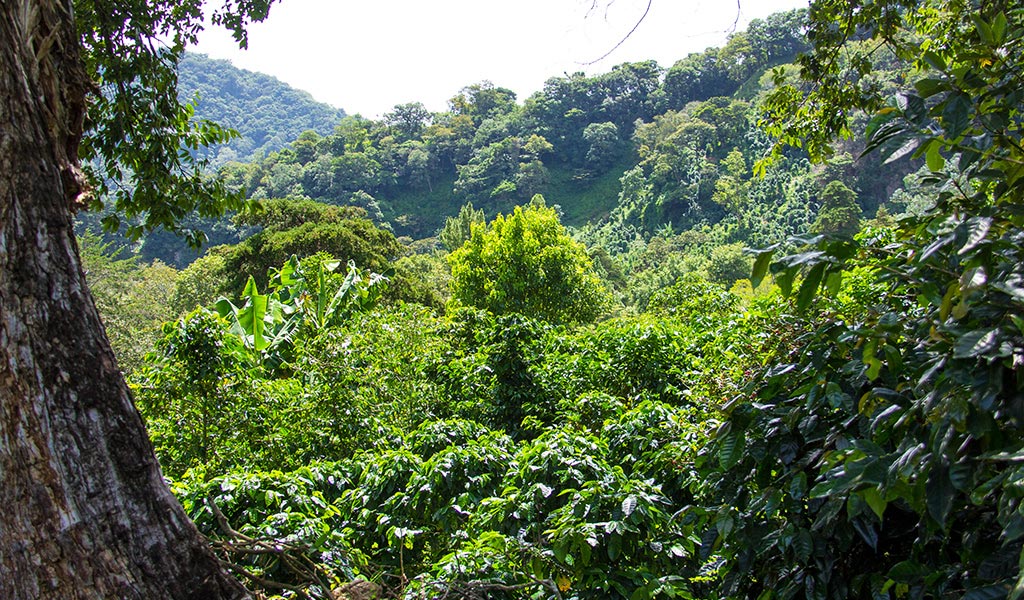
Finca los Cascabeles means "bells" in Spanish, hence it is also called "Little Bell Farm." Its flavor profile is reminiscent of little bells, with delicate sweetness and light floral notes.
The Story of Finca los Cascabeles
It seems logical that the smallest coffee-growing country in Central America could produce micro-batch coffee, but historically most of El Salvador's coffee was blended and sold to processing plants without much differentiation or separation.
The rise of specialty coffee in El Salvador has inspired many producers to begin distinguishing individual coffee varieties, experimenting with classification and processing to attract buyers and command higher prices, but smaller growers still face difficulties in accessing these resources.
Finca los Cascabeles covers approximately 5 manzanas, with coffee varieties including Pacamara, Pacas, and Geisha, producing 20-25 quintals annually (1 quintal = 100KG). Farmers harvest only ripe coffee cherries, remove the pulp on the same day of picking, ferment for 14-16 hours, wash, and then dry in the sun for 8-10 days.
Introduction to Pacamara Coffee Variety
Pacamara, a new hybrid born in El Salvador in 1958, is a cross between the Bourbon-derived Pacas and the Typica-derived Maragogype. It combines the advantages of both, yet surpasses them. Pure and gentle, rich and smooth, with lively acidity and full flavor, its aftertaste is remarkably long and impressive.
At the 2005 El Salvador Cup of Excellence, Pacamara stunned everyone. Among the top ten, the Pacamara variety notably claimed the second, fifth, sixth, and seventh positions.
In 2007, Pacamara went on to win the double championship at both the Guatemala and El Salvador Cup of Excellence competitions. Since then, Pacamara has been unstoppable in its award-winning journey, consistently occupying top positions in various competitions and gaining international recognition as a rising star variety comparable to Geisha.
In the Guatemala Cup of Excellence alone, Pacamara claimed the championship for 7 out of 10 years from 2008 to 2017.
Because of Pacamara's extraordinary performance in competitions, in 2017 the BOP (Best of Panama) international competition committee decided to create a separate category for the Pacamara variety.
Despite its meteoric rise, however, this variety still has drawbacks: Pacamara has higher requirements for soil, climate, environment, and altitude, plus low yields and poor resistance to leaf rust disease, which limits how widely it is cultivated.
Today, although Pacamara is no longer particularly rare, it still isn't a very common bean on the market. Pacamaras from Guatemala and El Salvador are considered superior, with many international admirers, which makes them even harder to obtain domestically.
Processing Method Introduction
Washed Process
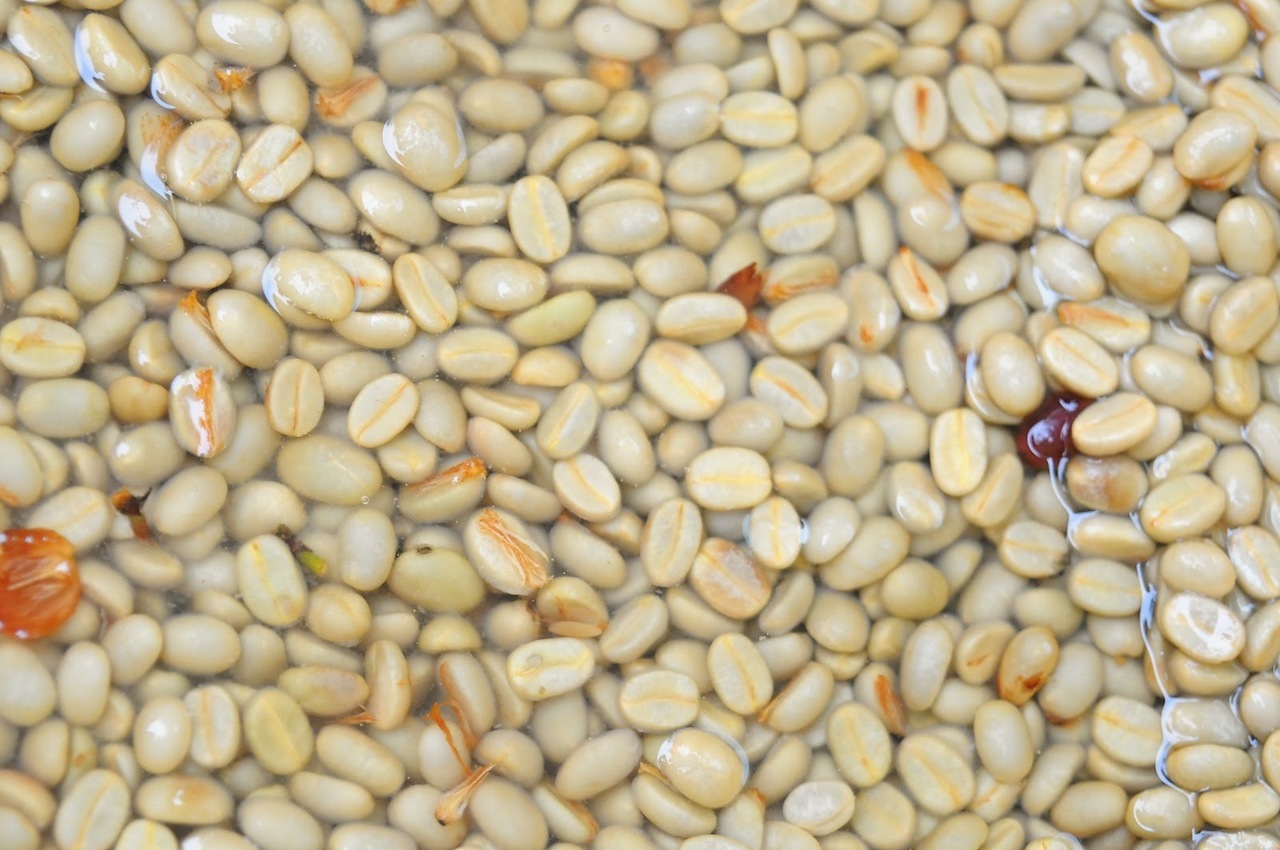
In response to the disadvantages of traditional natural processing, the washed method emerged. First, harvested cherries pass through a depulping machine that separates most of the fruit from the beans. Then they are guided to a clean water tank and soaked in water for fermentation to completely remove the remaining mucilage layer. After fermentation completes, they are dried either in the sun or by mechanical methods to reduce moisture content to 12%. Since the washed method has already removed the pulp, during drying there is no need to worry about the mold or insect infestation problems that come with natural processing.
(Depulping machine removing fruit pulp) (Soaking in water for fermentation) (Spreading flat for drying)
Natural-processed coffee has rich, full flavors with very distinct and diverse layers, while washed-processed coffee has a very clean, refreshing taste with noticeable fruit acidity. Different processing methods give coffee beans unique aromas.
Roasting Suggestions/Analysis
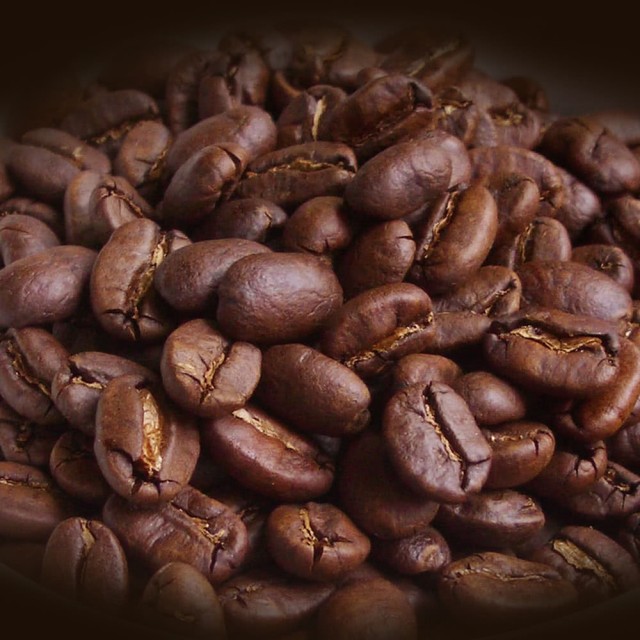
This variety, the giant-bean Pacamara, has relatively large particles and high density. New-season beans naturally have a higher moisture content. During roasting, it absorbs heat relatively slowly, but the Maillard reaction proceeds quite quickly. The yellowing point occurs around 5 minutes. For the first roast, you can try a slightly higher bean drop temperature, for example 200°C, with the heat also set relatively high, then gradually reduce the heat as needed during roasting: after the beans reach the yellowing point, reduce the heat to extend the dehydration time, allowing the giant beans to dehydrate thoroughly; from completion of dehydration until just before first crack, you can maintain medium heat or slightly increase it to accelerate the Maillard reaction and ensure pressure before first crack; at the first sign of first crack, reduce the heat appropriately to avoid scorching the bean surface. With this method, the coffee's dehydration time is relatively extended, with a temperature increase rate of 6-8 degrees every thirty seconds, but it can still enter first crack between 8.5 and 9.5 minutes, preserving more floral and fruity aromas while maintaining clean, bright acidity. It is generally recommended to drop the beans between the dense phase of first crack and its end, around medium roast level.
Cupping Flavor Description
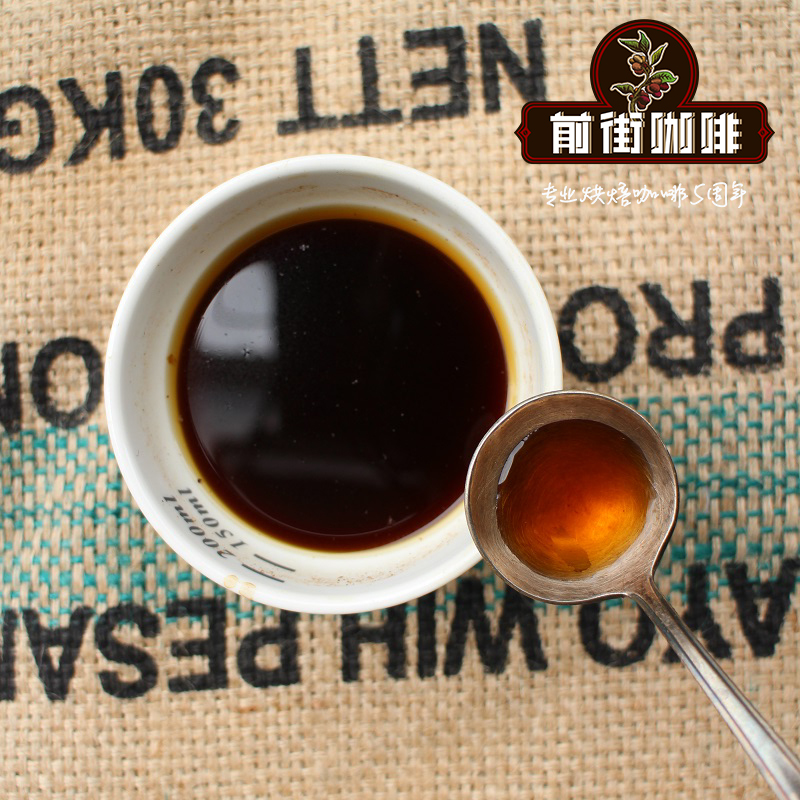
Flavor description: Floral notes, lime, grapefruit, nuts, balanced sweet and sour
Brewing Analysis
Today, FrontStreet Coffee introduces the commonly used hand-brew method for Pacamara coffee: the V60 three-pour method.
Segmented extraction, dividing all brewing water into three pours
Suitable for light roast, light-medium, and medium roast coffee beans
Using a V60 dripper
Increasing bloom time or the number of pours can enhance the richness of the coffee's mouthfeel
Three-Pour Segmented Extraction Method
Advantages: More layered than single-pour methods, clearly distinguishing the front, middle, and back-end flavors of the coffee. The method involves increasing water volume with each pour after blooming, typically pouring when the coffee liquid is about to drop to the powder surface, using small, medium, and large water flows for three-stage extraction.
Disadvantages: Higher requirements for water flow rate and volume.
FrontStreet Coffee's Pacamara Coffee Hand-Brew Parameter Recommendations
Using a V60 dripper can enhance the layered flavors of hand-brewed coffee, making it richer and cleaner, and perfectly expressing the bright and prominent aromas of the Pacamara variety.
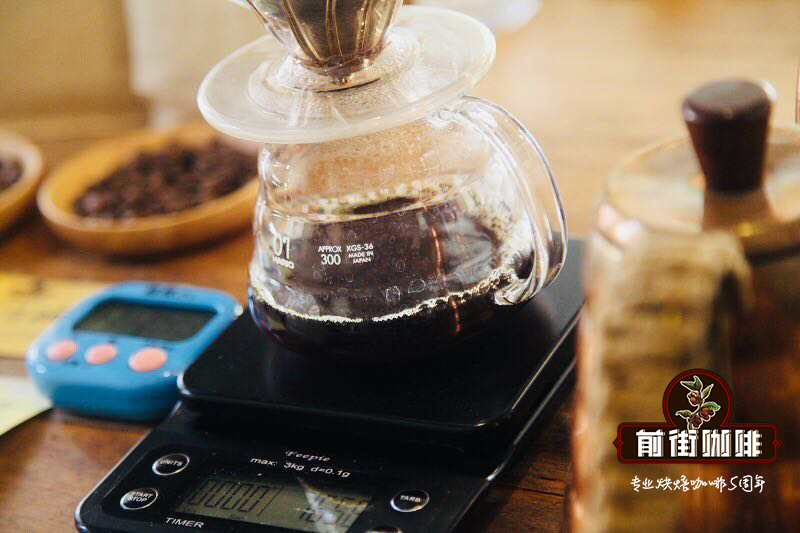
15g coffee, water temperature 89-90°C, grind BG 5R (64% pass-through rate on China standard #20 sieve), water-to-coffee ratio close to 1:15-16
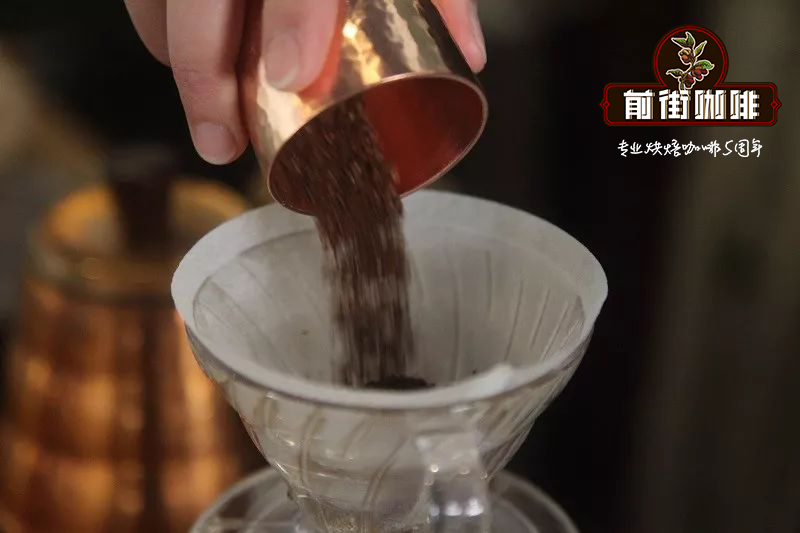
Method: 27g water for the bloom, bloom time 30s. Pour hot water from the gooseneck kettle clockwise in circles with the center of the filter as the focal point. Start timing when brewing begins, pour to 27g, then stop pouring and wait 30 seconds before the first pour.
For the first pour, circle the same way as before, but you can slightly slow the speed, accelerating a bit when reaching the outer circle. Stop pouring around 1:15, and when the liquid level drops by 1/3, pour again. The second pour should concentrate in the center, avoiding contact with where the coffee powder meets the filter paper to prevent channeling. End extraction around 2:05, and the tail section can be discarded (the longer the time, the more astringency and roughness will increase).
Segments: 30-125-230g
FrontStreet Coffee Recommendation
Pacamara's rise was built on competitions where it stood shoulder to shoulder with Geisha, and if that rivalry interests you, FrontStreet Coffee's Geisha range is worth exploring. The Panama Esmeralda Red Label Geisha - formally Esmeralda Special - is grown at 1600-1800 meters and must cup above 90 points, with each lot carrying its own number and coming from a single plot, so buyers can choose by subtle flavor preference. The Green Label Geisha, known as Private Collection, blends several plots to express the estate's signature high-altitude Geisha character at a more accessible price.
If you want to compare the variety's birthplace, FrontStreet Coffee's Geisha Village Gold Label is a Geisha 1931 lot, and the Red Label is a Gori Gesha lot that scores 88 or above on the SCA 100-point scale, with full traceability down to farm block, variety, and processing date. Both share the elegant florals and layered citrus typical of the variety, offering a natural comparison with Pacamara's own floral, lime, and grapefruit profile.
Important Notice :
FrontStreet Coffee is a long-established specialty coffee roaster in Guangzhou China, selling freshly roasted beans from its own farm in Yunnan as well as dozens of carefully selected single-origin beans from around the world for both pour-over and espresso. The products deliver consistently excellent quality and great value, with shipping within 24 hours. Guangzhou's FrontStreet Coffee shop is recommended by many coffee lovers, and the beans are now available online at the Tmall 。
FrontStreet Coffee has moved to a new address:
FrontStreet Coffee Address: 315,Donghua East Road,GuangZhou
Tel:020 38364473
 Scan and follow the En Gafei WeChat official account. Please indicate that the reprint comes from "En Gafei".