Why Is El Salvador Finca Las Rosas Pacamara Pour-Over Coffee Not Bitter_How to Drink Pacamara
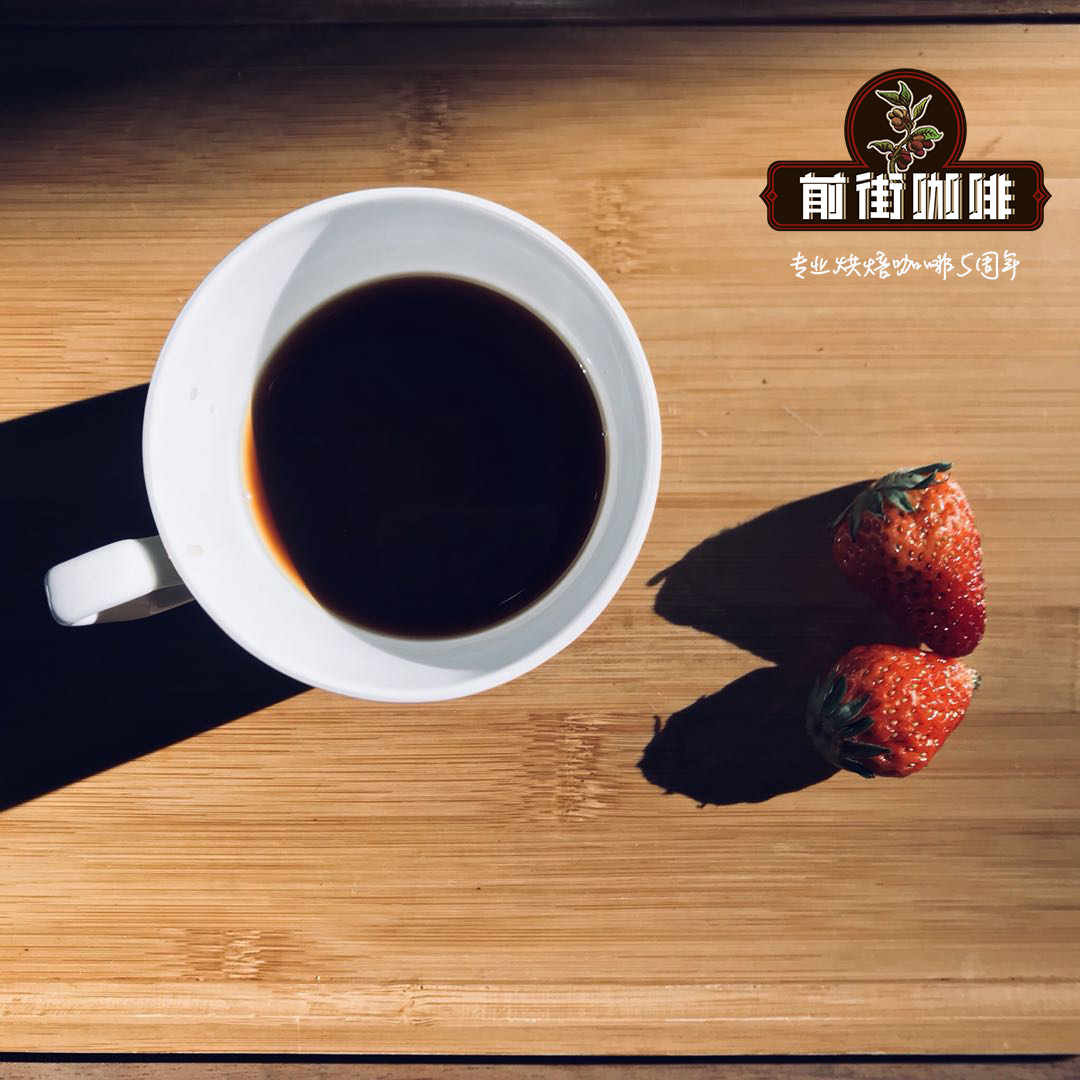
2018 New Harvest El Salvador Finca Las Rosas Pacamara Honey
Region: Chalatenango
Estate: Finca Las Rosas
Variety: Pacamara
Grade: SHB
Processing: Honey
Altitude: 1450m
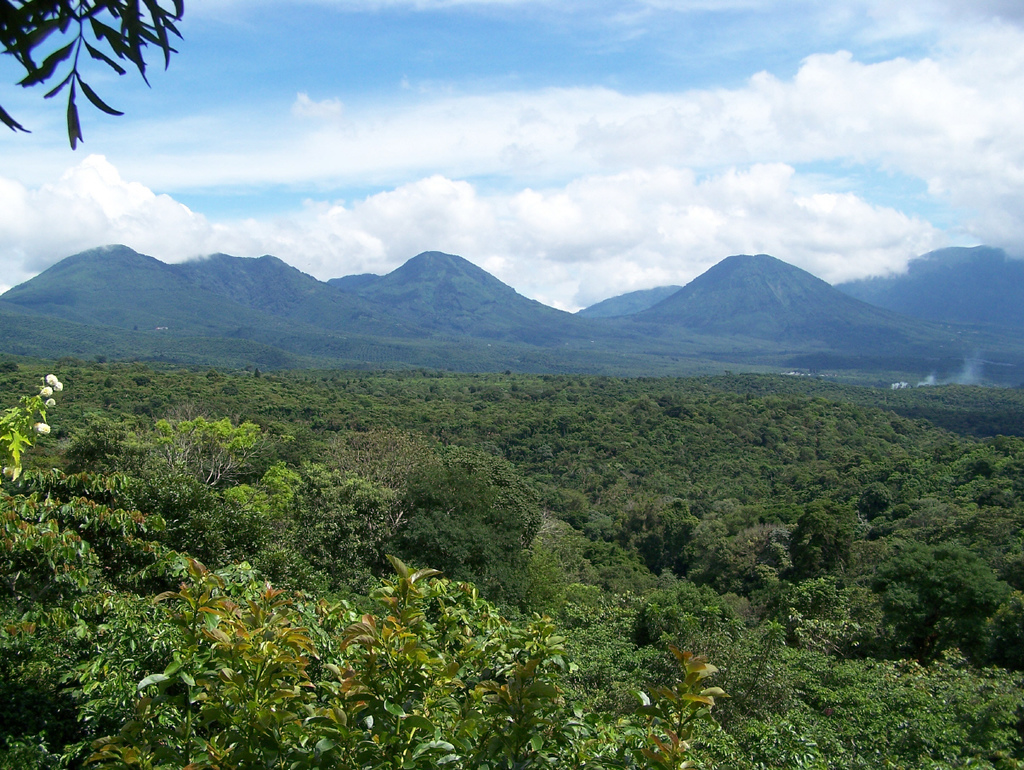
The Chalatenango Region and the Estate
Competition in El Salvador's specialty coffee market is famously fierce. For decades, the Santa Ana volcanic region was regarded as the country's finest producing area, and its major estate owners pooled their efforts to take home one championship after another. In recent years, however, small farms and individual growers have entered the fray, and the flavors coming out of small processing facilities have earned growing recognition. Chalatenango sits in northern El Salvador, close to the Honduran border, and the Pacamara grown by local farmers has emerged as a standout with exceptional flavor. The 2013, 2014, and 2015 COE championships were all won by farms from Chalatenango. Then the legendary old farmer of Posito Estate reached the final round of the CoE national competition with the famous Pacamara variety, eventually winning the El Salvador championship with a score of 92.06 and earning the title of Triple Crown Winner. From that moment, a region nobody had heard of became famous overnight.
Geographically, Chalatenango could hardly be more different from El Salvador's other producing regions. Most of the country's coffee grows in volcanic areas, but Chalatenango lies well north of the volcanic belt, where cooler temperatures slow fruit maturation and thus build better sweetness. Finca Las Rosas enjoys steady rainfall and a distinctive mineral-rich, soft soil, ideal for excellent varieties like Pacamara. Organic fertilizer lets the trees take up nutrients fully, producing fruit-forward cups that are sweet, clean, and smooth, with a long aftertaste.
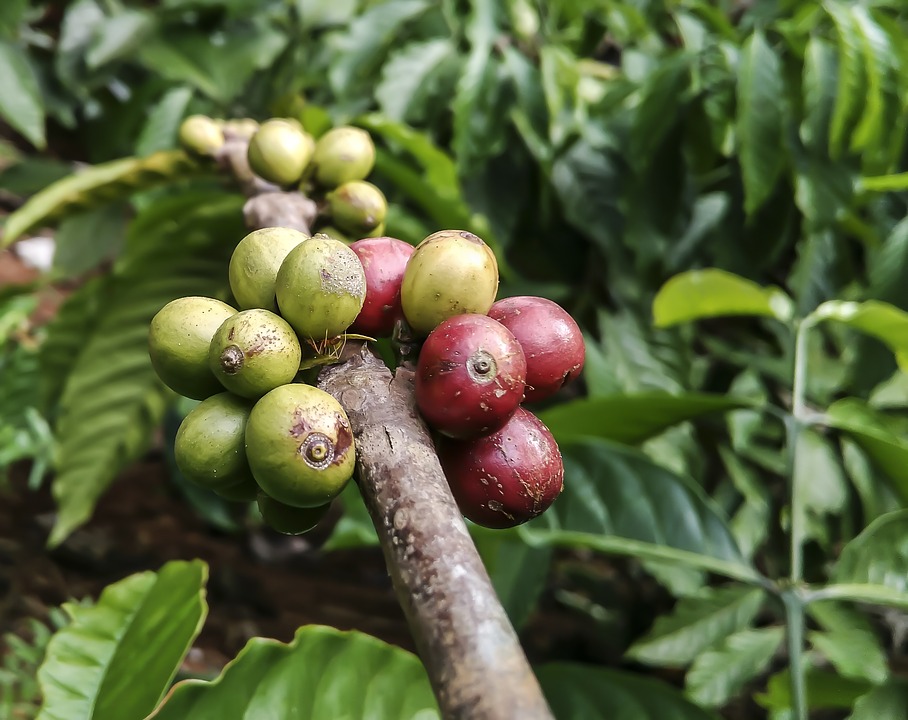
Introducing the Pacamara Variety
Pacamara is a hybrid born in El Salvador in 1958, created by crossing the Bourbon-lineage Pacas with the Typica-lineage Maragogype. It combines the strengths of both parents and then surpasses them: clean and gentle, rich and smooth, with lively acidity, full flavor, and a long, memorable aftertaste.
At the 2005 El Salvador COE, Pacamara stunned the coffee world. Among the top ten lots, Pacamara took second, fifth, sixth, and seventh place.
In 2007, Pacamara went on to win double championships at both the Guatemala and El Salvador COEs. From then on it was unstoppable on the awards circuit, consistently placing at the top of major competitions and earning international acclaim as a rising star variety on par with Geisha.
In Guatemala's COE alone, Pacamara held the championship throne for 7 of the 10 years between 2008 and 2017.
Given this remarkable run, in 2017 the BOP (Best of Panama) organizing committee decided to make Pacamara a separate competition category.
For all its success, the variety still has drawbacks. Pacamara is demanding when it comes to soil, water, climate, environment, and altitude, and it offers low yields and little resistance to leaf rust. As a result, it is not widely cultivated.
To this day, although Pacamara is no longer especially rare, it remains uncommon on the market. Pacamara from Guatemala and El Salvador is considered the finest, and with so many international buyers chasing it, it rarely reaches domestic markets.
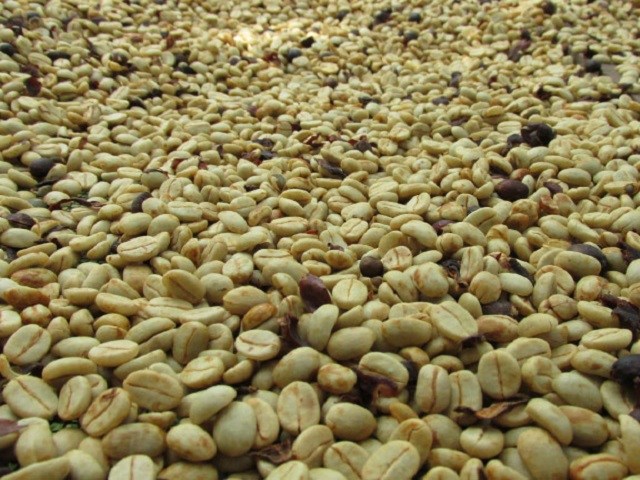
The Processing Method
Honey Process (Procesado Full Miel)
After the cherry skin is removed, 100% of the mucilage layer is retained. Unlike the fully washed method, the honey process does not rely on fermentation to strip away the mucilage. Instead, the mucilage-coated beans are laid directly on African beds to dry. During drying, the beans must be turned regularly and frequently to keep the fruit pulp from sticking, which could cause mold or over-fermentation, and to ensure even sun-drying. Sunlight and wind do the work, after which the mucilage layer and parchment are removed directly. Compared with other methods, this demands more labor and time.
What Honey Processing Brings
Its strength lies in preserving the original sweetness of the coffee fruit while adding a honey-like sweetness and a fuller body.
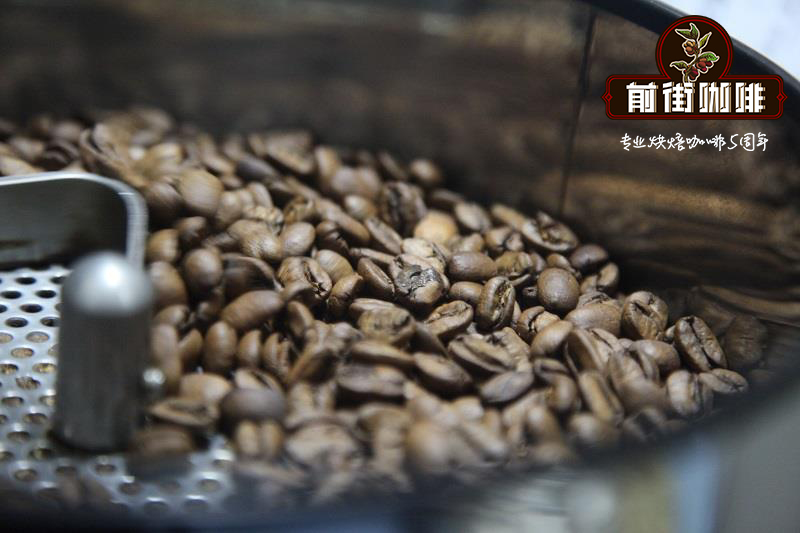
Roasting Notes
Pacamara is a large bean with relatively large particles and high density. New-crop beans also carry more moisture. During roasting, it absorbs heat rather slowly while the Maillard reaction runs quite fast, with the yellowing point arriving around 5 minutes. For a first roast, try a slightly higher charge temperature, around 200°C, with relatively high heat, then reduce the heat gradually as needed: after the beans reach the yellowing point, lower the heat to extend dehydration so the large beans dry out fully; from the end of dehydration until just before first crack, hold a medium heat or raise it slightly to speed the Maillard reaction and ensure enough pressure before first crack; and as the first crack approaches, ease the heat to keep the bean surface from scorching. With this approach, dehydration time is extended but the rate of rise stays at 6–8 degrees every thirty seconds, and the roast still enters first crack normally between 8.5 and 9.5 minutes, preserving more floral and fruit aromas while keeping the acidity clean and bright. It is generally best to drop the beans between the dense phase and the end of first crack, around a medium roast level.
Cupping Notes
Flavor description: peach, passion fruit, toffee, lemon, dried longan, coffee flowers, cedar. The honey-processed Pacamara has a sweet-and-sour aftertaste, with a particularly prominent sugarcane aroma as it cools and a rich finish.
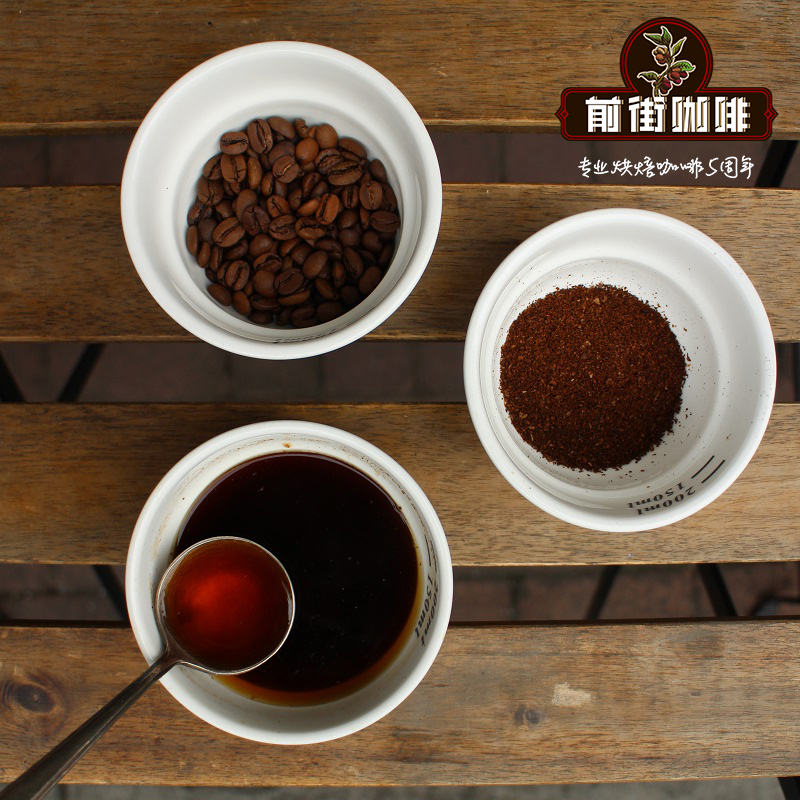
Brewing Analysis
Here is FrontStreet Coffee's usual method for hand-pouring Pacamara: the V60 three-stage pour.
Segmented Extraction
The total brewing water is divided into three pours.
Suitable for light, medium-light, and medium roast beans.
Uses a V60 dripper.
Extending the bloom time or adding more pauses between pours can enhance the richness of the cup.
The Three-Stage Pour
Advantages: More layered than a single continuous pour, it lets you clearly distinguish the front, middle, and back end of the flavor. The method increases the water amount with each pour after the bloom, usually pouring as the coffee liquid is about to drop to the surface of the bed, and using small, medium, and large flows across the three stages.
Disadvantages: It demands more control over water flow rate and volume.
FrontStreet Coffee's Pacamara Hand-Pour Parameters
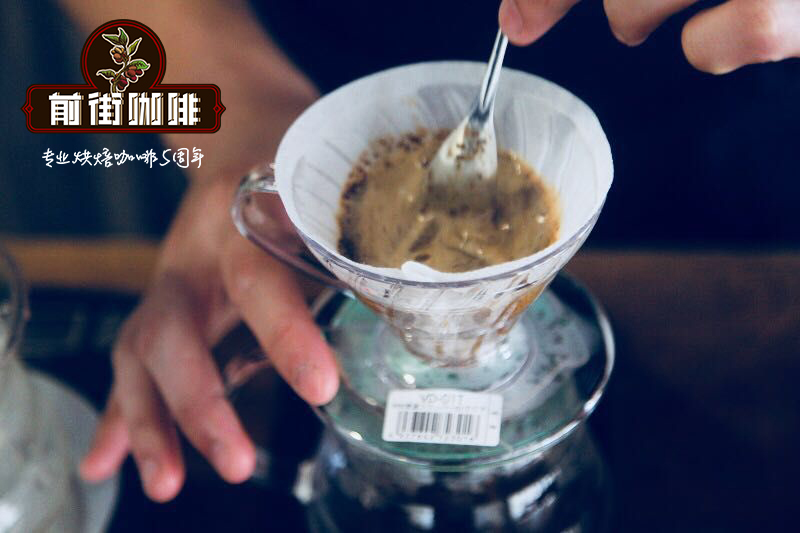
Brewing in a V60 can enhance the layered flavor of hand-poured coffee, making it richer and cleaner while expressing the bright, elevated aromas of the Pacamara variety.
15g of grounds, water temperature 89–90°C, grind BG 5R (64% passing a standard 20-mesh sieve), water-to-coffee ratio close to 1:15–16.
Method: 27g of water for the bloom, with a 30-second bloom time. Circle the pour-over kettle clockwise around the center of the filter as the pivot. Start timing when brewing begins, pour to 27g, then stop and wait 30 seconds before the first pour.
For the first pour, circle as before, but slightly slower, picking up speed toward the outer ring. Stop pouring at around 1:15, wait for the liquid level to drop by one third, then pour again. The second pour should concentrate on the center, keeping the stream away from where the coffee bed meets the filter paper to prevent channeling. Finish extraction at around 2:05. The tail end can be omitted, since the longer it drags on, the more astringency and rough texture it adds.
Segments: 30–125–230g
FrontStreet Coffee Recommendation
For the stone-fruit sweetness and honeyed body of a honey-processed Pacamara, the FrontStreet Ethiopia Huakui is a rewarding companion. Its tropical-fruit aroma is remarkably pronounced, with strawberry, passion fruit, jackfruit, and even lychee coming through, plus a clearly sweet, low-bitterness cup that is smooth and full of juice. That honeyed fruit character lines up neatly with what a good Pacamara delivers.
If the floral and citrus side of Pacamara is what you love most, try the FrontStreet Panama Boquete Gesha. Grown around the town of Boquete, home to celebrated estates such as Finca Esmeralda and Elida Estate, it shows a classic orange-blossom-honey character: fragrant white coffee-flower aromas while brewing, then citrus, melon, and honey on the palate with a caramel note. It is remarkably clean and layered, and it suits a V60 just as well as a pour-over bag, cold brew, or French press.
Important Notice :
FrontStreet Coffee is a long-established specialty coffee roaster in Guangzhou China, selling freshly roasted beans from its own farm in Yunnan as well as dozens of carefully selected single-origin beans from around the world for both pour-over and espresso. The products deliver consistently excellent quality and great value, with shipping within 24 hours. Guangzhou's FrontStreet Coffee shop is recommended by many coffee lovers, and the beans are now available online at the Tmall 。
FrontStreet Coffee has moved to a new address:
FrontStreet Coffee Address: 315,Donghua East Road,GuangZhou
Tel:020 38364473
 Scan and follow the En Gafei WeChat official account. Please indicate that the reprint comes from "En Gafei".