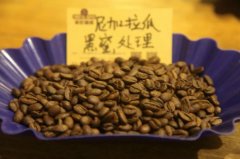
What Water to Use for Pour-Over Santa Elena Natural Pacamara Coffee_Why Pour-Over Coffee Tastes Astringent
Astringency in pour-over usually comes down to two things: the water you brew with and the way the coffee bed drains. Water that is too soft or too hard, a temperature that runs hot, a grind that is too fine, or a brew that drags on too long will all pull harsh, drying compounds into the cup. The natural-processed Santa Elena Pacamara below is a good case study — a large, dense bean that rewards careful pouring and a clean, well-balanced water.
Introduction to Finca Santa Elena Estate
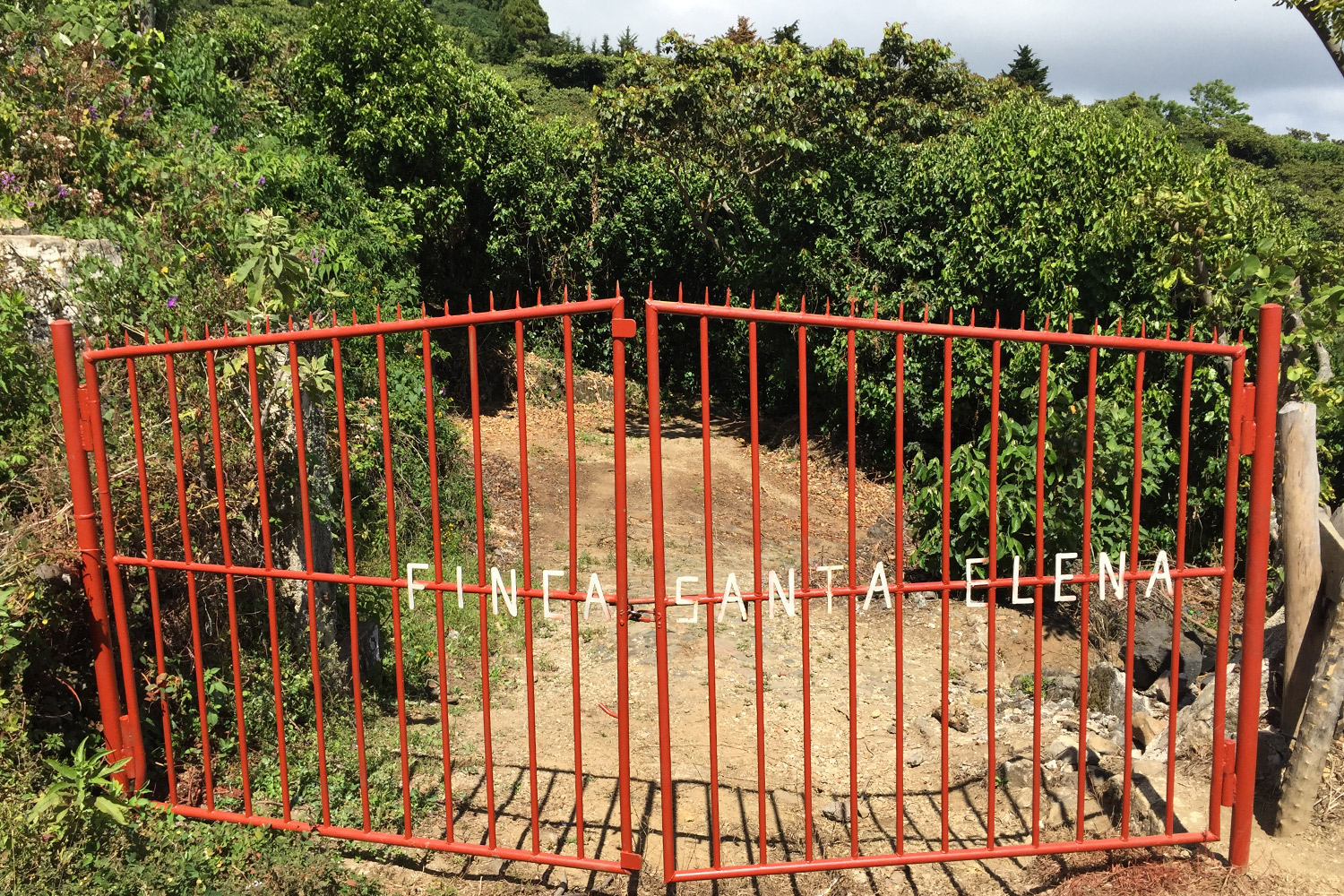
FINCA SANTA ELENA
Finca Santa Elena is located in the Santa Ana volcanic region in western El Salvador. The estate has an average altitude of approximately 1,850 meters, making it one of the highest-altitude estates in the area. It is currently managed by Mr. Don Fernando Lima.
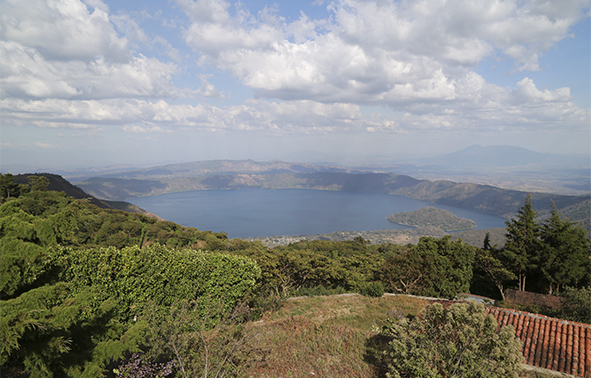
Estate owner Mr. Fernando adheres to the philosophy of maintaining El Salvador's original traditional cultivation methods. Beyond necessary pruning and irrigation, the estate keeps an extensive natural agroforestry ecology. At Finca Santa Elena, over 90% of the coffee grown is Bourbon variety. The owner also employs modern industrial management techniques, dividing the estate into different zones to closely monitor and record soil quality, fertilisation, and the growth conditions of the coffee trees.
The most distinctive characteristic of coffee from Finca Santa Elena is its remarkably persistent sweetness, accompanied by relatively intense fruit aromas, with an aftertaste that carries almond-like nutty richness.
Coffee Bean Variety Introduction
Pacamara is a hybrid variety discovered in El Salvador in 1950, resulting from a cross between Pacas and Maragogipe.
First cultivated by Salvadoran researchers in 1958, Pacamara is an excellent variety rarely achieved through artificial selection. It combines the outstanding flavour profile of Pacas with the large bean size of Maragogipe, with beans at least 70%-80% the size of elephant beans. Its most distinctive characteristic is a lively, sophisticated acidity — sometimes showing biscuit aromas, sometimes fruit notes — with excellent thickness and oiliness.
Processing Method Introduction
Natural Process
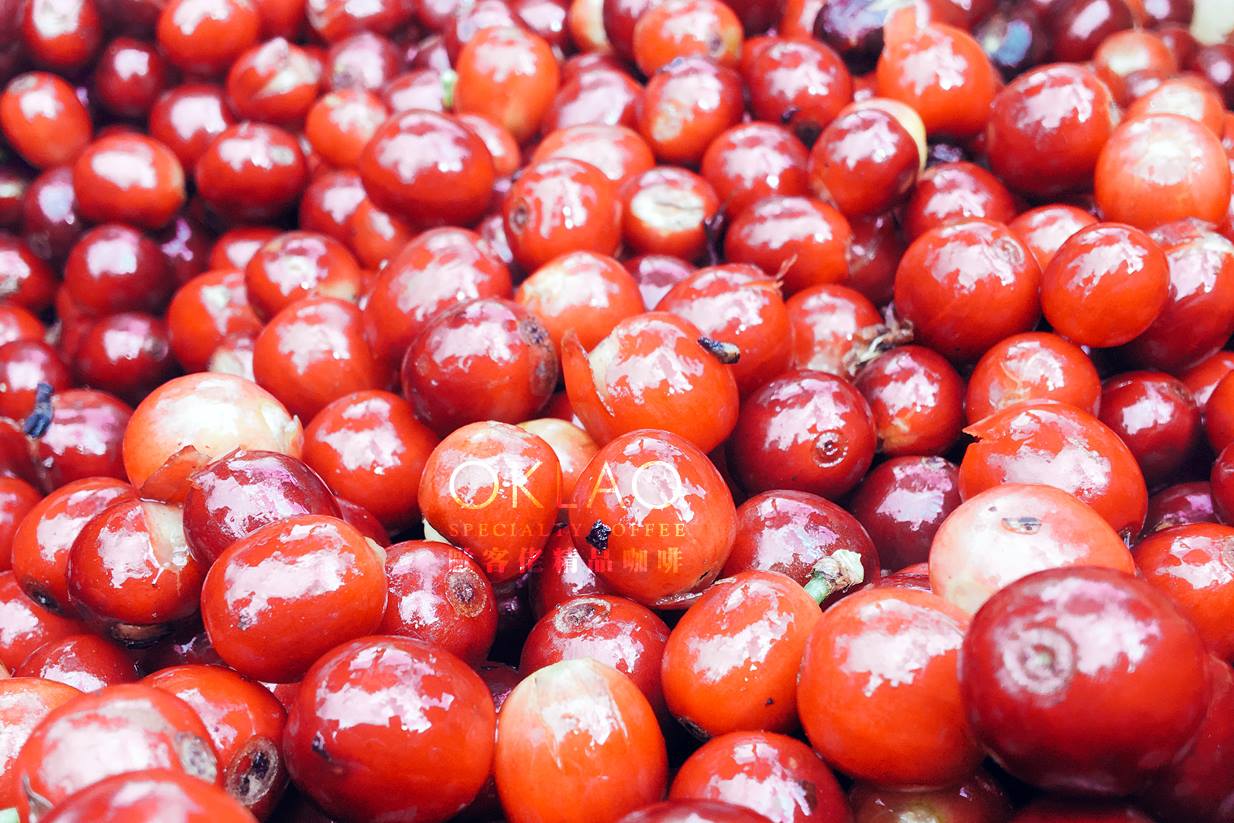
The natural process is the oldest and most original way of processing coffee. Harvested coffee fruits are first poured into large water tanks, where mature, full fruits sink to the bottom while underdeveloped or overripe fruits float to the surface. After the floating beans are removed, the healthy fruits are placed on patios for direct sun-drying, reducing moisture content from 60% to 12%-15%. Finally a hulling machine removes the hard, dry outer skin and pulp, completing the process and leaving the green beans.
(Selecting coffee fruits) (Outdoor sun-drying)
The natural processing method can enhance berry and tropical fruit flavours, with a mild fruit acidity. However, traditional natural processing sometimes produces negative flavours, such as earthy or over-fermented notes.
Today the natural method is becoming popular again, even becoming one of the important processing methods for competition-grade coffee. This change comes from the use of improved African raised beds. The raised beds not only avoid ground moisture, animal waste, and earthy flavours but also place the fruits in a good air-convection environment, making drying more uniform. Farmers regularly turn the beans to allow a gentle absorption of the pulp's sweetness, making the flavour increasingly full-bodied.
Roasting Recommendations/Analysis
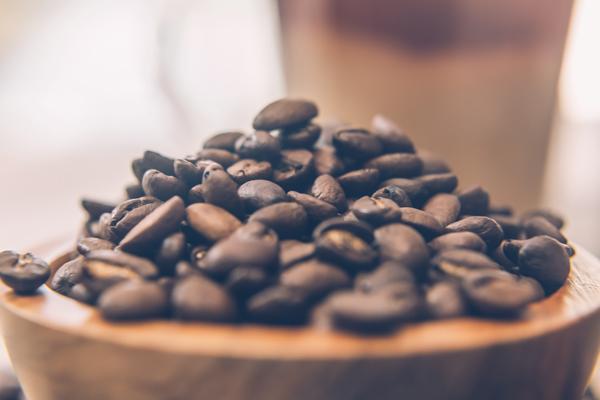
This is the large-bean Pacamara variety, with relatively large particles and high density. New-season beans naturally have higher moisture content. During roasting, heat absorption is relatively slow while the Maillard reaction proceeds relatively quickly, and the yellowing point occurs around 5 minutes. For the first roast you can try a slightly higher bean-drop temperature, such as 200°C, with relatively higher heat settings, then gradually reduce the heat as needed: after the beans reach the yellowing point, reduce the heat to prolong dehydration time so the large beans dry fully; from the end of dehydration until first crack, maintain medium heat or slightly increase it to accelerate the Maillard reaction and ensure pressure before first crack; before first crack begins, reduce the heat a little to avoid scorching the bean surface. With this approach the dehydration time is relatively extended, with a temperature rise rate of 6-8 degrees every thirty seconds, while still holding first crack between 8.5 and 9.5 minutes, which preserves more floral and fruity aromas and retains clean, bright acidity. It is generally best to drop the beans between the dense phase of first crack and the end of first crack, around medium roast level.
Cupping Flavor Description
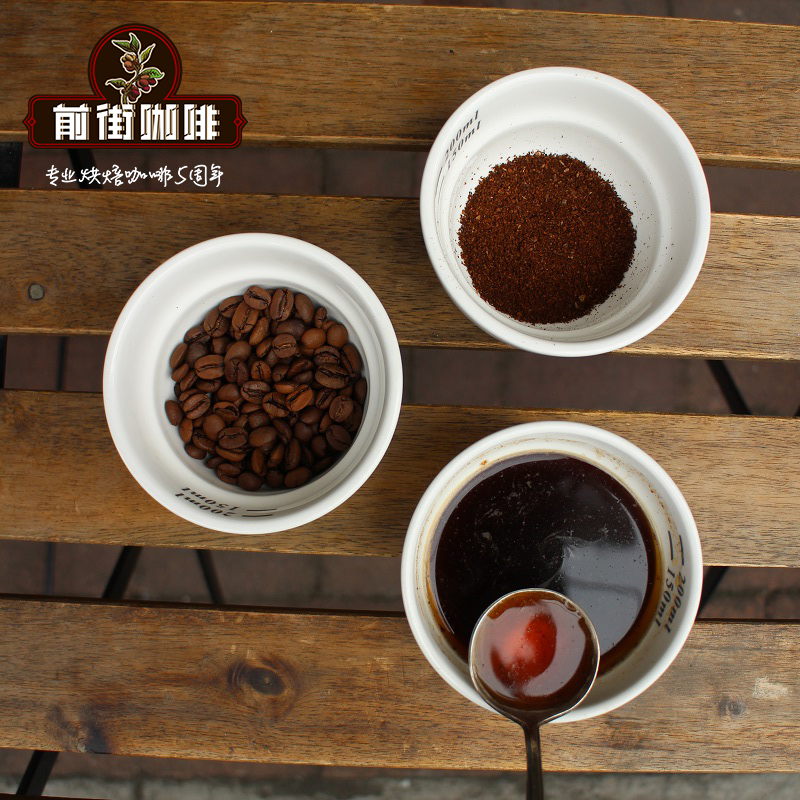
Apricot, citrus, and tropical fruits, with a clean, full mouthfeel.
The wet aroma has obvious floral notes and a mild acidity. On entry there is a sensation similar to summer plum soup, with flavours of lemon and orange peel. In the mouth you can clearly feel the coffee's richness, and, like many Central and South American beans, there is an obvious cocoa flavour in the finish. After swallowing, the sweetness is clearly felt and lingers for a long time.
Brewing Analysis
Today we introduce FrontStreet Coffee's commonly used hand-brew method for Pacamara coffee: the V60 three-pour method.
Segmented Extraction
Divide all brewing water into three pour segments.
Suitable for light roast, medium-light roast, and medium roast coffee beans.
Use a V60 dripper.
Increasing bloom time or the number of pour breaks can enhance the richness of the coffee flavour.
Three-Pour Segmented Extraction Method
Advantages: More layered than a single pour, and it can clearly distinguish the front, middle, and back flavour profiles of the coffee. The method involves increasing the water amount after each bloom, typically pouring when the coffee liquid is about to drop to the surface of the coffee bed, using small, medium, and large water flows for three-stage extraction.
Disadvantages: It has relatively high requirements for water flow rate and volume.
FrontStreet Coffee's Pacamara Coffee Hand-Brew Parameter Recommendations
Brewing with a V60 dripper enhances the layered flavour of the hand-brew, making it richer and cleaner, and perfectly expresses the uplifting, bright aromas of the Pacamara variety.
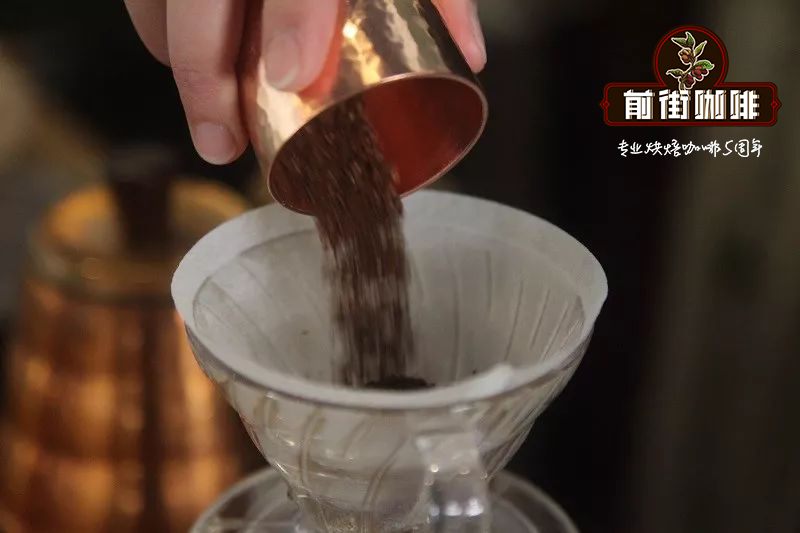
15g of coffee, water temperature 89-90°C, grind BG 5R (Chinese standard 20-mesh screen pass rate 64%), water-to-coffee ratio close to 1:15-16.
Method: 27g of water for the bloom, bloom time 30s. The hot water in the pour-over kettle should be poured clockwise in circles centred on the middle of the filter cup. Start timing when brewing begins, pour water to 27g, then stop pouring and wait 30 seconds for the first pour.
For the first pour, circle as before but a little slower, increasing speed when reaching the outer ring. Stop pouring at around 1:15 seconds. When the liquid level drops by 1/3, pour again. For the second pour, concentrate on the centre, avoiding the area where the coffee powder meets the filter paper to prevent a channeling effect. End extraction at around 2:05 seconds. The tail section can be discarded (the longer it runs, the more astringency and rough texture appear).
Segments: 30-125-230g
FrontStreet Coffee Recommendation
If Santa Elena's natural Pacamara appeals to you for its clean sweetness and big, syrupy body, FrontStreet Coffee has single origins in the same easygoing, low-acid register. A good place to start is FrontStreet's 2013 Yunnan Sun-Dried Typica: roasted medium-dark, it keeps a clean cup where citrus and caramel aromas interweave, with a little nut, chocolate, and brown sugar rounding it out, a medium acidity, and a well-coordinated structure that shows off the Yunnan region's character. FrontStreet has worked with Yunnan Typica since 2013, and the lot is both a quality single origin and a marker of how far the company has come.
If you want the closest thing to a Blue Mountain-style balance without the Blue Mountain price, FrontStreet's Papua New Guinea Bird of Paradise is a natural pick. It comes from the Bird of Paradise estate in PNG's Sigri region, planted with the Typica variety — the same lineage as Blue Mountain — at 1,600-1,800 meters on volcanic soil. It is graded AA, with full beans and a very low defect rate, and is given a triple washed fermentation, resulting in a clean, pure cup with a standout sweetness. Fans often call it a "little Blue Mountain," and it makes an excellent choice for anyone who prefers their coffee without sharp acidity.
Both are versatile enough for pour-over, a moka pot, or an espresso machine, so you can enjoy the same cup in the style you like best.
Important Notice :
FrontStreet Coffee is a long-established specialty coffee roaster in Guangzhou China, selling freshly roasted beans from its own farm in Yunnan as well as dozens of carefully selected single-origin beans from around the world for both pour-over and espresso. The products deliver consistently excellent quality and great value, with shipping within 24 hours. Guangzhou's FrontStreet Coffee shop is recommended by many coffee lovers, and the beans are now available online at the Tmall 。
FrontStreet Coffee has moved to a new address:
FrontStreet Coffee Address: 315,Donghua East Road,GuangZhou
Tel:020 38364473
 Scan and follow the En Gafei WeChat official account. Please indicate that the reprint comes from "En Gafei".