Nicaragua Coffee Regions Introduction, Flavor Characteristics | Roasting and Brewing Recommendations
Professional coffee knowledge exchange. For more coffee bean information, please follow Coffee Workshop (WeChat official account: cafe_style).
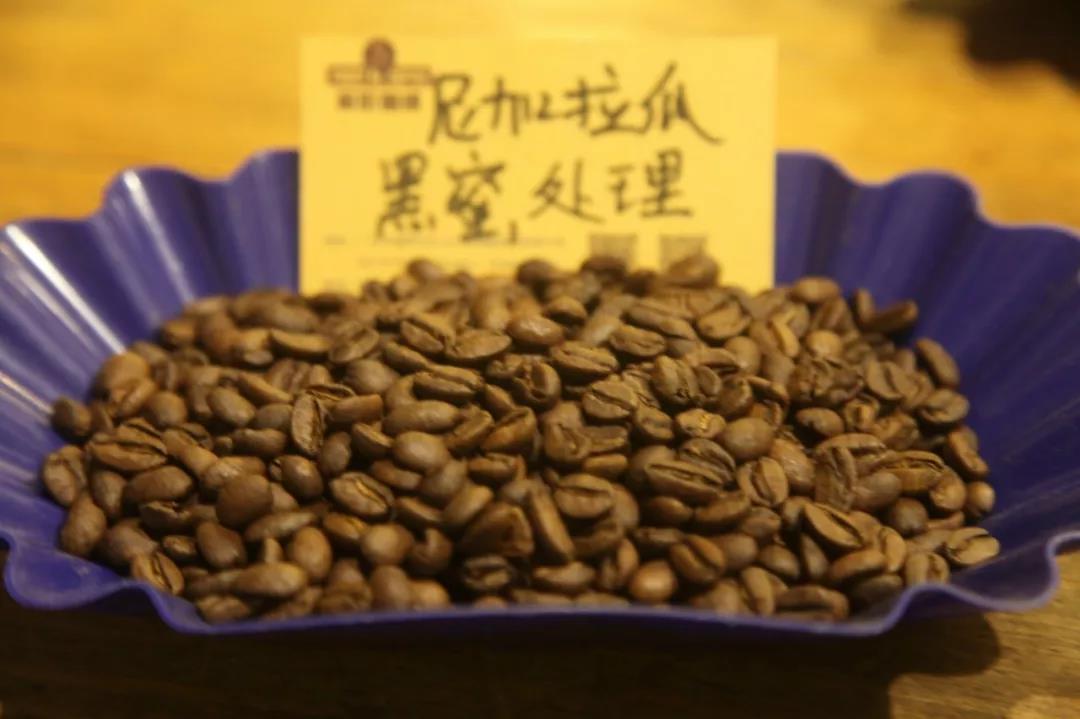
The first time I tasted Nicaraguan coffee was a black honey processed variety from the Nueva Segovia processing plant. This coffee features spice and herbal aromas, with notes of dried fruit, genmaicha, subtle apple acidity, and caramel sweetness, followed by an almond and berry aftertaste. Unlike Costa Rican black honey coffee, Nicaraguan black honey doesn't carry a strong fermented flavor; instead it offers a delicate fragrance and a smooth mouthfeel. This sparked my great interest in Nicaragua, and I decided to write about Nicaraguan coffee.
Overview
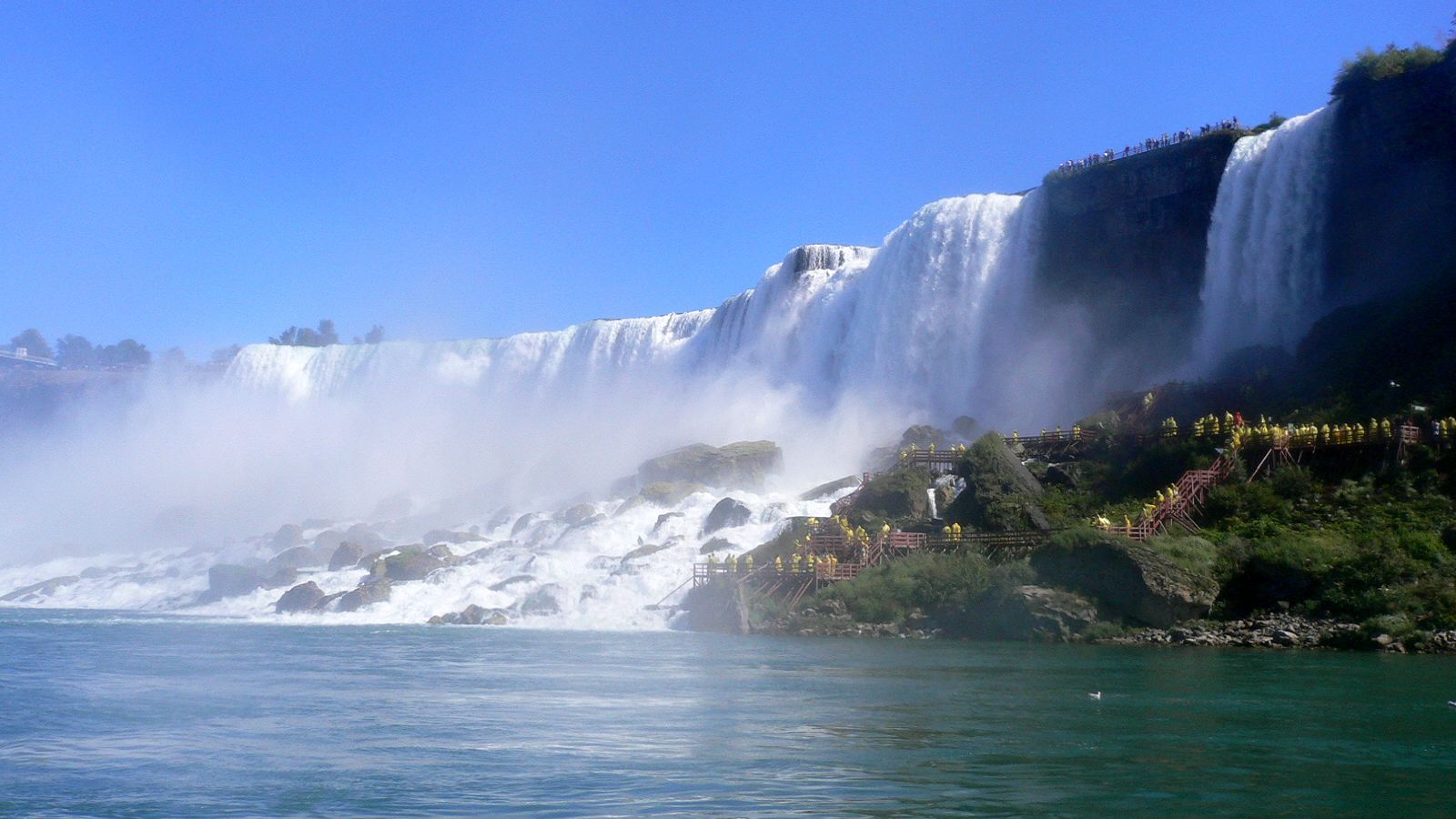
When it comes to Nicaragua, its most famous attraction might be its grand waterfalls, while Nicaraguan coffee seems to have been forgotten by the world in recent years, rarely seen on the market. In fact, Nicaragua's growing conditions are no less favorable than those of other Central American countries, and the coffee produced there is known for its balanced flavor profile. What's surprising is that smallholder-produced coffee, when lightly roasted, exhibits the clean brightness of Costa Rican coffee with delicate, soft acidity, while dark roasting reveals the sweet richness and mellow intensity of Colombian coffee. In this installment of our World Coffee Regions Tour, I'll introduce Nicaragua.
Geography and Climate
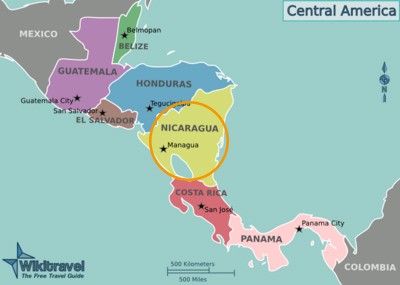
Nicaragua sits in the middle of Central America, bordered by Honduras to the north, Costa Rica to the south, the Caribbean Sea to the east, and the Pacific Ocean to the west. With a total area of 130,400 square kilometers, it is the largest country in Central America. The north-central part of Nicaragua consists of highlands; the eastern region features coastal plains with numerous jungle swamps and low, flat terrain; the western region comprises coastal lowlands with many volcanoes and lakes to the east.
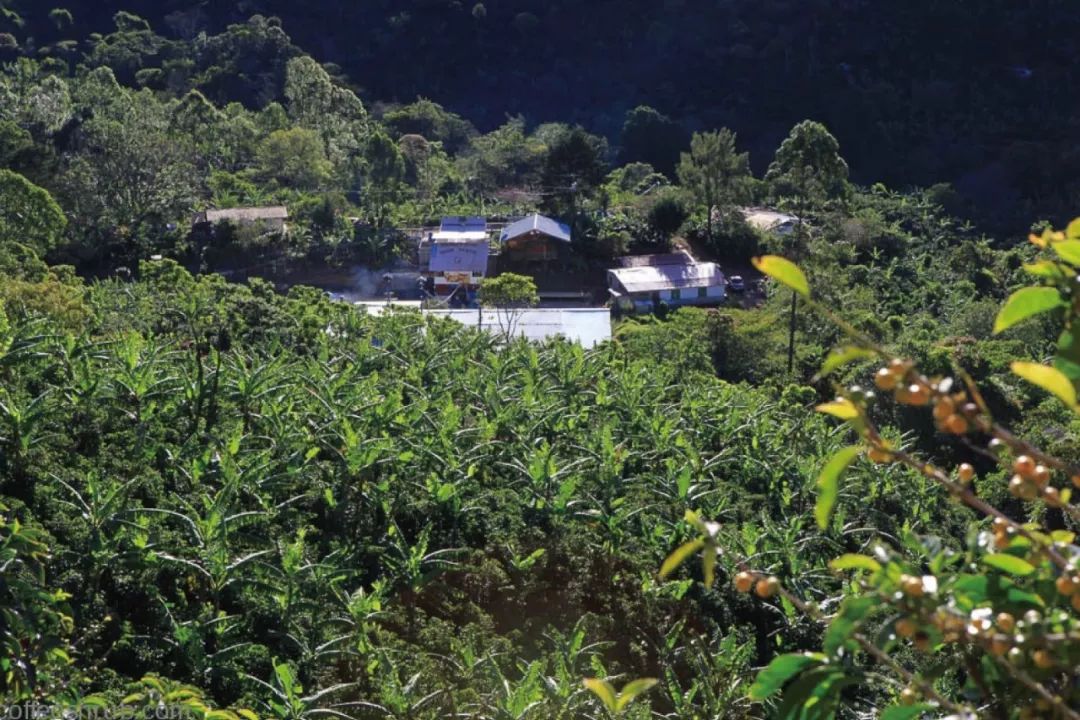
Nicaragua's plains have high temperatures and abundant rainfall, featuring a tropical maritime climate. The western coastal lowlands receive significantly less precipitation than the eastern region and have distinct dry and wet seasons, classifying them as a tropical savanna climate. The central highlands have an average annual temperature of 18°C and annual precipitation of 1500-2500mm, with the rainy season lasting from May to December.
Main Growing Regions and Harvest Seasons
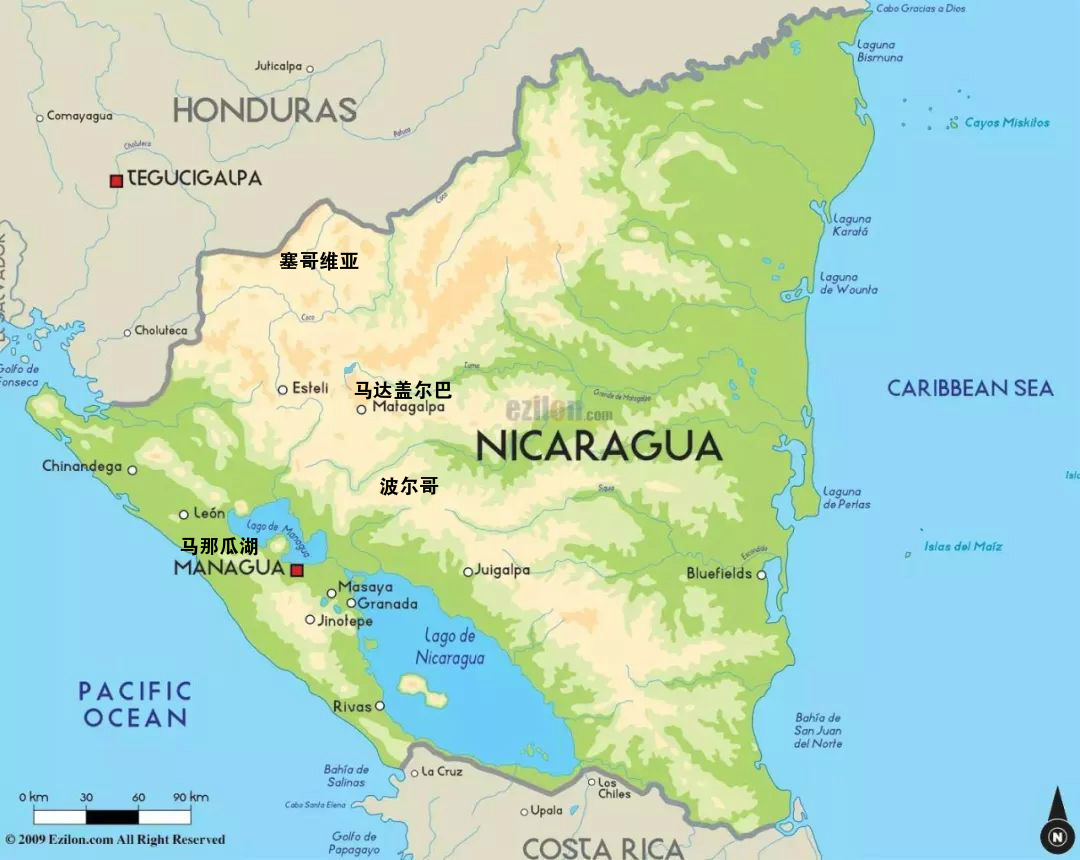
Nicaragua is mainly divided into four major growing regions: the Segovias region, the Matagalpa/Jinotega region, the Boaco region, and the Pacific Coast region.
Here are introductions to some of the more famous regions:
Jinotega
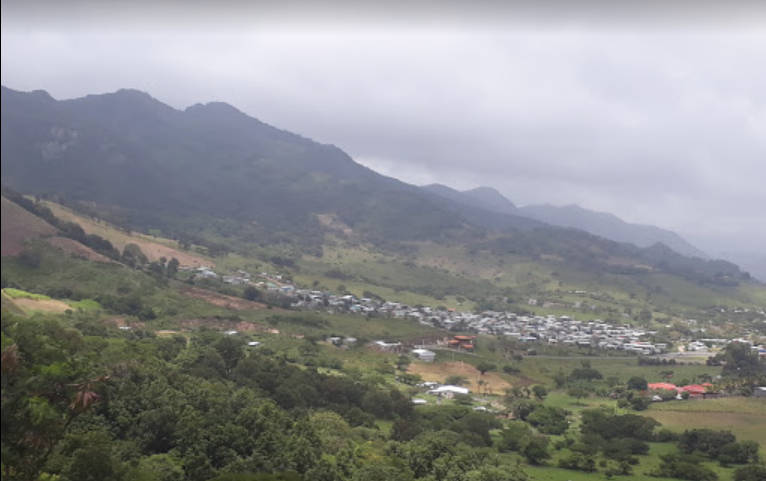
This region and its capital both derive their name from the Nahuatl word "xinotencatl," meaning "city of old people." The region's economy has long depended on coffee, and it is also Nicaragua's main growing region.
Altitude: 1100-1700 meters
Harvest Period: December to March of the following year
Main Varieties: Caturra, Bourbon
Matagalpa
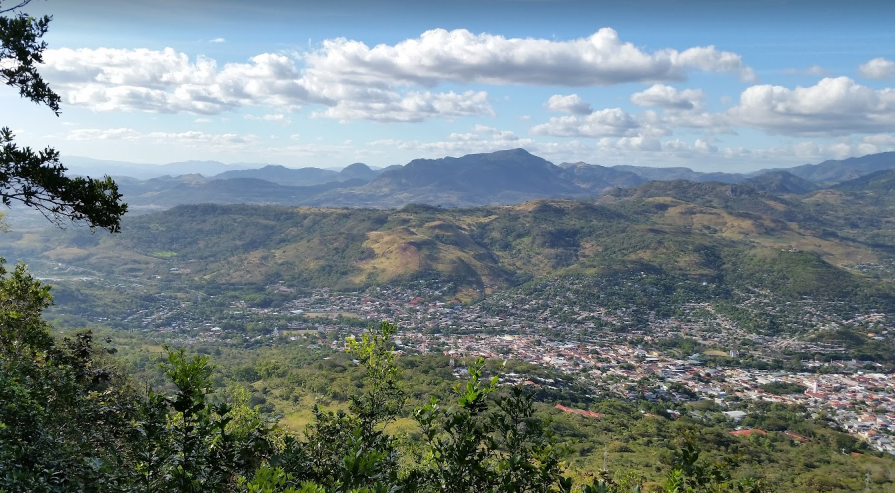
This is another region named after its capital city. Within its territory there is a coffee-themed museum, and its coffee comes from estates and cooperatives.
Altitude: 1100-1400 meters
Harvest Period: December to February of the following year
Main Varieties: Caturra, Bourbon
Nueva Segovia
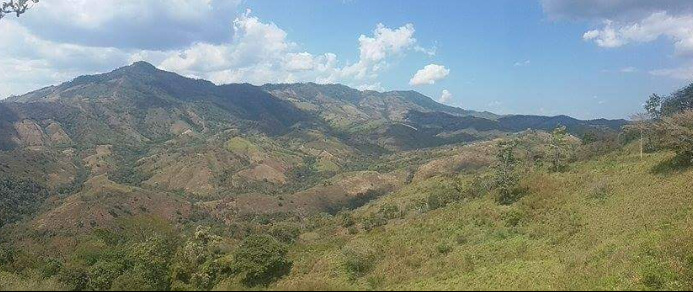
This region lies on Nicaragua's northern border and has recently begun to build a reputation for producing the finest coffee in the country, achieving great success in Nicaragua's Cup of Excellence competition.
Altitude: 1100-1650 meters
Harvest Period: December to March of the following year
Main Varieties: Caturra, Catuai, Bourbon
Coffee Flavor Characteristics
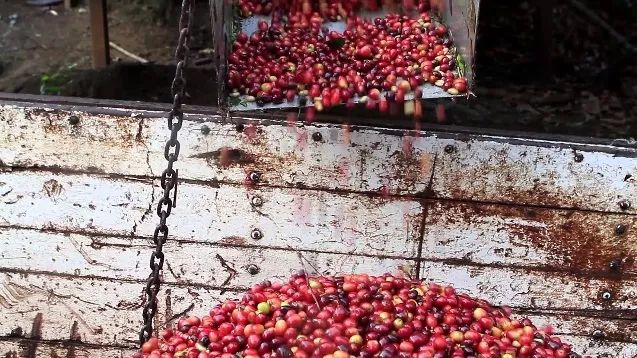
Nicaraguan coffee aromas differ slightly from the uplifting aromas typical of Central America, being more subdued.
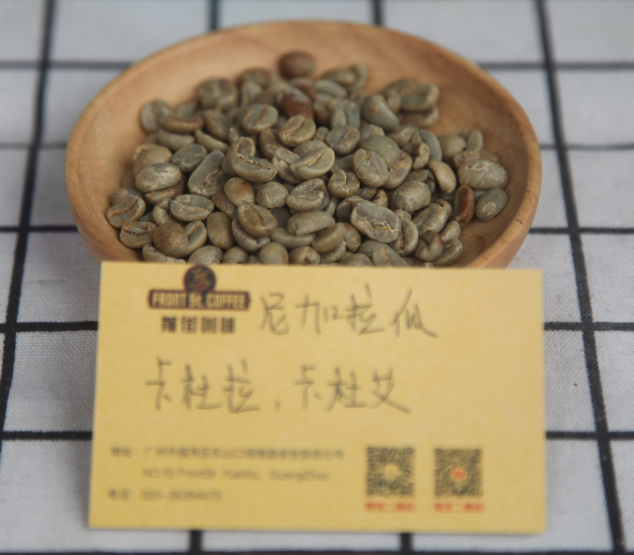
The flavors are generally quite complex and soft, with creamy, chocolate, fruit, and nutty notes. The acidity is pure and pleasant.
Grading
Nicaraguan coffee is graded according to growing altitude:
Strictly High Grown (SHG): 1500-2000m
High Grown (HG): 1300-1500m
Medium Grown (MG): 1000-1300m
Low Grown (LG): 500-1000m
Brief History of Coffee Development
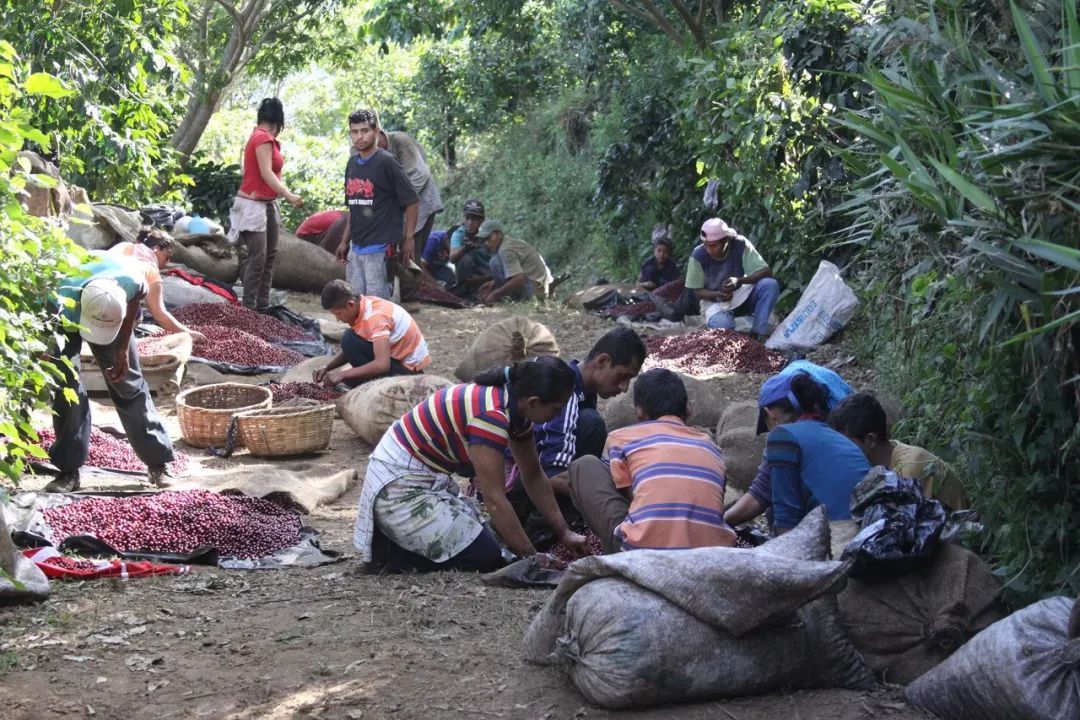
Between 1840-1940, Nicaragua experienced a "coffee boom," as coffee became the country's main export crop. Under strong government promotion, foreign companies could easily invest or acquire land, leading to the birth of large estates. Later, the dictator Somoza established coffee cooperatives (1936-1979), but they were soon overthrown by the Sandinista National Liberation Front. In 1979, Nicaragua entered communist rule, making coffee trade extremely difficult. The CIA began supporting the Contras rebels in an attempt to overthrow the new regime. To gain greater benefits, they attacked coffee workers' vehicles and destroyed processing plants, creating chaos that dealt another major blow to Nicaraguan coffee. Despite this, coffee remained Nicaragua's most important export crop. After the turn of the 20th century, the industry suffered sharp declines in coffee prices (1999-2003), hurricanes, and the millennium drought. Today, Nicaragua has about 40,000 coffee farmers. Because funding for fertilizers is in short supply, most coffee trees are grown organically. Coffee farmers have begun to focus on quality and value-based production traceability (meaning coffee can be traced back to a single estate or to cooperatives formed by producers). Nicaragua's coffee industry shows signs of gradual revival.
Elephant Beans and Derived Varieties
Maragogipe
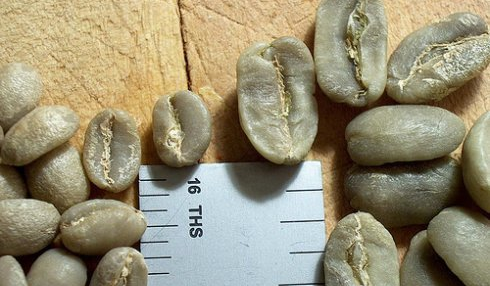
Nicaraguan coffee beans are among the largest of all coffee beans, with the Maragogipe giant beans from the Matagalpa region being the most distinctive. These giant beans are larger than regular coffee beans and are also known as elephant beans; they belong to the Arabica natural mutation family. Depending on soil growing conditions, Maragogipe flavors can vary, and poor soil can weaken the coffee's taste — which is why it is often called a "not very flavorful" coffee. In the coffee world, Maragogipe is not a very common variety because of its low yield, making it highly cherished by coffee enthusiasts.
Maracaturra
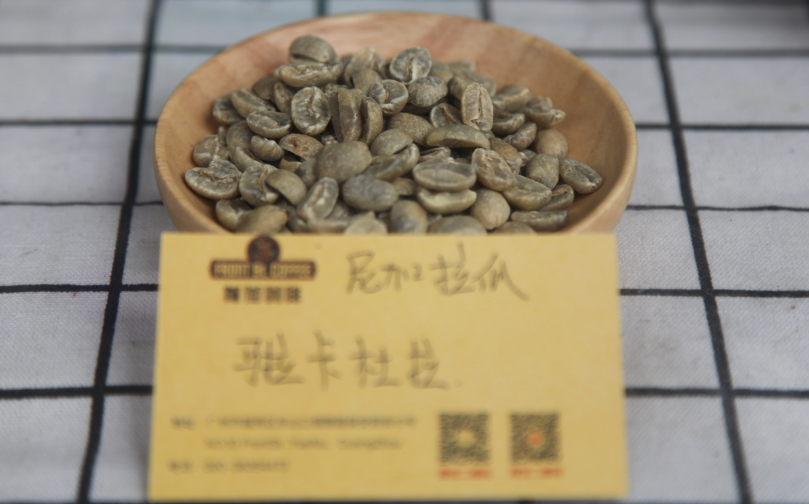
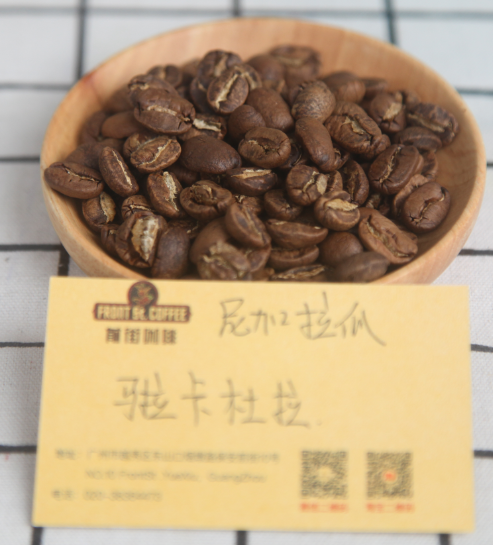
This variety comes from a cross between elephant beans and Caturra, combining the full body of the former with the sweet flavor of the latter, and is commonly found in Nicaragua. Like elephant beans, Maracaturra coffee beans are very large. Unfortunately, this variety is highly susceptible to leaf rust disease and requires extensive care. Its flavor features tropical fruit and bright acidity.
Pacamara
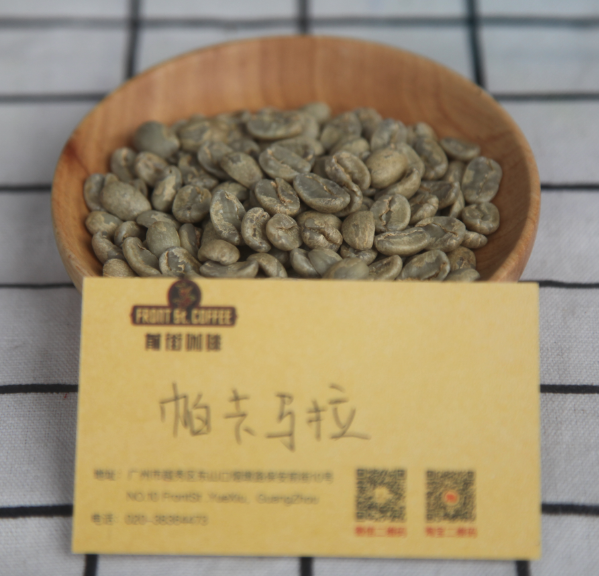
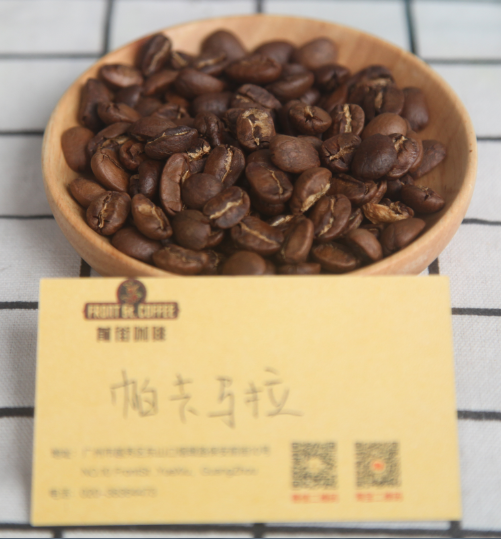
Pacamara is a hybrid variety artificially cultivated in El Salvador in 1958, with Pacas and elephant beans as its parents. Its most distinctive feature is its lively acidity, sometimes with biscuit aromas, sometimes with fruity notes, along with excellent body and oiliness.
Roasting and Brewing
General Nicaraguan bean varieties can be roasted using conventional methods. Medium to light roasting often reveals nutty flavors similar to almonds and walnuts, with good sweetness, clean and refreshing acidity, and an aftertaste with plum-like aromas.
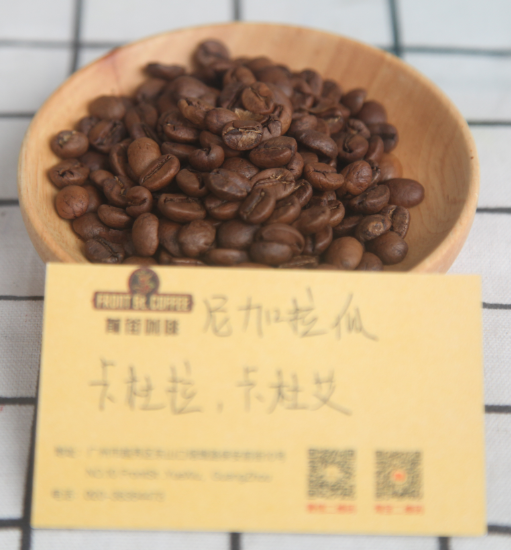
Elephant beans and their derived varieties, however, have especially large bean sizes, and combined with high altitude their bean density is high, making heat absorption slower during roasting. To ensure full heat penetration, the dehydration process needs to be extended. To highlight the pleasant acidity of high-altitude coffee, you can choose to increase the heat after the beans turn yellow, which helps enhance the Maillard reaction to create multi-layered flavors and reduce moisture loss for a smooth first crack.
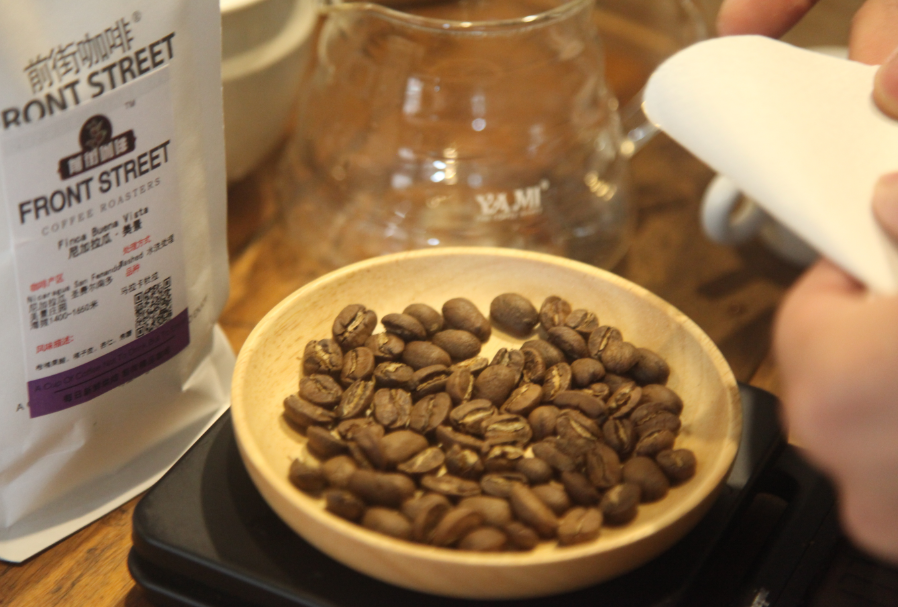
Recommended Pour-over Parameters
Beans Used: Nicaragua [Meijing Estate] Maracaturra, Washed
Grind Size: BG grinder 5R (China standard 20-mesh sieve, 64% pass rate)
V60 Dripper: 16g coffee, water temperature 90-91°C, water-to-coffee ratio 1:15/16 (adjustable according to concentration preference), total brewing time: 2 minutes 15 seconds.
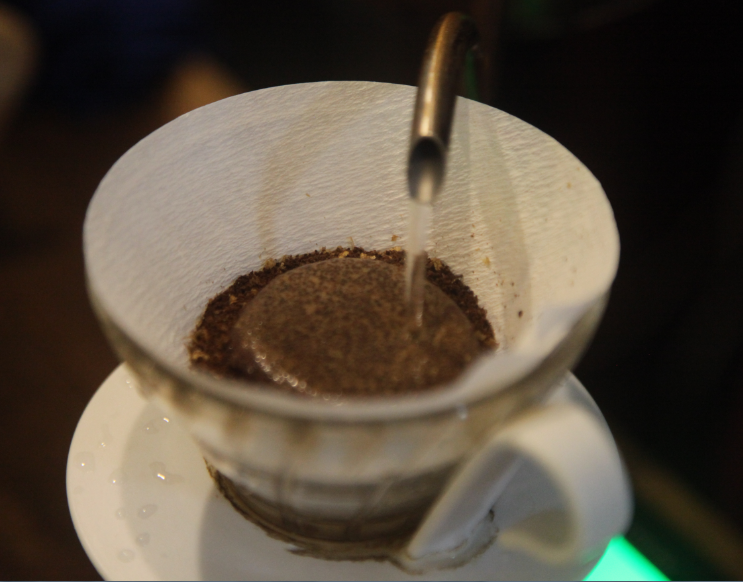
First, use 30g of water for the bloom, allowing the coffee grounds to degas and absorb water. Bloom for about 30 seconds. When you see the surface starting to show a "matte finish," that's the time to begin water extraction.
For the first pour, extract evenly around the center in a coin-sized circle until reaching about 160g, then stop and let the water level drop by half. For the second pour, slowly add water to 260g, being careful not to pour onto the filter paper edge.

Flavor Characteristics: This coffee has a deep aroma, with flavors similar to dried papaya and dried lemon on entry. The mid-palate reveals almond, caramel, and cocoa flavors, with a strong aftertaste and long-lasting licorice and dried plum notes. Overall, it has quite a special flavor profile. If you are used to coffees from other Central American countries, try a cup of Nicaraguan coffee — it will definitely give you a different experience.
FrontStreet Coffee: A roastery in Guangzhou with a small shop but diverse bean varieties, where you can find both famous and lesser-known beans. They also provide online store services. https://shop104210103.taobao.com
FrontStreet Coffee Recommendation
Colombian coffee is remarkably versatile: it works both in espresso blends and as a pour-over single origin, and it spans fruit-acid profiles, full-bodied profiles, and aroma-forward styles, so there is something for almost every taste. A great starting point is the FrontStreet Colombia Huila, grown in the country's most famous specialty region in the southern part of the Central Cordillera — a mountainous area at elevations above 1,500 meters where Colombia's most important rivers converge, bringing abundant water and humidity. Washed and roasted medium-dark, it highlights dark chocolate and nutty sweetness with moderate oil and a full body, and it suits pour-over and French press as well as moka pot and espresso machine, making Americano and latte with ease.
For a more modern, fruit-driven experience, the FrontStreet Colombia Finca La Divisoria Sidra reflects the innovative processing methods that have become popular in Colombia in recent years. It uses anaerobic natural processing — fermentation in a low-oxygen or oxygen-free environment, typically in a pressure-resistant stainless-steel tank where temperature, time, pH, and other variables are controlled. After anaerobic fermentation the coffee develops more tropical fruit aroma, and when roasted medium-light it shows passionfruit, grape, apricot, and dried-fruit complexity in pour-over, cold brew, drip bags, and moka pot alike.
If you have a home espresso machine or a moka pot, FrontStreet's Classic Espresso Blend comes highly recommended. Blended for café use and pairing the creamy, nutty sweetness of Brazilian coffee with the dark chocolate bittersweetness of Colombian coffee, it extracts with a fine golden crema and is excellent with milk for a rich, smooth latte. It is very beginner-friendly and also works as the base for Americano, cappuccino, mocha, and other standard espresso drinks.
Important Notice :
FrontStreet Coffee is a long-established specialty coffee roaster in Guangzhou China, selling freshly roasted beans from its own farm in Yunnan as well as dozens of carefully selected single-origin beans from around the world for both pour-over and espresso. The products deliver consistently excellent quality and great value, with shipping within 24 hours. Guangzhou's FrontStreet Coffee shop is recommended by many coffee lovers, and the beans are now available online at the Tmall 。
FrontStreet Coffee has moved to a new address:
FrontStreet Coffee Address: 315,Donghua East Road,GuangZhou
Tel:020 38364473
 Scan and follow the En Gafei WeChat official account. Please indicate that the reprint comes from "En Gafei".