Guatemalan Santa Ana Estate Pacamara Coffee: Pour-over Parameters & Brewing Guide
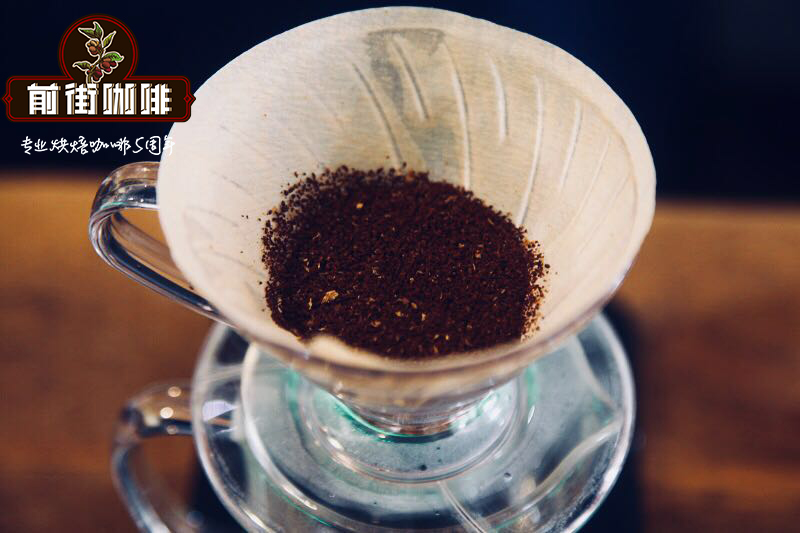
Guatemala Santa Ana Estate Pacamara Coffee
"The delicate Pacamara" - that is exactly how Han Huaizong, the renowned author of "Coffee Science," praised it.
This excellent variety, successfully improved through a combination of Pacas and Maragogype, has always been one of the top choices for coffee lovers and is definitely worth tasting.
Santa Ana Estate Story Information:
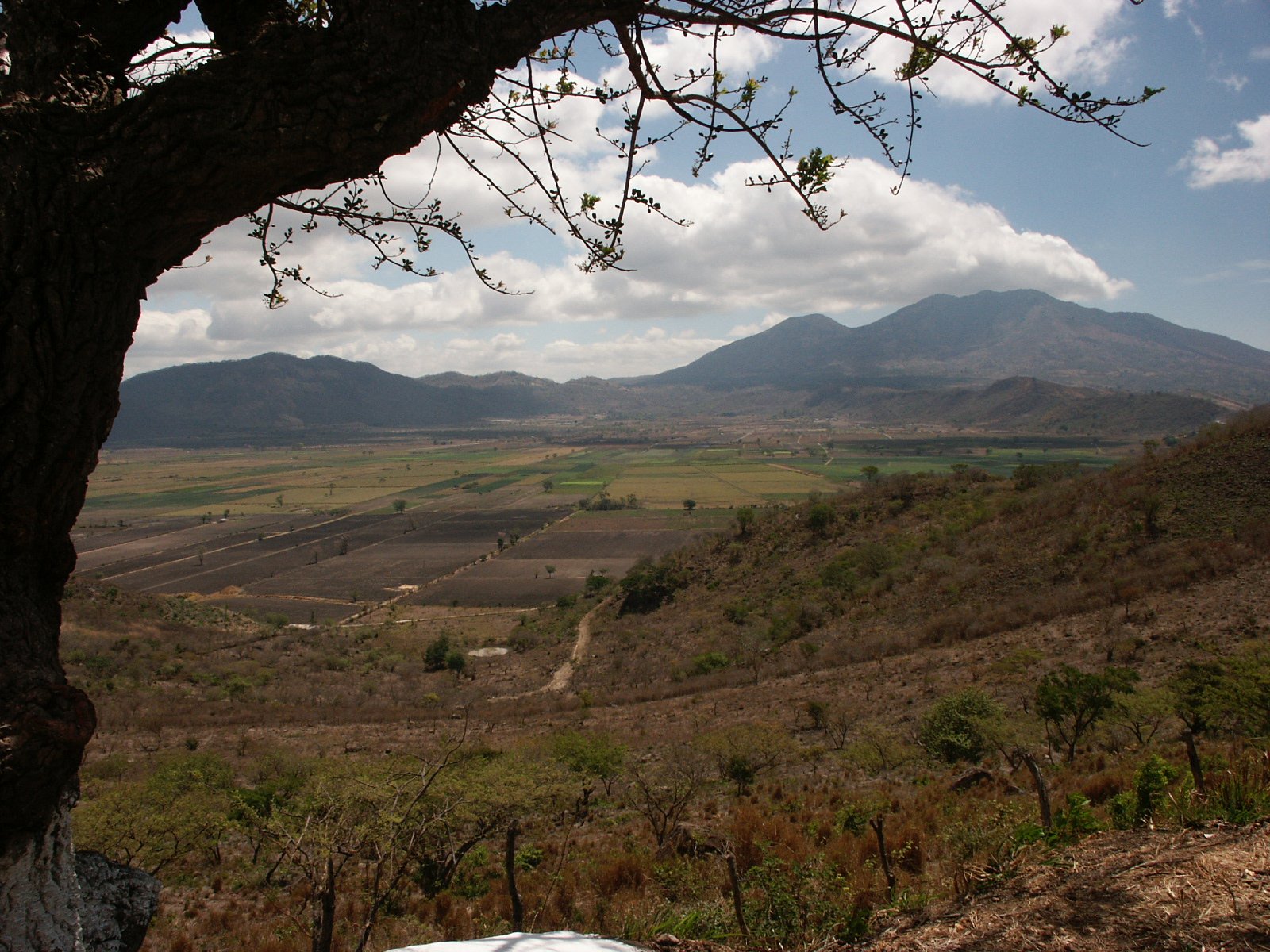
This batch of Pacamara is grown and produced by Guatemala's Santa Ana Estate. Santa Ana Estate sits in a village in Nuevo Viñas, Santa Rosa Province, Guatemala, on La Gavia Mountain between the Tacubulco and Pacaya volcanoes. The estate's soil consists of volcanic soil and pumice.
Driven by his passion and love for coffee and quality, estate owner Roberto Díaz Marroquin has devoted himself to the management, preparation, cultivation, harvesting and processing of the annual production for over 30 years. His efforts have earned excellent recognition in the international market. Currently, the registered and world-renowned brands include "Finca Santa Ana" and "Idolia."
The estate's coffee varieties are varied, including Bourbon, Yellow Caturra and Red Caturra. They grow alongside local natural shade trees such as Gravilea, Pine, Oak and Chalun in a natural estate environment. Combined with the local abundant annual rainfall, soil types, altitude and other natural conditions, the coffee produced by Santa Ana Estate has a special, rich aroma and flavor that is worth tasting.
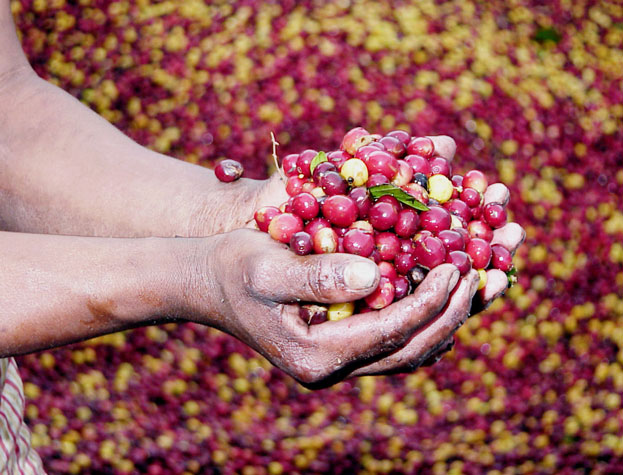
Pacamara Coffee Bean Variety Introduction:
Pacamara is a hybrid of Pacas and Maragogype discovered in El Salvador in 1950.
It was first cultivated by researchers in El Salvador in 1958. Pacamara is a rare, excellent variety under artificial selection, combining the excellent taste of Pacas with the large size of Maragogype. The beans are at least 70%-80% the size of elephant beans. The variety's biggest characteristic is its lively, sophisticated acidity, sometimes with biscuit aroma and sometimes with fruit aroma, along with excellent thickness and oil sensation.
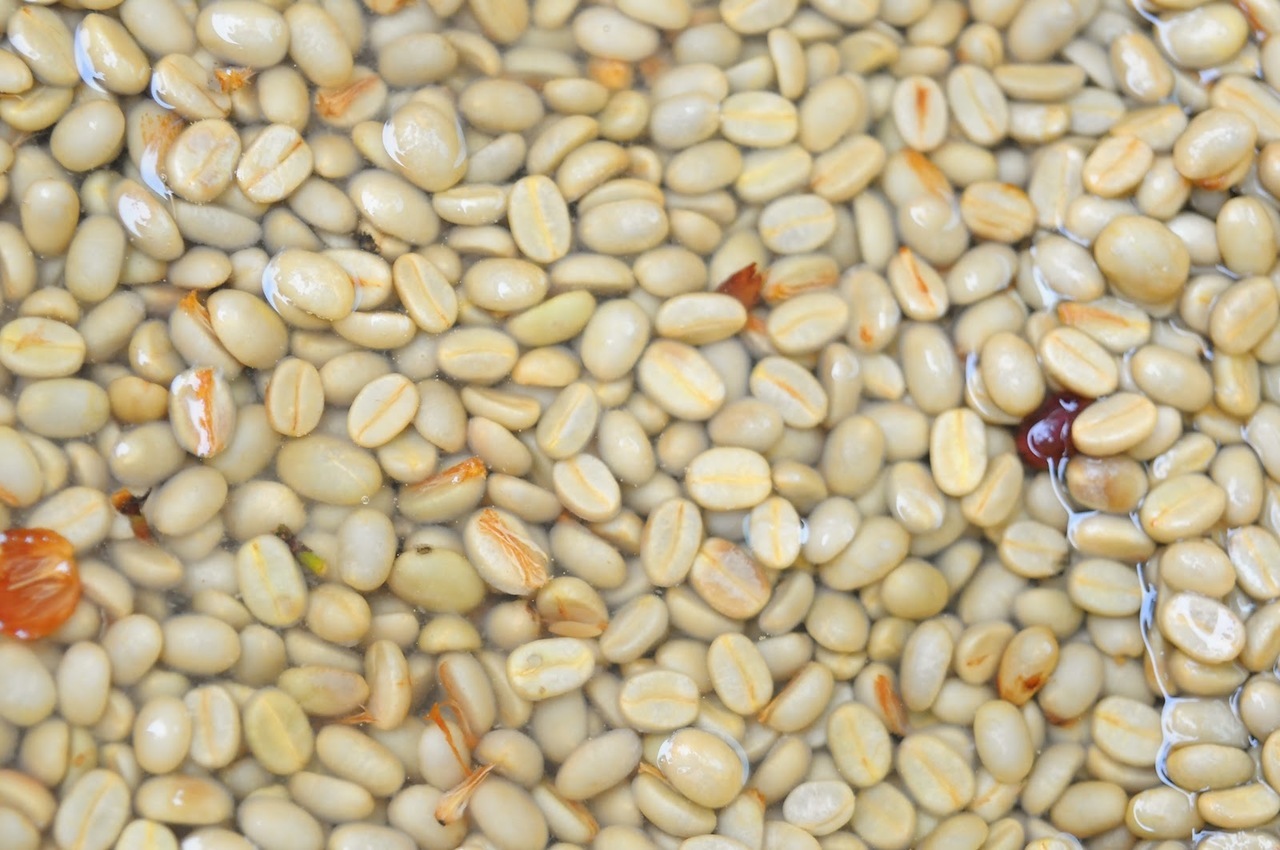
Processing Method Introduction:
Washed Process
The washed method was developed in response to the shortcomings of the traditional natural process. First, harvested fruit goes through a depulper to separate most of the pulp from the beans. Then it is guided into a clean water tank and soaked for fermentation to completely remove the remaining mucilage. After fermentation, it is dried by sun exposure or by machine until the moisture content reaches 12%. Because the washed process has already removed the pulp, there is no need to worry about mold or insect damage during drying, as with the natural process.
(Depulper, removing pulp) (Soaking in water for fermentation) (Spread flat for drying)
Natural-processed beans have a rich, full flavor with very distinct and diverse layers, while washed beans have a very clean, refreshing taste with obvious fruit acidity. Different processing methods give coffee beans unique aromas.
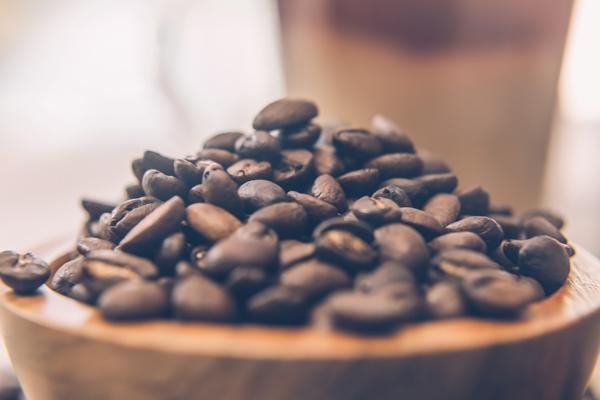
Roasting Suggestions/Analysis:
This variety is the large-bean Pacamara, with relatively large particles and high density. New-season beans themselves have higher moisture content. During roasting they absorb heat relatively quickly and the Maillard reaction also proceeds faster. The yellowing point occurs at about 5 minutes. In the first batch, the drop temperature is relatively high, with an entering bean temperature of 200 degrees and relatively high heat. During roasting, the heat is gradually reduced as needed. When the beans reach the yellowing point, complete dehydration and approach first crack, the heat is adjusted to a finer level to avoid surface scorching.
Under this approach, the coffee's dehydration time is relatively shortened, with a temperature increase of 6-8 degrees every thirty seconds, and it enters first crack earlier, preserving more floral and fruit aromas with clean, bright acidity.
Cupping Flavor Description:
Caramel sweetness, drupe chocolate aftertaste, lime peel acidity, wine tonality, clean and bright texture
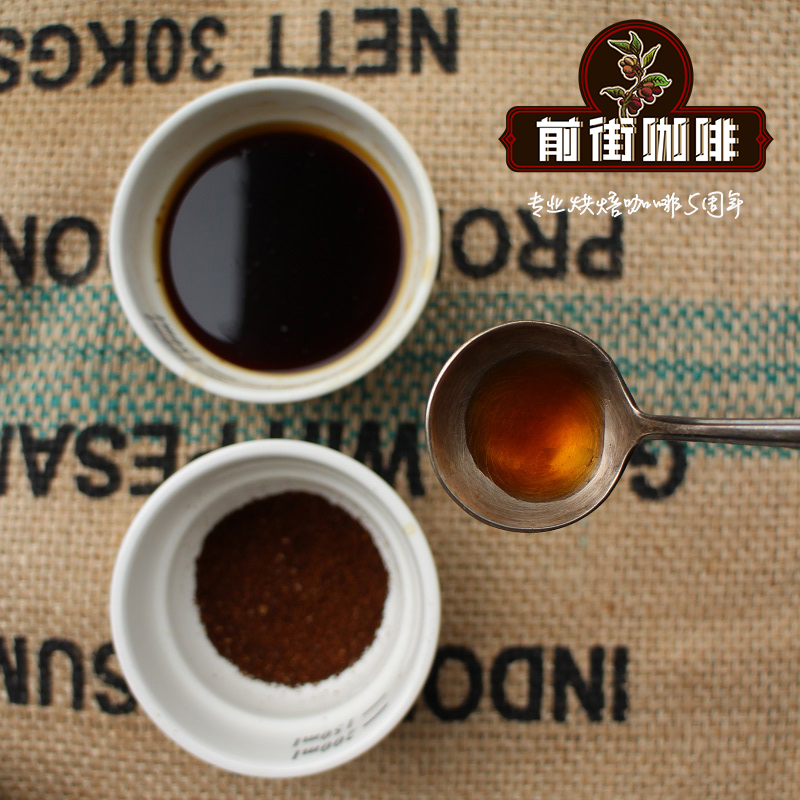
Brewing Analysis:
Today we introduce FrontStreet Coffee's commonly used method for hand-brewing Pacamara coffee: the three-stage method.
Three-Stage Pouring Method
- Segmented extraction, dividing one portion of water into three stages for pouring
- Suitable for light, medium-light and medium roast coffee beans
- Uses a V60 filter cup
- Increase the bloom time or the number of water interruptions to enhance the richness of the coffee's taste
Three-Stage Water Segmented Extraction Method
Advantages: more layered than a single pour, it clearly distinguishes the front, middle and back flavors of the coffee. The method increases the amount of water each time after blooming, usually pouring when the coffee liquid is about to drop to the surface of the coffee bed, using small, medium and large water flows for the three-stage extraction.
Disadvantages: it has relatively high requirements for water flow rate and volume.

FrontStreet Coffee's [Pacamara Coffee Hand-Brew Parameter Suggestions]
V60 filter cup brewing enhances the sense of layers, making the coffee richer and brighter to drink, while fully expressing Pacamara's upward, clear aroma.
15 g powder, water temperature 89-90 degrees, grinding BG 5R (China standard 20-mesh sieve pass rate 64%), water-to-powder ratio close to 1:15-16.
Method: 27 g of water for the bloom, bloom time 30 s. The hot water in the hand-pour kettle is poured clockwise in circles centered on the middle of the filter cup. Start timing when brewing begins, pour to 27 g, then stop and wait 30 seconds for the first pour.
During the first pour, circle as before but at a slightly slower speed; speed up a little on the outer ring. Stop pouring at about 1:15. When the liquid level drops by one-third, pour again. The second pour concentrates on the center, and the water flow should not hit where the coffee powder meets the filter paper, to avoid channeling. End extraction at about 2:05. The tail section can be omitted, since the longer it runs, the more astringency and roughness develop.
Segments: 30-125-230g
FrontStreet Coffee Recommendation
Pacamara's layered acidity and floral lift make it a natural fit for a V60. The Hario V60 - designed by Hario of Tokyo, the glassmaker founded in 1921 and refined into its familiar form in 2004 - uses a 60-degree cone and a single large hole, so water must travel to the center of the bed and the flow rate is entirely in your hands. That fast, controllable extraction is exactly what lets delicate aromatics and lively acidity shine.
For a similar flower-and-fruit style, FrontStreet Coffee suggests FrontStreet Ethiopia Yirgacheffe Gedingding, a washed G1 coffee with white florals, citrus and a green-tea finish, or FrontStreet Ethiopia Huakui, a natural-process coffee bursting with strawberry, passion fruit and other ripe tropical notes. Both reward a careful pour and pair beautifully with the three-stage method above.
Important Notice :
FrontStreet Coffee is a long-established specialty coffee roaster in Guangzhou China, selling freshly roasted beans from its own farm in Yunnan as well as dozens of carefully selected single-origin beans from around the world for both pour-over and espresso. The products deliver consistently excellent quality and great value, with shipping within 24 hours. Guangzhou's FrontStreet Coffee shop is recommended by many coffee lovers, and the beans are now available online at the Tmall 。
FrontStreet Coffee has moved to a new address:
FrontStreet Coffee Address: 315,Donghua East Road,GuangZhou
Tel:020 38364473
 Scan and follow the En Gafei WeChat official account. Please indicate that the reprint comes from "En Gafei".