Panama Dwarf Geisha Pour Over: How Much Coffee and Water for Duncan Estate Dwarf Geisha Brewing Guide
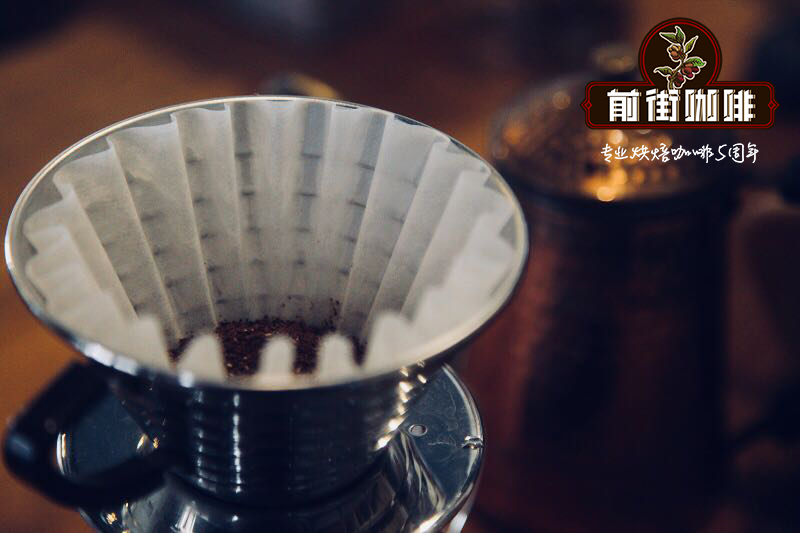
Kotowa Geisha Dwarf Natural
Kotowa Estate Geisha Dwarf Natural Process Coffee
- Origin: Panama
- Estate: Finca Kotowa Duncan
- Variety: Geisha Dwarf S15
- Altitude: 1800m
- Green Bean Processing: Natural
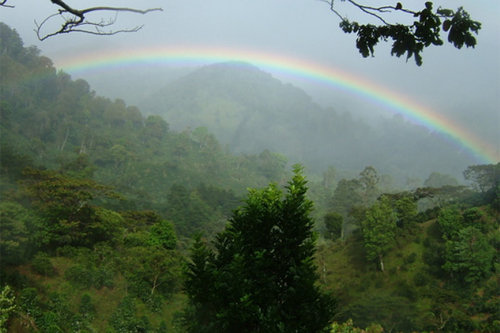
Kotowa Duncan Estate Story Information
Kotowa
Kotowa comes from the local indigenous Ngäbe language and means "mountain." Kotowa Estate's beans are grown in the beautiful mountain area of Boquete, Panama, and produced by local people using traditional methods.
Kotowa Estate lies in Panama's Boquete growing region, at an altitude of 1,700-1,850 meters. The estate has a strong social and environmental conscience. To keep its environment clean, safe and sustainable, it cultivates and processes coffee using traditional concepts alongside the latest technology. It has set aside 500 hectares of primary forest as a wildlife sanctuary. The estate mainly has four growing areas: Finca Kotowa DUNCAN, Finca Kotowa DON K, Finca Kotowa RIO CRISTAL and Finca Kotowa TRADICIONAL. In recent years it has added another, Finca Kotowa LAS BRUJAS, which has performed exceptionally well at the Best of Panama competition. During harvest, Kotowa selects fully ripe cherries and processes them with clear, cool local mountain spring water. Under its environmental principles it uses only half a liter of water per pound of coffee, saving roughly 10 to 20 liters compared with other processing plants. The remaining pulp and wastewater are reused as organic fertilizer. Finally, the coffee is dried slowly and naturally in the cool, dry climate at 1,700 meters.
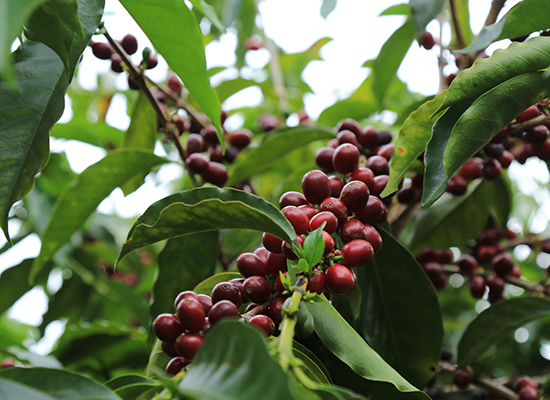
Coffee Bean Variety Introduction
Geisha coffee beans, also called "Guisha" coffee or "geisha beans," are all the same variety. The name comes from Geisha Mountain in Ethiopia, pronounced similarly to the famous Japanese geisha, hence the name.
Geisha beans have an extraordinary legend. The variety originally comes from southwestern Ethiopia. In 1963, Don Pachi Serracin introduced Geisha trees from Costa Rica to Panama. Because yields were low, which directly affected harvest volume, coffee farmers had little interest in planting them. It was not until Daniel Peterson, owner of Panama's La Esmeralda estate, happened to discover that the beans from these Geisha trees, originally used as windbreaks at the highest point of his estate, had the citrus and floral aromas characteristic of African beans. After separating these beans and entering them in the 2004 Panama Cupping Competition, they became an overnight success. Since then Geisha has been unstoppable, winning the Panama Cupping Competition for many consecutive years. In the eyes of specialty coffee lovers worldwide today, Geisha beans are unquestionably supreme treasures.
Processing Method Introduction:
Natural Process
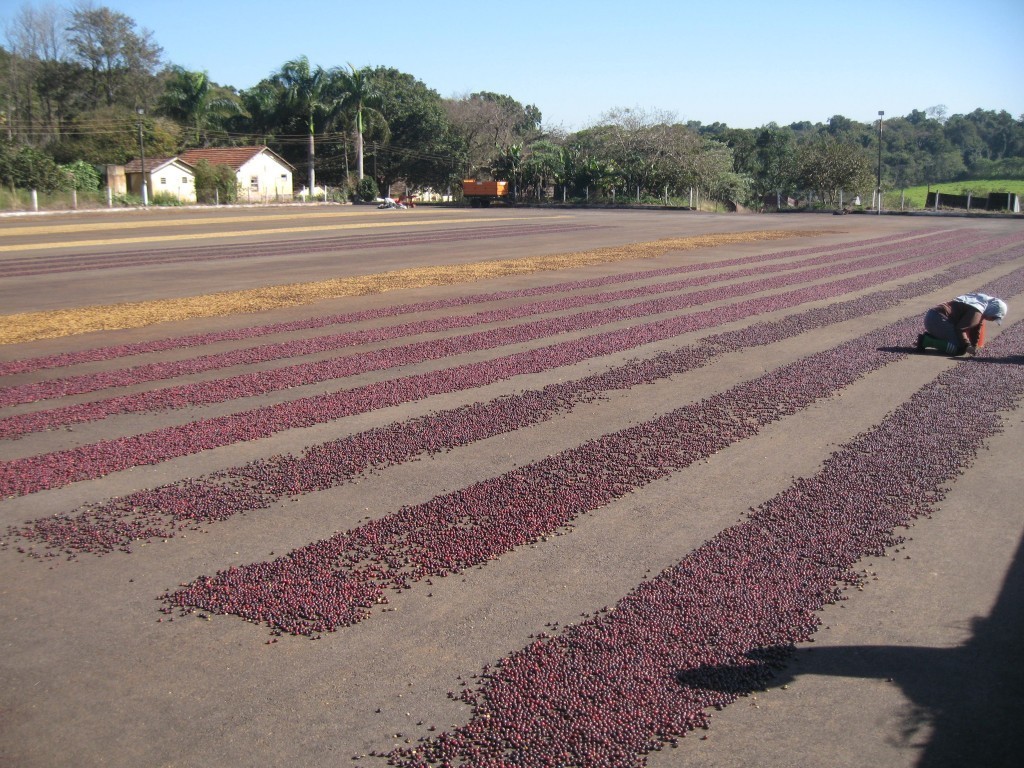
The natural process is the oldest and most original way of processing coffee. The cherries are first poured into large water tanks, where mature, full cherries sink to the bottom while underdeveloped or overripe ones float to the surface. After the floaters are removed, the healthy cherries are laid on patios for direct sun drying, bringing moisture content down from 60% to 12-15%. Finally a hulling machine removes the hard outer skin and pulp, and the green beans complete the process.
(Selecting coffee cherries) (Outdoor sun drying)
The natural process can enhance berry and tropical fruit flavors, with mild fruit acidity. Traditional natural processing, however, sometimes produces negative flavors such as earthy or over-fermented tastes.
Today the natural method is becoming popular again, even becoming one of the important processing methods for competition-grade coffee. That change comes from the use of improved African raised beds. Besides avoiding ground moisture, animal waste and earthy flavors, the raised beds keep the fruit in good air convection so it dries more evenly. Farmers turn the beans regularly, letting them gently absorb the sweetness of the pulp so the flavor grows richer.
FrontStreet Coffee Roasting Suggestions/Analysis
Geisha, the most outstanding variety among many, is very popular with coffee lovers. Washed Geisha best highlights Geisha's own flavor, whose special features are very obvious and clear floral and citrus notes, extremely high clarity, soft and elegant acidity, a persistent cotton-like sweetness, and the mouthfeel of premium black tea.
To fully reveal these characteristics takes real effort in roasting. Geisha is generally grown above 1,500 meters, making it a hard, dense bean. Its form is full and medium-sized, with a thick, long body tapering at both ends.
So how do you express Geisha's unique flavor through roasting?
The approach is this: because the bean is hard and dense, use high heat early to dehydrate it, quickly building a temperature difference between the surface and the core. For more floral aroma, the Maillard reaction time needs to be relatively short, so after yellowing the heat is adjusted to medium-high, letting the beans reach first crack more quickly. Shortening the time from yellowing to the start of first crack also increases clarity. After first crack, too rapid a temperature rise intensifies caramelization and masks the floral and fruit aromas. So near first crack the heat is reduced significantly to lower the rate of rise, and the airflow is fully opened at the start of first crack. The beans are dropped when first crack becomes dense, letting the core develop while retaining maximum aroma and sugar content.
Cupping Flavor Description:
Flavor:
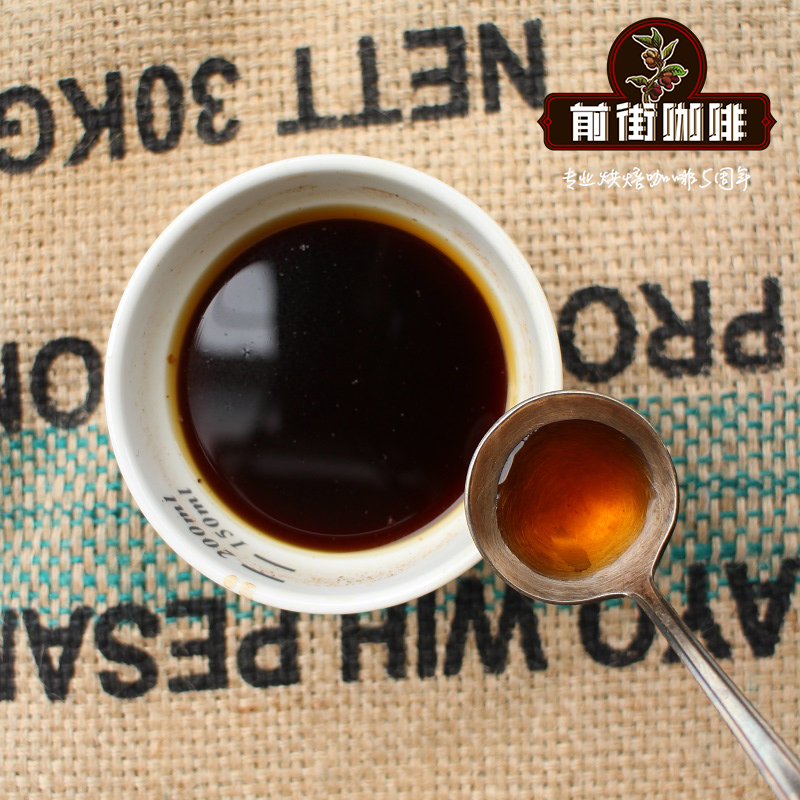
Floral notes, pineapple, oranges and other tropical fruits, sweet peach, nutty cocoa sweetness, honey and lychee sweetness, a rich sweet taste and a full aroma. When the temperature drops to 60 degrees Celsius, the aroma of magnolia and bitter almonds gradually becomes prominent, with noticeable improvement in sweetness and viscosity. The overall aftertaste is very pleasant.
Brewing Analysis
Today FrontStreet Coffee introduces the commonly used method for pour-over Geisha: the three-stage method.
Three-Stage Pouring Method
- Segmented extraction, dividing one portion of water into three stages
- Suitable for light roast, medium-light roast and medium roast coffee beans
- Uses a Kalita wave filter
- Increase bloom time or the number of pour interruptions to enhance coffee richness
Three-Stage Pouring Segmented Extraction Method
Advantages: More layered than a single pour, it can clearly distinguish the front, middle and back-end flavors. The method increases the amount of water poured each time after the bloom, usually pouring when the coffee liquid is about to drop to the surface of the bed, using small, medium and large flows for three-stage extraction.
Disadvantages: Has relatively high requirements for water flow rate and volume.
FrontStreet Coffee's [Geisha Coffee Pour-over Parameter Suggestions]
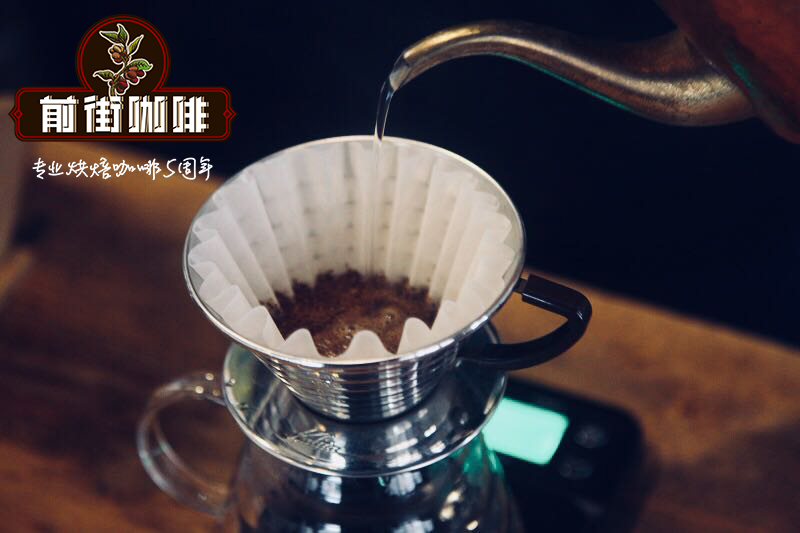
The wave filter uses immersion extraction, increasing the contact surface area between the grounds and the water. Compared with V60 brewing, it can enhance texture and make the cup more viscous.
- 15 g of coffee, water temperature 91-92C, grind BG 5R (Chinese standard 20 mesh sieve pass rate 64%), water-to-coffee ratio close to 1:15-16
Technique: 27 g of water for the bloom, bloom time 30 s. Pour the hot water from the kettle in circles clockwise around the middle of the filter. Start timing when brewing begins, pour water to 27 g, then stop and wait 30 seconds for the first pour.
For the first pour, circle as before but slightly slower. When you reach the outer circle, speed up a little. Stop pouring at around 1:15. When the liquid level drops by one-third, pour again. For the second pour, concentrate on the center, avoiding the area where the grounds meet the filter paper to prevent channeling. End extraction at around 2:05. The tail end can be discarded, since the longer the time, the more astringency and rough texture increase.
Segments:
30-125-230g
FrontStreet Coffee Recommendation
Dwarf Geisha from Duncan is a rare, high-grown lot, and if you are curious about the wider Geisha family, FrontStreet Coffee's Esmeralda Green Label Geisha is an accessible way in. Its original name is "Private Collection," and rather than stressing detailed plot information like the Red Label, it blends lots from several plots to express the estate's signature high-altitude Geisha flavor.
For an Ethiopian take on the variety, FrontStreet Coffee's Grana Geisha comes from a single-variety estate near the well-known Yirgacheffe area, from the Grana processing station founded in 2014 and run by Israel Degefa. Fully ripe cherries are hand-picked and dried on raised beds for 14 to 20 days depending on the weather, giving bright citrus acidity, elegant ginger flower aroma and the refined finish that marks the variety.
Roast Geisha medium-light and brew it gently. FrontStreet Coffee suggests a 15 g dose, water at 91-92C and a ratio near 1:15, with a pour sequence around 30-125-230 g to keep the delicate floral and citrus notes intact.
Important Notice :
FrontStreet Coffee is a long-established specialty coffee roaster in Guangzhou China, selling freshly roasted beans from its own farm in Yunnan as well as dozens of carefully selected single-origin beans from around the world for both pour-over and espresso. The products deliver consistently excellent quality and great value, with shipping within 24 hours. Guangzhou's FrontStreet Coffee shop is recommended by many coffee lovers, and the beans are now available online at the Tmall 。
FrontStreet Coffee has moved to a new address:
FrontStreet Coffee Address: 315,Donghua East Road,GuangZhou
Tel:020 38364473
 Scan and follow the En Gafei WeChat official account. Please indicate that the reprint comes from "En Gafei".