How Many Pour-Over Methods Are There for Colombia La Esperanza Blue Mountain Washed Geisha Coffee?
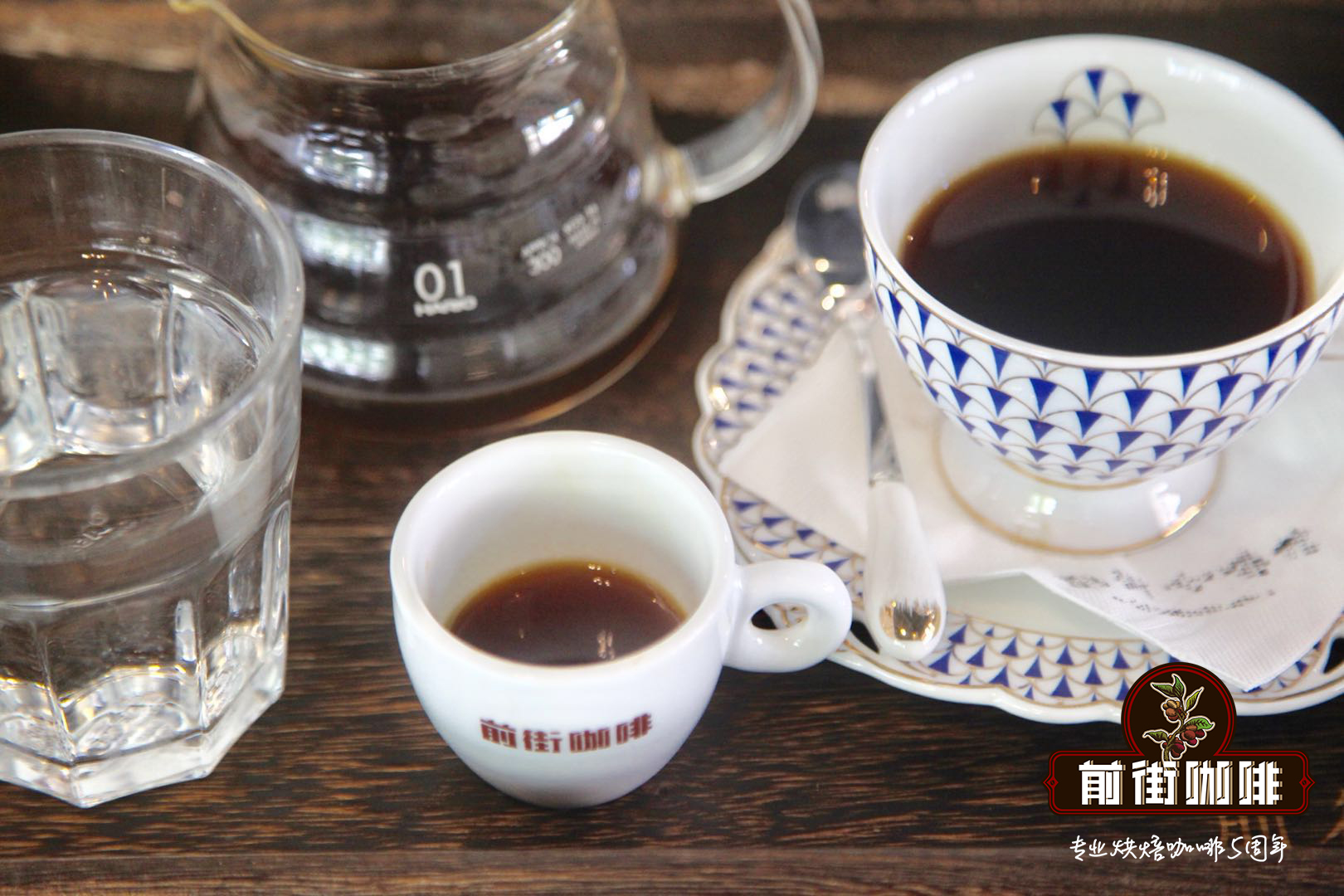
This is a veteran specialty coffee estate in Colombia, one that has kept its focus on specialty coffee even as the country rapidly expanded its coffee industry and significantly improved the quality of its commercial production. After Geisha rose to fame, the estate introduced the variety from Panama's La Esmeralda, earning recognition from many coffee experts.
The Blue Mountains Estate Story
Among the countless Geishas in the world, the Cerro Azul from La Esperanza estate stands as the uncrowned king.
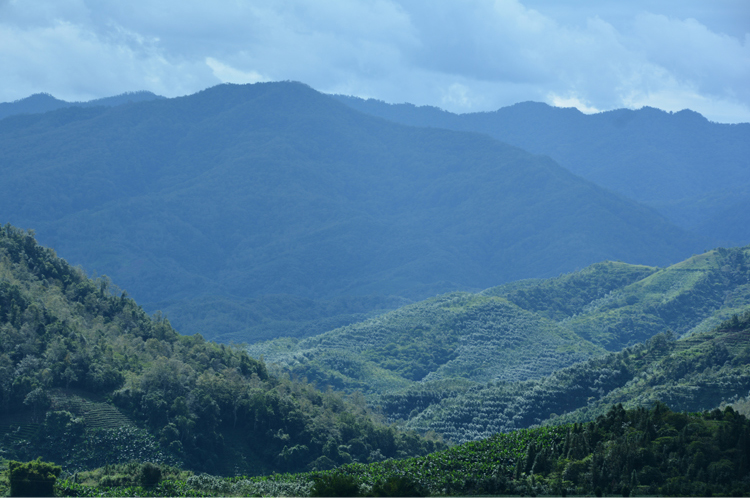
In Spanish, "Cerro" means mountain and "Azul" means blue, which is why this bean is also known as Blue Mountain. Like its namesake, Cerro Azul's intense yet gentle floral and fruit aromas are beyond anything a traditional Blue Mountain can offer. Its flavour combines the refreshing aroma of washed processing with the sweet richness of natural processing. Perhaps for that reason, Hong Kong's Cupping Room has consistently chosen this bean for its world competition entries in recent years.
The producing estate, La Esperanza, is acclaimed in the industry as a model coffee region. Beyond continually refining and innovating their processing methods, the Herrera brothers have achieved a seamless integration of science and technology with estate management and field cultivation. The estate not only operates its own weather station and other infrastructure but also employs hundreds of agricultural specialists, resulting in extremely high-quality green beans with a dazzling range of varieties and processing methods.
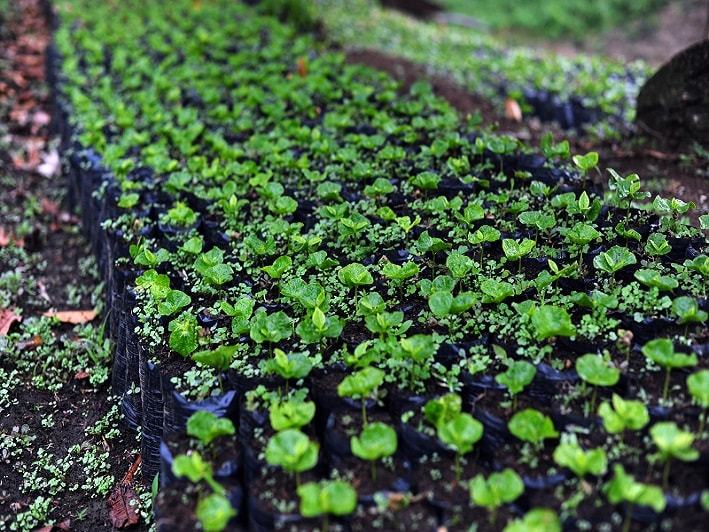
This Geisha comes from the Cerro Azul estate in Trujillo, Valle del Cauca, Colombia, a sub-estate belonging to La Esperanza. Interestingly, Colombia's Geisha cultivation has a connection to Panama's La Esmeralda estate. As early as 2007, La Esperanza first purchased the Cañada estate near La Esmeralda in order to learn how to cultivate Geisha, and once they had mastered the techniques they transplanted Geisha plants back to Cerro Azul, which sits at elevations of 1,700-1,950 meters with large day-night temperature swings and rich microclimates. That means today's Geisha from Cerro Azul are all descendants transplanted from the Cañada estate near La Esmeralda.
Introduction to the Coffee Variety
Geisha coffee beans, also called Geisha coffee or simply Geisha, all refer to the same variety. The name comes from Geisha Mountain in Ethiopia and is pronounced like the famous Japanese geisha, hence the name.
Geisha has an extraordinary legend behind it. The variety actually originates in southwestern Ethiopia. In 1963, Don Pachi Serracin introduced Geisha trees from Costa Rica to Panama. Because low yields directly reduce harvest quantities, coffee farmers had little interest in growing it. It was not until Daniel Peterson, owner of Panama's La Esmeralda, accidentally discovered that the beans from these Geisha trees, originally planted as windbreaks at the highest point of his estate, carried the distinctive citrus and floral aromas of African coffee. After he separated the beans and entered them in the 2004 Panama cupping competition, where they became famous overnight, Geisha was unstoppable, going on to win the championship for many consecutive years. In the eyes of specialty coffee lovers worldwide today, Geisha is undoubtedly the supreme treasure.
Introduction to the Processing Method
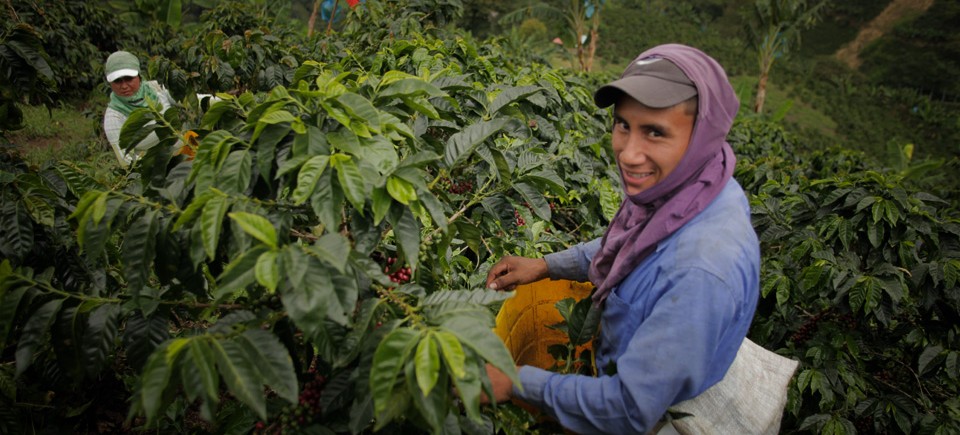
Compared with Panamanian washed Geisha, this batch from the Cerro Azul processing plant first undergoes waterless pulp removal, followed by 19-24 hours of water fermentation, then thorough washing, and finally a controlled drying process using desiccants to remove moisture.
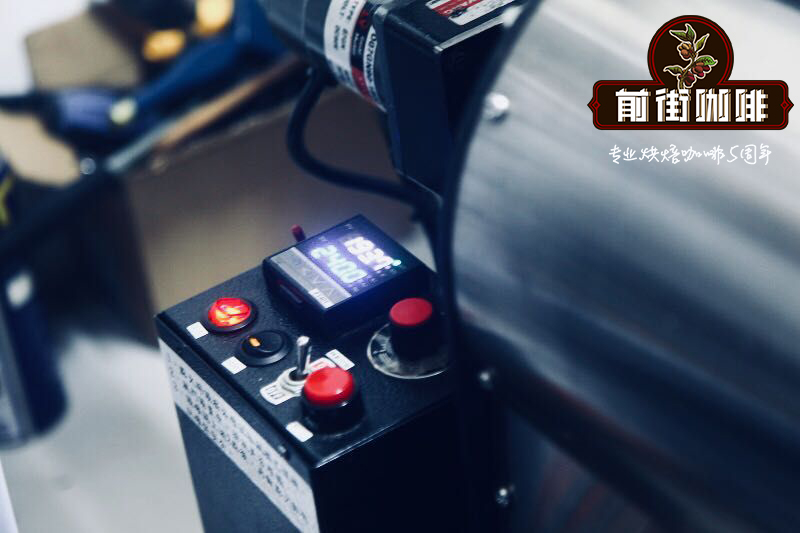
FrontStreet Coffee Roasting Suggestions and Analysis
Geisha is the most outstanding variety among the many coffee cultivars and is deeply loved by enthusiasts. Of all its forms, washed Geisha best highlights the variety's inherent flavour characteristics: very distinct and clear floral and citrus notes, extremely high clarity, soft and elegant acidity, a lingering cotton-like sweetness, and a premium black-tea mouthfeel.
To reveal these characteristics fully, roasting demands careful attention. Geisha is typically grown at high altitudes above 1,500 meters, which gives the beans high hardness and density. Its form is plump, medium-sized, with a thick, elongated body that tapers at both ends.
So how do we express Geisha's unique flavours through roasting?
The approach takes the bean's high hardness and density into account, so high heat is applied early for dehydration, quickly establishing a temperature difference between the bean surface and the core. To enhance floral aromas, the Maillard reaction time needs to be relatively short, so after yellowing the heat is adjusted to medium-high to bring the beans quickly into first crack; shortening the time from yellowing to first crack also increases clarity. If the temperature rises too quickly after first crack, caramelisation intensifies and the floral and fruit aromas fade, so a significant heat reduction is applied just before first crack to slow the rise, with the air valve fully opened at the start of first crack. The beans are dropped when first crack becomes dense, allowing the core to develop while preserving maximum aroma and sugars.
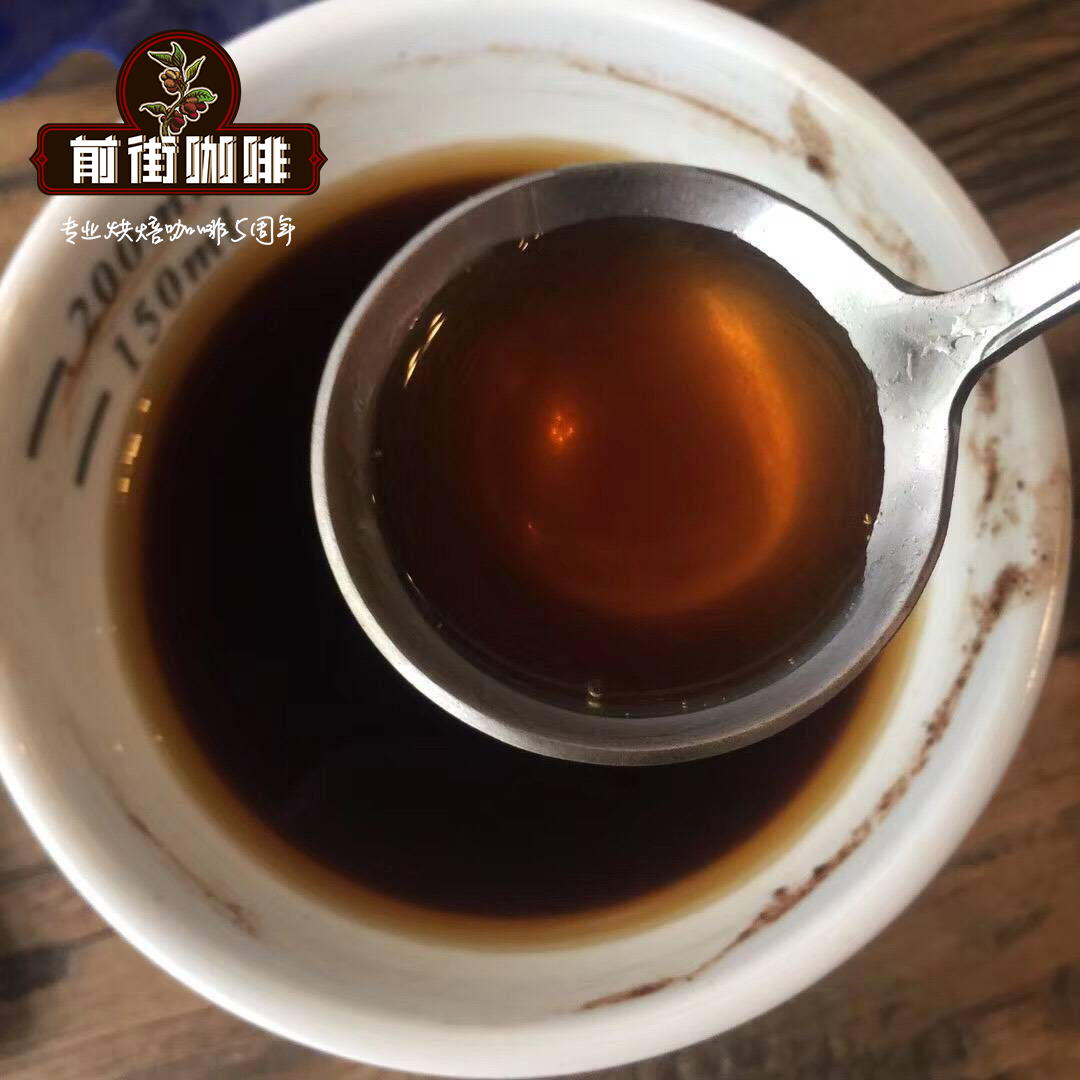
Cupping Flavour Description
Flavour description: perhaps because of its short cultivation time and insufficient tree age, this Geisha's personality is not yet strong enough, and its flavour still carries the distinct character of other common Colombian varieties. The aroma holds plum and sweet cream, and careful attention reveals orchid and toffee. On the palate, the layered experience is completely different from what the nose suggests: behind the astringency of small green plums come flavours of star anise, malt, and brown sugar. When the cup cools to 60 degrees C, magnolia fragrance and bitter almond notes gradually emerge, with a noticeable improvement in sweetness and viscosity. The overall aftertaste is very pleasant.
Brewing Analysis
Today FrontStreet Coffee introduces a commonly used pour-over method for Geisha: the three-stage method.
Three-Stage Pour-Over Method
- Segmented extraction, dividing one portion of water into three pours
- Suitable for light roast, medium-light roast, and medium roast beans
- Uses a Kalita wave filter (cake cup)
- Increasing bloom time or the number of water breaks enhances coffee richness
Three-Stage Segmented Extraction
Advantages: more layered than a single pour, clearly distinguishing the front, middle, and back-end flavours. The method increases water volume after each bloom, typically pouring when the coffee liquid drops to the surface of the grounds, using small, medium, and large flows across three stages.
Disadvantages: it demands more control over water flow rate and volume.
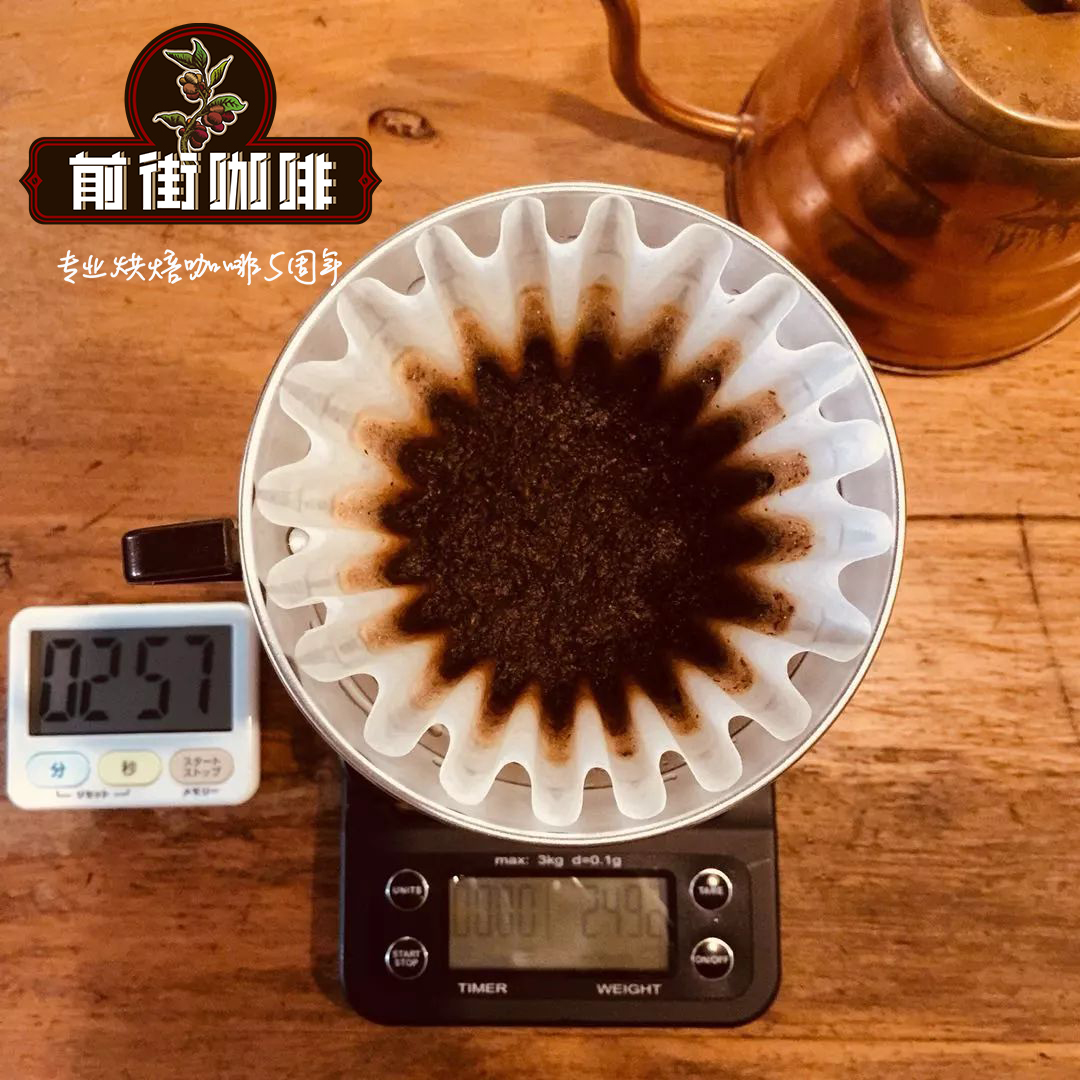
FrontStreet Coffee's Geisha Pour-Over Parameter Recommendations
The wave filter (cake cup) uses immersion extraction, increasing the contact area between grounds and water, which improves texture compared with V60 brewing and gives a more viscous mouthfeel.
15g of beans, water temperature 91-92 degrees C, grind BG 5R (64% pass-through on a Chinese-standard 20-mesh sieve), water-to-coffee ratio close to 1:15-16.
Method: bloom with 27g of water for 30s. Pour hot water from a gooseneck kettle in clockwise circles centred on the filter basket, starting the timer when brewing begins. Pour to 27g, then stop and wait 30 seconds before the first pour.
For the first pour, keep circling at a slightly slower speed and increase pace as you reach the outer ring. Stop pouring at around 1:15. When the liquid level drops by one-third, pour again. The second pour concentrates on the centre, avoiding the area where the grounds meet the filter paper to prevent channelling. End extraction at around 2:05. The tail section can be omitted, since the longer it runs, the more astringency and rough texture appear.
Segments: 30-125-230g
FrontStreet Coffee Recommendation
This Colombian bean borrows the "Blue Mountain" name for the colour of its peaks, not for the taste. If you want the genuine article, FrontStreet Coffee's Jamaica Blue Mountain No.1 is one of the highest grades of true Jamaican Blue Mountain, grown in the Clifton Mount estate in the Blue Mountains, where coffee has been cultivated since around 1750. Medium-dark roasted, it unfolds the classic balance of nut, dark chocolate, and creamy caramel with a soft sweetness, so acidity, sweetness, bitterness, and aroma all sit in harmony.
For readers who prize a bright, perfumed Geisha above all else, FrontStreet Coffee's Panama Esmeralda Red Label Geisha remains the reference point, with jasmine florals, citrus, bergamot, and a fine oolong-tea sweetness, while FrontStreet Coffee's Gesha Village Gold Label and Red Label lots offer Ethiopian expressions of the variety that are just as compelling.
Important Notice :
FrontStreet Coffee is a long-established specialty coffee roaster in Guangzhou China, selling freshly roasted beans from its own farm in Yunnan as well as dozens of carefully selected single-origin beans from around the world for both pour-over and espresso. The products deliver consistently excellent quality and great value, with shipping within 24 hours. Guangzhou's FrontStreet Coffee shop is recommended by many coffee lovers, and the beans are now available online at the Tmall 。
FrontStreet Coffee has moved to a new address:
FrontStreet Coffee Address: 315,Donghua East Road,GuangZhou
Tel:020 38364473
 Scan and follow the En Gafei WeChat official account. Please indicate that the reprint comes from "En Gafei".