How Much Water to Pour for Panama Benjamin Estate No.2 Geisha Pour-Over Coffee_How to Drink Benjamin Geisha
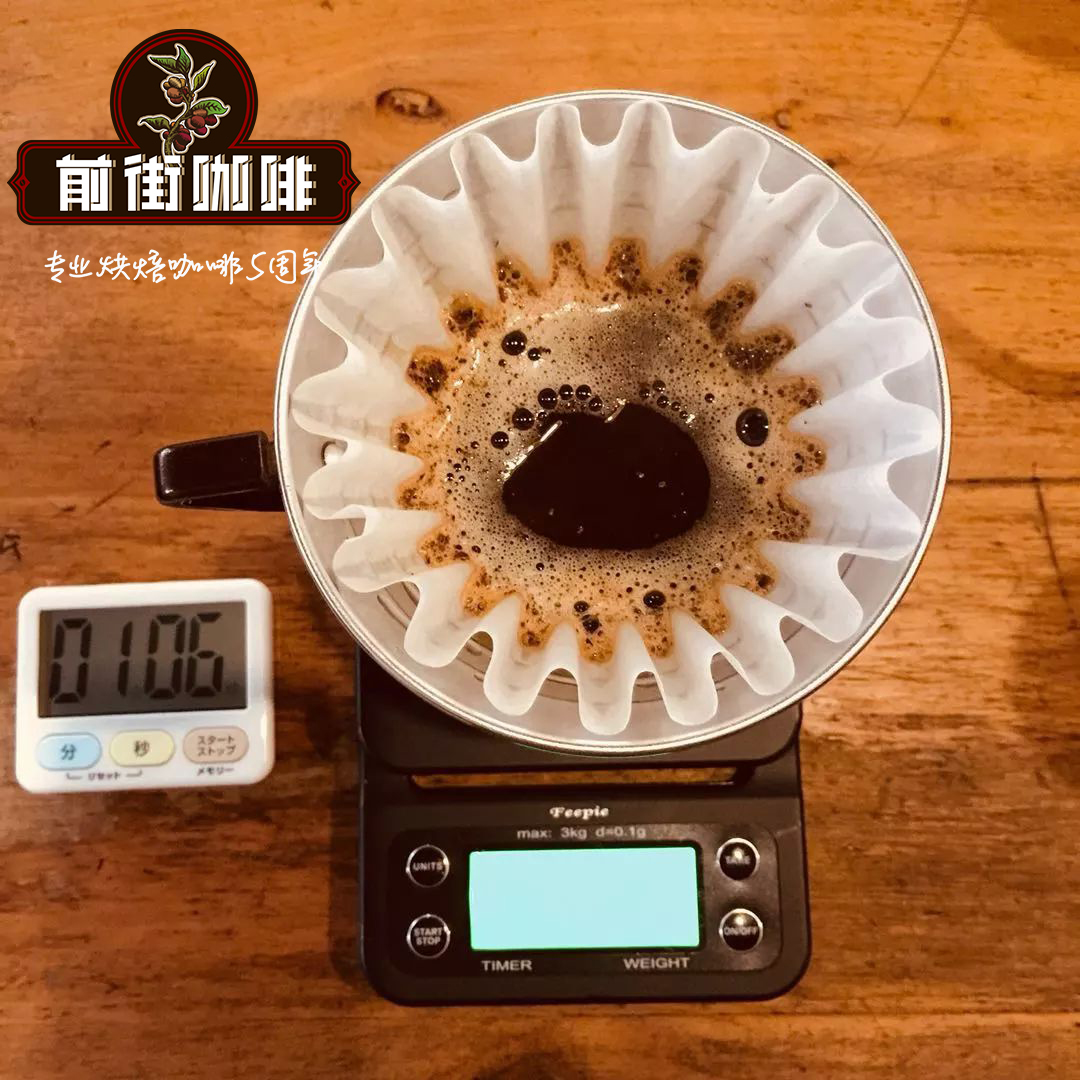
Introduction to Don Benjie Estate Geisha Coffee
Don Benjie Estate No. 2 Geisha comes from the Bajo Mono plantation in Panama. Bajo Mono is renowned as one of the finest special microclimate regions anywhere — high-quality coffee trees grow in premium volcanic soil fed by clear springs, making it a world-famous source of premium coffee beans.
Don Benjie Estate Background
Panama's Don Benjie Estate lies in the northern part of Boquete, Panama's most famous coffee-growing region, on the slopes of the Barú volcano — one of the tallest volcanoes in Central America — at the beautiful Hacienda Bajo Mono plantation. The variety here is Typica, planted at an altitude of 1500 meters.
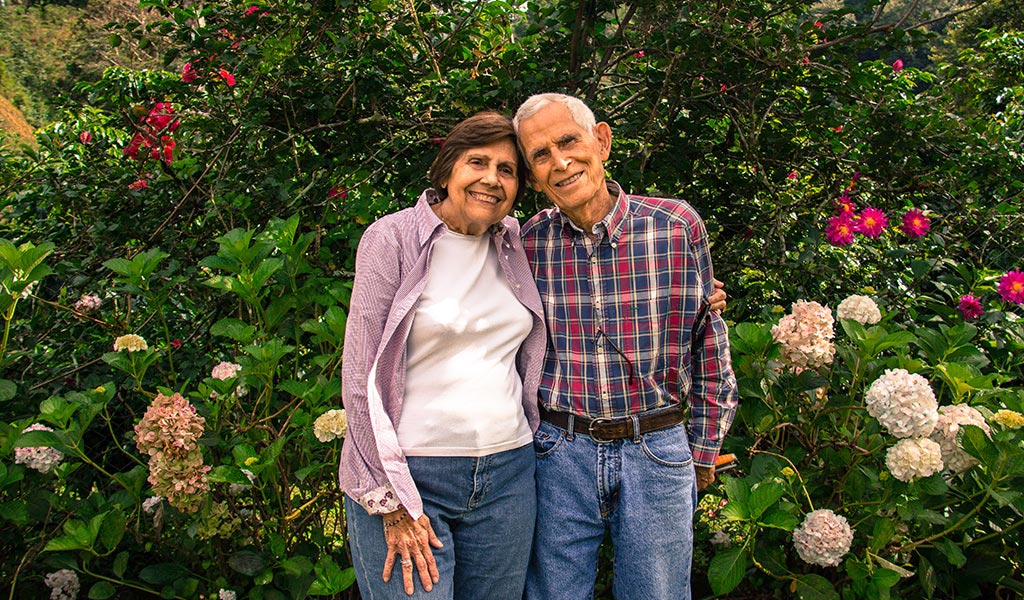
About the Geisha Variety
Geisha, also spelled Gesha — they are the same variety. The name comes from Geisha (Gesha) Mountain in Ethiopia, whose local pronunciation sounded similar to the famous Japanese geisha, hence the spelling.
Geisha coffee beans have an extraordinary legend. The variety actually originates from southwestern Ethiopia. In 1963, Don Pachi Serracin brought Geisha coffee trees from Costa Rica into Panama. Because of their low yields, farmers had little interest in planting them. It wasn't until Daniel Peterson, of Panama's La Esmeralda, noticed that trees originally used as windbreaks at the highest point of his estate were producing beans with the citrus and floral aromas characteristic of African coffees. After he separated out those beans and entered them in the 2004 Panama cupping competition — where they shot to fame — Geisha has been unstoppable, winning Panama competition championships year after year. In the eyes of specialty coffee lovers worldwide, Geisha is unquestionably the supreme treasure.
The Hacienda plantation sits beside the source of the Caldera River in the Bajo Mono canyon, at altitudes of 1400 to 1550 meters. Bajo Mono ranks among the best regions for premium coffee thanks to its volcanic soil, clear springs, and a famous local weather phenomenon called "Bajareque" — when moisture from the Pacific and Atlantic meets, the wind raises a thin mist between the mountains, and rainbows often appear. Together these elements form a unique microclimate that lets the coffee trees grow in superb conditions and reach higher quality.
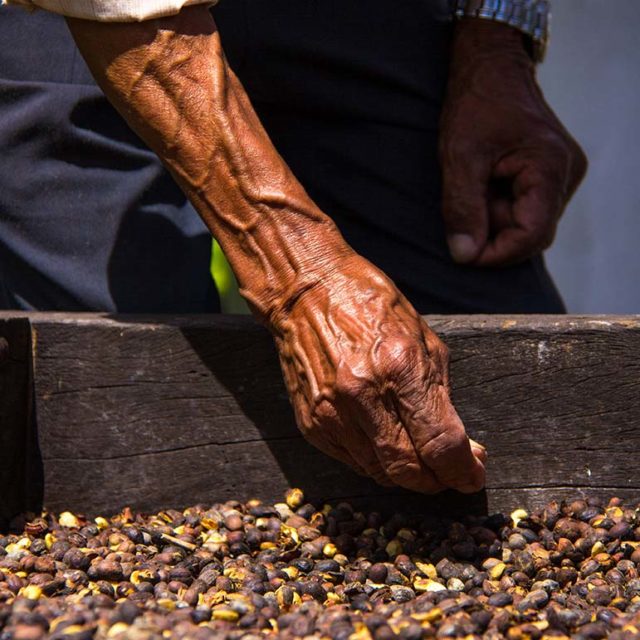
Hacienda Plantation History
Looking back at the plantation's history, one theme runs through it: environmental protection and ecology. It was first owned by Ms. Archer, an American and one of Boquete's pioneers. In the 1980s, Dr. Renan Esquivel went to considerable effort to acquire the plantation. He was a famous Panamanian pediatrician and a passionate naturalist who planted many exotic trees, plants, and coffee varieties. The current owner, Stefan Arwed Müller, has run the Hacienda since 2011, dedicated to further improving bean quality while protecting the plantation's ecosystem. The coffee it produces is named Café Don Benjie.
Processing Methods
Washed Process
The washed method was developed to address the shortcomings of traditional natural processing. Harvested cherries first pass through a depulping machine to strip away most of the pulp, then go into a clean water tank to soak and ferment, thoroughly removing the remaining mucilage layer. Once fermentation is complete, they are dried in the sun or mechanically until moisture drops to 12%. Because the pulp is removed first, there is no need to worry about the mold or insect damage that can plague natural processing during drying.
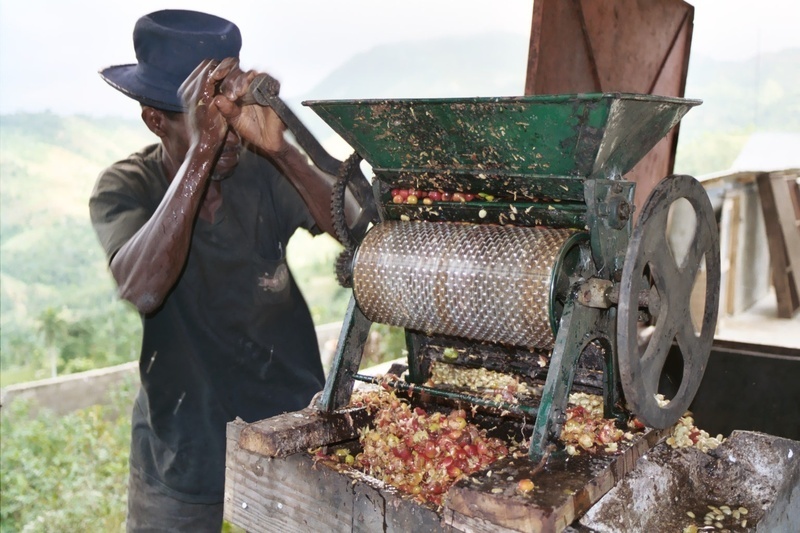
(↑ Depulping machine removing pulp) (↑ Soaking in water for fermentation) (↑ Spread flat for drying)
Natural processed beans have rich, full flavors with very distinct and diverse layers, while washed beans taste remarkably clean and refreshing with clear fruit acidity. Different processing methods give coffee its own aromatic signature.
FrontStreet Coffee Roasting Analysis
Geisha is the most celebrated of all coffee varieties and dearly loved by enthusiasts. Washed Geisha in particular best expresses the variety's intrinsic character: distinctly clear floral and citrus flavors, extremely high cleanliness, soft elegant acidity, a lasting cotton-candy sweetness, and a premium black-tea mouthfeel.
Revealing these qualities takes real effort at the roaster. Geisha is generally grown at high altitudes above 1500 meters, making it a hard, dense, high-grown bean — full in form, medium-sized, with thick, elongated beans tapering at both ends.
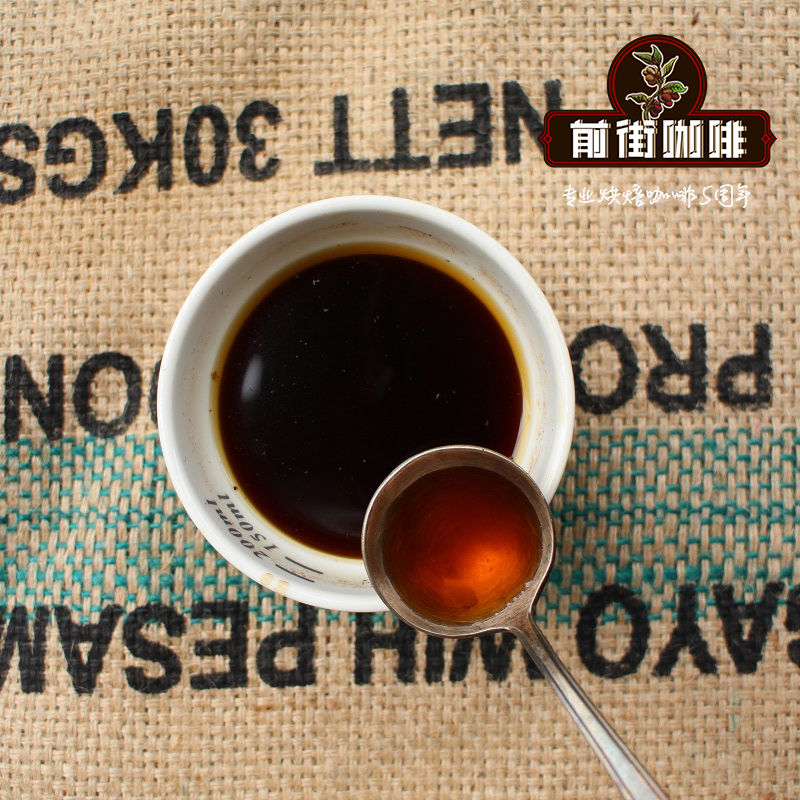
Roasting to Express Geisha's Unique Flavors
The roasting approach accounts for the bean's hardness and density: apply high heat early for dehydration, quickly establishing a temperature difference between the bean surface and core. To emphasize florals, the Maillard reaction should run relatively short — after yellowing, raise the heat to medium-high so the beans reach first crack quickly; shortening the yellowing-to-first-crack window also increases cleanliness. If the temperature climbs too fast after first crack, caramelization intensifies and masks the floral and fruit aromas, so as first crack approaches, reduce the heat significantly to slow the rise, with the air valve fully open at first crack. Drop the beans as first crack becomes dense, letting the core develop maturity while retaining maximum aroma and sugar.
Cupping Flavor Description
Flavor notes: jasmine, gardenia, sweet orange, lemon, clean.
Brewing Analysis
Here FrontStreet Coffee introduces the method we most often use for pour-over Geisha: the three-stage method.
Three-Stage Pouring Method
Segmented extraction — dividing one dose of water into three pours.
Suitable for light, medium-light, and medium roast coffee beans.
Uses a Kalita cake-style dripper.
Extending the bloom or adding pour pauses boosts the coffee's richness and intensity.
Three-Stage Segmented Extraction
Advantages: more layered than a single pour — you can clearly distinguish the front, middle, and back-end flavors of the coffee. The approach increases the water volume with each stage after the bloom, typically pouring just as the coffee liquid is about to drop to the surface of the bed, using small, medium, and large flows across the three stages.
Disadvantages: it demands more from your flow control — both rate and volume.
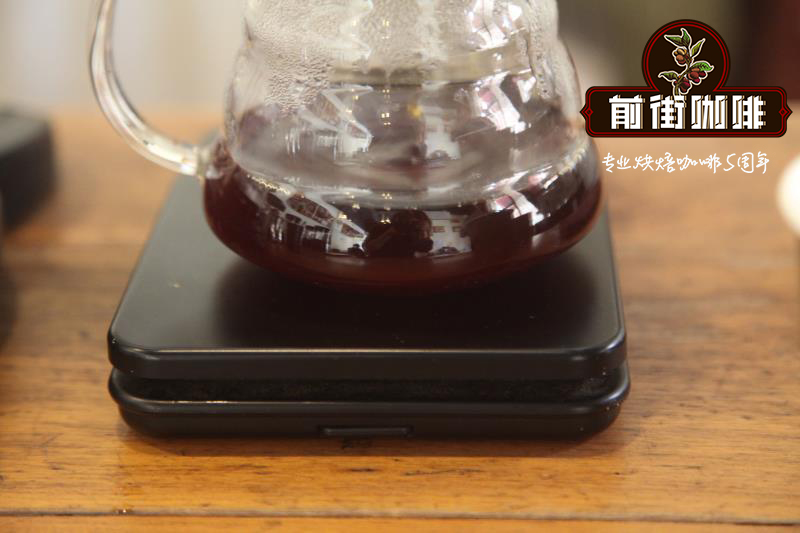
FrontStreet Coffee's Geisha Pour-Over Parameters
The cake dripper works by immersion, increasing the contact area between grounds and water. Compared with a V60, it builds more texture, making the cup taste fuller and more viscous.
15g coffee, water temperature 91-92°C, grind BG 5R (64% pass rate on the Chinese standard 20-mesh sieve), water-to-coffee ratio close to 1:15-16.
Method: bloom with 27g of water for 30 seconds. Pour hot water from the kettle in clockwise circles centered on the middle of the dripper. Start timing when the brew begins: pour to 27g, stop, and wait out the 30-second bloom.
For the first pour, circle as before, slightly slower in speed, picking up the pace a little at the outer edge, and stop the water at around 1:15. When the liquid level has dropped by 1/3, pour again. The second pour targets the center, avoiding water that hits the seam between grounds and filter paper to prevent channeling. End extraction around 2:05. You can cut the tail end short (the longer the drawdown, the more astringency and roughness creep in).
Segments: 30-125-230g
FrontStreet Coffee Recommendation
Alongside Don Benjie, FrontStreet Coffee carries a full range of Panama Geisha for every budget. The Esmeralda Red Label Geisha — grown at 1600-1800 meters, every batch cupping above 90 points from a single named plot — is the connoisseur's choice, while the Green Label Private Collection delivers the estate's signature style at a friendlier price. For a first taste of Geisha without the splurge, the entry-level Panama Boquete Geisha offers the classic orange blossom, honeyed sweetness, oolong-tea body, and delicate fruit acidity.
Whichever you choose, treat it gently: a medium-light roast, a coarse grind (about 78% pass on a #20 sieve, like fine granulated sugar), water at 91°C, and 15g of coffee at 1:16 in a V60 with the three-stage pour — 30g bloom for 30 seconds, then 125g, then up to 225g, finishing around 2 minutes 10 seconds to 2 minutes 20 seconds. Sip it as it cools and let the florals, citrus, and tea-like sweetness tell you why Geisha conquered the world.
Important Notice :
FrontStreet Coffee is a long-established specialty coffee roaster in Guangzhou China, selling freshly roasted beans from its own farm in Yunnan as well as dozens of carefully selected single-origin beans from around the world for both pour-over and espresso. The products deliver consistently excellent quality and great value, with shipping within 24 hours. Guangzhou's FrontStreet Coffee shop is recommended by many coffee lovers, and the beans are now available online at the Tmall 。
FrontStreet Coffee has moved to a new address:
FrontStreet Coffee Address: 315,Donghua East Road,GuangZhou
Tel:020 38364473
 Scan and follow the En Gafei WeChat official account. Please indicate that the reprint comes from "En Gafei".