Pour-over Honduras COE Winner Estate Geisha Brewing Parameters Sharing_ What is the Ideal Water Temperature for Geisha Pour-over
Honduras Champion Estate Los Pinos Geisha
Honduras Marysabel Geisha
Los Pinos 2017 ACE winner lot
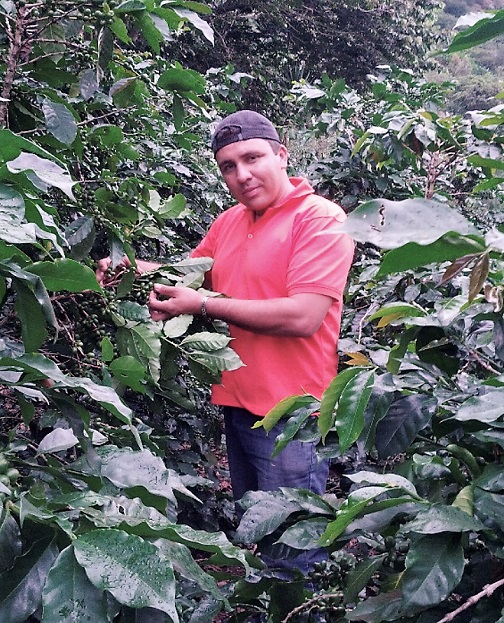
Farmer / representative: German Avel Mejia Pacheco
City: La Paz
Region: La Paz
Country: Honduras
Altitude: 1,650 M
Variety: Geisha
Process: Washed
The Los Pinos Estate Story
Abel Mejia began working on coffee farms in the La Paz region alongside his father during childhood. After he married, his father gave him a small farm to support his family. Though Abel Mejia was not yet 30 years old, he realised that the best way to increase his income and provide for his young family was to improve coffee quality and sell at better prices. He did everything he could to raise quality: learning to tend the fruit trees more meticulously, patrolling and managing the estate diligently, and building solar drying houses. He knew that only outstanding coffee could attract long-term buyers. He absorbed new knowledge eagerly and set out to make his coffee stand out in highly competitive competitions. In 2017 he entered for the first time and succeeded, winning the national competition.
Abel Mejia's story is moving in its own right, but more importantly we can taste it in the cup: delicate fruit juice notes, rich and full white chocolate, refreshing mint, and an elegant, refined vanilla sweetness.
Introduction to the Geisha Variety
Some call them Geisha coffee or Geisha beans, but they are all the same coffee variety. The name comes from Geisha Mountain in Ethiopia and is pronounced the same as the famous Japanese geisha, hence the name.
Geisha has an extraordinary legend behind it. The variety actually originates in southwestern Ethiopia. In 1963, Don Pachi Serracin introduced Geisha trees from Costa Rica to Panama. Because low yields directly reduced harvest volumes, farmers had little willingness to plant them. It was not until Daniel Peterson, owner of Panama's La Esmeralda estate, accidentally discovered that the beans from these Geisha trees, originally used as windbreaks at the highest point of his estate, actually carried the characteristic citrus and floral aromas of African coffee. After he separated the beans and entered them in the 2004 Panama cupping competition, they became an overnight success. From then on Geisha was unstoppable, winning the Panama competition for many consecutive years. In the eyes of specialty coffee lovers worldwide today, Geisha is undoubtedly the supreme treasure.
Introduction to the Processing Method
Washed Process
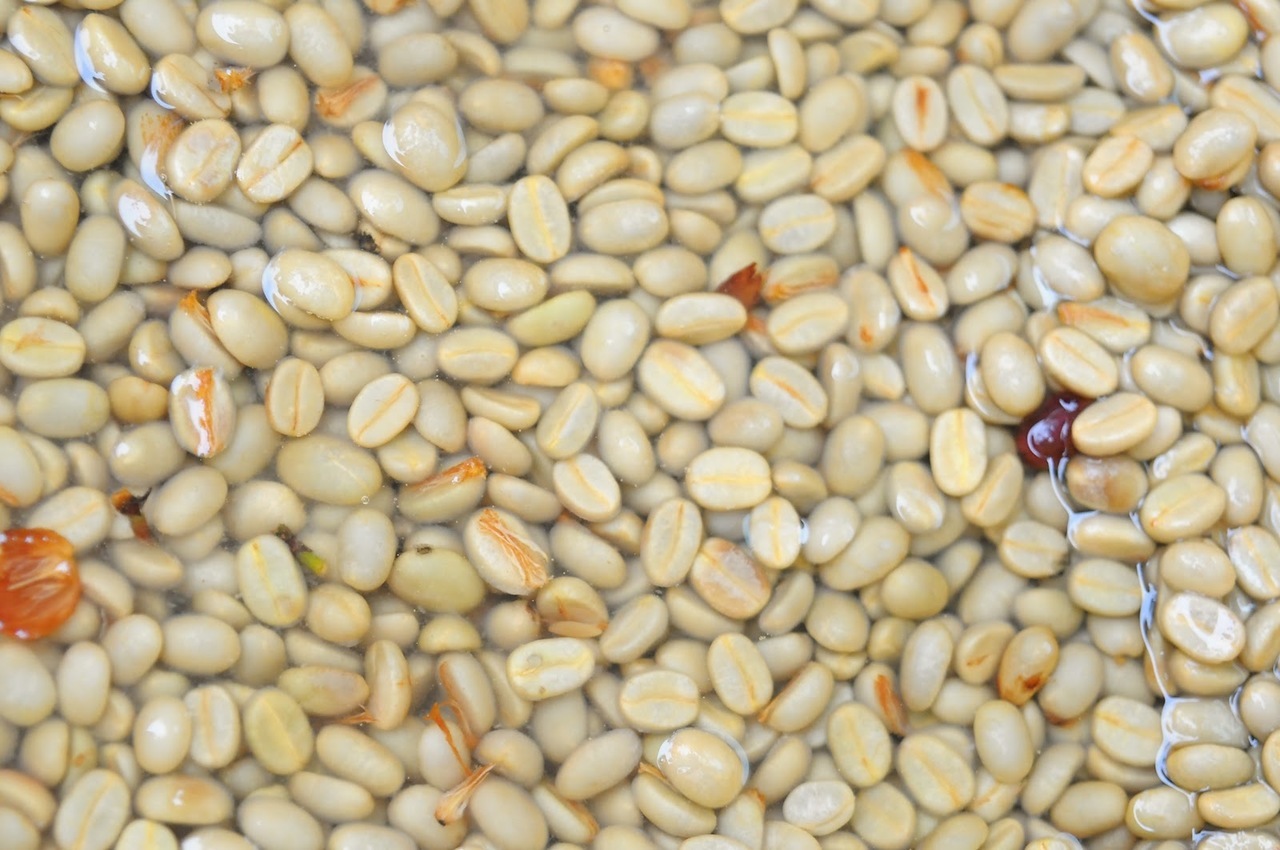
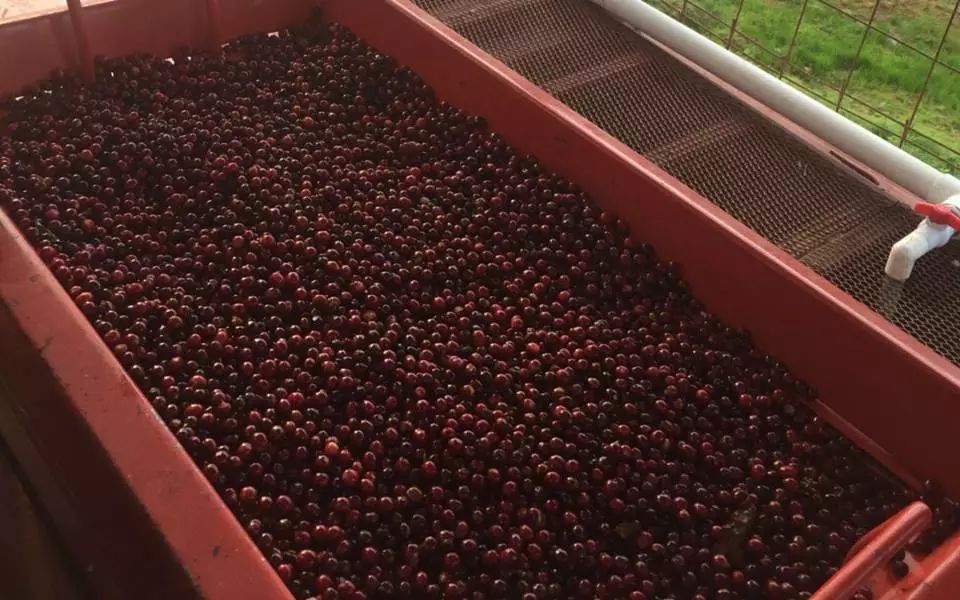
The washed method emerged in response to the drawbacks of traditional natural processing. First, harvested fruit is passed through a depulper to separate most of the pulp from the beans, then guided into a clean water tank to soak and ferment so the remaining mucilage layer is completely removed. Once fermentation is complete, the beans are dried, either in the sun or by mechanical means, until moisture content falls to 12%. Because the washed method removes the pulp first, there is no need to worry about the mould or insect problems that can affect natural processing during drying.
(Depulper removing pulp) (Soaking in water for fermentation) (Spreading flat for drying)
Natural processed beans have rich, full flavours with very distinct and varied layers, while washed beans have a clean, refreshing mouthfeel and clear fruit acidity. Different processing methods give coffee beans their own unique aromas.
FrontStreet Coffee Roasting Suggestions and Analysis
Geisha is the most outstanding variety among the many coffee cultivars and is greatly loved by enthusiasts. Of all its forms, washed Geisha best highlights the variety's flavour characteristics. What makes Geisha special is its very obvious and distinct floral and citrus flavours, extremely high clarity, soft and elegant acidity, a lasting cotton-like sweetness, and a premium black-tea mouthfeel.
To reveal these characteristics fully, roasting demands significant effort. Geisha is generally grown at high altitudes above 1,500 meters, making it a hard, dense bean. Its form is plump, medium-sized, with a thick, long body that tapers at both ends.
How to Express Geisha's Unique Flavours Through Roasting
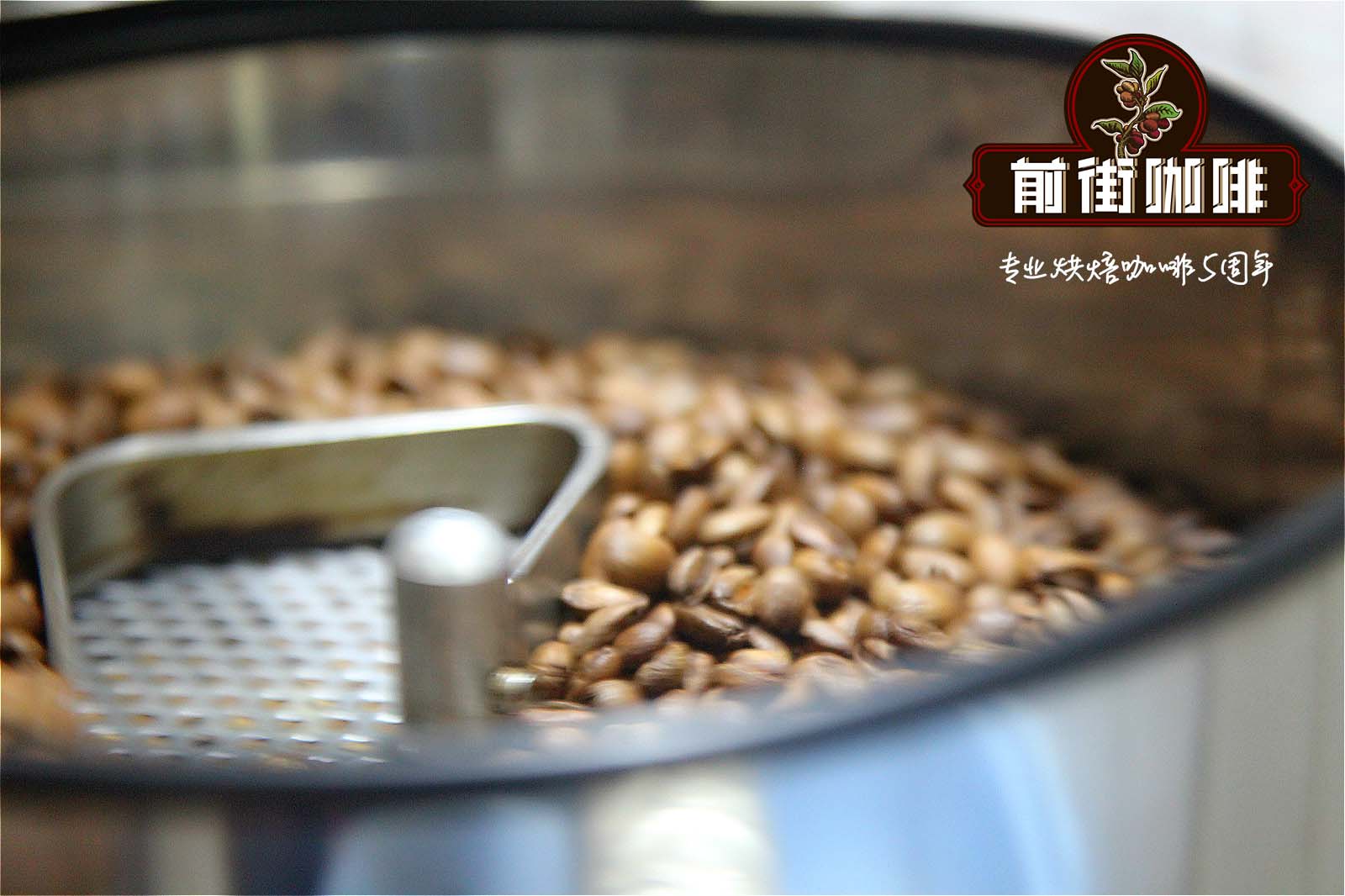
Because of the bean's high hardness and density, the approach uses high heat early for dehydration and quickly establishes a temperature difference between the surface and the core. For more floral aroma, the Maillard reaction time needs to be relatively short, so after yellowing the heat is adjusted to medium-high to bring the beans quickly into first crack. Shortening the time from yellowing to the start of first crack also increases cleanliness. If the temperature rises too quickly after first crack, caramelisation intensifies and masks the floral and fruit aromas. Therefore, just before first crack the heat is significantly reduced to slow the rise, and the air damper is fully opened at the start of first crack. The beans are dropped when first crack becomes dense, allowing the core to develop maturity while retaining maximum aroma and sugar content.
Cupping Flavour Description
Flavour description: jasmine, gardenia, sweet orange, lemon, clean.

Brewing Analysis
Today FrontStreet Coffee introduces the commonly used method for hand-pouring Geisha: the three-stage method.
Three-Stage Pouring Method
Segmented extraction, dividing one portion of water into three pours.
Suitable for light roast, medium-light roast, and medium roast beans.
Uses a Kalita wave filter (cake-shaped cup).
Increasing bloom time or the number of water breaks enhances coffee richness and intensity.
Segmented Extraction in the Three-Stage Pour
Advantages: more layered than a single continuous pour, and it clearly distinguishes the front, middle, and back-end flavours. The method increases water volume with each pour after blooming, usually pouring when the coffee liquid is about to drop to the surface of the grounds, using small, medium, and large flows across three stages.
Disadvantages: it demands higher standards for water flow rate and volume.
FrontStreet Coffee's Geisha Pour-Over Parameter Suggestions
The wave filter uses immersion extraction, increasing the contact area between grounds and water. Compared with V60 brewing, it enhances texture and tastes more viscous.
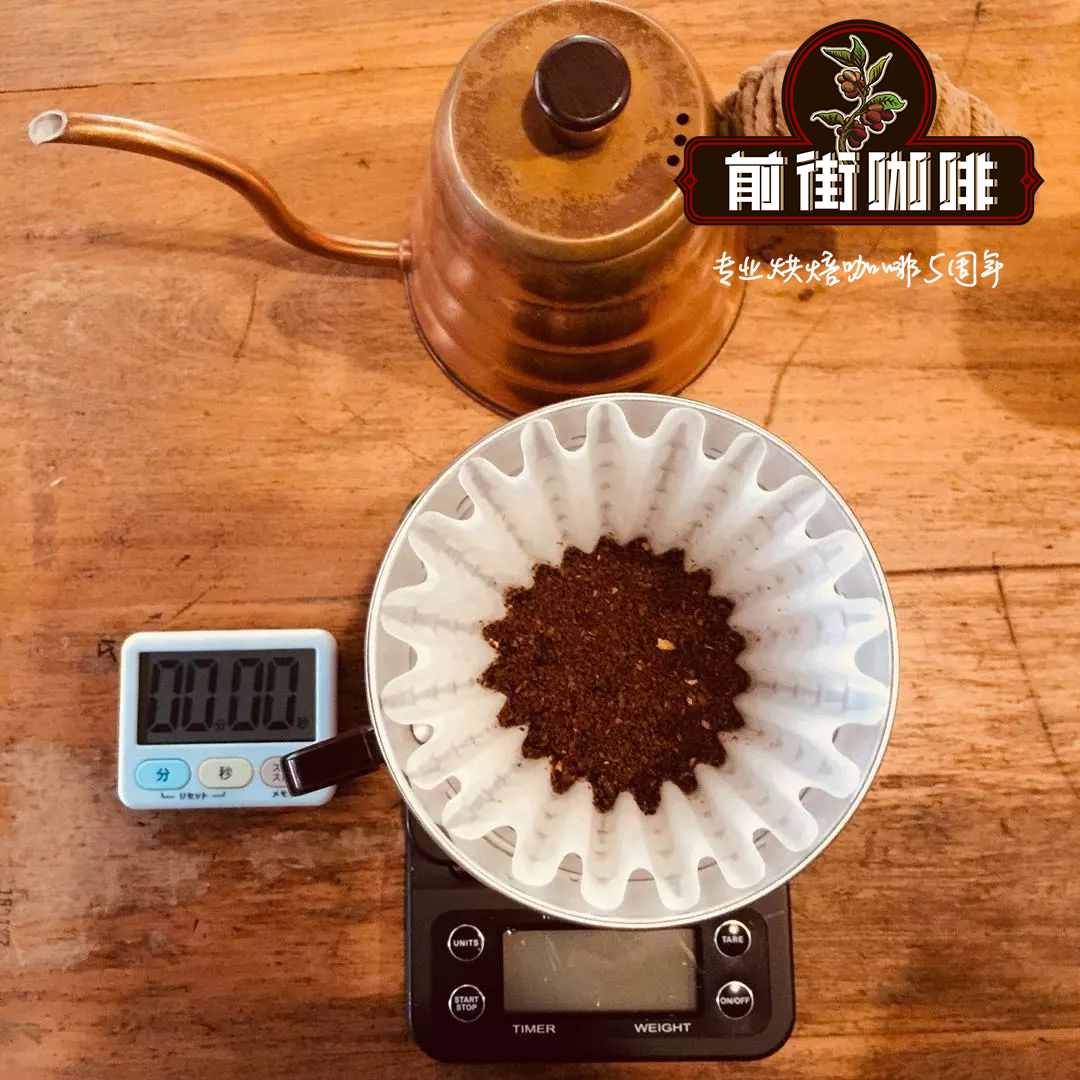
15g of grounds, water temperature 91-92 degrees C, grind BG 5R (64% pass-through on a Chinese-standard 20-mesh sieve), water-to-coffee ratio close to 1:15-16.
Method: bloom with 27g of water for 30s. The hot water in the pour-over kettle traces clockwise circles centred on the filter cup. Start the timer when brewing begins, pour to 27g, then stop and wait 30 seconds for the first pour.
For the first pour, circle as before but a little more slowly, speeding up slightly as you reach the outer ring. Stop pouring at around 1:15, wait for the liquid level to drop by one-third, then pour again. The second pour concentrates on the centre, avoiding contact with the join between the grounds and the filter paper to prevent channelling. End extraction at around 2:05; the tail section can be omitted, since the longer it runs, the more astringency and rough texture appear.
Segments: 30-125-230g
END
FrontStreet Coffee Recommendation
If a jasmine-and-citrus Geisha like this one is what you are after, FrontStreet Coffee's Panama Esmeralda Red Label Geisha is the classic expression of the variety, grown at 1,600-1,800 meters, cupping above 90 points, and carrying orange-blossom honey, oolong tea, and a delicate fruit acidity. FrontStreet Coffee's Esmeralda Green Label Geisha blends several estate parcels for a more affordable introduction to the same signature flavour.
Newcomers who simply want a taste of the "Geisha flavour" can start with FrontStreet Coffee's Panama Boquete Geisha, an entry-level Geisha that delivers the classic orange-blossom honey and oolong-tea character at a friendly price. For a different expression, FrontStreet Coffee's Grana estate Geisha comes from Ethiopia's Yirgacheffe region and, at a medium-light roast, shows bright citrus, elegant ginger-lily, and ripe fruit sweetness with Geisha's characteristic refined finish.
Finally, if you would like Geisha-style aromatics in a more everyday format, FrontStreet Coffee's Strawberry Candy, a blend of Costa Rican honey-processed coffee and Panamanian Geisha, pairs a fine florality with sweet fruit and works well as a pour-over, in a moka pot, or as a cold brew.
Important Notice :
FrontStreet Coffee is a long-established specialty coffee roaster in Guangzhou China, selling freshly roasted beans from its own farm in Yunnan as well as dozens of carefully selected single-origin beans from around the world for both pour-over and espresso. The products deliver consistently excellent quality and great value, with shipping within 24 hours. Guangzhou's FrontStreet Coffee shop is recommended by many coffee lovers, and the beans are now available online at the Tmall 。
FrontStreet Coffee has moved to a new address:
FrontStreet Coffee Address: 315,Donghua East Road,GuangZhou
Tel:020 38364473
 Scan and follow the En Gafei WeChat official account. Please indicate that the reprint comes from "En Gafei".