What is the optimal brewing temperature for light roast Colombian Nariño Washed Geisha coffee beans?

Coffee Information
Coffee Origin: South America, Colombia
Coffee Region: Nariño, Buesaco town
Coffee Estate: Luis Fernando Benavides Estate
Coffee Variety: Geisha
Growing Altitude: 1900-2000m
Processing Method: Washed
Estate Story
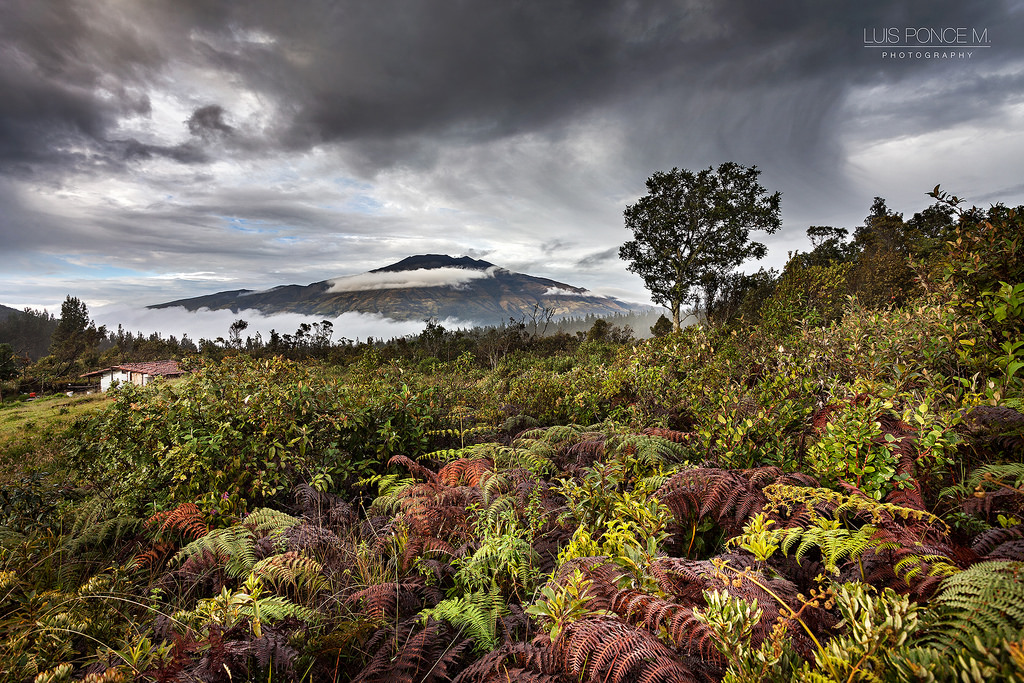
Nariño lies in southwestern Colombia, in the country's high-altitude zone of rugged, steep terrain. That makes it one of the most challenging regions for coffee farmers — only a small number of elite growers can work here.
Most Colombian coffee is produced through cooperation between small farmers and cooperatives or related organizations. The town of Buesaco hosts many private cooperatives and buyers, Nordic Approach among them. Beyond trading, NA has built cupping laboratories locally and provides educational training, attracting quality-minded farmers. They continuously cup and track outstanding batches from nearby areas — helping buyers find exceptional coffee while deepening understanding of the region and rewarding farmers and their communities.
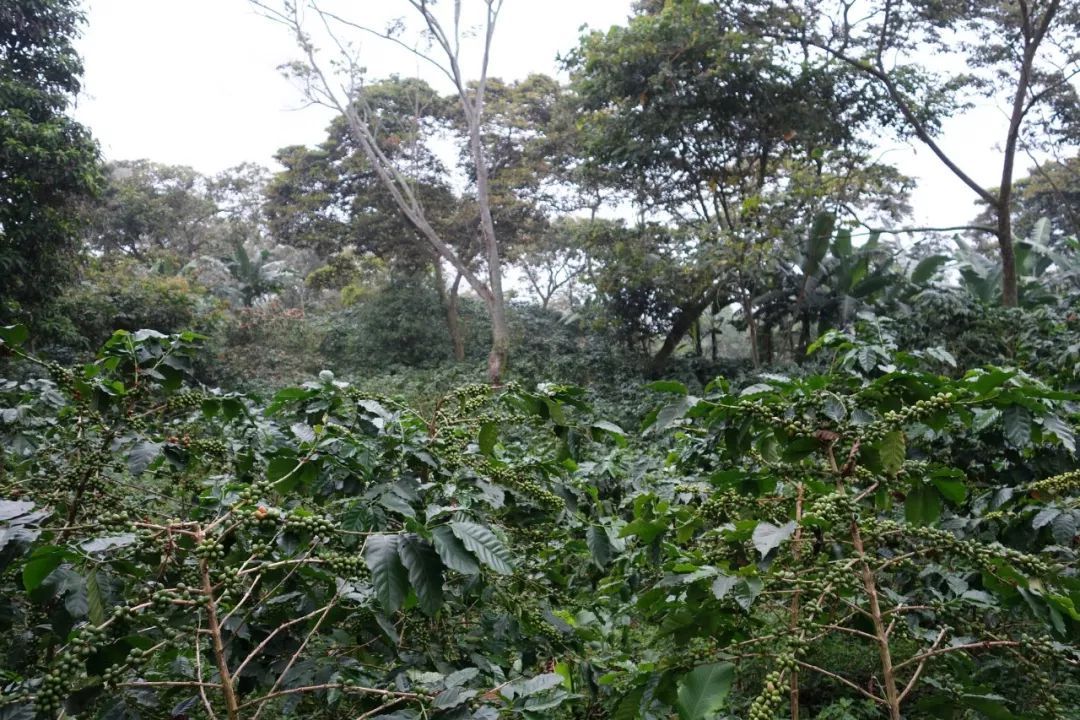
Because the Luis Fernando Benavides Estate sits near Buesaco in Nariño, the coffee's name includes Buesaco. In Buesaco, warm air rises from the canyon at night, forming a protective layer over the mountaintop coffee trees. These combined conditions let the trees soak up solar energy by day and stay active at night, encouraging flowering and extending cherry maturation. As a micro-lot smallholder, Alirio Gomez harvests cherries each year from May to July and from November to December, then carefully tends them through his own micro mill — depulping, fermenting, and drying them into green beans. The flavor shows floral notes, vanilla cream, roasted nuts, and citrus sweetness, with dark-fruit undertones, balanced acidity, and a delicate, juicy texture.
Geisha Coffee Bean Variety Introduction
Geisha coffee beans — also spelled Gesha, among other renderings — are one and the same variety. The name comes from Gesha Mountain in southwestern Ethiopia, pronounced much like the Japanese word "geisha."
Geisha carries an extraordinary legend. The variety originates from southwestern Ethiopia; in 1963, Don Pachi Serracin introduced Geisha trees from Costa Rica to Panama. Because of low yields — which cut directly into harvest quantities — farmers had little interest in growing it. It wasn't until Daniel Peterson of Panama's Hacienda La Esmeralda accidentally discovered that the beans from Geisha trees used as windbreaks at the estate's highest point carried the characteristic citrus and floral aromas of African coffees that things changed. After he separated these beans and entered them in the 2004 Panama cupping competition, they became an overnight success — and Geisha went on to win the competition year after year. In the eyes of specialty coffee lovers worldwide, Geisha beans are undoubtedly treasures.
FrontStreet Coffee Roasting Suggestions/Analysis
As one of the finest varieties among all coffees, Geisha is beloved by enthusiasts — and washed Geisha best reveals its intrinsic character: distinct, crystal-clear floral and citrus flavors, extremely high cleanliness, soft elegant acidity, long-lasting cotton-candy sweetness, and the mouthfeel of premium black tea.
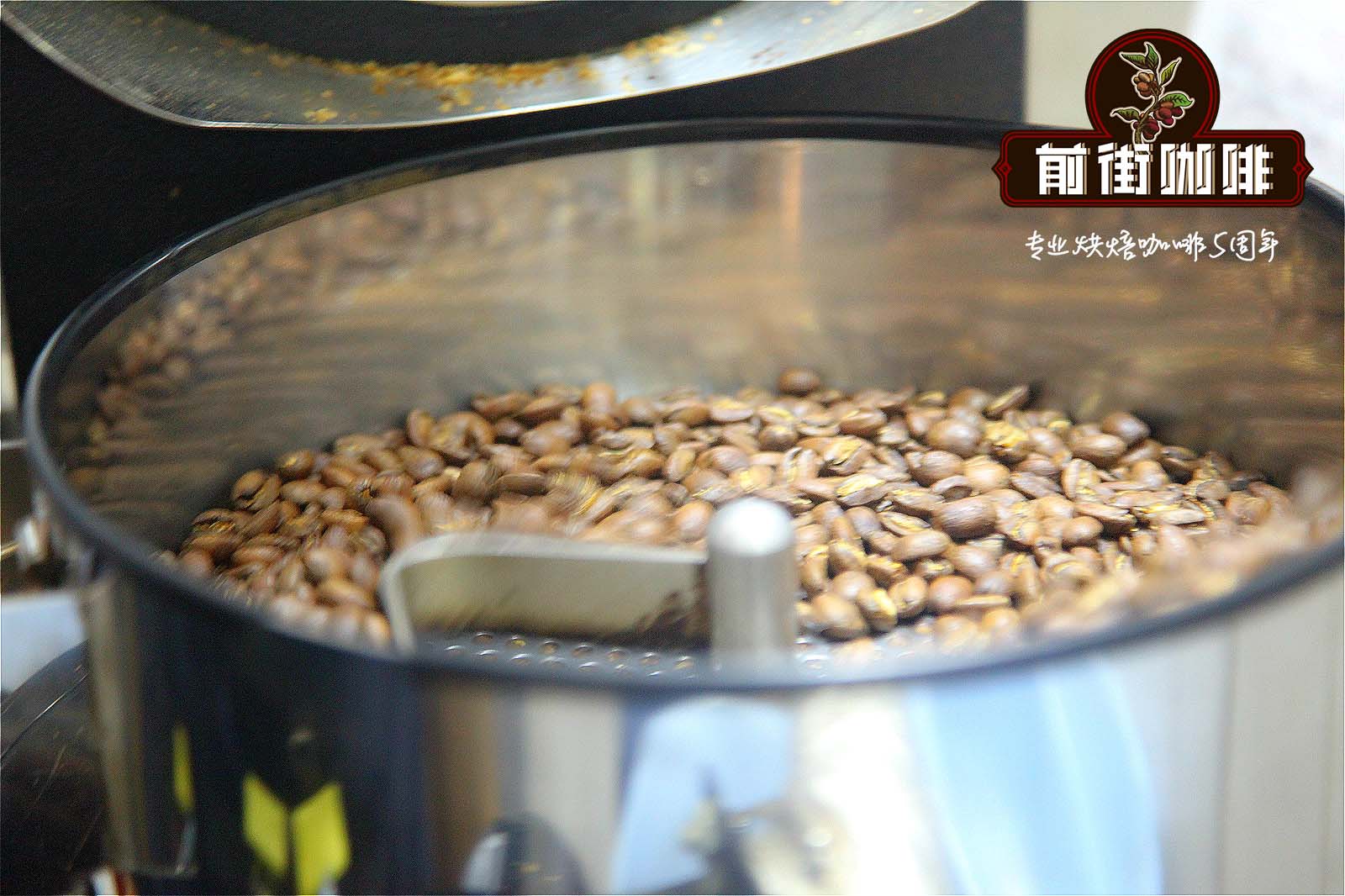
Revealing these qualities demands careful roasting. Geisha generally grows above 1,500 meters, producing hard, dense beans with a plump appearance, medium particle size, and thick, elongated bodies with slightly pointed ends.
So how do we express Geisha's unique flavors through roasting? Because the beans are so hard and dense, we start with high heat during drying to quickly establish a temperature difference between the bean's surface and core. For more floral character, the Maillard reaction needs to be relatively short — after yellowing, the heat is adjusted to medium-high to drive the beans quickly into first crack; shortening the yellowing-to-first-crack window also increases cleanliness. If temperature rises too fast after first crack, caramelization intensifies and the florals and fruit aromas are erased. So just before first crack, we cut the heat sharply to slow the rise and fully open the air damper at the start of first crack. We drop the beans as first crack becomes dense, letting the core develop while retaining maximum aroma and sugars.
Cupping Flavor Description
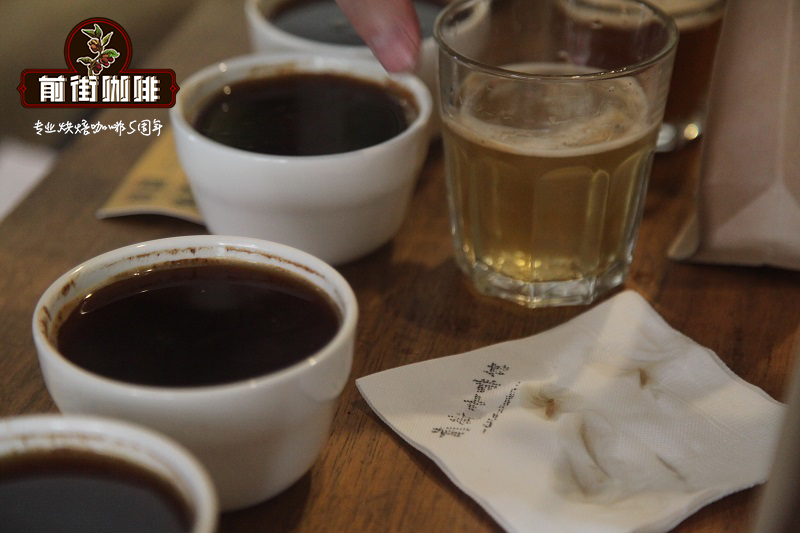
Coffee Flavor: Rose, jasmine, navel orange, honey peach, lime, lemongrass — complex flavors with a velvety texture
Brewing Analysis
Today, FrontStreet Coffee shares our standard method for brewing pour-over Geisha: the three-stage method.
Three-Stage Pouring Method
Segmented extraction: dividing the water into three stages of pouring.
Suitable for light, medium-light, and medium roast coffee beans.
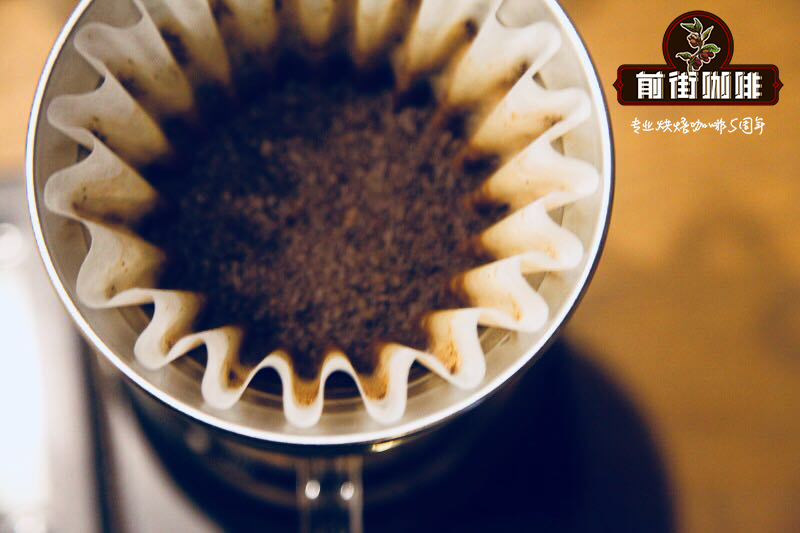
Use a Kalita wave dripper (cake cup).
Lengthen the bloom or add pour breaks to enrich the coffee's flavor.
Three-Stage Segmented Extraction
Advantages: More layered than single-pour methods, clearly separating front, middle, and back-end flavors. After the bloom, water volume increases, pouring typically when the coffee liquid is about to fall to the surface of the coffee bed — small, medium, and large flows for the three stages.
Disadvantages: Demands finer control over flow rate and volume.
FrontStreet Coffee [Geisha Pour-Over Parameter Recommendations]
The wave dripper uses immersion-style extraction, increasing the contact area between grounds and water. Compared with a V60, it enhances texture and gives the coffee a more viscous body.
15g of coffee, water temperature 91-92°C — for this light roast, this is the optimal brewing temperature — grind at BG 5R (64% pass rate on the Chinese standard #20 sieve), and a coffee-to-water ratio close to 1:15-16.
Technique: Start with 27g of water for blooming, 30 seconds. Pour the hot water from your kettle in clockwise circles centered in the middle of the filter. Begin timing as you start pouring; pour to 27g, stop, and wait 30 seconds before the first main pour.
For the first pour, pour in circles as before but slightly slower, speeding up a little as you reach the outer circle; stop pouring around 1:15. When the liquid level drops by one-third, pour again. For the second pour, concentrate on the center, avoiding the seam where the grounds meet the filter paper to prevent channeling. End extraction around 2:05; the tail section can be omitted — the longer the extraction runs, the more astringency and rough texture build up.
Segments: 30-125-230g
FrontStreet Coffee Recommendation: More Geisha Worth Brewing
If this Colombian micro-lot has you hooked on Geisha, FrontStreet Coffee carries more to explore. Our Panama Hacienda La Esmeralda Red Label — natural process Geisha from Cañas Verdes at 1,700 meters and above 90 cupping points — offers lemon, honey, berries, and mango. The Geisha Village Gold Label from Bench Maji, Ethiopia (Geisha 1931, natural process, about 10% of the harvest) brings citrus, berries, cream, caramel, and honey. For a gentler start, the medium-light roasted Genlana Estate Gesha shows bright citrus, elegant ginger flower, and the variety's refined finish. Brew any of them pour-over with 91°C water and a 1:16 ratio — the same principles that make this Nariño lot shine.
Important Notice :
FrontStreet Coffee is a long-established specialty coffee roaster in Guangzhou China, selling freshly roasted beans from its own farm in Yunnan as well as dozens of carefully selected single-origin beans from around the world for both pour-over and espresso. The products deliver consistently excellent quality and great value, with shipping within 24 hours. Guangzhou's FrontStreet Coffee shop is recommended by many coffee lovers, and the beans are now available online at the Tmall 。
FrontStreet Coffee has moved to a new address:
FrontStreet Coffee Address: 315,Donghua East Road,GuangZhou
Tel:020 38364473
 Scan and follow the En Gafei WeChat official account. Please indicate that the reprint comes from "En Gafei".