How Much Does a Cup of Costa Rican Geisha Pour-Over Coffee Cost? How Many Grams of Geisha Coffee Beans Needed?
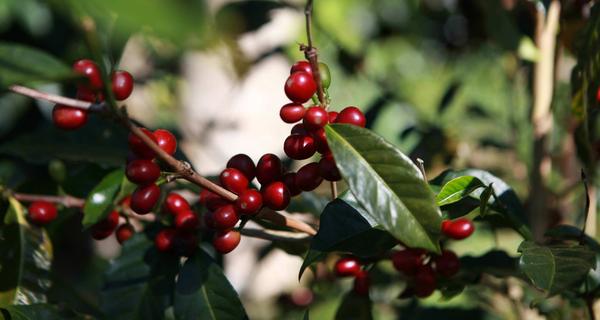
Costa Rica Finca El Diosa Washed Geisha Coffee
Costa Rica Finca El Diosa Washed Geisha is the premium goddess among coffee beans. It offers notes of vanilla, citrus, lemon, and floral fruit, with a texture as delicate and refined as white grape juice, bright crisp acidity, a smooth mouthfeel, and a sweet aftertaste.
Finca El Diosa comes from the Dota Valley in Tarrazú, a washed Geisha given a cinnamon roast and grown at approximately 1,800 meters. Unlike Panamanian Geisha with its wild African character of lemon, citrus, and black tea, Costa Rican Geisha leans more toward vanilla, fresh herbal notes, and clean flavors.
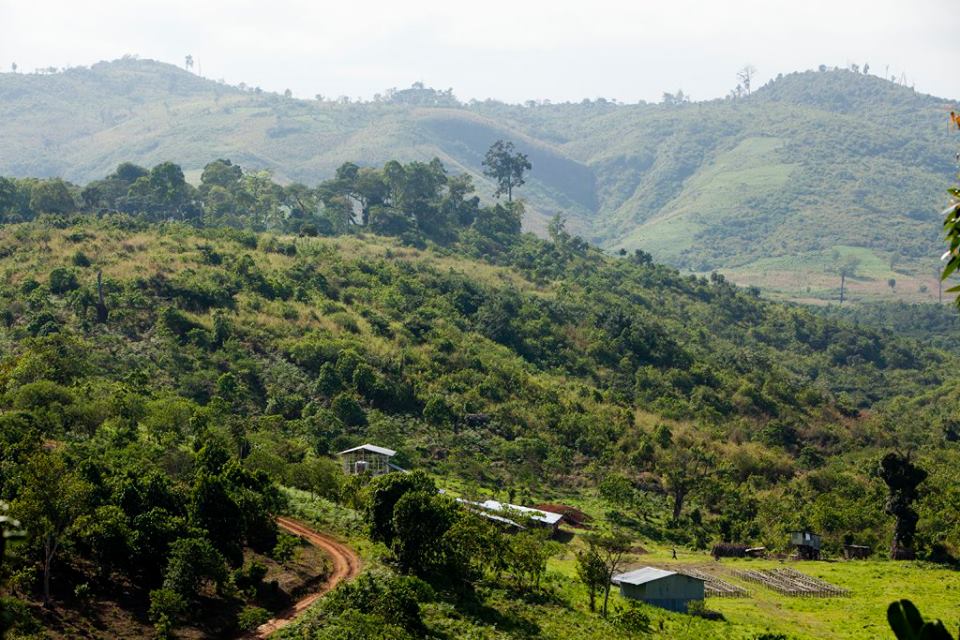
Estate Character
The Dota Valley, within Costa Rica's renowned Tarrazú region, is specifically known for producing micro-batch specialty beans. Since 1865, the Dota region has enjoyed a reputation for fine Costa Rican coffee. As highway construction extended from the capital into the Dota Valley through Tarrazú, the Costa Rican Coffee Institute developed the habit of labeling its products "Dota Tarrazu." The area features typical highland terrain, with soil and temperature-humidity conditions that are optimal for coffee cultivation.
Finca El Diosa was established in the 1960s as an estate practicing organic farming. The farm shades its coffee with local native trees and fruit trees, and its fertilizer is made from coffee cherry pulp mixed with molasses, combined with mineral-rich soil from nearby mountains and microbial fermentation to create an organic fertilizer that boosts the plants' disease resistance. California earthworms are also used to cultivate organic soil, which serves as the main nutrient source during fertilization, while multiple coffee varieties are interplanted. All coffee is hand-picked, selecting only 100% ripe red cherries, then washed and slow sun-dried (Slow Dry), with the green beans dried under shade structures to slow down the heat-drying process.
The Roaster's Perspective
Every batch of green coffee from different countries is handled with scientific rigor and precision. Testing the moisture content and density of the green beans is essential for roasting, while bean appearance and processing method inform fine adjustments to the roast profile. We enjoy a dialogue with the brewer, pushing the boundaries of roasting excellence - all to present the exceptional qualities of these beans to the people who love them.
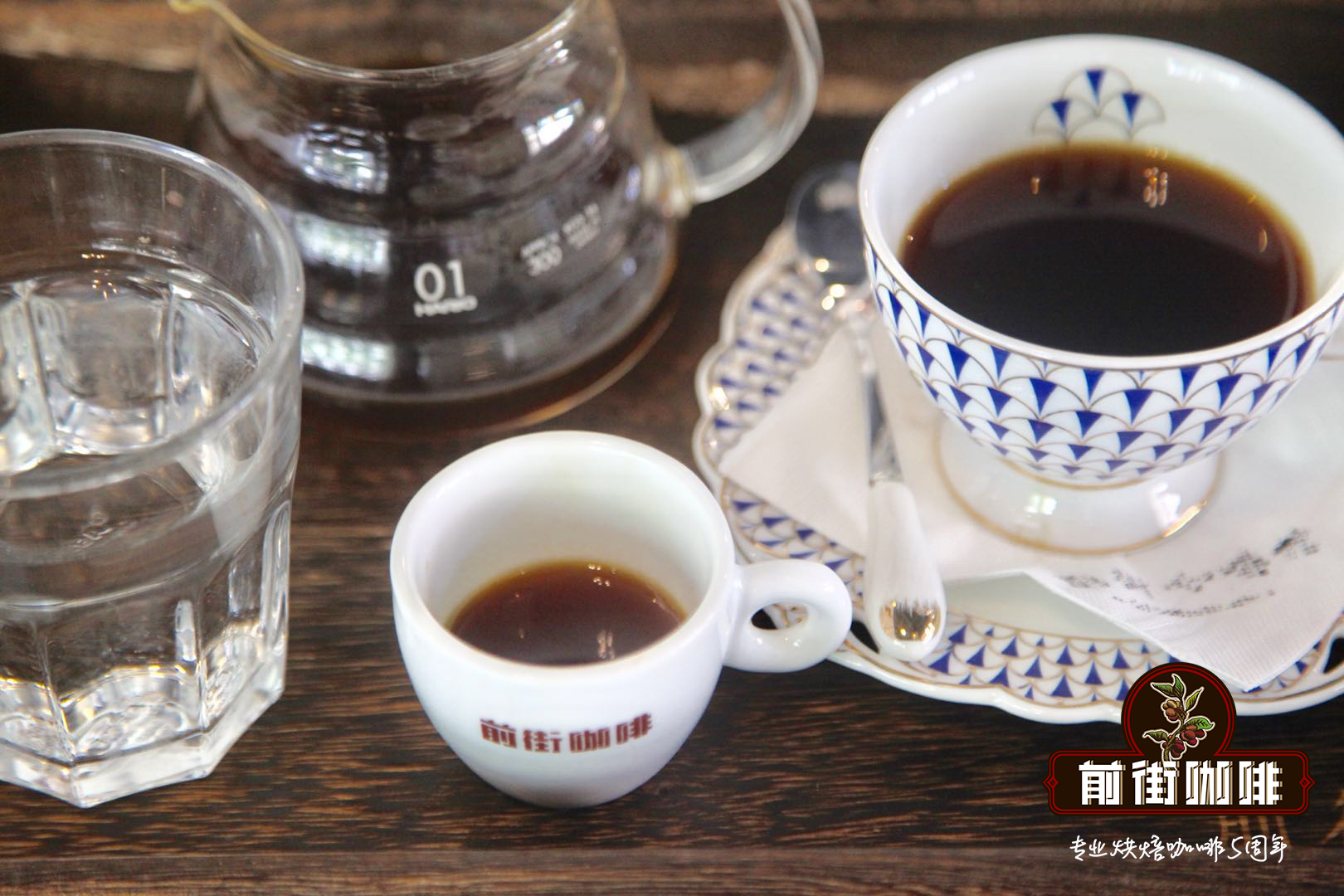
FrontStreet Coffee's Three-Stage Pour-Over Method
Today, FrontStreet Coffee introduces a common pour-over method for Geisha coffee: the three-stage technique.
The Three-Stage Pouring Method
Segmented extraction: dividing what could be one pour of water into three stages.
Suitable for light, medium-light, and medium roast coffee beans.
Uses a Kalita wave dripper (a cake-shaped filter).
Extending the bloom time or adding more pour interruptions enhances the richness of the coffee's flavor.
Segmented Extraction Method
Advantages: more layered than a single-pour method, clearly revealing the front, middle, and back-end flavors of the coffee. The technique involves increasing the water volume after each bloom, typically pouring when the coffee liquid is about to drop to the surface of the coffee bed, using small, medium, and large water flows for the three-stage extraction.
Disadvantages: it demands greater precision in flow rate and water volume.
FrontStreet Coffee's Geisha Pour-Over Parameter Recommendations
The wave dripper uses immersion extraction, increasing the contact area between coffee grounds and water. Compared with brewing on a V60, it enhances texture and creates a more viscous mouthfeel.
15g of coffee, water temperature 91-92°C, grind size BG 5R (a 64% pass rate on the #20 sieve), and a water-to-coffee ratio close to 1:15-16.
Technique: bloom with 27g of water for 30 seconds. Start the timer when brewing begins, pour to 27g, then stop and wait 30 seconds before the first pour.
During the first pour, circle in the same manner but slightly slower, increasing speed as you move toward the outer circles. Stop pouring at around 1:15. When the liquid level has dropped by one-third, pour again. The second pour should be concentrated in the center, avoiding the area where the grounds meet the filter paper to prevent channeling. End extraction at approximately 2:05. The tail section can be discarded - the longer the extraction runs, the more astringency and roughness build up.
Segments: 30-125-230g
FrontStreet Coffee Recommendation
Geisha is one of the most beloved varieties in Arabica coffee, prized for its floral character and bright sweetness - and, because of low yields and demanding cultivation, it commands high prices. If you want to taste classic Geisha flavors at an accessible price, FrontStreet Coffee recommends the entry-level FrontStreet Boquete Geisha from Panama, which delivers the classic Panamanian character of orange blossom and honeyed sweetness, an oolong-tea feel, delicate fruity acidity, and clearly layered flavors. For a brighter Ethiopian expression, the medium-light roasted FrontStreet Genlana Estate Geisha shows citrusy acidity, elegant ginger-flower aroma, and the full sweetness of ripe fruit.
For brewing, FrontStreet suggests a medium-light roast with a relatively coarse grind (about 78% pass-through on the #20 sieve, roughly the size of fine granulated sugar) and water at 91°C. Use 15g of coffee on a small Hario V60 at a 1:16 ratio, brewed in three stages: pour to 30g and bloom for 30 seconds, then pour in small circles to 125g, wait for the liquid to drop halfway down the bed, and finish pouring to 225g, for a total extraction time of about 2:10-2:20.
Important Notice :
FrontStreet Coffee is a long-established specialty coffee roaster in Guangzhou China, selling freshly roasted beans from its own farm in Yunnan as well as dozens of carefully selected single-origin beans from around the world for both pour-over and espresso. The products deliver consistently excellent quality and great value, with shipping within 24 hours. Guangzhou's FrontStreet Coffee shop is recommended by many coffee lovers, and the beans are now available online at the Tmall 。
FrontStreet Coffee has moved to a new address:
FrontStreet Coffee Address: 315,Donghua East Road,GuangZhou
Tel:020 38364473
 Scan and follow the En Gafei WeChat official account. Please indicate that the reprint comes from "En Gafei".