How Fine Should You Grind Gesha Village Gold Label Gesha for Pour-Over? What's the Optimal Pour-Over Time for Gesha?
Professional coffee knowledge exchange and more coffee bean information—please follow Cafe_Style (WeChat public account: cafe_style)
Gesha Village
Gold Label Batch
Natural Process · Gori Gesha Coffee
What is the Gold Label Batch?
Gold Label Batch
Accounting for only 5% of Gesha Village's annual production, this batch is typically chosen by competition participants worldwide, and roasters with high quality requirements purchase it as well. It offers complete traceability, with each batch featuring prominent flavors and high complexity. It is the second-best grade at the estate, surpassed only by the auction lots.
A Gold Label Gori Gesha coffee with rich berry and rum aromas, featuring blueberry, fig, and star fruit flavors
The natural process brings rich citrus and berry sweetness
The ultra-high altitude (2000-2300m) enhances the fruit's rich sweetness
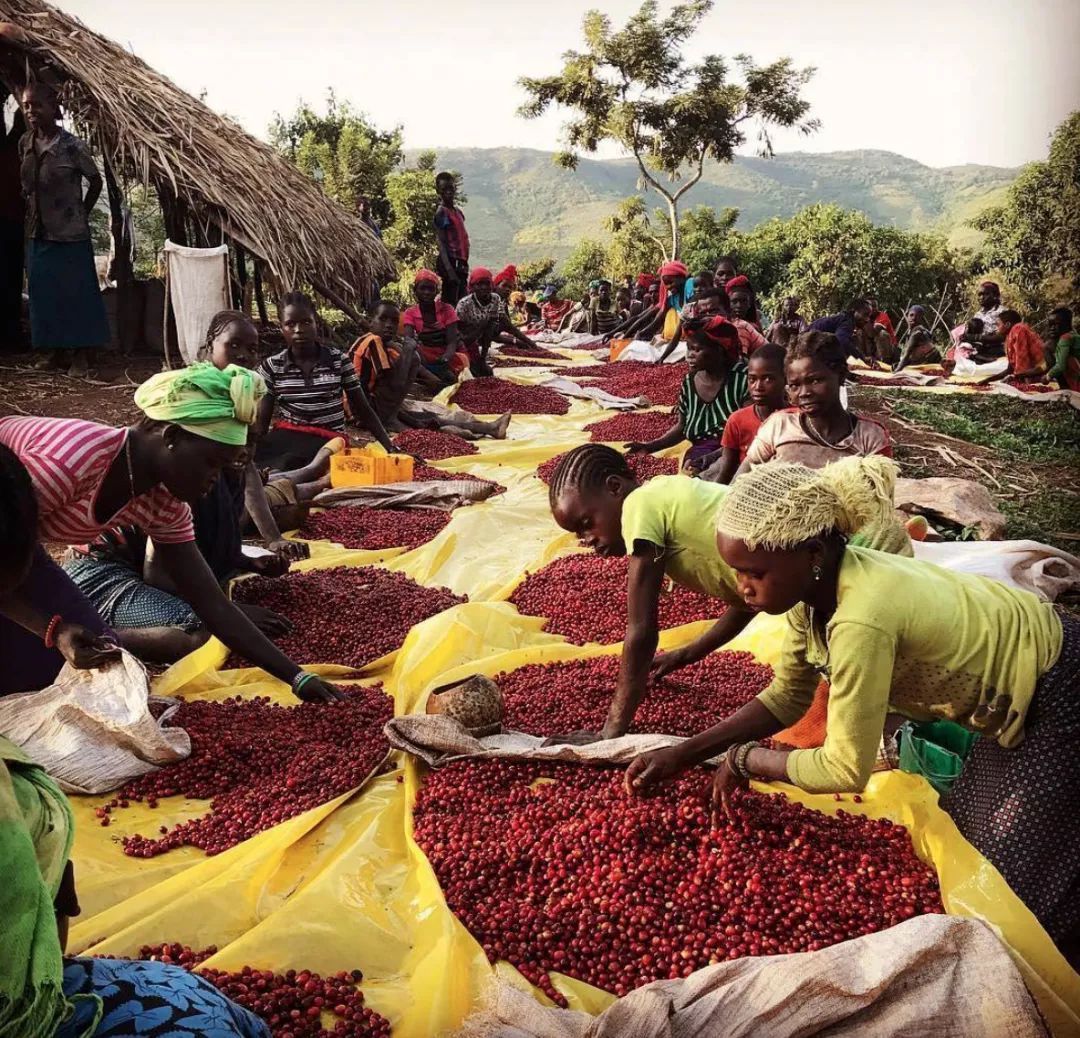
The owner of Gesha Village is Adam Overton, a genuine American who was not previously a coffee shop owner but a documentary director. His wife, Rachel Samuel, is Ethiopian and a photographer. In 2007, the couple was commissioned to shoot a documentary about coffee in Ethiopia. As filming progressed and their contact with Ethiopia's land and people deepened, their dream of establishing their own estate began to sprout.
Today, FrontStreet Coffee introduces a commonly used pour-over method for Gesha coffee: Three-Stage Pouring
Three-Stage Pouring Method
Segmented extraction, dividing one portion of water into three stages
Suitable for light roast, medium-light roast, and medium roast coffee beans
Uses a Kalita wave filter (cake cup)
Increase the bloom time or the number of pour interruptions to enhance the coffee's richness
Three-Stage Pouring Segmented Extraction Method
Advantages: Delivers more layered complexity than a single continuous pour, clearly distinguishing the front, middle, and back-end flavors of the coffee. The method involves increasing the water volume after each bloom, typically pouring just as the coffee liquid is about to drop to the level of the coffee bed, using small, medium, and large water flows for the three-stage extraction.
Disadvantages: Places higher demands on water flow control and volume.
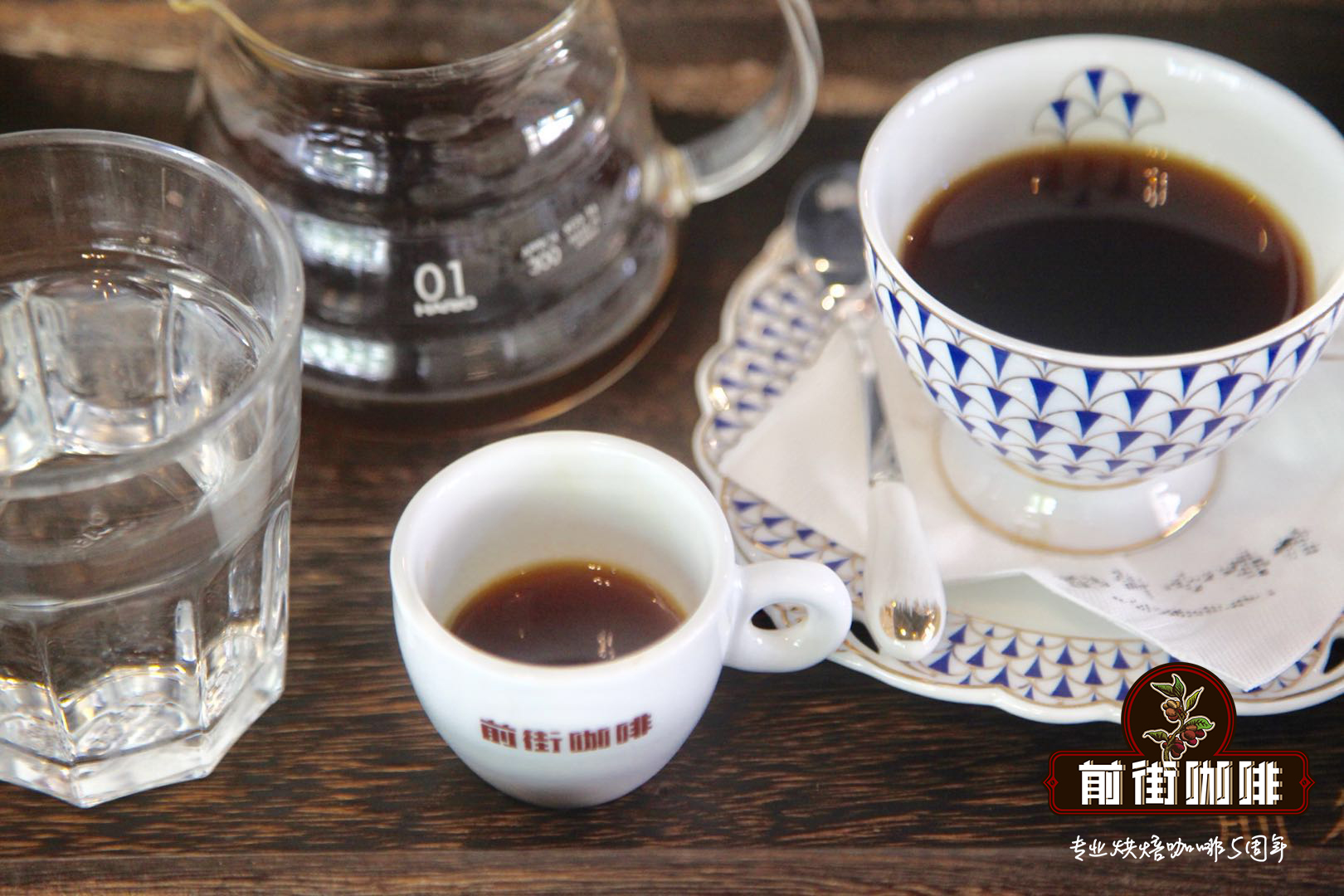
FrontStreet Coffee's Pour-Over Parameters for Gesha Coffee
The wave filter uses immersion extraction, increasing the contact area between coffee grounds and water. Compared to V60 brewing, it can enhance texture and make the coffee feel more viscous;
15g of coffee grounds, water temperature 91-92°C, grind size BG 5R (64% pass-through rate through the China standard #20 sieve), water-to-coffee ratio close to 1:15-16
Technique:
27g of water for the bloom; bloom time is 30s. Pour the hot water from the kettle in clockwise circles starting from the center of the filter cup. Start timing when brewing begins, pour to 27g, then stop and wait 30 seconds before the first main pour.
For the first pour, circle as before, but the speed can be slightly slower, increasing the pace a bit when reaching the outer edge. Stop pouring at around 1:15. When the liquid level drops by 1/3, pour again. The second pour should concentrate on the center, avoiding the seam where the coffee bed meets the filter paper to prevent channeling. End extraction at around 2:05. The tail section can be discarded (the longer the extraction runs, the more astringency and rough texture build up).
Pouring Segments:
30-125-230g
FrontStreet Coffee Recommendation: The Gesha Village Gold Label Experience
If this guide has you craving a taste of Gold Label-level coffee, FrontStreet Coffee's Gesha Village lineup is the place to start. The estate grows three Gesha varieties—Gori Gesha, Gesha 1931, and Illubabor Forest—graded into Gold Label RARITIES, Red Label GROWERS RESERVE, Green Label SINGLE-TERROIR, and Chaka lots. The Gold Label, a Gesha 1931 refined-natural lot making up 10% of production, bursts with berry and rum aromas and blueberry-fig sweetness. For a gentler entry, the Gesha Village approach rewards patience: use a V60 at 91°C with a 1:16 ratio and 15g of coffee, a three-stage pour of 30g bloom, then 125g and 225g, finishing in about 2:10-2:20 for florals, citrus, and a silky, tea-like Gesha finish.
Important Notice :
FrontStreet Coffee is a long-established specialty coffee roaster in Guangzhou China, selling freshly roasted beans from its own farm in Yunnan as well as dozens of carefully selected single-origin beans from around the world for both pour-over and espresso. The products deliver consistently excellent quality and great value, with shipping within 24 hours. Guangzhou's FrontStreet Coffee shop is recommended by many coffee lovers, and the beans are now available online at the Tmall 。
FrontStreet Coffee has moved to a new address:
FrontStreet Coffee Address: 315,Donghua East Road,GuangZhou
Tel:020 38364473
 Scan and follow the En Gafei WeChat official account. Please indicate that the reprint comes from "En Gafei".