The Difference Between Gesha Village Red Label Gesha and Hacienda La Esmeralda Red Label Gesha_Gesha Village Red Label Pour-Over Recommendations
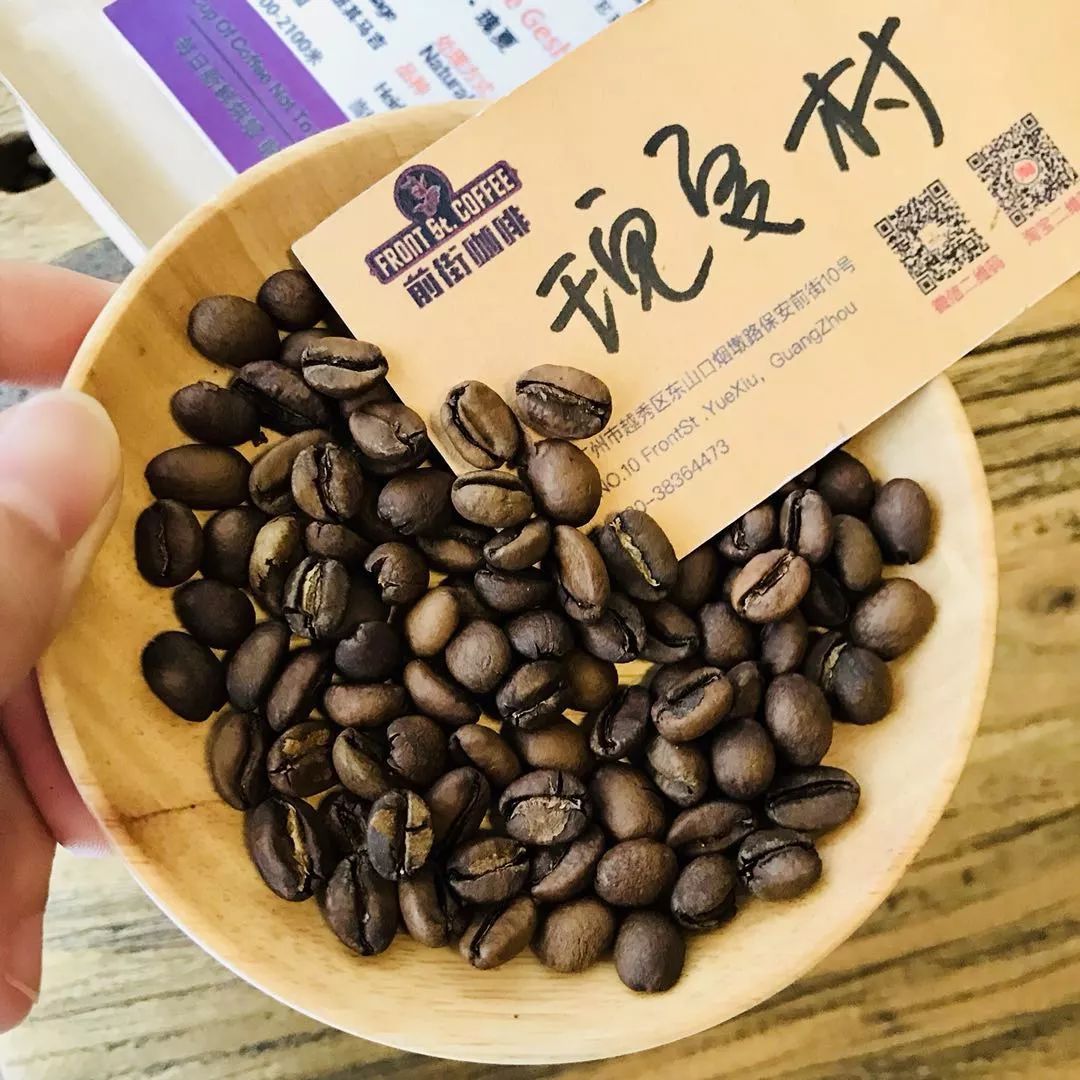
Gesha Village's internal grading system includes Auction, Gold Label, Red Label, Green Label, and Chaka lots. The village grows three varieties: Gori Gesha, Gesha 1931, and Illubabor (an Ethiopian native disease-resistant variety).
Even the most prestigious estates produce coffee of varying quality. To protect Gesha Village's flavor reputation, the estate enforces a strict internal grading system.
Auction Lots
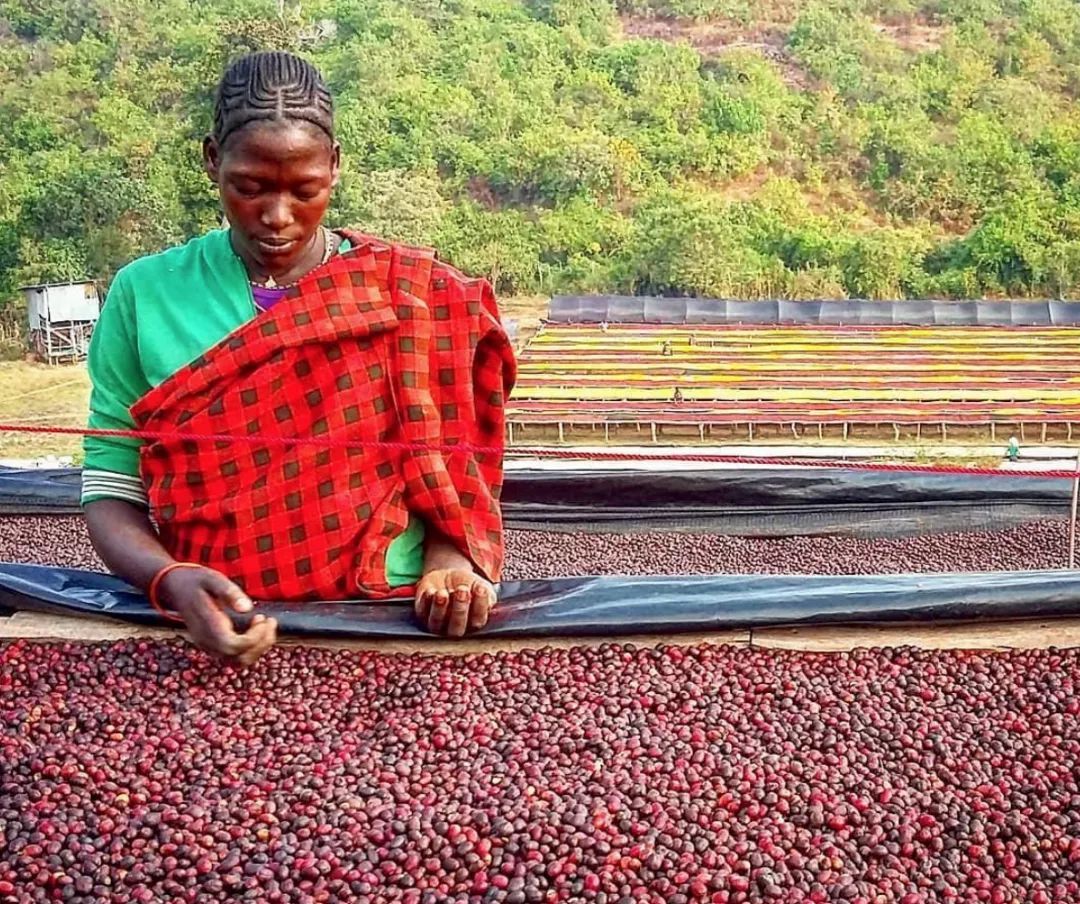
These account for only 3.7% of Gesha Village's annual production and represent the estate's most elite lots, meticulously selected and offered exclusively through the 2018 Gesha Village Coffee Estate Global Auction. The 2018 auction lots scored between 88.15 and 92.67 points, and are further divided into Champion's Reserve and Farm Reserve categories.
Gesha Village 2018 Auction Lot RSV.6, for example, belongs to the auction category.
Gold Label Lots
Representing merely 5% of Gesha Village's annual production, these lots are typically chosen by competition participants worldwide and bought by roasters with high quality standards. Fully traceable, each lot shows prominent flavors and high complexity, making Gold Label the estate's second-highest grade after the auction lots.
Red Label Lots
These lots are fully traceable and showcase typical Gesha Village flavors. With slightly less intensity and complexity than Gold Label, they offer excellent value as single-origin offerings.
Green Label Lots
Sourced from a single plot and a single variety, these lots display typical Gesha Village characteristics, with flavor intensity and complexity a little lower than Red Label.
Chaka Lots
These are Gesha blends produced by Gesha Village, combining all three varieties: Gori Gesha, Gesha 1931, and Illubabor (an Ethiopian native disease-resistant variety).
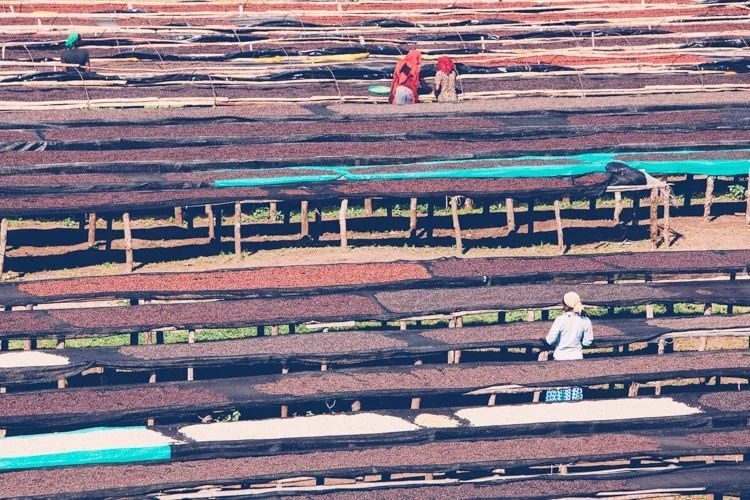
Gesha Village spans 471 hectares, with cultivation expanding gradually from 2011 onward. By 2017 the planted area had reached roughly 320 hectares, making it one of the largest Gesha estates in the world. To improve management and refine the coffee's flavor, the owners divided the village into eight major zones, with each lot further numbered internally.
The Three-Stage Pour-Over Method for FrontStreet Coffee's Gesha
Three-Stage Pour-Over
This segmented technique divides the water into three pours.
Suitable for light, medium-light, and medium roast beans.
Uses a Kalita Wave filter (cake cup).
Increase the bloom time or the number of pour interruptions to build richness.
Three-Stage Segmented Extraction
Advantages: More layered than a single pour, clearly revealing the front, middle, and back-end flavors. The technique increases the water volume after each bloom, typically pouring when the coffee level drops to the surface of the bed, using small, medium, and large flows across three stages.
Disadvantages: Demands greater precision in flow rate and volume control.
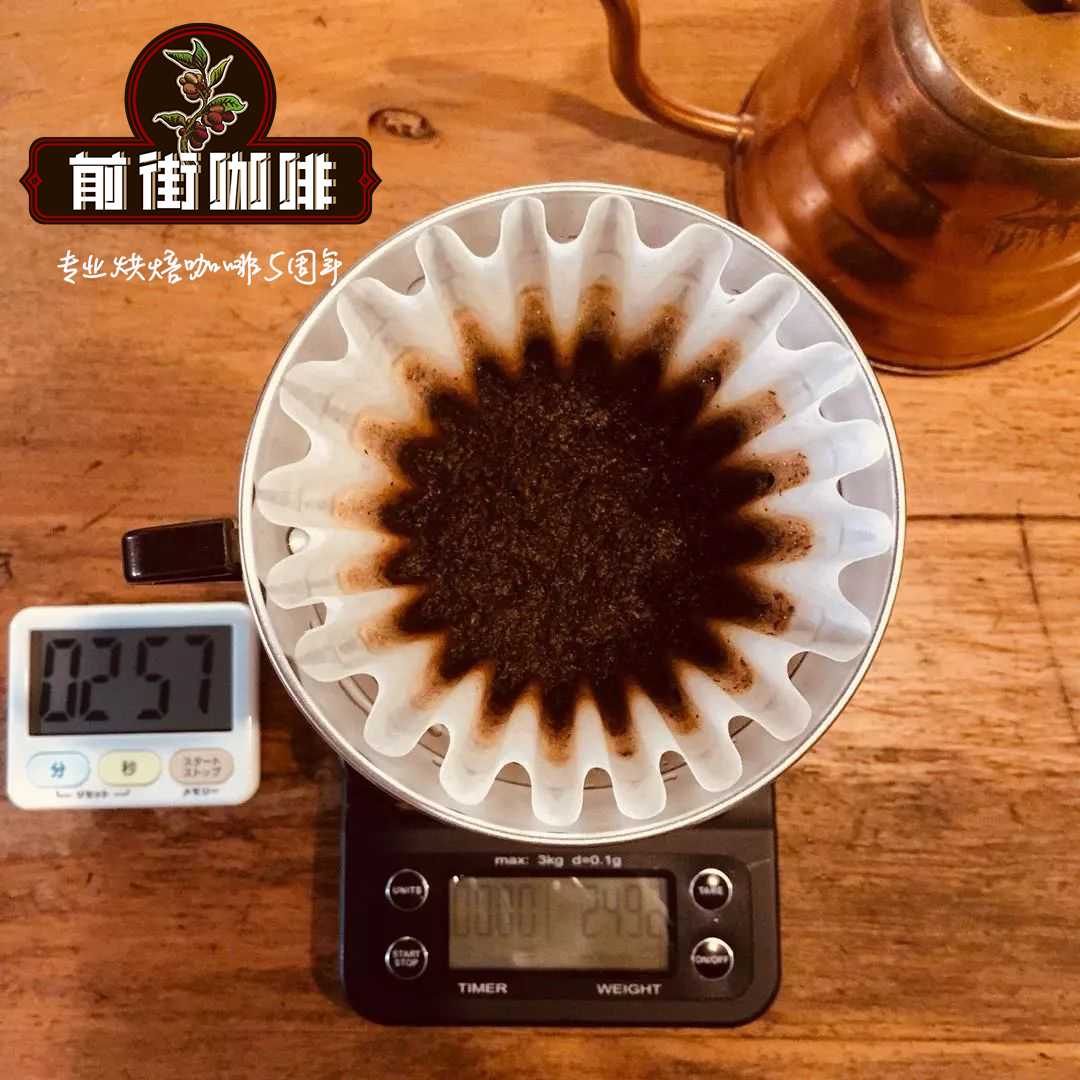
FrontStreet Coffee's Hand-Pour Parameters for Gesha
The Wave filter (cake cup) uses immersion extraction, increasing the contact area between grounds and water. Compared with a V60, it builds more texture for a more viscous mouthfeel.
15g coffee, water at 91-92°C, grind setting BG 5R (Chinese standard: 64% pass-through on a #20 sieve), water-to-coffee ratio approximately 1:15-1:16.
Technique: Bloom with 27g of water for 30 seconds. Start the timer and pour hot water from a gooseneck kettle in clockwise circles from the center of the filter. Pour to 27g, then stop and wait 30 seconds before the first pour.
For the first pour, keep the circular motion similar to the bloom, slowing slightly. Speed up a little as you reach the outer edge. Stop pouring at around 1:15. When the liquid level drops by one-third, begin the second pour, concentrating on the center. Avoid pouring where the grounds meet the filter paper to prevent channeling. Finish extraction at approximately 2:05. The tail end can be omitted (the longer the extraction, the more astringency and roughness appear).
Pour segmentation: 30g-125g-230g
FrontStreet Coffee Recommendation
If you want to explore what a Red Label Gesha tastes like, FrontStreet Coffee's Esmeralda Red Label Gesha, officially named "Esmeralda Special," is a natural place to start. It is grown at 1,600-1,800 meters, and every lot must cup above 90 points. Each lot carries its own number and comes from a single small plot, so buyers can choose a lot that suits their taste down to subtle flavor differences.
For a look at Gesha's Ethiopian roots, try FrontStreet Coffee's Gesha Village Gold Label, a Gesha 1931 lot that makes up 10% of Gesha Village's total output. This is the village's top coffee outside the auction, processed with a refined natural method to deliver complex, layered flavors that linger on the palate.
Important Notice :
FrontStreet Coffee is a long-established specialty coffee roaster in Guangzhou China, selling freshly roasted beans from its own farm in Yunnan as well as dozens of carefully selected single-origin beans from around the world for both pour-over and espresso. The products deliver consistently excellent quality and great value, with shipping within 24 hours. Guangzhou's FrontStreet Coffee shop is recommended by many coffee lovers, and the beans are now available online at the Tmall 。
FrontStreet Coffee has moved to a new address:
FrontStreet Coffee Address: 315,Donghua East Road,GuangZhou
Tel:020 38364473
 Scan and follow the En Gafei WeChat official account. Please indicate that the reprint comes from "En Gafei".