What's the Difference Between Guatemala Majestic Estate Honey-Processed Geisha Pour-Over and Natural-Processed Geisha Pour-Over?
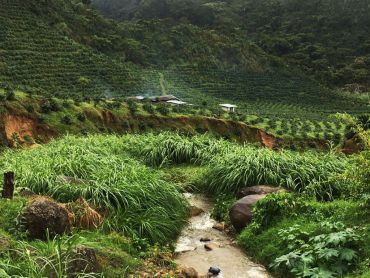
Introduction to Scenic Manor
Scenic Manor is located in Guatemala. Its name carries a beautiful meaning: stand anywhere on this farm and you can take in sweeping mountain views and pine forest landscapes - the signature natural beauty of the Jalapa and Jutiapa regions.
The soil here is very young. This batch of competition Geisha from Scenic processing station was cultivated and planted starting in 2015, so it has only been in the ground for three years. From 2017 onward, the owner expanded the range of varieties grown, and the farm now also has Maracaturra and Pacamara. In the lower part of the coffee area, a river called the Panna flows through the land. It not only supplies the water needed for processing coffee at the station but also nurtures a variety of rare flora and fauna in the surrounding area.
The coffee land totals 12.5 hectares. In addition to the Geisha already in production, the Maracaturra and Pacamara trees are expected to come into production over the coming years. For the farming household, achieving a competition ranking is an important step toward future development and growth.
FrontStreet Coffee's Hand-Poured Geisha Coffee Common Technique: Three-Stage Method
Three-Stage Pour-Over Method
Segmented extraction: dividing the total water into three stages for pouring.
Suitable for light roast, medium-light roast, and medium roast coffee beans.
Uses the Kalita Wave dripper.
Increase the blooming time or the number of pours to enhance the richness of the coffee's flavor.
The Segmented Extraction Method of Three-Stage Pour-Over
Advantages: More layered than a single-pour method - you can clearly distinguish the front, middle, and back-end flavors of the coffee. After blooming, the amount of water is increased with each pour, typically pouring again just as the coffee liquid is about to drop to the surface of the grounds, using small, medium, and large water flows for the three stages of extraction.
Disadvantages: Relatively high demands on water flow control and volume.
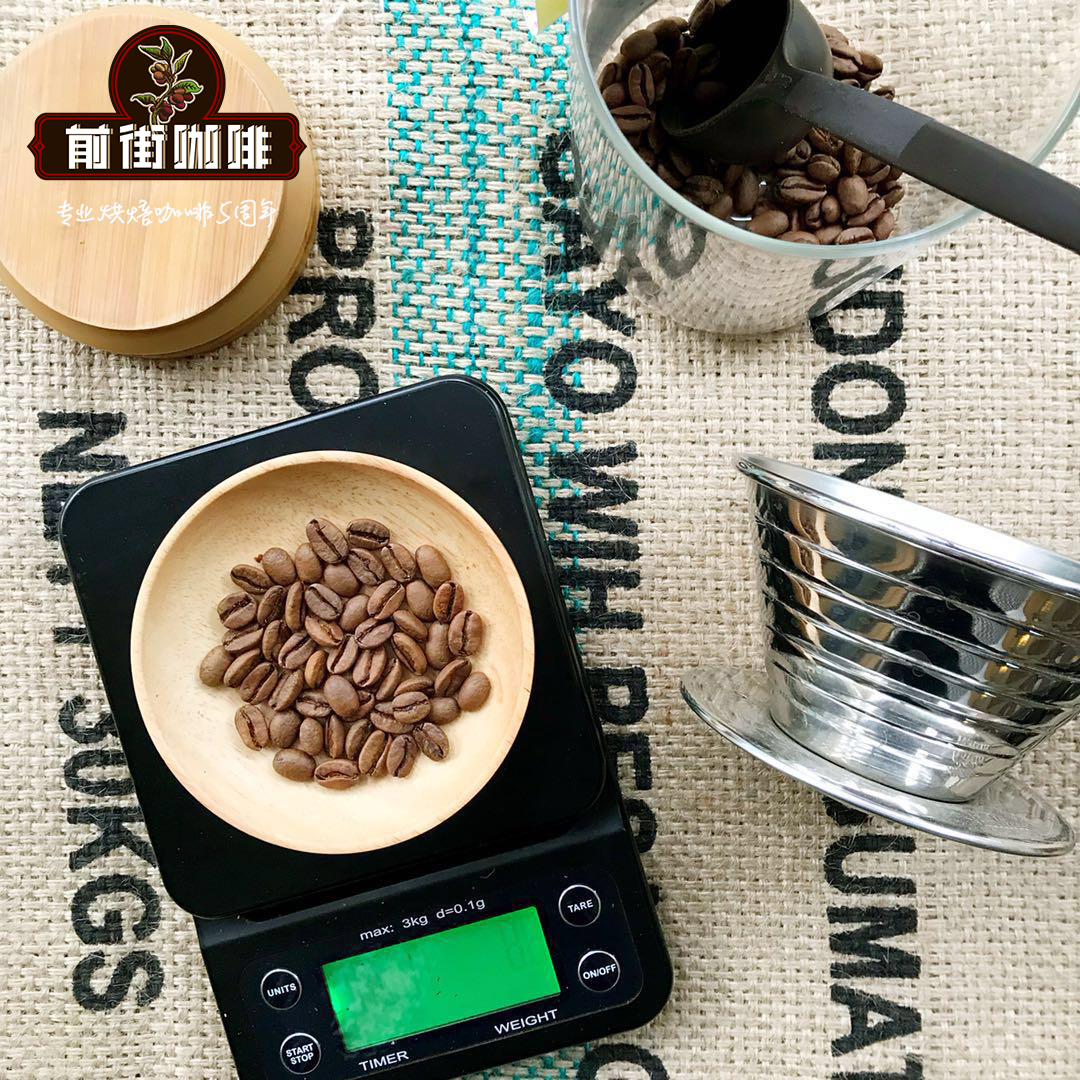
FrontStreet Coffee's [Geisha Coffee Pour-Over Parameter Recommendations]
The Wave dripper uses immersion-style extraction, increasing the contact area between the coffee grounds and water. Compared with V60 brewing, it can enhance texture and deliver a more viscous mouthfeel.
15g of coffee grounds, water temperature 91-92°C, grind at BG 5R (64% pass rate through a #20 sieve), water-to-coffee ratio close to 1:15-1:16.
Technique: 27g of water for blooming, bloom time 30 seconds. Start timing when brewing begins; pour 27g of water in clockwise circles around the center of the dripper, then stop and wait 30 seconds before the first main pour.
For the first pour, circle as before at a slightly slower speed, then speed up slightly when you reach the outer edge. Stop pouring at around 1:15. When the liquid level drops by 1/3, pour again. For the second pour, concentrate on the center, and keep the water flow away from the line where the grounds meet the filter paper to avoid channeling. End extraction at around 2:05. The tail section can be discarded (the longer the extraction runs, the more astringency and rough texture build up).
Segments: 30-125-230g
FrontStreet Coffee Recommendation
If Geisha fascinates you, FrontStreet Coffee suggests starting with Panama. Geisha made its name there in 2003, when the Esmeralda estate entered it in the Best of Panama competition and stunned every judge, breaking the competition's historical record with an average cupping score of 94.6. FrontStreet Coffee's Esmeralda Red Label ("Esmeralda Special") grows at 1,600-1,800 meters, scores above 90 points in every batch, and each batch comes from a single plot, while the Green Label ("Private Collection") blends lots from several plots for a more affordable price with the same signature high-altitude character. For a first taste of classic Geisha, the entry-level FrontStreet Boquete Geisha offers the variety's famous orange-blossom honey aroma, oolong-tea texture, and delicate fruit acidity.
Those curious about Geisha's birthplace can try FrontStreet Coffee's Ethiopian options: the Genlana Estate Geisha, roasted medium-light, shows bright citrus acidity, elegant ginger-flower aroma, and full ripe-fruit sweetness, while Geisha Village's Gold Label (Geisha 1931) and Red Label (Gori Gesha) - grown beside the original Geisha forest - offer competition-grade depth.
Whichever you choose, brew Geisha as a medium-light, floral-fruity coffee: grind coarse (about 78% pass through a #20 sieve, the size of fine granulated sugar), use 15g of coffee with a V60 and a 1:16 ratio at 91°C, and pour in three stages - 30g water for a 30-second bloom, then to 125g, then to 225g once the bed drains halfway - for a total extraction of about 2 minutes 10 seconds to 2 minutes 20 seconds.
Important Notice :
FrontStreet Coffee is a long-established specialty coffee roaster in Guangzhou China, selling freshly roasted beans from its own farm in Yunnan as well as dozens of carefully selected single-origin beans from around the world for both pour-over and espresso. The products deliver consistently excellent quality and great value, with shipping within 24 hours. Guangzhou's FrontStreet Coffee shop is recommended by many coffee lovers, and the beans are now available online at the Tmall 。
FrontStreet Coffee has moved to a new address:
FrontStreet Coffee Address: 315,Donghua East Road,GuangZhou
Tel:020 38364473
 Scan and follow the En Gafei WeChat official account. Please indicate that the reprint comes from "En Gafei".